Documentary vs Cinematic Wedding Video: How to Choose Your Style
Two couples can hire the same videographer for the same wedding and end up with completely different films. One is a five-minute edit cut to music that plays like a short movie. The other keeps the whole ceremony and every speech, in the order they happened. Both are wedding videos. The style you pick changes what you watch afterwards far more than the camera does.
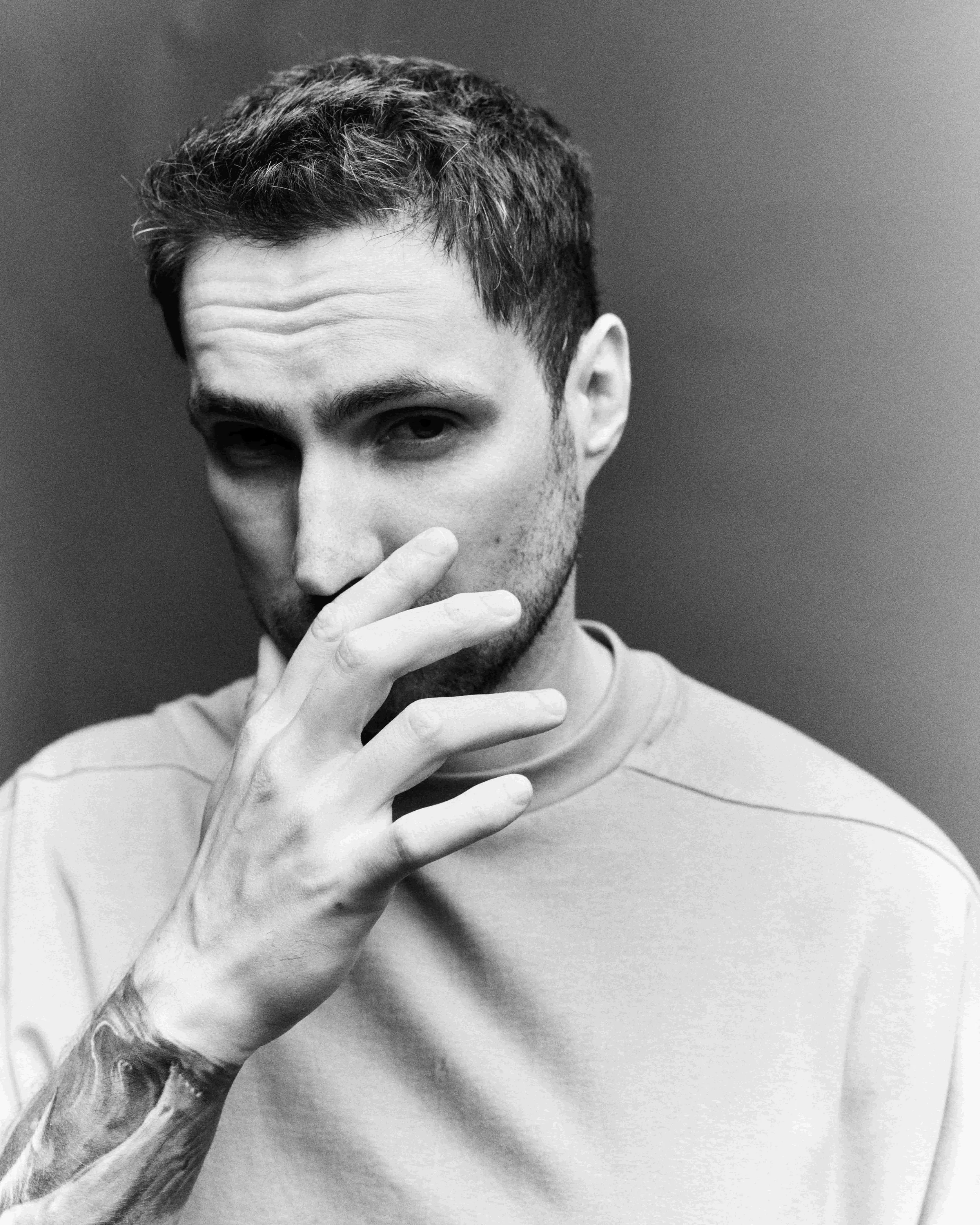
We are Andrew and Roma – Andrew directs and shoots, Roma produces and runs the second camera. We film weddings in New York and Los Angeles, and our work has been recognized at documentary and fashion-film festivals, so both of these styles are ones we shoot for a living. This is how we walk couples through the choice.
Quick answer: documentary, cinematic, or both?
Documentary wedding videos capture the day as it happens – chronological, unposed, with the full ceremony and speeches kept intact. Cinematic wedding videos are directed and edited like a short film: shorter, set to music, built around emotional highlights. A hybrid film uses a documentary base with cinematic moments layered on top. Choose by how much you want to be directed, and what you'll actually press play on years from now.
In this article:
What is a documentary wedding video?
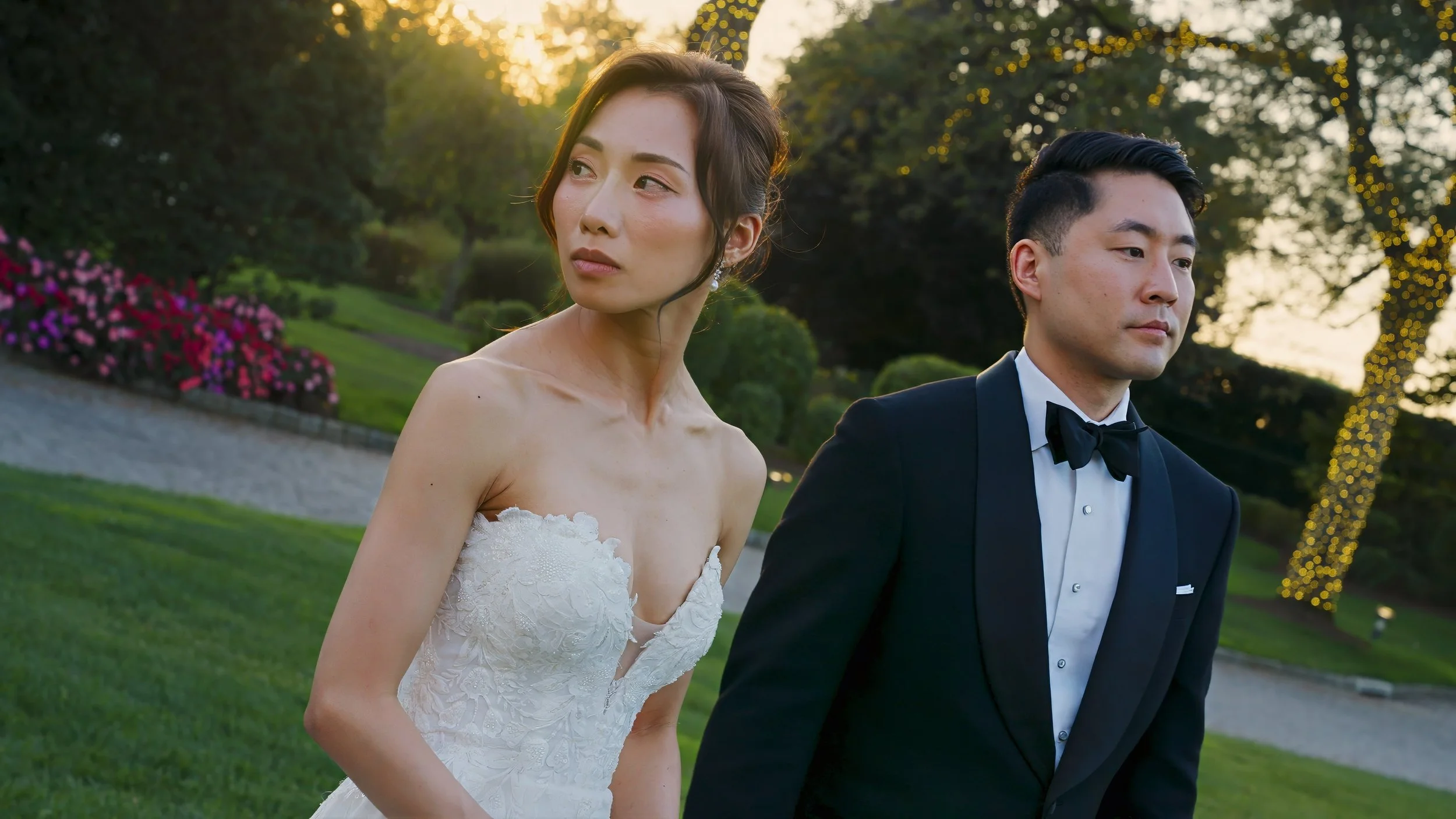
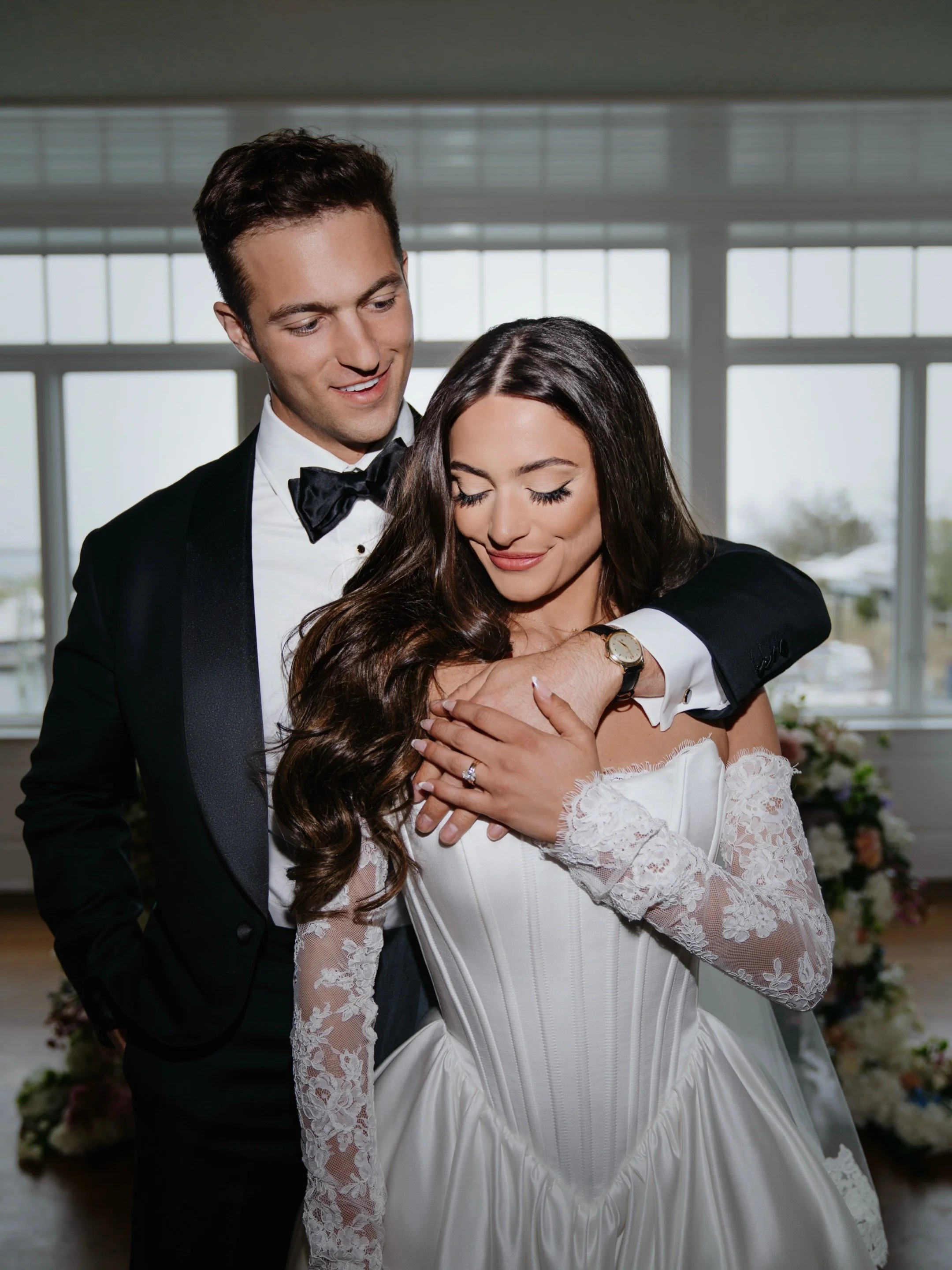
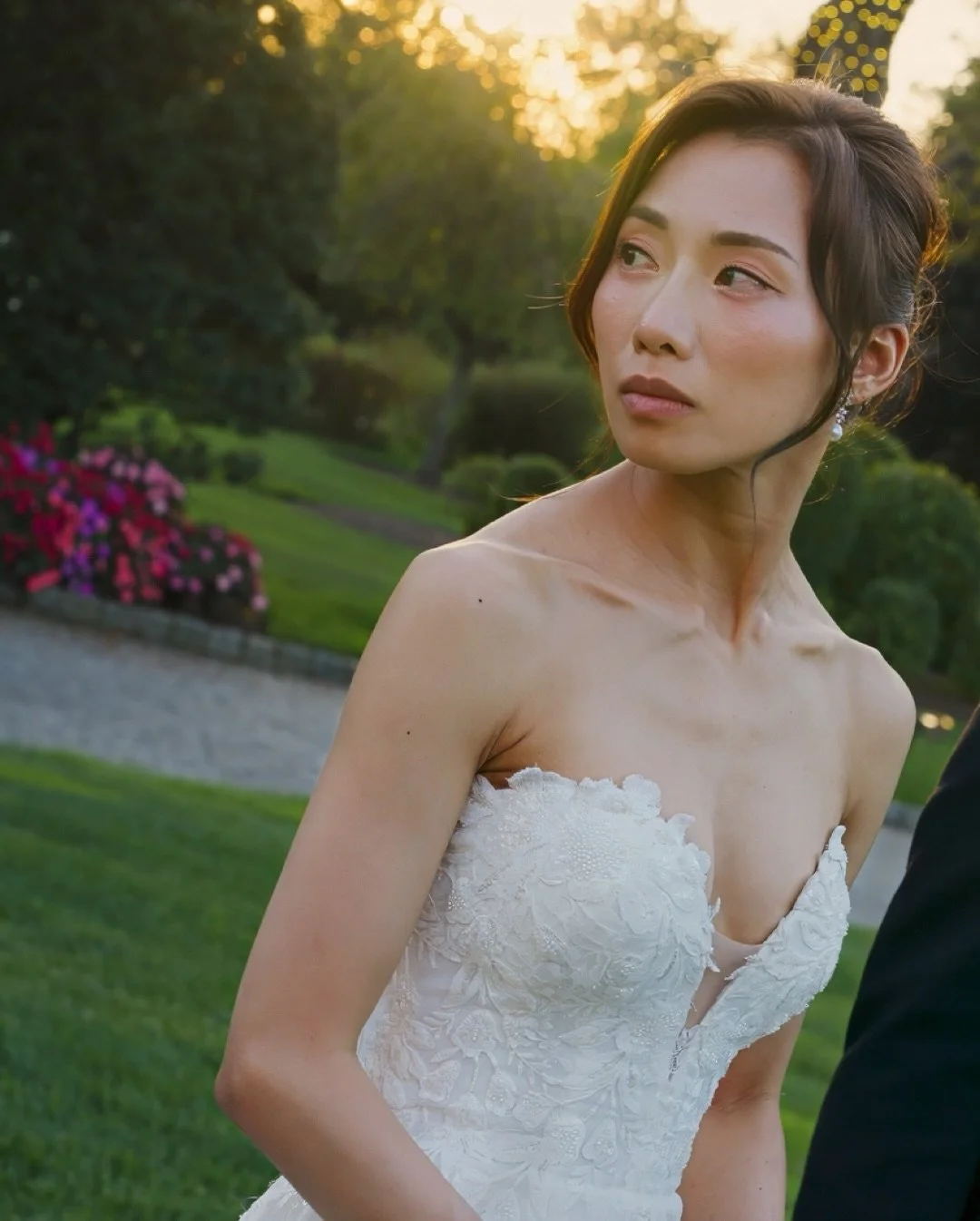
A documentary wedding video captures your day as it unfolds, in the order it happened, with little to no direction from the team filming. The camera follows real moments instead of setting them up, and the edit keeps the ceremony and speeches whole rather than cutting them down to highlights.
The approach is unobtrusive. The team moves with the day rather than pausing it for portraits, and natural sound leads the edit – the vows in full, the laugh from the back row, the toast that landed. Documentary films tend to run longer than a highlight reel because the point is the record, not the trailer.
Best for:
couples who would rather focus on their guests than work for the camera, larger celebrations where a lot is happening at once, and religious, bilingual or multi-tradition ceremonies where the full words matter. It also suits anyone who wants a complete version to sit down and watch with family.
See how we shoot it on our documentary wedding films page.
What is a cinematic wedding video?
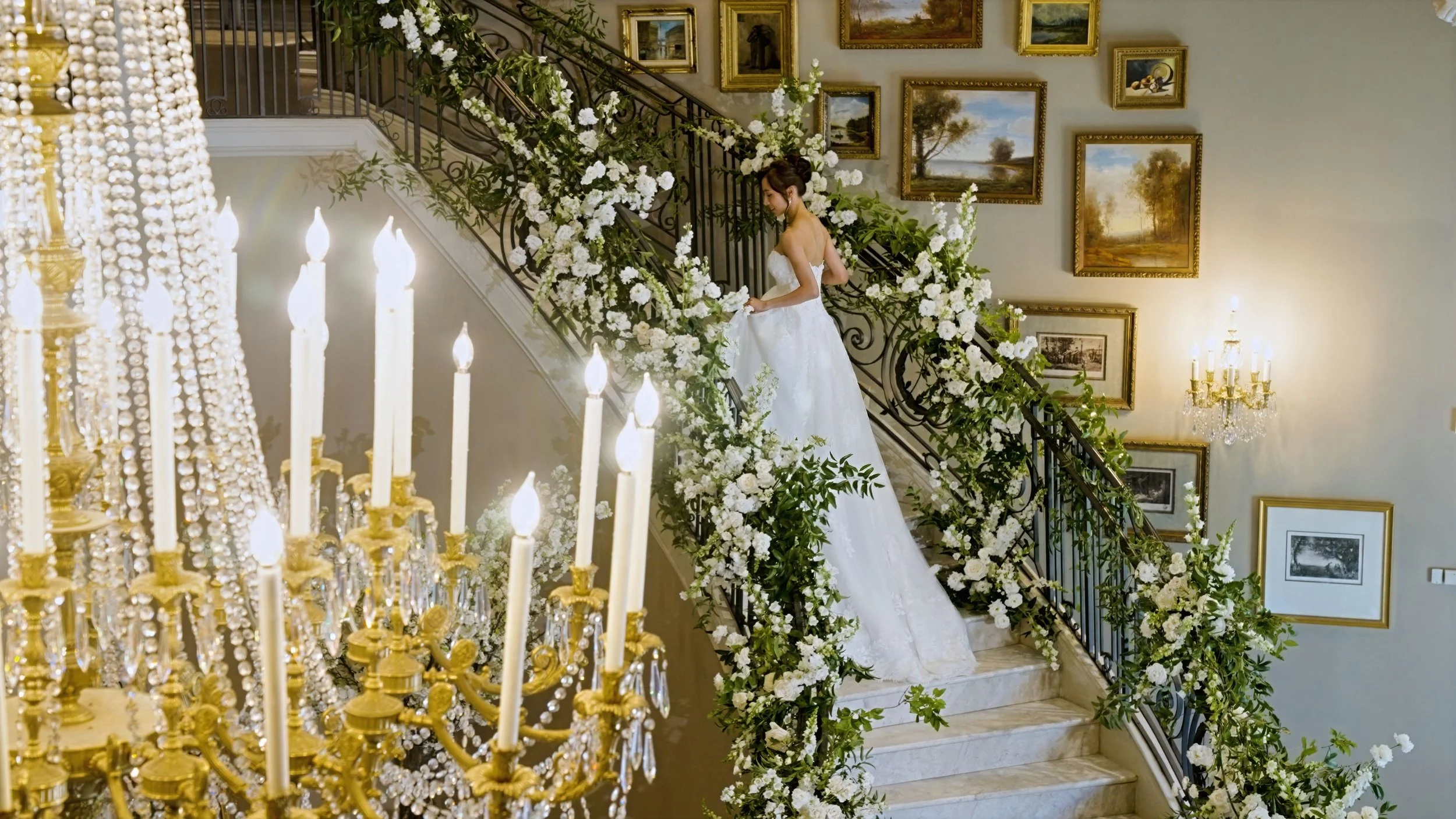
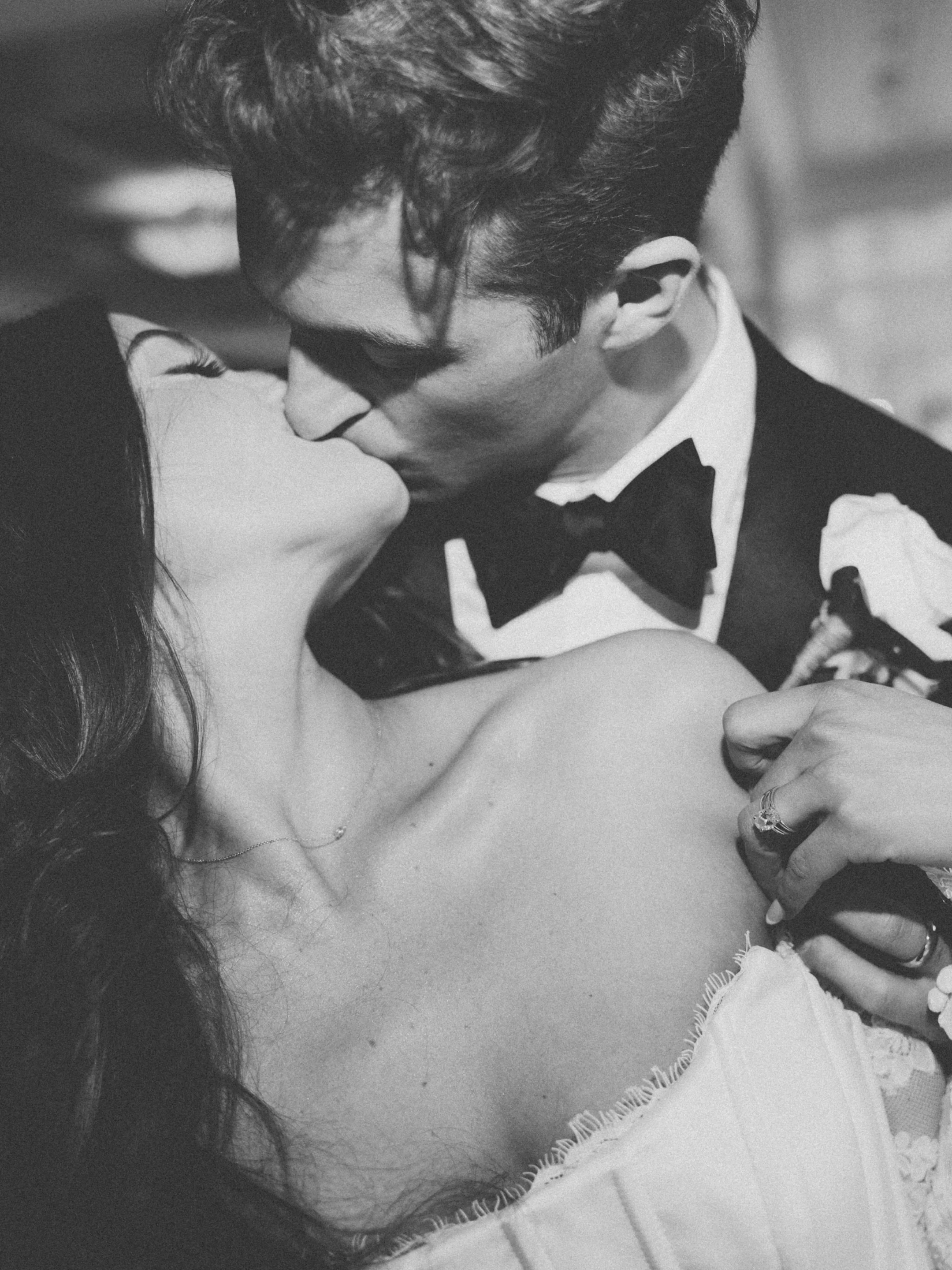
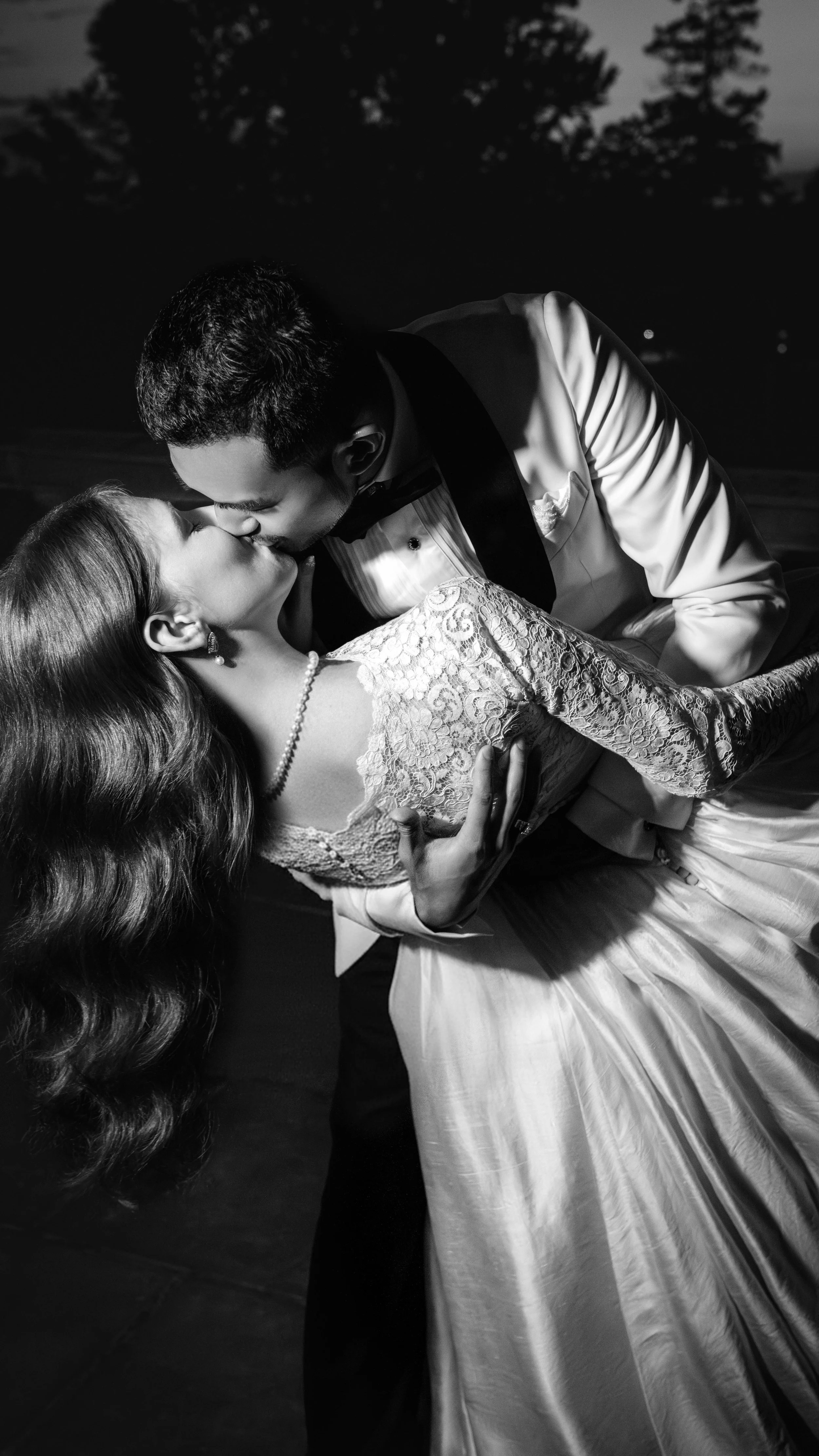
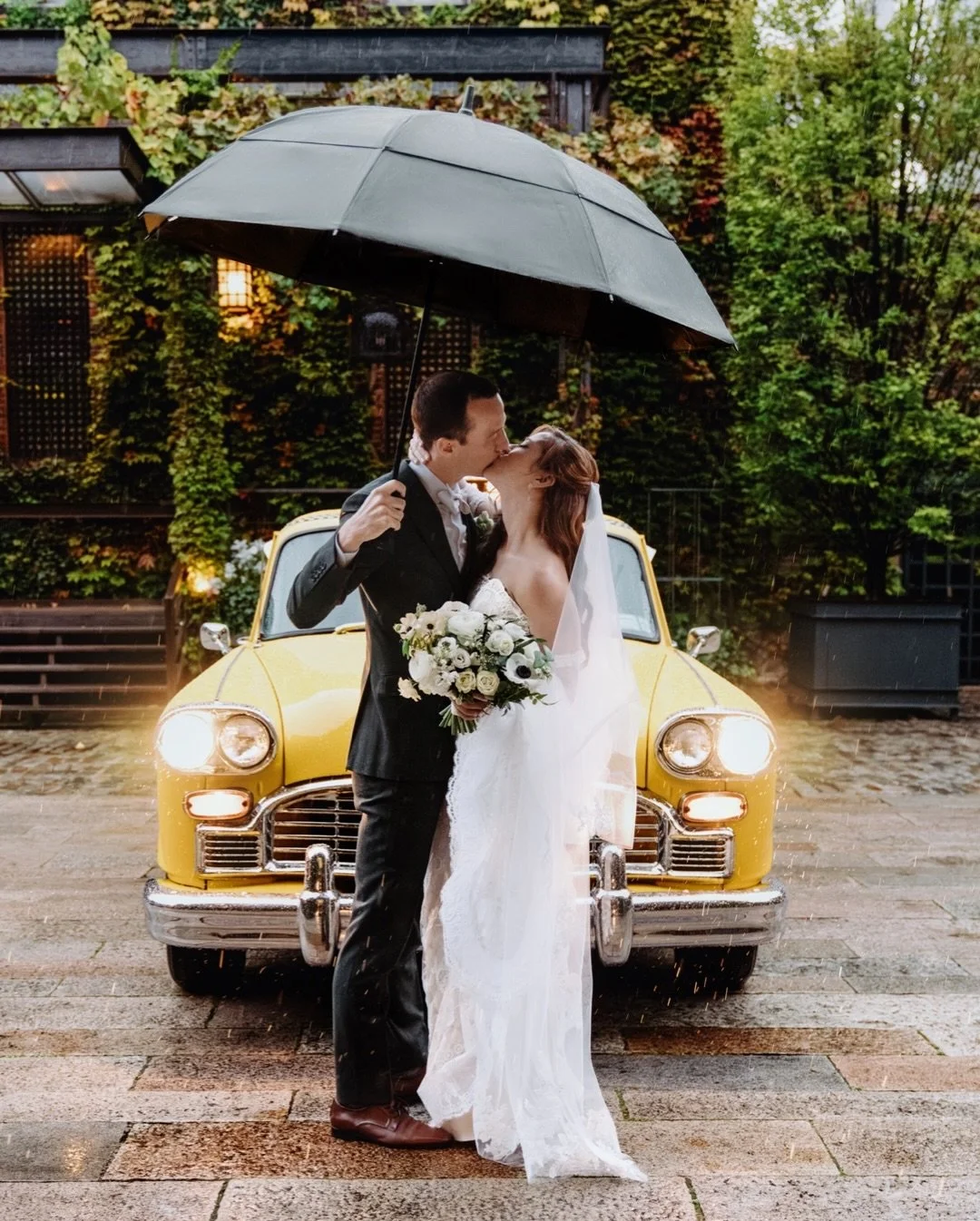
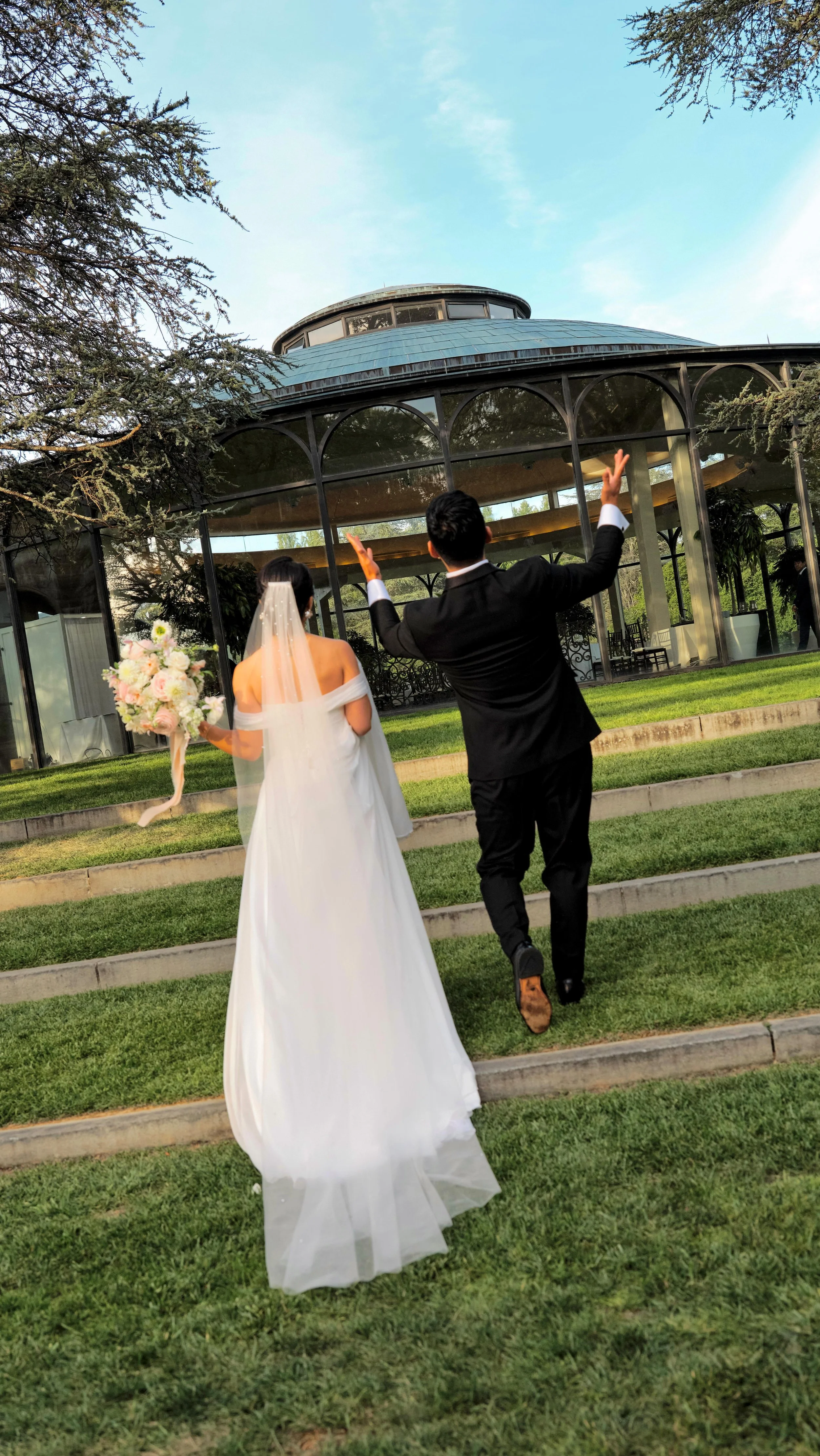
A cinematic wedding video is shot and edited like a short film. The team directs light, framing and movement, plans portrait and drone moments, and cuts a shorter highlight to music with your vows and speeches carried underneath. The aim is a polished, emotional film you rewatch and share, not a full-length record of the day.
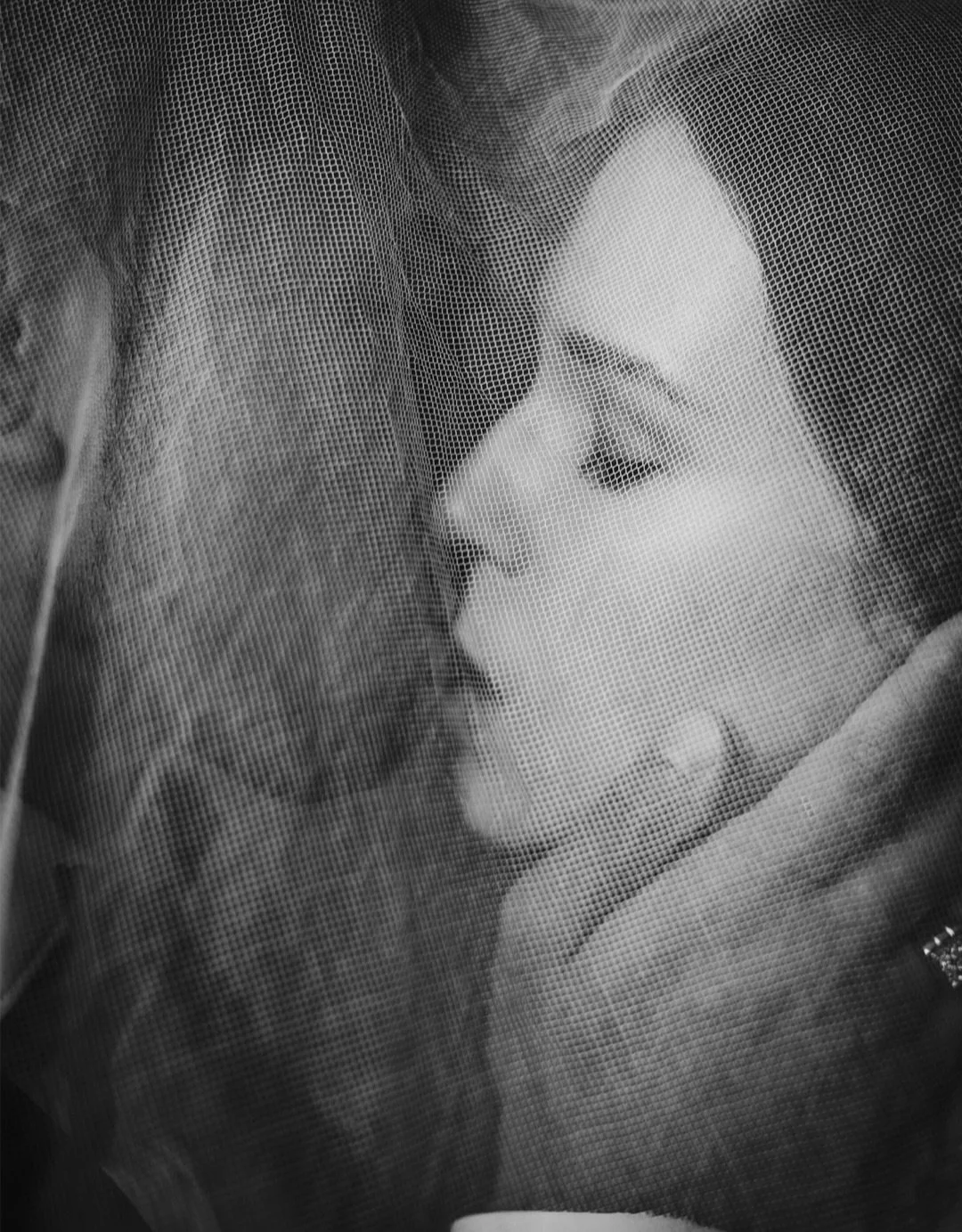
Composition, slow motion, color grading and the rhythm of the cut all do work here, the same way they would in a film or a fashion shoot. Nothing about the emotion is invented – what is directed is the presentation, and the set-up moments happen during portraits rather than during the ceremony. The trade is length: a highlight gives you the feeling of the day in a few minutes and leaves the rest out.
Best for:
couples who want a movie-like keepsake to share, who are comfortable being directed for a few portraits, and whose day is built around a look or a venue they chose with care.
Our cinematic wedding films page shows the style in full.
Documentary vs cinematic: what's the real difference?
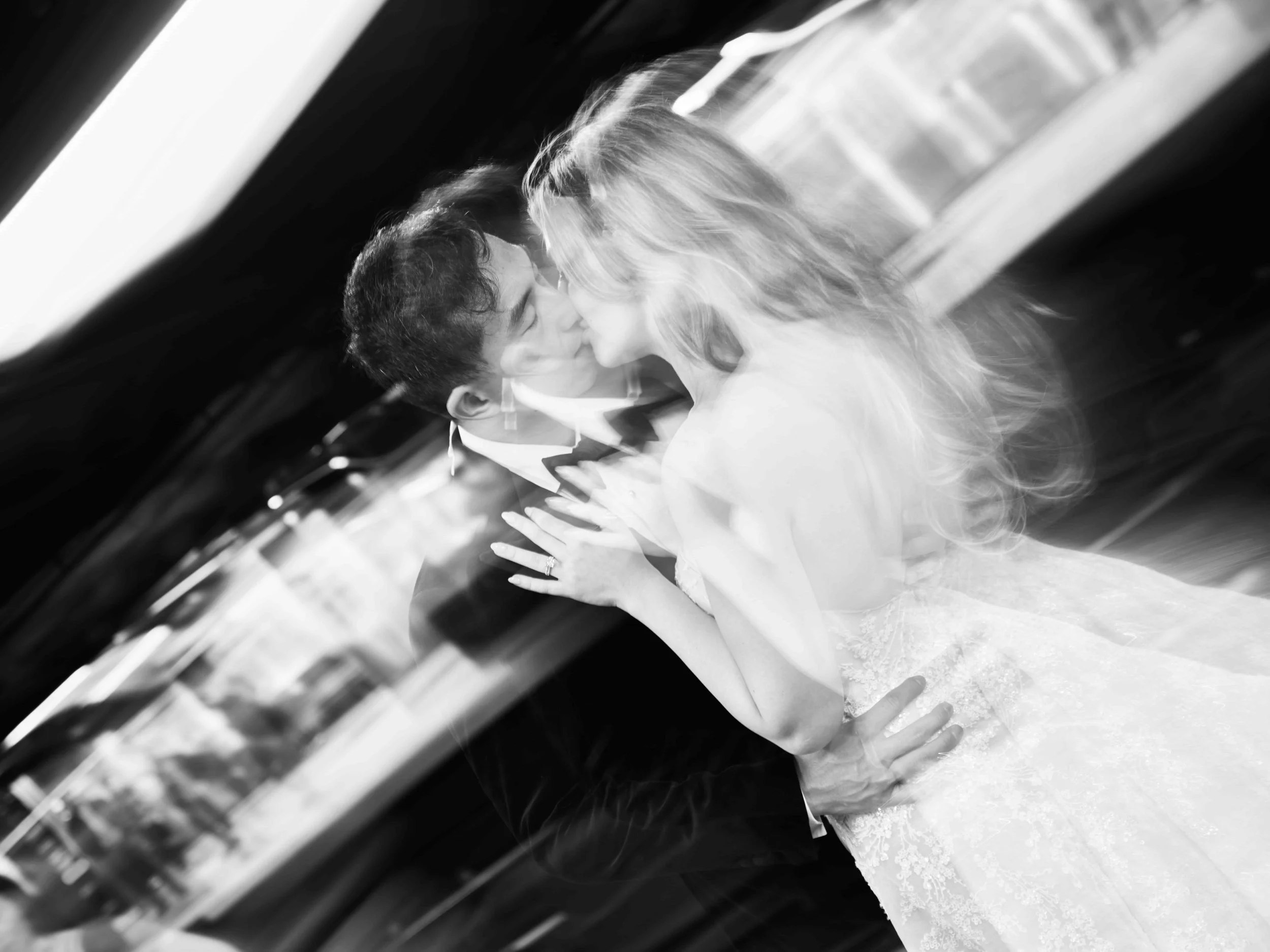
The split comes down to three things: how much the team directs the day, how the footage is edited, and what you are left holding at the end. Everything else follows from those.
| Style | How it's shot | Your role on the day | Editing & sound | Best for |
|---|---|---|---|---|
| Documentary | Filmed as it happens, in order, with minimal direction — the team follows the day rather than staging it. | Be yourself and forget the camera. No posing required. | Chronological, lightly trimmed; full ceremony and speeches kept intact; natural sound leads over music. | Couples who want an unfiltered record; guest-focused celebrations; religious or multi-tradition ceremonies where every word matters. |
| Cinematic | Directed and composed — light, framing and movement set up like a short film, with planned portrait and drone moments. | Comfortable being directed for portraits and a few set-up shots. | A shorter highlight cut to music, slow motion and color grading; vows and speeches carried underneath. | Couples who want a polished, movie-like keepsake to share, and who enjoy being in front of the camera. |
| Hybrid (our default) | Documentary base — the day is followed as it unfolds — with cinematic framing and portrait moments layered on top. | Live the day; step into a few directed portraits when the timeline allows. | A cinematic highlight film for sharing, plus full ceremony and speeches recorded and kept in full. | Most couples — anyone who wants the emotion of a cinematic edit and the completeness of a documentary record. |
The honest tension is completeness against polish, not quality against quality – a documentary film can be beautiful and a cinematic one can be moving. The variable underneath both, and the one couples regret getting wrong, is sound. A short highlight with clean vows is worth more than hours of coverage where the ceremony audio is unusable, because that is the one thing no edit can fix later.
What is a hybrid documentary-cinematic wedding film?
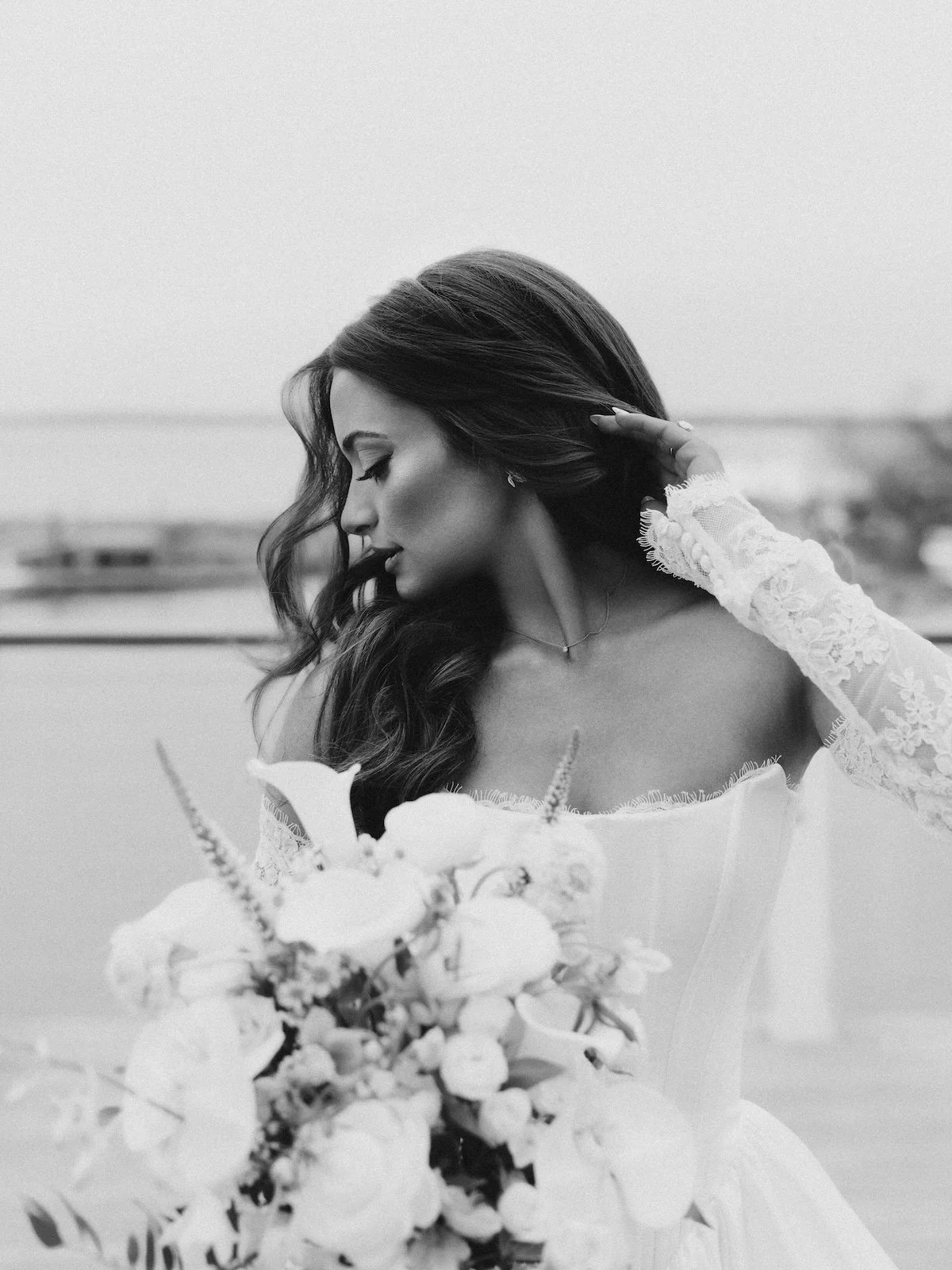
A hybrid wedding film keeps documentary coverage as the foundation and layers cinematic craft on top. You get a short highlight cut to music for sharing, plus the full ceremony and speeches recorded and kept in full. It is the approach most couples settle on, because it asks them to give up neither the emotion nor the record.
This is how we work by default. Every film we make carries a documentary base – we follow the day as it happens – and we add cinematic and editorial layers on top depending on the couple and how the day is built. In practice that means a handful of directed portrait moments, then stepping back so the ceremony, the speeches and the room stay real.
Best for: most couples, and anyone who cannot honestly choose between the highlight and the full record. If your instinct reading this is both, hybrid is the answer to it.
How do you choose between documentary and cinematic?
Five questions decide it faster than watching a hundred sample films.
1. Picture a quiet night twenty years from now. If what you want to press play on is feeling the day again in a few minutes, cinematic leads. If it is hearing every vow and toast exactly as they were said, documentary matters more.
2. Decide how you feel about being directed. Cinematic needs you comfortable posing for portraits and a few set-up shots. Documentary asks nothing of you on the day.
3. Weigh how much the full audio matters. If missing part of the ceremony or a speech would bother you, do not rely on a short highlight alone.
4. Look at the shape of your day. A short, single-venue celebration suits a cinematic focus. Multiple locations, a multi-tradition ceremony, or a reception full of speeches benefit from documentary coverage.
5. Ask whether you will share it, keep it, or both. A highlight is what gets shared; a full edit is what family sits down to watch. If the answer is both, you are describing a hybrid.
Most couples who work through these land on a blend, which is why it is our default rather than an upsell.
Does your style choice change the price?
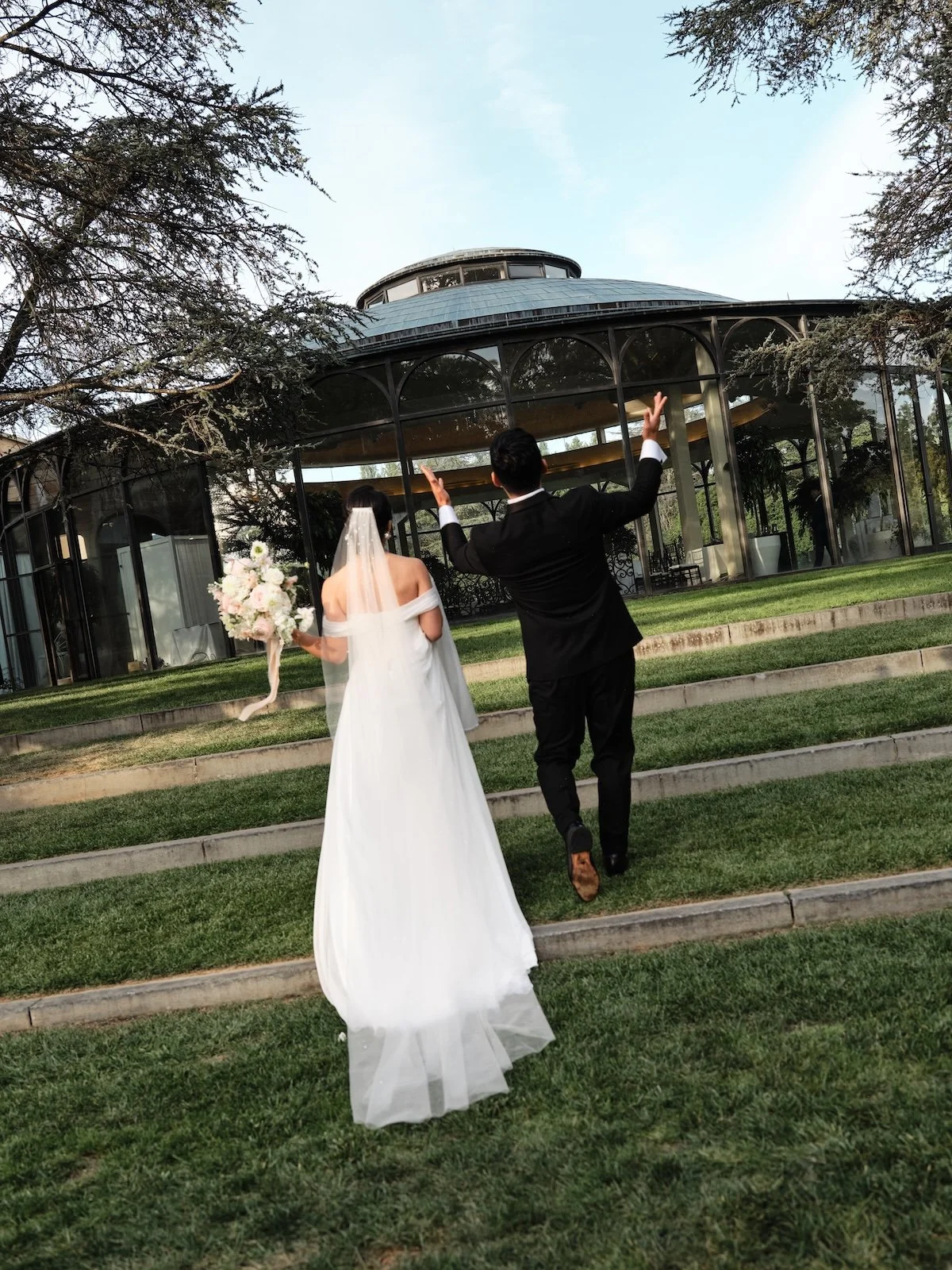
Style on its own does not set the price. Hours of coverage, the number of filmmakers, and the number of edits do. A cinematic highlight and a full documentary ceremony edit are two separate pieces of post-production, so wanting both adds edit time rather than a style fee.
Decide the coverage hours your day needs first, then the style, then the add-ons. Our LA cost guide and NYC cost guide break down what each hour, crew size and edit actually costs.
About Arrakis Films
Andrew directs and shoots; Roma produces and runs the second camera. Between us there are more than eleven years in film – auteur shorts, commercial work for brands like Adidas, Nutella and Mercedes, and music videos – before we brought that eye to weddings. Our films have been recognized on both sides of this choice: Best Short Documentary at Venezia Shorts, Best Cinematography at the Prague International Film Awards, and Best Director at the Seattle International Fashion Film Festival, among others.
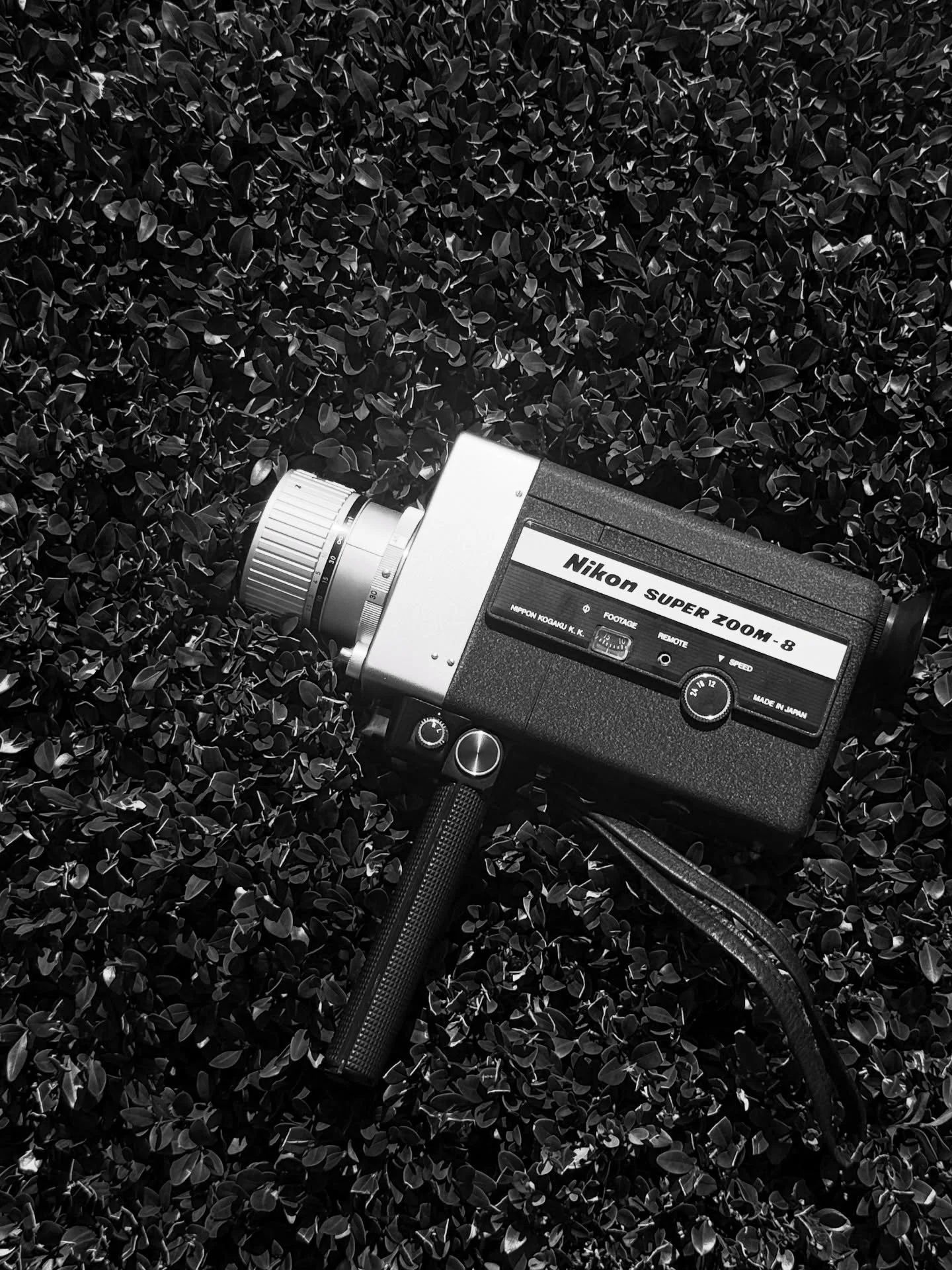
We shoot on Sony FX3 and A7R5, add Super 8 on a Braun Nizo 3056 when a couple wants analog film in the edit, and edit every film ourselves – photos within a month, films in four to six months. Documentary is the foundation of everything we make; the cinematic and editorial layers go on top.
Not sure which style fits your day?
Tell us the venue, the timeline, and what you would want to press play on in twenty years. We will tell you whether documentary, cinematic, or a hybrid film suits it – and we shoot all three.
FAQ
-
Neither is better – they solve different problems. Documentary keeps a complete, chronological record with the full ceremony and speeches. Cinematic delivers a shorter, movie-like highlight built around emotion. If you want the record and the polish, a hybrid film gives you a cinematic highlight plus full ceremony and speeches audio, which is what most couples choose.
-
Sometimes, but lightly. Documentary edits lead with natural sound – vows, laughter, speeches, the room – and use music sparingly if at all, so the day plays back the way it happened. Cinematic edits are built around a music track. Hybrid films keep the full ceremony in natural sound and set the highlight reel to music.
-
No. The emotions are real; what is directed is the presentation – where the couple stands for portraits, how a shot is framed, which moments the edit leans on. A good cinematic film shapes real footage rather than inventing scenes. The set-up work happens during portraits, not during the ceremony or the speeches.
-
Documentary coverage keeps speeches and vows in full. A purely cinematic highlight usually uses short excerpts under music. If hearing every toast in full matters to you, ask for a full speeches edit or a hybrid film – a highlight for sharing plus the speeches kept complete.
-
Hybrid. Most couples want the emotion of a cinematic highlight and the completeness of a documentary record, so a blended film – short highlight plus full ceremony and speeches – is the common choice. Purely documentary or purely cinematic films still suit couples with a strong preference in one direction.
-
Yes – that is a hybrid film, and it is our default. You receive a cinematic highlight cut to music for sharing, plus the full ceremony and speeches recorded and kept intact. It does not require booking two separate videographers; it is one crew shooting with both outcomes in mind.
-
Style does not set the price on its own. Hours of coverage, the number of filmmakers and the number of edits do. Wanting both a cinematic highlight and a full documentary ceremony edit adds post-production time rather than a style surcharge.
-
A cinematic highlight typically runs a few minutes – ours are 4–5 at six hours of coverage and 7–10 at ten hours, each with a short trailer. A documentary or full-ceremony edit runs much longer because it keeps the ceremony and speeches in real time. Many couples keep both: the short film to share, the full edit to sit down with.