

Los Angeles Elopement: A Cinematic, Modern Guide by Arrakis Films
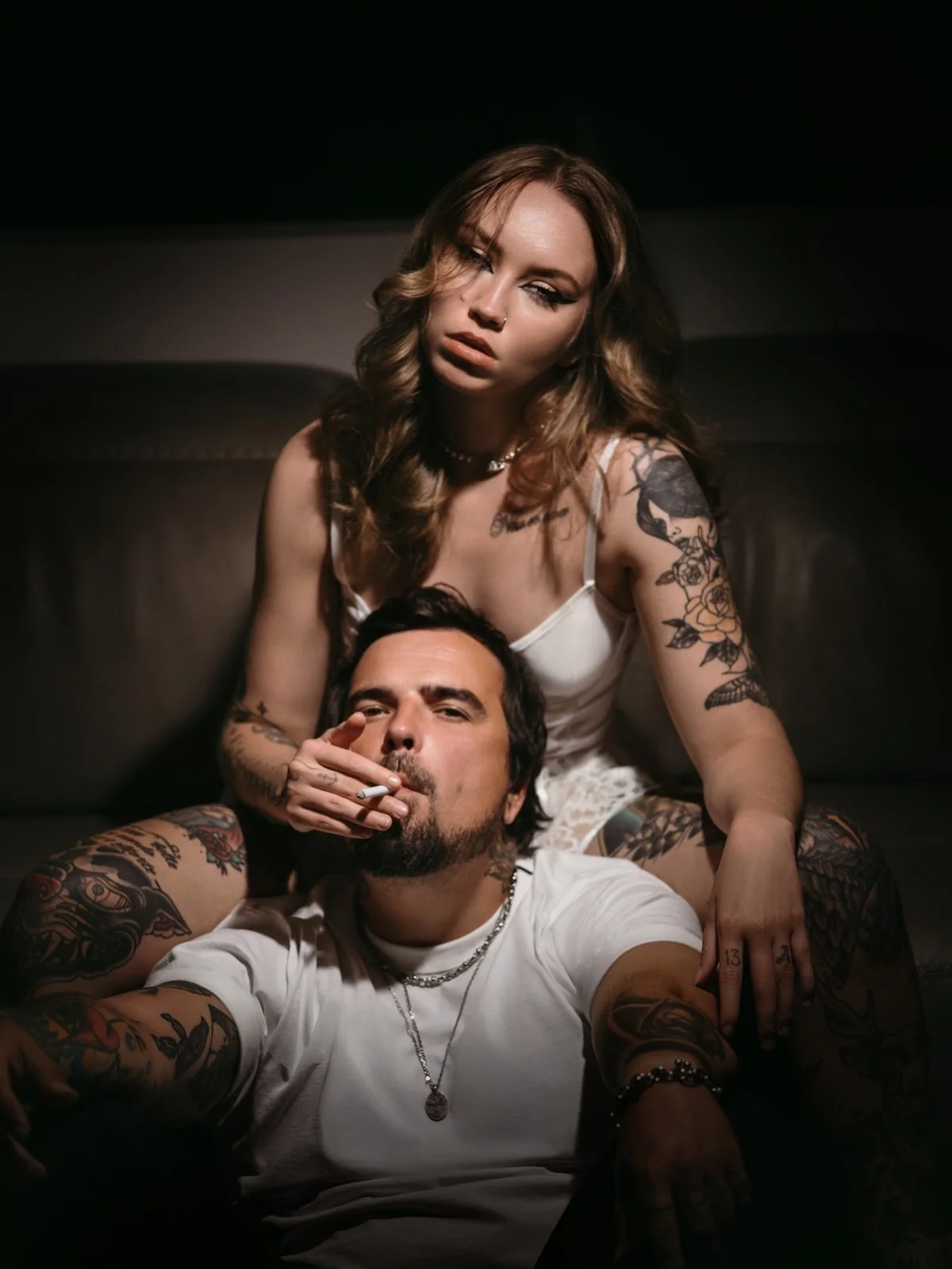
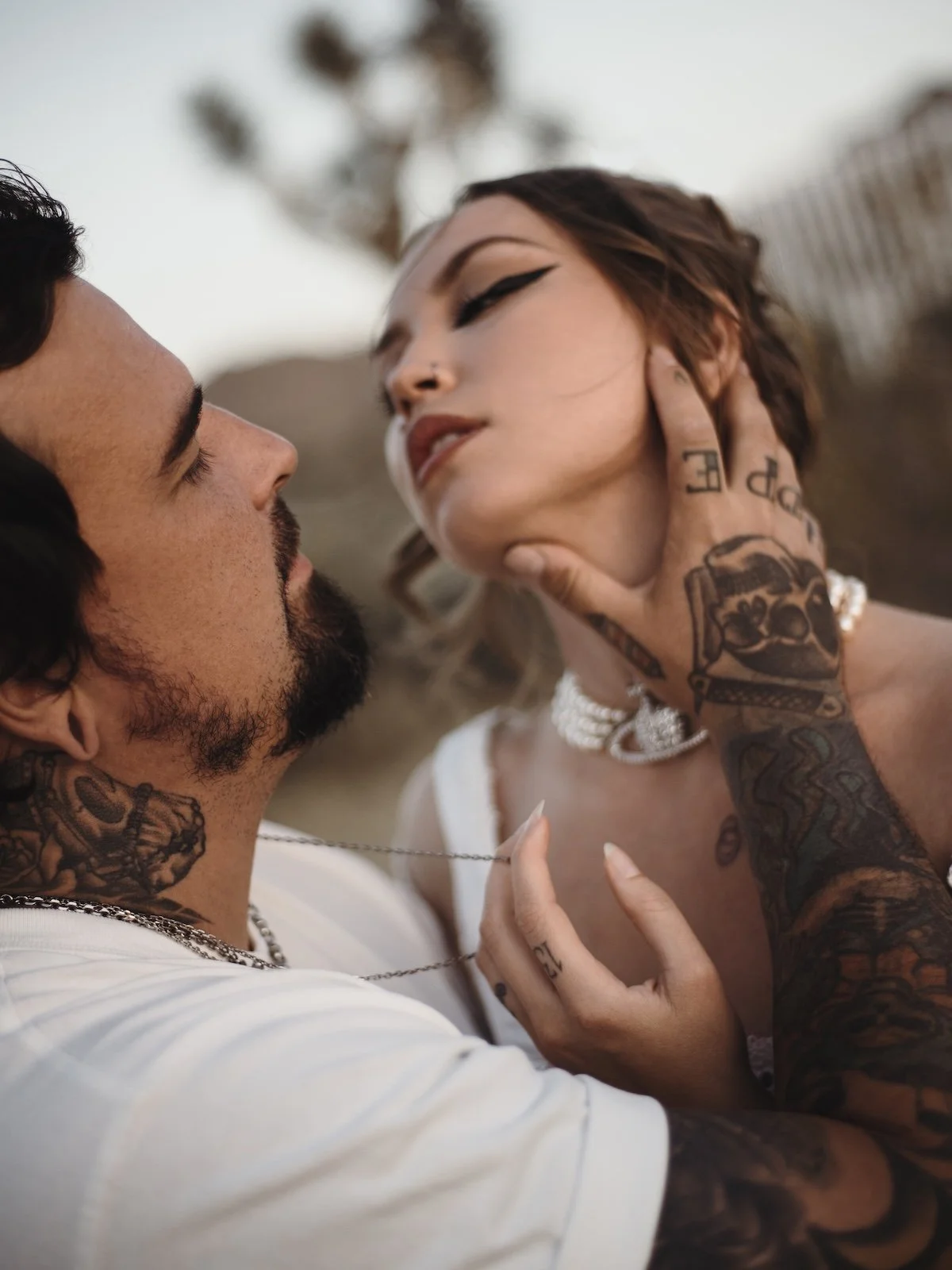
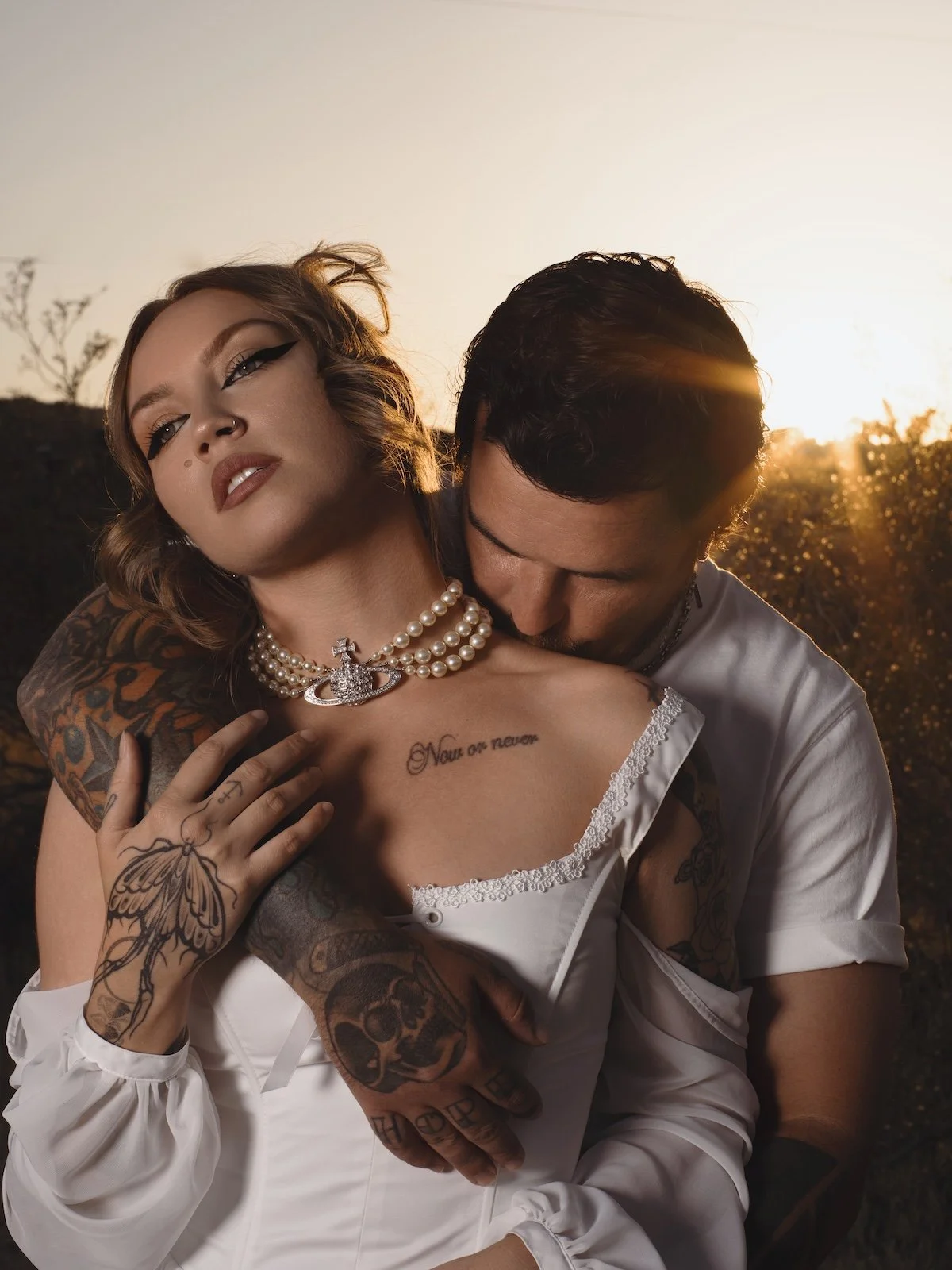
We photograph and film elopements in Los Angeles. What you're choosing when you elope in LA is not just marriage; it's a day designed around light, location, and two people. The city gives you year-round golden hour, cliff-side backdrops, architectural variety from mid-century modern to brutalist to Spanish Revival, and the freedom to design a wedding that looks and feels like a film. This is the working guide we give couples.

Quick Answer:
A Los Angeles elopement costs between $1,900 and $6,000+ depending on coverage hours and vendors, requires a California marriage license ($91, no residency requirement), and works best when timed for late-afternoon light and booked 6-8 weeks in advance. Legal ceremony requires an officiant and one witness. The best locations are beaches like El Matador and Crystal Cove for dramatic cliffs, city halls in Beverly Hills or LA for architectural elegance, and private estates in the Hollywood Hills or Malibu for complete privacy. Film and photo combined run $3,600 and up; video-only starts at $1,900.
Why Los Angeles is built for elopement
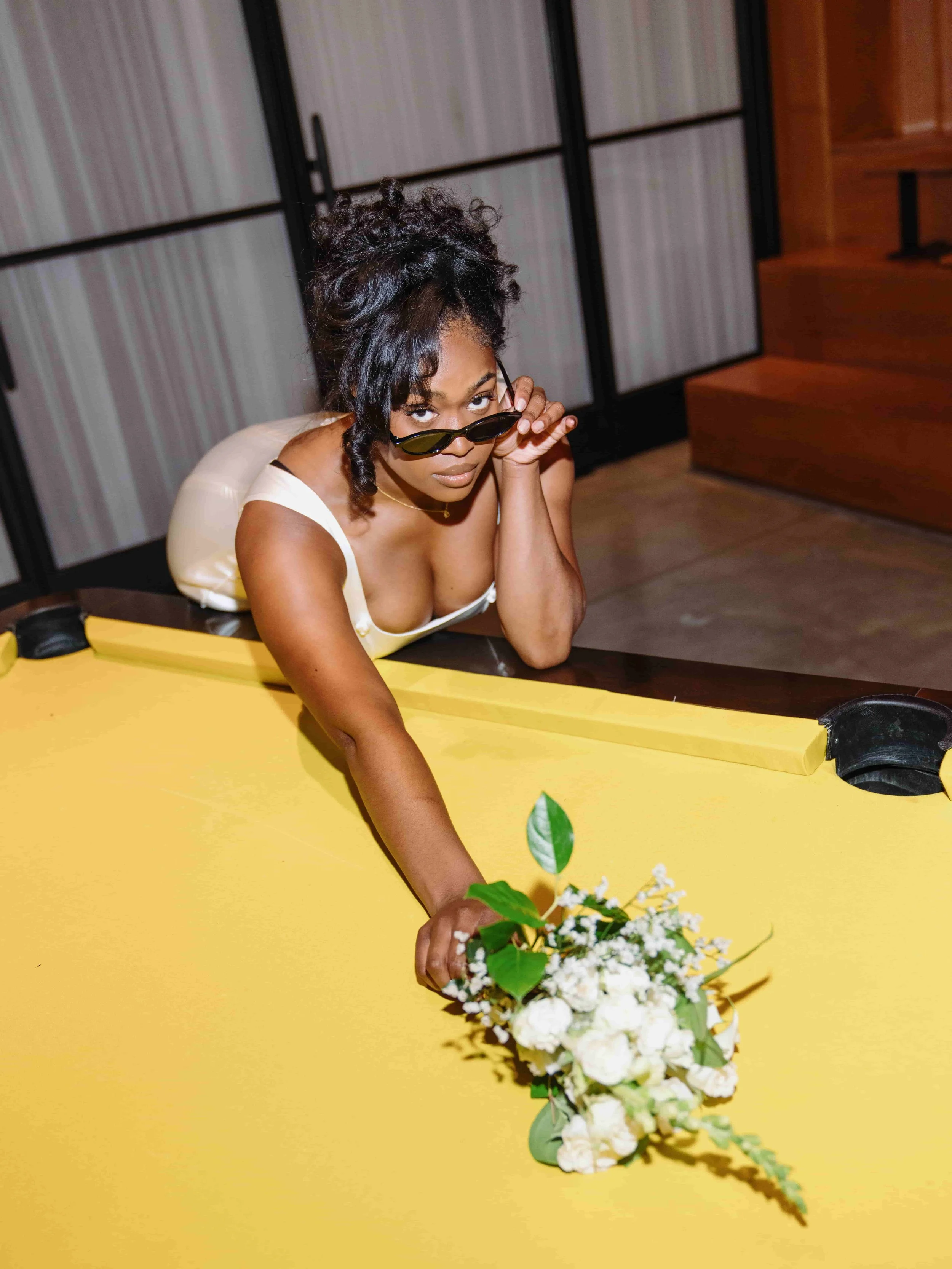
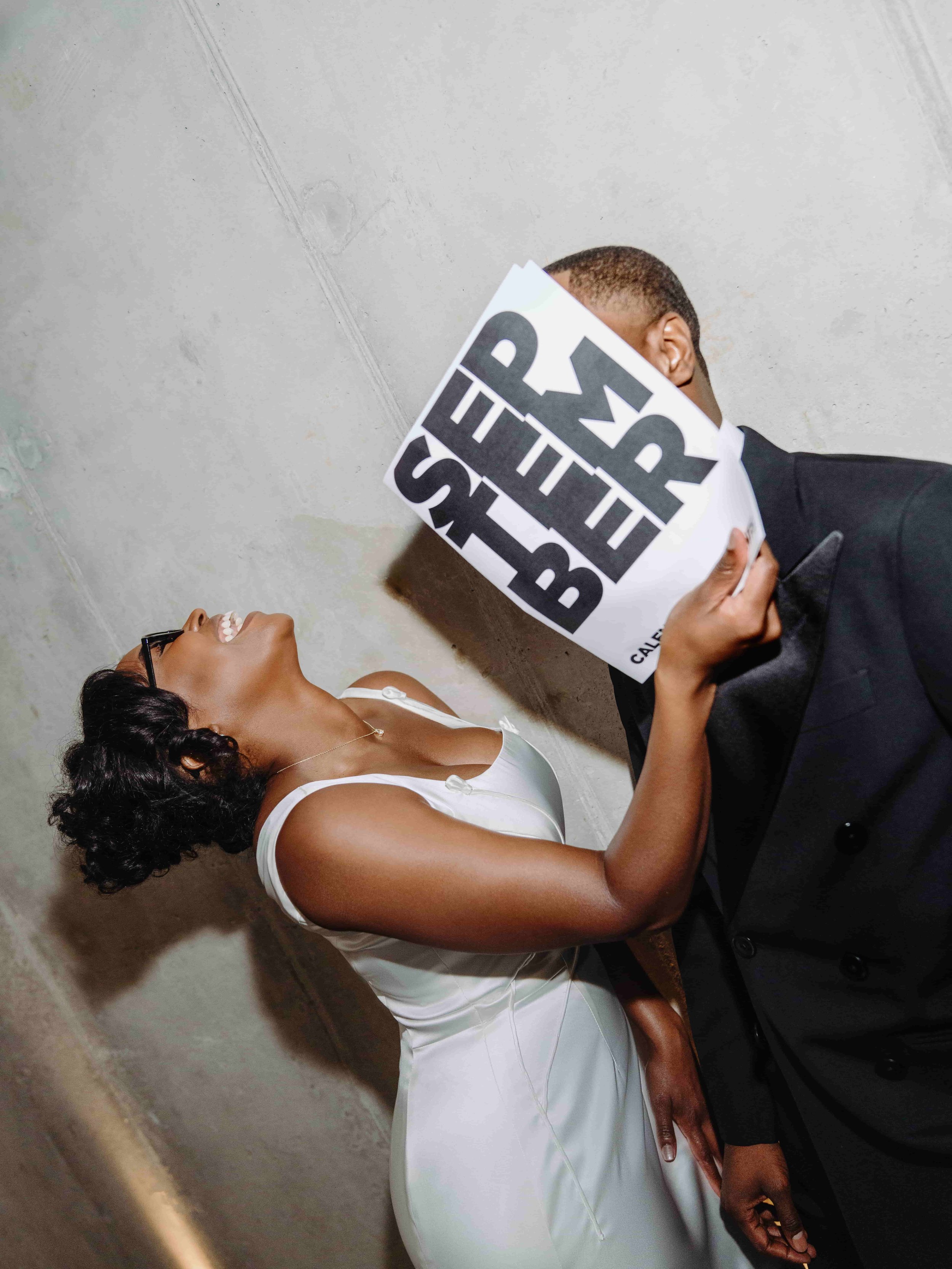
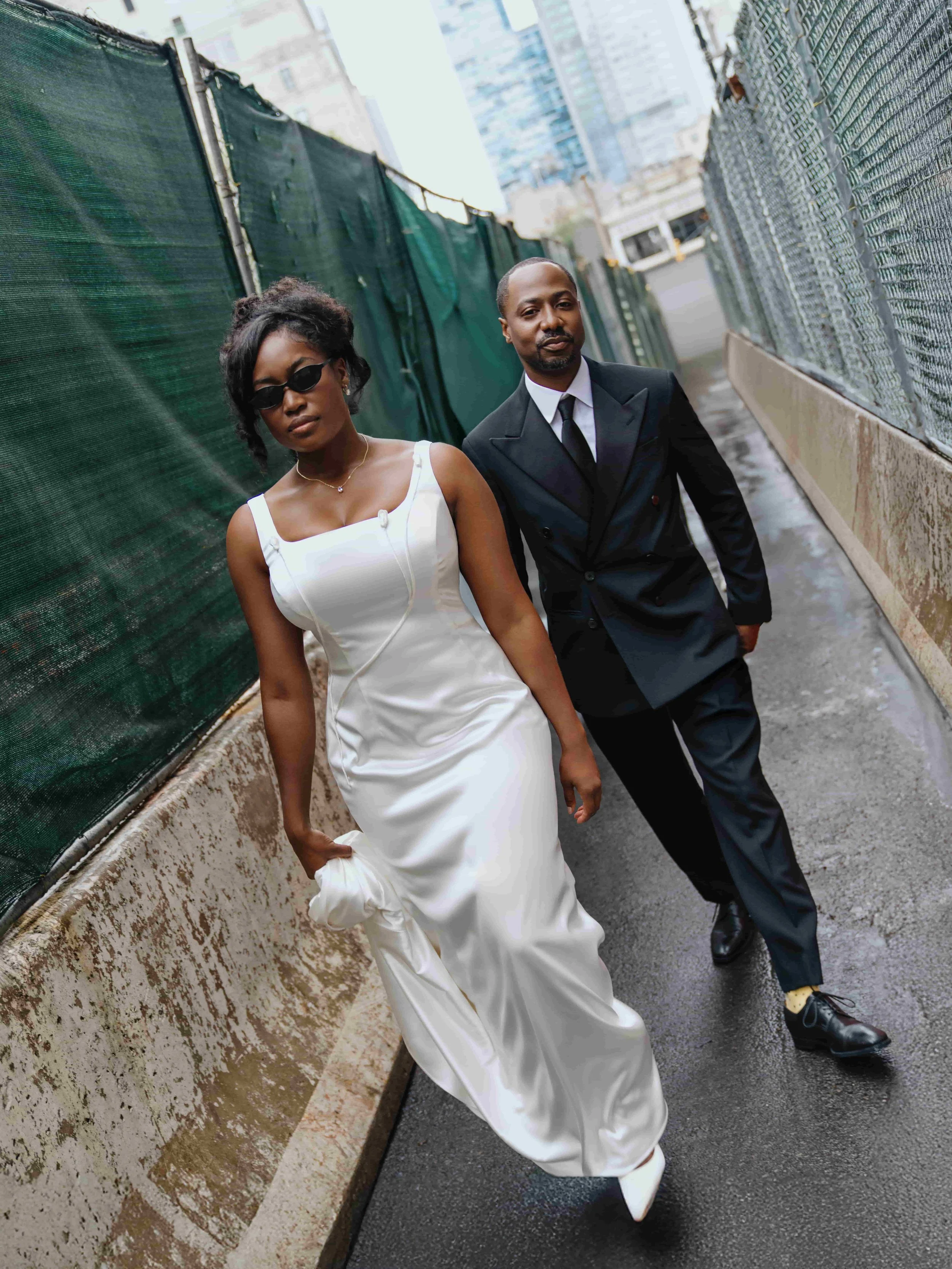
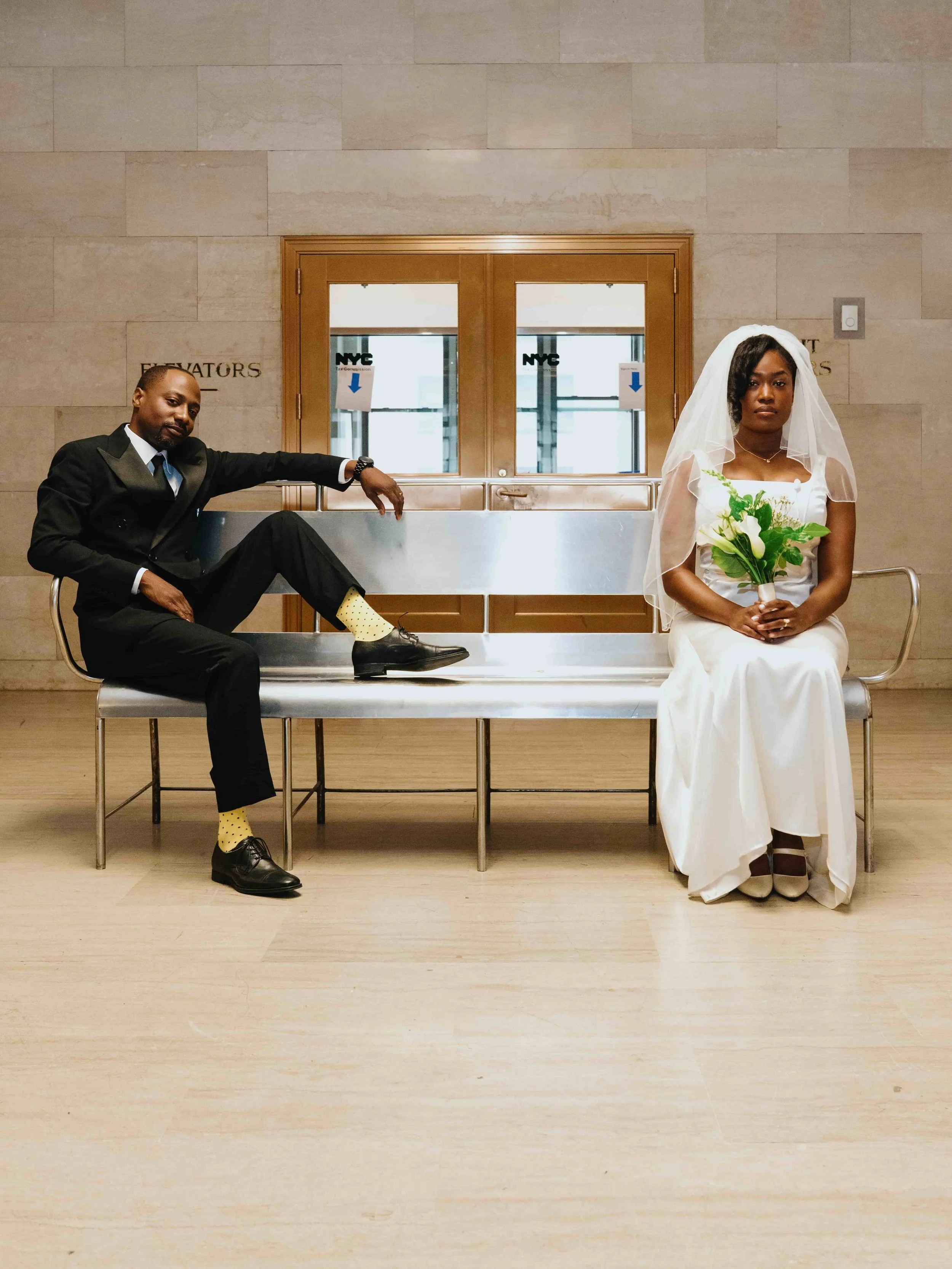
An LA elopement works because the city is built for the camera. Your location options span from urban to wilderness within 30 minutes, the light is predictable and generous most of the year, and a small ceremony feels intentional rather than rushed. Unlike New York, where elopements cluster at City Hall, LA spreads you out—which means fewer crowds at popular locations during midweek, more flexibility in timing, and a visual language that changes block to block.
Photo and film note:
LA's dry climate means consistent light, but coastal and hill locations can have clouds and haze in the early morning. We build schedules around 3 p.m. to sunset windows, when the light is warmest and the marine layer has burned off.
Golden hour and the climate
Los Angeles has 300+ days of sunshine, but not all hours photograph equally. Golden hour (3 p.m. to sunset) is where you want to be. The low angle of the sun wraps warm light around faces and gives depth to landscape shots—essential for both stills and film. Marine layer (coastal fog) often lingers until 10 a.m., but burns off by early afternoon. Plan ceremonies and big moments for late afternoon, not morning.
Best for:
Couples who want to maximize light quality and minimize the chances of flat, overexposed midday photos. For couples getting ready in the morning, schedule that privately or indoors, then move to your main location by 2:30 p.m.
Diversity of backdrops within the city
LA is visually fragmented—and that's an advantage. You can shoot at Beverly Hills City Hall, then drive to crystal-clear beaches, then circle back to the Hills within two hours. El Matador Beach has dramatic sandstone cliffs. Griffith Observatory frames the city skyline. Mid-century architecture sits next to Spanish Revival next to brutalist concrete. This means your elopement doesn't feel like every other elopement shot in the same generic park.
Best for:
Couples who want visual variety in their day, or who envision a film that moves between different Los Angeles landscapes.
California legal requirements for elopement
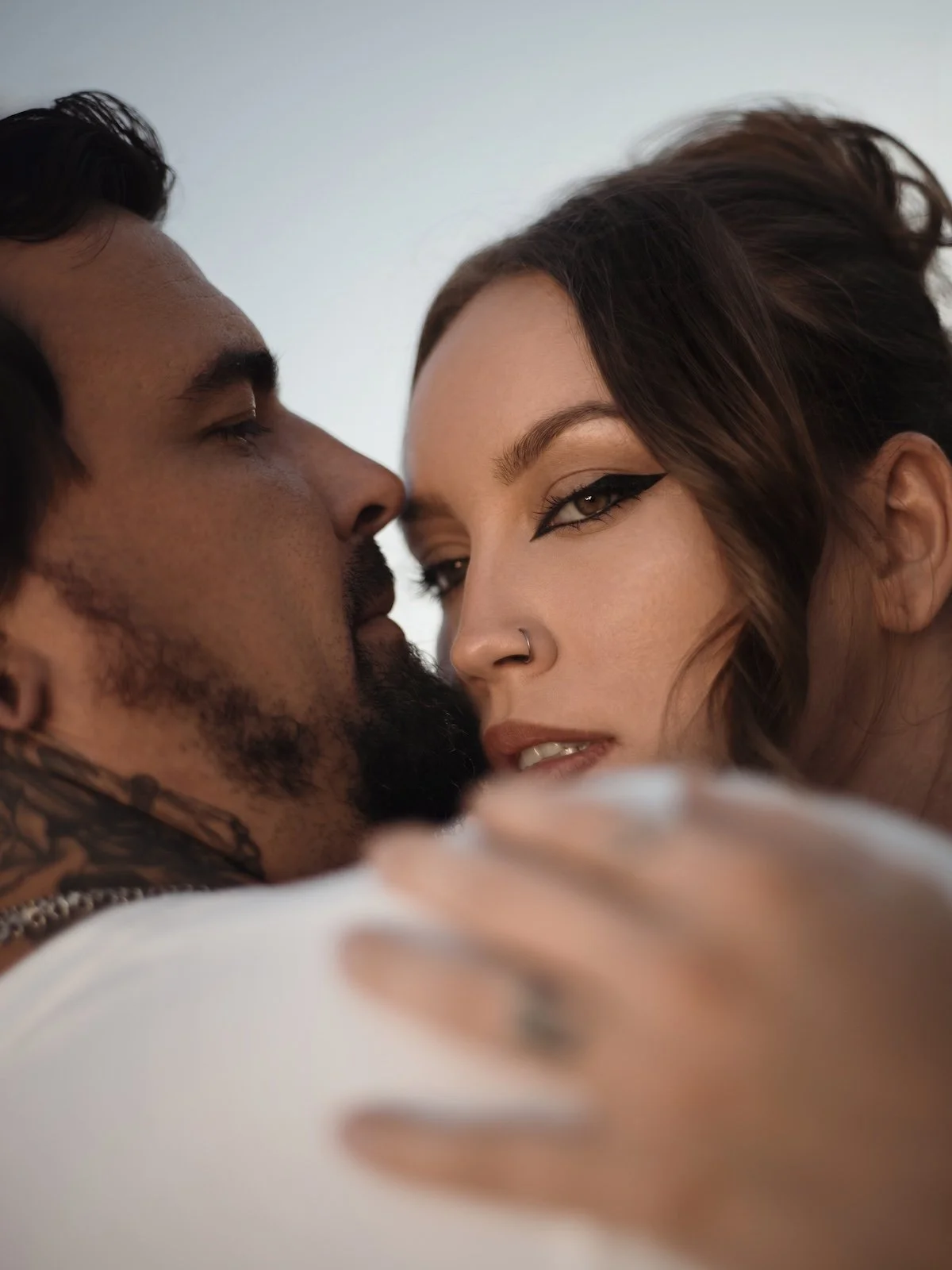
You'll need a California marriage license and an officiant. The license costs $91, is valid for 90 days once issued, and requires no blood test, no residency requirement, and no waiting period. Both partners must be present at the county clerk's office with valid ID. One witness is required at the ceremony.
Getting the marriage license
Visit the county clerk's office (Los Angeles County, Pasadena, or Beverly Hills all have offices open Monday to Friday, 8 a.m. to 4:30 p.m.). Bring valid ID (passport or driver's license), pay the $91 fee, and the license is issued on the spot. It is valid for 90 days, so plan your ceremony within that window. No advance booking required; walk-in lines move quickly on weekdays.
Best for:
Couples planning a spontaneous or flexible elopement. If you want a specific date (weekend or holiday), apply a few days early to avoid office closures.
Officiant and witness
Any authorized person can officiate in California—registered notary, clergy, retired judge, or a friend ordained online through websites like the Universal Life Church (a 5-minute process, no cost). Your witness can be a friend, family member, or hire a professional witness service if you want only the two of you present. We often recommend hiring a professional officiant ($150–$400) so your friend can be in the photos or be fully present.
Best for:
Couples who want to keep the day small and personal. If you hire an officiant, build that fee into your elopement budget.
Best elopement locations in Los Angeles
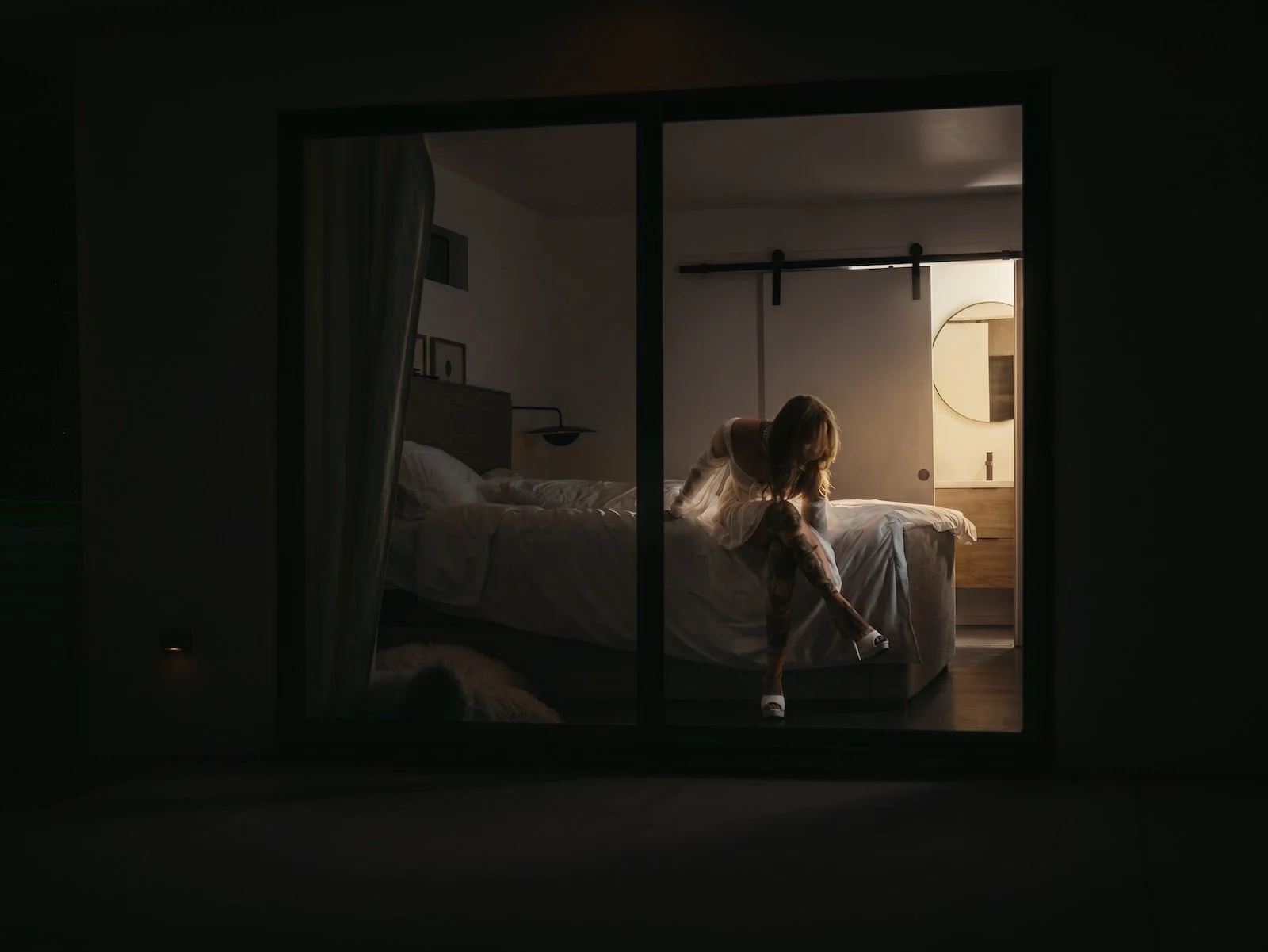
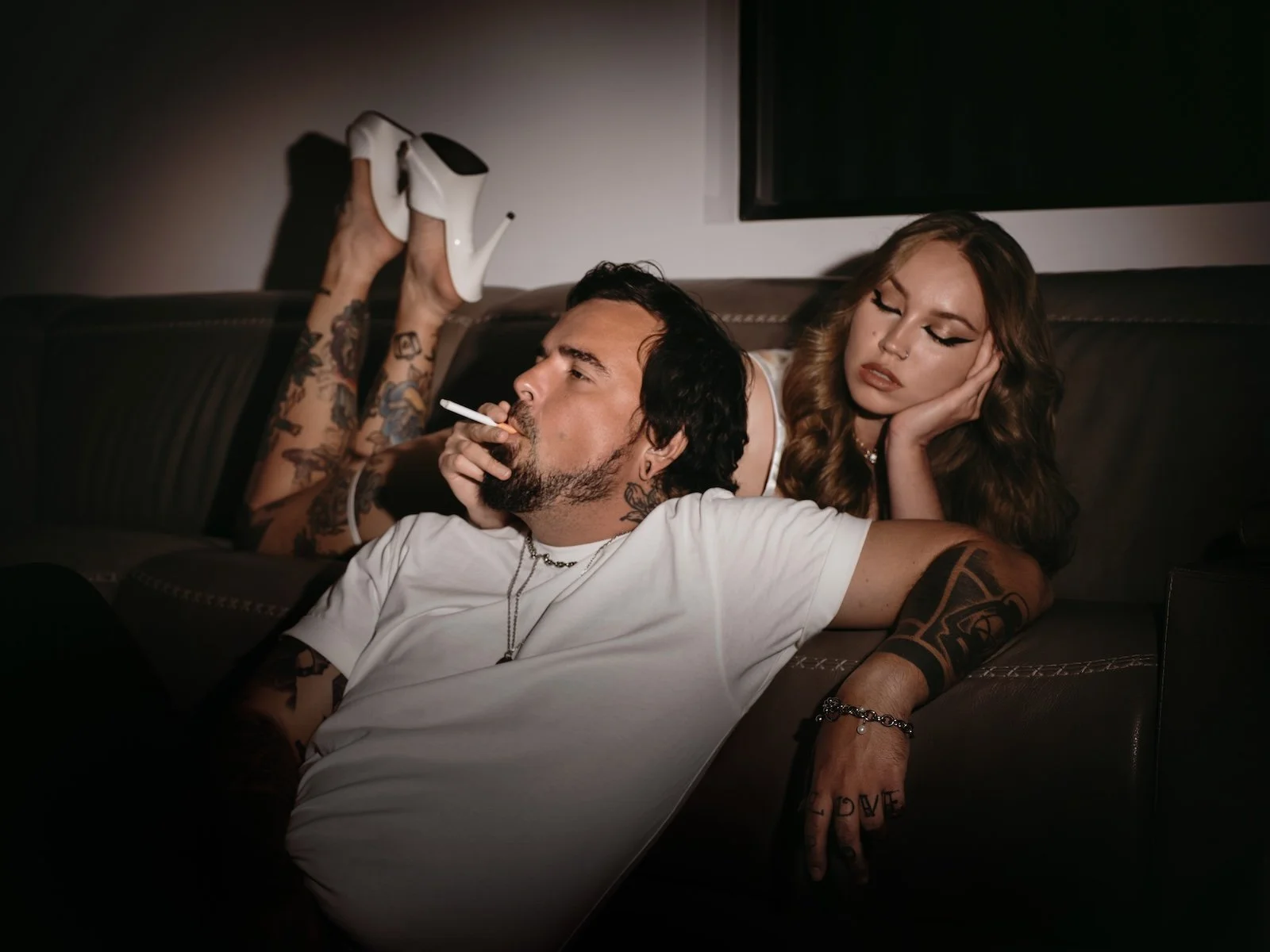
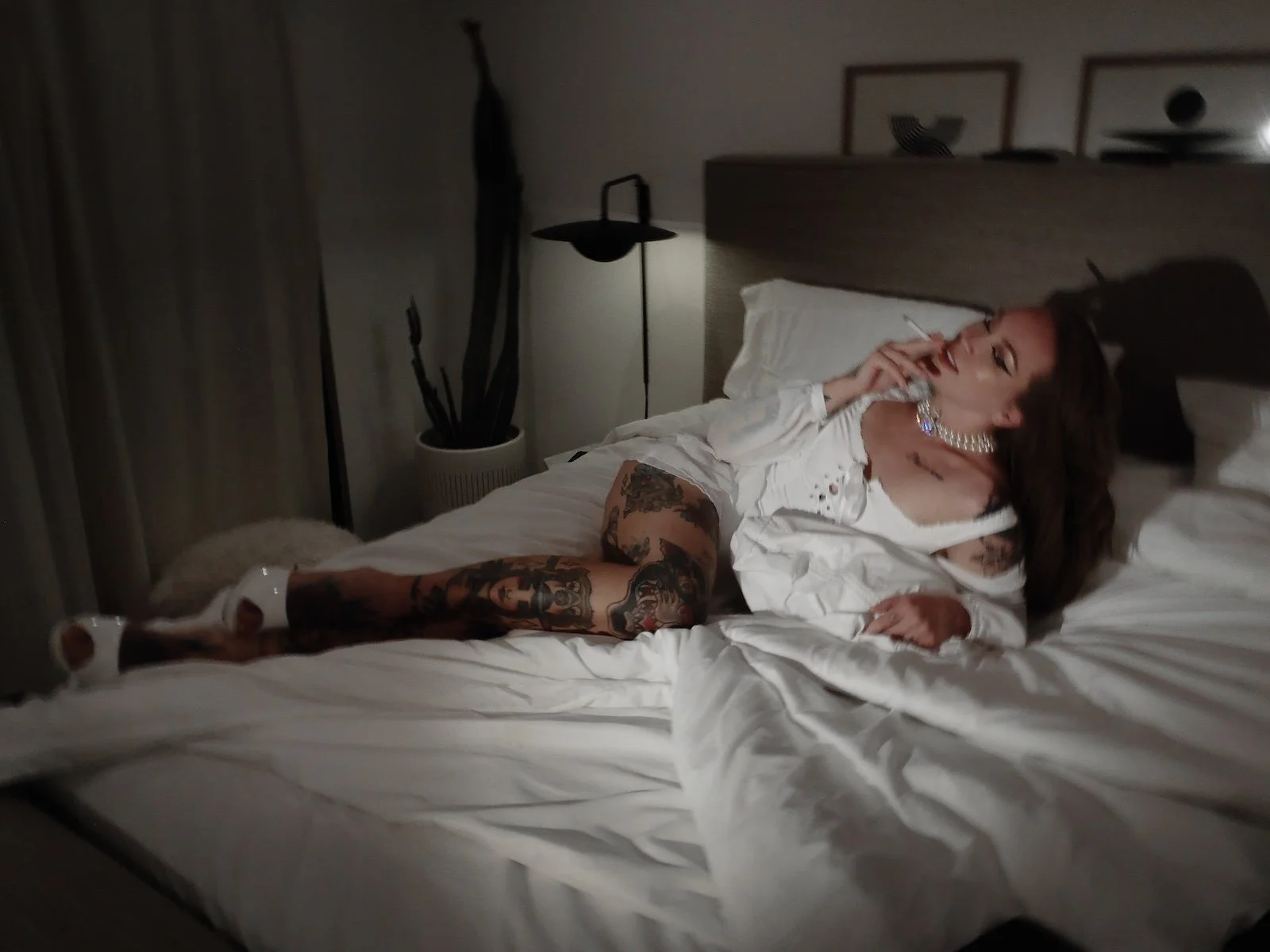
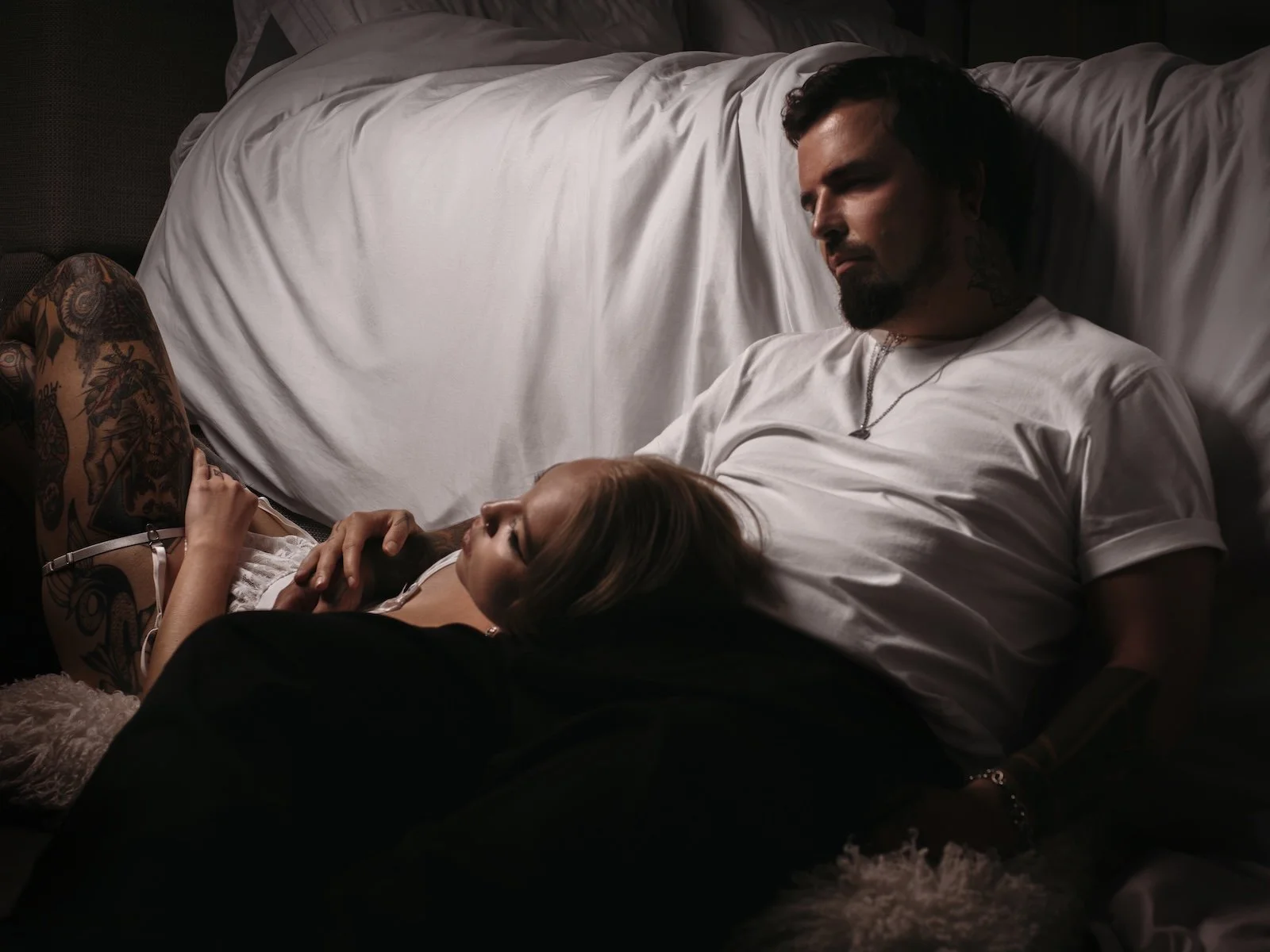
| Location | Drive time | Permit/fee | Best for |
|---|---|---|---|
| El Matador Beach (Malibu) | 45 min | $12 permit | Dramatic cliffs, golden hour light, couples who prioritize visual impact |
| Beverly Hills City Hall | 25 min | Free | Architectural elegance, no venue rental, accessible parking |
| Los Angeles City Hall | 30 min | Free (rooftop permit typically free) | Iconic LA imagery, rooftop skyline views, public ceremony |
| Griffith Observatory overlook | 30 min | Free (arrive early for parking) | Skyline backdrop, city-scale landscape, outdoor energy |
| Crystal Cove State Park | 50 min | $15 parking + $1,500–$3,000 beach house rental | Full-day coverage, private ceremony space, softer coastal light |
| Private estate (Hollywood Hills/Los Feliz) | 20–40 min | $500–$3,000 rental | Complete privacy, architectural control, indoor getting-ready comfort |
Los Angeles has dozens of photogenic locations, but elopements work best in spots with clear ceremony space, privacy, and weather protection as a backup. We shoot in five main areas.
Beaches: El Matador, Crystal Cove, and Zuma
El Matador Beach (Malibu, 45 min drive) is a protected cove with 80-foot sandstone cliffs, sea stacks, and golden sand. Permits are required ($12); arrive early (sunrise to 9 a.m. window for permits). Parking is extremely limited. Best for sunset ceremonies—the cliffs glow orange and cast dramatic shadows. Water is cold even in summer.
Best for:
Couples who want dramatic, cinematic backdrops and don't mind challenging logistics. Bring a changing room or second location for getting-ready photos.
Crystal Cove State Park (Newport Beach, 50 min drive) has protected beach coves, tide pools, and a historic beach house available for private rental ($1,500–$3,000 for the space). State parking pass required ($15/day). The light is softer than Malibu, and the location feels more secluded than public beaches.
Best for:
Couples who budget for venue rental and want a full day of coverage from getting-ready through sunset photos.
Zuma Beach (Malibu, 40 min drive) is wider and less crowded than El Matador, with lifeguard coverage and accessible parking. No permits. Best for couples who want a beach ceremony without extreme logistics.
Best for:
Couples who prioritize ease and still want iconic California beach photos.
Photo and film note:
Beaches require backup shelter (tent or nearby restaurant) in case of unexpected weather or rain. Audio on beaches is challenging due to wind; we use multi-mic setups and shield mics with foam. Bring a second lens for close-ups of hands/rings against ocean backdrop.
City Halls: Beverly Hills, Los Angeles, Pasadena
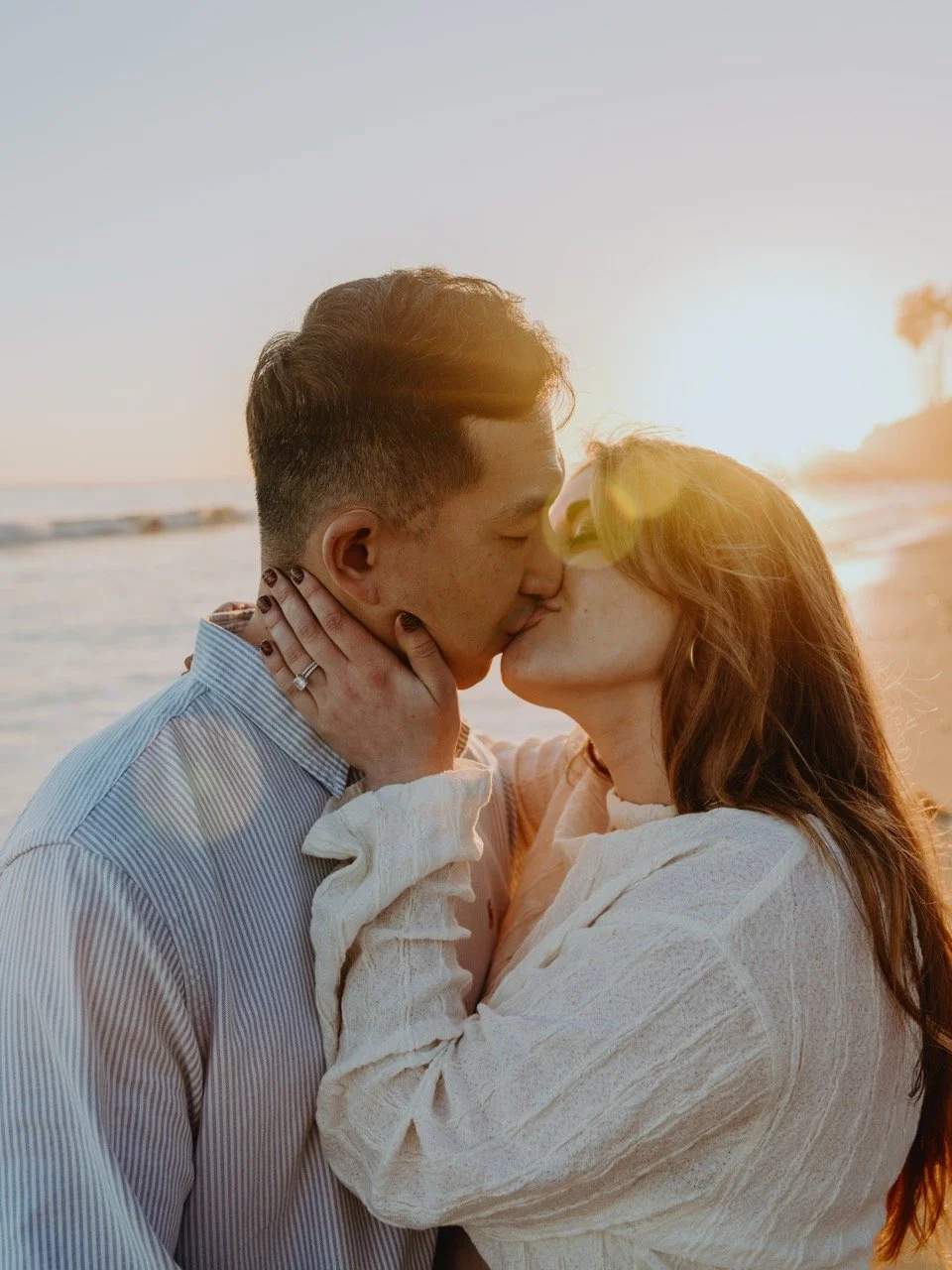
Beverly Hills City Hall (downtown Beverly Hills, 25 min drive) has neoclassical domed architecture, marble halls, and high ceilings. Natural light streams through arched windows. Ceremony can happen indoors or on the steps outside. No rental fee for the ceremony room; public building. Best light: 2–4 p.m.
Best for:
Couples who want architectural elegance and public ceremony space without venue rental fees.
Los Angeles City Hall (downtown LA, 30 min drive) has a historic rotunda, grand staircase, and rooftop terrace with downtown skyline views. Rooftop ceremonies are by permit (couples must reserve, typically free). Same no-rental-fee model. Light is strong 2–5 p.m.; avoid midday harshness.
Best for:
Couples who want iconic LA imagery (rooftop views) and a public, visible ceremony.
Pasadena City Hall (Pasadena, 45 min drive) is a smaller, quieter option with European Romanesque revival architecture, less crowded than LA or Beverly Hills, similar no-fee model. Great for couples who want a ceremony space but prefer fewer crowds.
Best for:
Couples who want architecture without the downtown LA energy.
Photo and film note:
City Halls have high ceilings and cool color temperature (daylight-balanced). We bring lighting kits for dark interior ceremonies and use high ISOs on mirrorless cameras. Rooftop wind is constant—secure any loose fabrics or veils. Multiple mic setup for rooftop audio.
Private estates and gardens
Private estates (Hollywood Hills, Los Feliz, Malibu) range from mid-century modern homes to Spanish Revival estates. Rental fees typically $500–$3,000 for ceremony + portraits. Many have manicured grounds, water features, and controllable light. Airbnb, VRBO, and specialized sites like Vestiaire Locale list event-friendly properties.
Best for:
Couples who want complete privacy and a specific architectural or garden aesthetic.
Gardens: Descanso Gardens (La Cañada Flintridge, 35 min drive) has Japanese gardens, rose gardens, and forest trails. Wedding rental is $3,000–$4,500. Light changes across the property depending on time and location. Best for couples who want natural, lush backdrops.
Best for:
Couples who prioritize greenery and botanical backgrounds.
Photo and film note:
Private estates often have tricky light (dappled shade, mixed interior/outdoor). We scout in advance to map light paths and plan shot sequences. Estates may have power access for lighting rigs or small audio setups.
Hidden gems: Overlooks, bridges, industrial
Griffith Observatory overlook (Griffith Park, 30 min drive) offers unobstructed LA city skyline views. Ceremony space is first-come, first-served; arrive early for parking. Best light: golden hour (4–6:30 p.m.).
Best for:
Couples who want landscape and city-scale backdrop.
Runyon Canyon (Hollywood Hills, 20 min drive) has hiking trails and city views. No ceremony permit needed, but parking is limited and trails can be crowded midday. Best for couples who want active, outdoor energy.
Bridges: Sixth Street Bridge (downtown LA) is recently renovated with Art Deco arches and downtown backdrop. Permits required ($69 + parking restrictions). Loud traffic; we use wireless lavaliers and shield audio.
Best for:
Couples who want urban, architectural, slightly unconventional imagery.
Industrial: The Landmark or similar converted industrial spaces offer raw concrete, exposed brick, and dramatic skylighting. Rental: $1,500–$4,000. Climate-controlled, full control over lighting and sound.
Best for:
Couples who want modern, editorial aesthetic without worrying about weather.
Photo and film note:
Industrial spaces need significant lighting (flat skylighting shadows faces). Concrete acoustics require audio treatment—boomy sound, echo. We use soft fill light and directional mics to combat these.
Timing: When to schedule your LA elopement
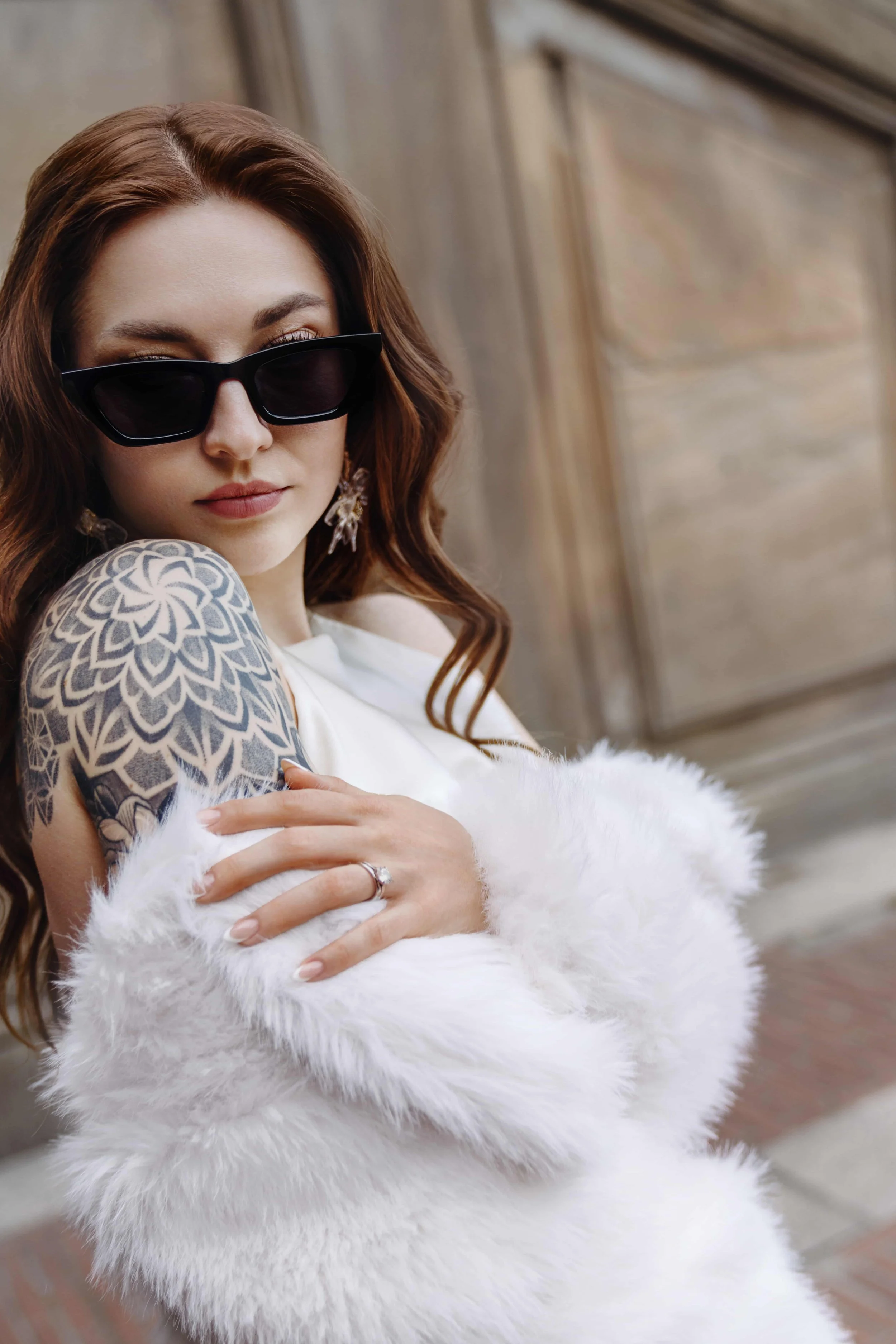
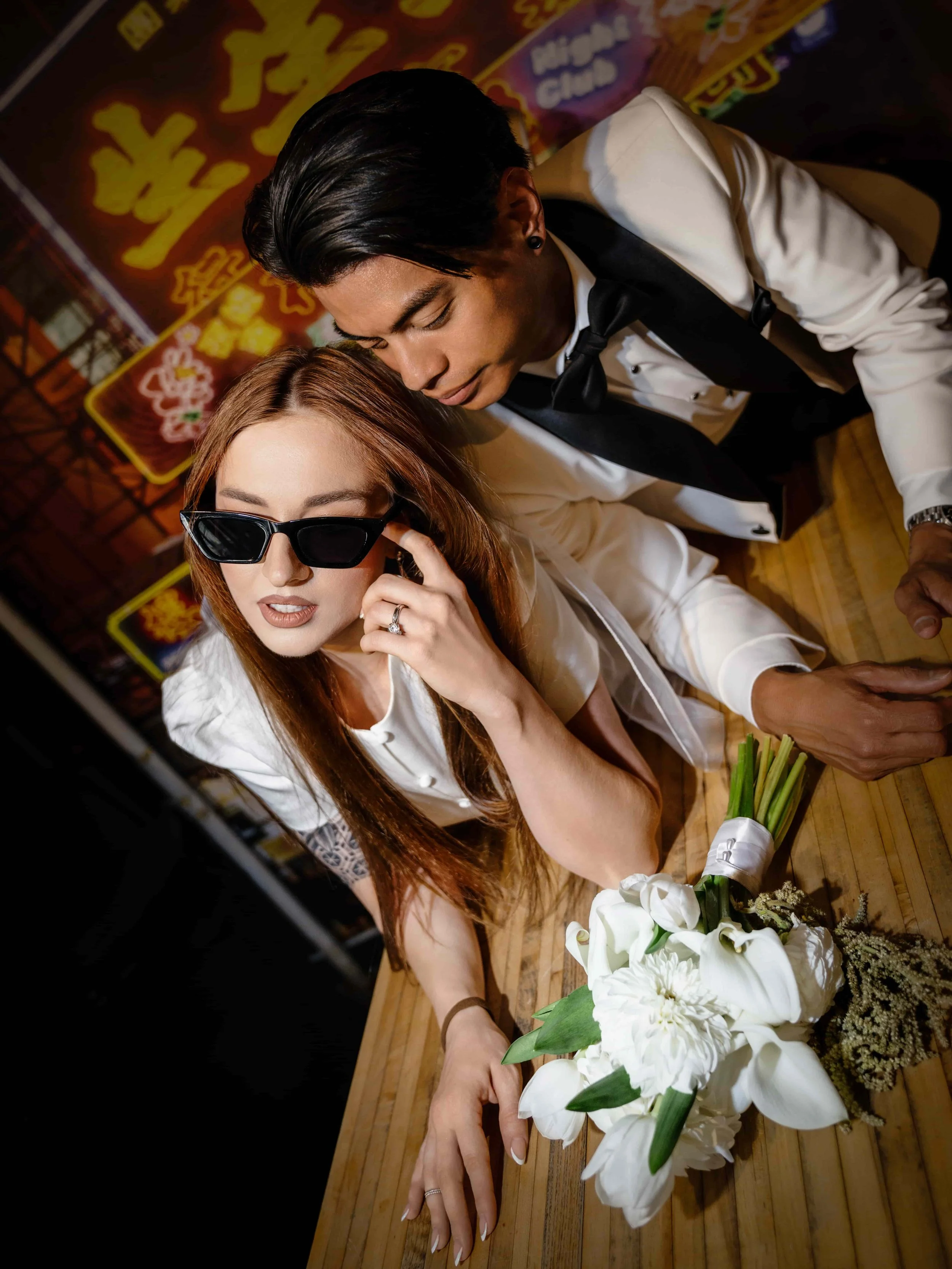

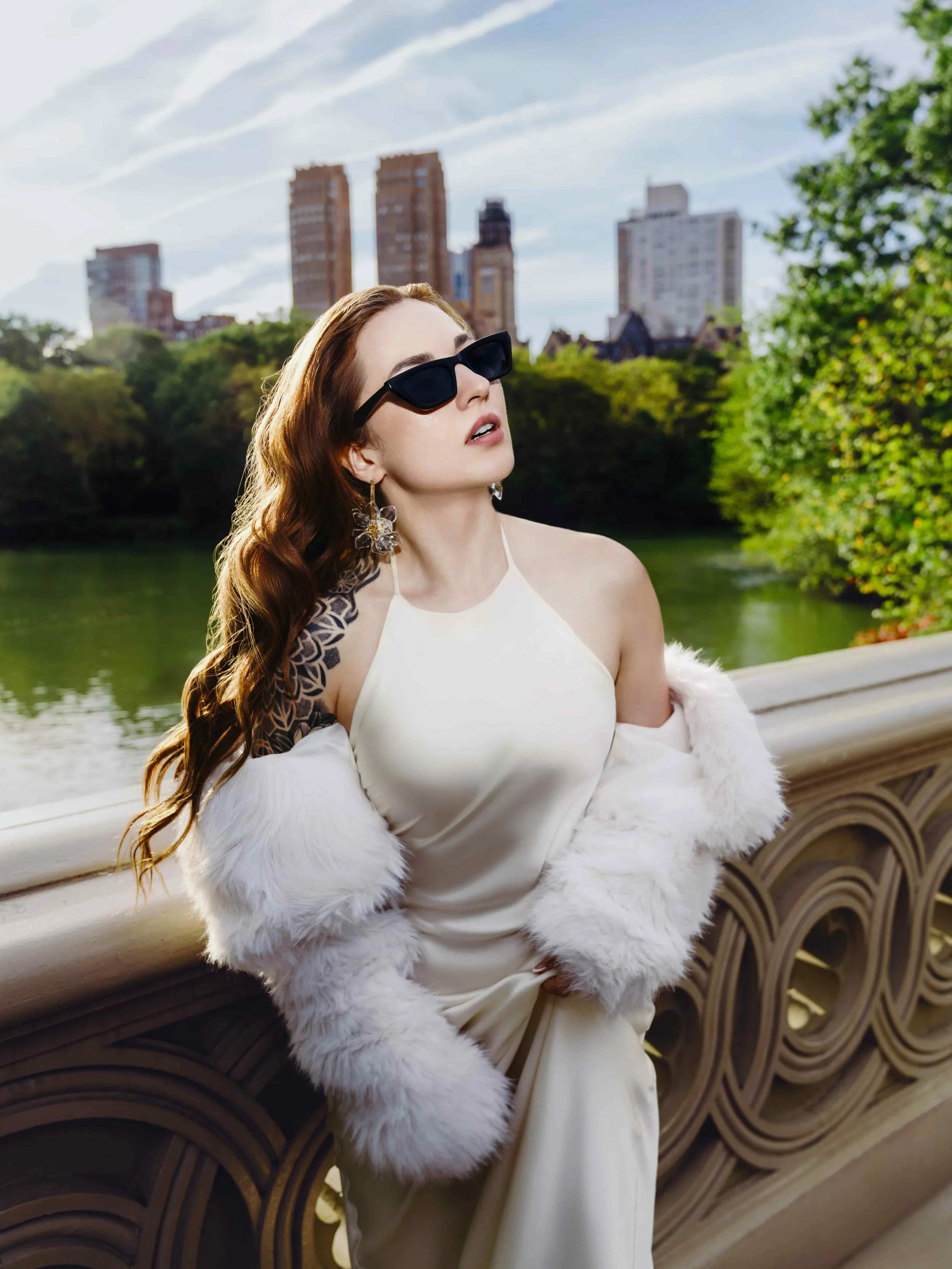
Timing affects three things: light, crowds, and logistics. Golden hour (3 p.m. to sunset) is non-negotiable for film and photo quality. Midweek (Tuesday–Thursday) has fewer people at popular locations. And LA in autumn (September–November) and spring (March–May) have more consistent light than summer (heat shimmer, haze) or winter (cloudy mornings).
Booking your vendors
Book your photographer and videographer 6–8 weeks in advance. LA photographers and videographers fill quickly for weekends and popular dates. Midweek elopements can often be scheduled with shorter notice (2–4 weeks). If you want a specific date or location (popular beach at sunset), book earlier.
Best for:
Couples who have a flexible date; couples can negotiate lower rates for midweek booking or off-season (November, January, February).
Traffic and drive time
LA traffic is unpredictable. Allocate 30–45 minutes of buffer time for your drive to the ceremony location, even if GPS says 20 minutes. If your ceremony is at 4 p.m., plan to arrive by 3 p.m. Build in time for parking, setup, and a few minutes to breathe before vows.
Best for:
Couples planning multiple locations (getting ready in one place, ceremony in another, portraits in a third). Each move costs 20–30 minutes minimum.
Weather and seasonal light
LA is sunny most of the year, but marine layer (coastal fog) lingers until midday. UV and haze peak July–August. Best months for light consistency: March–May and September–November. Winter (December–February) has lower sun angle and occasional rain; still shootable, but plan for cloud cover.
Best for:
Couples who want guaranteed clear skies and warm light; book spring or fall.
How much does an elopement cost in Los Angeles?
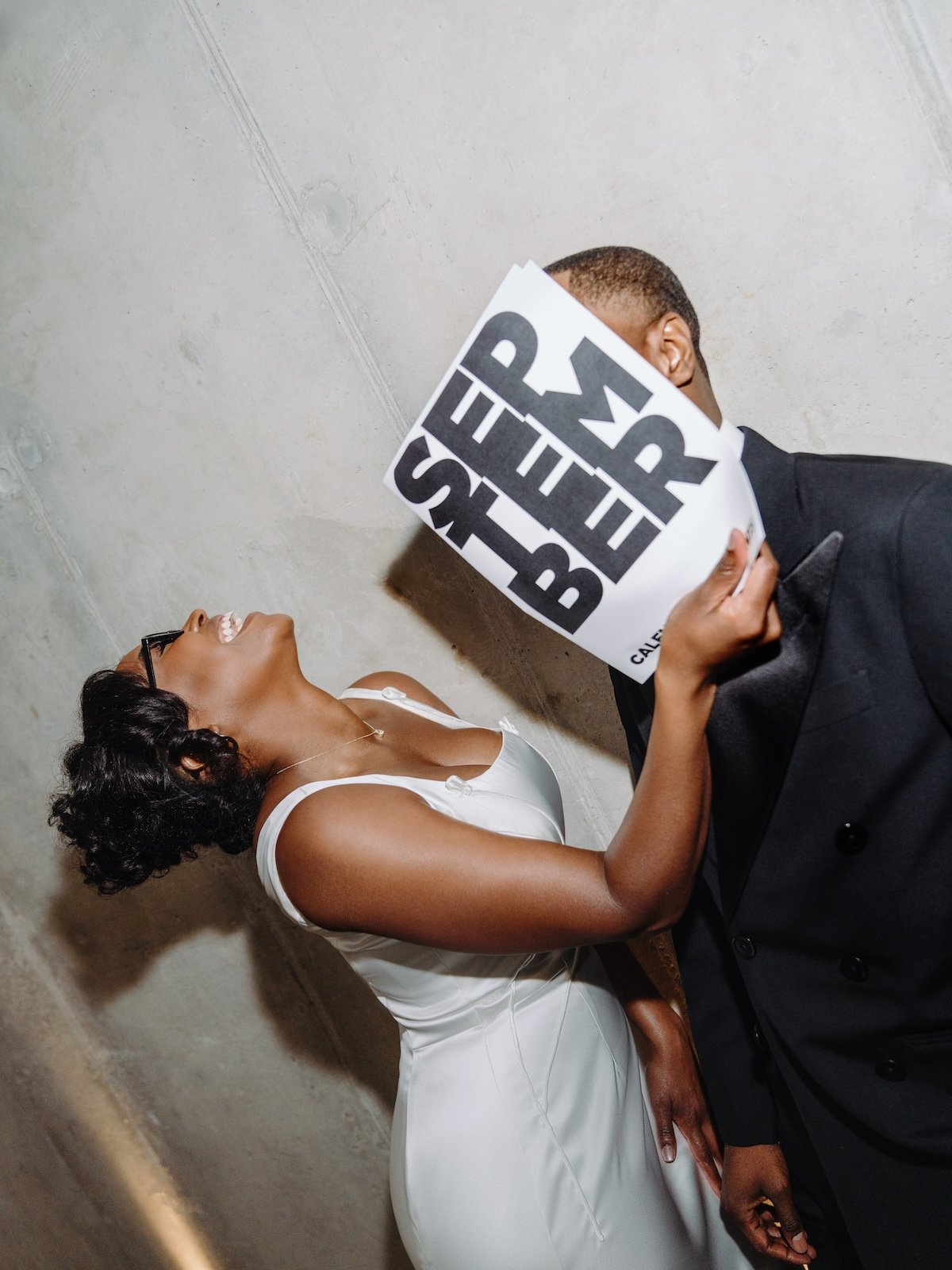
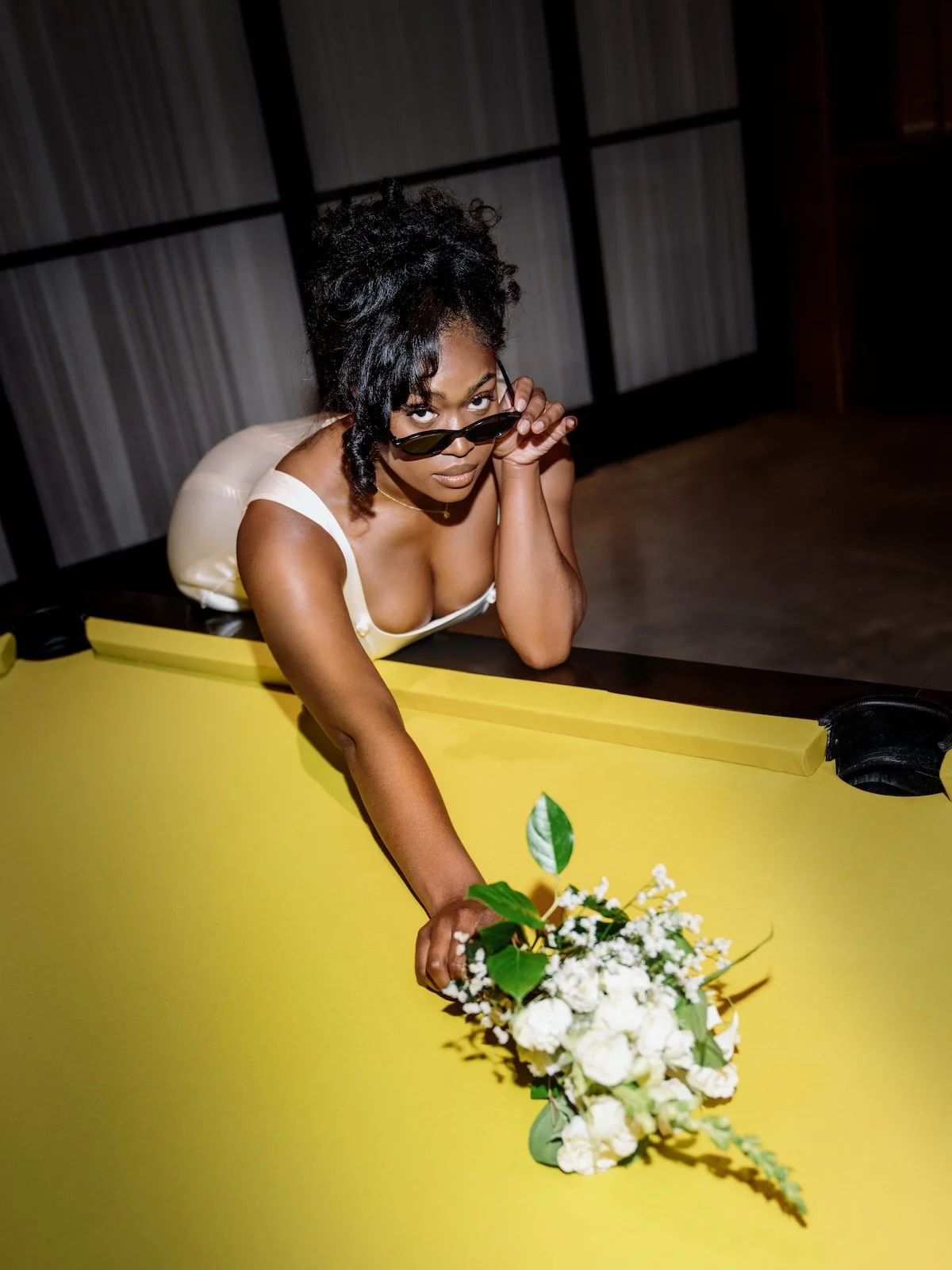
An elopement in LA typically costs $1,900–$6,000 depending on coverage hours, whether you want photo, video, or both, and whether you hire an officiant or use a friend. The marriage license is $91. Location permits (beaches, parks, city halls) range from free to $100. Vendor costs dominate the budget.
Elopement pricing tiers
Video-only, 2–3 hours: $1,900–$2,400
One videographer, highlight film (3–5 min) + trailer. Best for City Hall ceremonies or single-location moments. Includes editing and private online gallery for one year.
Who this suits:
Couples who prioritize film and want the simplest package.
Photo + Video, 2–3 hours: $3,600
One photographer + one videographer as a coordinated team. 150+ edited images + highlight film + trailer. Costs less than booking photo and video separately.
Who this suits:
Couples who want both formats without paying double.
Video, half-day (4–6 hours): $2,800–$3,400
Captures getting-ready, ceremony, and extended portrait time. Longer edit window for story-building. Better for multi-location elopements (ceremony in Beverly Hills, portraits at a beach).
Who this suits:
Couples who want a full narrative arc, not just ceremony highlights.
Photo + Video, full day (8 hours): $5,500–$7,000
Full team presence, morning through sunset. Covers arrival, getting-ready, ceremony, full portraits, and location changes. Premium edit with color grading and sound design.
Who this suits:
Couples who want comprehensive coverage and planning flexibility.
Luxury multi-day elopement: $8,000+
Two videographers, film + Super 8 color stock, professional audio with wireless mics, professional color grade. Includes rehearsal shoot or engagement footage.
Who this suits:
Couples who want high-end production value and are comfortable with investment.
What affects elopement pricing
Coverage hours.
More time = higher cost. A 2-hour ceremony package captures vows and a quick portrait walk. A 6-hour half-day includes getting-ready and more location variety. Eight-hour full-day is flexible for complex timelines or multi-location shoots.
Team size.
Two-person team (photo + video) is more efficient than a single operator multitasking. Second videographer ($800–$1,200 add-on) is worth it for complex multi-location shoots or if you want simultaneous capturing of bride and groom getting-ready.
Location and permits.
Public city halls are free. Beaches (El Matador, Crystal Cove) require permits ($12–$100). Private estates rent for $500–$4,000. These are separate from vendor costs—they roll into your total elopement budget.
Deliverables.
Standard: edited highlights + gallery. Premium add-ons: Super 8 color stock ($400–$600), cinematic color grade ($300–$500), drone footage ($400–$600), or second camera for simultaneous angles ($800+).
Add-ons:
Extra hours ($400–$600/hour), second photographer or videographer (see above), rehearsal shoot ($600–$1,000), professional officiant ($150–$400), styling consultation ($200–$400).
Sample real-world breakdown
Scenario: 3-hour ceremony elopement at a beach, photo + video
| Item | Cost |
|---|---|
| Photo + Video package (3 hours) | $3,600 |
| Officiant | $250 |
| Permit (El Matador Beach) | $12 |
| Backup location rental (private terrace) | $0 (friend's property) |
| Total | $3,862 |
| Item | Cost |
|---|---|
| Video package (4–6 hours) | $3,200 |
| Second videographer | $1,000 |
| Professional officiant | $350 |
| Permits (beach + city hall overlook) | $50 |
| Parking/tolls/travel | ~$100 |
| Total | $4,700 |
Best for comparison:
Market data from WeddingWire (2025) shows average wedding videography at $2,500–$5,000 nationally, and LA runs higher ($3,000–$6,000+) due to market demand and production value expectations.
How we approach your Los Angeles elopement
Shooting an elopement is different from shooting a full wedding. An elopement is small—usually just the two of you, sometimes one or two close people. The energy is intimate. The light has to be engineered because you can't reschedule for better sun tomorrow. The story is simple: two people, one choice, one moment that changes everything. Film and photo should amplify that, not distract from it.
Our process
Scout the location.
We visit your chosen location before the day to map light, find angles, and identify backup spots if weather changes. For well-known beaches or city halls, we've shot there dozens of times and know the best hours and sight lines.
Multi-microphone ceremony audio.
We deploy three wireless lavaliers—on the groom, bride, and officiant. This captures clean vows from all angles, eliminates wind noise, and ensures lip-sync accuracy for film. It's the difference between hearing "I do" clearly and deciphering it through traffic noise or wind.
Gimbal + handheld hybrid.
Smooth gimbal moves set a cinematic pace, but overused gimbal reads as artificial. We combine gimbal (for establishing shots and emotional moments) with handheld (for immediacy and energy). This feels alive, not sterile.
Manual focus pull for emotion.
Camera focus follows the narrative—shifts from the rings to the faces, or from ceremony to guests' reactions. A well-timed focus pull emphasizes the emotional beat; it's invisible but powerful.
Layered framing for depth.
We shoot through foreground elements (flowers, doors, groom's shoulder) to create visual depth. Flat, two-dimensional footage is boring; depth is cinematic.
Backup cameras + redundant recording.
We use two cameras simultaneously, with each recording to separate cards. There is no second take at a wedding. Redundancy is insurance.
Professional lighting for dark venues.
If your venue is dim (old city halls, estates with interior ceremonies), we bring lighting kits—small enough to be unobtrusive, powerful enough to maintain skin tone and detail. Pushing ISO or crushing shadows in post is not an option.
What makes an elopement film different from a wedding highlight reel
A typical wedding film is a 3–5-minute highlight reel set to music. An elopement film often takes longer to unfold—sometimes 7–10 minutes—because the small scale and intimacy deserve space. We build a real arc: anticipation, the moment itself, the aftermath, reflection. There's room for slower moments, longer takes, and detail shots that would get lost in a 200-guest wedding edit.
Best for:
Couples who want to relive the day, not just recap it. This is a film you'll watch again in five years.
Packages include
Highlight film (3–5 minutes for standard elopements, up to 10 minutes for half-day or full-day) with professional color grade and sound design
Trailer (60 seconds, vertical format for Instagram/TikTok, if desired)
Edited high-resolution images (150+ for photo + video packages)
Private online gallery for one year, unlimited downloads in full quality
Turnaround: Full edit within one month
Ready to plan your LA elopement as a film?
We take a limited number of elopements each year in Los Angeles, Malibu, and Orange County. Tell us your date, your vision, and your location, and we'll check availability and send you a custom proposal.
Frequently Asked Questions
-
Yes, but book further in advance (8–12 weeks). Vendors and popular locations fill quickly for weekends. Weekday elopements (Tuesday–Thursday) can often be scheduled with 4–6 weeks' notice and may have a slightly lower rate. Holidays (New Year's Eve, Memorial Day) depend on vendor availability; give yourself extra booking time.
-
Backup is your backup location or raindate. LA rain is rare but happens November–March. We scout alternate indoor venues (city hall, covered estate spaces, restaurants) during your pre-shoot consultation. Rain film footage is usable if the couple is okay with it—wet hair, soaked flowers, and moody light can feel romantic and authentic.
-
Rent a private hotel room or beachfront Airbnb within 10 minutes of your ceremony spot. Getting-ready coverage can happen there; you change into your wedding outfit right before the ceremony. This also gives you a backup shelter if weather turns. Cost: $150–$300 for a few hours.
-
You can get the license any time within 90 days of your elopement, so grab it 2–4 weeks in advance and don't think about it. If you're traveling from out of state, this removes last-minute stress. The license is valid for 90 days once issued.
-
That's still an elopement as far as we're concerned. Invite as many or as few people as feels right. City halls and beaches accommodate small groups. If you're hosting 20+ people with catering, that edges toward a micro wedding, and we'd recommend venue rental and different coverage (the dynamic changes when there's food and a guest experience to manage).
-
Usually yes. Elopements eliminate venue rental for large spaces, catering for 100+ people, and rentals. An average full wedding in LA is $40,000–$50,000+; an elopement with professional film and photo is typically $3,600–$6,000. The money shifts to experience and production quality instead of scale
-
We came to weddings from filmmaking. That means your day gets a director's eye—shot composition, color, lighting, sound design, and editorial pacing are built as a film, not as pretty stills strung together. We use cinema lenses, manual focus, and multi-track audio. We care how your day cuts together, not just how individual shots look. Your elopement should feel like a story, not a highlight reel.
-
Yes. Super 8 (16mm color stock) adds a nostalgic, analog quality to your highlights. It costs $400–$600 as an add-on and we weave Super 8 sequences into the main film for a hybrid aesthetic. It's not the entire film, but rather a stylistic element—especially powerful for getting-ready or travel moments.
-
Edited highlights and full galleries deliver within one month. We color-grade all footage, edit to a locked cut, mix audio (dialogue, music, ambient sound), and deliver in UHD (4K) quality. A rush option (2-week turnaround) is available for additional cost ($400–$600).
1 Videographer
Up to 4 hours of coverage
3-5-minute cinematic highlight film
1-2 minute trailer
Professional audio recording
Cinematic color grading
Private online gallery available for half a year
Unlimited downloads in full quality