Super 8 Wedding Video: A Working Film Team's Complete Guide
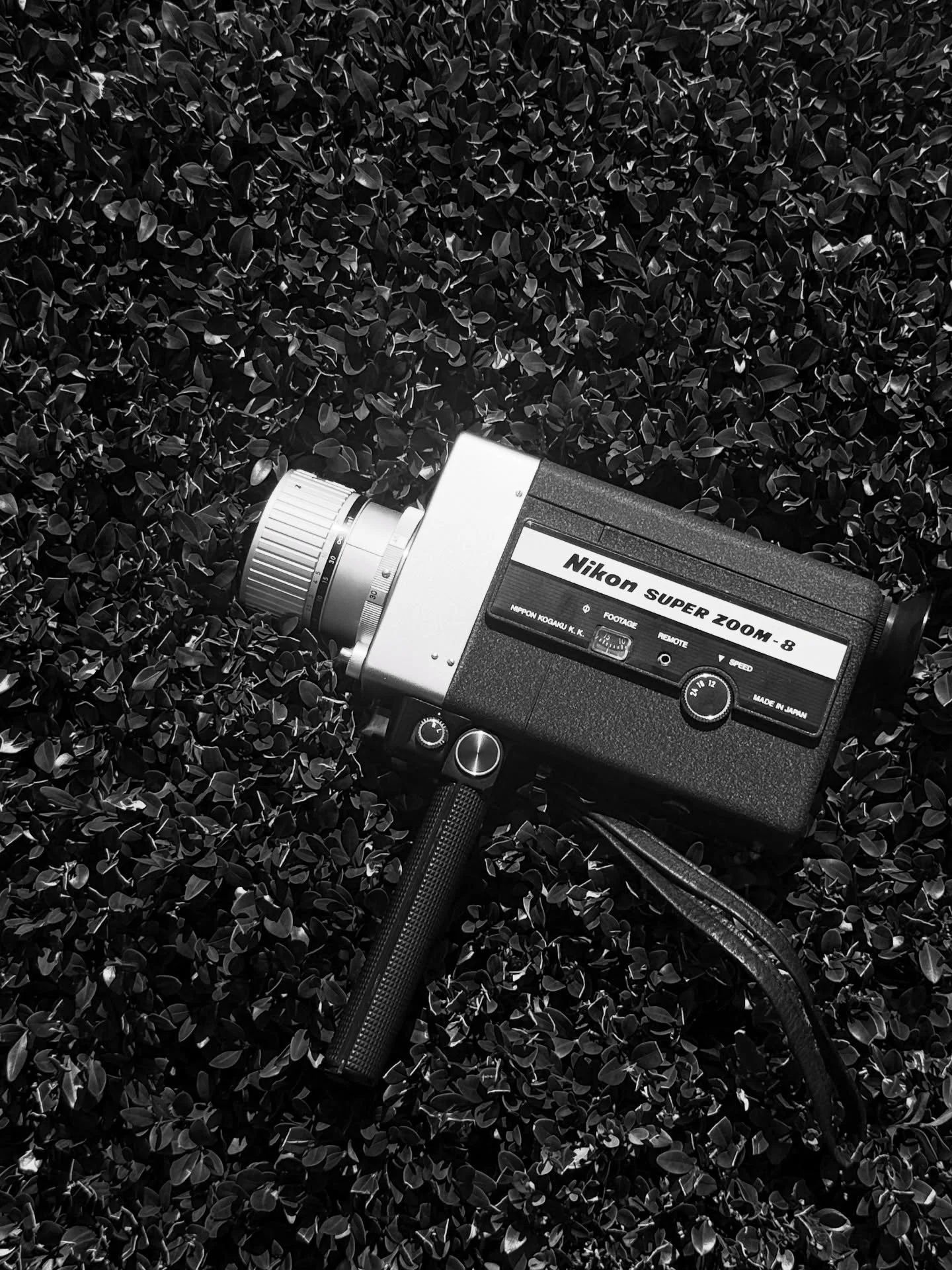
We shoot weddings on both digital and real Super 8 film in New York and Los Angeles, so we can tell you what this format actually is before you pay a premium for it. Super 8 is genuine celluloid film run through a vintage mechanical camera, developed in a lab, and scanned to digital. We shoot ours on a vintage Braun Nizo 3056, a German-built Super 8 camera. It is not a filter, and it is not for everyone. Done well it gives you a short piece of your wedding that looks like a memory rather than a recording – warm, grainy and slightly imperfect. Done as an afterthought it gives you a few dark, shaky clips and a bill. This guide is the plain-language overview of what the format does, how it is made, and how to book it well. When you want the deep dives on price or on how it compares to digital, we link you to the dedicated guides.
See our Super 8 wedding films in NYC
Quick Answer:
Super 8 wedding video is footage shot on actual 8mm Kodak film using a vintage camera, then developed and scanned by a lab into a short, textured film clip. Each cartridge holds only about 50 feet, roughly three minutes at the standard silent 18 frames per second, and the film records no sound, so vows and speeches audio comes from a separate recorder. Because you buy, process, and scan the film for every roll, Super 8 is a premium add-on layered on top of digital coverage – at Arrakis Films it is included in the 10-hour Moving Symphony package and can be added to any other. Always book it alongside a digital film team, not instead of one.
In this article
What is Super 8 wedding videography?
Super 8 wedding videography means filming parts of your wedding on real 8mm motion picture film, using a camera built decades ago, then having a lab develop and scan the film into short digital clips. Kodak introduced the format in 1965 for home movies, and the same film stock and cameras are still made and used today. What you get back is a short piece of your day with the texture of old film.
The look people want from Super 8 is not an accident of nostalgia. It comes from physical properties of the medium: real film grain, a softer and warmer color response than a digital sensor, a shallow and slightly unstable frame from a decades-old mechanism, and occasional light leaks where light slips past the film gate. Those traits read as "memory" to the eye. A digital camera can imitate the color, but it cannot reproduce true grain and organic motion the way film delivers it in-camera.
It is film, not a filter
The distinction that matters most is that Super 8 is a physical process. A digital "Super 8 look" is a preset applied in editing to footage shot on a modern camera. Real Super 8 is exposed on celluloid, chemically developed, and scanned. That is why it costs more, takes longer, and looks different. If a videographer offers "Super 8 style" at digital speed and digital prices, ask directly whether they are shooting actual film or a filter, because the answer changes both the price and the result.
How is a Super 8 wedding film made?
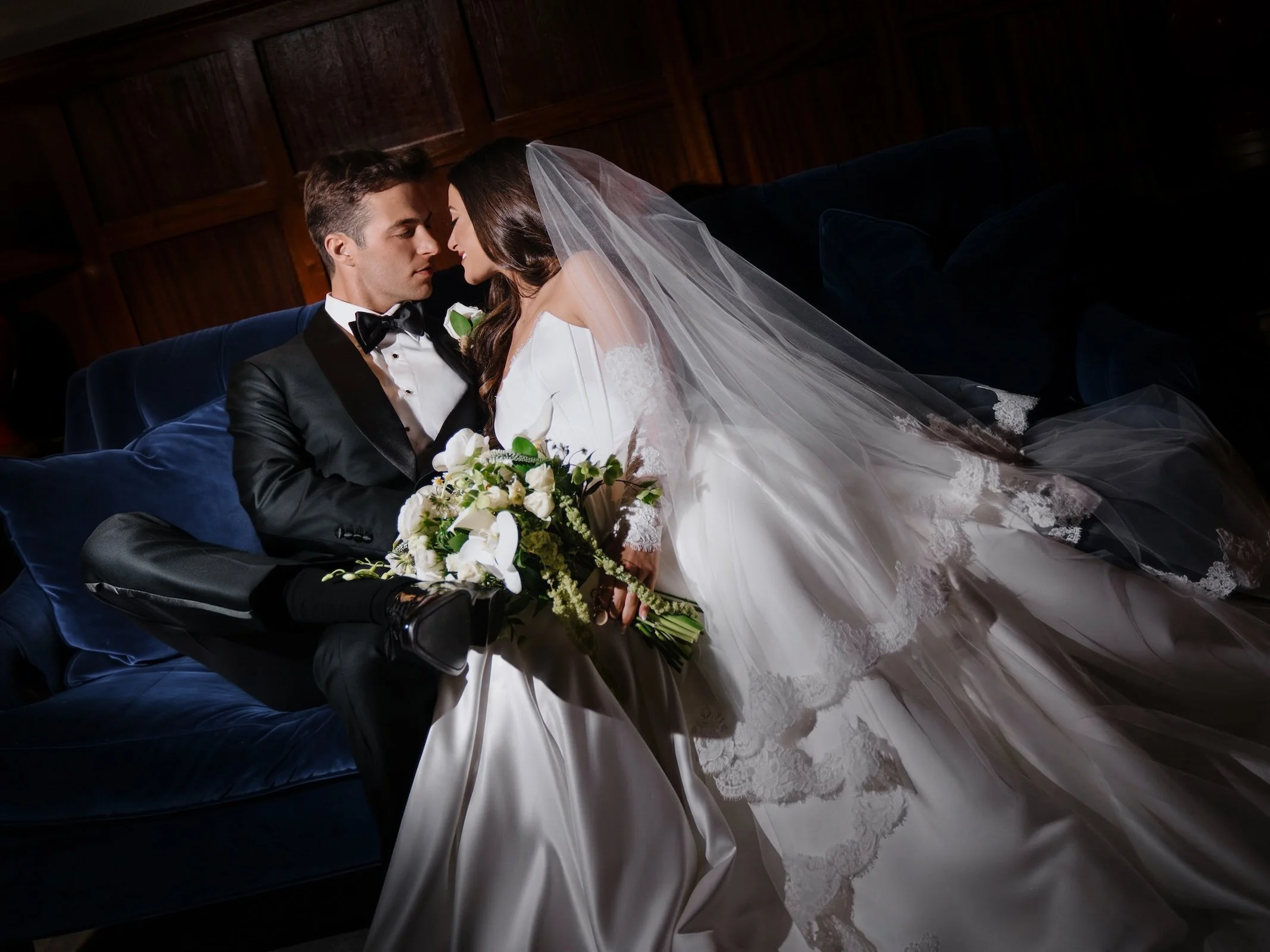
A Super 8 wedding film is shot on film cartridges during the day, sent to a specialty lab afterward, developed chemically, scanned frame by frame to digital, then color-graded and cut to music. Because each cartridge holds only about three minutes and cannot be reviewed on the spot, the shooter has to choose moments deliberately. Nothing is shot loosely.
The workflow has real constraints you should understand before you book. Each cartridge is roughly 50 feet of film, about three minutes at the standard silent 18 frames per second, or closer to two and a half minutes at the more cinematic 24 frames per second (Pro8mm, 2026). Modern Super 8 records no sound, since sound-on-film cartridges were discontinued decades ago, so any audio in the final edit is added from a separate recorder or from your digital film team. And the film physically has to travel to a lab such as Pro8mm to be developed and scanned, which is why Super 8 always takes longer to deliver than digital.
The cartridge limit shapes everything
Because film is finite and costs money every time it rolls, a Super 8 shooter cannot leave the camera running. On a wedding they typically bring a few cartridges, which is only nine to fifteen minutes of total footage before editing, and that is cut down to a short final film.. This is why choosing an experienced Super 8 shooter matters: they have to read the room and catch the real moment on the first take, because there is no second one and no deleting a bad clip to free up space.
No sound, so plan the audio
Since the film carries no audio, your vows and speeches in real sound have to come from somewhere else. This is the single most important reason to run Super 8 alongside a digital team rather than alone. The digital crew records clean ceremony and speech audio, and that audio can be laid under both films. Book Super 8 by itself and you get beautiful silent footage with no way to hear the day.
The lab step, and why delivery is slower
After the wedding, the exposed cartridges go to a film lab for chemical development and high-resolution scanning, then come back as digital files for editing and color grading. That lab round-trip adds weeks on top of a normal edit. Ask any Super 8 shooter for their delivery window in writing and treat "a few months" as normal for film, not as a warning sign the way it would be for digital.
Super 8 or digital: the short version
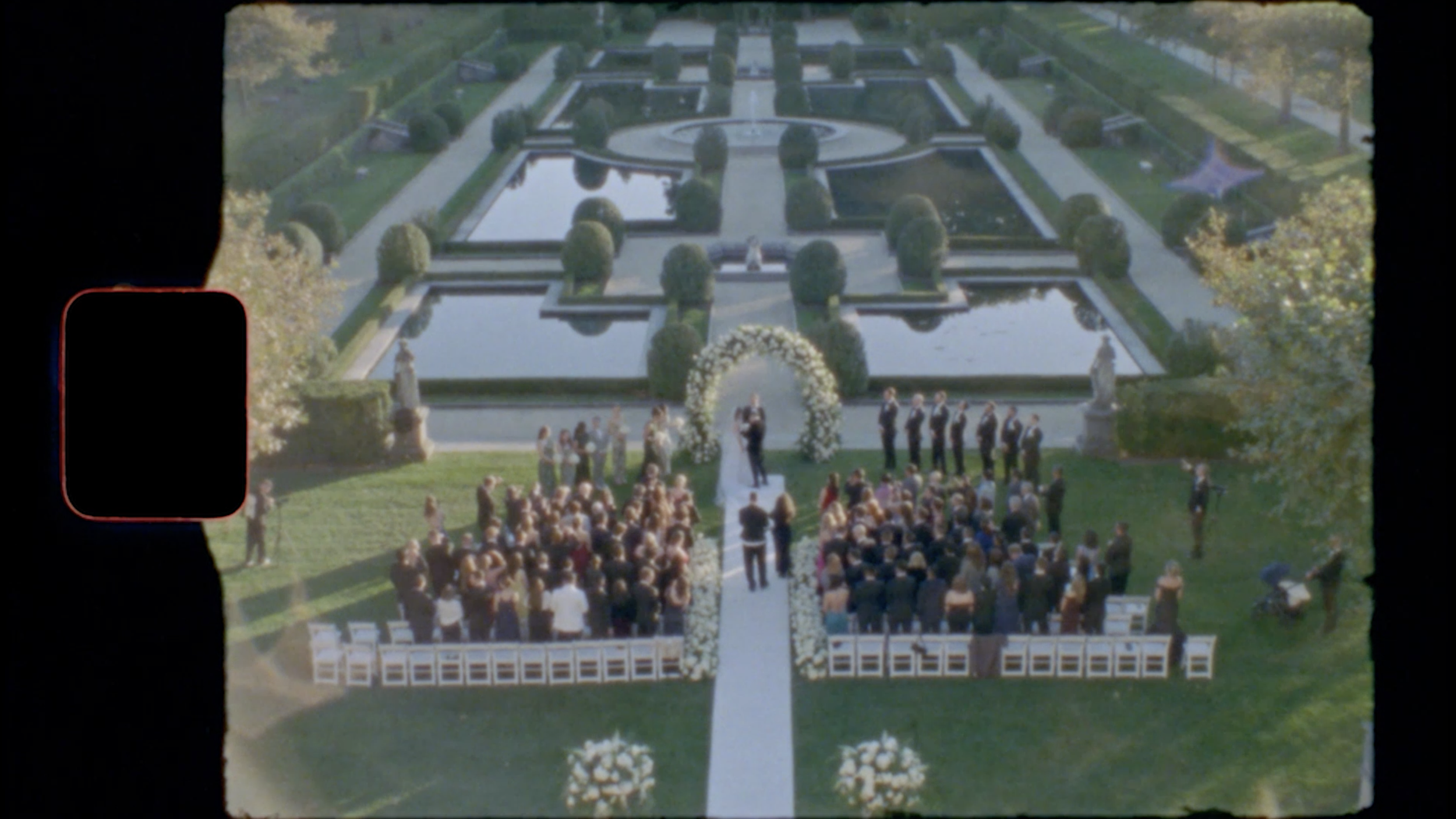
You do not have to choose. Digital gives you the full, clear, sound-on record of the whole day; Super 8 gives you a short, textured piece that no digital file fully copies. Most couples who care about the vintage look add Super 8 on top of a digital film package rather than replacing it, so they keep complete coverage and gain the film feel for a handful of moments.
That is the summary. The full breakdown of how the two formats differ on look, sound, length, low light, turnaround, and how to decide between film, digital, and a hybrid lives in its own guide, so we send you there rather than repeat it here.
What Super 8 adds to your budget, briefly
Super 8 is priced as a premium add-on because you pay for physical film, lab processing, and scanning on every single roll, plus a skilled shooter's time. At Arrakis Films, Super 8 is included in the 10-hour Moving Symphony package and available as an add-on to any other package.
We keep the full pricing math, the three booking models, and what drives the number up or down in a dedicated cost guide, and the packages that include Super 8 are listed on our Super 8 page. Rather than quote figures here that could drift out of date, we point you to both.
Is Super 8 right for your wedding?
Super 8 is right for you if you love the texture of old film and want a short, emotional keepsake, and if you are pairing it with digital coverage so you still get clear, complete, sound-on footage of the day. It is the wrong choice as your only wedding video, because it is short, silent, soft, and unrepeatable.
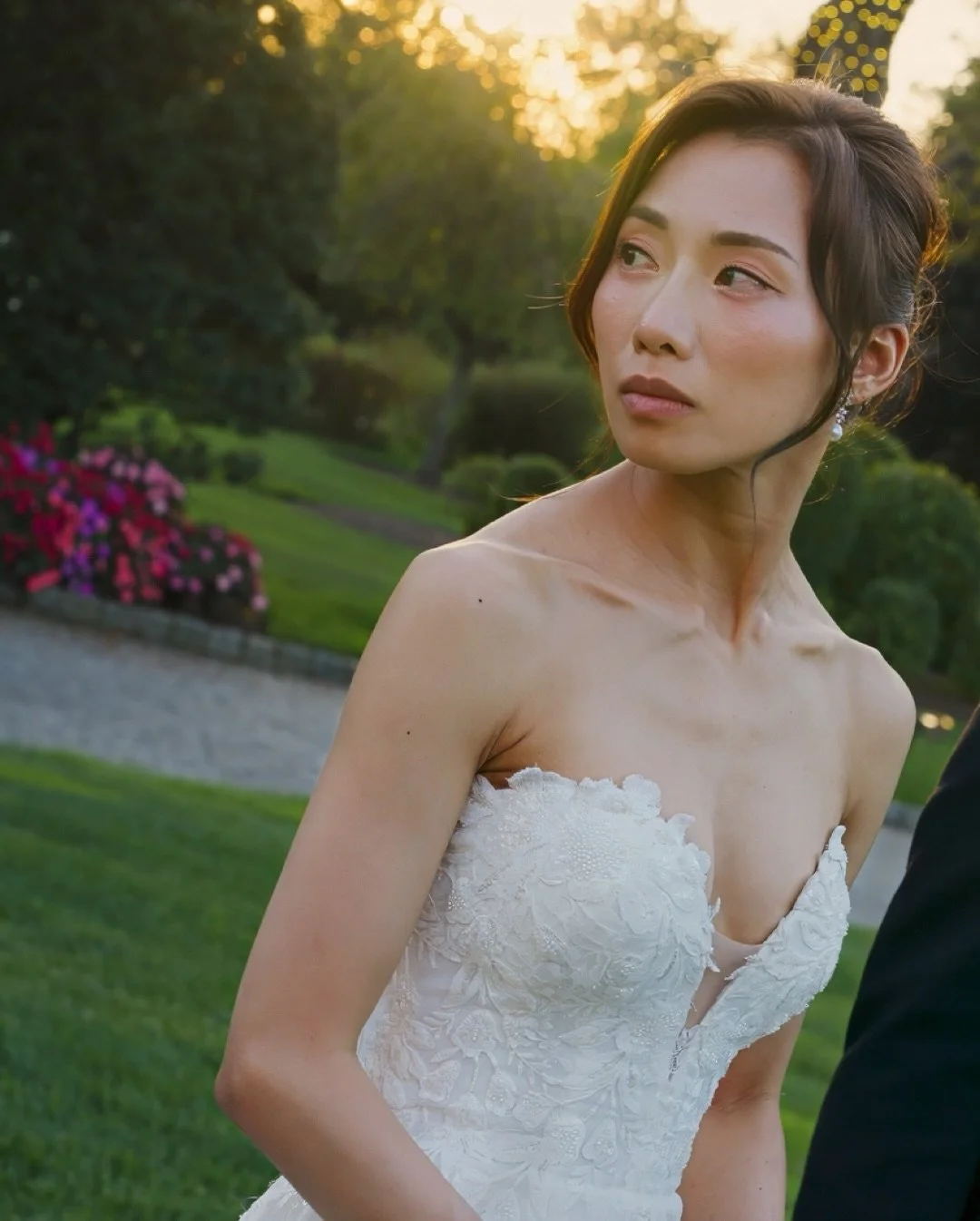
Think of it as seasoning, not the meal. Couples who are happiest with Super 8 are the ones who wanted the vintage feel for specific moments, the first look, the vows framed as a memory, the golden-hour portraits, the last dance, and who kept a digital team on the day to hold the full record. Couples who regret it are the ones who booked film alone expecting a full wedding video and got a short silent clip instead. If clear vows in real sound and complete coverage matter to you, Super 8 belongs on top of digital, never in place of it.
Where it shines
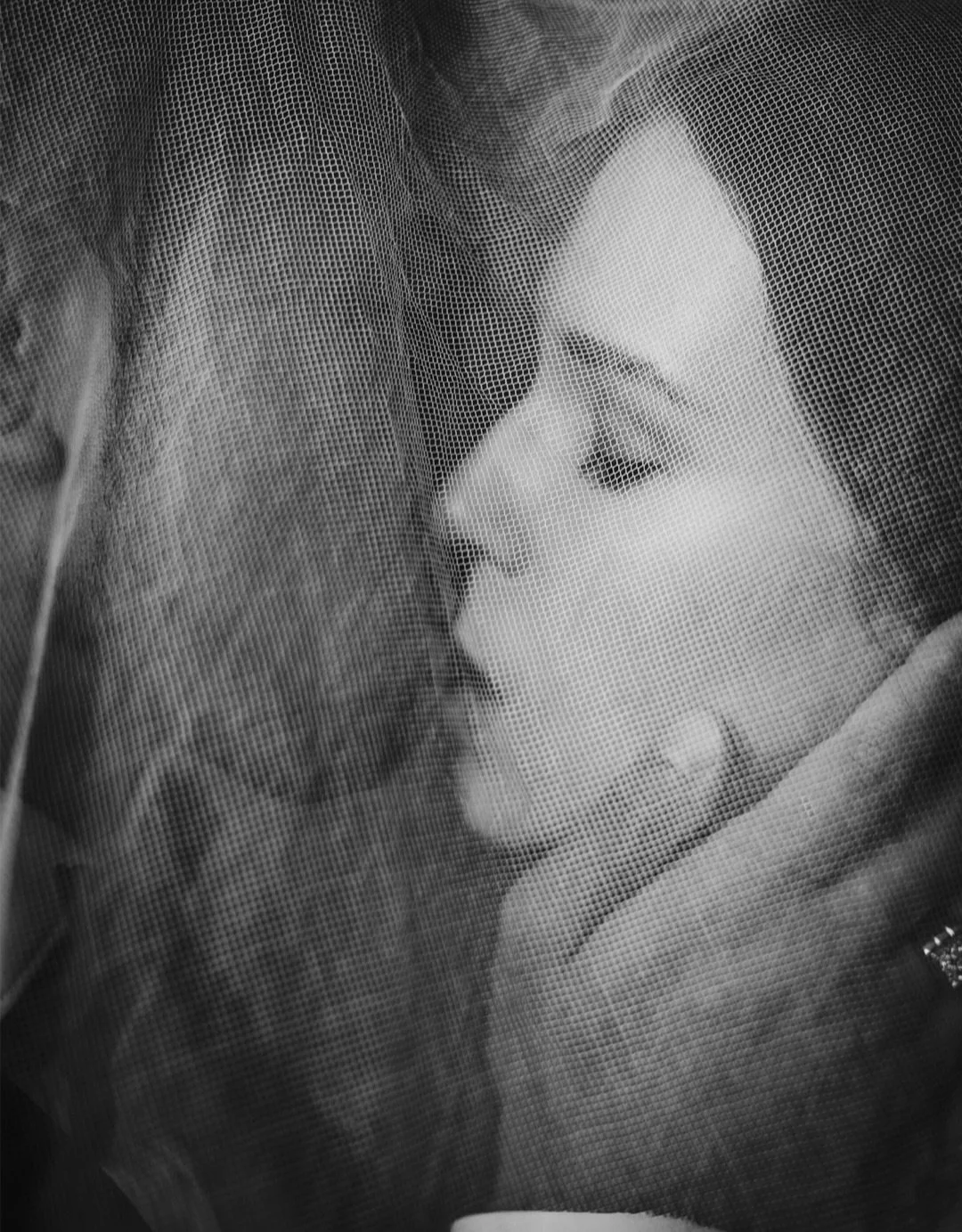
The format flatters warm, backlit, movement-filled moments most: confetti and sparkler exits, a veil in the wind, dancing, an elopement in open landscape at golden hour. It is less forgiving in very dark rooms, since film needs light and a dim reception can come back grainy to the point of mush. A shooter who knows the format will plan Super 8 around the light you actually have and shoot the dark parts on digital.
How to choose a Super 8 wedding videographer
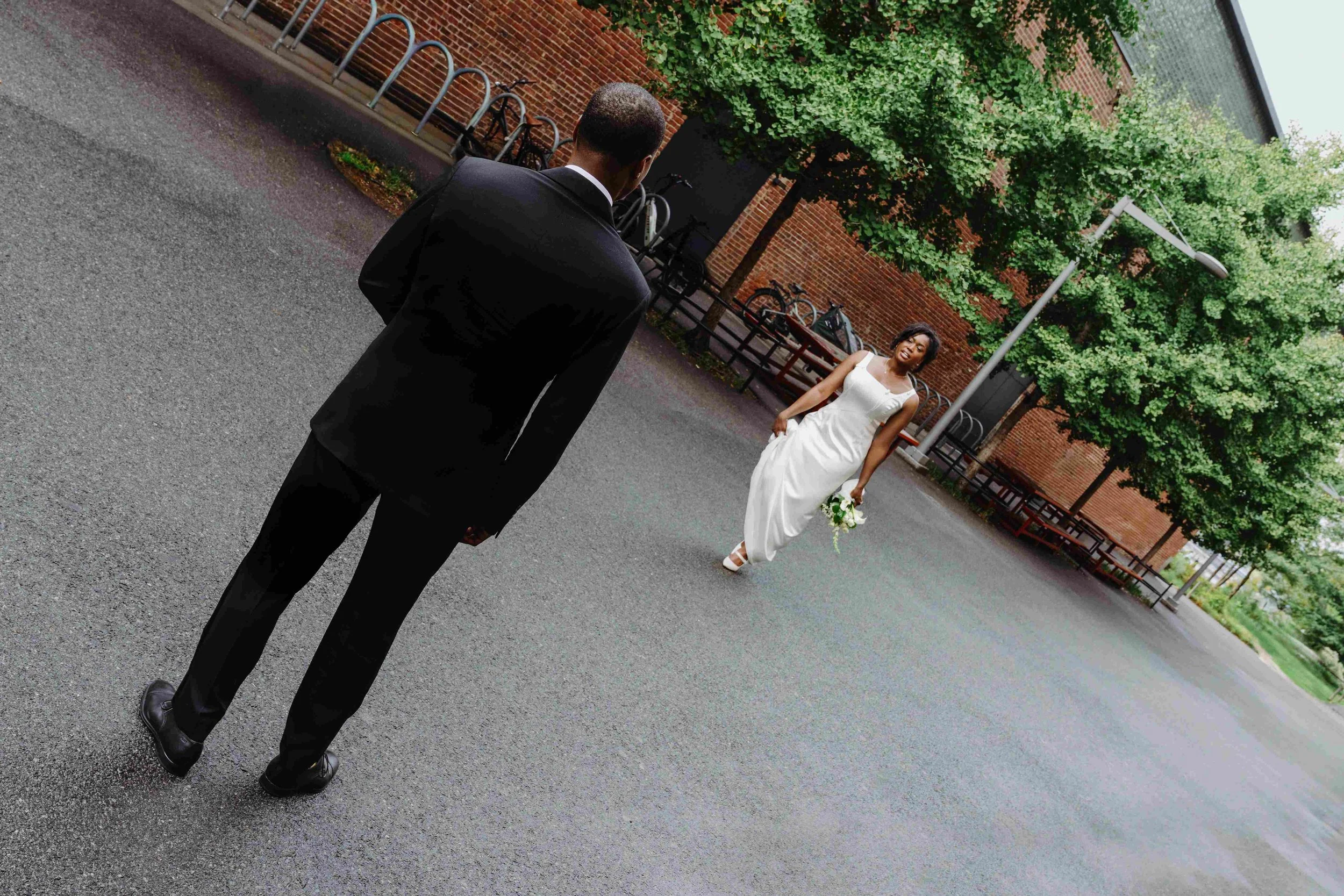
Choose a Super 8 shooter by confirming three things: that they shoot real film and not a digital filter, that they can show you finished Super 8 wedding work start to finish, and that they run it alongside a digital crew who captures your sound and full coverage. Portfolio and honest logistics matter more than a pretty reel here.
Because the format is unforgiving and the cameras are old, experience is not optional. Ask how long they have shot Super 8, which cameras they use and how they maintain them, which Kodak stock they shoot and why, which lab develops and scans their film, and how long delivery takes. A real film shooter answers all of this easily. Ask to see at least one complete Super 8 wedding piece, not just a montage of everyone's best three seconds, so you can judge whether they consistently catch real moments on limited film. And confirm how they handle sound, because if they cannot explain where your audio comes from, they have not thought the format through.
Questions that separate real film shooters from filter sellers
Ask directly: is this shot on actual Super 8 film or a digital effect? How many cartridges are included, and what does an extra roll cost? Which lab processes your film? How is my audio captured, since the film records none? What is the delivery timeline including the lab step? Vague answers on cameras, cartridges, labs, or sound are the tell that you are being sold a look rather than the real medium.
How we shoot Super 8 at Arrakis Films
We shoot Super 8 the way it is meant to be shot: on real 8mm film, through a maintained vintage Braun Nizo 3056, alongside a full digital photo-and-film crew so nothing about your day goes uncovered. The Super 8 gives you the memory-grade moments, and the digital gives you the complete, clean record, including the sound the film cannot capture.
On the day, we plan the Super 8 rolls around the light and the moments that suit film best – the first look, portraits in golden hour, the exit, the dance floor – while our Sony FX3 cameras cover the ceremony, the vows and the speeches. After the wedding, the film is developed and scanned, then we color-grade it and cut it to music ourselves, so the grain and warmth look intended. Because we run photo, digital film and Super 8 as one team off a single timeline, the crews never fight for position. The finished film arrives within 4 to 6 months through a Pixieset gallery. If you want to see our Super 8 wedding films and the packages that include it, that is all on our Super 8 page.
See our Super 8 wedding films and packages
Ready to talk to us?
If you want the vintage feel of real Super 8 without losing the clean, complete coverage of digital, that is exactly how we build it. We will walk you through how we would layer film, digital and photo across your day. Reach out to Arrakis Films for a photo-and-film package built around your wedding.
Frequently asked questions
-
Super 8 wedding video is footage shot on real 8mm Kodak motion picture film using a vintage camera, then developed and scanned by a lab into short digital clips. It has natural grain, warm color, and soft, slightly unstable motion that reads like an old home movie. It is a physical film process, not a filter applied to digital footage, which is why it costs more and takes longer.
-
Real Super 8 is actual celluloid film, exposed in-camera, chemically developed, and scanned to digital. A digital "Super 8 look" is a preset added in editing to modern footage. They look different and cost very differently. Always ask a videographer directly whether they shoot real film or apply an effect, because some sell the filter as the format.
-
The shooter exposes a few film cartridges during the day, then sends them to a specialty lab to be chemically developed and scanned to digital, after which the footage is color-graded and cut to music. Each cartridge holds only about three minutes, so moments are chosen deliberately. The lab step is why Super 8 takes longer to deliver than digital.
-
Yes, in almost every case. Super 8 is short and records no sound, so it cannot be your only wedding video without leaving you with silent, partial footage. Booking it alongside a digital crew gives you complete coverage and clean audio for your vows and speeches, with the Super 8 layered in for the moments that suit film.
-
Book it together with your main photo and film package, 12 to 18 months ahead for a peak-season Saturday and 8 to 12 months for off-season dates. Shooters who work in real film take a limited number of weddings because film, labs, and vintage gear cap how much they can handle. Once your date and venue are set, lock your film coverage early, especially if you want it layered with full photo and digital film.