

How to Elope in California: Permits, Costs and Where to Go
We photograph and film elopements across California, from beaches in Los Angeles County to Yosemite Valley and the north shore of Lake Tahoe. This is the version of the guide we wish existed when a couple calls us in January with a date in mind and no idea whether the spot they found on a map will even issue a permit. Everything below is what the state and the parks publish, with the office that publishes it linked on the number itself.
Quick Answer: To elope in California you need a marriage license from any county clerk. Both of you apply in person with government photo ID, there is no waiting period, and the license is valid for 90 days anywhere in the state. Los Angeles County charges $91 for a public license and $85 for a confidential one. A ceremony on public land usually needs a separate permit: $150 in Yosemite, $120 in Joshua Tree, and a variable fee in California State Parks. Our four-hour elopement coverage is $1,900 for photography, $1,900 for film, and $3,600 for both.
In this article
- Why do couples choose California for an elopement?
- What do you legally need to elope in California?
- Which permits do you need, and what do they cost?
- Where are the best places to elope in California?
- When is the best time of year to elope in California?
- What does it cost to elope in California?
- How do you build a four-hour elopement day that does not feel rushed?
- How do photo and film work on a California elopement?
- Frequently Asked Questions
Why do couples choose California for an elopement?
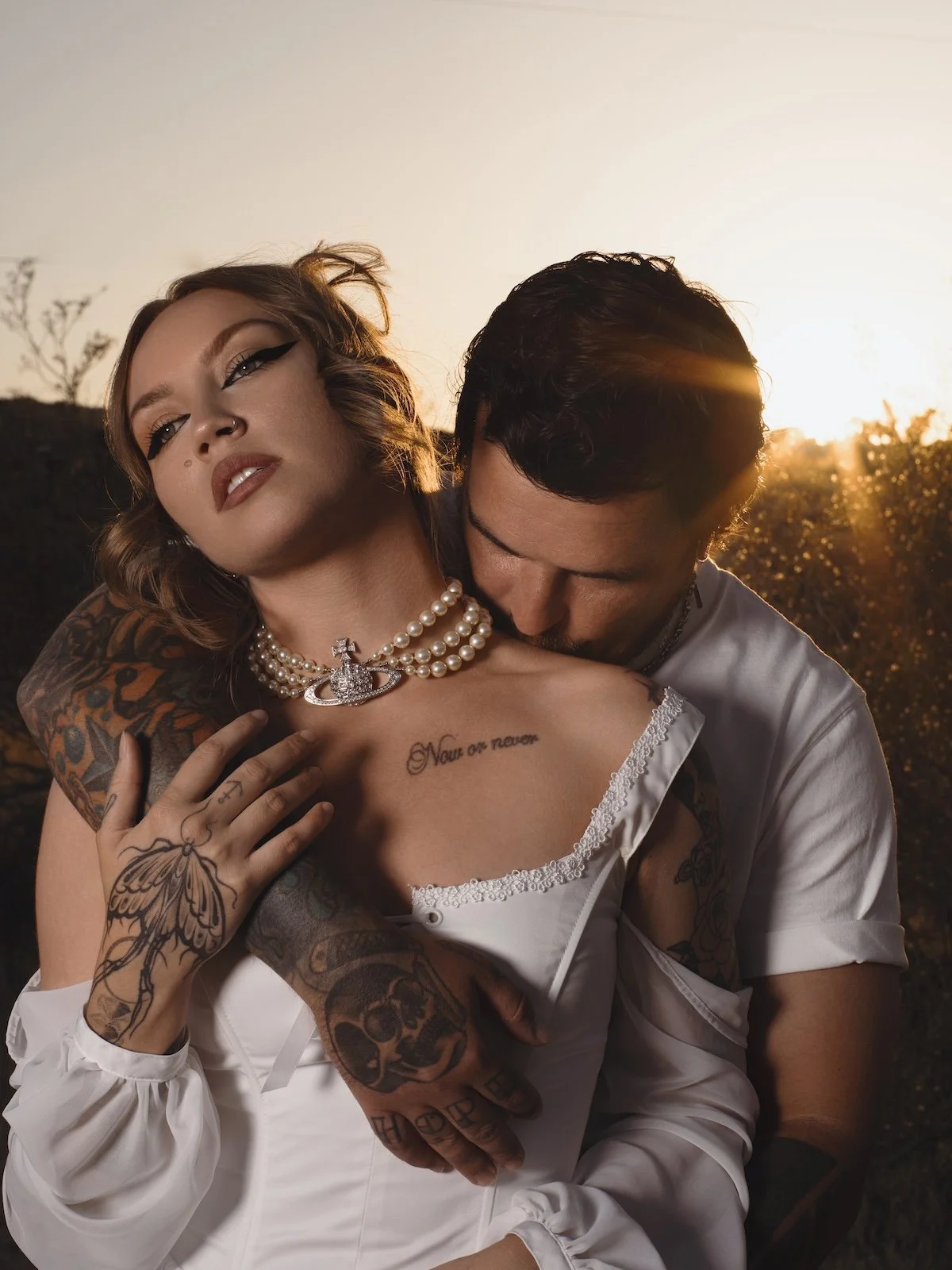
California puts granite walls, a 500-mile coastline, two deserts, an alpine lake and old-growth redwoods inside one set of marriage laws. There is no residency requirement, no waiting period, and a confidential license option that keeps the record off the public rolls. You can apply for the license in one county and hold the ceremony in another.
That legal simplicity is the part couples underestimate. In several states the license expires in 30 days or takes three days to activate, which forces the paperwork and the ceremony into the same trip. California gives you 90 days and hands the license over the same morning you apply, so the county courthouse visit and the day on the cliff do not have to be the same week.
The scenery argument is real, but it comes with a constraint worth knowing before you fall in love with a photograph. Almost every place people picture when they picture a California elopement sits on public land, and public land means a permit, a named ceremony site and a cap on how many people can stand there. That is the subject of two sections below, and it is the thing that decides your day more than the weather does.
What do you legally need to elope in California?
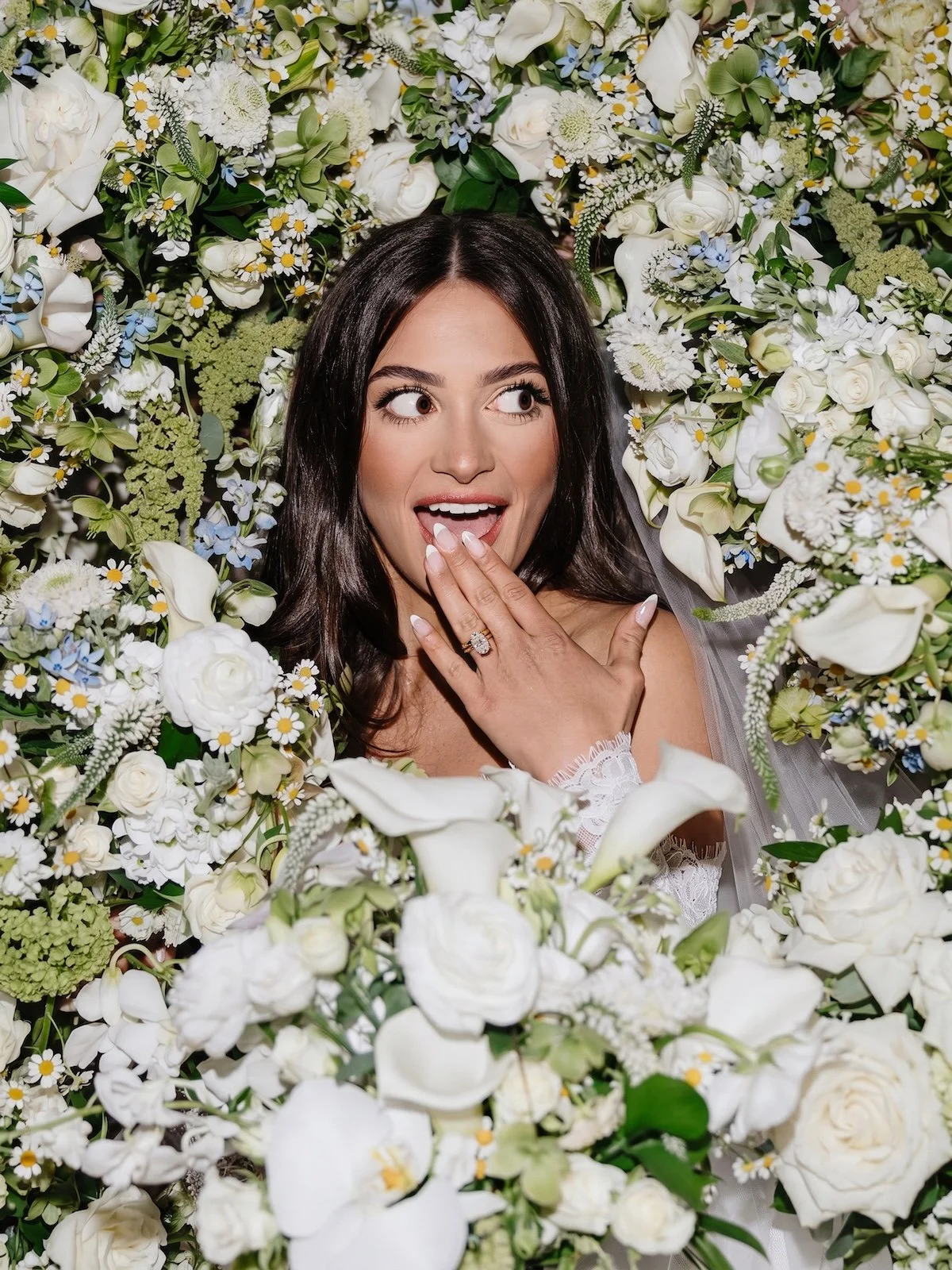
Four things: a marriage license from any California county clerk, valid photo identification for both of you, an authorized officiant, and one witness if your license is the public kind. The license costs $85 to $91 in Los Angeles County, activates immediately, and expires 90 days after it is issued. California does not allow couples to marry themselves.
The license
Both of you appear in person at a county clerk's office and apply together. Bring unexpired government-issued photo ID: a passport, driver's license, resident alien card or military ID all work. If the ID does not carry your full legal name, San Francisco's clerk asks for a certified birth certificate or social security card as well, and other counties follow the same pattern. You must be 18 or older; under 18 requires parental consent and a juvenile court order.
Once issued, the license is good for 90 days and valid anywhere in California. Apply in Los Angeles on a Monday, marry in Yosemite three weeks later, file the paperwork back in the county that issued it. There is no residency requirement, which is why out-of-state and international couples elope here so often.
Public license or confidential license
California issues two kinds, and the difference is not cosmetic.
A public license requires at least one witness present at the ceremony to sign it, and the marriage record is public. In Los Angeles County it costs $91.
A confidential license requires no witness at all. Both of you sign an affidavit stating that you are already living together, and the record stays off the public register. Los Angeles County charges $85 for it.
For a couple eloping alone on a trail at sunrise, the confidential license removes the problem of finding a stranger to witness the vows. That is the practical reason it exists, and most of the couples we shoot who marry with nobody present choose it.
The officiant
The ceremony must be performed by someone authorized to solemnize marriage: a religious leader, a judge, or a deputized commissioner. California does not permit self-solemnization. Several California elopement guides state that the state allows a self-uniting or non-clergy license. It does not, and planning around that claim will cost you the legal ceremony.
What California does allow is deputizing someone you love for the day. Los Angeles County runs a Deputy Commissioner for a Day program at $75, which lets a friend or family member legally marry you. Most California counties operate something equivalent under their own name. If you want the person officiating to be someone who knows you, this is the route, and it needs to be booked in the county where the ceremony happens.
If you would rather skip the search entirely, the county itself will marry you. Los Angeles County performs a civil ceremony for $35 and will supply a witness for $20. San Francisco does the same at City Hall, capped at six guests, by appointment only, weekdays.
Which permits do you need, and what do they cost?
If your ceremony happens on public land, you almost certainly need a permit. Yosemite charges $150 for a special use permit, plus $50 per hour of monitoring once 30 or more people attend. Joshua Tree charges a $120 non-refundable application fee and holds you to two hours. California State Parks require a permit with fees that vary park by park. Each permit ties you to a named site with a fixed capacity.
That last sentence is the one that matters. You do not get a permit for "Yosemite." You get a permit for Cathedral Beach Picnic Area, and Cathedral Beach Picnic Area holds 50 people and closes from November through Memorial Day weekend.
Yosemite National Park
The permit is $150. Ceremonies may be booked up to a year ahead and no later than 21 days before the date. Drones are prohibited.
The park publishes a fixed list of ceremony sites with capacities, and the caps are tighter than people expect. Bridalveil Fall holds 50 and stays open year-round. Swinging Bridge Picnic Area holds 20. Cascades Picnic Area holds 30. Sentinel Beach Picnic Area holds 100 but closes November through Memorial Day weekend. Glacier Point Amphitheater holds 50, opens no earlier than the Tuesday after Memorial Day, and schedules no weddings at all in July and August. In Tuolumne Meadows, Tenaya Lake Beach holds 50 and Tuolumne Meadows Lodge Area holds 25, both only from the road opening until September 30.
Two names that appear constantly in elopement articles, including the earlier version of this one, are not on that list. Tunnel View and Taft Point are not approved ceremony locations in Yosemite. They are spectacular for portraits within normal visitor rules. They are not places the park will let you say vows under a permit.
Joshua Tree National Park
The application fee is $120 and it is non-refundable. Apply between 15 days and 12 months out, and allow roughly 15 business days for processing. The permit covers two hours total, which includes setup, ceremony, portraits and cleanup.
Capacities run small. Hidden Valley Picnic Area and Turkey Flats each hold 35. Cap Rock holds 25, Rattlesnake Picnic Area 20, Quail Springs Picnic Area and Split Rock 15 each, Porcupine Wash 12, Queen Valley Mine Intersection and Lost Horse Parking Lot 10 each, and Live Oak Picnic Area holds five. Indian Cove Amphitheater is the one large site at 100 people, requires a shuttle, and is closed June 1 through August 31.
The park prohibits amplified music, microphones, speakers, drones, dried flowers, petals, rice, birdseed, balloons, signage and anything that burns. Live or artificial flowers, small tables, rugs, battery candles and a cake are allowed if you list them on the application.
The two-hour ceiling is the planning fact people miss. A Joshua Tree permit will not carry a sunset ceremony and a stargazing session afterwards. Those happen outside the permit, on other ground.
California State Parks
A permit and fees are required, and both vary by park with no statewide number. Booking windows differ too: most parks open reservations six months out, Empire Mine State Historic Park takes them a year ahead.
Capacity is where the spread is widest. Grizzly Creek Redwoods allows seven people in summer and ten in other seasons. Benicia Capitol allows 40. Jack London State Historic Park allows up to 300. The practical step is to identify the park first and call that park's office, because the answer genuinely changes between two parks 20 miles apart.
City halls and municipal sites
San Francisco City Hall books civil ceremonies online through the county clerk's portal, with six or fewer guests, weekdays only, no walk-ins. Los Angeles County performs civil ceremonies at $35. Beaches in Los Angeles County, Orange County and San Diego County have their own permit rules and guest limits depending on which agency holds the sand, and a stretch of coast can change jurisdiction inside a single mile.
Permits and fees at a glance
| Authority | Permit | Published fee | Lead time |
|---|---|---|---|
| Yosemite National Park | Special Use Permit | $150, plus $50 per hour monitoring at 30+ guests | 21 days to 12 months |
| Joshua Tree National Park | Special Use Permit | $120, non-refundable | 15 days to 12 months, ~15 business days processing |
| California State Parks | Special Event Permit | Varies by park | Typically 6 months, up to 12 at some parks |
| San Francisco City Hall | Civil ceremony appointment | See county clerk fee schedule | Book online, weekdays only, no walk-ins |
| Los Angeles County | Civil ceremony | $35, witness $20 | By appointment |
We file permits for our couples in advance as part of planning the day. The agency fee is billed to you at cost, separately from your package, so there is no surprise line on an invoice after the contract is signed.
Where are the best places to elope in California?
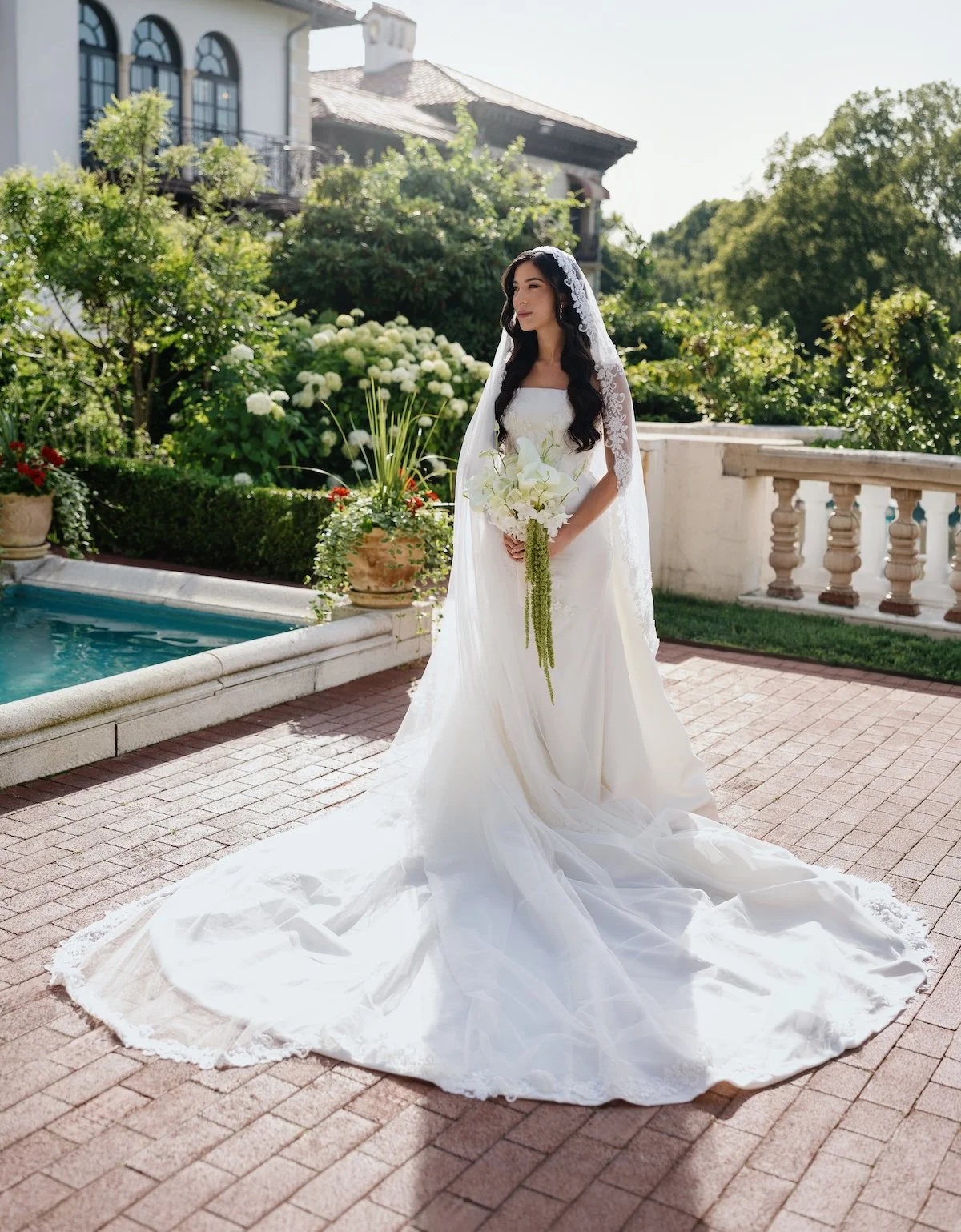
Seven regions carry most California elopements: Yosemite and the high Sierra, Big Sur and the Central Coast, Joshua Tree and the high desert, Lake Tahoe, the redwoods and the North Coast, San Francisco and the Bay Area, and the Southern California coast from Malibu to San Diego. Each one has a different permitting authority, a different season and a different guest ceiling, and those three things narrow the list faster than aesthetics do.
Yosemite National Park
Granite at a scale that makes two people read as very small, which is the whole visual argument for eloping here. Ceremony sites sit in Yosemite Valley, at Glacier Point, in Tuolumne Meadows and in the Big Oak Flat groves.
Best months: Late May through October for road and trail access. Glacier Point Road and Tioga Pass open on snowpack, usually between late May and early July. Permit: NPS Special Use Permit, $150. Named sites only, capacities 20 to 100. Guest ceiling: 20 at Swinging Bridge, 50 at Bridalveil Fall and Glacier Point Amphitheater, 100 at Sentinel Beach in season. Access: Drive-up at most ceremony sites. Roughly four hours from SFO to the Valley. Best for: Couples who want scale in the frame and are willing to plan around a permit calendar. Photo and film note: The park rewards wide, patient frames and punishes rushing. We build the day around one ceremony site and one portrait window, because moving between Valley floor and Glacier Point eats an hour each way and the light does not wait.
Big Sur and the Central Coast
Highway 1 above the Pacific, redwood canyons dropping to the water, and fog that behaves like a lighting modifier. Ceremony ground here is a patchwork of state parks and private property, so the venue decision and the permit decision are the same decision.
Best months: April through June and September through October. Winter storms close Highway 1 in some years, and that closure can last months. Permit: California State Parks special event permit at Pfeiffer Big Sur and neighbouring parks, fee set by the park. Private inns handle their own. Guest ceiling: Set by the specific park or property, commonly under 30. Access: Short walk-ins from roadside pullouts, or moderate canyon hikes. Four to five hours from LAX. Best for: Couples who want coast and forest in the same day without leaving one road. Photo and film note: Fog is the reason to come, not the thing to plan around. Diffused coastal light holds detail in a white dress that direct noon sun destroys, and the sound of surf under vows does more for a film than any music cue.

Joshua Tree and the high desert
Boulder fields, the trees themselves, and a night sky that justifies staying after dark. The park runs the tightest permit in the state and the day has to be built around it.
Best months: October through April. Summer afternoons are dangerous, not merely uncomfortable. Permit: NPS Special Use Permit, $120, two-hour ceiling, no amplified sound and no drones. Guest ceiling: Five at Live Oak, 15 at Split Rock, 35 at Hidden Valley Picnic Area, 100 at Indian Cove Amphitheater outside summer. Access: Drive-up at every permitted site. Two and a half hours from LAX. Best for: Couples eloping alone or with a handful of people who want the day to look like nowhere else in the state. Photo and film note: The permit gives us two hours inside the park, so we shoot the ceremony and immediate portraits there, then move to a house in Yucca Valley or Palm Springs for the rest. Planned that way it reads as one continuous day. Planned any other way it reads as a ranger asking you to leave.
Lake Tahoe and the Sierra Nevada
The largest alpine lake in North America, with granite shoreline on the west and boulder beaches on the Nevada side. Jurisdiction is split between state park, national forest and private resort, and the three answer permit questions differently.
Best months: June through October for snow-free access and boats. December through March for snow, which photographs beautifully and turns every transfer into a logistics problem. Permit: Depends entirely on the exact shoreline. Emerald Bay is a California State Park; other stretches are national forest or resort ground. Guest ceiling: Varies by jurisdiction, frequently under 25 on the California side. Access: Drive-up at most viewpoints, short hikes to the better shoreline. Best for: Couples who want water and mountains in one frame and an activity built into the day. Photo and film note: Reflection is the asset here. Still water at dawn gives you the mountains twice, and by mid-morning the wind takes it away. Tahoe days start early or they lose their best hour.
Redwoods and the North Coast
Muir Woods, Henry Cowell, Prairie Creek, and the coastline from Sonoma up to Trinidad. Vertical scale and light that arrives in shafts through fog.
Best months: Late spring through autumn. Mist is present most of the year and is part of the reason to come. Permit: California State Parks or National Park Service depending on the grove. Group limits here are the strictest in the state. Guest ceiling: As low as seven at Grizzly Creek Redwoods in summer. Access: Short trails, usually flat, often wet. Best for: Couples marrying alone who want quiet over spectacle. Photo and film note: Old-growth groves sit several stops darker than open sky, so this is where the difference between a camera that holds shadow detail and one that does not becomes visible. We shoot these wide open and let the canopy fall dark.
San Francisco and the Bay Area
City Hall's Beaux-Arts stair and rotunda, plus Lands End, the Presidio, Marin Headlands and Point Reyes within an hour's drive. The only region on this list where the ceremony can be indoors and the portraits can be on a cliff an hour later.
Best months: Year-round for City Hall. September and October for the clearest coast. Permit: City Hall books through the county clerk's appointment system. Outdoor sites carry their own park permits. Guest ceiling: Six at a City Hall civil ceremony. Access: Urban, walkable, with parking as the only real obstacle. Best for: Couples who want the legal ceremony handled quickly and the day spent somewhere else. Photo and film note: City Hall is a working building with a three-minute ceremony and a queue behind you. The film is made in the twenty minutes before and the hour after, not during the vows, and that has to be planned. Hoping for it does not work.
Southern California coast and Palm Springs
Malibu, Laguna, Sunset Cliffs and Balboa Park in San Diego, Santa Barbara's Mediterranean streets, and desert modernism an hour inland. The most accessible region in the state and the one where the light needs the most honest description.
Best months: September through November and March through May. Late May into July brings the marine layer, and coastal cloud often holds past noon. Permit: County or municipal beach permits, rules and guest limits change by agency. Guest ceiling: Commonly 20 to 50 on permitted beaches, set by the managing agency. Access: Drive-up everywhere, though a Saturday evening turns a 20-minute map distance into an hour. Best for: Couples who want a short travel day and a ceremony that can run into dinner without a transfer. Photo and film note: Marine layer is a planned condition here, not a problem. Even overcast light is usually better for portraits than hard sun, and we time the day around it rather than praying it burns off. Warm evening colour in the LA basin comes from particulate haze, the thing residents complain about, which works as a diffuser on camera.
If you are eloping specifically in Los Angeles, the permit map, the venue list and the traffic maths are different enough to deserve their own page:
Region comparison
| Region | Permit and published fee | Best months | Best for |
|---|---|---|---|
| Yosemite | NPS Special Use Permit, $150 | Late May to October | Scale in the frame, guest counts 20 to 100, planners who book a year out |
| Big Sur and Central Coast | CA State Parks permit, fee by park | April to June, September to October | Coast and redwoods in one day, groups usually under 30 |
| Joshua Tree | NPS Special Use Permit, $120, two-hour ceiling | October to April | Eloping alone or with under 35 people, couples who want somewhere unlike the rest of the state |
| Lake Tahoe | Varies: state park, national forest, resort | June to October, or snow season | Water and mountains together, days with an activity built in |
| Redwoods and North Coast | CA State Parks or NPS, strictest caps in the state | Late spring to autumn | Just the two of you, quiet over spectacle, groups as small as seven |
| San Francisco Bay Area | City Hall appointment, six guests | Year-round, clearest in autumn | A fast legal ceremony and a long portrait day after it |
| SoCal coast and Palm Springs | County or city beach permits, rules by agency | September to November, March to May | Short travel, ceremony running into dinner without a transfer |
When is the best time of year to elope in California?
There is no single best month, because the state holds four climates. Broadly: deserts run October through April, the high Sierra runs late May through October, the coast is best in April to June and September to October, and city halls work all year. Weekday mornings beat weekend afternoons everywhere, for permit availability and for how empty a viewpoint is.
January through March. Death Valley and Anza-Borrego are at their most comfortable, and Joshua Tree is ahead of the heat. Tahoe and Mammoth are under snow, which is worth the logistics if you want it in the film. The coast is green and storms are possible.
April through June. Snowmelt puts Yosemite Falls at peak flow in April and May, and Tioga Pass and Glacier Point Road are still opening. The Central Coast has its clearest mornings of the year before summer fog arrives. From late May, Southern California beaches sit under the marine layer, often past noon, and the schedule accounts for it.
July and August. The high country is fully open and fully busy, and Glacier Point Amphitheater schedules no weddings in either month. Deserts are out. The coast from Mendocino down to Santa Barbara stays mild while inland valleys pass 100°F.
September through November. The strongest window in the state for most of these regions at once. Yosemite is quiet and clear, Tahoe is warm with the crowds gone, the coast has its least fog, and Southern California evenings stay warm into November. If you are choosing blind, choose here.
December. City halls, San Diego and Sunset Cliffs, Malibu in low sun. Sand Harbor on the Nevada shore of Tahoe under snow. Short days mean the portrait window closes by 16:30, which changes the whole schedule.
One planning note that applies everywhere. A courtyard that reads golden at 18:00 in June sits in flat shade at 16:00 in November. Portrait timing is arithmetic done backwards from sunset at your specific location on your specific date, and it is the first calculation we run when a couple sends us a date.
What does it cost to elope in California?
The fixed public costs are small: $85 to $91 for the license, $35 for a county civil ceremony, and $120 to $150 for a national park permit. Everything else is chosen. The Knot puts a bespoke elopement at $5,000 to $40,000 once travel, lodging and vendors are counted, and photography alone at $2,000 to $10,000. Our four-hour coverage is $1,900 for photography, $1,900 for film, or $3,600 for both.
Why published numbers disagree so wildly
You will find two very different sets of figures for the same phrase, and both are correct about different things.
The Knot's elopement cost guide gives $5,000 to $40,000. That is the whole day: officiant at $200 to $1,200, site fees at $500 to $5,000, transport at $500 to $2,000, a planner at $1,000 to $5,000, plus photography, lodging and clothes.
The Knot's California elopement packages roundup gives $1,500 to $7,200. That is a venue package: Park Hyatt Aviara from $1,500 for up to ten guests, Madonna Inn at $2,700, Post Ranch Inn at $4,100 on weekdays, Rush Creek Lodge near Yosemite at $7,200. Those bundle a room, an officiant, flowers and typically one hour of photography.
The gap is not a contradiction. One figure counts a day, the other counts a product inside that day. When a package quotes $2,700 and includes an hour of photography, the coverage question is still open, because an hour buys you the ceremony and nothing on either side of it.
What we charge, and what moves it
Our elopement collections cover four hours:
| Package | Coverage | Price |
|---|---|---|
| Whispers in the Wild | Photography, 4 hours | $1,900 |
| Runaways in Love | Film, 4 hours | $1,900 |
| Vows in the Wind | Photography and film, 4 hours | $3,600 |
Those prices hold anywhere in California. A four-hour elopement in Yosemite costs the same as one in Santa Monica. Travel and lodging for the two of us are billed separately at cost, as is any agency permit fee, and both are quoted before anything is signed. A 50% non-refundable retainer reserves the date.
For context on where $3,600 sits: The Knot's range for wedding photography alone starts at $2,000 and runs to $10,000. Our combined figure covers both stills and a film, shot by the two owners of the studio.
How do you build a four-hour elopement day that does not feel rushed?
Four hours is enough for a full day if it holds one ceremony site and one portrait location. It stops being enough the moment a second drive is added. The working shape is: getting ready, a first look, the ceremony, one substantial thing that belongs to the two of you, then portraits in the last light.
Think of the day in chapters and give each one room.
Getting ready. Coffee, the dress or the suit, the quiet hour before anything is official. Twenty to forty minutes of coverage, and it is where the film finds its opening.
First look. A private reveal before the ceremony. Worth doing when there is no aisle to walk, because it gives you the emotional beat a guest-filled processional would otherwise provide.
The ceremony. In Joshua Tree this is inside a two-hour permit window. In Yosemite it is at a named site with a capacity. Everywhere it is shorter than people expect, usually under fifteen minutes.
The thing that makes it yours. A hike to a viewpoint, a paddle across still water at dawn, a drive up a canyon, dinner cooked by someone in a house you rented. This is the chapter that separates an elopement from a photo session, and it is where the documentary footage comes from.
Last light. Portraits timed backwards from sunset at your location on your date.
Leave buffer between locations, particularly in Big Sur and Yosemite, where a 20-minute map distance routinely runs 45. A day with slack in it produces candid footage. A day run to the minute produces a shot list.
Elopement or micro wedding?
The shape of the day decides this more reliably than the head count does. Up to 30 people with no seating chart and no dinner service is an elopement, and four hours covers it. Once there is a guest list and a seated dinner, it is a micro wedding, and that needs six hours or more, because the reception has its own arc and four hours will end in the middle of it.
If you are somewhere in between, the question to answer is whether anyone will be giving a speech. Speeches mean a reception. A reception means a longer package.
How do photo and film work on a California elopement?
Two of us shoot it, and that is the entire crew. Andrew photographs, Roma films, and there is nobody else on the call sheet. On a day where the ceremony has ten people and a permit caps the site at fifteen, a four-person crew stops being coverage and becomes a crowd.
Andrew is a film director. The studio's awards are for short films: Best Short Documentary at Venezia Shorts Italy in 2021, Best Editing at the New York Indie Shorts Awards, and Grand Jury Winner at the FFTG Awards in 2023. Andrew directed them and Roma produced them, so the awards belong to the pair rather than to one name on a page. Roma danced with the Bolshoi Ballet for ten years before moving into film, which is where the attention to how people actually carry themselves comes from. Between us we have also shot commercial work for Adidas, Nutella and Mercedes.
How the day runs. Four hours of continuous coverage, starting during getting ready. We direct lightly and mostly for position and light, then leave you alone, because the footage that survives editing is almost always the part where nobody was being told anything.
Audio. Vows are recorded on lavalier microphones. An elopement has no venue sound board and no DJ to pull a line from, and a desert or coastal ceremony will otherwise hand you four minutes of wind.
Permits. We file them in advance as part of planning. The agency fee is billed to you at cost, separately from the package.
Drone. Included in our packages, and prohibited in national parks. Yosemite and Joshua Tree both ban it outright. On coastal and private ground it is usually available, and we confirm it before the day.
Delivery. Photographs and the film are both delivered within one month, and the teaser comes with the film. Your gallery stays open for six months with unlimited high-resolution downloads.
Booking. A 50% non-refundable retainer reserves the date.
Because an elopement has no audience, the pictures and the film are how the day reaches everyone who was not there. That changes what we shoot. A wedding film for 150 guests can assume shared memory; an elopement film has to carry the whole day for people seeing it for the first time.
You can see how we approach this on our
Los Angeles elopement photography
Ready to plan it?
Tell us the region you are drawn to, the rough dates you are holding and how many people will be there, and we will come back with what the permit calendar allows and what the light does on that date.
Frequently Asked Questions
-
Yes. Both Yosemite and Joshua Tree require a special use permit for a ceremony, at $150 and $120 respectively, and both restrict you to a published list of named sites with fixed capacities. Portraits taken elsewhere in the park generally fall under normal visitor rules. The ceremony does not. Apply at least three weeks ahead in Yosemite and roughly 15 business days ahead in Joshua Tree.
-
No. California issues the license the same day you apply and it becomes valid immediately, which is unusual among US states. It stays valid for 90 days and can be used anywhere in California regardless of which county issued it. Both partners must apply together in person with unexpired government photo identification.
-
Yes, with a confidential marriage license. That license requires no witness at the ceremony, and both partners sign an affidavit stating they already live together. The marriage record also stays off the public register. A public license, by contrast, requires at least one witness present to sign. Los Angeles County charges $85 for confidential and $91 for public.
-
It depends entirely on the site, and the ceilings are lower than most couples expect. Live Oak Picnic Area in Joshua Tree holds five people. Grizzly Creek Redwoods allows seven in summer. A San Francisco City Hall civil ceremony allows six guests. At the other end, Sentinel Beach in Yosemite holds 100 in season. Confirm your site's cap before you invite anyone.
-
Not in a national park. Yosemite and Joshua Tree both prohibit drone operation outright, and that applies to hired crews as much as to visitors. State parks and county beaches vary, and private property depends on the owner plus airspace rules. On coastal and private sites drone footage is usually possible with advance confirmation.
-
Yes. California has no residency requirement for a marriage license, and no citizenship requirement. Both of you appear in person at any county clerk with unexpired government photo identification, which can be a foreign passport. The license is valid statewide for 90 days, so you can apply on arrival and marry later in the trip.
-
For Yosemite, Big Sur or Tahoe in autumn or late spring, six to twelve months is realistic, because permit windows and lodging are the binding constraint. A weekday city hall ceremony or a permitted beach can come together in two to three months. Book the ceremony site and your photo and film team first, then apply for the permit.