

Film vs Digital Wedding Photography: What's the Difference?
The film-versus-digital question comes up more every year, usually framed as a choice of sides — as though booking a photographer means committing to one or the other for the whole day. In practice, most studios that shoot film, ours included, run digital as the workhorse and bring film in for a specific layer. Understanding what each format actually does is what lets you decide where, and whether, film belongs in your wedding.
This is a plain comparison: how film and digital look, what they cost, where each struggles, and how to combine them on a single wedding day.
In this article:
Quick answer
Digital wedding photography is sharp, works in almost any light, delivers hundreds of images and turns around in weeks. Film — 35mm or medium format — has grain, soft highlight roll-off and a depth that's hard to copy, but costs more per frame, needs good light, and goes to a lab. Most couples do best with digital coverage and film added for portraits and key moments.
What's the actual difference between film and digital?
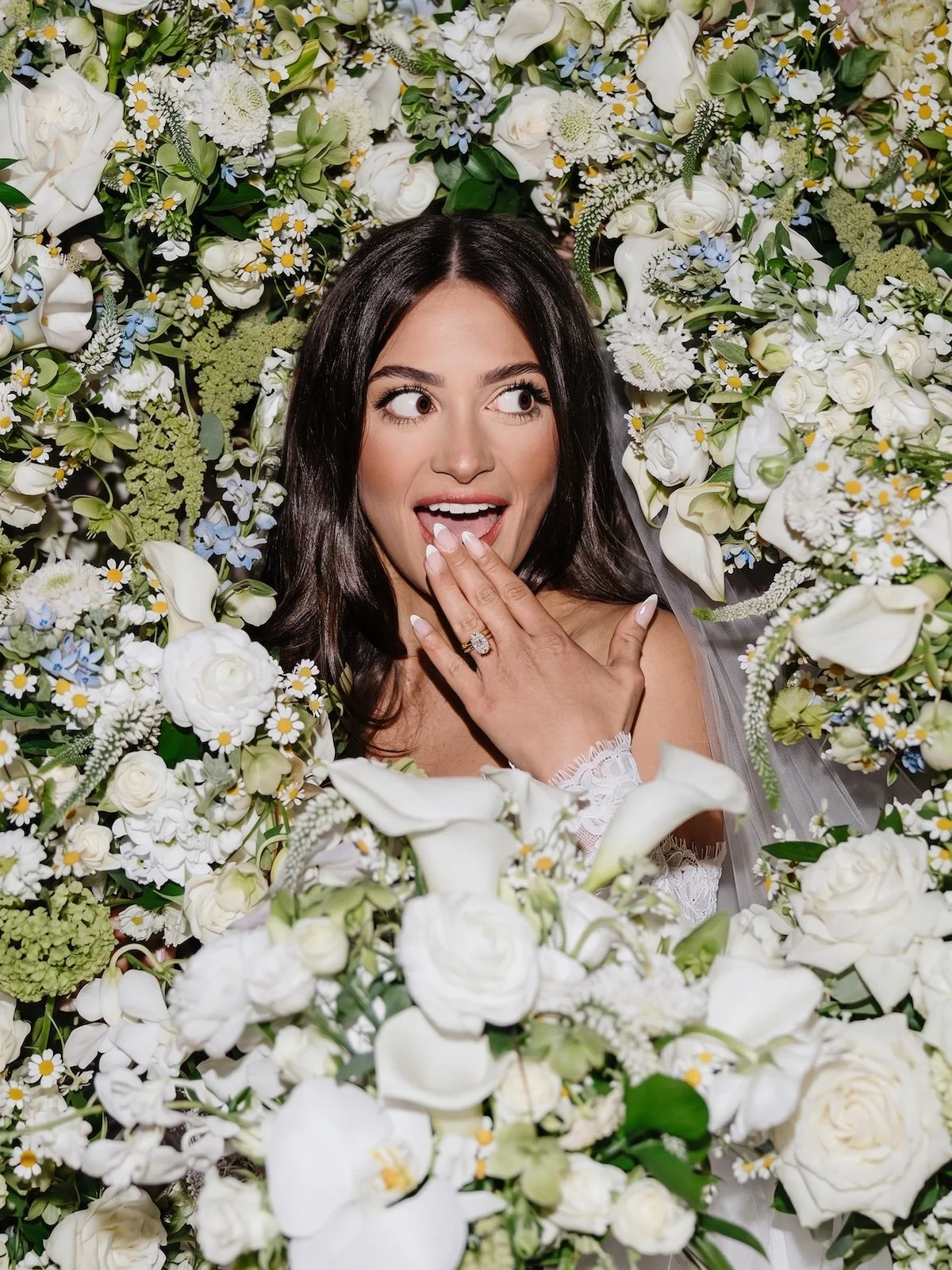
The difference is what records the image. Digital captures light on an electronic sensor and stores it as a file you can see instantly. Film captures light on a chemical emulsion that has to be developed and scanned before you see anything. That one distinction drives everything else — resolution, low-light behaviour, cost, turnaround, and the particular way each renders color and light.
A digital sensor is built for range and control: high resolution, clean results in dim rooms, and immediate review so the photographer knows they got the shot. Film has no screen to check and a fixed number of frames per roll — 36 on 35mm, as few as 12 on medium format — so every frame is a decision. What film gives back for that discipline is a look. The way it handles bright highlights, holds color, and lays down grain is difficult to fake in software, which is why couples who want it want the real thing rather than a digital filter.
| Film | Digital | |
|---|---|---|
| Look | Grain, soft highlights, warm color, depth | Clean, sharp, neutral, high detail |
| Low light | Struggles; needs good light or flash | Excellent; clean in dim rooms |
| Images per shoot | Limited — 12–36 frames per roll | Hundreds, at no extra cost |
| Cost per frame | Higher — stock, developing, scanning | Low once gear is owned |
| Turnaround | Slower — lab development and scanning | Faster — usually weeks |
| Best used for | Daylight portraits, key moments, the timeless look | Full-day coverage, low light, a guaranteed record |
How does film photography look different from digital?
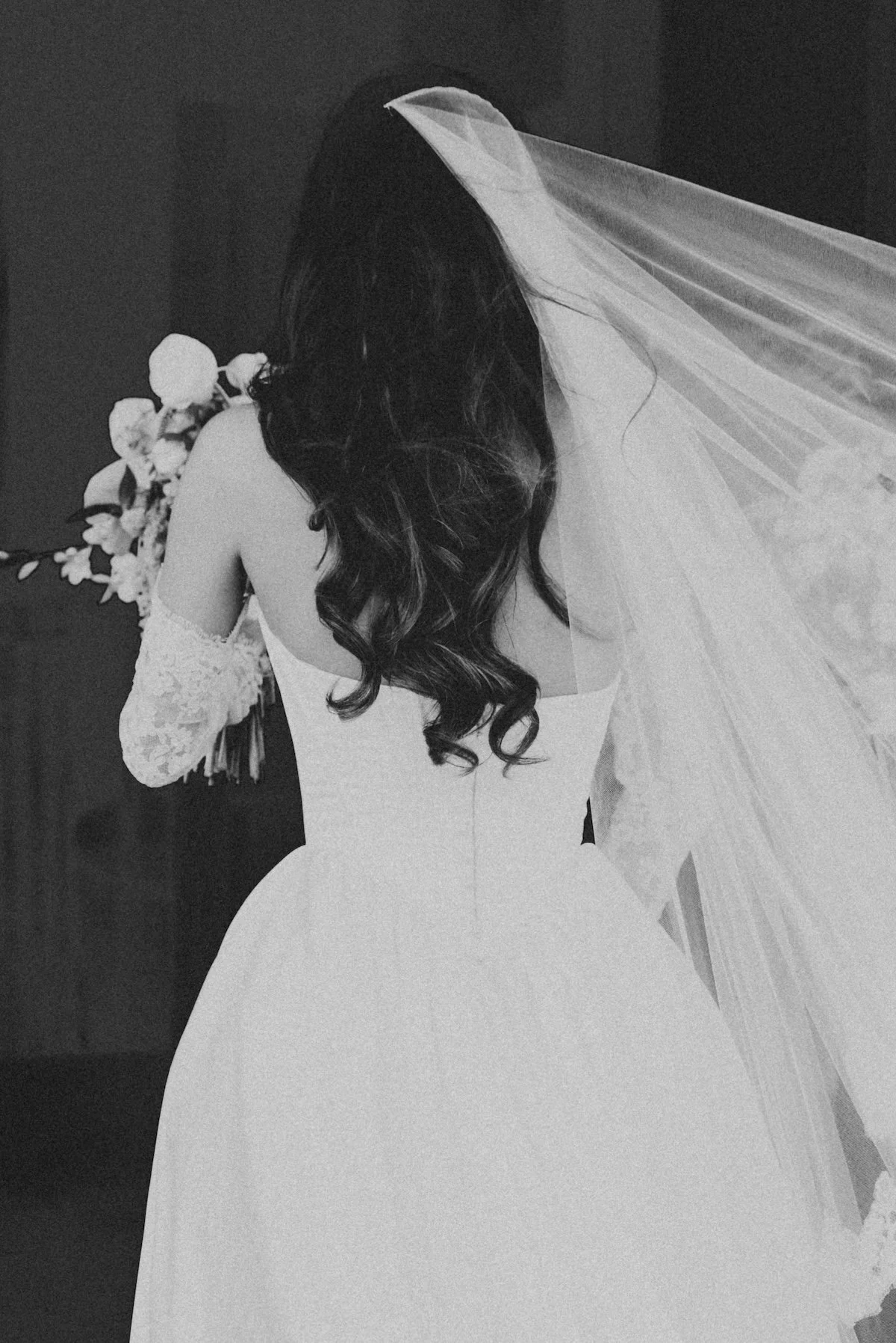
Film renders light more gently than digital. Highlights roll off softly instead of clipping to hard white, colors sit warmer and less clinical, and fine grain gives the image texture rather than the smooth cleanliness of a digital file. Medium-format film adds depth and a three-dimensional quality that's the main reason photographers still shoot it. Occasional light leaks read as character, not error.
Put a film and a digital frame of the same moment side by side and the film one usually looks softer in the highlights, richer in the shadows, and less surgically sharp. That's a different rendering, and for a lot of couples it's the one that feels timeless because it doesn't carry the crisp, hyper-real look that dates digital photos to their era. Medium format in particular — larger negatives shot on cameras like the Hasselblad 503 — gives a depth and tonal smoothness that even high-end digital struggles to match. The trade is control: what film does to light is partly out of the photographer's hands, and that unpredictability is exactly what its fans are paying for.
Does film or digital handle low light better?
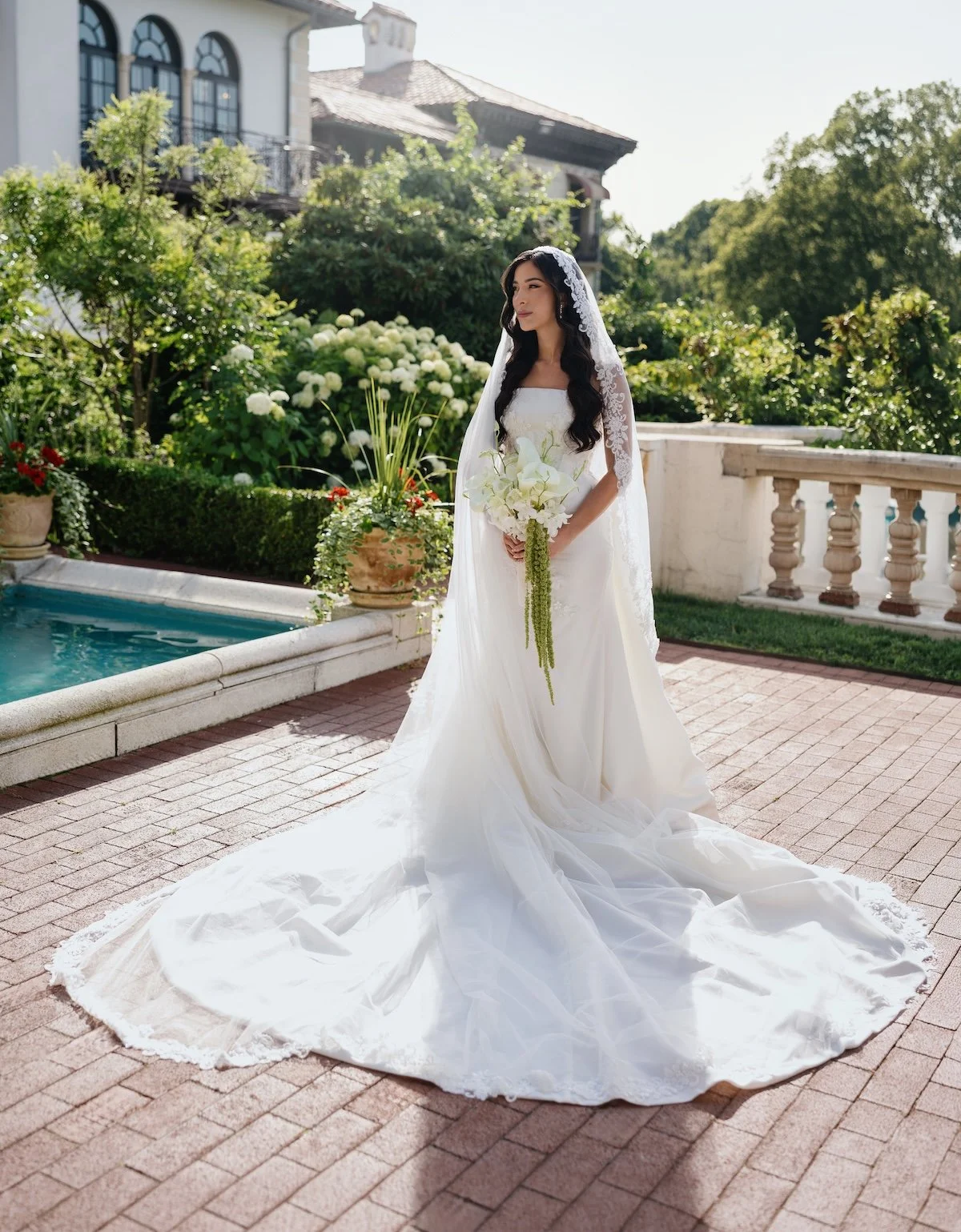
Digital handles low light far better. Modern sensors shoot clean images in a dim reception or a candlelit ceremony where film would need much more light or a flash. Film is demanding about exposure and struggles once the light drops, which is its single biggest practical limitation at a wedding. This is the main reason film is used for daylight portraits rather than the dance floor.
A wedding runs from bright afternoon portraits to a dark reception in the space of a few hours, and no single format is ideal across that whole range. Digital carries the low-light half without complaint. Film wants good, even light, which is why it lives in the getting-ready window, a well-lit ceremony, and golden-hour portraits. The same rule governs Super 8 motion film: it needs light, and in a dark venue it either takes added lighting or sits out. Booking film means understanding it covers part of the day, with digital carrying the rest.
What does film wedding photography cost, and why more?
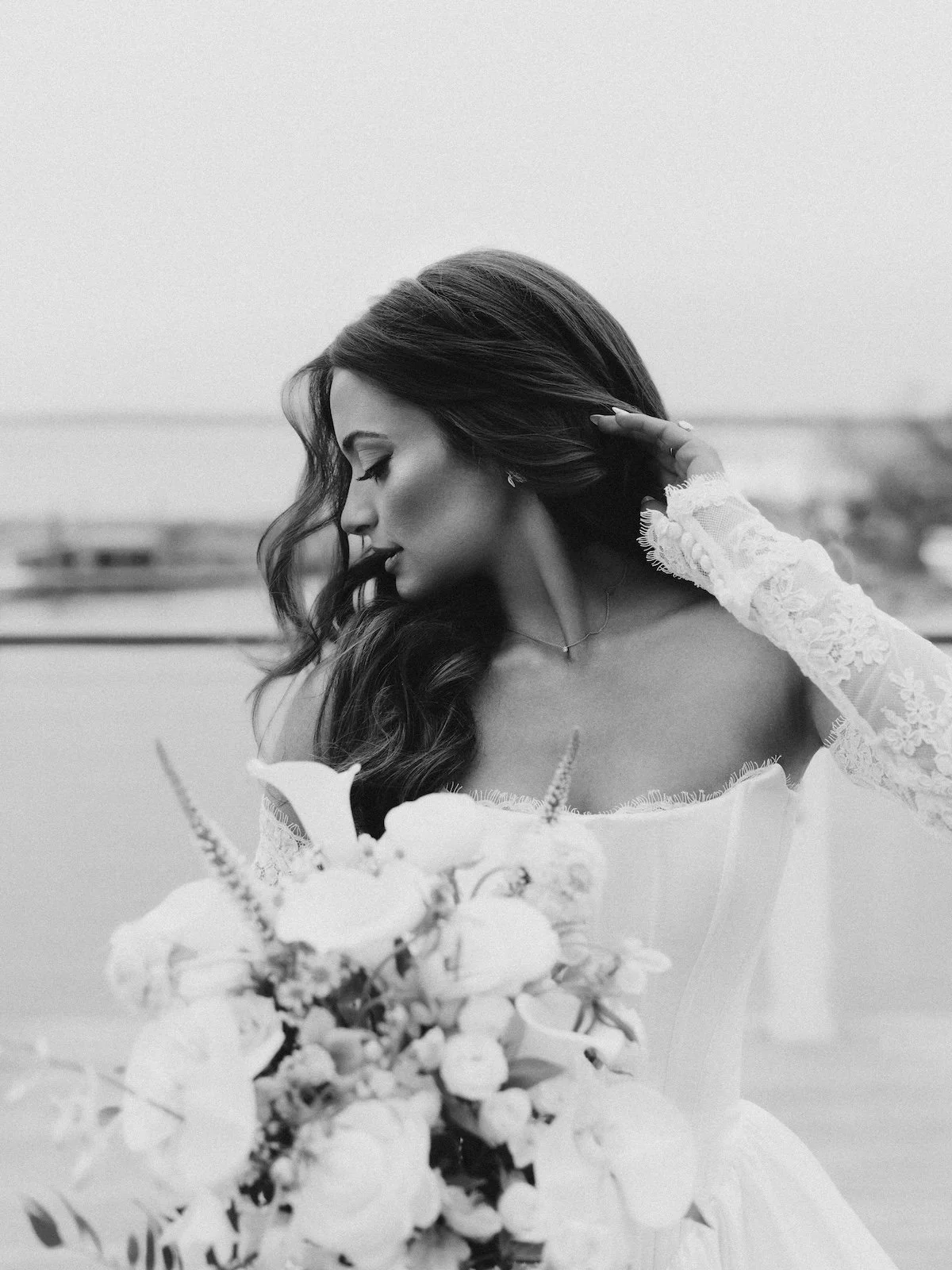
Film costs more than digital per image because every frame carries a physical cost. Rolls have to be bought, developed and scanned by a lab, and there are only a dozen or a few dozen frames per roll. Where a digital shoot produces hundreds of images at no marginal cost, film is metered and each frame is deliberate. That's an expense, and also a discipline that tends to raise the hit rate.
The cost stack is straightforward: film stock, lab development, and high-resolution scanning, repeated for every roll. Because there's no reviewing on a screen and no unlimited shooting, the photographer slows down and composes each frame, which is why film sets often have a higher proportion of keepers even though there are fewer total images. For couples this usually means film is offered as an add-on layer — a number of rolls across the day — rather than as the format for thousands of frames. The look costs money; the question is how much of the day you want it on.
Is film photography worth it for a wedding?
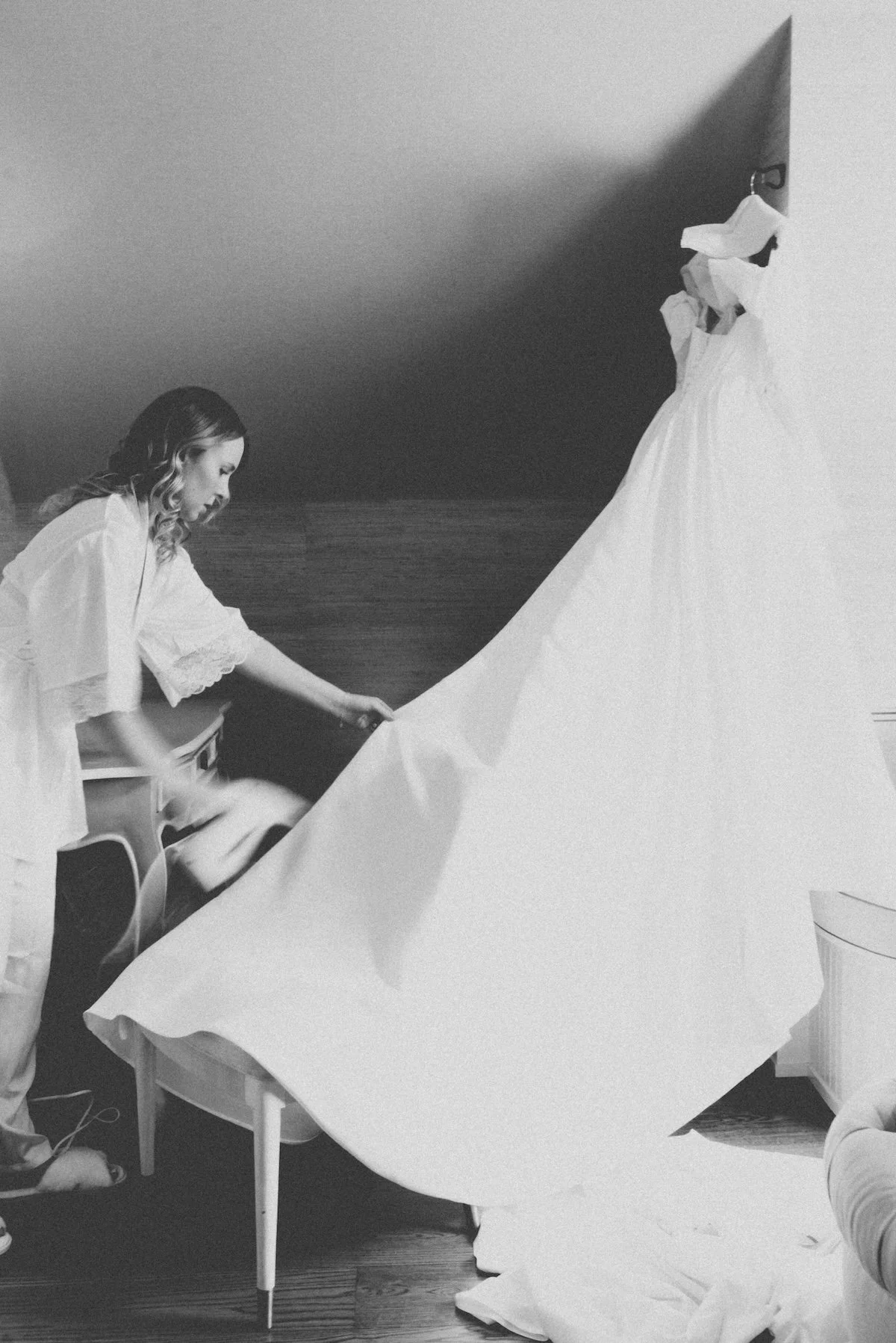
Film is worth it if you love the look and accept its terms — fewer images, a longer wait, and daylight-dependent shooting. It's not worth it if you want every moment covered twice or need results fast. For most couples the answer is a small amount of film inside a digital wedding, on the portraits and key moments where its rendering shows.
The couples who are happiest with film knew they wanted it before they asked — they already like how it looks and they're choosing it on purpose. If you're on the fence, film as an accent gives you the character on a handful of frames without betting the whole day on a format that struggles in low light. If you want a guaranteed, comprehensive record of everything, digital is the safer base. Neither is better in the abstract; they're built for different things, and the strongest wedding coverage uses both.
Can you combine film and digital on a wedding day?
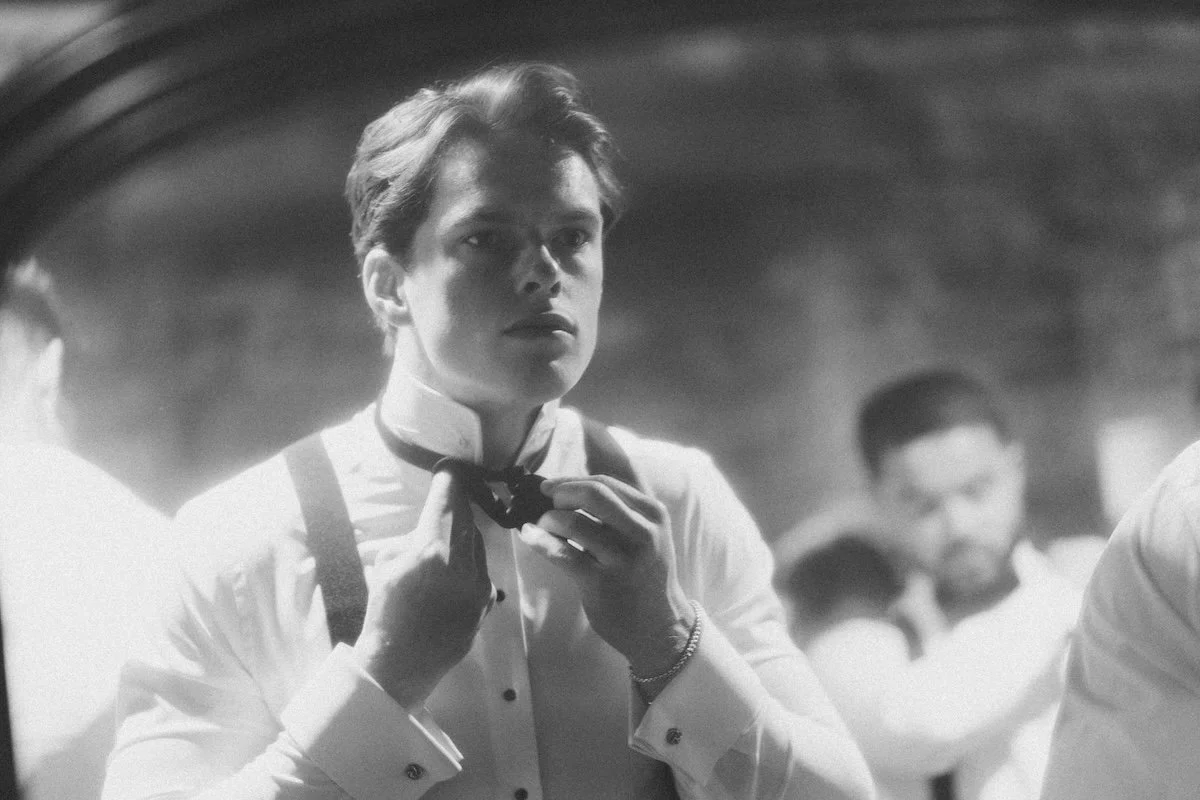
Yes, and combining them is how most film coverage actually works. Digital covers the full day — every moment, including the low-light reception — and film is shot alongside it on the portraits and set-piece moments where its look pays off. You end up with a complete digital gallery plus a smaller set of film frames with a different character.
1. Start with digital as your base. It guarantees a full, reliable record of the whole day in any light.
2. Decide if you love the film look enough to pay for it. If it's a maybe, film as an accent is the low-risk way in.
3. Put film where the light is good. Getting ready, a well-lit ceremony, and golden-hour portraits — not the dark reception.
4. Choose how much film. A few rolls across the day, or medium-format portraits only, keeps the cost and the risk contained.
5. Ask about turnaround and the lab. Film adds development and scanning time, so confirm delivery windows before you book.
For us that means digital on the Sony bodies as the base, medium-format film on the Hasselblad for select portraits, and Super 8 as the motion-film equivalent for couples who want their film to move. We build it as one coverage, so the digital gallery is complete on its own and the film sits inside it as a texture rather than a gamble on the whole day.
Frequently asked questions
-
Neither is better overall — they're built for different jobs. Digital is more reliable across a full wedding day, especially in low light, and delivers far more images faster. Film has a grain, color and depth that many couples prefer for portraits and that's hard to reproduce digitally. The strongest coverage usually uses digital as the base with film added where its look shows.
-
Medium format uses film negatives larger than standard 35mm, shot on cameras like the Hasselblad 503. The bigger negative captures more detail and gives images a depth and smooth tonal quality that's the main reason photographers still shoot it. It's slower and more expensive per frame than 35mm, so it's typically reserved for portraits rather than full-day coverage.
-
Yes. Film has had a steady resurgence, and many photographers now offer it alongside digital. Most shoot digital as the reliable base and add film — 35mm or medium format — for portraits and key moments, because film struggles in the low light of a reception. Pure film-only weddings exist but are demanding and less common.
-
Film costs more per image because every frame carries a real cost — film stock, lab development and high-resolution scanning — and there are only a dozen or a few dozen frames per roll. Because of that, most studios offer film as an add-on layer of a set number of rolls rather than as the format for the entire day. The exact cost depends on how much film you want shot.
-
You can, but it's demanding and rarely the best plan. Film's weakness in low light makes a dark reception hard, and the limited frames per roll leave little room for the fast, unrepeatable moments of a wedding day. Most couples who want film are better served by a hybrid — digital covering the whole day, with film on the portraits and key moments where its look pays off.
-
Super 8 is the motion-film counterpart to film photography — real 8mm film shot on a vintage camera such as the Braun Nizo 3056, giving grain, gentle motion and a warm, nostalgic look. Each roll holds only about three minutes, so it's used on the moments you know are coming and cut into a digital film as its own texture, not applied as a filter afterwards.
About Arrakis Films
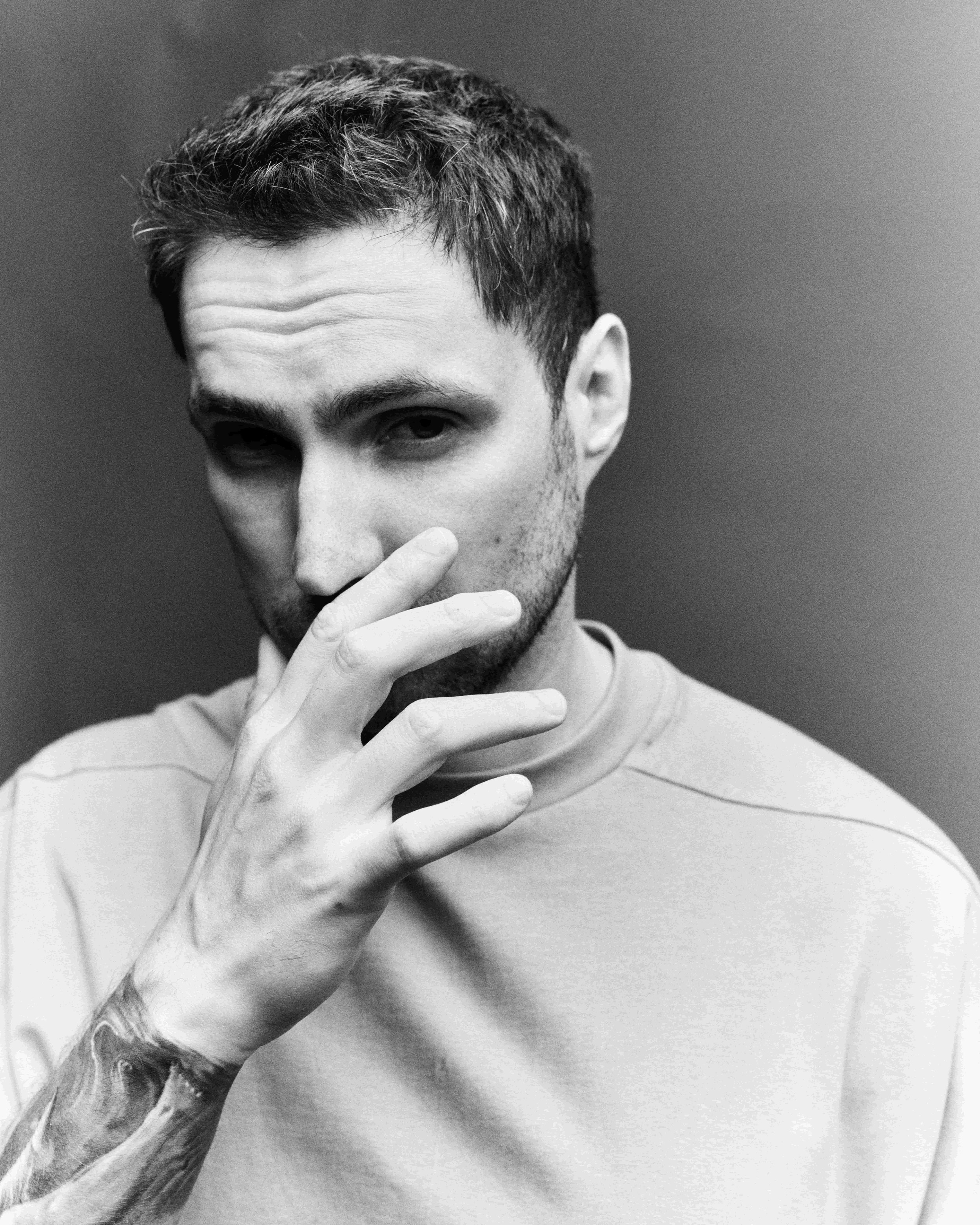
Arrakis Films is Andrew and Roma, an award-winning photo and film studio working across New York and Southern California. Both came out of the film industry — over a decade in cinema, commercial and music-video work, recognised at festivals including FFTG Awards, Venezia Shorts and the Seattle International Fashion Film Festival — and that background is why they shoot film as well as digital. Their kit runs from digital Sony bodies to a Hasselblad 503 medium-format film camera and a Braun Nizo 3056 for Super 8, and every frame, film or digital, is developed, culled and graded by the two of them rather than sent out.
Want film in your wedding photos?
If you're drawn to the film look but not sure how much of it your day should carry, tell us what you're picturing and we'll walk through where film works and where digital does the job better.