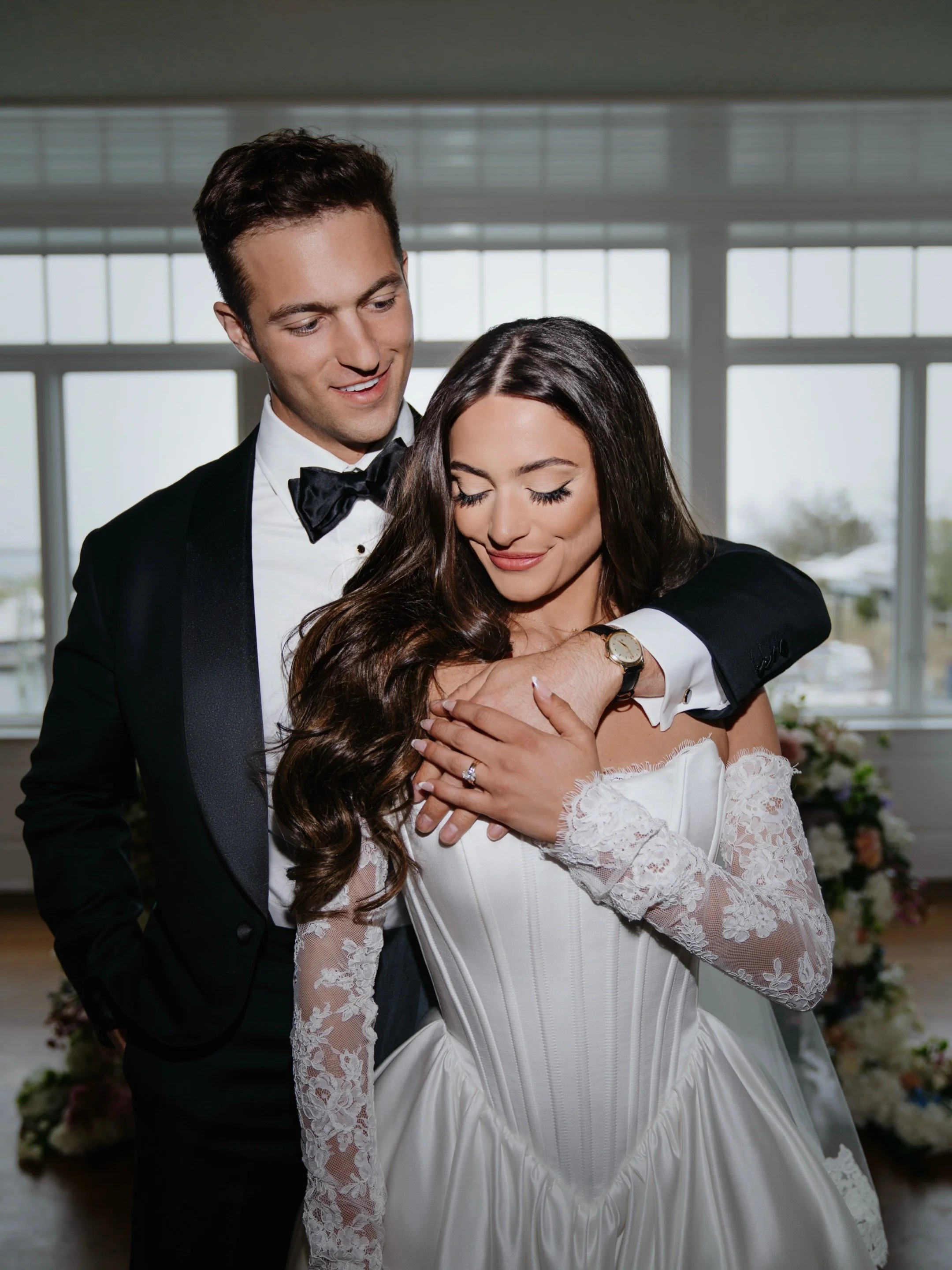
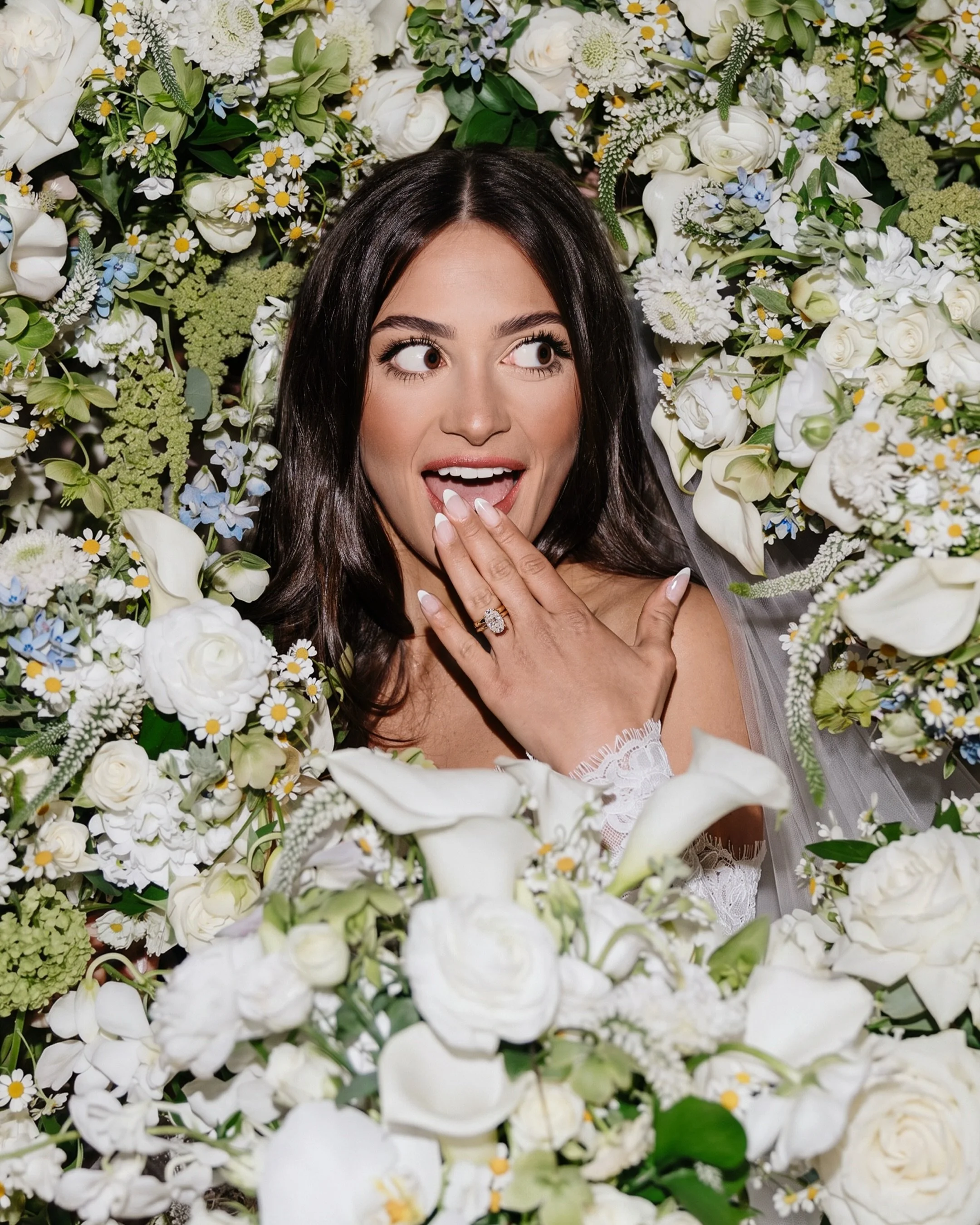
Do I Need a Second Photographer at My Wedding?
We photograph and film weddings in New York and Los Angeles, and this is the question couples ask us most often once the venue is booked. The honest answer is that a second photographer earns its cost on some wedding days and stands idle on others, and the thing that decides it is not the size of your guest list. It is whether your day has moments happening at the same time in different rooms. Below is that decision, worked through the way we work it through on a call, with the market numbers where they exist and a clear note where they do not.
Quick Answer:
You need a second photographer if you and your partner get ready in separate locations, if your venue is large or split across several sites, or if your timeline stacks events on top of each other, portraits during cocktail hour, family photos while guests are being seated. Guest count matters less than couples expect, though The Knot puts the line around 75 guests. One photographer is enough for an intimate wedding in a single space with a linear timeline. On price the two large aggregators disagree sharply: WeddingWire reports a $2,000 national average with most couples paying $1,150 to $3,000, while Zola's cost index puts the average at $4,400 and the typical range at $3,500 to $5,300. Only 34 percent of photographers include a second shooter in that starting rate. At Arrakis Films, who the second photographer is depends on the package: on a photography package it is the other owner of the studio, and on a photo and film package it is someone we have worked with for years.
In this article
- Do you need a second photographer at your wedding?
- What does a second photographer actually do on the day?
- How many guests before you need two photographers?
- When is one photographer enough?
- How much does a second photographer cost?
- Second photographer, assistant, or a friend with a camera?
- Is a second photographer the same as a second videographer?
- The downsides nobody puts in the brochure
- One photographer vs two, side by side
- What to ask your photographer
- How we photograph weddings at Arrakis Films
- Frequently Asked Questions
Do you need a second photographer at your wedding?
You need a second photographer when your wedding day has moments happening at the same time in different places, and you do not when it runs as one linear sequence in one or two rooms. The test is your timeline. Not your guest list. Count the moments on your schedule that overlap.
A solo photographer is one person with one camera and one position. While they hold the tight shot on your faces during the vows, nobody is on your mother in the second row. While they follow you out for portraits, nobody is at cocktail hour. Those are the trades a single photographer makes all day, and most of the time you never see what was traded away, because it is not in the gallery to compare against.
The more your day splits into parallel moments, the more a second camera earns its place. Two prep suites in different buildings, a receiving line running while the room is flipped, a ninety-minute cocktail hour that has to hold both your portraits and two hundred guests, all of these are two things at once. A day that runs one thing at a time gives the second photographer less to do, and the honest version of this article says so out loud.
What does a second photographer actually do on the day?
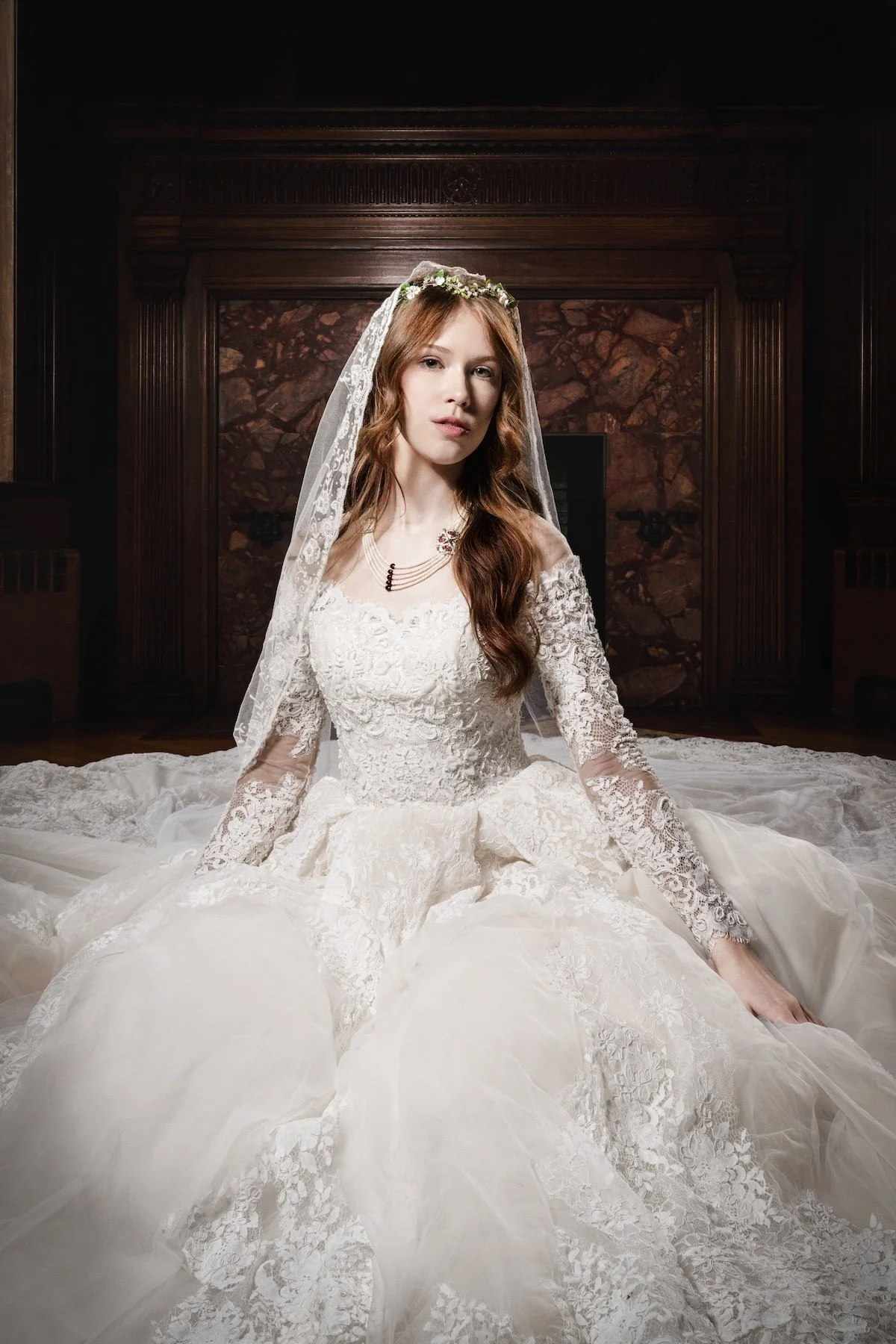
A second photographer covers what the lead physically cannot reach: the other partner's morning, the reverse angle during the ceremony, guest faces while the lead holds the couple, and the room before anyone walks into it. They are a second trained operator making their own calls, working inside the lead's plan for the day.
In the morning, the split is the whole point. One photographer stays with one partner through hair, dress and the letter being read, and the other documents the second partner across town. Without that split, half of your morning exists only as something you were told about.
At the ceremony, the lead takes the position that gets faces and vows, and the second takes the angle the lead gave up. The processional from behind, the parents watching, the wide that shows the room full. Nobody can shoot a tight lens and a wide lens from two different aisles at the same moment.
Through cocktail hour the second photographer is often not with you at all. They are in the empty reception room photographing the tables while every napkin is still folded and every candle is still tall, which is the only window that room will ever have in that state. Once dinner starts, one works the speeches tight while the other holds the wide of the room laughing.
How many guests before you need two photographers?
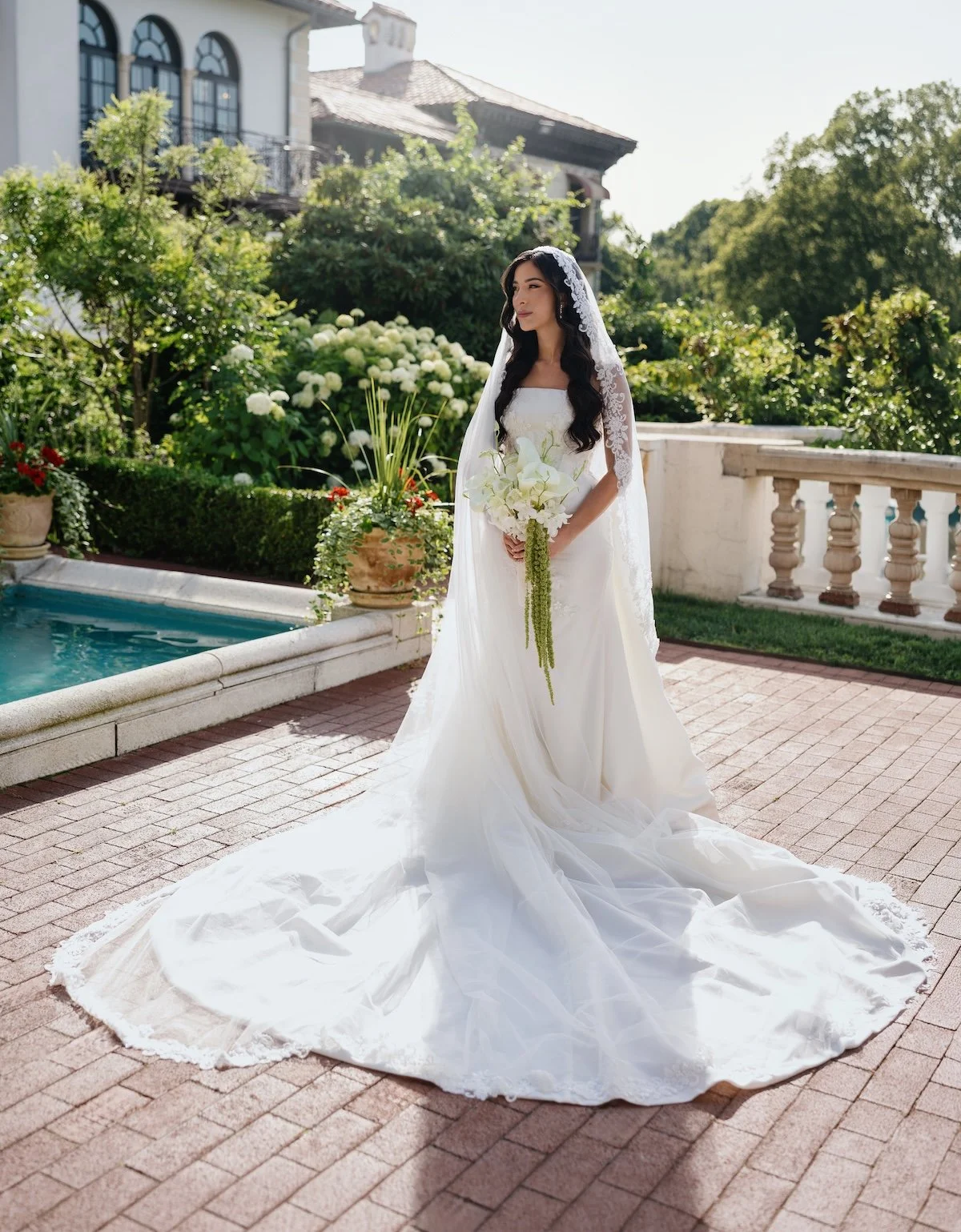
There is no agreed number. The Knot puts the line around 75 guests. Zola answers it through package tiers instead, with a second shooter appearing at the eight to ten hour level and multiple photographers at ten hours and up. Both are proxies for the same thing, and neither is the real test.
Consider two weddings. The first has 180 guests in one ballroom, everyone dresses in the same hotel, and the schedule runs strictly in order. One experienced photographer covers that day without much loss. The second has 60 guests, the couple dresses at two family homes twenty minutes apart, the ceremony is at a church and the dinner is somewhere else. That is a two photographer wedding at a third of the guest count.
Use the guest number as a rough flag, then run the real test on your own schedule. Print the timeline, read down the hours, and mark every point where two things are happening at once. If you find two or more overlaps, the second camera has work waiting for it. If you find none, it does not, and no head count changes that.
When is one photographer enough?
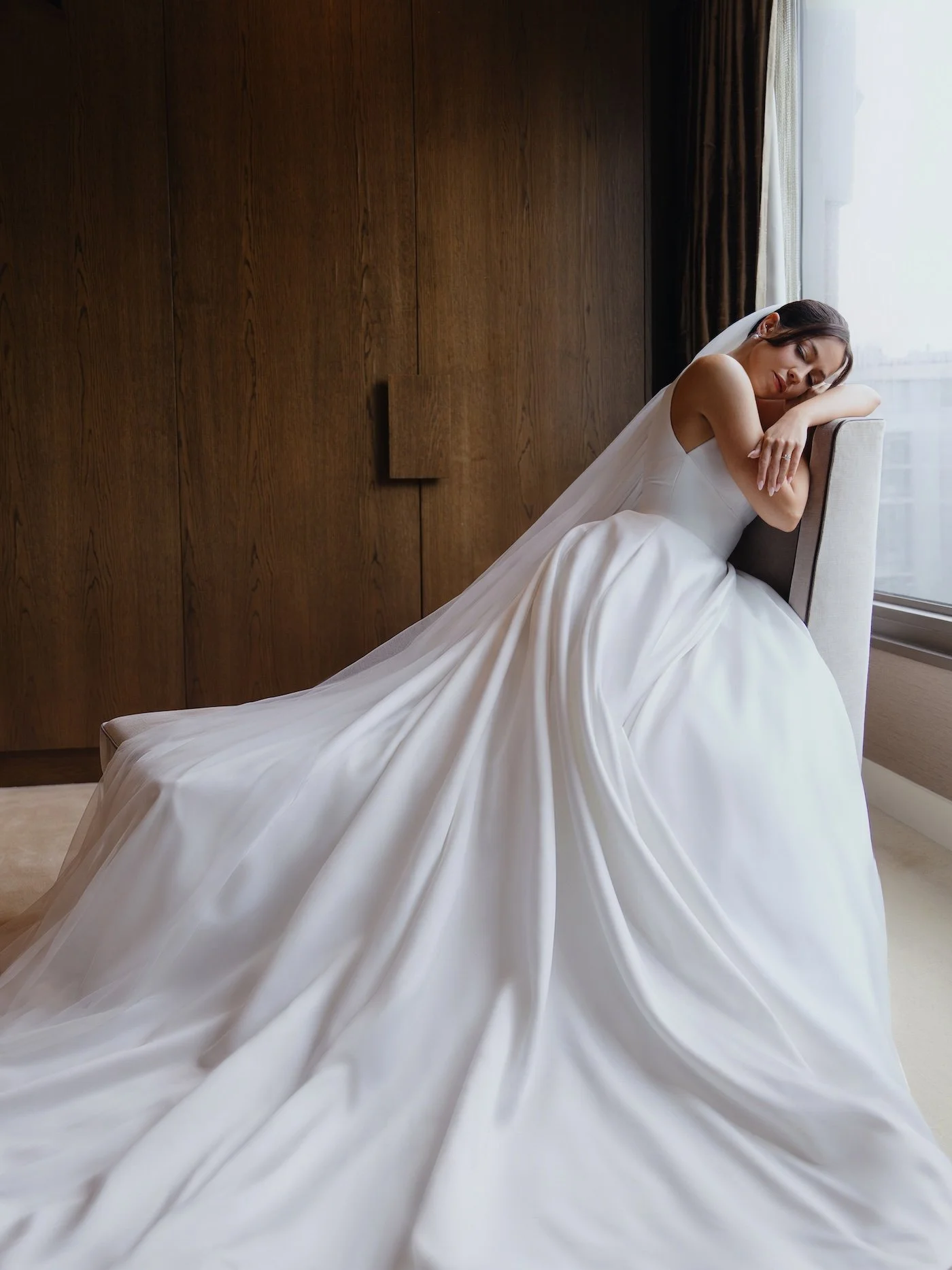
One photographer is enough when your wedding happens in one or two spaces, your timeline runs in sequence, and you both get ready in the same building. Under roughly 75 to 100 guests with a simple day, a second camera spends much of that day photographing the same thing from a different seat.
A single photographer is also the more intimate setup. One person to build a rapport with, one shooting style across the whole gallery, one presence in a room that might only hold forty people. In a small ceremony space, two photographers moving around can be felt by everyone in it.
The trade is real and you should accept it knowingly. With one photographer, the vows are covered and the guest reactions are mostly not. Your portraits are covered and cocktail hour is mostly not. For a small sequential day that trade costs you very little, because there was not much happening in parallel to lose. If your budget is finite, we would rather see the money go into a longer coverage window or into film than into a second camera your day will not use.
How much does a second photographer cost?
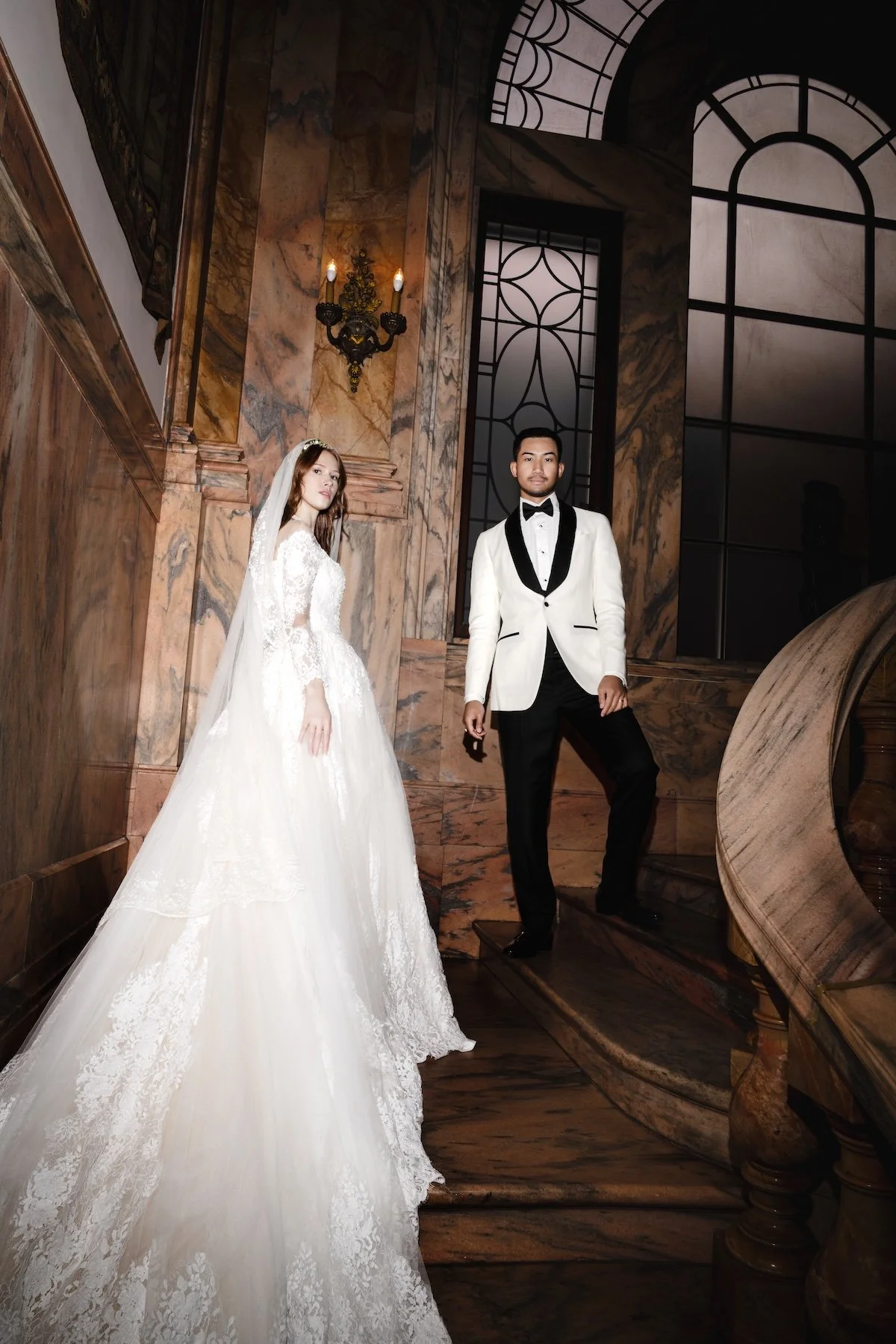
The two large aggregators disagree, and the gap is worth knowing before you judge any quote. WeddingWire reports a $2,000 national average with a typical range of $1,150 to $3,000. Zola's cost index puts the average at $4,400, with most couples paying $3,500 to $5,300, or roughly nine percent of the whole wedding budget.
Both numbers are real and they measure different rooms. WeddingWire's figure comes from the full spread of reported spend, including short coverage and the bottom of the market. Zola's index describes what couples booking a full day with an established studio actually pay. Read the lower number as the floor of the market and the higher one as the going rate for the kind of coverage this article is about.
Against that background, the 34 percent figure from WeddingWire is the most useful number here, because it explains something that confuses almost every couple comparing quotes. Two photographers with similar galleries send you prices that differ by a thousand dollars, and the difference is often not skill or demand. One price has a second shooter inside it and the other does not. Before you compare two numbers, make both of them describe the same crew.
There are smaller costs that arrive with the second person and rarely appear on the quote. The Knot names the two obvious ones: a second vendor meal from your caterer, and a second person to tip. On the tip, Zola puts second shooters and assistants at $50 to $75 each, separate from the lead photographer, who is usually tipped 1 to 5 percent of the package or around $200 flat. WeddingWire adds travel, which applies once a photographer drives more than 60 miles and can run up to $2 per mile. None of these breaks a budget alone. All of them belong in it before you sign.
Second photographer, assistant, or a friend with a camera?
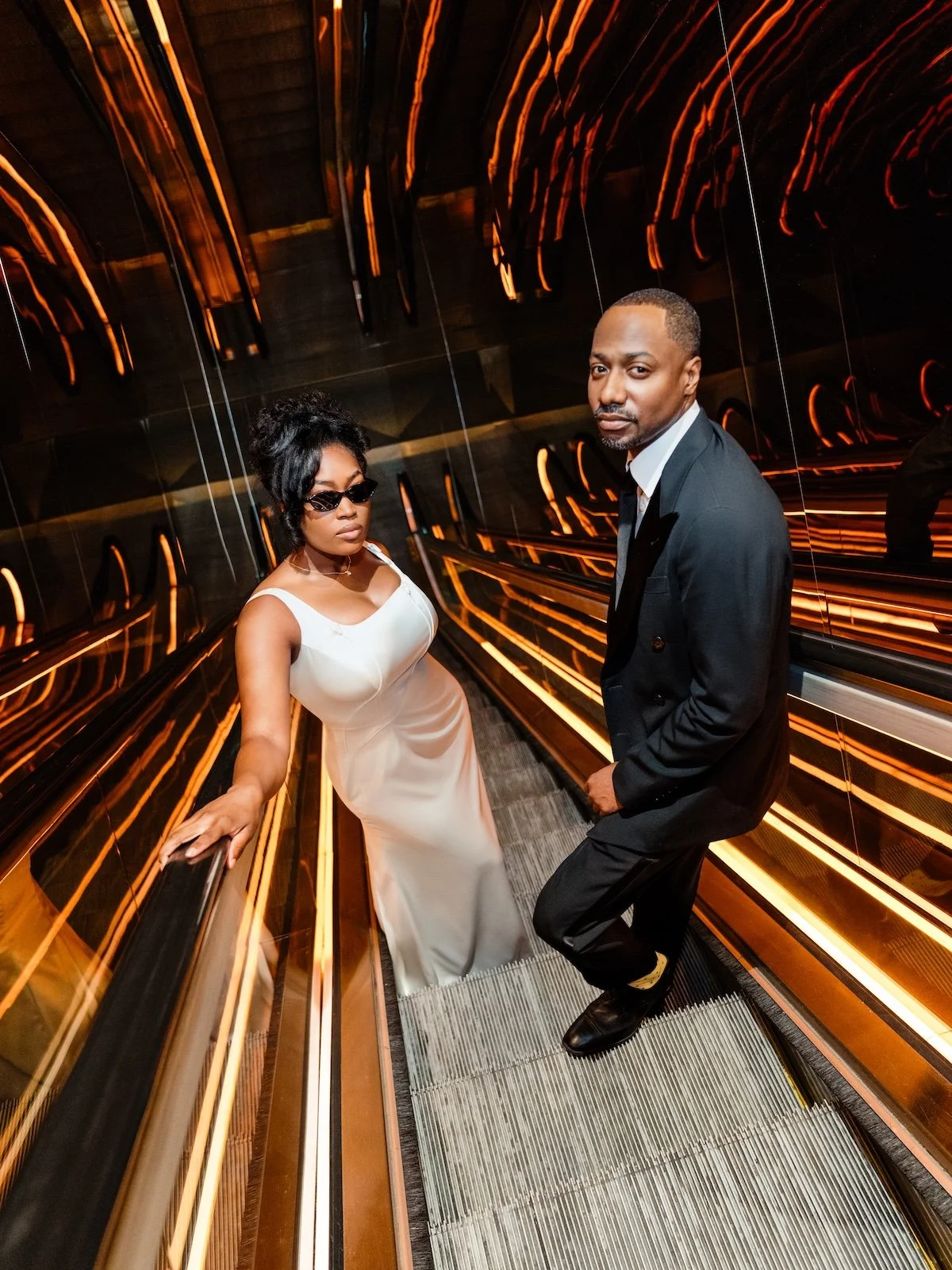
Three different roles get called the same thing. A second photographer shoots, and their images go into your gallery. An assistant carries gear, holds lights and moves furniture, and never lifts a camera. A guest with a good camera does neither job and answers to nobody's plan for the day.
The assistant is worth understanding, because for some weddings an assistant is the correct hire. If your problem is a dark ballroom rather than two rooms at once, a person holding a light in the right spot solves more than a second camera would, and usually costs less.
The friend with a camera is where couples lose the most, and we say that having worked around plenty of them. A guest with a good camera works inside nobody's plan for the day. They stand where the lead needs to be, they photograph what interests them, their files never get edited to match your gallery, and at some point they sit down to eat, because they are a guest. The photographs may be lovely. They will not fill the gaps you were worried about.
Is a second photographer the same as a second videographer?
No. They solve the same problem in different media. A second photographer gives you more still frames from another position, and a second videographer gives an editor a second synchronized angle to cut between. Booking one does not cover the other, and the decision runs separately for each.
If you are weighing both, the logic is the same on each side, and we wrote the film version of this question out in full in
The short version is that video feels the loss of a second operator more sharply than photography does, because an editor cutting a film has nothing to cut to when there is only one angle, while a photographer with one camera still returns a complete gallery.
The downsides nobody puts in the brochure
Four of them are real: cost, presence, style and volume. A second camera costs more, it is more noticeable in a small room, two photographers can return images that do not match, and twice the raw material takes longer to sort. Each one has a fix you can ask about before booking.
Presence is the one couples underestimate. A second person sharpens self consciousness for anyone already uneasy on camera, and in a tight venue two photographers moving around get noticed by everyone in the room. The fix is a documentary approach and photographers who work at a distance, which is a thing you can see in a full gallery and cannot see in a highlight set.
Style is the one to ask about by name. When two people shoot one wedding, the gallery holds together only if one person edits all of it, the second shooter's frames included. Done properly, nobody looking at your gallery can tell which camera took which picture. Ask your photographer who does the editing before you ask anything else about the second shooter.
Volume affects your patience more than your gallery. More raw files take longer to cull, and a working studio builds that into its normal turnaround rather than passing it to you. Ask for your delivery window in writing, and it should read the same number whether you book one photographer or two. Ours is 30 days either way.
One photographer vs two, side by side
Match your own wedding to the left column and the row tells you which setup fits your day. The rule underneath the whole table is simple: the more your day splits into simultaneous moments, the more a second camera earns its cost, and the fewer overlaps you have, the less it does.
| Your wedding | One photographer | Two photographers | Best for |
|---|---|---|---|
| Getting ready | One partner at a time | Both partners at once | Two → separate locations, at any guest count |
| Guest count | Under ~75–100 | Above ~100–120 | Two → large guest list, but check the timeline first |
| Venue | One or two rooms | Large grounds or several sites | Two → church and reception in different places |
| Timeline | Runs in sequence | Parallel events both covered | Two → portraits during cocktail hour |
| Ceremony | One angle at a time | Faces, reverse angle and wide | Two → guest reactions during the vows |
| Reception details | Shot around guests | Shot before the room fills | Two → heavy florals and styled tables |
| Cost | No add-on | Commonly $600–$1,500 more, plus a meal and a tip | One → fixed budget with other priorities |
| Presence in the room | One person moving | Two people moving | One → small or intimate ceremony space |
What to ask your photographer
Five questions settle this faster than any article can, and you can send all five in one email. Is the second photographer included in the price. Who will it be. Have you worked together. Who edits their images. Does my delivery time change. The answers separate a studio with a system from one improvising.
Is a second photographer included in this price, or added to it? This is the single question that makes two quotes comparable, and given that only a third of photographers include one, the answer is genuinely unpredictable.
Who specifically will the second photographer be, and have you worked together before? A named person who shoots with the lead regularly behaves differently on a wedding day than someone hired the week before.
Who edits their images? The answer you want is that the lead edits everything.
Does my delivery time change if I book two photographers? It should not, and getting that in writing costs nothing.
What would you do on my specific timeline with a second shooter? A photographer who has read your schedule will answer with your rooms and your hours. A photographer who has not will answer with generalities, and that is useful information too.
How we photograph weddings at Arrakis Films
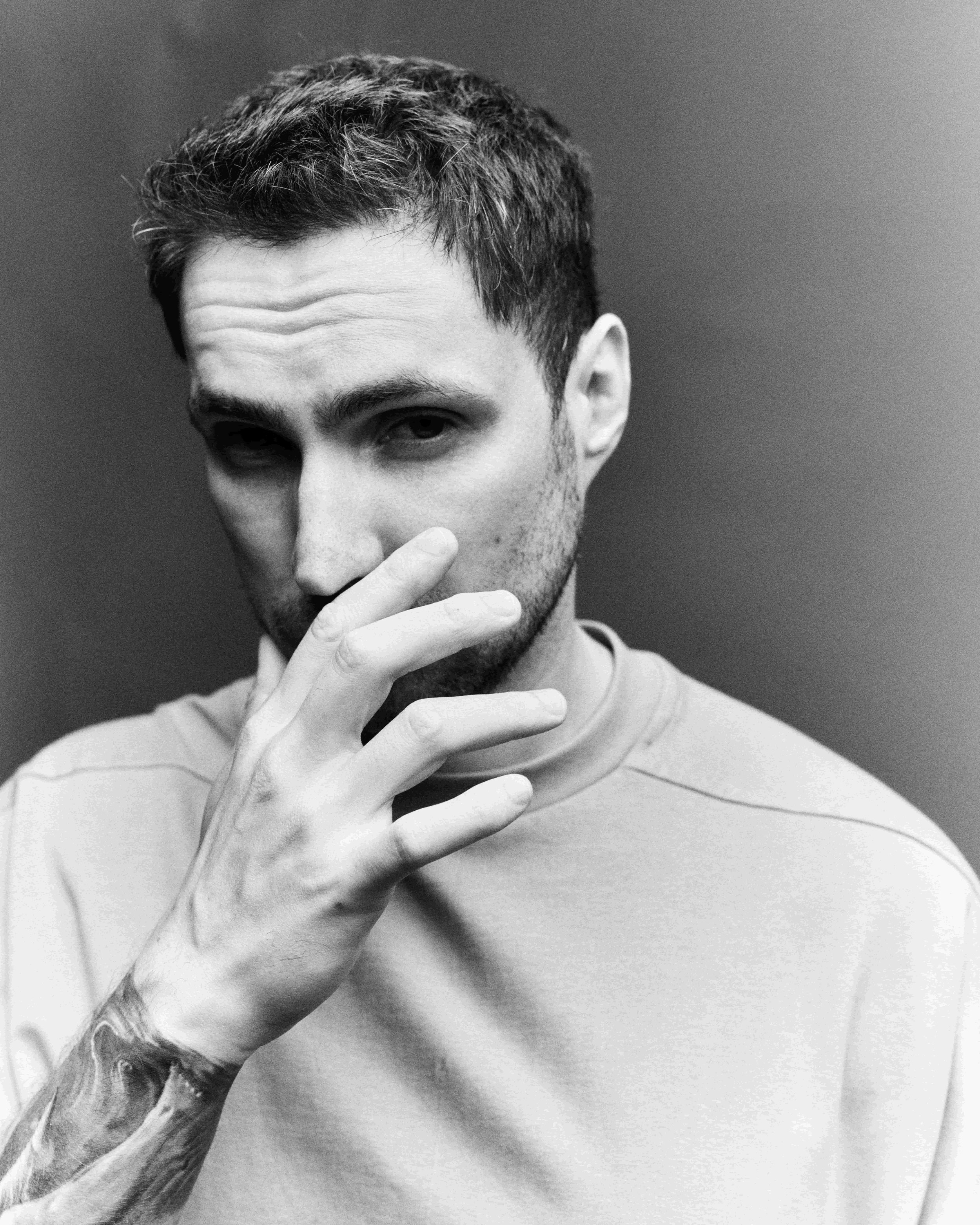
Who the second photographer is depends on the package. On a photography package, the second photographer is the other owner of the studio, so both of us shoot your wedding. On a photo and film package, Andrew photographs and Roma films, and the second shooters come from people we have worked with for years.
On the eight and ten hour photography packages both of us are behind cameras all day. On the six hour photography package one of us photographs, and we will tell you honestly whether your day needs the other one. A six hour photo and film package is the two of us, Andrew on stills and Roma on film, with nobody else on the call sheet
An eight or ten hour photo and film package puts four people on your wedding, and how those four are picked is the part worth knowing. Andrew photographs, Roma films, and the second photographer and second videographer come from a small group we have worked with for years. We do not fill those two seats from a marketplace the week before your date. It matters more than it sounds, because a second shooter has to know how the lead moves, where they will be standing at the kiss, and which side of the aisle belongs to the camera and which belongs to the film. People who have worked together for years do that without speaking to each other. People meeting at eight in the morning do not.
That is the part of this decision most studios cannot answer straight. When a second photographer is a $600 to $1,500 add-on, the couple usually learns that person's name late, if at all. We can tell you before you sign who will be standing where.
Andrew is a film director whose shorts took Best Short Documentary at Venezia Shorts Italy in 2021, Best Editing at the New York Indie Shorts Awards and Grand Jury Winner at the FFTG Awards in 2023. Roma danced with the Bolshoi Ballet for ten years, then moved into film, and produced those same shorts. Between us we have shot commercial work for Adidas, Nutella and Mercedes. Documentary and editing are the two skills a wedding day is actually made of.
What comes back: 400 or more finished photographs on the six hour package, 550 or more on eight hours and 700 or more on ten, delivered within 30 days with a private online gallery for six months and full print rights. Audio on the film side is recorded from two independent sources, a feed from the venue's sound board for the ceremony and the speeches, and a directional mic on camera, with lavalier mics available on request. Drone coverage is included. Super 8 and Hasselblad medium format film are included on the ten hour package and cost $900 on the six and eight hour ones. A speeches edit is included from eight hours and a full ceremony edit from ten. Where a portrait location needs a shoot permit, we file it in advance and the city or county fee is billed to you at cost. A 50% non-refundable retainer reserves your date. [INTERNAL LINK: /wedding-pricing-packages "See our photo and film packages"]
Ready to talk it through?
Send us your venue, your guest count and your timeline, and we will tell you honestly whether your day needs one photographer or two. No upsell, and if the answer is one, we will say so. Our eight and ten hour photography packages already put both of us behind cameras, so you can see exactly what the second one buys you.
Frequently Asked Questions
Do you really need a second photographer at a wedding?
Not always. You need one when you and your partner get ready in separate locations, when your venue is large or split across several sites, or when your timeline has events running at the same time. For an intimate wedding in one space with a schedule that runs in order, one experienced photographer covers the day without meaningful loss, and the room stays calmer.
How many guests before you need two photographers?
There is no agreed number. The Knot suggests around 75 guests, and Zola answers it through package tiers, putting a second shooter at the eight to ten hour level. Use your timeline as the real test instead. Sixty guests across two prep locations and two venues needs a second camera more than 180 guests in one ballroom on a simple schedule does.
How much does a second photographer cost?
The aggregators disagree. WeddingWire reports a $2,000 national average with a typical range of $1,150 to $3,000, and Zola's cost index puts the average at $4,400 with most couples paying $3,500 to $5,300. Only 34 percent of photographers include a second shooter in that starting rate. In Los Angeles the add-on commonly runs $600 to $1,500, plus a vendor meal and a $50 to $75 tip.
Is a second photographer the same as an assistant?
No. A second photographer takes pictures that end up in your gallery. An assistant carries equipment, holds lighting and supports the lead, and does not photograph. If your concern is a dark reception room, an assistant with a light may solve more of it than a second camera would, and generally costs less to add.
Will two photographers make my gallery take longer?
It should not. Two photographers produce more raw files and take longer to cull, and a working studio absorbs that into its normal schedule. Ask for your delivery window in writing before you book, and the number should read the same whether you hire one photographer or two. We deliver within 30 days either way.
Can I use a friend with a camera as a second photographer?
It rarely works. A guest photographer stands where your lead needs to stand, photographs whatever interests them, and their files never get edited to match the rest of your gallery. They are also a guest, so they sit down to eat and to watch the speeches. You may get some lovely pictures. You will not get the coverage you were trying to buy.
Is a second photographer worth it for a small wedding?
Usually no, with one exception. Under about 75 guests in a single space, the second camera duplicates the first for much of the day, and two photographers can feel crowded in a small room. The exception is getting ready in separate locations, which needs two photographers at any guest count, because one person cannot be in two buildings at nine in the morning.