How to Choose a Wedding Photographer in Los Angeles
Los Angeles has more wedding photographers than almost any city in the country, which is exactly what makes choosing one hard. Two feeds on Instagram can look equally beautiful and be separated by four thousand dollars and a completely different day. A social feed is the best nine frames from fifty weddings; it tells you what a photographer can do at their peak, not what a full gallery from your wedding will look like.
Choosing well comes down to matching the right photographer to how you want your day remembered, then checking that the work and the terms back up the feed. Here's how to work through it — style, portfolio, inclusions, and the questions that separate two quotes that look identical.
In this article:
Quick answer
Choosing a wedding photographer in LA comes down to five things: the shooting style (documentary, editorial, or a blend), a full gallery rather than a highlight reel, what the package includes, the delivery timeline in writing, and whether you get on with the person you'll spend the whole day beside. Price follows from those.
What style of wedding photography is right for us?
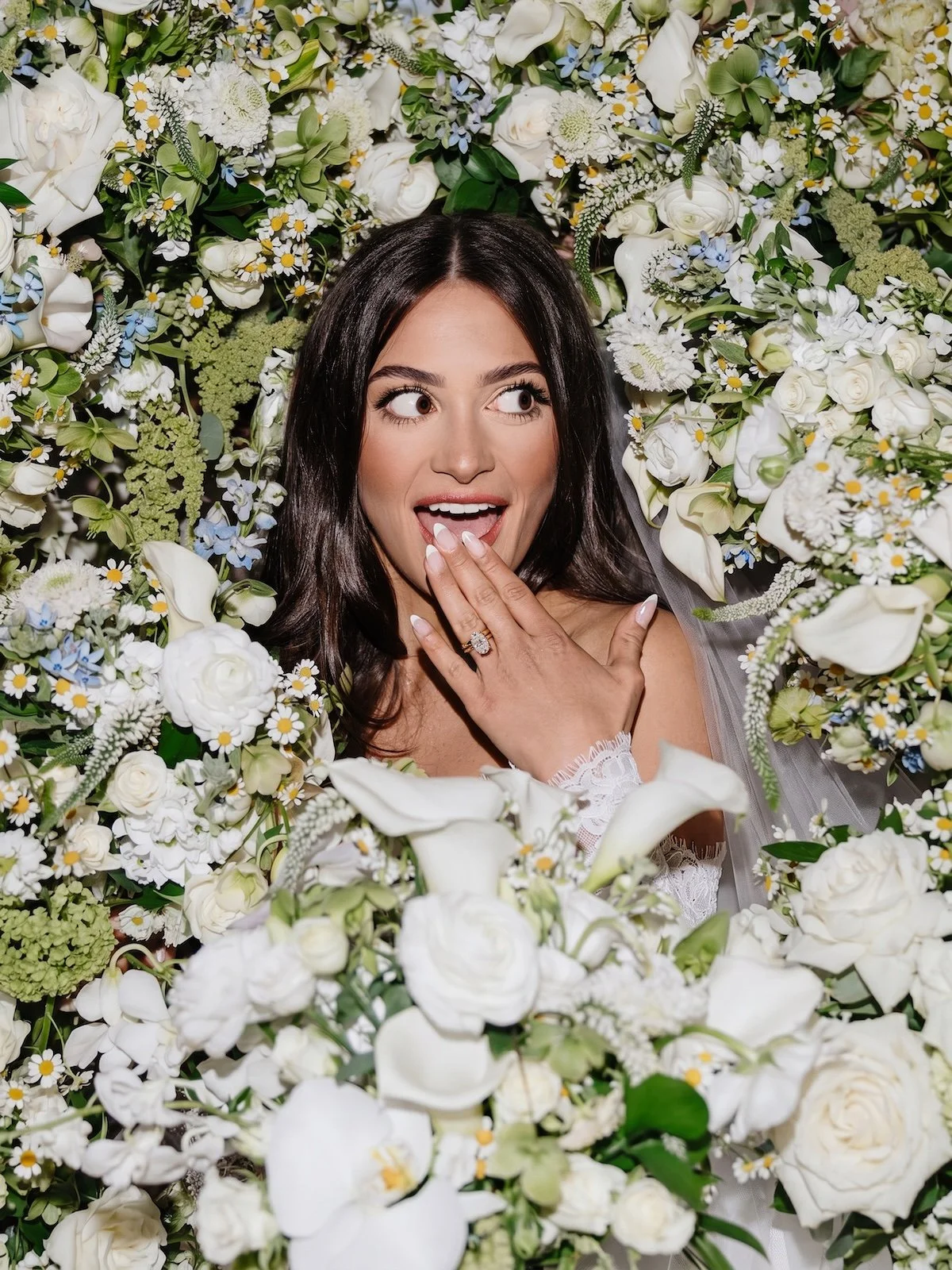
Wedding photography splits into three broad styles: documentary, editorial, and a hybrid of the two. Documentary follows the day and captures it with little direction. Editorial is directed — light, pose and composition built like a magazine shoot. Hybrid runs documentary through most of the day with directed portrait sessions layered in. Which suits you depends on how much you want to perform for the camera.
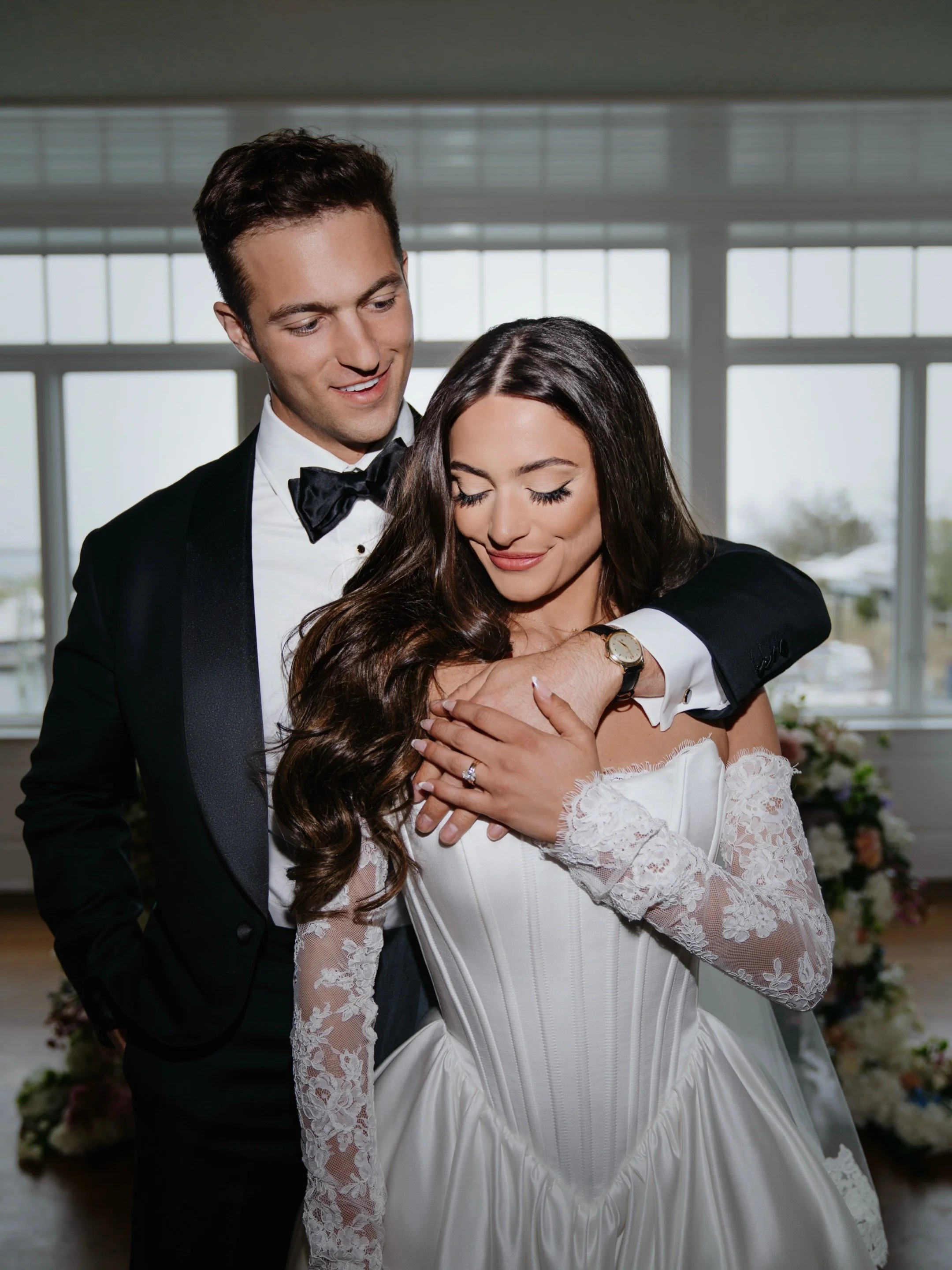
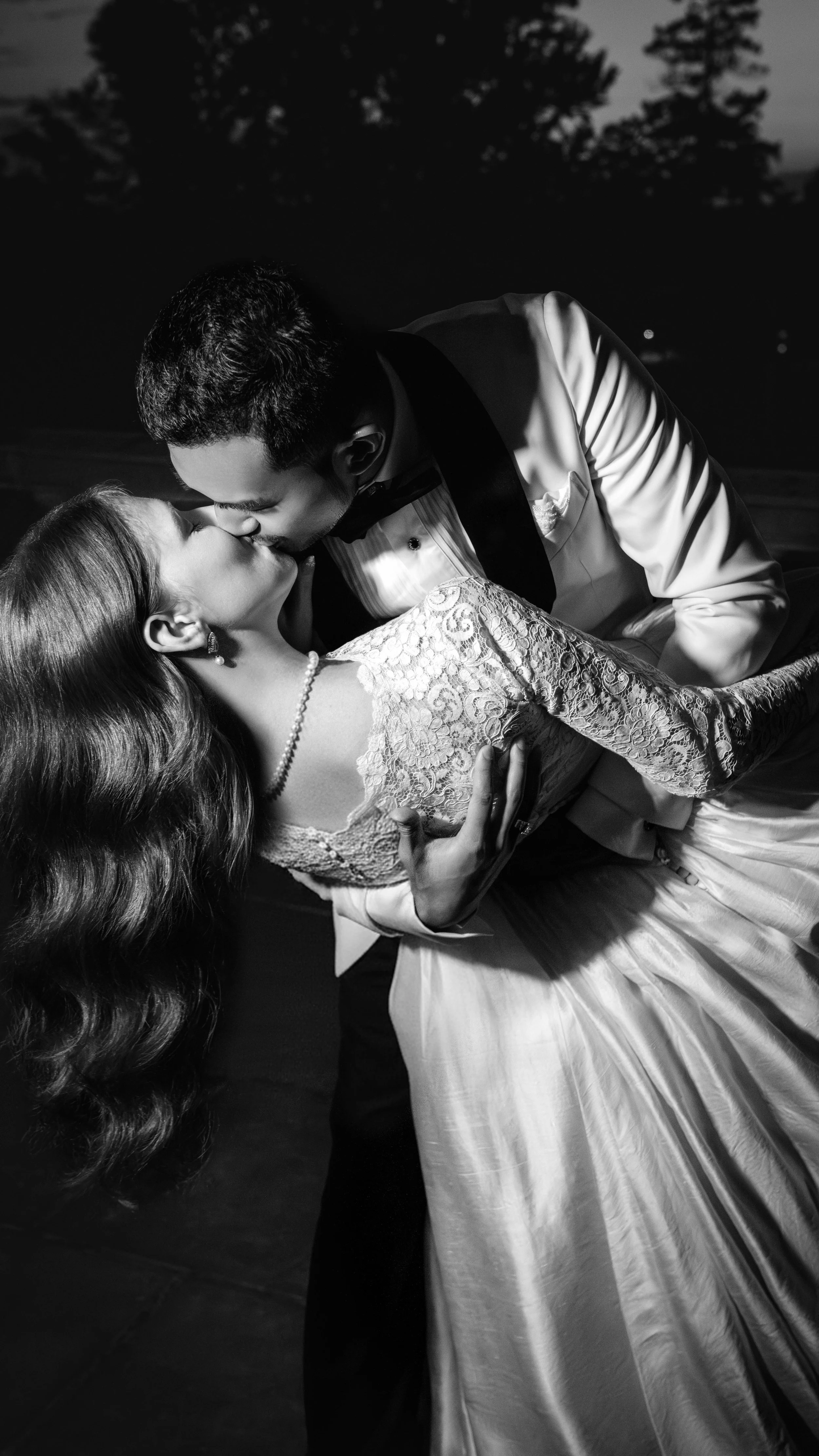
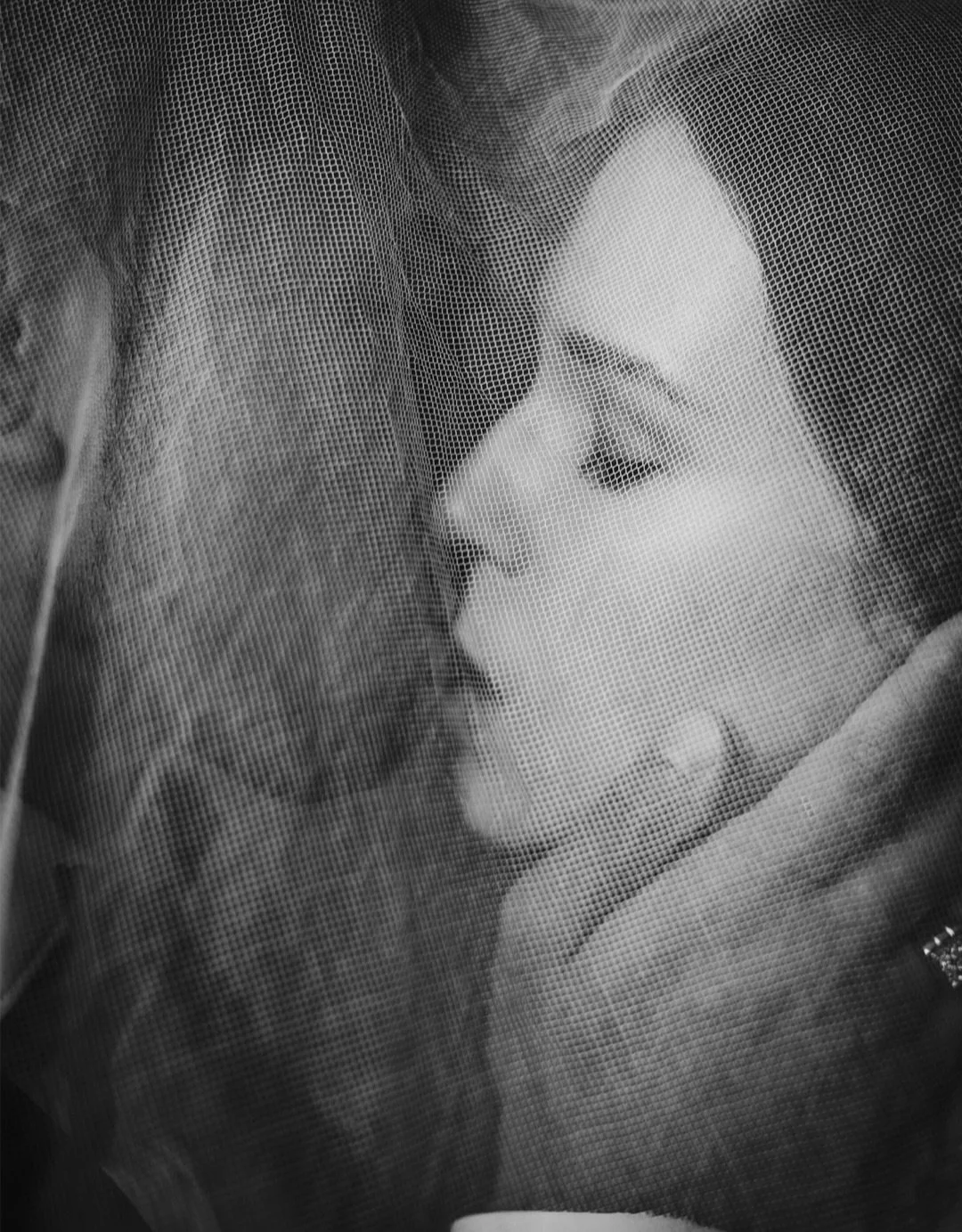
Documentary, sometimes called candid or photojournalistic, means the photographer stays out of the way and shoots what happens — the look between vows, the aunt crying in the third row. You get the day as it was, at the cost of the polished, styled portraits some couples want. Editorial is the opposite posture: the photographer directs you into light and shape, the way a fashion shoot is built, which gives striking, considered images but asks you to work with the camera. Most couples are best served by a hybrid, and it's how we shoot — documentary as the foundation, with editorial portraits where the location and light are worth slowing down for.
| Style | What it looks like | How they shoot | Best for |
|---|---|---|---|
| Documentary / candid | Unposed, in-the-moment, the story of the day | Follows the day, minimal direction | Couples who don't want to perform and want the real day |
| Editorial / fashion | Styled, directed, magazine-shaped light and pose | Directs pose, light and composition | Couples who want striking portraits and are comfortable being directed |
| Hybrid | Candid coverage plus a set of directed portraits | Documentary through the day, editorial for portraits | Most couples — real moments with a few polished sets |
How do you evaluate a photographer's portfolio?
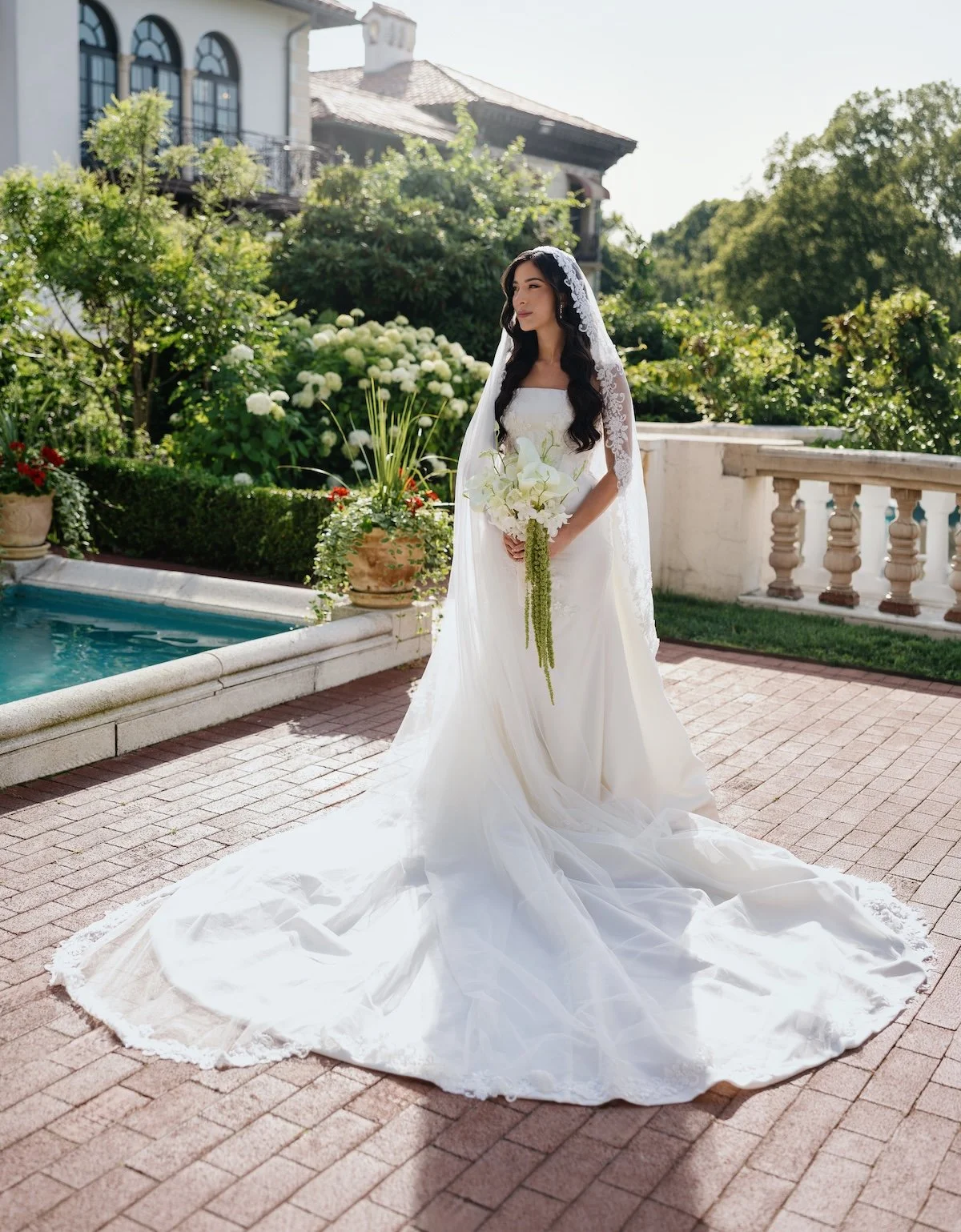
Ask to see a full wedding gallery from start to finish, not just the highlights. A portfolio is curated; a full gallery shows whether the photographer holds quality across a whole day — the dim reception, the harsh noon sun, the group formals — and whether their editing stays consistent frame to frame. One or two stunning images prove nothing about the other five hundred.
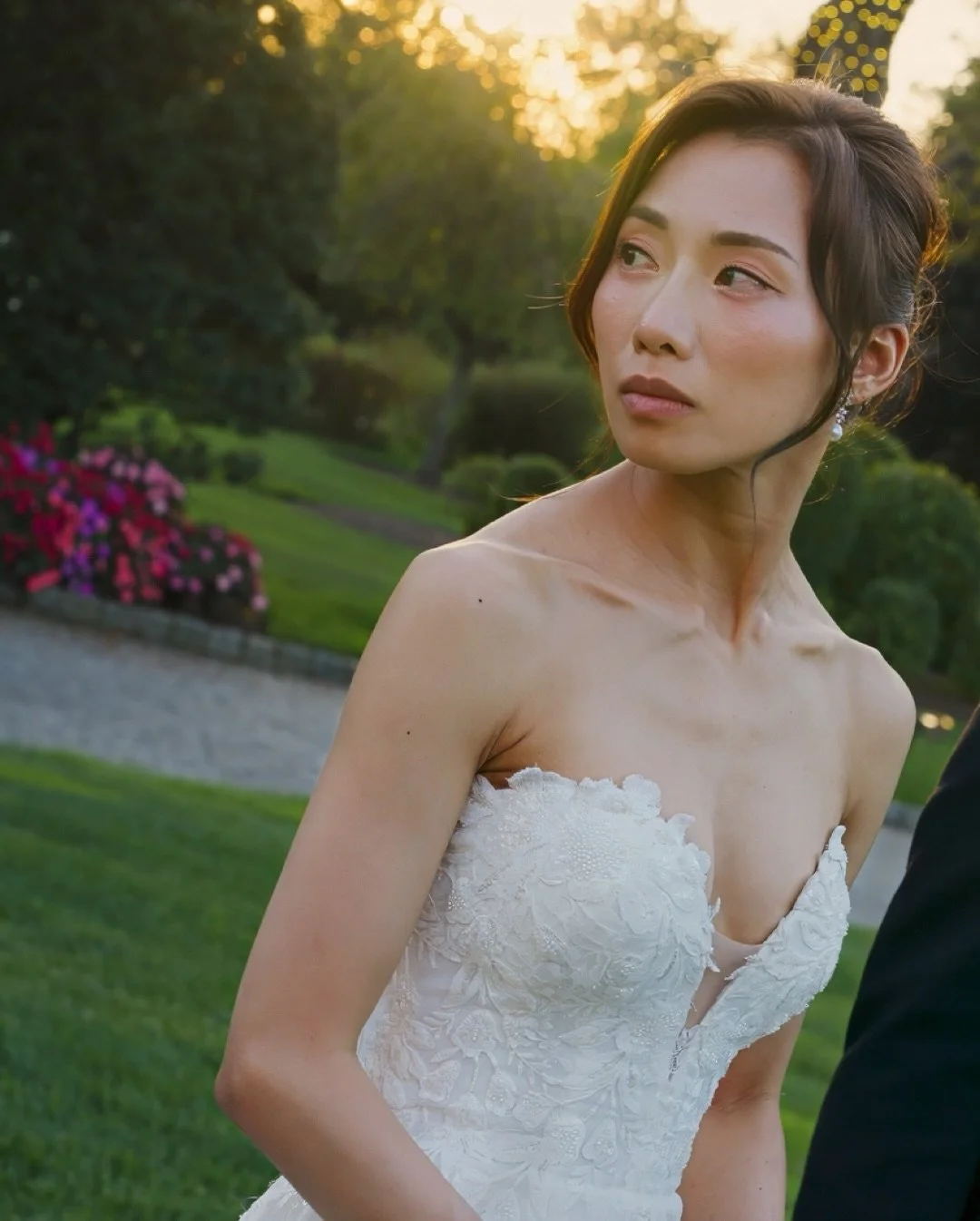
The moments that separate photographers are the hard ones, and they never make the highlight reel. Ask specifically to see a dark reception, an outdoor ceremony in full midday sun (common in LA), and a full set of family formals. Check that skin tones and color look the same across the gallery rather than drifting between shots, because inconsistent editing is the most common sign of a weaker photographer. If someone will only show a tight highlight selection and not a complete wedding, treat that as an answer. For a desert elopement like the one we photographed in Joshua Tree, also ask how the photographer handles open sun with no shade at all – there is nowhere to hide from midday light, so the timing of portraits matters as much as the camera.
What should be included in a wedding photography package?
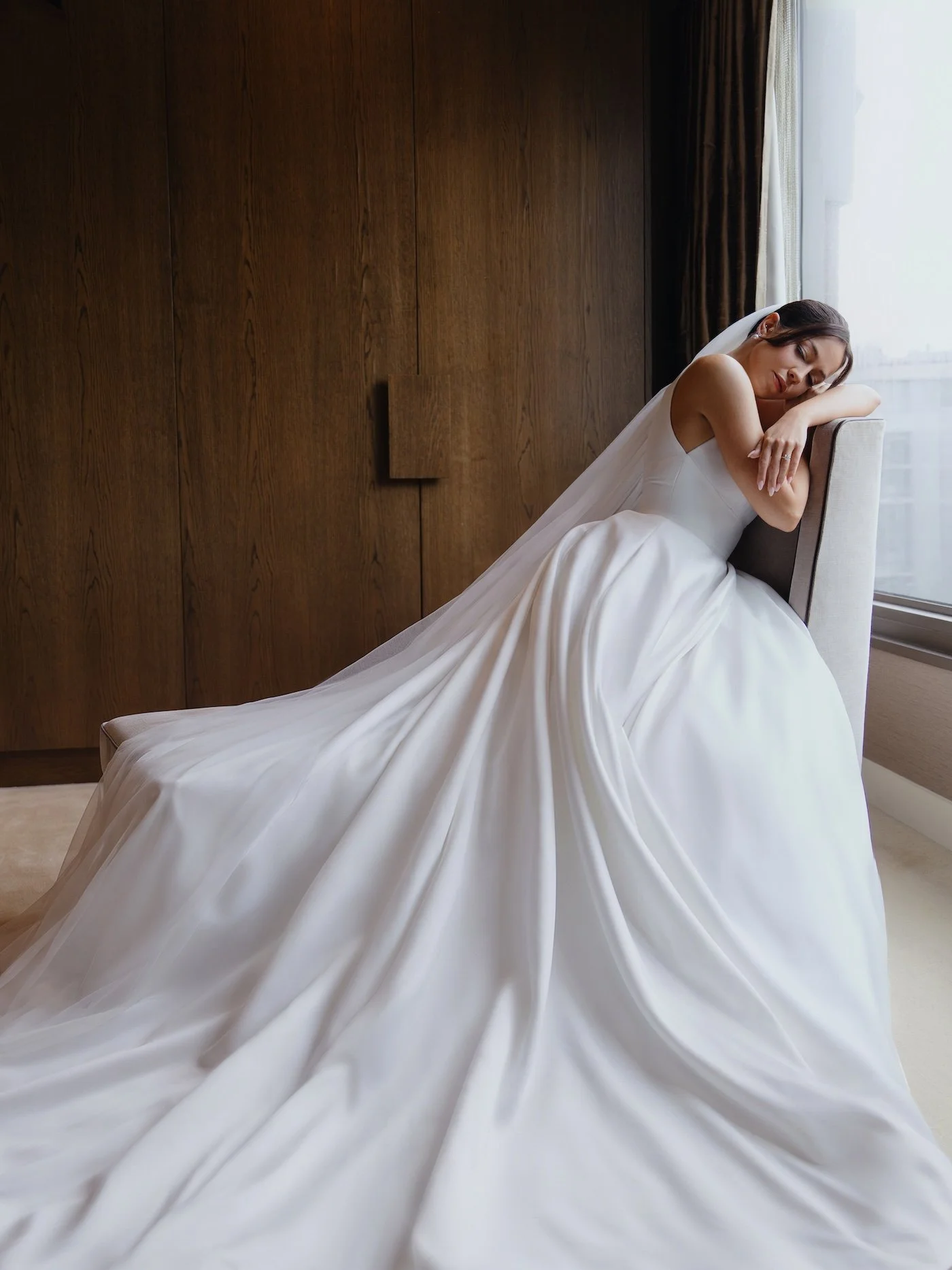
At any price, a wedding photography package should include edited high-resolution images in a private online gallery, download rights, and a stated number of coverage hours. From roughly eight hours up in LA, expect a second shooter. Culling, retouching and color should be done by the photographer, not outsourced. Albums, prints and engagement sessions are usually add-ons.
The hours set most of the price, and they need to match your timeline: six hours covers a ceremony and part of the reception, eight covers getting ready through the dancing, ten covers a full day end to end. A second shooter — a real one, not an assistant — matters when getting ready happens in two places or the ceremony has a wide aisle one camera can't hold. Our own photography runs $1,900 for four-hour elopement coverage, $3,500 at six hours, $4,800 at eight, and $5,890 at ten, each delivered as edited images in a gallery held for a year with unlimited downloads.
How many photos should you expect?
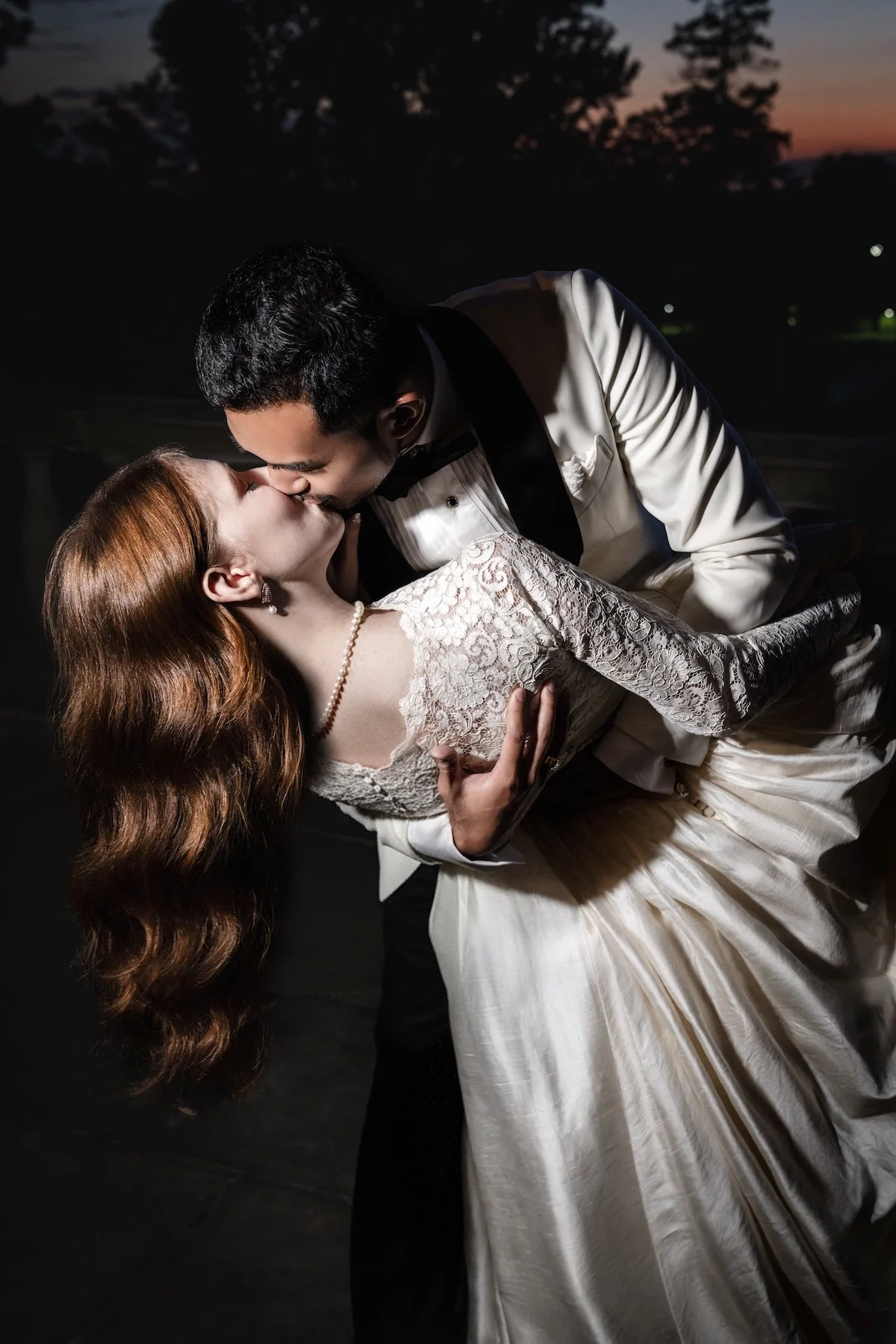
Expect around 150-plus edited images from elopement coverage, 200-plus from six hours, 450-plus from eight, and 550-plus from a full ten-hour day. Every image in the gallery should be finished and high-resolution. You should not be handed an unedited card of thousands of frames to sort through yourself.
More hours add more of the day rather than more versions of the same moment — a longer package means getting ready, more of the reception, more portraits, not fifty near-identical frames of the first kiss. Quality of culling matters as much as quantity: a good photographer removes the blinks, the duplicates and the misses, and delivers a gallery you'd actually want to look through. Ask what the typical delivered count is for your coverage length, and whether that's a guarantee or an estimate.
Do you need an engagement or pre-wedding session?
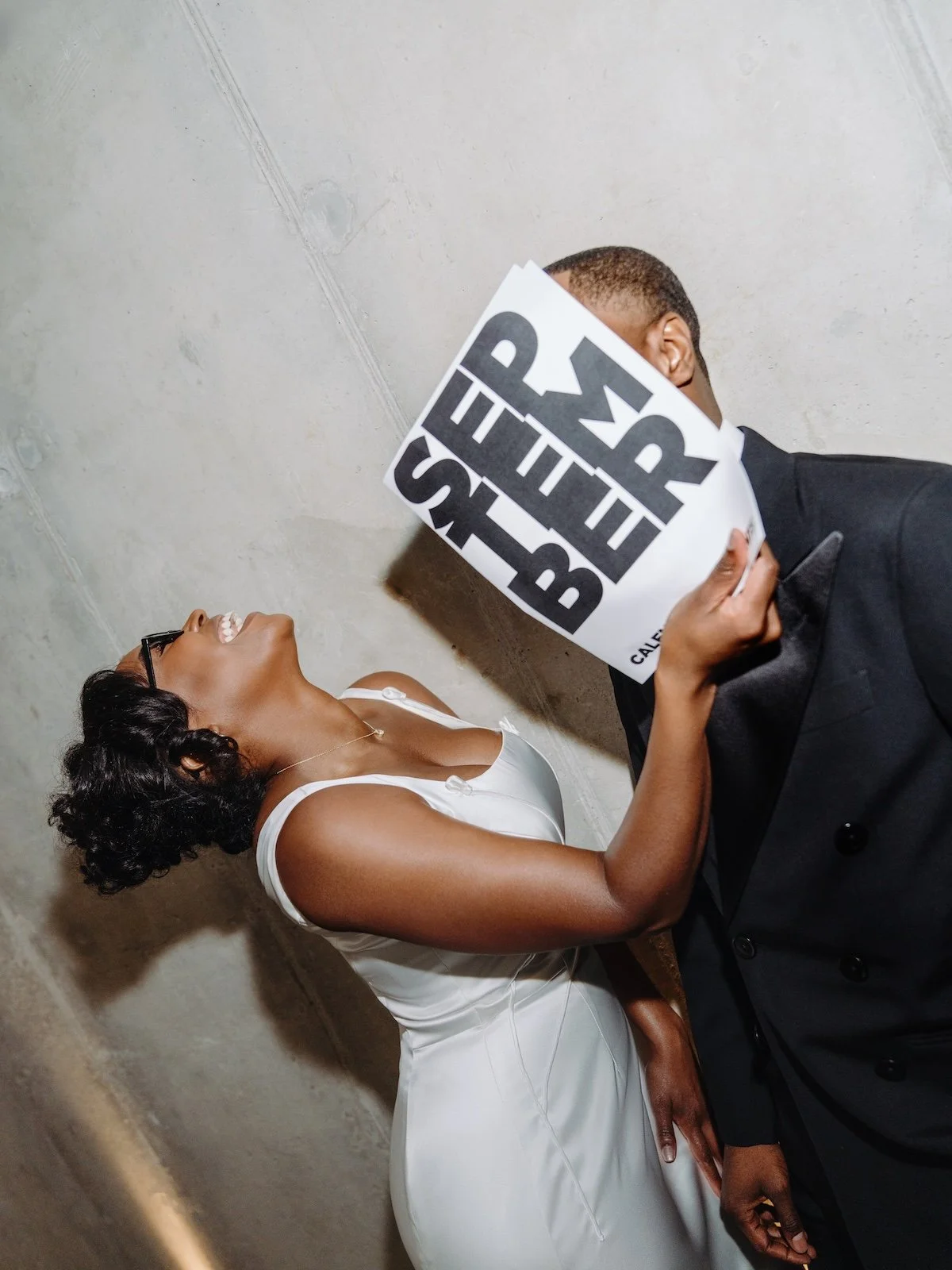
An engagement or pre-wedding session isn't essential, but it earns its cost for most couples by getting them comfortable in front of the camera before the day that matters. It's also the best way to learn how you photograph together and how a photographer directs, while there's still time to adjust.
A pre-wedding shoot has practical uses beyond practice: save-the-date images, a set of relaxed portraits in LA locations you choose, and a low-stakes run at working with your photographer. Couples who felt stiff at their engagement session almost always loosen up by the wedding, which is the point. Our pre-wedding sessions start at $1,890 for three hours and are shot as photo and video together, at locations you pick. If you already feel easy on camera and the budget is tight, it's a fair thing to skip.
How do you choose a wedding photographer in LA, step by step?
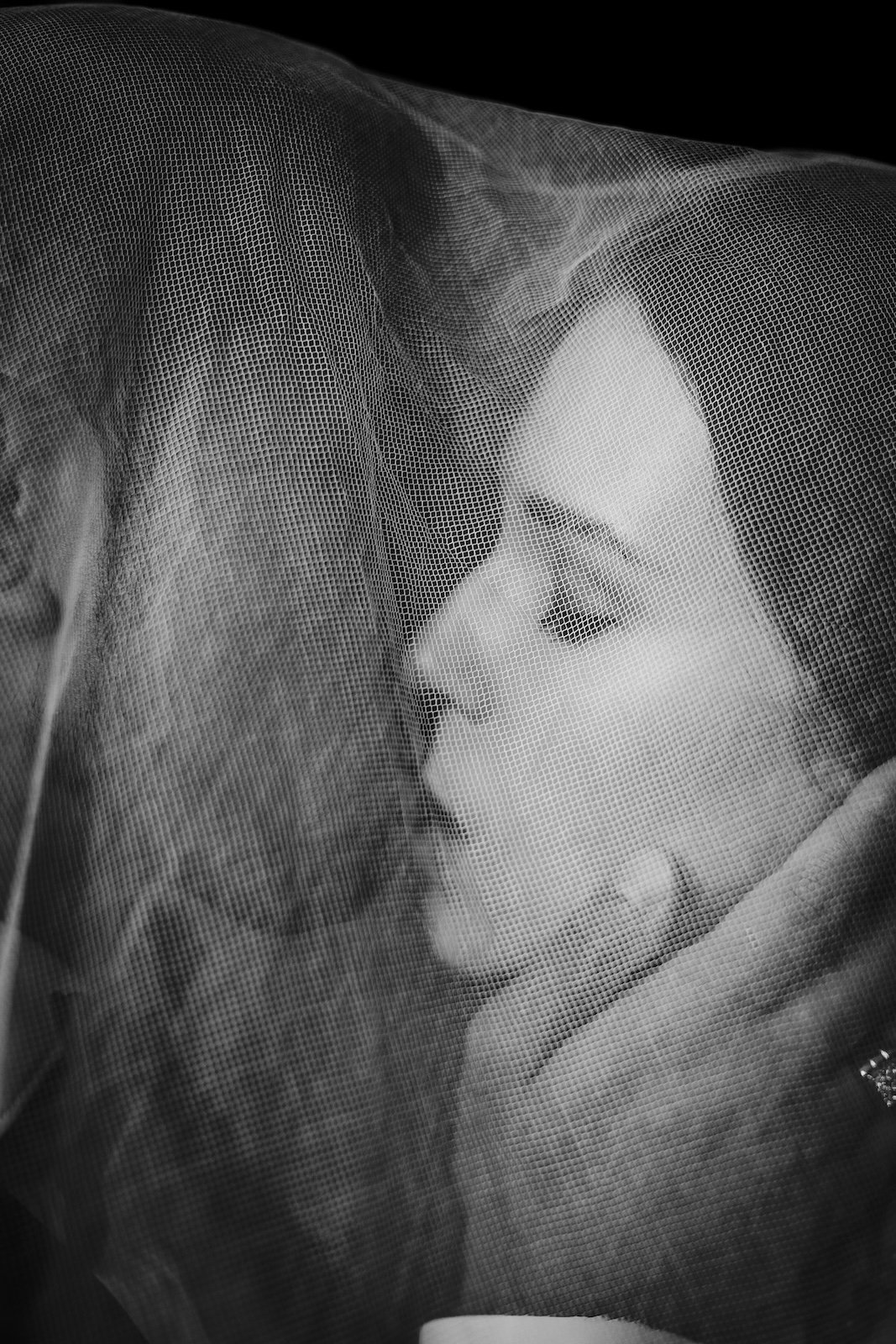
Work through it in order: define the style you want, set a budget against the market, shortlist by full galleries, check inclusions and timeline, meet the photographer, then read the contract. Taken in that sequence, the field of thousands narrows to a handful you can actually compare.
1. Decide your style. Documentary, editorial, or hybrid — this cuts the list faster than anything else.
2. Set a budget against real numbers. The national average is $3,000; full-day LA coverage typically runs $2,500 to $8,000.
3. Shortlist by full galleries, not feeds. Ask each photographer for a complete wedding, start to finish.
4. Compare inclusions, not just price. Hours, image count, second shooter, album, and delivery window in writing.
5. Meet them, in person or on a call. You'll spend the entire day beside this person, so the fit matters.
6. Check backup and reliability. Two camera bodies, dual-card recording, and a clear plan if gear fails.
7. Read the contract before you sign. Deliverables, timeline and cancellation terms in writing.
Frequently asked questions
-
The national average is $3,000, according to The Knot's 2025 Real Weddings Study, with the middle half of couples spending roughly $1,500 to $4,700. Full-day photography in Los Angeles typically runs $2,500 to $8,000, above the national figure. Our own photography packages are $1,900 for elopement coverage, $3,500 at six hours, $4,800 at eight, and $5,890 at ten.
-
Documentary photography follows the day and captures it with little direction — the real moments, unposed. Editorial photography is directed, with the photographer building light, pose and composition the way a magazine shoot is built. Documentary gives you the day as it happened; editorial gives you polished, styled images but asks you to work with the camera. Many photographers, ours included, combine both.
-
A second shooter is worth it when getting ready happens in two locations, when the ceremony has a wide aisle or raised altar one camera can't cover, or when you want reactions caught while the main photographer is on the couple. For an intimate wedding in a single venue, one experienced photographer is usually enough. It's typically included from eight hours up.
-
Expect around 150-plus edited images from elopement coverage, 400-plus from six hours, 550-plus from eight, and 700-plus from a full ten-hour day. Every frame should be edited and high-resolution, not an unsorted card dump. Longer coverage adds more of the day rather than more versions of the same shot.
-
Nine to twelve months ahead for a peak Saturday in spring or autumn, which are the first dates to go. Six months is often workable for a Friday, Sunday or winter date. Booking early also locks the current season's pricing, so the photographer you want is more likely to be free and the rate is more likely to hold.
-
Ask who will actually shoot your wedding and to see that person's full gallery; what the delivery timeline is in writing; whether they carry backup cameras and record to two cards; whether a second shooter is included; and whether they've shot your venue or one like it. The answers separate two quotes that look identical on price.
About Arrakis Films
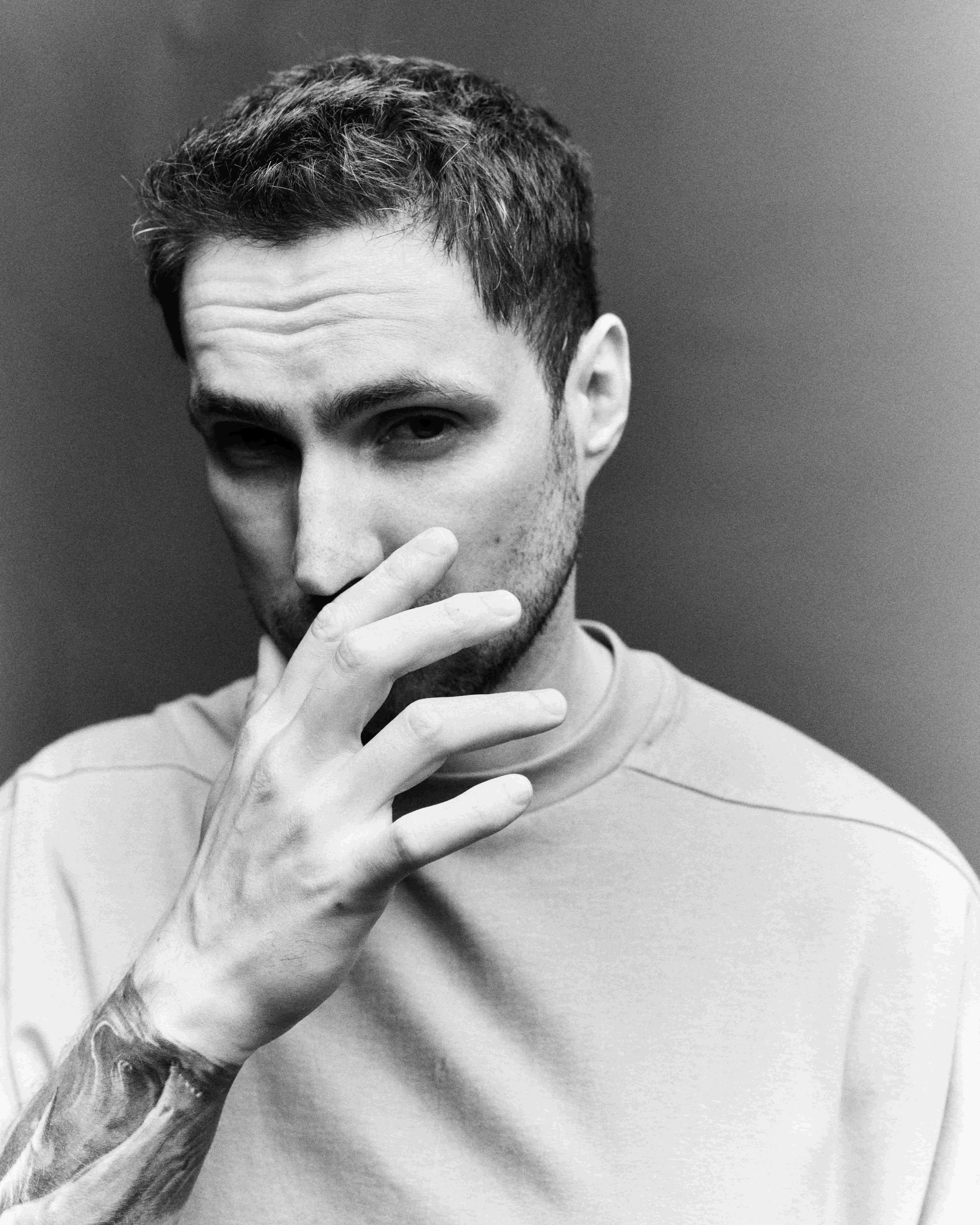
Arrakis Films is Andrew and Roma, an award-winning photo and film studio. Most of our weddings are in New York – The Plaza, Oheka Castle, The William Vale – and in California we photographed an elopement in Joshua Tree. Andrew directs and shoots, Roma produces, and they bring over a decade in cinema, commercial and music-video work — with recognition at festivals including FFTG Awards, Venezia Shorts and the Seattle International Fashion Film Festival — to wedding photography. We shoot documentary at the core with an editorial eye, meaning most of the day is captured as it happens, with directed portrait sets where the light and location are worth slowing down for. Every image is culled, retouched and color-graded by us, not sent out.
Looking for a wedding photographer in LA?
Tell us your date, your venue and the way you want the day remembered, and we'll show you a full gallery — not a highlight reel — and talk through which coverage fits.