Do You Need a Second Videographer at Your Wedding?
We photograph and film weddings, so we run this exact math for couples every week, and the honest answer is that a second videographer is not a luxury add-on for every wedding, it is the right call for specific days and overkill for others. A second shooter buys you two things a solo operator physically cannot deliver: two places at once, and two angles of the same moment. Whether those two things are worth the extra cost depends on your guest count, your timeline, whether you and your partner get ready in separate spots, and how much of the day you want on film. Below is the real decision, not a sales pitch.
Quick Answer:
You need a second videographer at your wedding if you and your partner get ready in separate locations, if your guest count is above roughly 100 to 150, if your ceremony or reception has moments happening at the same time (first look while guests arrive, cocktail hour while you shoot portraits), or if you want a multi-angle cinematic edit rather than a single-camera documentary one. One videographer is enough for an intimate wedding, a single getting-ready room, and a simple timeline. A second shooter typically adds roughly $500 to $1,500 to a package; nationally, wedding videography averages about $3,993, with most couples spending $3,200 to $4,800 (Zola, 2026). At Arrakis Films, two videographers are standard in our wedding packages, not an upsell.
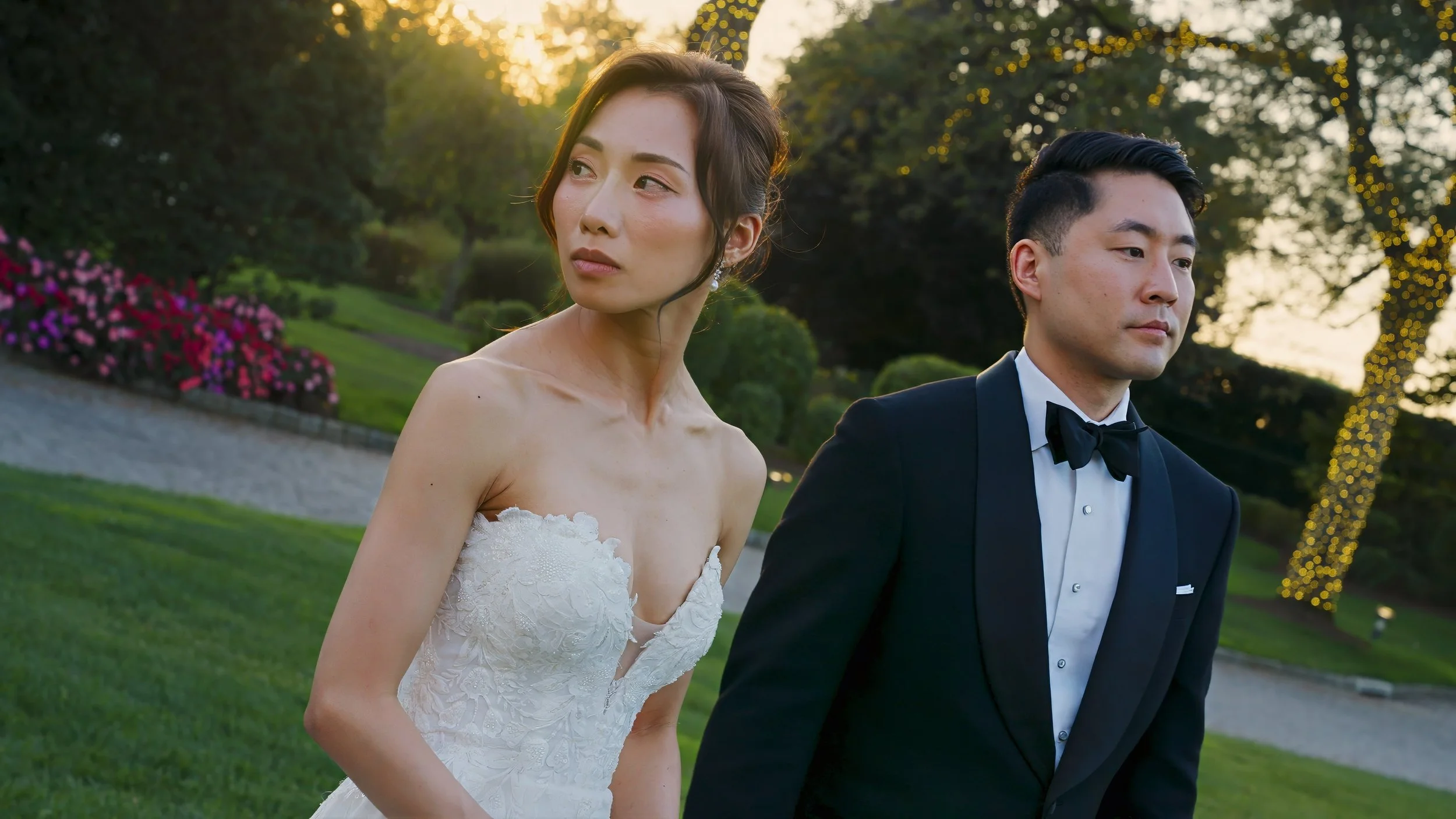
Do you need a second videographer at your wedding?
You need a second videographer when your day has moments that happen at the same time in different places, and you do not when it runs as a single, linear timeline in one or two rooms. A solo shooter is one camera and one pair of hands: while they film your vows from the front, no one is on the guests’ faces or the wide of the room. A second shooter removes that trade-off.
The decision is not about prestige, it is about geometry. If you and your partner dress in separate suites, if 150 guests fill a church, if cocktail hour runs while you steal away for portraits, those are simultaneous events, and one camera can only be in one of them. The more your day splits into parallel moments, the more a second videographer earns the cost. If your day is small and sequential, the second camera spends much of the day filming the same thing from a slightly different seat, which is nice but not essential.
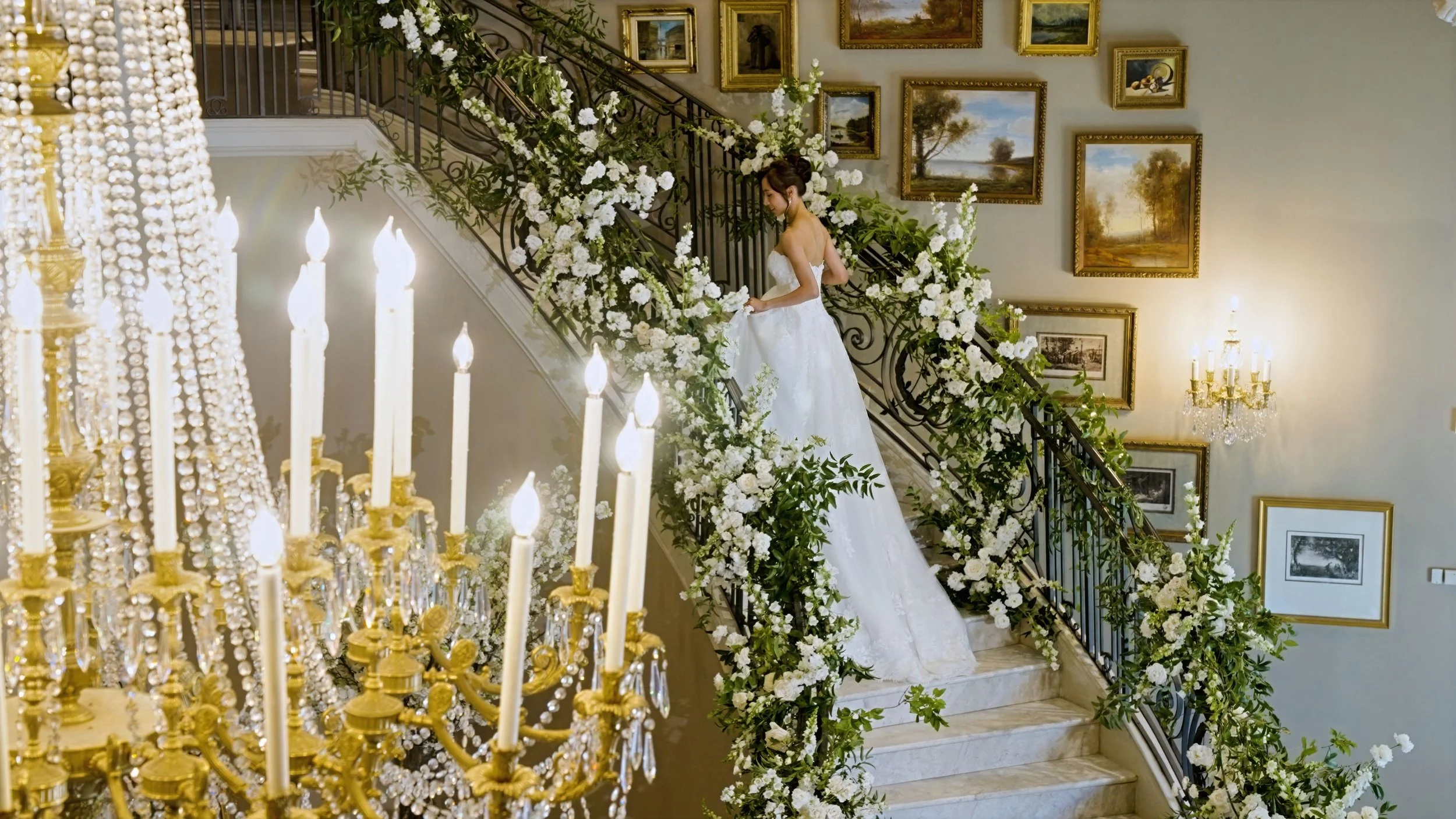
What does a second videographer actually do on the day?
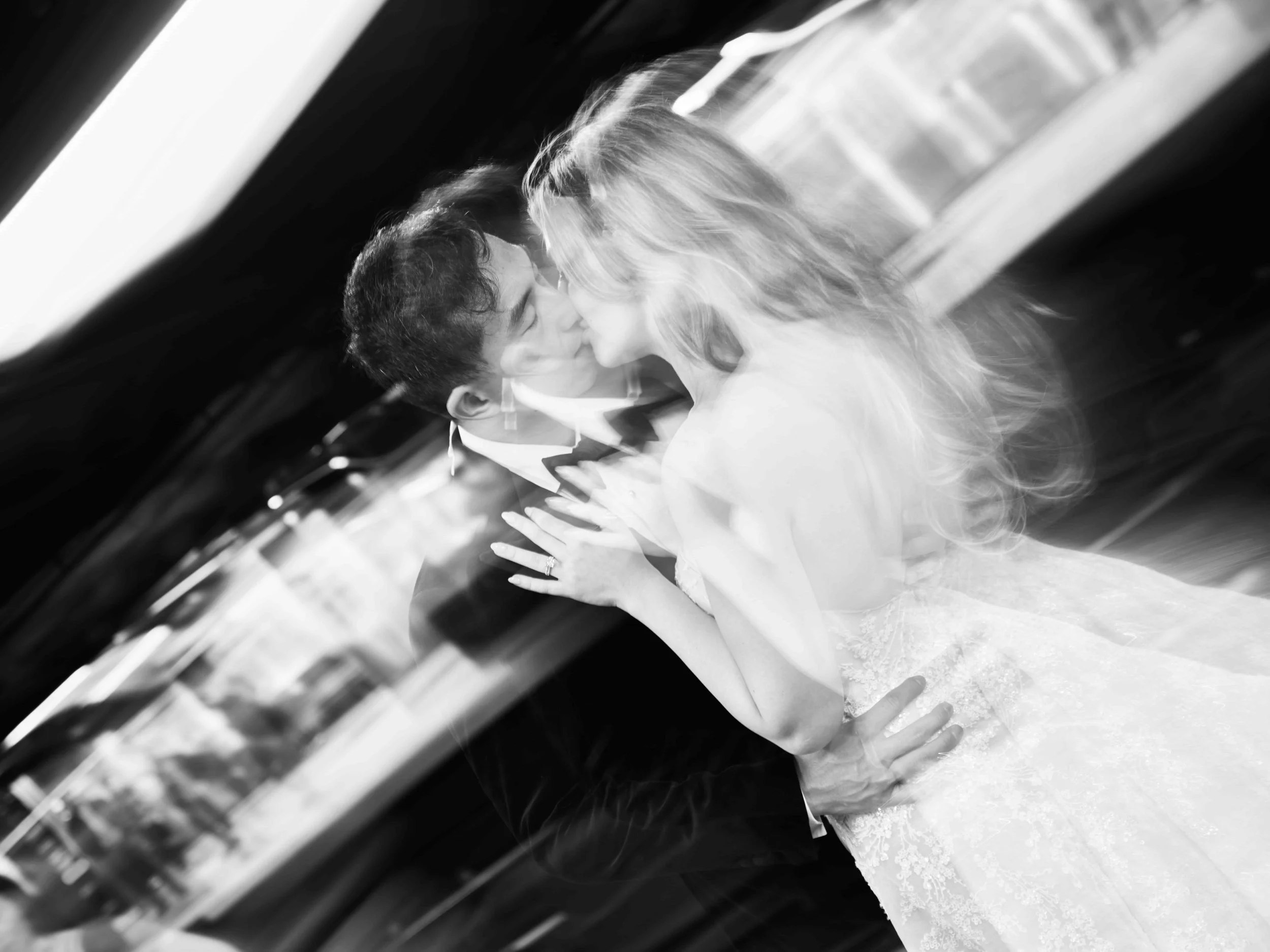
A second videographer covers what the lead physically cannot: the other partner’s prep, the reverse angle during the ceremony, guest reactions, and the wide shot while the lead shoots tight. They are not a spare camera on a tripod, they are a second operator making independent creative calls in a different part of the room.
Through getting ready, the second shooter documents one partner while the lead covers the other, so both halves of the morning make the film instead of only one. During the ceremony, the lead holds the tight shot on your faces and the vows while the second catches the processional from behind, the parents’ reactions, and the wide that establishes the whole room. At the reception, one works the dance floor while the other frames the speeches and the crowd. The payoff shows up in the edit: an editor cutting between two synchronized angles can build pace and emotion that a single camera, no matter how good, simply does not hand them.
When is a second videographer worth it?
A second videographer is worth it when your wedding has separate getting-ready locations, a guest count above roughly 100 to 150, a large or multi-room venue, or a timeline with events running in parallel. It is also worth it when you want a polished, multi-angle cinematic film rather than a straightforward single-camera document of the day.
Separate prep suites are the clearest case, because no solo shooter can film two rooms in the same hour, and half your morning would otherwise go uncaptured. Large guest counts and big venues are the next, since a church of 200 or an estate with grounds has more happening at once than one camera can hold. Fast, dense timelines, a first look during guest arrival, a cocktail hour stacked against portraits, tip the same way. And if your taste runs cinematic, the reverse angles and cutaways a second shooter provides are what make that editorial look possible in the edit. If two or more of these describe your day, the second camera is not indulgence, it is coverage you would miss.
When is one videographer enough?
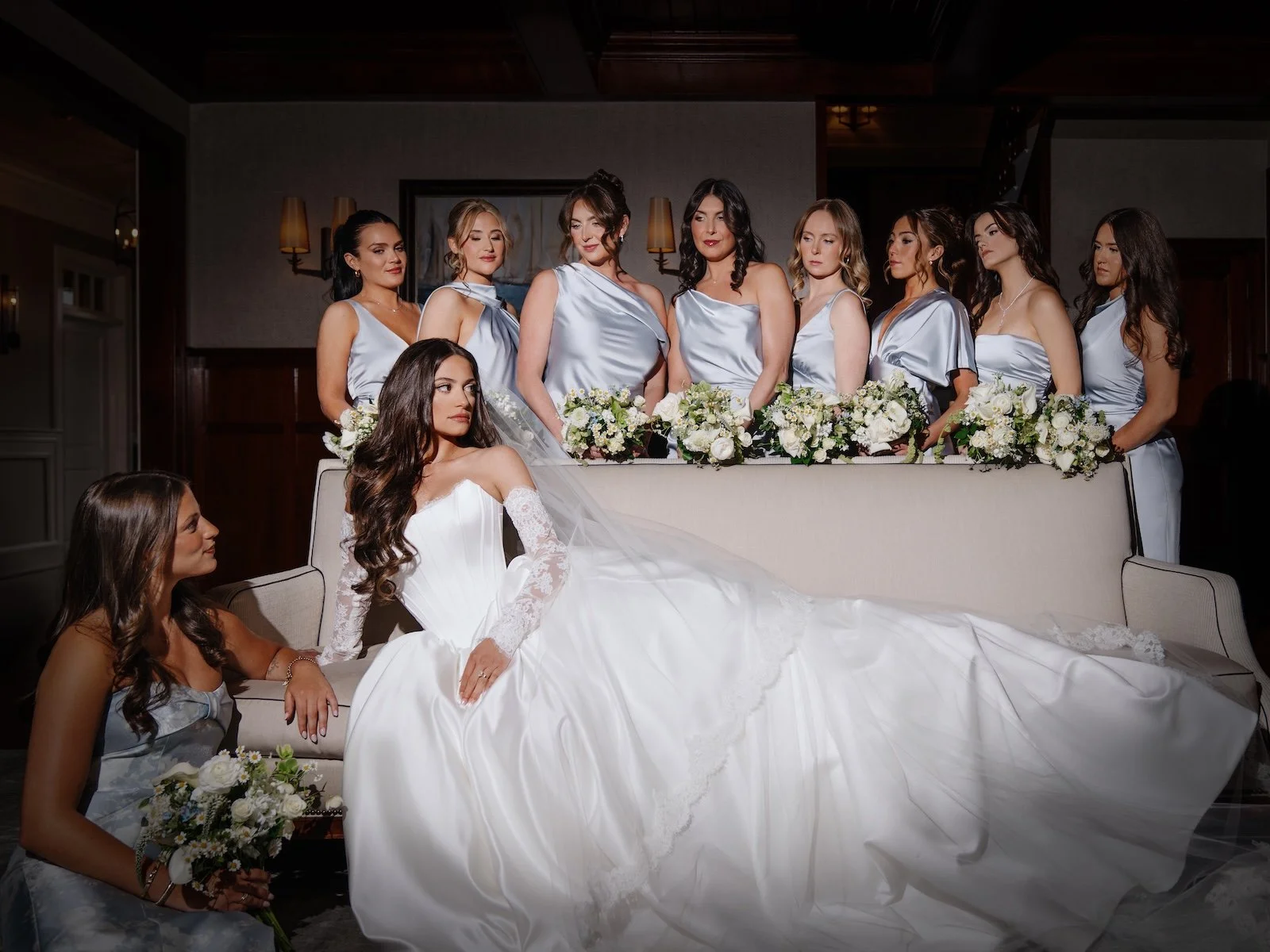
One videographer is enough when your wedding is intimate, your timeline is simple, and events happen one at a time in one or two spaces. For an elopement, a small ceremony, a single getting-ready room, or a guest count under about 75 to 100, a skilled solo shooter can cover the whole story without a second camera standing idle.
A good solo videographer is also the more personal setup, one point of contact, one shooting style, and often a faster edit because there is half the footage to cut. The honest trade is coverage: you accept that during the vows, no one is on the guests, and during your portraits, no one is at cocktail hour. For many intimate weddings that trade is fine, because there is not much happening in parallel to miss. Spend the difference on something your small wedding will actually feel, a longer coverage window or a documentary edit, rather than a second camera that would largely duplicate the first.
How much does a second videographer cost?
Adding a second videographer typically raises a package by roughly $500 to $1,500, depending on the studio, the market, and the hours. For context, wedding videography averages about $3,993 nationally, with most couples spending between $3,200 and $4,800, and major markets running higher, San Francisco averages around $6,091 (Zola, 2026).
The reason it is not free is straightforward: you are paying for a second trained operator for the full day, a second set of professional cameras, lenses, and audio gear, and the extra editing hours it takes to cut two synchronized angles instead of one. Some studios sell the second shooter as an à la carte add-on, which is where that $500 to $1,500 range comes from. Others, including us, build two videographers into the package so the price you see already includes full multi-angle coverage. When you compare quotes, check whether a low number is low because it is a single-shooter package, because that is often the real difference between two prices that look far apart.
Does a second videographer slow down your final film?
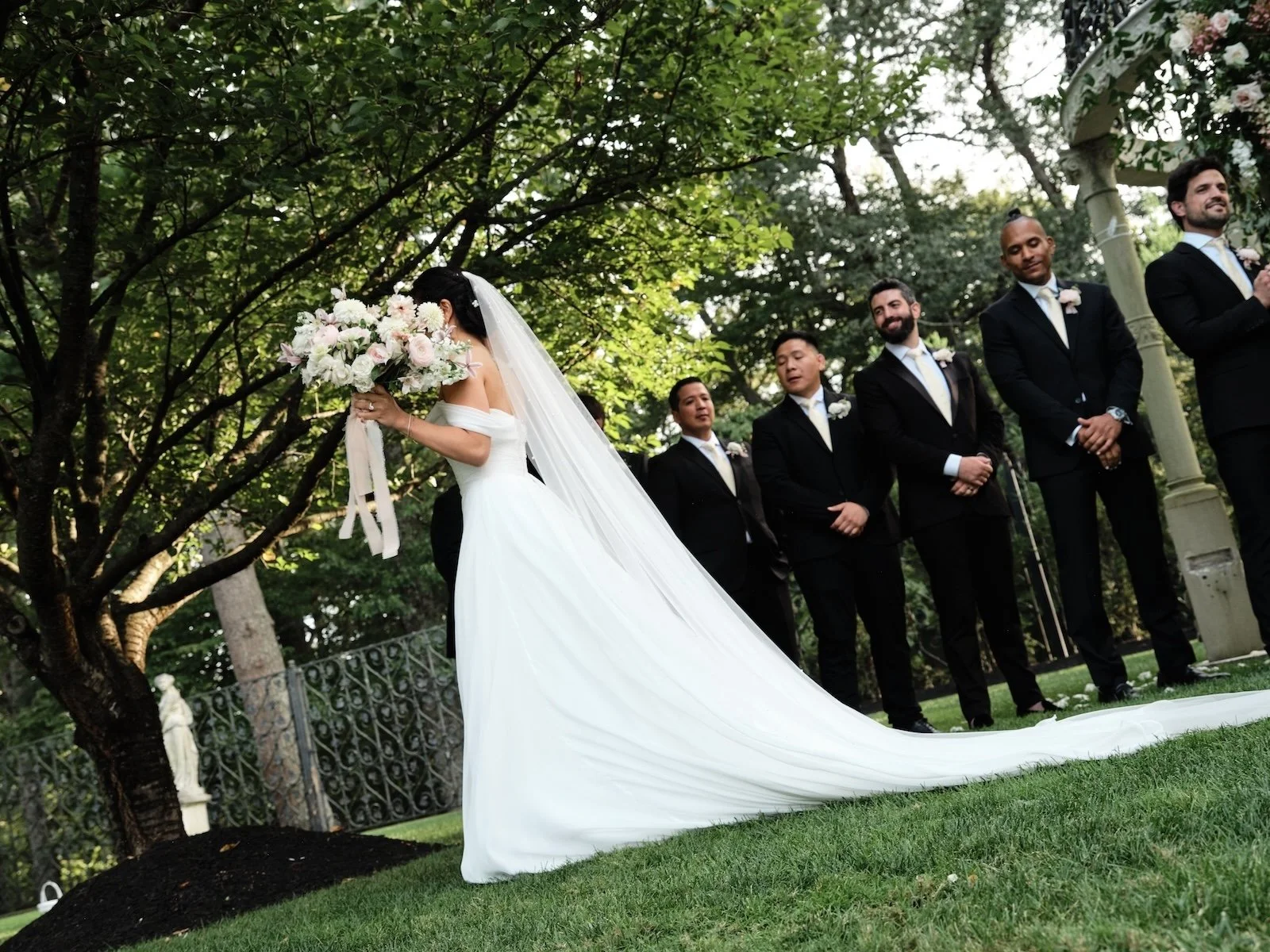
A second videographer can add a little to the edit, but it does not meaningfully delay a professional studio, because the extra footage is planned for, not a surprise. Two cameras produce roughly double the raw material, and syncing and cutting between angles takes an editor longer than a single stream, which is real but built into a studio’s normal timeline.
Typical delivery runs 6 to 12 weeks whether you booked one shooter or two, since a working team prices and schedules the edit around however many cameras they sent. Where you would feel a delay is with a solo freelancer who is not set up to handle two angles, or a studio quietly overbooked in peak season. Ask for the delivery window in writing, and it should not change based on the second camera. The extra footage should show up as a richer film, not a longer wait.
One videographer vs two, side by side
Use this to place your own wedding. Match your day to the left column, and the right column tells you which setup fits and why. The rule of thumb: the more your day splits into simultaneous moments, the more a second camera earns its cost.
| Your wedding | One videographer | Two videographers | Best for |
|---|---|---|---|
| Getting ready | One partner covered at a time | Both partners covered at once | Two → separate prep suites |
| Guest count | Under ~75–100 | Above ~100–150 | Two → large guest list |
| Ceremony angles | One angle (faces or wide) | Tight + reverse + wide | Two → cinematic edit |
| Timeline | Simple, one thing at a time | Parallel events covered | Two → first look + cocktail hour |
| Cost | Lower, ~$500–$1,500 less | Higher, full coverage | One → tighter budget |
| Edit style | Documentary, single-camera | Multi-angle, cinematic | One → intimate elopement |
How we cover weddings at Arrakis Films
We build our wedding packages around two videographers as standard, not as an upsell, because the weddings we film, full-day timelines at real venues in New York and Los Angeles, almost always have moments happening at once. Our eight-hour Endlessly Yours film package and our ten-hour Moving Symphony package both send two shooters, so one of us covers each partner’s prep, holds the reverse angle through the ceremony, and works the room independently at the reception.
That second camera is what lets us cut the multi-angle, editorial films we are known for, because an editor can only build that pace when there are two synchronized angles to cut between. We record ceremony audio from two independent sources, a feed from the venue’s sound board and a directional mic on camera, shoot a gimbal-and-handheld hybrid for smooth movement in tight rooms, and light dark ballrooms so late receptions hold color instead of turning to grain. For couples who want the whole day in one team, our Forever Yours photo and film package
pairs two photographers with two videographers off a single timeline, so the crews never block each other and both galleries tell the same story. If you want to see full films and talk through how many shooters your specific day actually needs,
Ready to talk to us?
If you are weighing one videographer against two, tell us your venue, guest count, and timeline, and we will tell you honestly how many shooters your day needs, no upsell. Our wedding packages already include two videographers, and we will show you full films so you can see exactly what that second angle buys you. Reach out to Arrakis Films for a photo-and-film package built around your wedding.
Frequently asked questions
-
Not always. You need one when you and your partner get ready in separate places, your guest count is above roughly 100 to 150, your venue is large, or events run in parallel, since a solo shooter cannot film two things at once. For an intimate wedding with a simple, single-room timeline, one skilled videographer is enough and more personal.
-
Adding a second videographer usually raises a package by roughly $500 to $1,500, depending on the studio, market, and hours. Nationally, wedding videography averages about $3,993, with most couples spending $3,200 to $4,800 (Zola, 2026). Some studios sell the second shooter as an add-on; others build two videographers into the base package, so always check what a quote actually includes.
-
One videographer is a single camera covering the day in sequence, which means during the vows no one is on the guests, and during portraits no one is at cocktail hour. Two videographers cover simultaneous moments and give the editor two synchronized angles to cut between, which is what makes a polished, multi-angle cinematic film possible.
-
No. A second videographer captures motion, sound, and additional video angles, while a second photographer captures more still images from another position. They solve the same problem, one person cannot be everywhere, in different mediums. If you want both stills and film fully covered, a team that runs two photographers and two videographers off one timeline is the most complete option.
-
Not with a professional studio. Two cameras produce more footage and take an editor a bit longer to sync and cut, but a working team builds that into its normal timeline, so delivery still typically runs 6 to 12 weeks. Get the delivery window in writing; it should not change based on whether you booked one shooter or two.
-
There is no hard rule, but around 100 to 150 guests is where a second videographer usually starts to pay off, because larger weddings have more happening at once, at the ceremony, during cocktail hour, and on the dance floor, than a single camera can hold. Separate getting-ready locations tip the decision toward two shooters at any guest count.
-
Yes, for the right wedding. A skilled solo videographer can cover an intimate ceremony, a single getting-ready room, and a simple timeline without missing the story. The trade is that simultaneous moments go uncaptured, since one camera can only be in one place. For a small, sequential day that trade is usually fine; for a large or multi-location one, it is not.