Must-Have Wedding Photos: A Complete Shot List and Checklist
You will look at these images for the rest of your life. The dress on a hanger, your father's face before he sees you, the half-second your partner loses it during the vows. None of that happens twice, and a wedding day moves too fast to leave to memory. A clear list of must-have wedding photos is how you make sure the moments that matter most to you actually end up in the gallery, not just the ones that happened to be in front of the lens.
This checklist is organized the way the day actually unfolds, from getting ready to the last dance, so you and your photographer are working from the same map. Here is the whole day at a glance before we go block by block.
| Part of the day | Must-have count | Time to budget | The shots that matter most |
|---|---|---|---|
| Getting ready | 6–8 | 45–90 min | Dress in window light, details flat-lay, candid prep, first ready portrait |
| First look (optional) | 4–6 | 15–20 min | The approach, the turn, both reactions, quiet portraits after |
| Ceremony | 8–10 | Length of ceremony | Processional, the kiss, vows, ring exchange, recessional |
| Portraits (couple, party, family) | 15–20 groupings | 45–75 min | Couple portraits, full wedding party, ~15 family groupings |
| Reception | 9–12 | Length of reception | Entrance, first dance, toasts, cake, candid dancing, send-off |
Quick Answer: What are the must-have wedding photos?
The must-have wedding photos break into five blocks: getting ready (dress, details, candid prep), the first look or ceremony arrival, the ceremony itself (vows, rings, the kiss, the recessional), portraits (couple, wedding party, and family groupings), and the reception (entrance, first dance, toasts, cake, candid dancing). Inside each block there are roughly 6 to 12 frames that consistently become the photos couples keep. Build your list from these, hand it to your photographer two to three weeks before the day, and keep formal family groupings to about 15 so portraits stay under 30 minutes.
Our gallery shows full weddings photographed from a list like this one.
In this article
- Why you need a must-have wedding photos checklist
- Getting-ready photos: the quiet hour before everything starts
- First look photos: should you do one?
- Ceremony photos you cannot reshoot
- Portrait photos: the couple, the wedding party, the families
- Reception photos: the part that feels like a film
- How to build and share your must-have wedding photos list
- How Arrakis Films approaches the shot list
- Frequently asked questions
Why you need a must-have wedding photos checklist

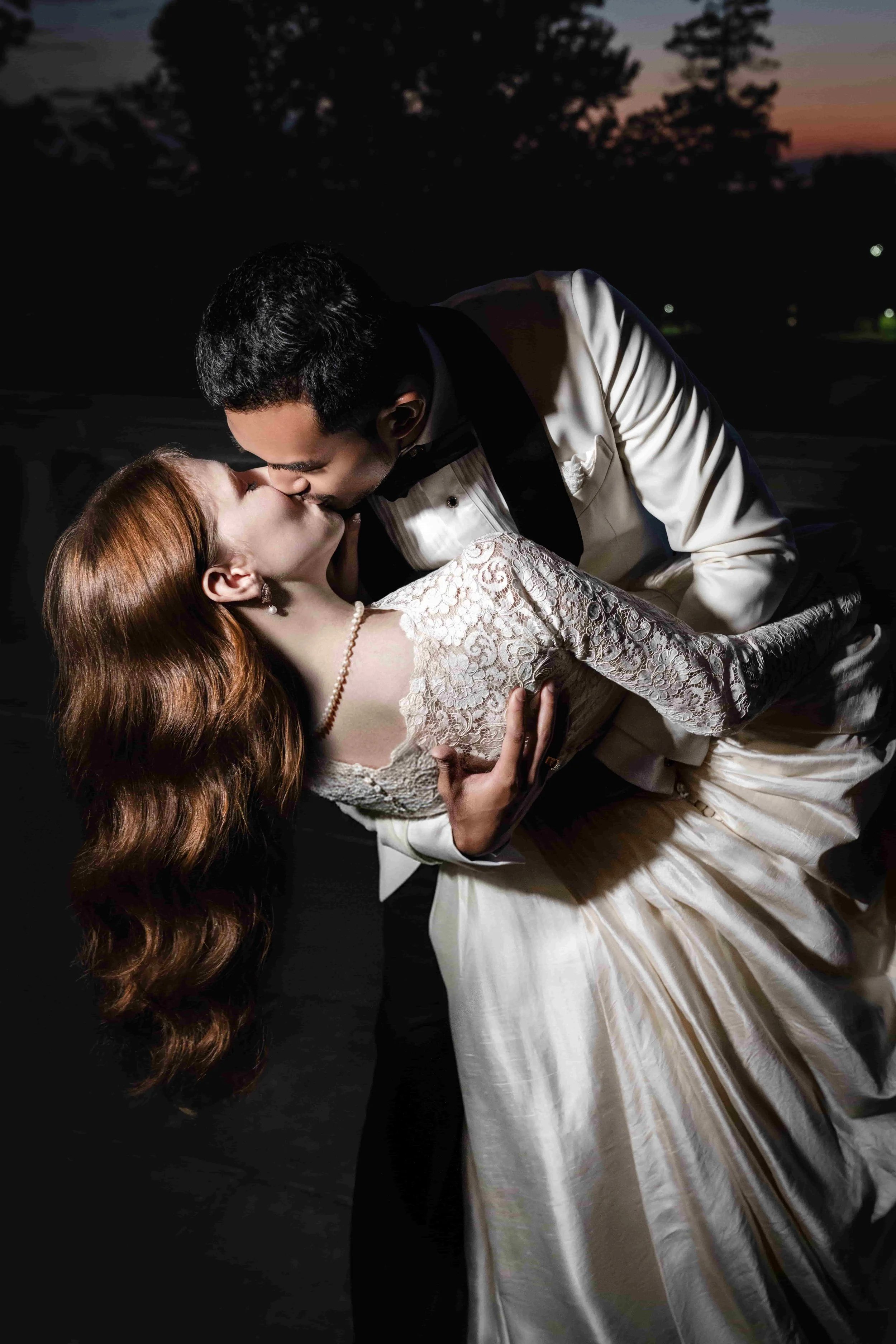
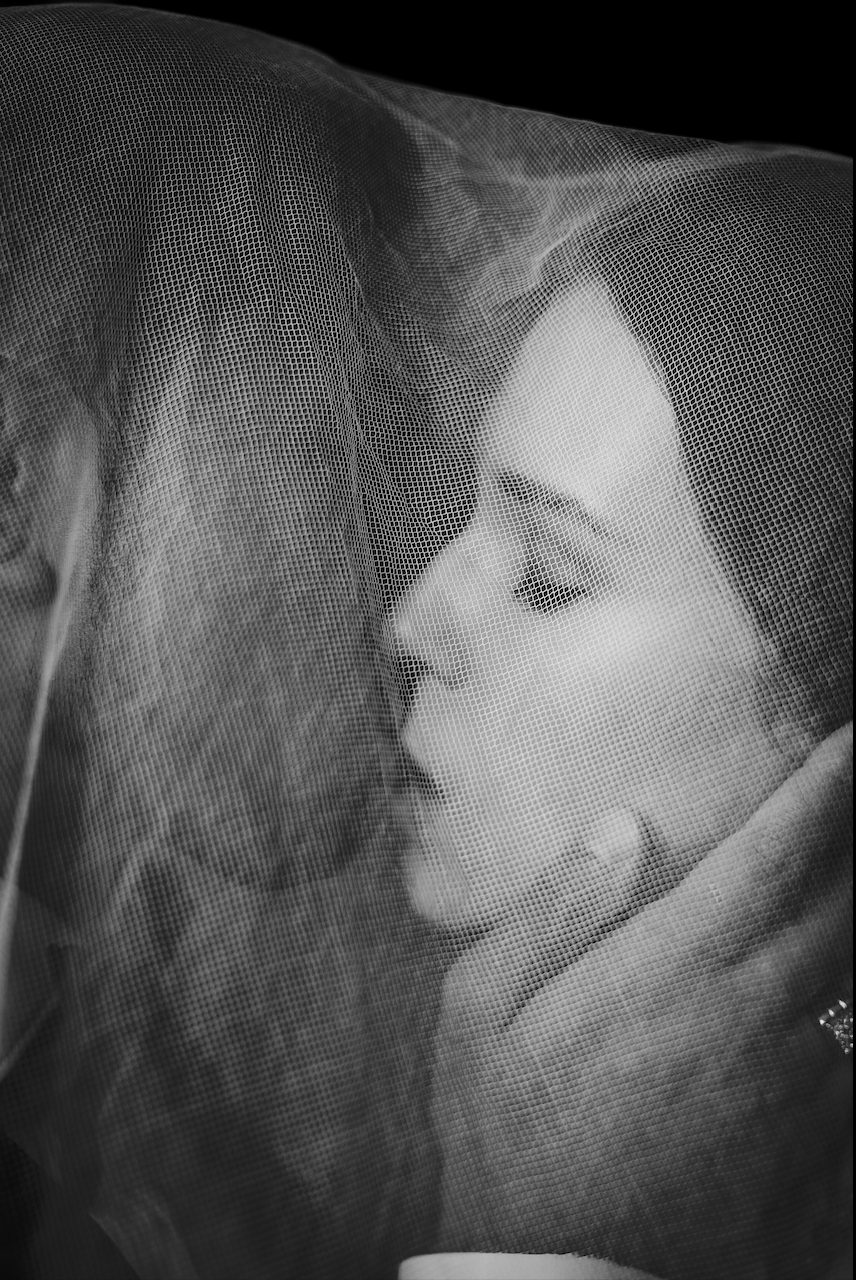

A shot list is not about micromanaging a professional. It is about aligning on priorities before a day that has no rewind button. Your photographer knows how to read light and find moments. What they cannot know is that your grandmother flew in from Tbilisi and this is the only photo you will ever get of the three generations together, or that the watch you are wearing was your father's.
A written list of must-have photos for the wedding does three things. It surfaces the people and objects that carry private meaning. It sets expectations in writing, which is the single best way to avoid disappointment later. And it lets your photographer pre-plan, so on the day they are executing instead of guessing. Share the list two to three weeks out, not the morning of.
Getting-ready photos: the quiet hour before everything starts

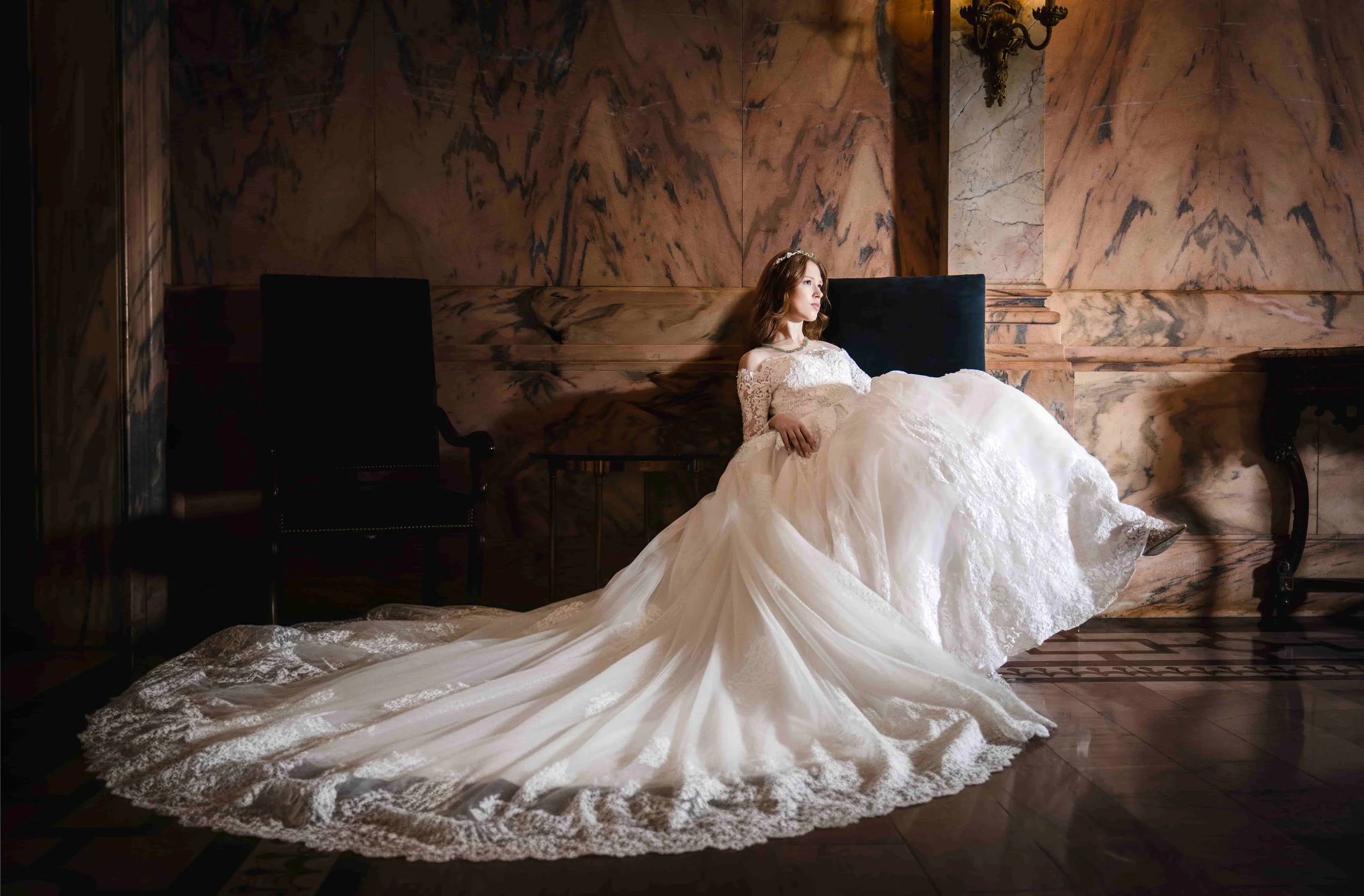
The getting-ready window holds more genuine emotion than people expect: laughter, nerves, the people who got you here. Shoot it like a scene, not a checklist, but make sure these anchors are covered.
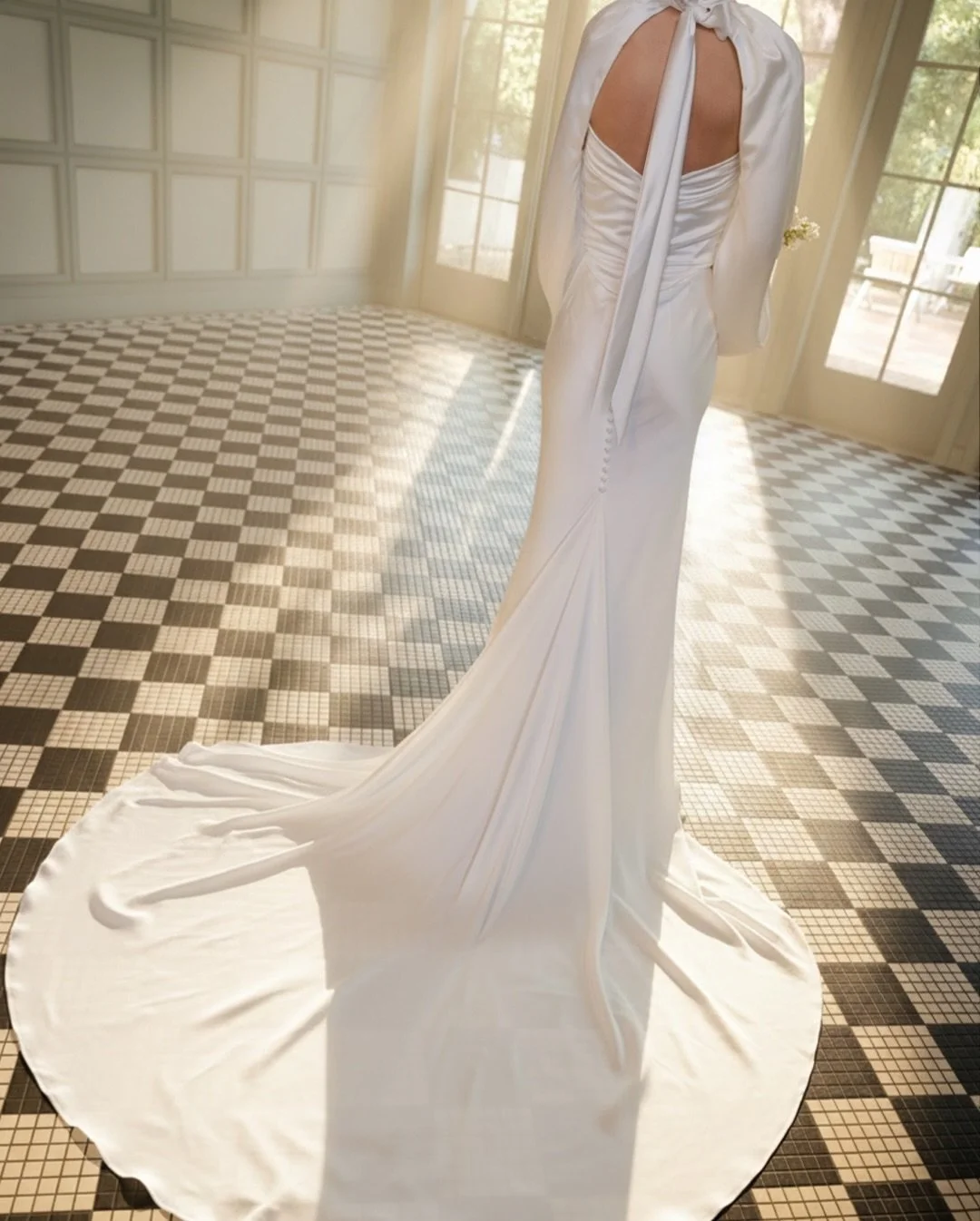
The dress hanging in window light, before anyone is in it, so the silhouette and fabric read clearly
Shoes, rings, invitation suite, perfume, and heirloom details photographed together as a flat-lay or in-context
Both partners getting ready: hair and makeup, cufflinks, the tie, the final mirror check
A parent or close friend helping with the dress, buttons, or veil
The first reaction from whoever is in the room when you are fully dressed
A portrait of you alone, ready, in the last calm moment before the day takes over
Who this block is for: couples who want the story to start before the ceremony, not at the aisle. If you are doing a tight elopement timeline, you can compress this to the dress, the details, and one ready portrait per person.
First look photos: should you do one?
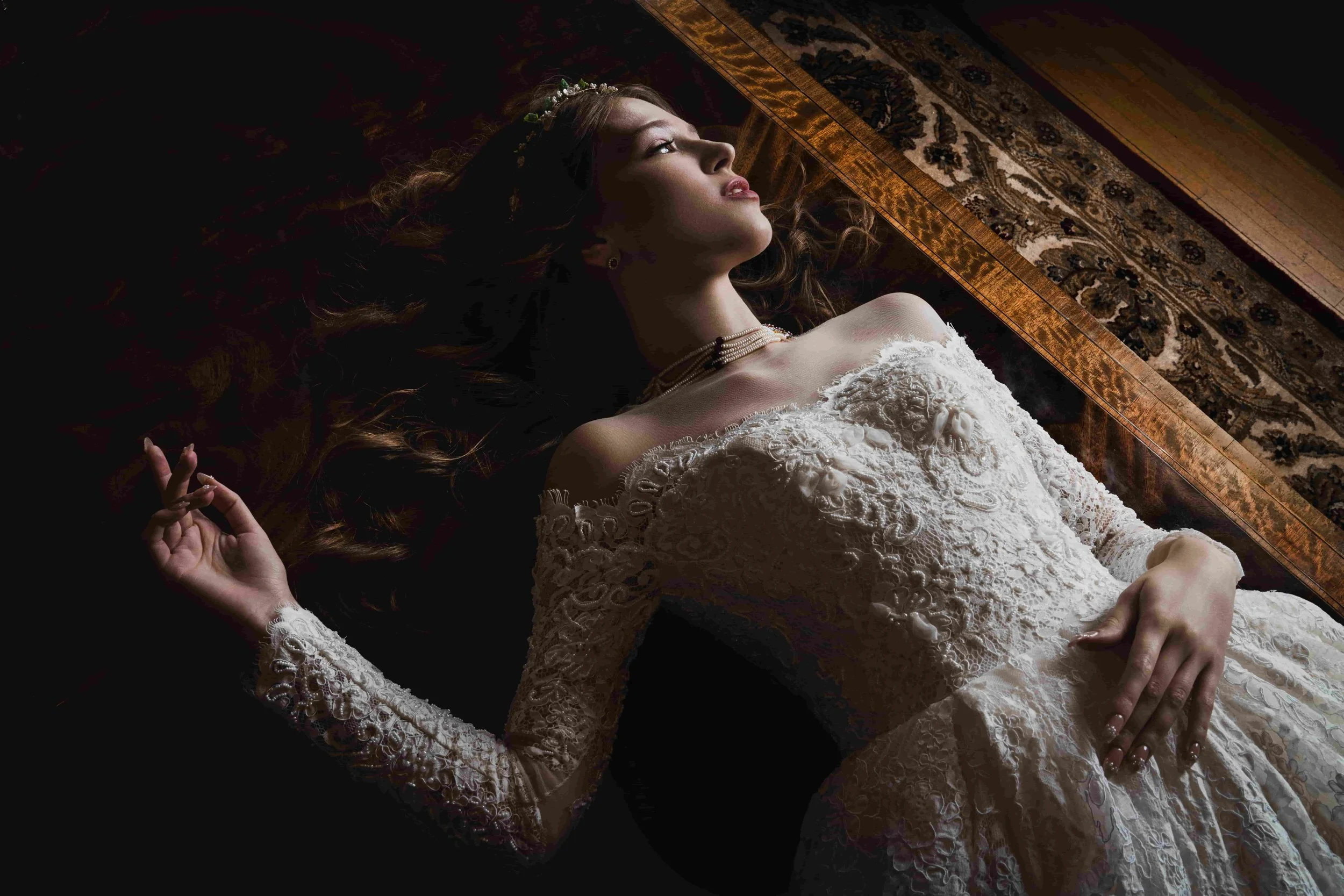
A first look is a private, staged moment before the ceremony where you see each other for the first time, photographed up close. It is optional, and it changes your timeline. A first look frees up portrait time before the ceremony and tends to produce relaxed, emotional frames because there is no audience. Skipping it preserves the traditional aisle reveal, where the reaction happens in front of everyone.
If you do a first look, the must-have frames are the approach from behind, the turn, the reaction on both faces, and a few quiet portraits immediately after while the emotion is still live. There is no wrong choice here, only a timeline difference your photographer will plan around.
Ceremony photos you cannot reshoot
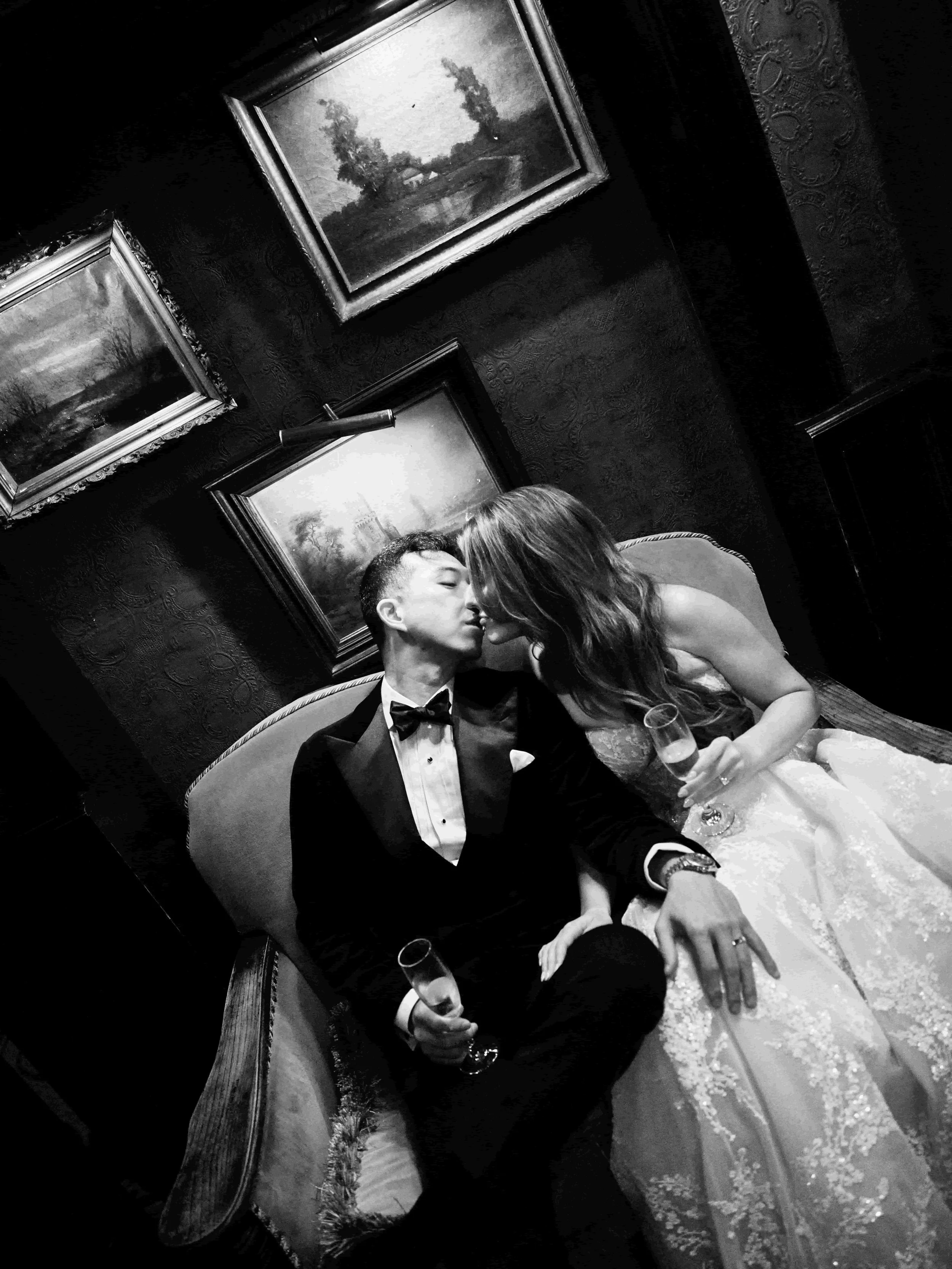
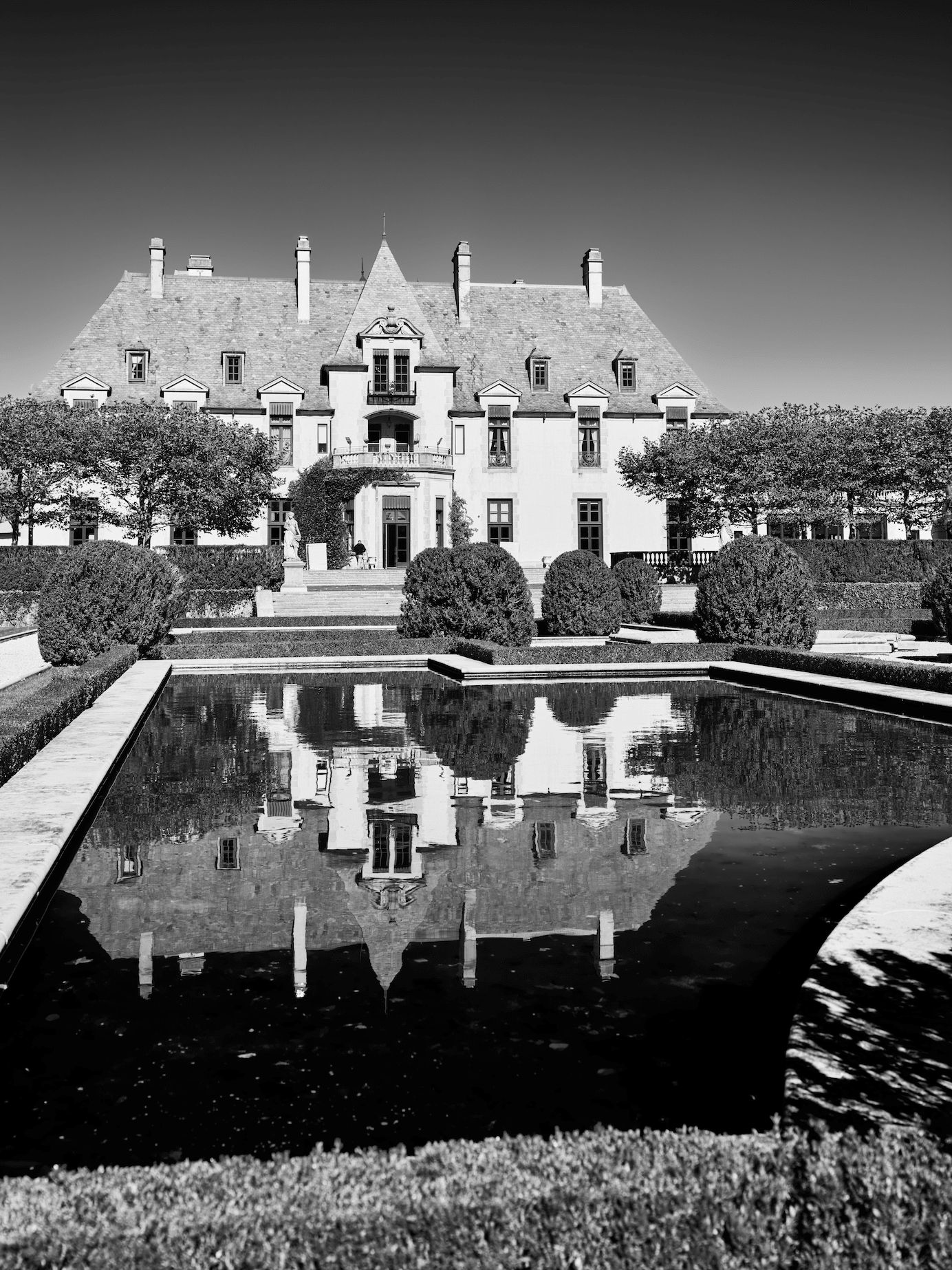


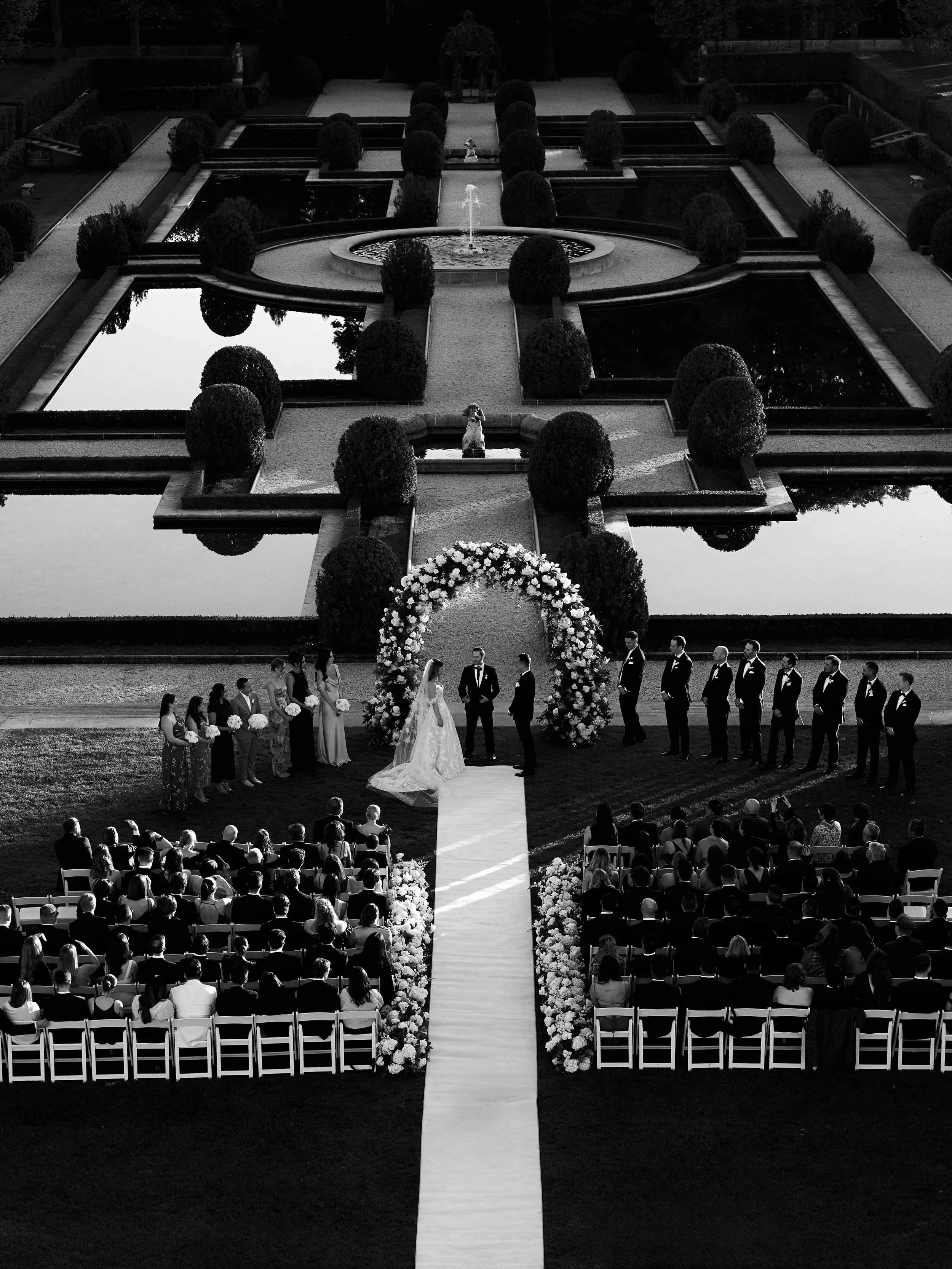
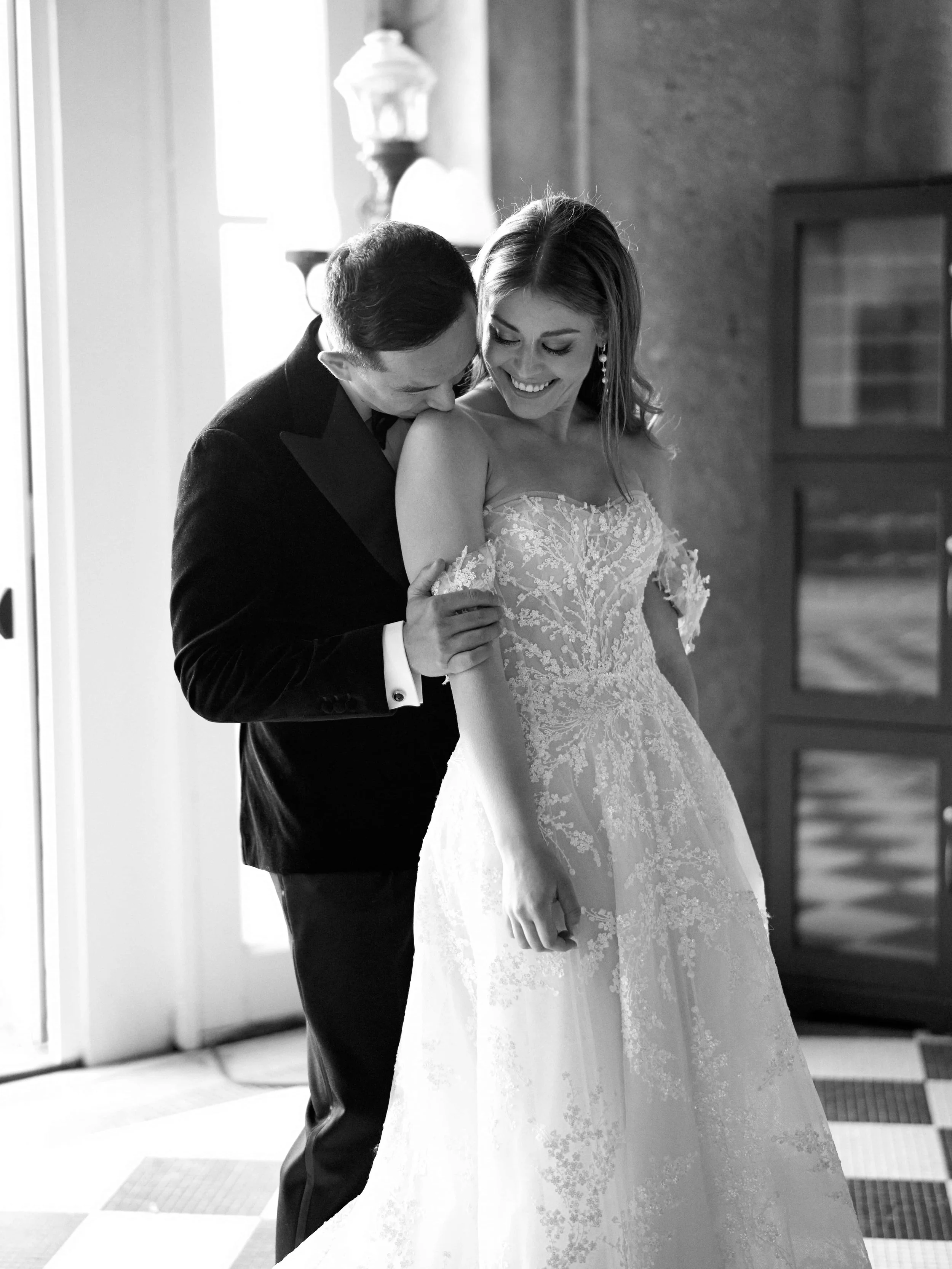
The ceremony is the one part of the day that is truly non-repeatable, and it is usually the shortest. Coverage here is about being in the right position for moments that last seconds.
The processional, including each partner's walk down the aisle and who is walking them
The face of the person waiting, the moment they see their partner
Wide frames of the full venue and ceremony setup with guests seated
The vows, shot tight on faces and hands
The ring exchange
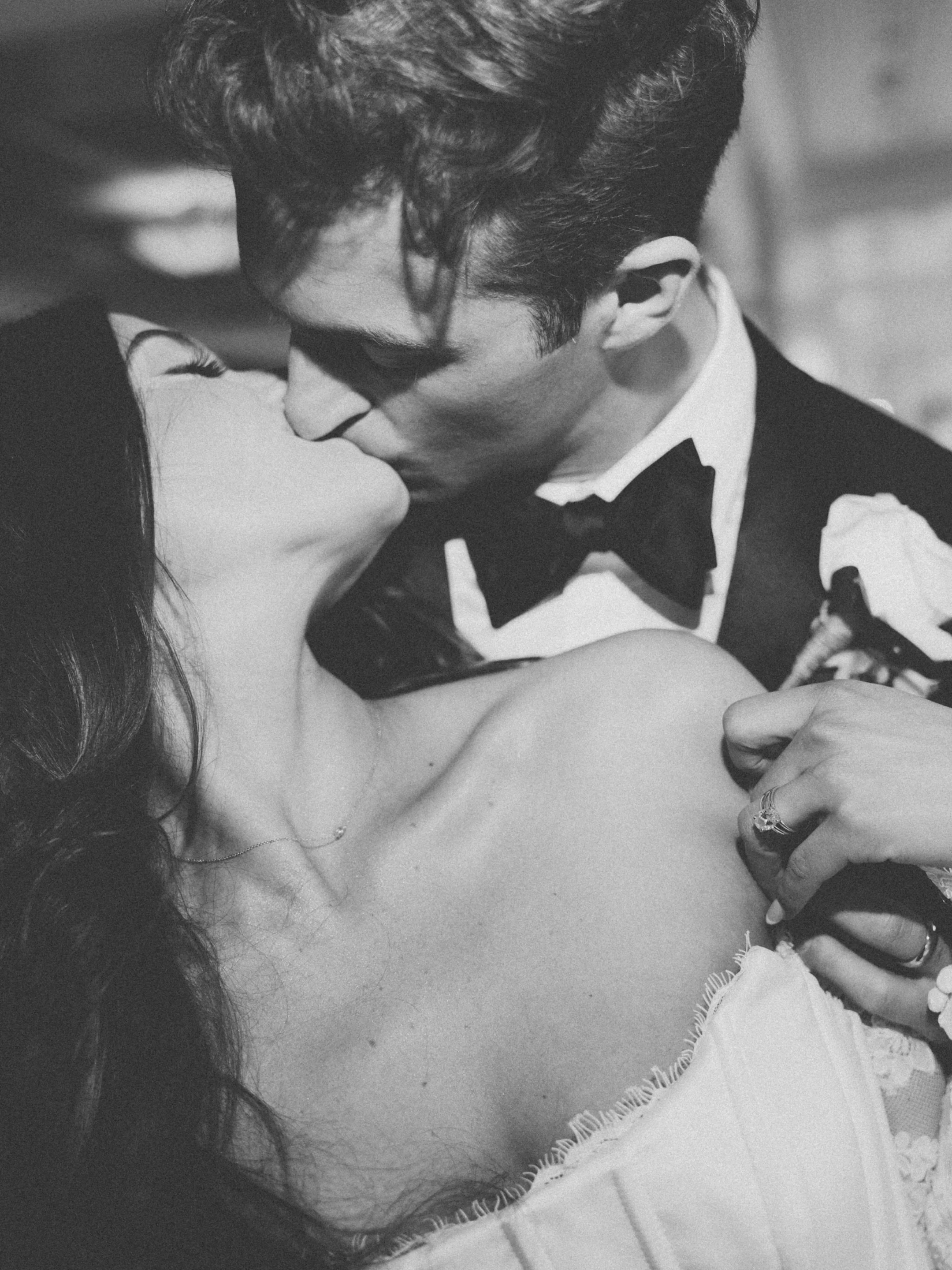
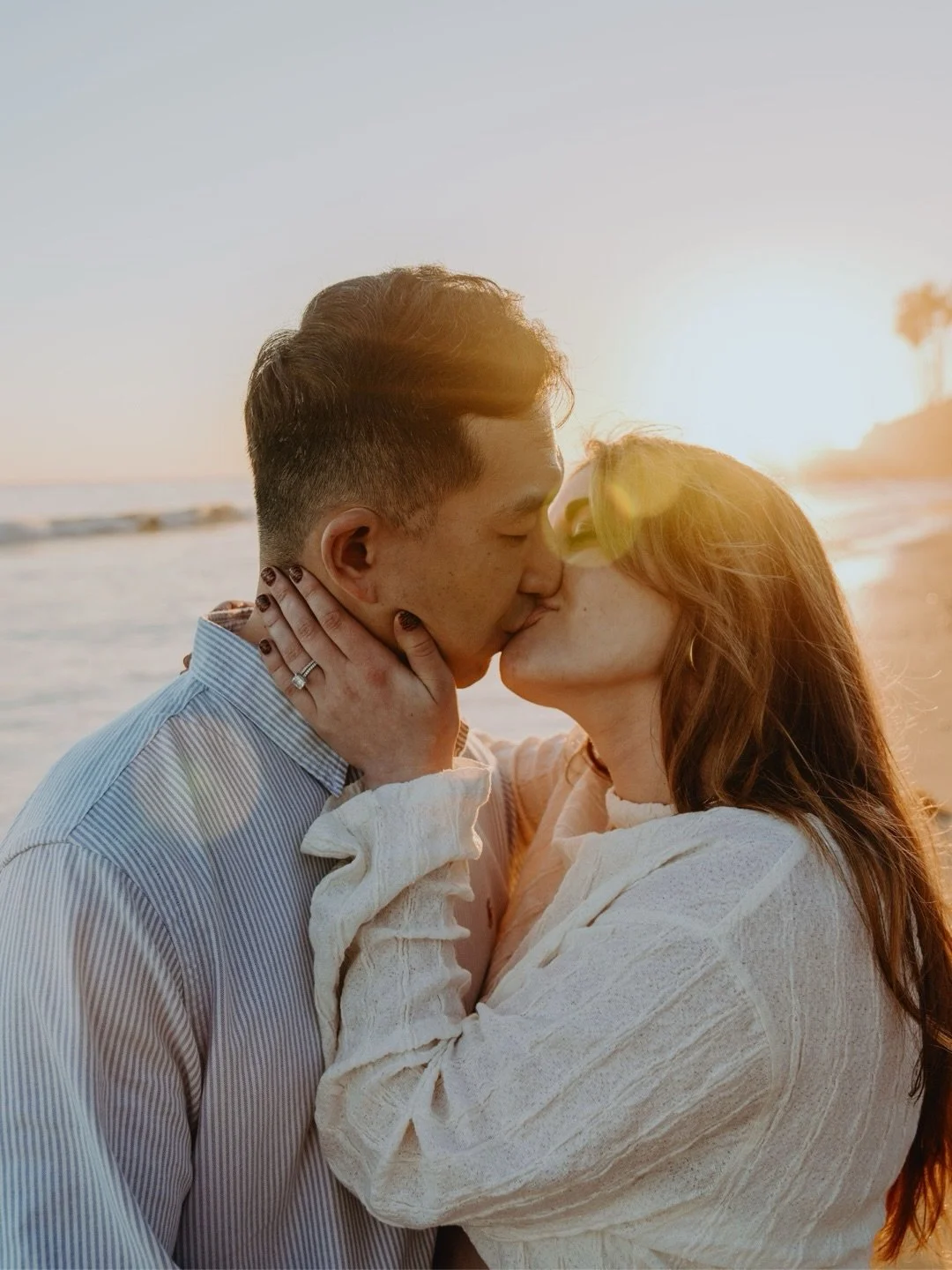
The first kiss, framed cleanly with no heads in the way
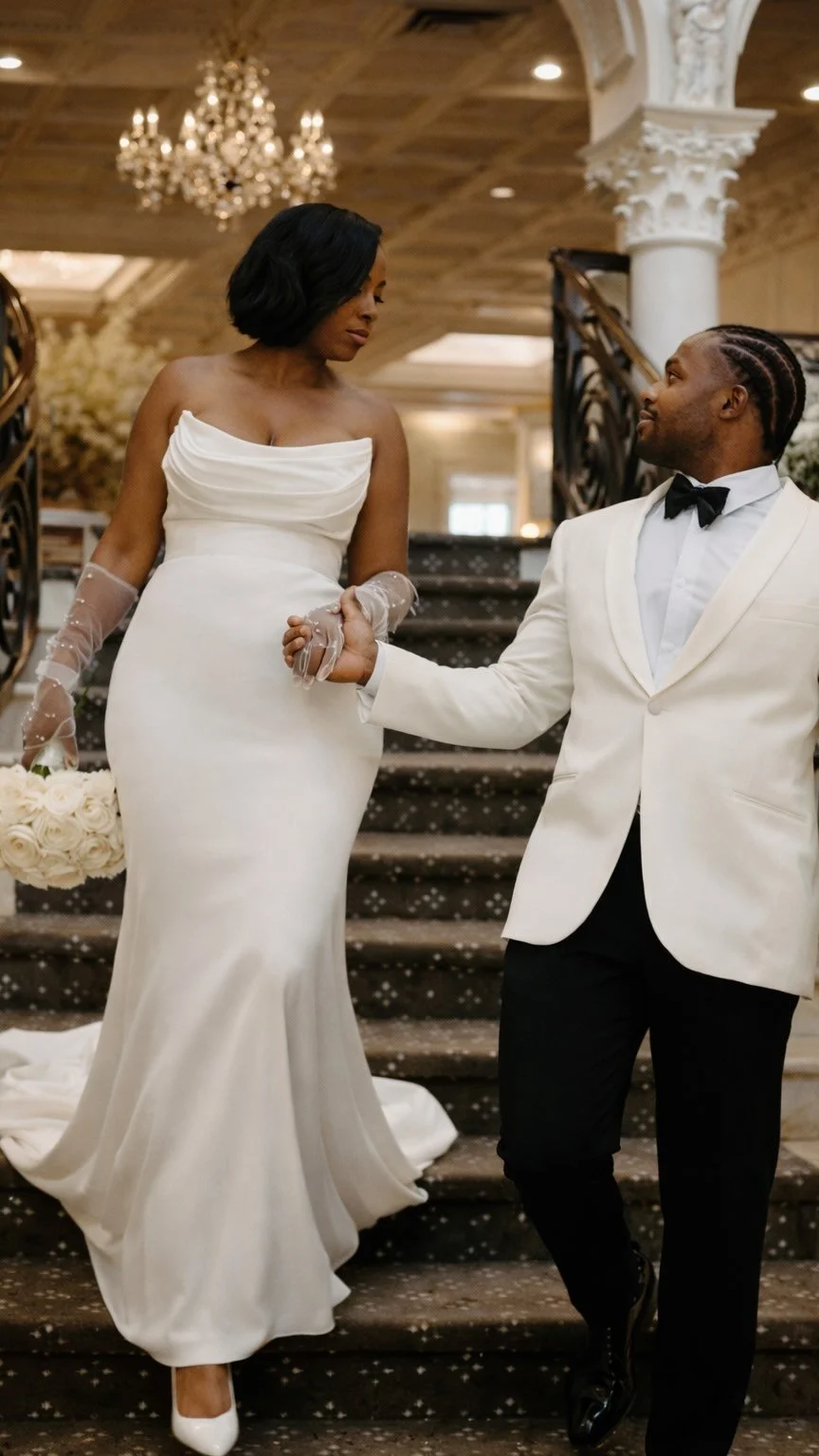
The recessional, the walk back up the aisle as a married couple
Reaction shots from parents and guests during the key moments
Who this block is for: everyone. If your venue or officiant restricts photographer movement or flash, tell your photographer in advance so they can plan lenses and positions around it. Houses of worship and some city venues have real rules here.
Portrait photos: the couple, the wedding party, the families


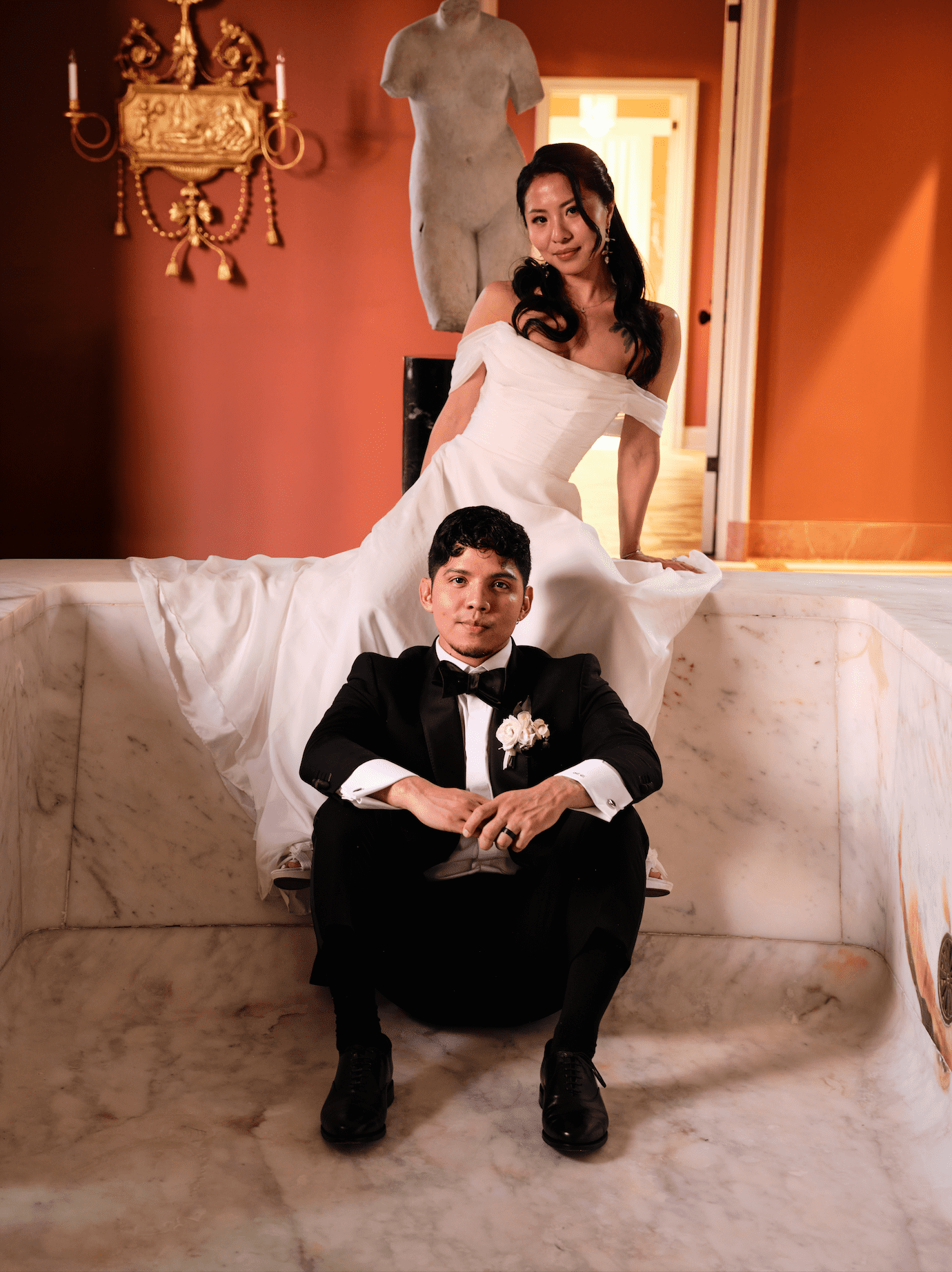
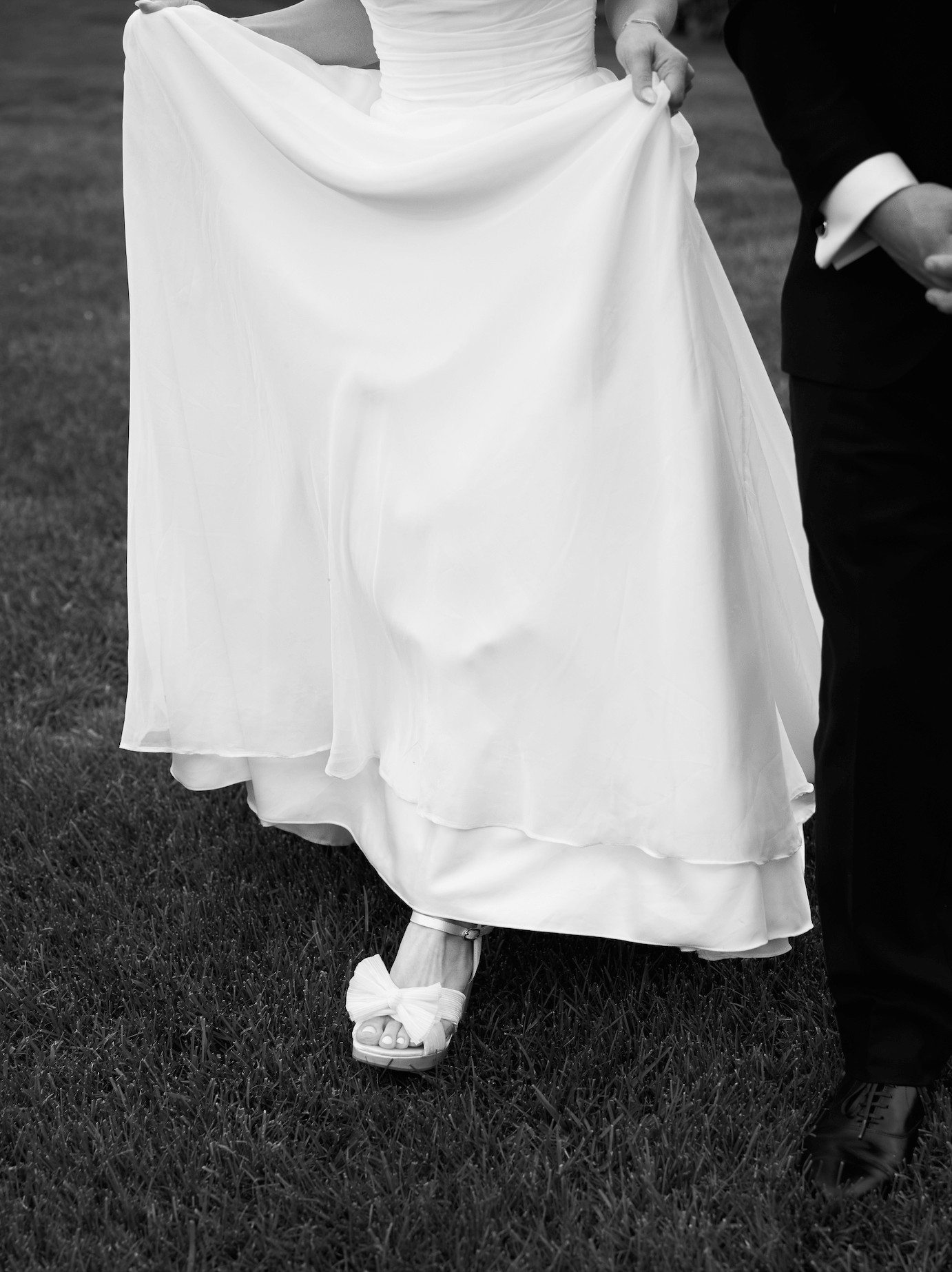
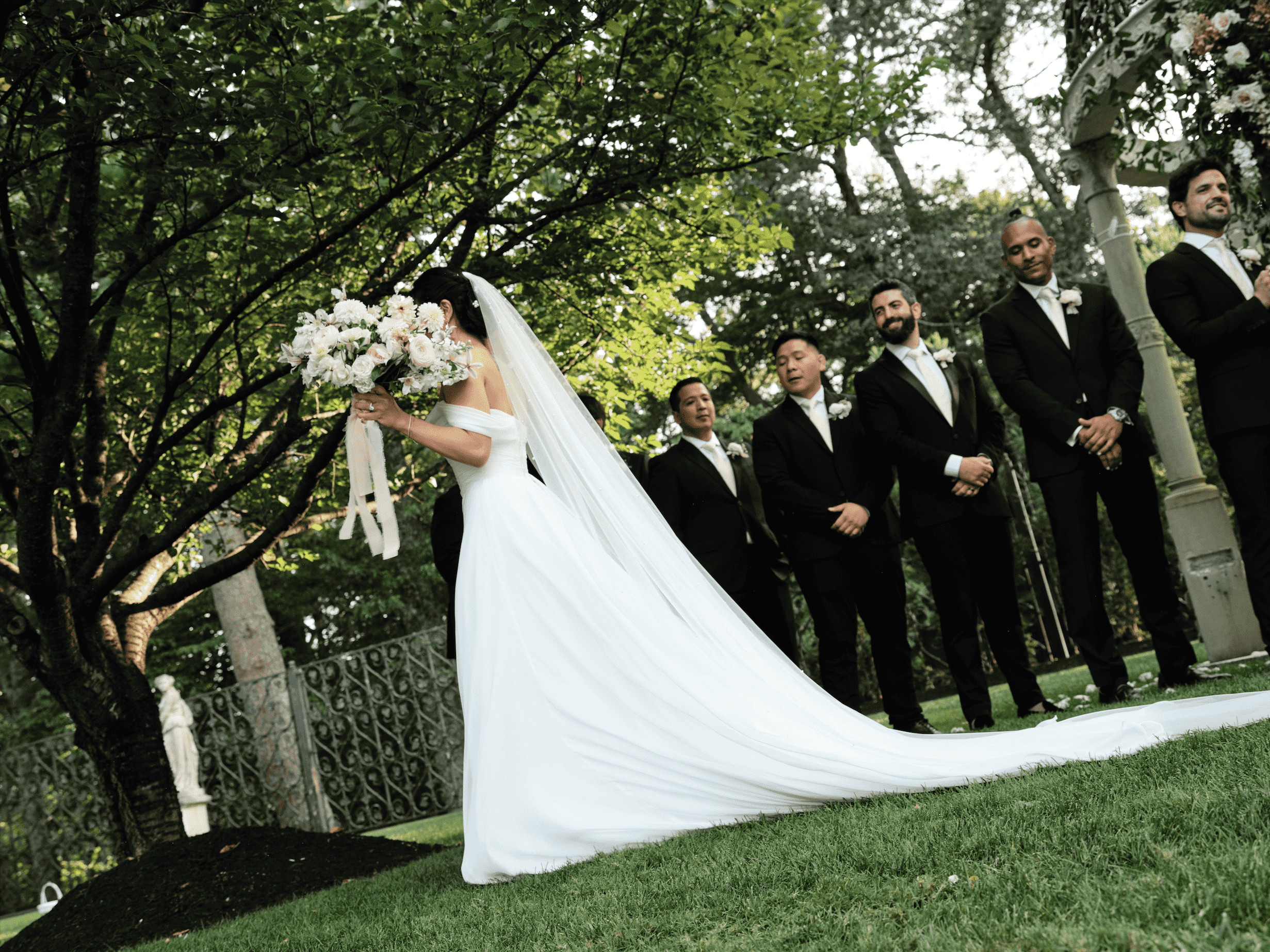
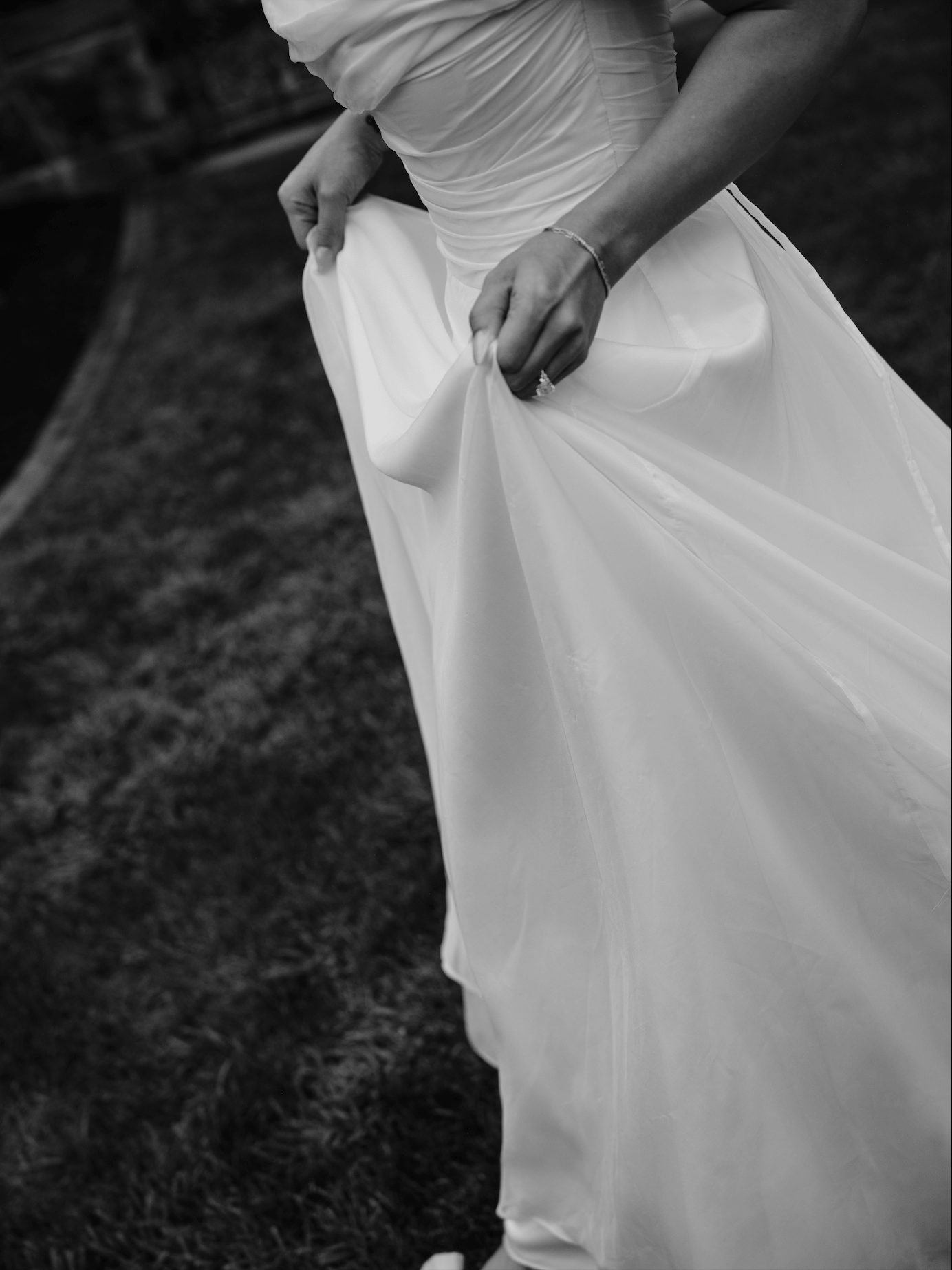
Portraits are where a shot list earns its keep, because this is the most organized and time-pressured part of the day. Three groups to plan for.
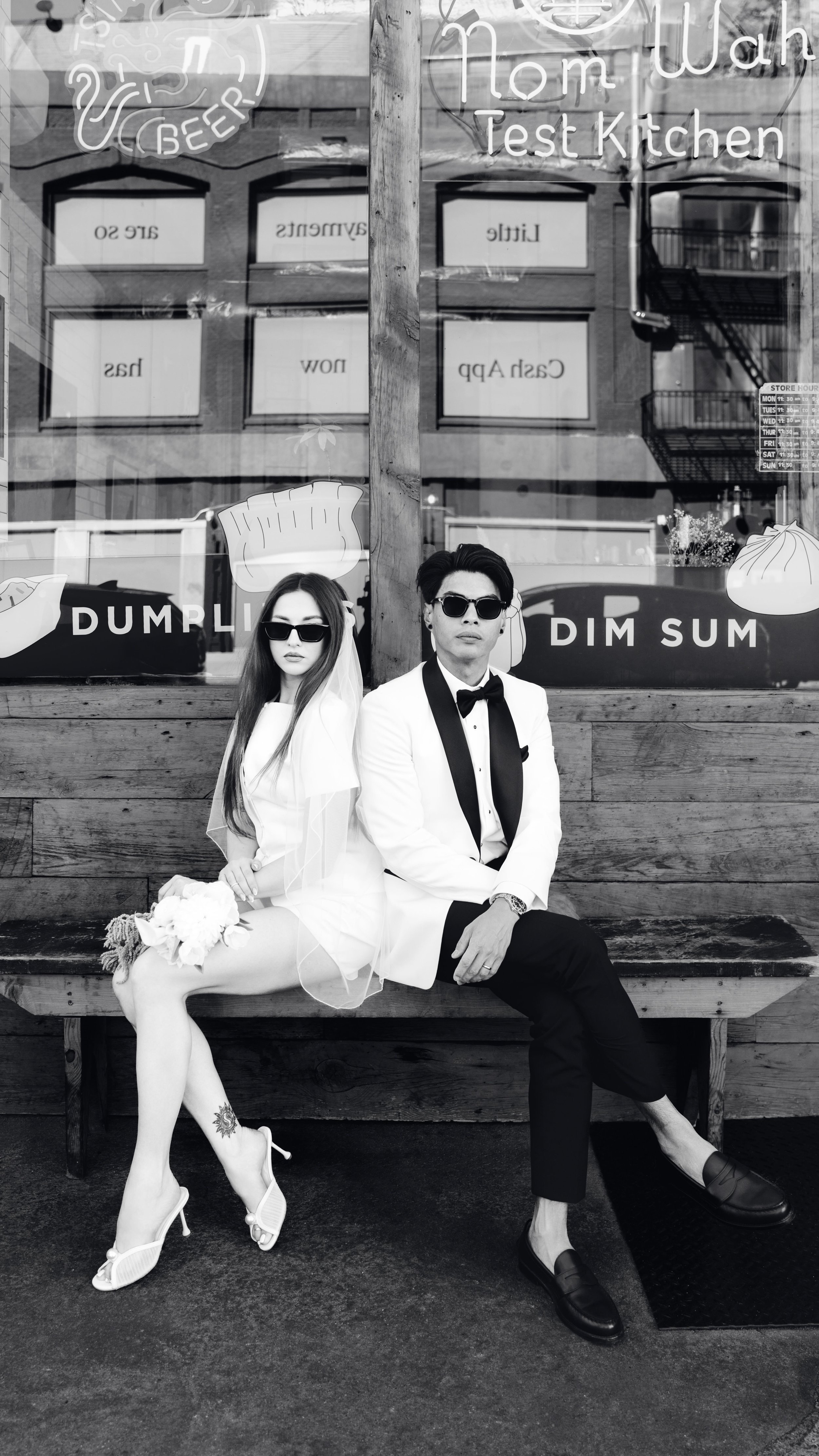
Couple portraits are your headline images. Budget 20 to 45 minutes, ideally in good light, away from the crowd. These are the frames that end up framed on the wall.
Wedding party portraits cover the full group, then each side, then a few candid or movement-driven frames so it does not look like a lineup.
Family groupings are where things slow down if you are not organized. Keep formal family photos to roughly 15 groupings so the whole set stays near 30 minutes. List each grouping by first name and relationship so your photographer can call names directly instead of guessing who belongs where.
A workable family list looks like this. Aim for around 15 rows total, each written by name so your photographer can call people directly.
| Grouping | Who is in it | Priority |
|---|---|---|
| Couple + partner A's parents | Both of you, their mom and dad | Must-have |
| Couple + partner B's parents | Both of you, their mom and dad | Must-have |
| Couple + both sets of parents | Both of you, all four parents | Must-have |
| Couple + immediate family, side A | Parents and siblings | Must-have |
| Couple + immediate family, side B | Parents and siblings | Must-have |
| Couple + grandparents | Any living grandparents | High (often irreplaceable) |
| Couple + extended family, side A | Aunts, uncles, cousins | Optional |
| Couple + extended family, side B | Aunts, uncles, cousins | Optional |
| Meaningful / chosen-family groupings | Godparents, a late relative's spouse, chosen family | Your call |
Tell the family members who are in these photos to stay put right after the ceremony. The most common reason portraits run long is that half the list has wandered into cocktail hour.
Reception photos: the part that feels like a film
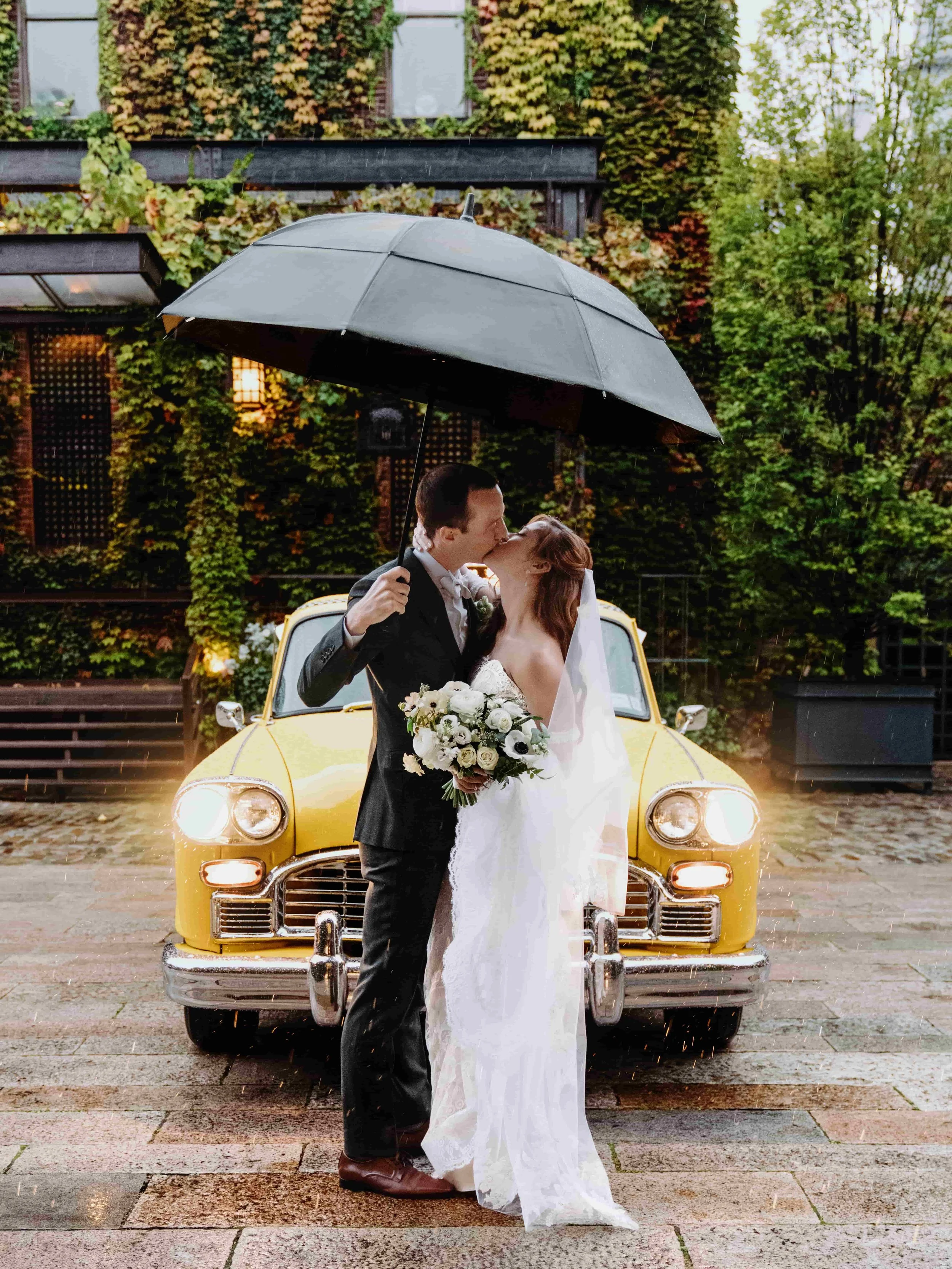
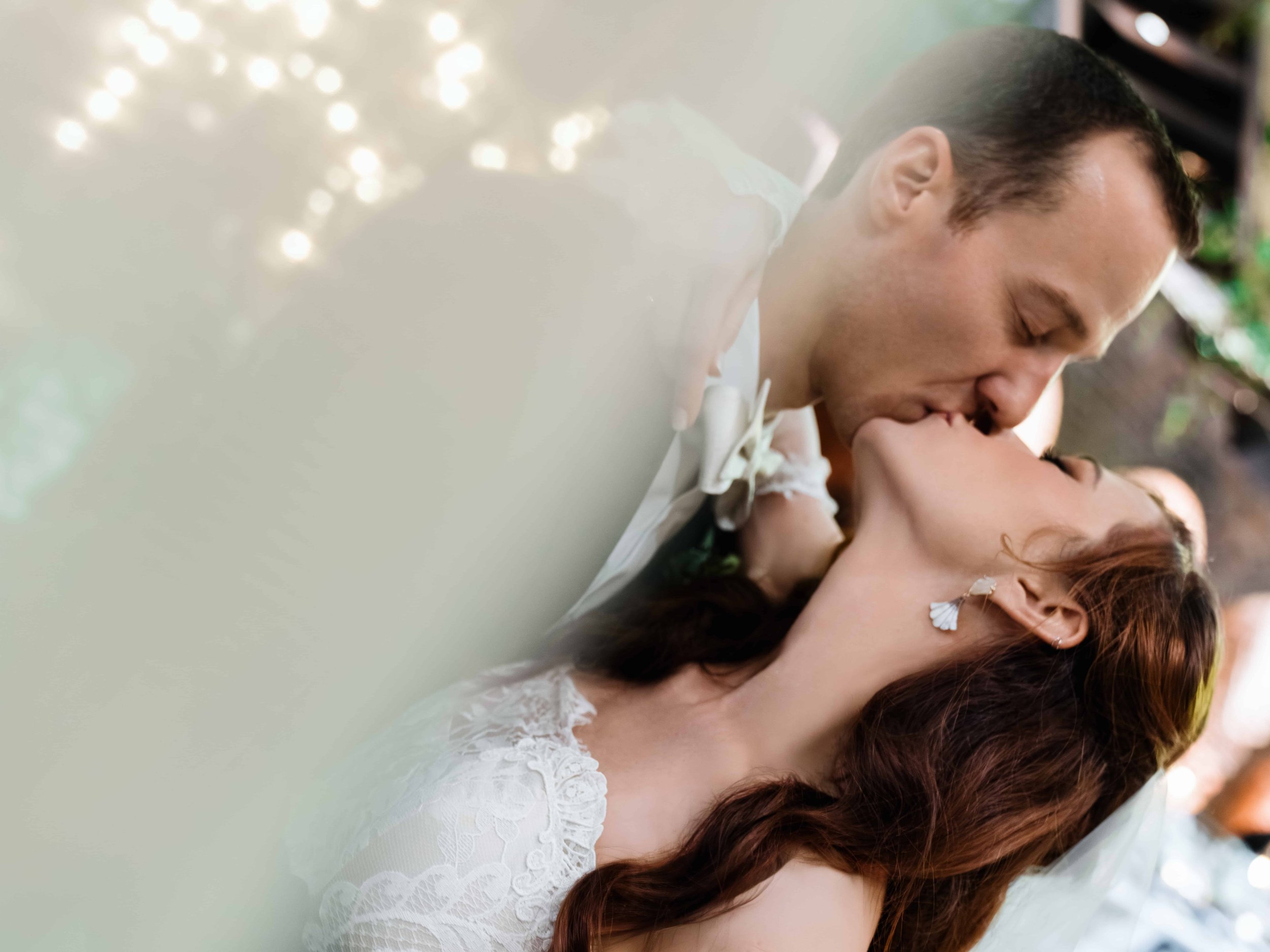
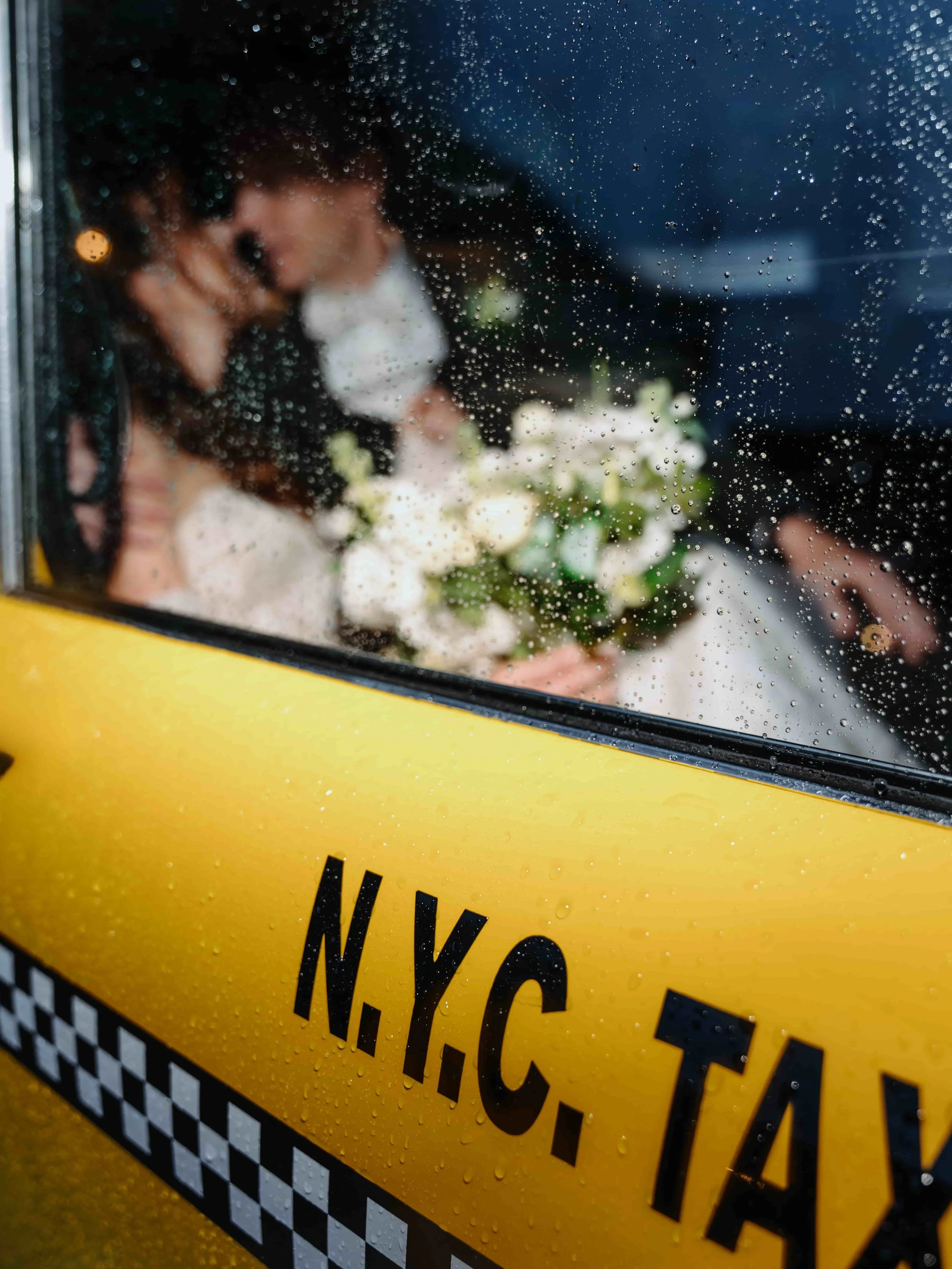
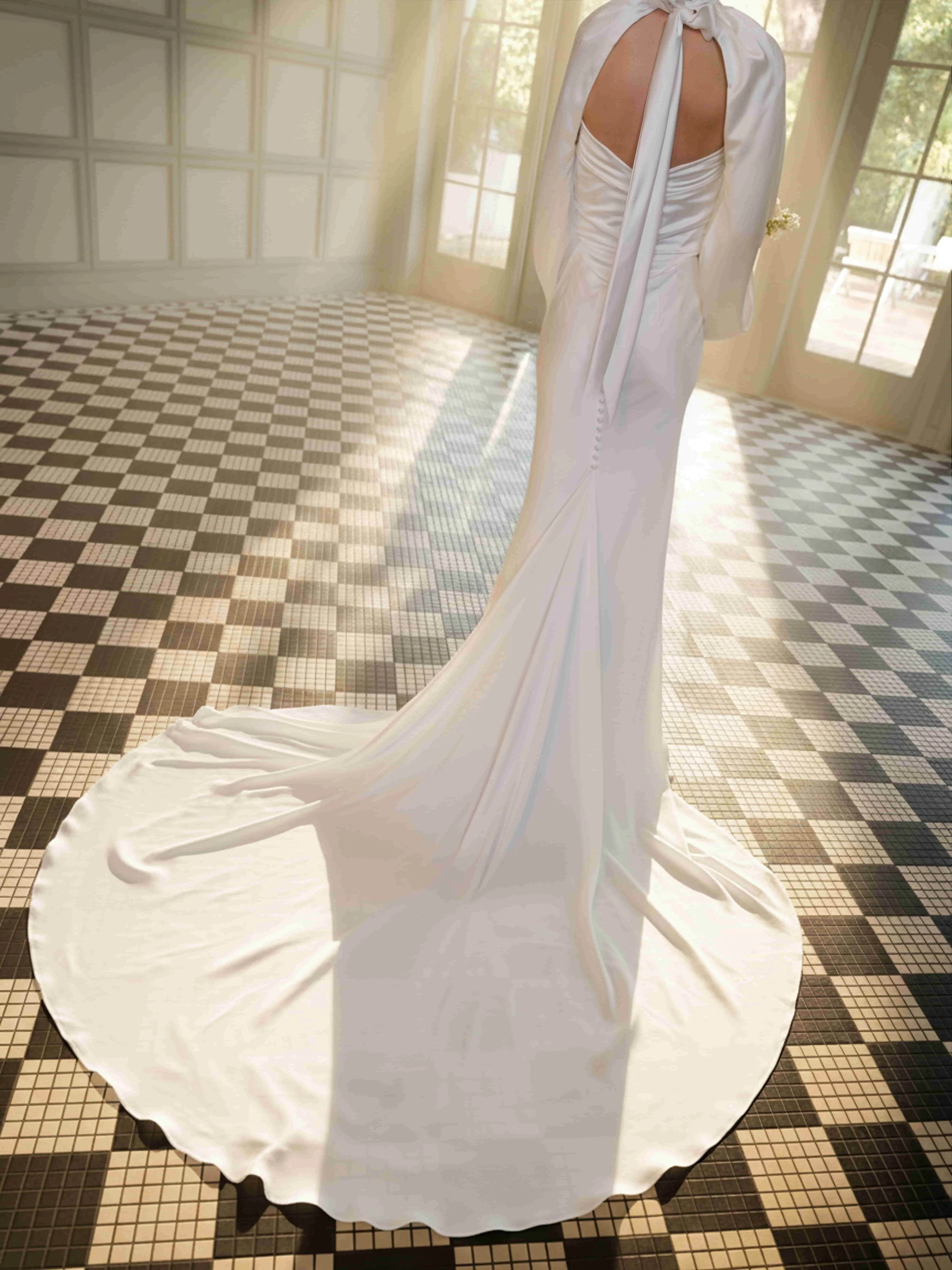
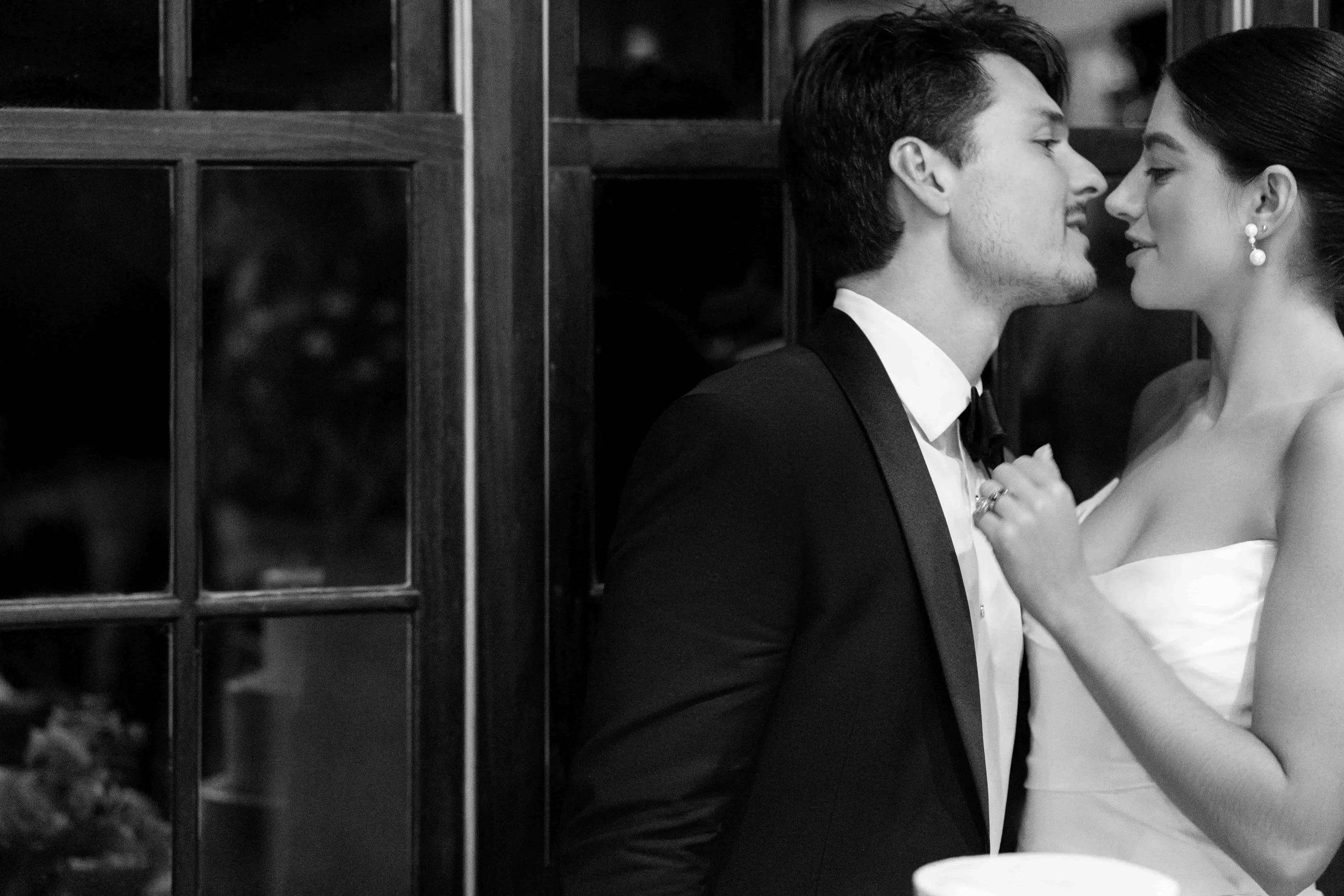
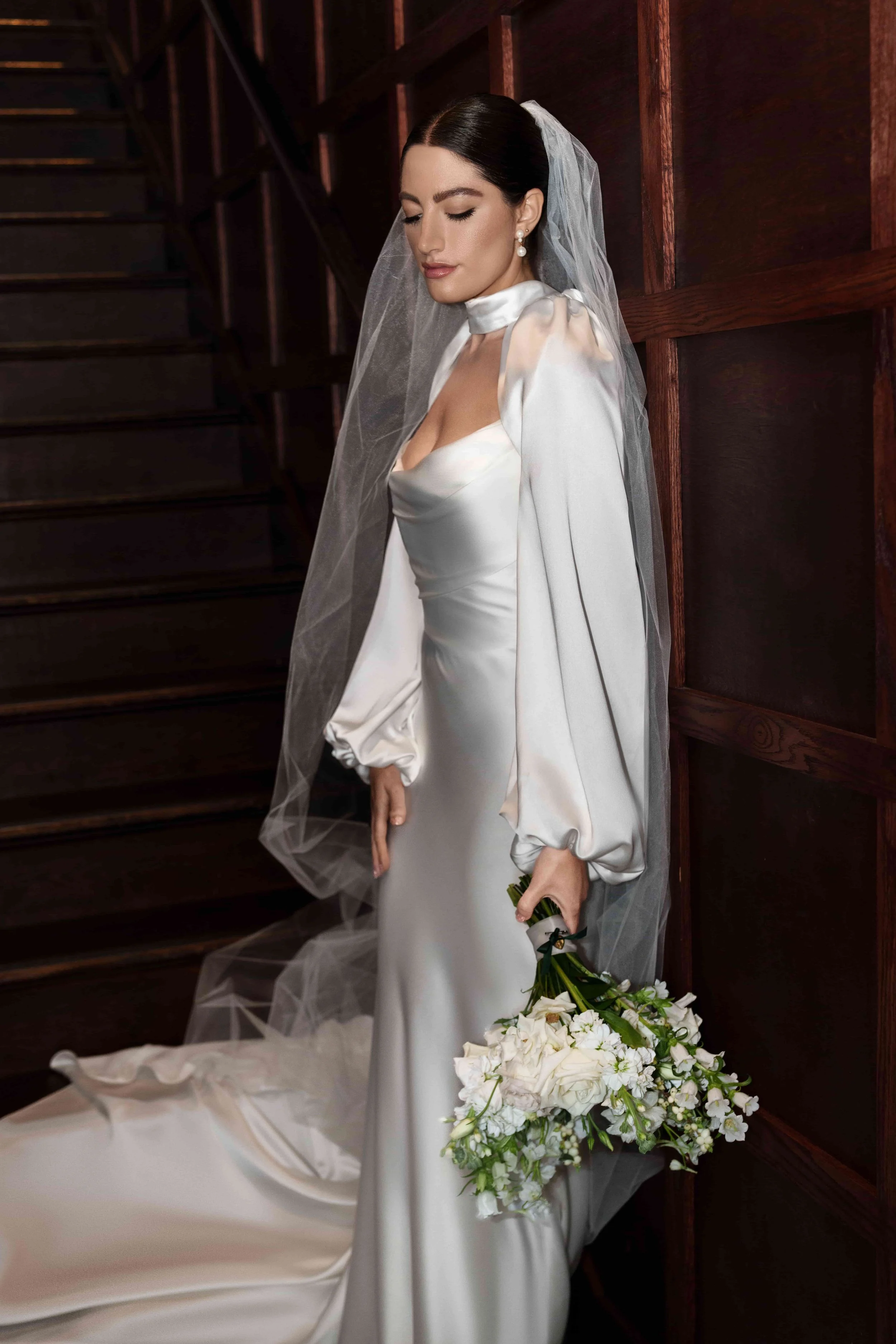
The reception is where structure gives way to energy, and the must-have list balances planned beats with candid coverage.
The grand entrance
The first dance
Parent dances (father-daughter, mother-son, or whatever fits your family)
Toasts, shot on both the speaker and the couple's reactions
The cake cutting
Detail frames of the room, tablescape, florals, and signage before guests enter
Candid dancing, the dance floor at full energy
Quiet in-between moments: a hug, a laugh, the two of you stealing a second alone
The send-off, if you are planning one (sparklers, car, confetti)
Who this block is for: couples who want the reception to read as a story with movement and sound, not a series of posed setups. If dancing and atmosphere matter more to you than formal coverage, tell your photographer to weight their time toward candids.
How to build and share your must-have wedding photos list
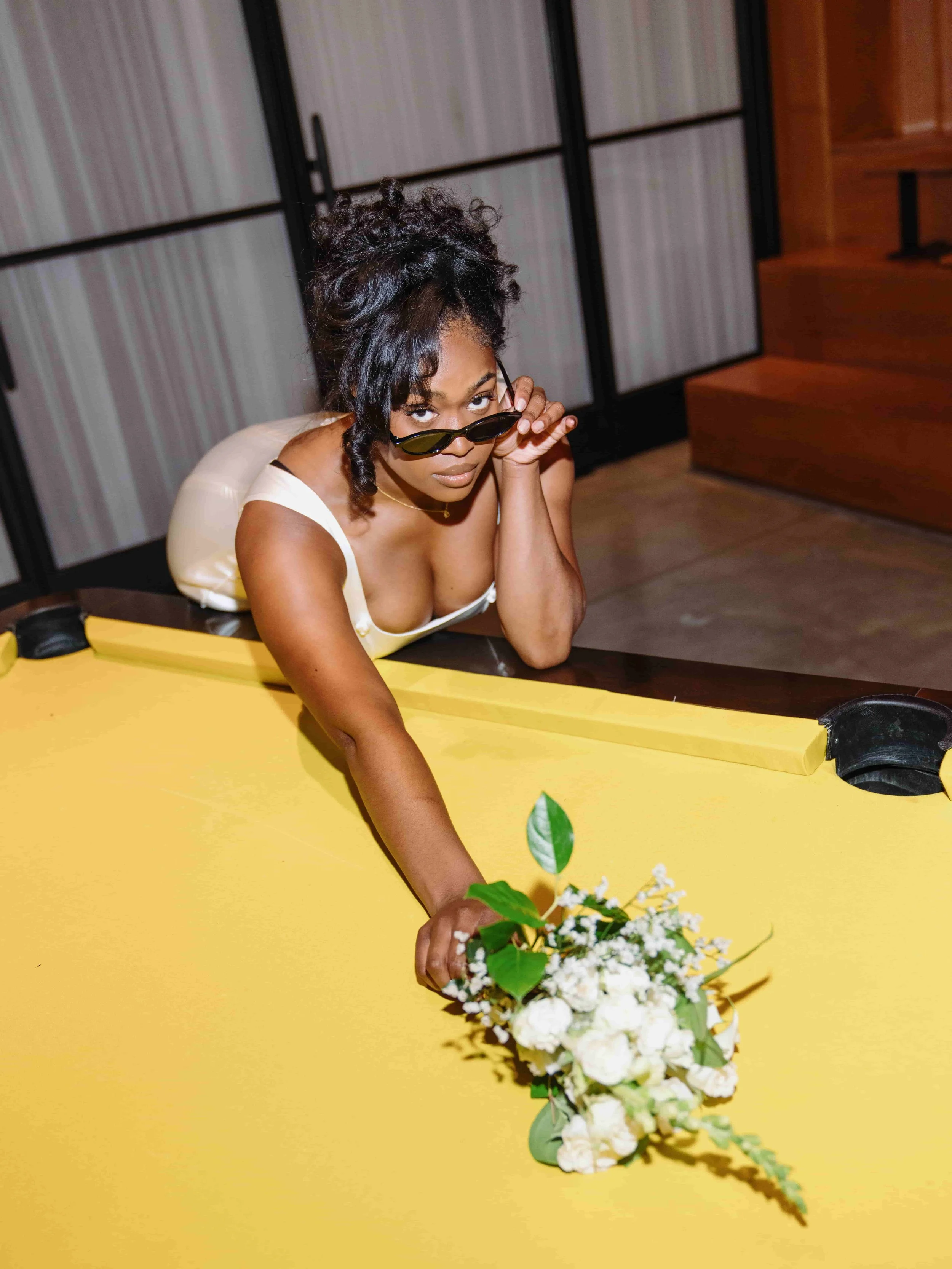
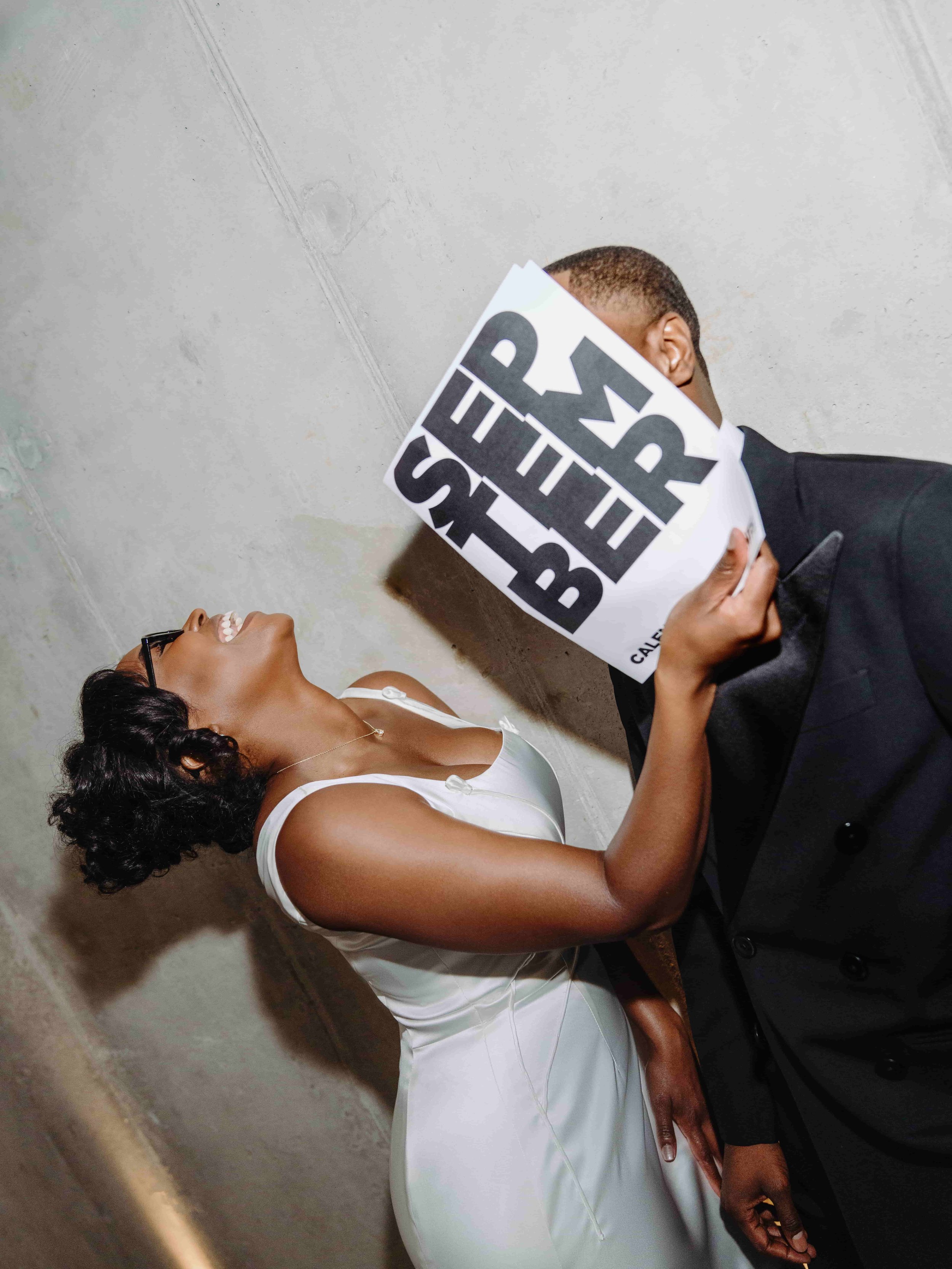
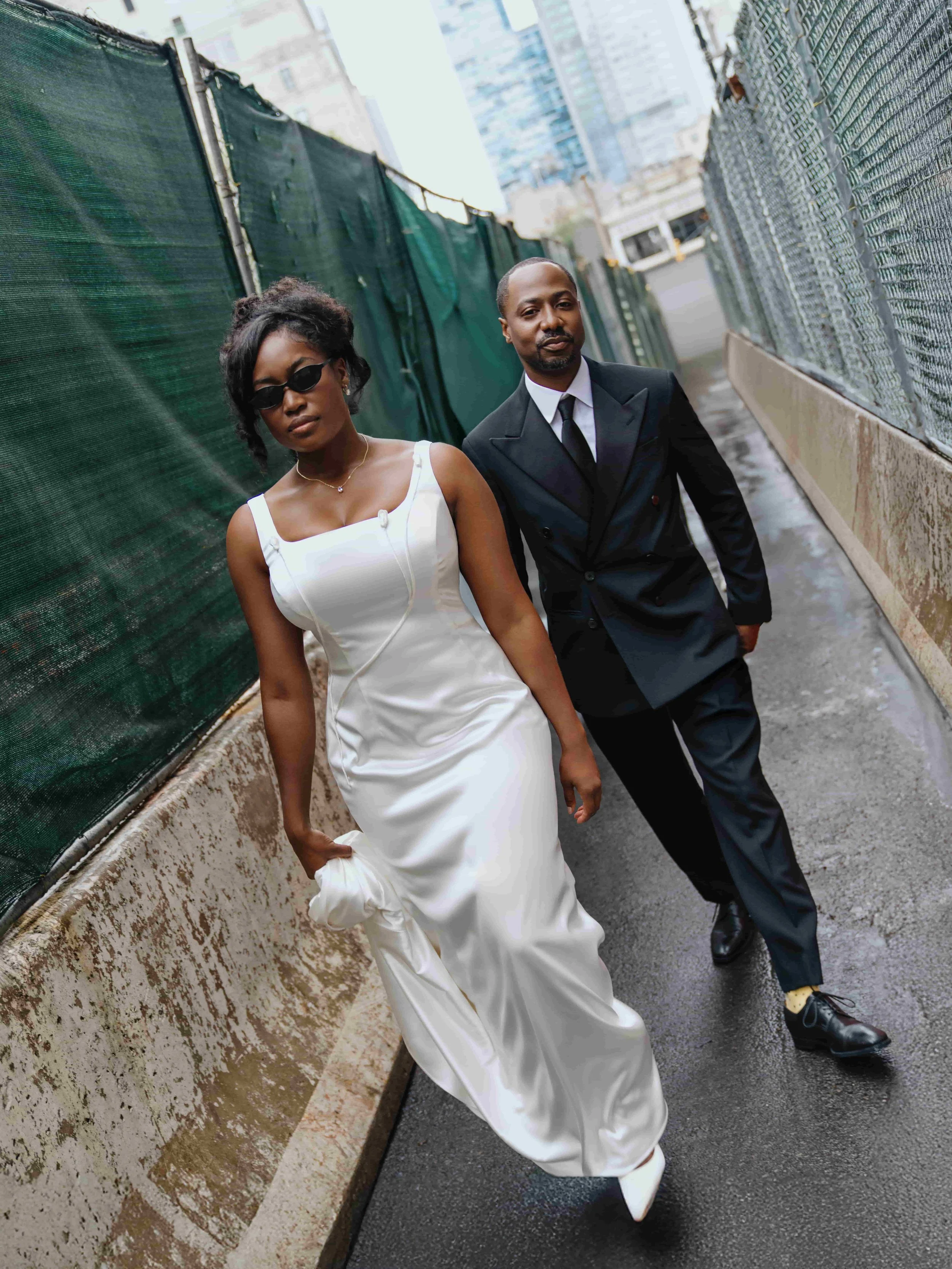
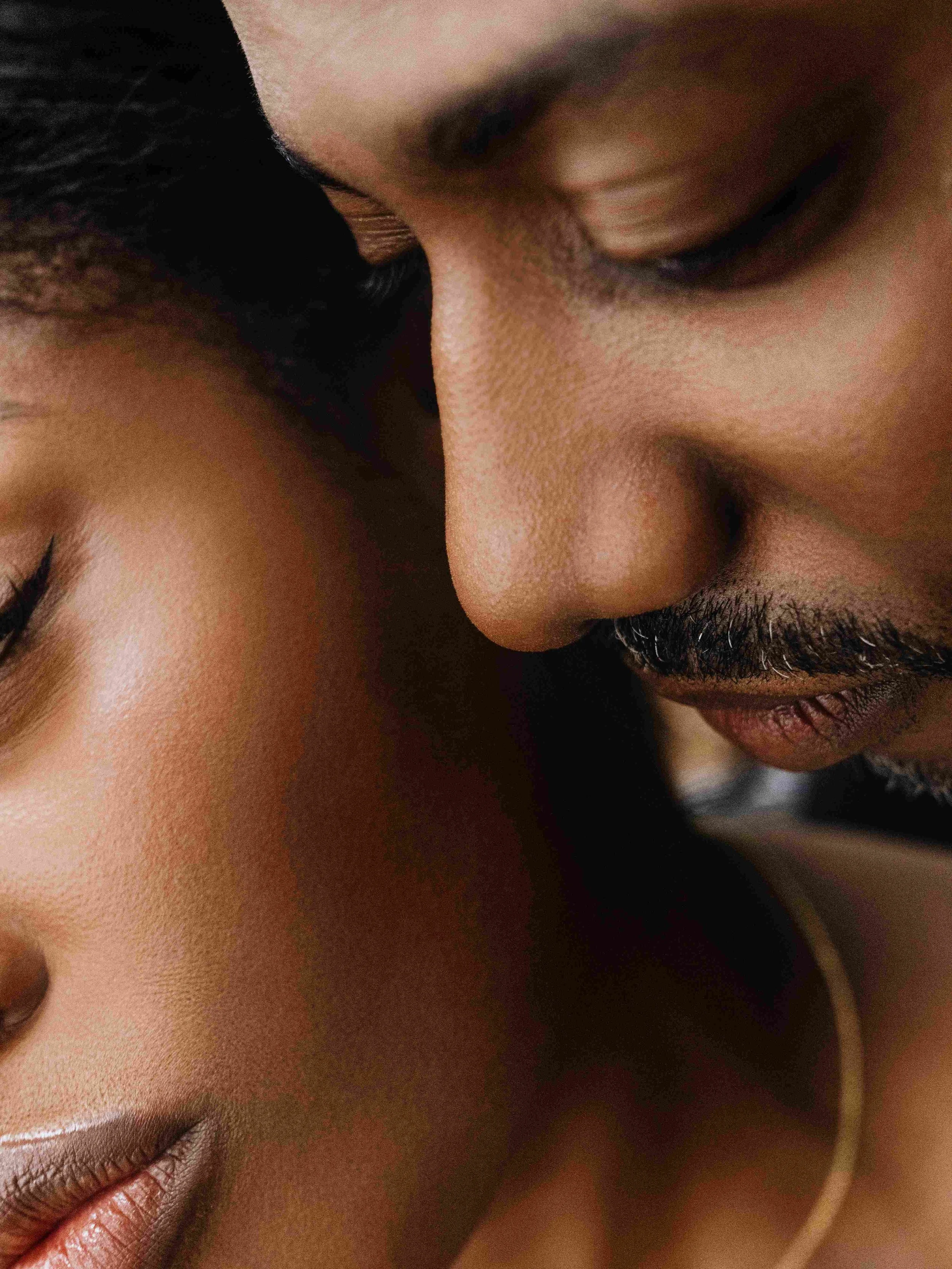
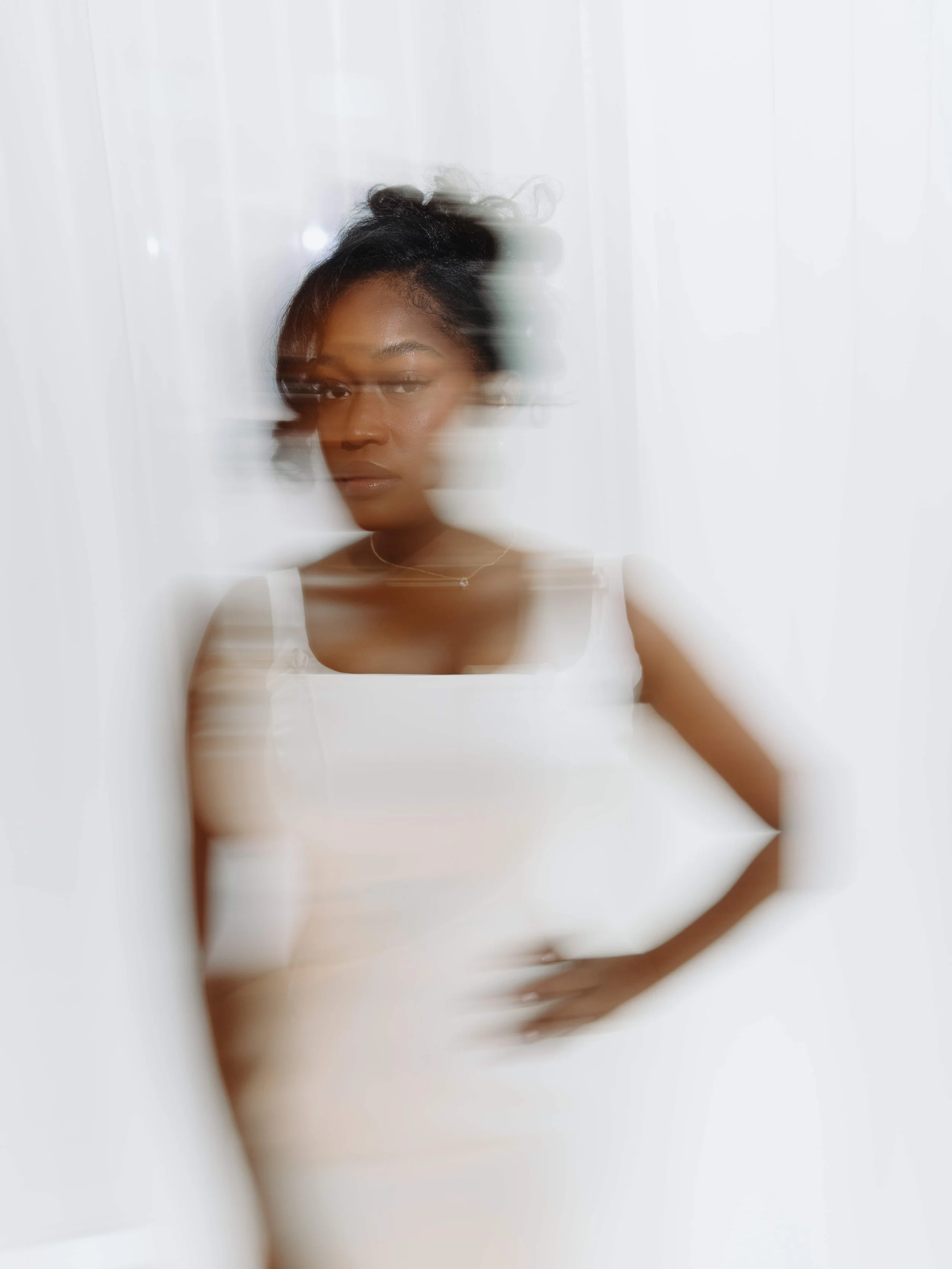
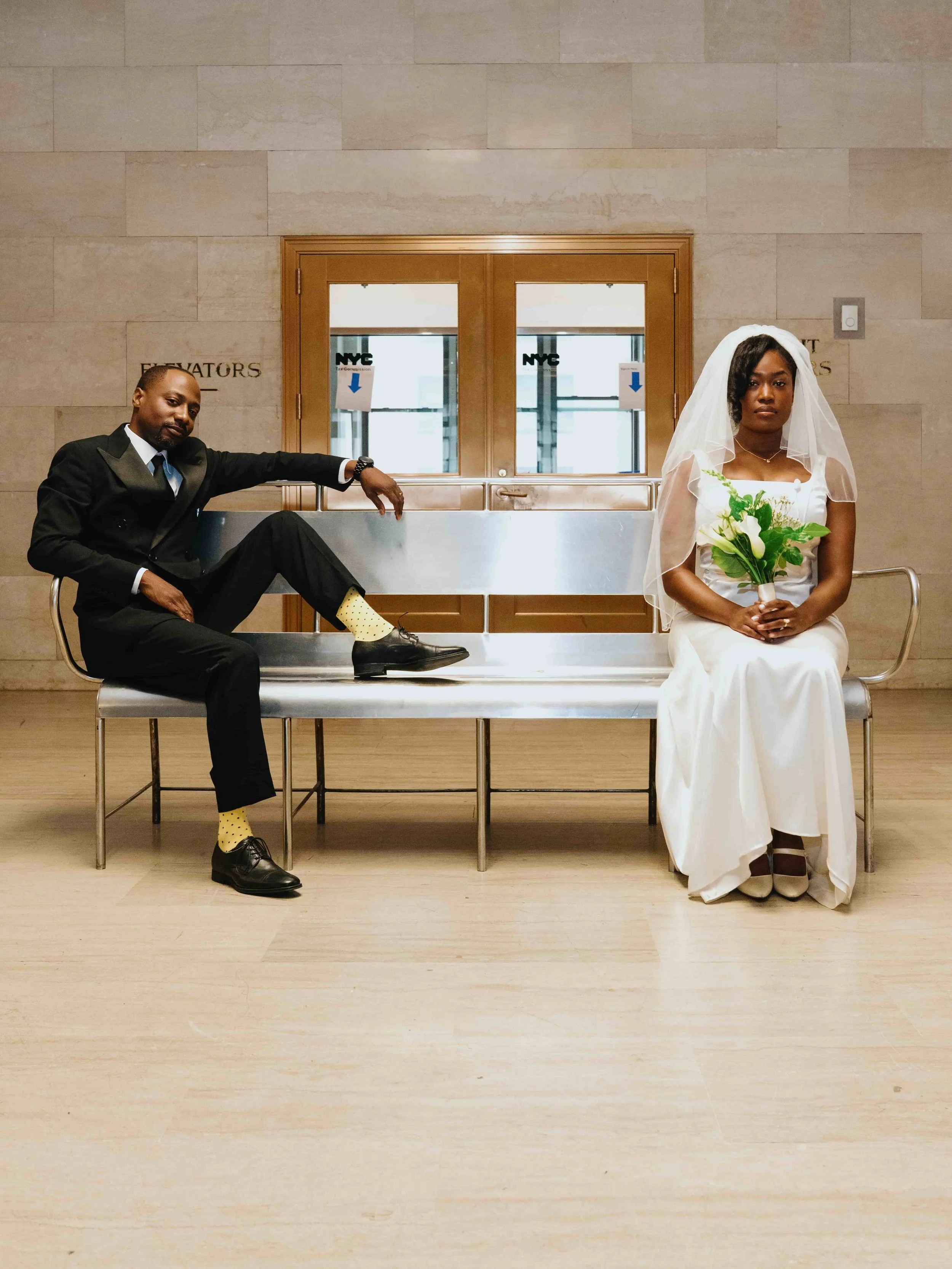
Keep it practical. A list that is too long stops being useful, because everything becomes a priority and nothing does.
Start from the five blocks above and delete anything that does not apply to your day.
Add the private, irreplaceable shots: specific people, heirlooms, and once-only family combinations.
Cap formal family groupings near 15 and write each one by name and relationship.
Flag your top 5 absolute must-haves so your photographer knows what to protect if the timeline slips.
Send the finished list two to three weeks before the wedding, then talk through it once.
A focused list of 30 to 50 prioritized shots works far better than a 200-line spreadsheet pulled from the internet. Your photographer is already capturing the day. The list exists to catch the handful of moments only you know to ask for.
Printable must-have shot list
Getting ready: dress in window light, rings and details, hair and makeup, help with the dress or veil, the first reaction, a portrait of each of you ready
First look (optional): the approach, the turn, both reactions, a few quiet portraits after
Ceremony: processional, the person waiting, a wide shot of the venue, vows, ring exchange, first kiss, recessional, parents' reactions
Portraits: couple portraits, full wedding party, each side, about 15 family groupings written by name
Reception: entrance, first dance, parent dances, toasts and reactions, cake cutting, room details before guests enter, dancing, send-off
Your top 5: the moments to protect if the timeline slips
How Arrakis Films approaches the shot list
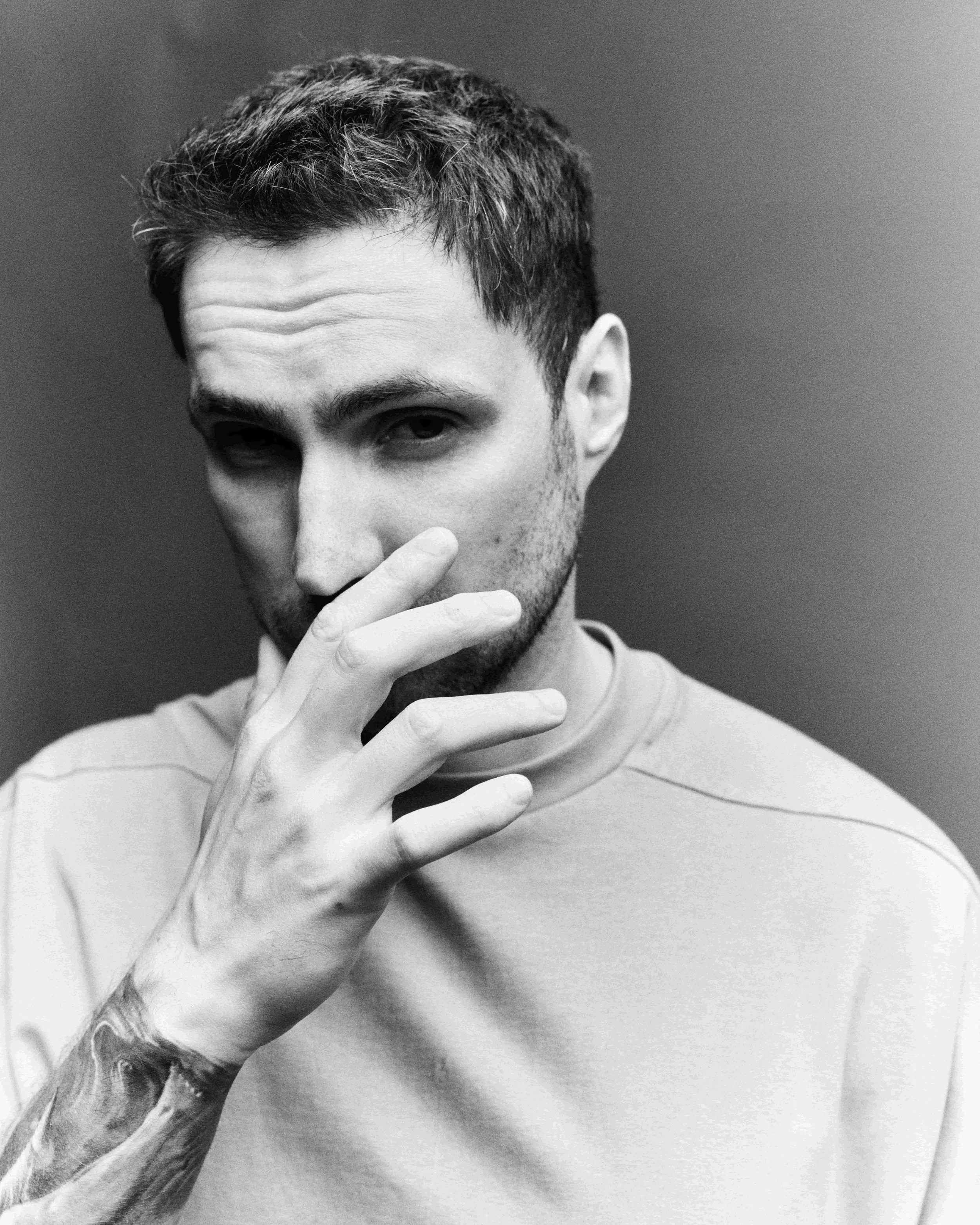

Send us your list and we will plan the day around it.
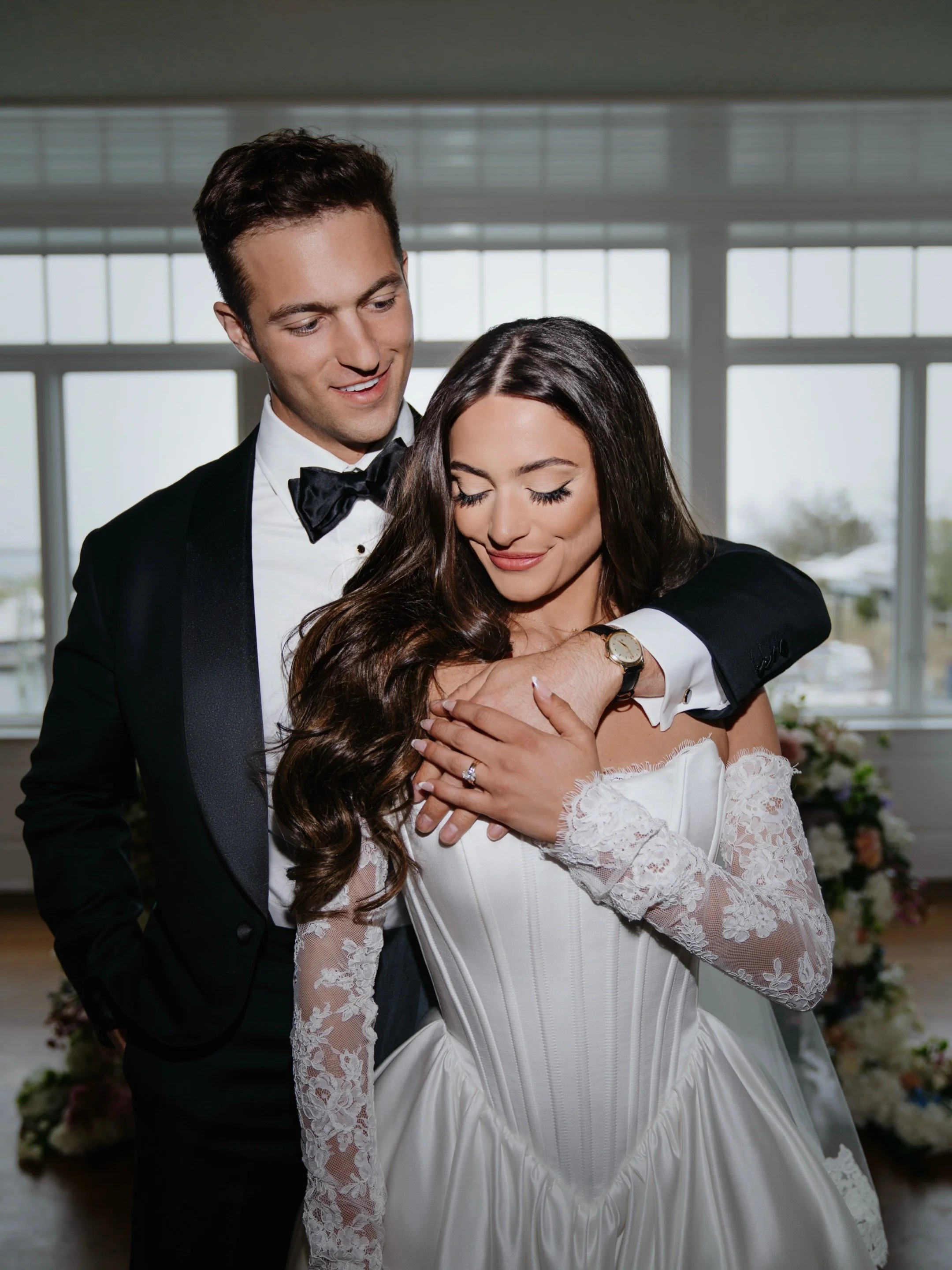
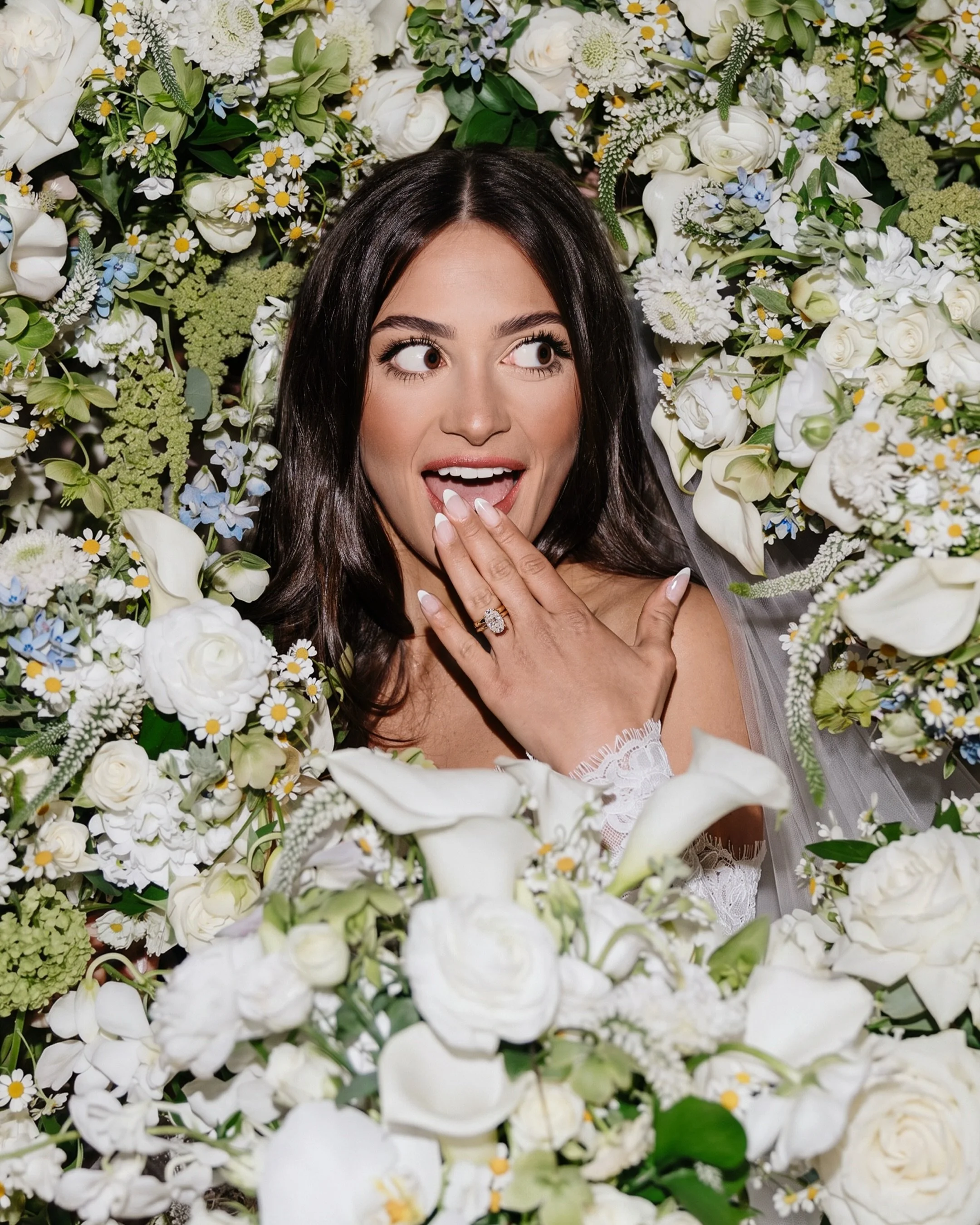
We shoot weddings as one continuous story, photography and film operating as a single language, which changes how we use a list. We treat your must-haves as the non-negotiable spine of the day, then build the connective tissue, the candid and cinematic frames, around them. Manual focus pulls for the emotional close-ups, layered framing through florals and doorways for depth, and a documentary eye for the moments nobody scheduled. The list guarantees the photos you asked for. Our job is to also bring back the ones you did not know to ask for. You can see how this works in full galleries from weddings we photographed at The Plaza, Oheka Castle, The William Vale and 1 Hotel Brooklyn Bridge. On 8- and 10-hour coverage two photographers split the list, so both getting-ready rooms and the guests' reactions at the ceremony are covered at the same time. The finished gallery – 450+ images for 8 hours, 550+ for 10 – arrives within a month.
Frequently asked questions
-
Most couples receive between 400 and 800 edited images for a full day, roughly 50 to 75 finished photos per hour of coverage. Our 8-hour collection delivers 450+ edited images and the 10-hour collection 550+. The exact number depends on coverage length, guest count, and how much is happening. Larger or longer weddings produce more frames. Ask your photographer to put the expected delivery range in the contract so there are no surprises.
-
Yes, a short prioritized one. A focused list of your must-have moments, irreplaceable people, and meaningful details helps your photographer protect what matters most to you. Avoid copying a 200-item list from the internet, since an overloaded list dilutes priorities and eats time. The best shot list is specific to your day: named family groupings, heirloom details, and your top five absolute must-haves.
-
Plan for about 15 formal family groupings, which keeps the set to roughly 30 minutes at around two minutes per group. Listing more than that pushes portraits into cocktail hour and pulls you away from guests. Focus on immediate family and grandparents, then add only the extended or special groupings that genuinely matter to you. Write each grouping by first name and relationship so your photographer can move quickly.
-
Most couples do family photos right after the ceremony, while everyone is already gathered. If you are doing a first look, some family groupings can move to before the ceremony, which shortens the post-ceremony block. The key is logistics: tell family members in advance to stay at the ceremony site immediately afterward, since the biggest cause of delay is people wandering off before they are photographed.
-
Not always, but a second shooter helps when moments happen in two places at once, like both partners getting ready, or when you want simultaneous angles on the ceremony and the guests' reactions. For larger weddings, fast timelines, or when you want full candid coverage alongside the formals, a second shooter is the difference between catching a moment and missing it. For a small or single-location wedding, one experienced photographer can cover the full list. Our 6-hour photo coverage has one photographer, and the 8- and 10-hour collections include two.
-
Send your must-have wedding photos list two to three weeks before the wedding. That gives your photographer time to plan positions, lenses, and timeline around your priorities, and leaves room for one conversation to clarify anything. Sending it the morning of the wedding defeats the purpose, since there is no time left to plan around it.