Wedding Photography Trends 2027: What Couples Are Choosing and How It Looks on the Day
We photograph and film weddings in New York and Los Angeles as one team, so we see trends from both sides: the reference images couples send us before the day, and what actually works when the light is going and the dance floor is full. This guide covers the wedding photography trends for 2027, what each one means in practice, and which ones you will still like when you open the album in twenty years.
Quick Answer
The biggest wedding photography trends for 2027 are documentary storytelling as the default style, editorial portraits styled like a fashion shoot, direct flash at the reception, motion and intentional blur, blue hour portraits after sunset, true-to-color editing in place of heavy presets, real film layered into digital coverage, and photography for the whole wedding weekend. Most of these shift how the day is shot and leave the price alone; the ones that change it are film, a second photographer, and extra coverage days.
In this article
What are the biggest wedding photography trends for 2027?
Wedding photography in 2027 is moving toward images that feel real and alive: less posing, more movement, truer color, and more of the day documented. These are the ten trends that appear across 2027 forecasts from photographers and wedding publications.
1. Documentary storytelling. The day photographed as it happens, with the photographer observing more than directing.
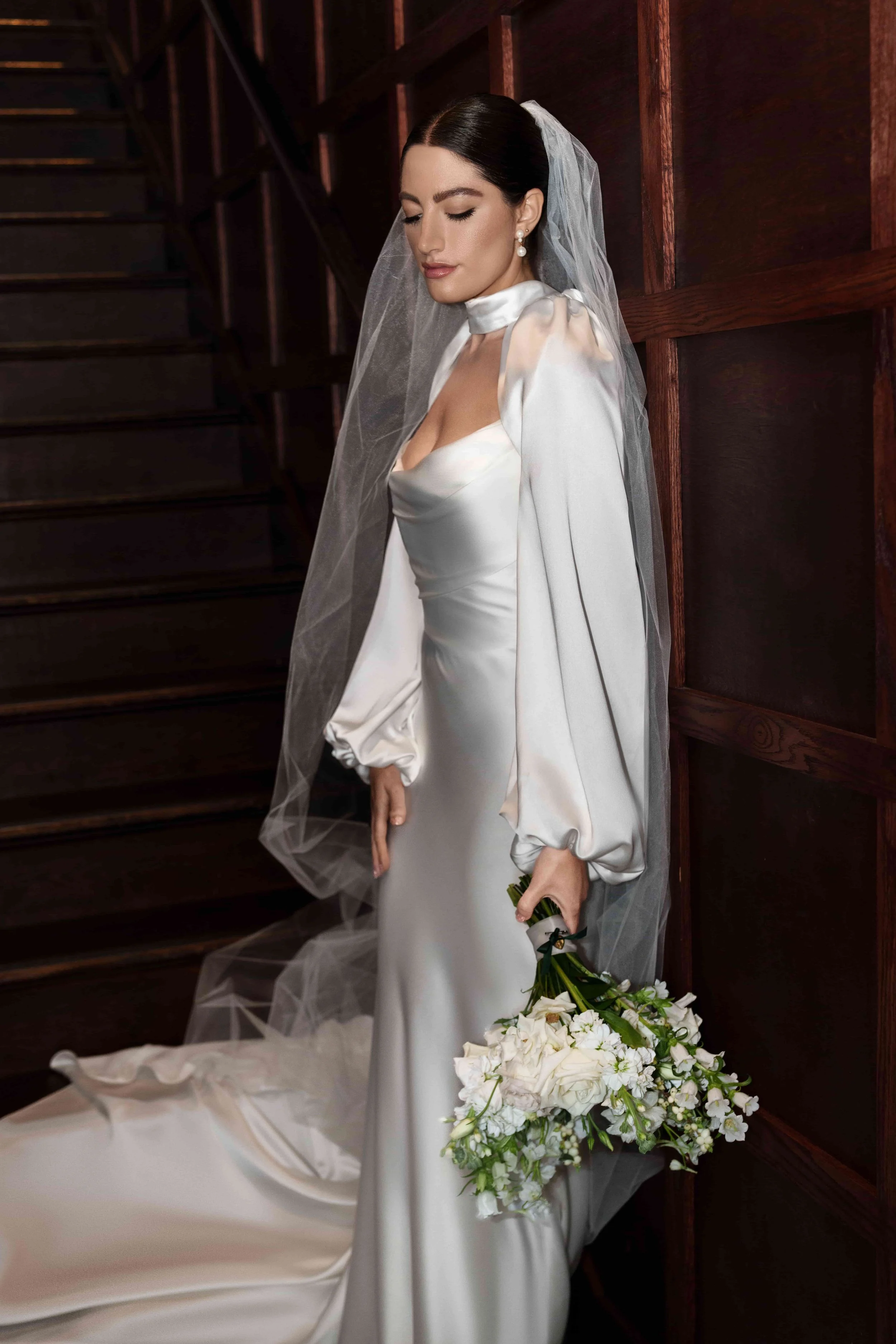
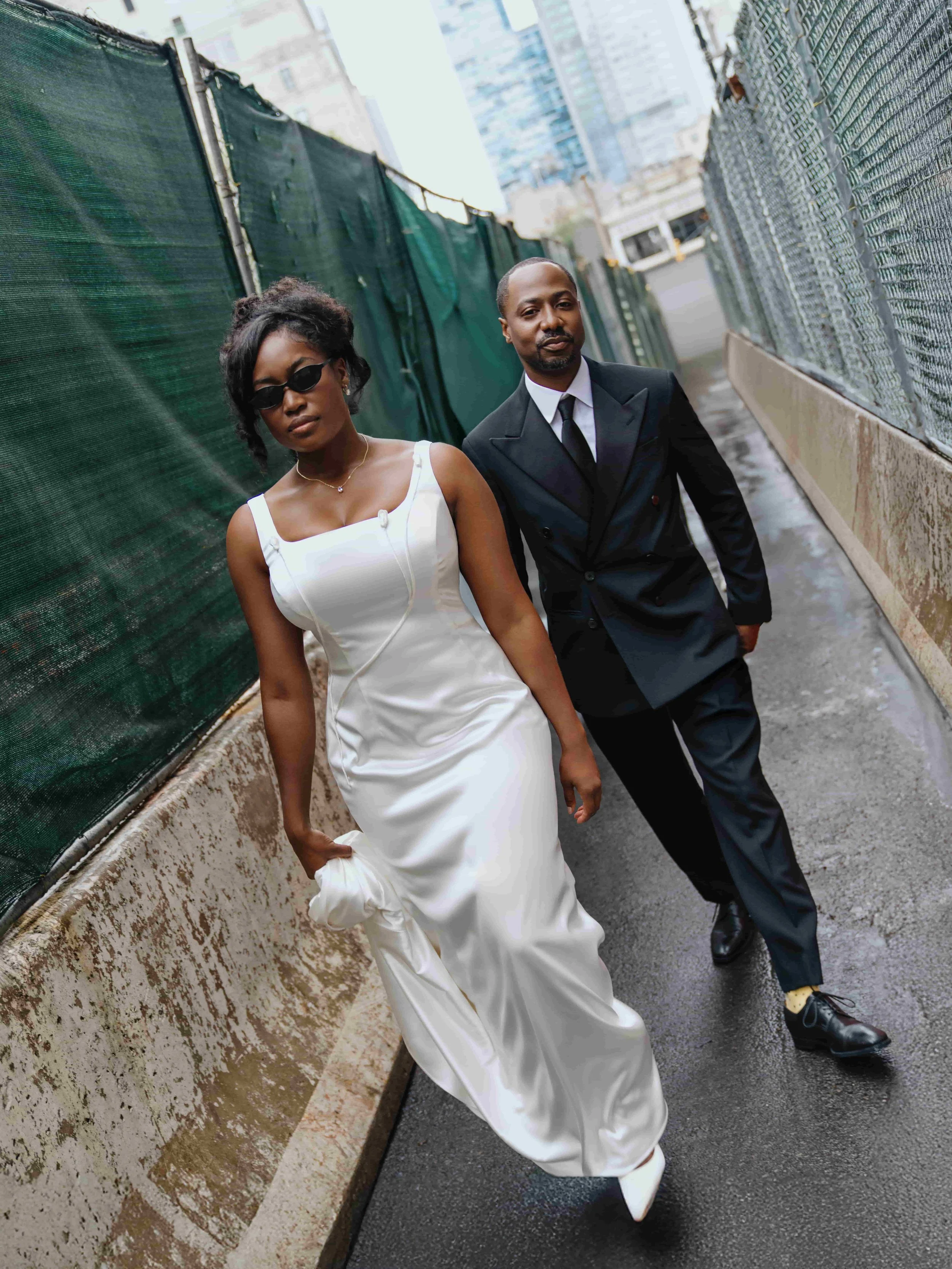
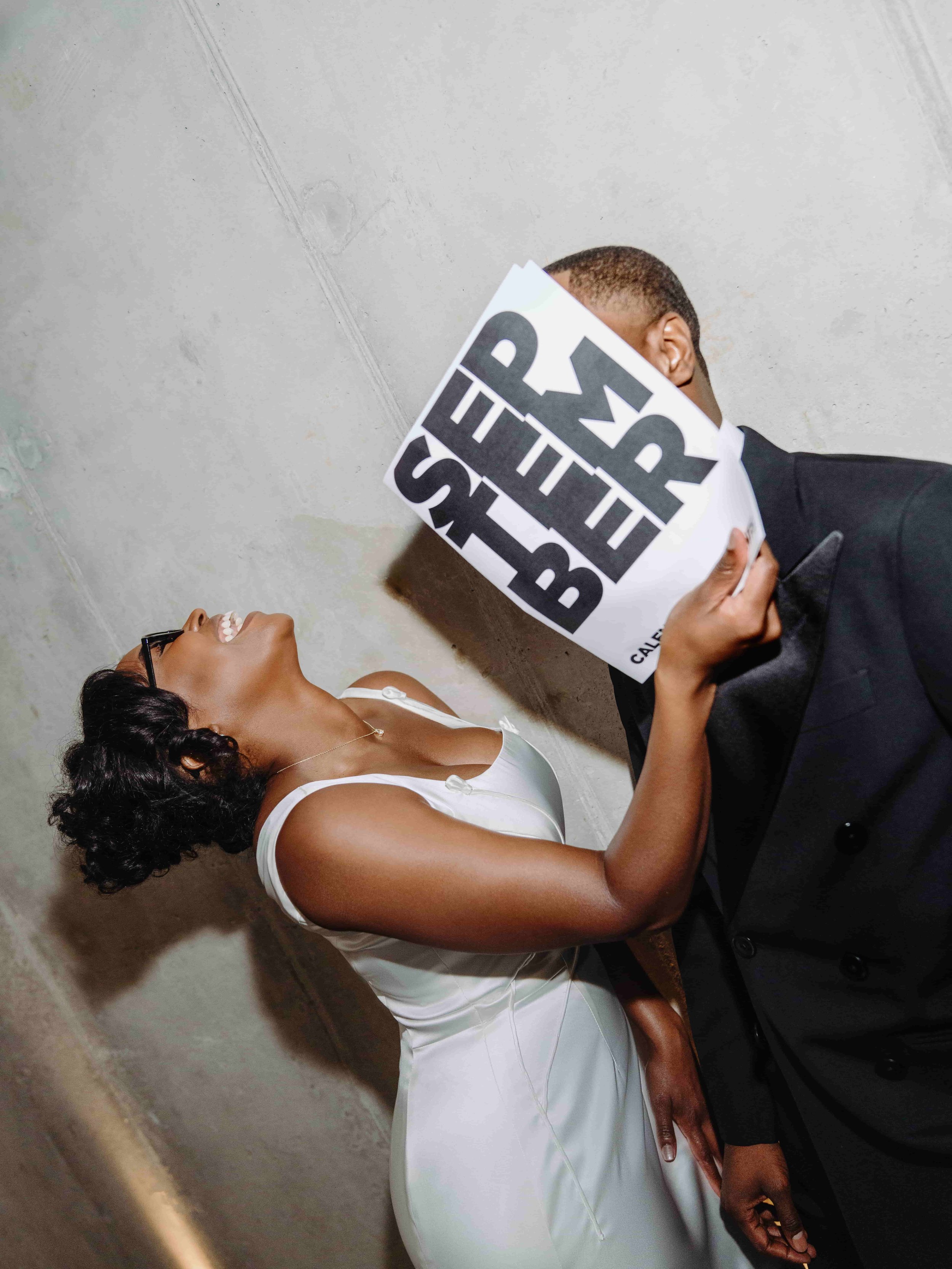
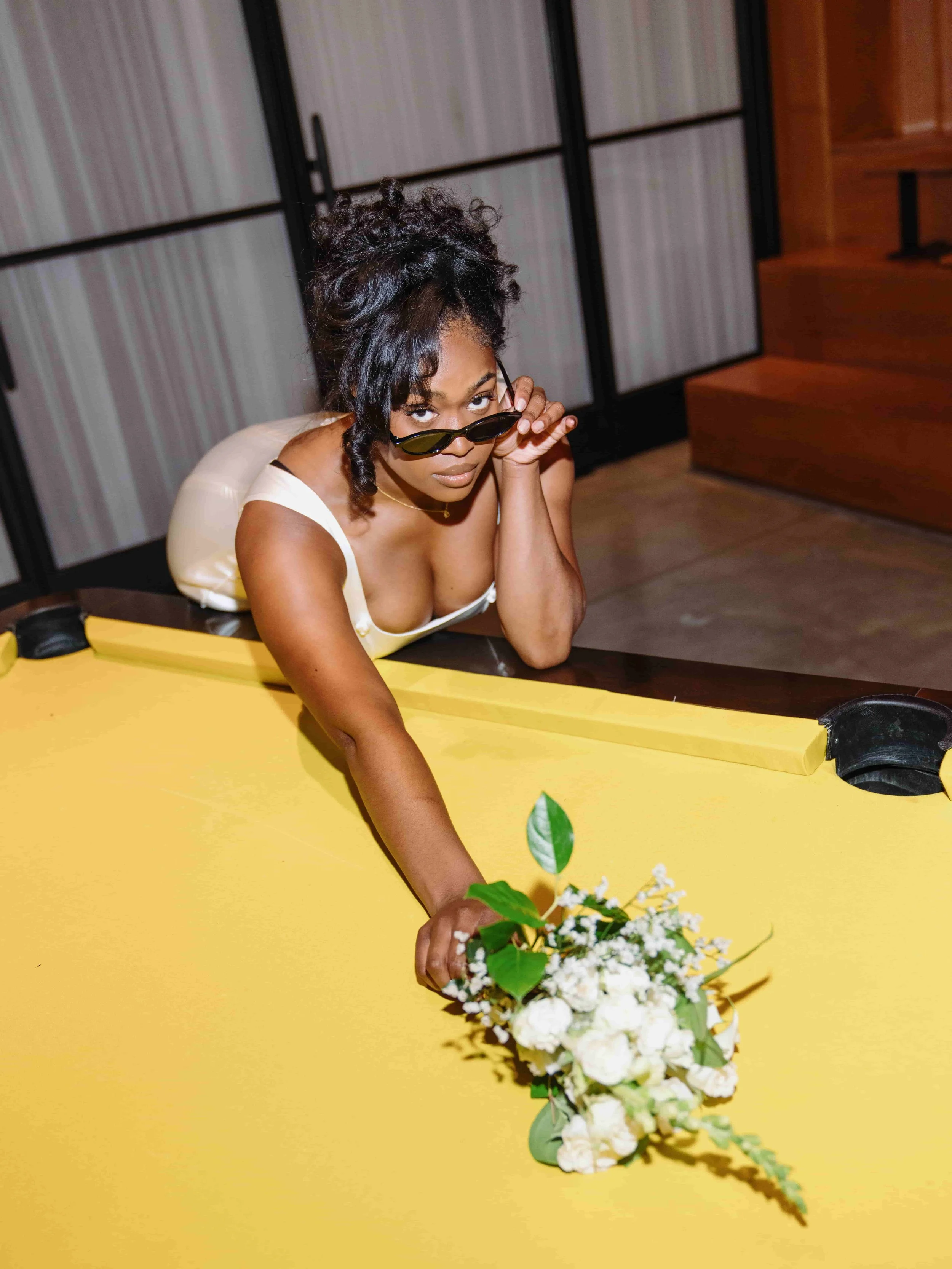
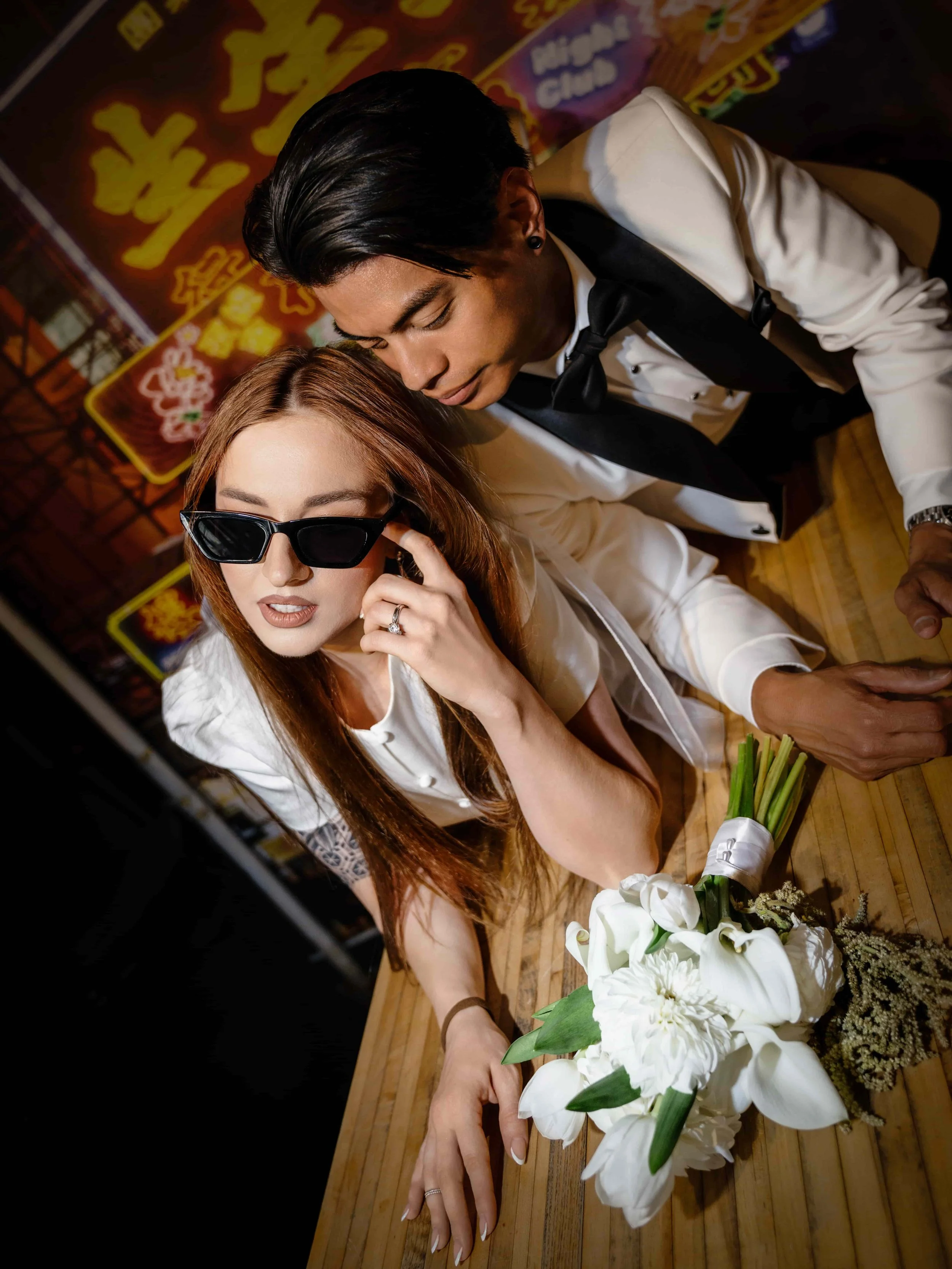
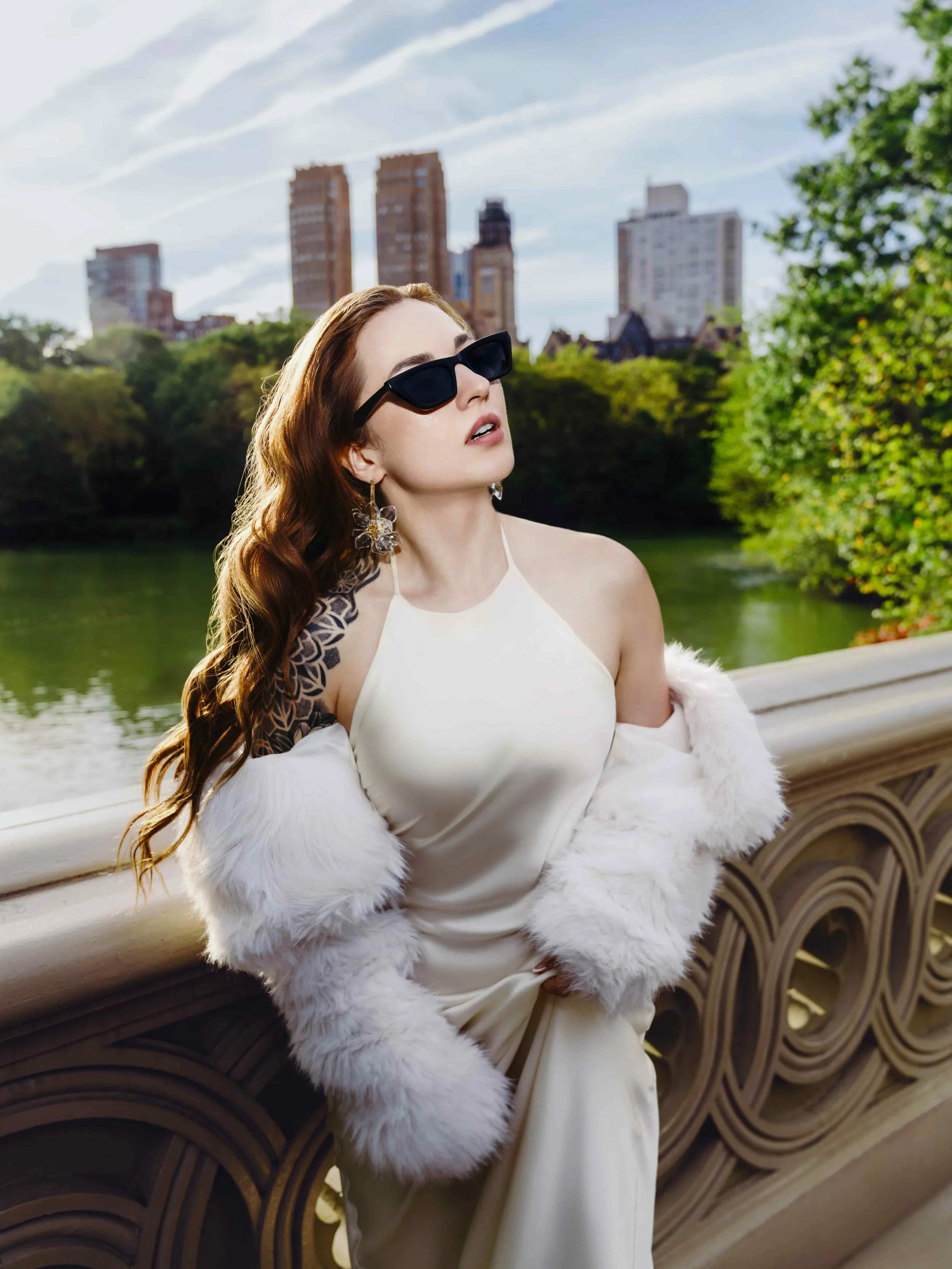
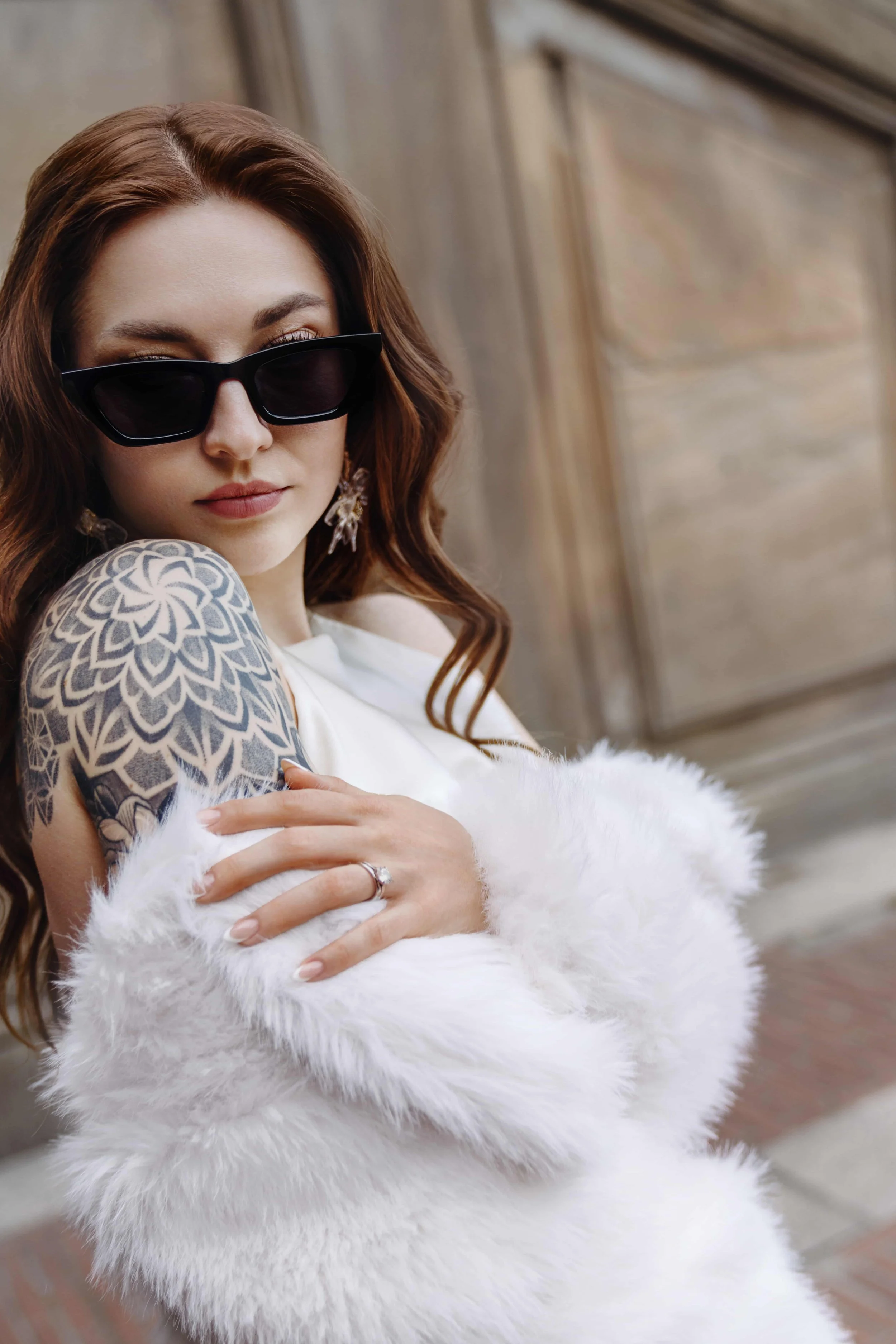
2. Editorial portraits. A short, styled portrait session shot like a magazine editorial.
3. Direct flash at the reception. On-camera flash for high-contrast, party-energy images after dark.
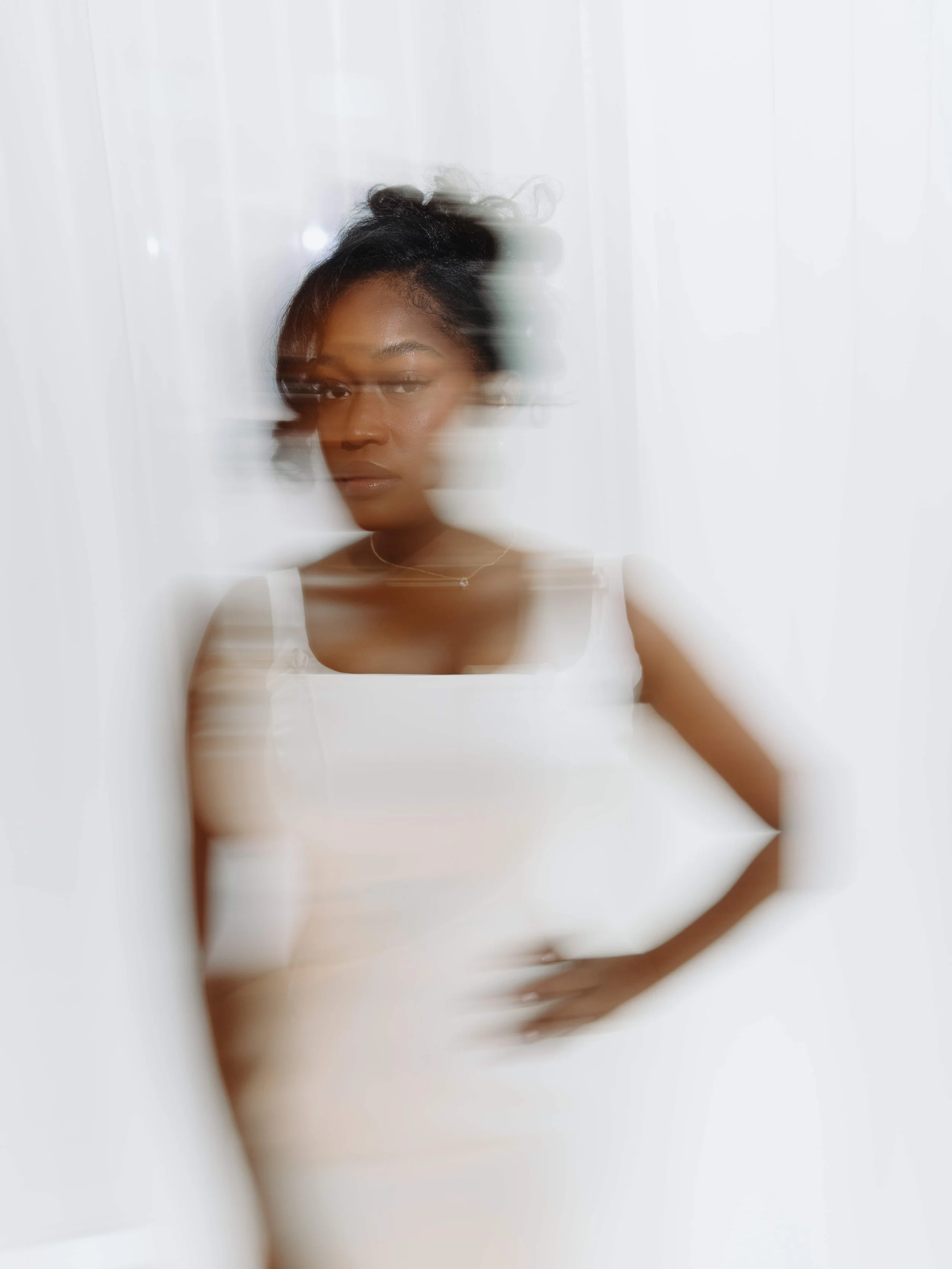
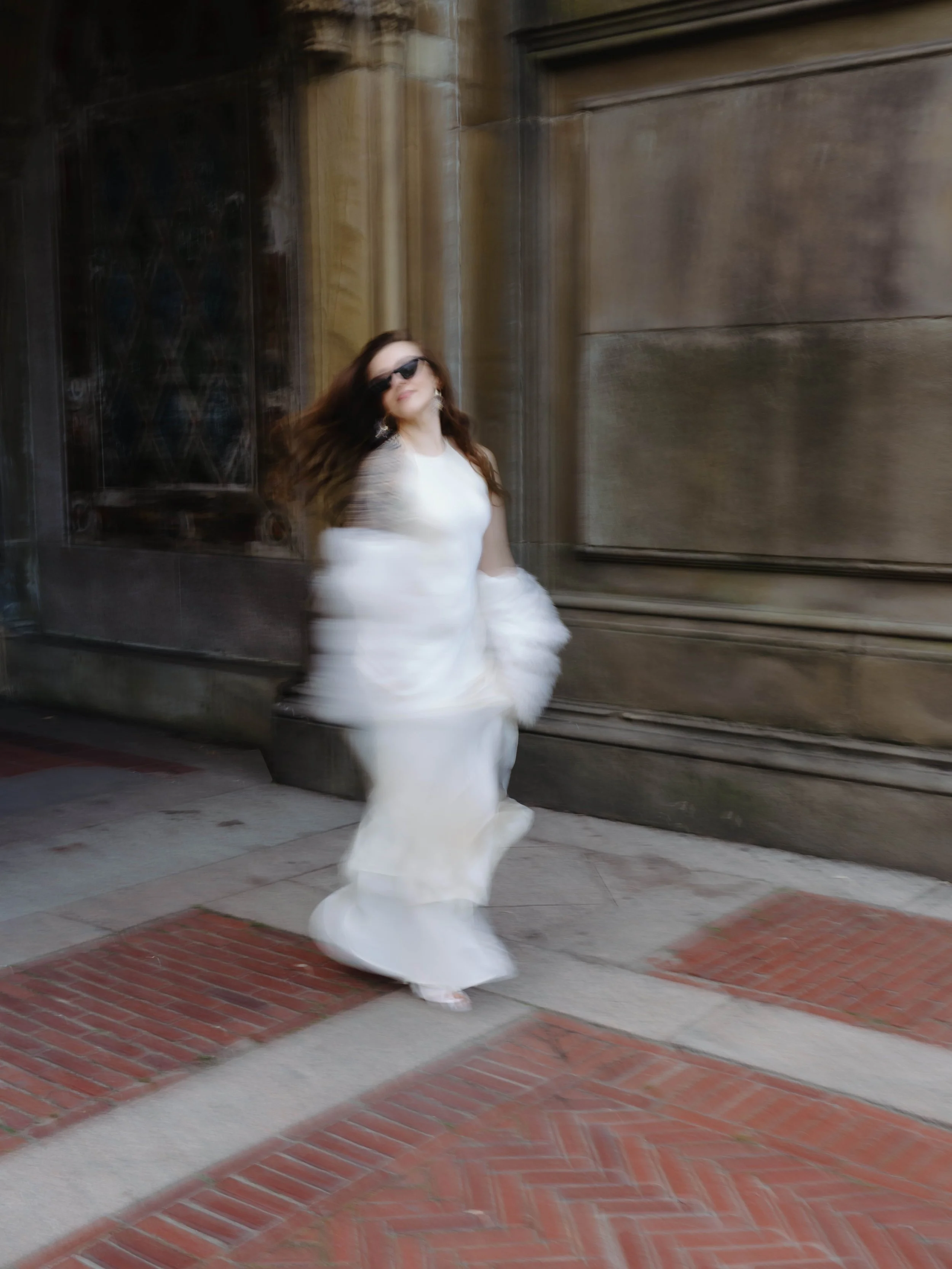
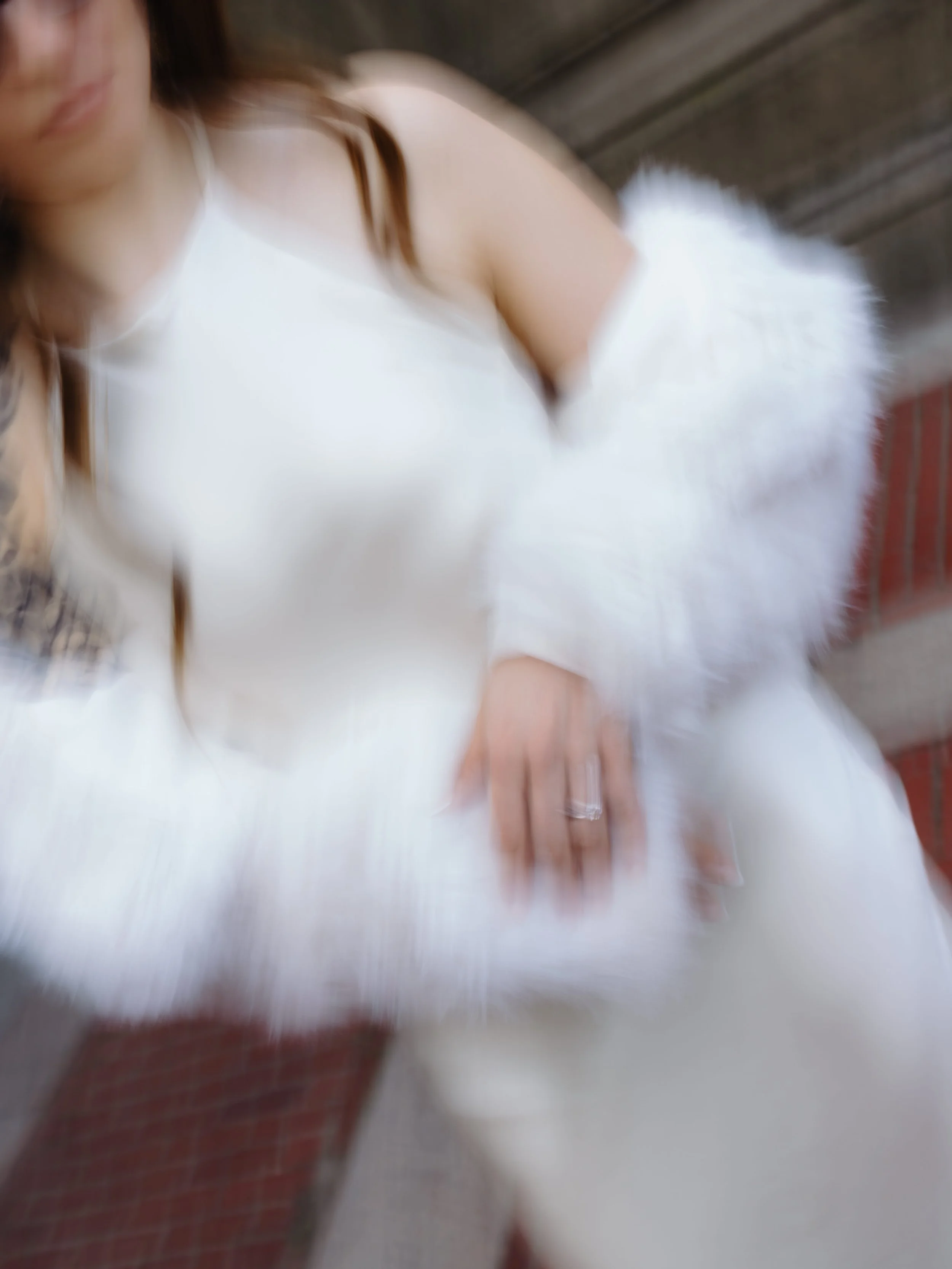
4. Motion and intentional blur. Slow shutter speeds that show movement on the dance floor and during exits.
5. Blue hour portraits. A few minutes of portraits in the soft blue light after sunset.
6. True-to-color editing. Natural skin and real venue colors, with heavy filters and orange-and-teal grades fading out.
7. Real film. 35mm and medium-format film shot alongside digital coverage.
8. Whole-weekend coverage. Welcome dinner, wedding day and farewell brunch in one gallery.
9. Content creators and guest cameras. Phone content for social and disposable cameras at tables, next to the professional gallery.
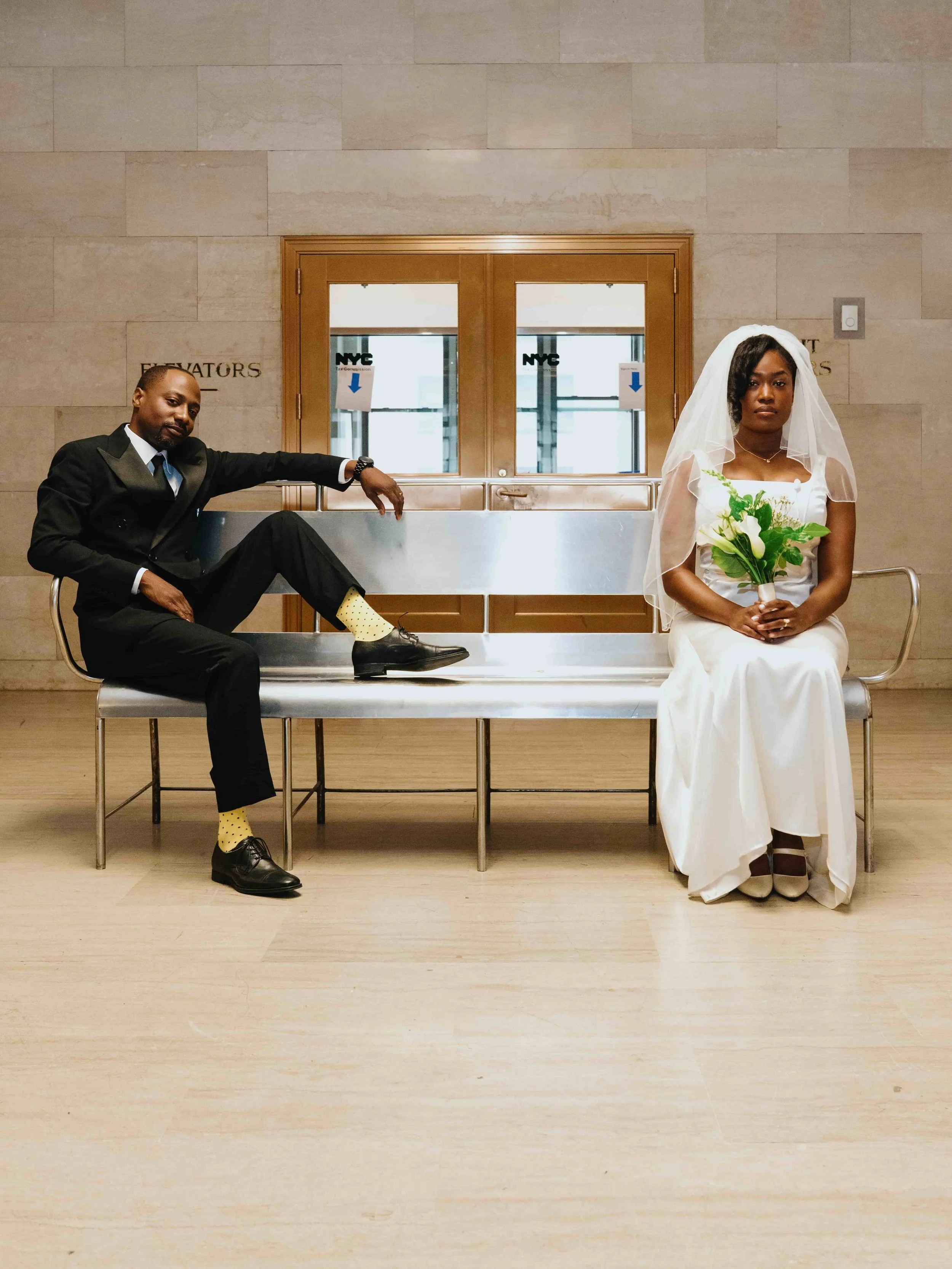
10. Architectural and wide-angle framing. The couple placed small inside a big space: a staircase, a skyline, a ballroom.


Documentary storytelling
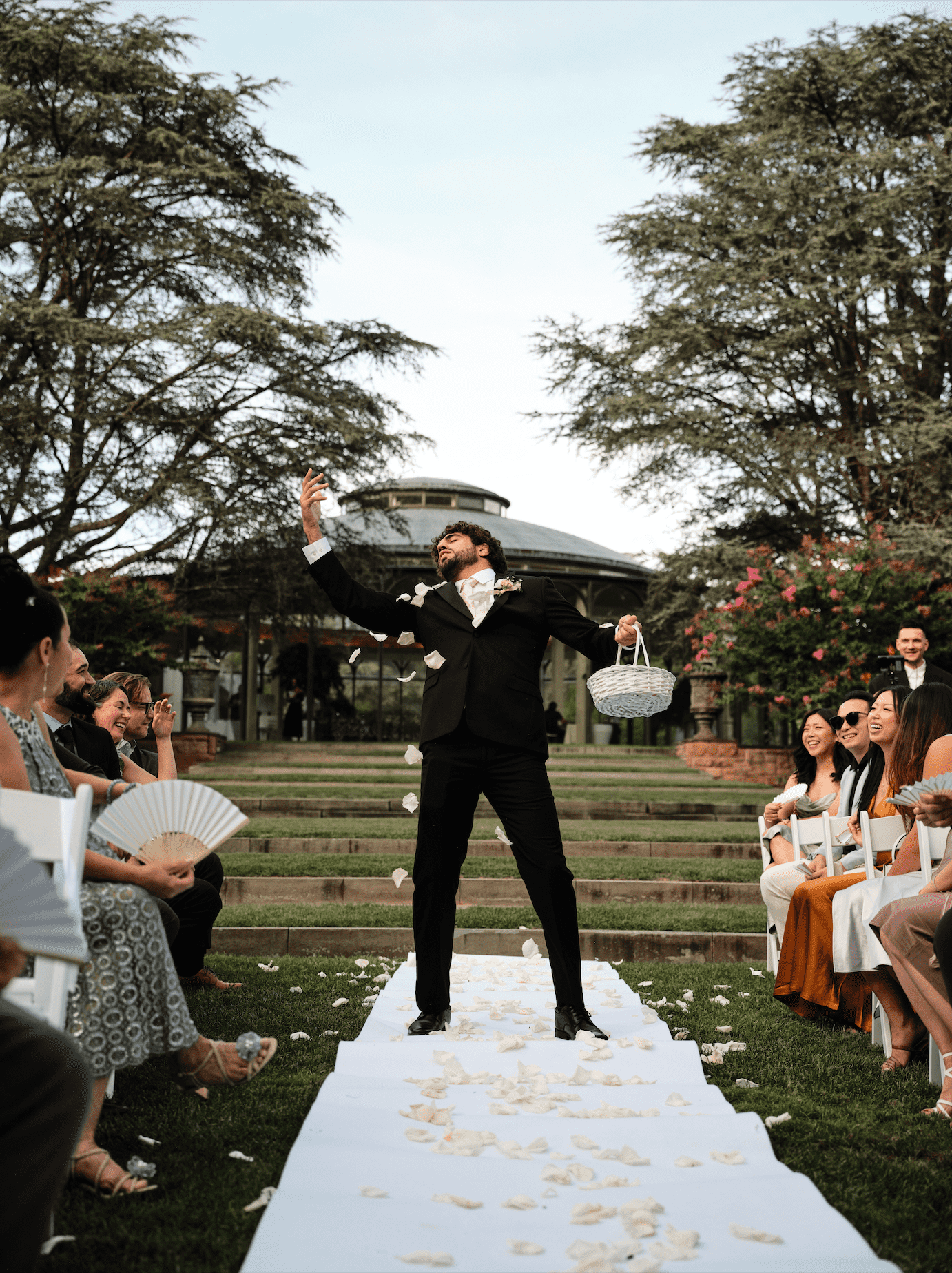
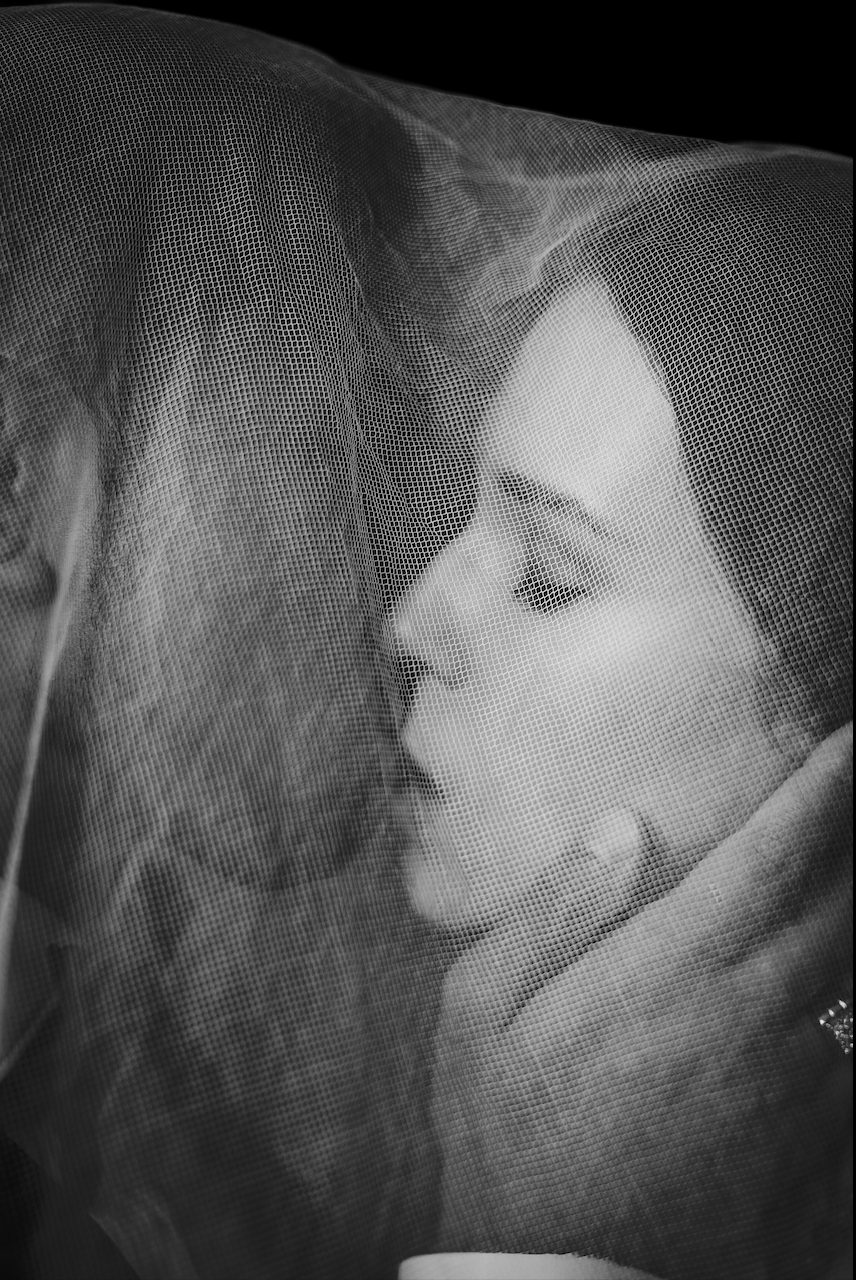
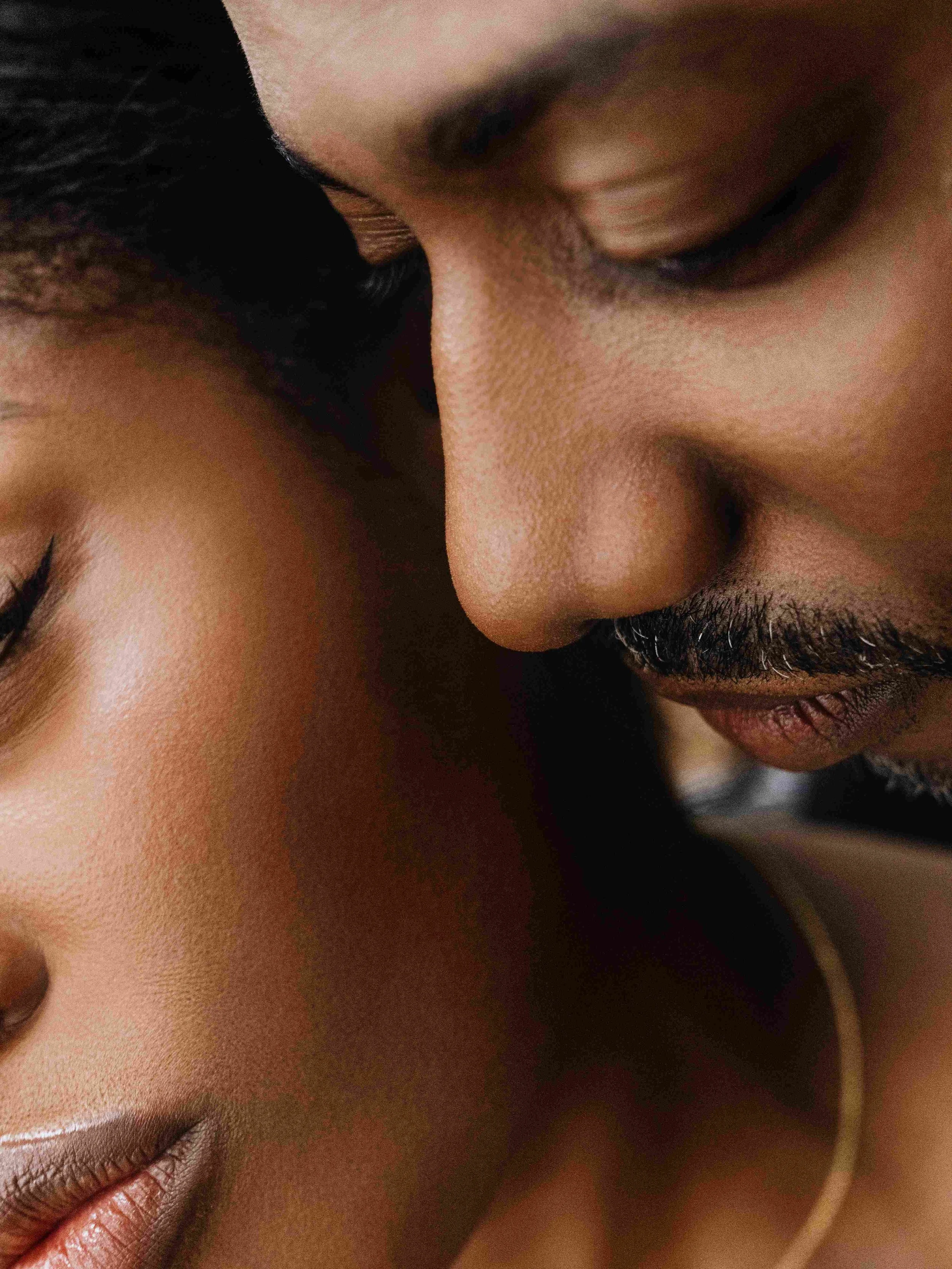
Documentary wedding photography records the day as it unfolds, with minimal staging. The photographer anticipates moments as they come, and the gallery reads like a story from getting ready to the last dance. In 2027 it is the default expectation, and most couples want it combined with a short block of directed portraits.
Best for: couples who want to remember how the day felt, and anyone uncomfortable being directed for hours.
Photo note: documentary coverage depends on access and timing. The photographer needs to be in the room for the moments that matter, which is why a clear timeline and, for larger weddings, a second photographer make a real difference.
Editorial portraits
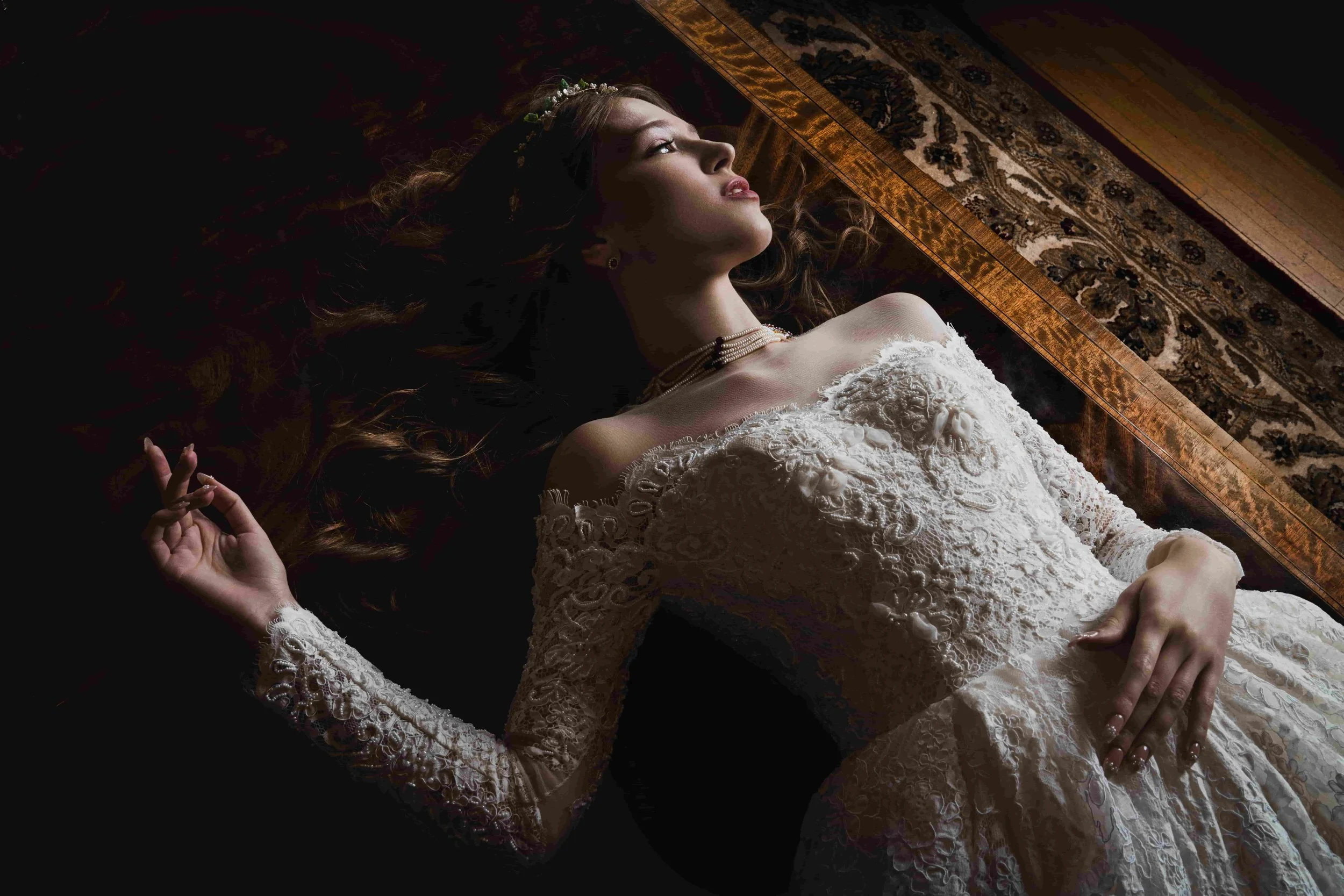
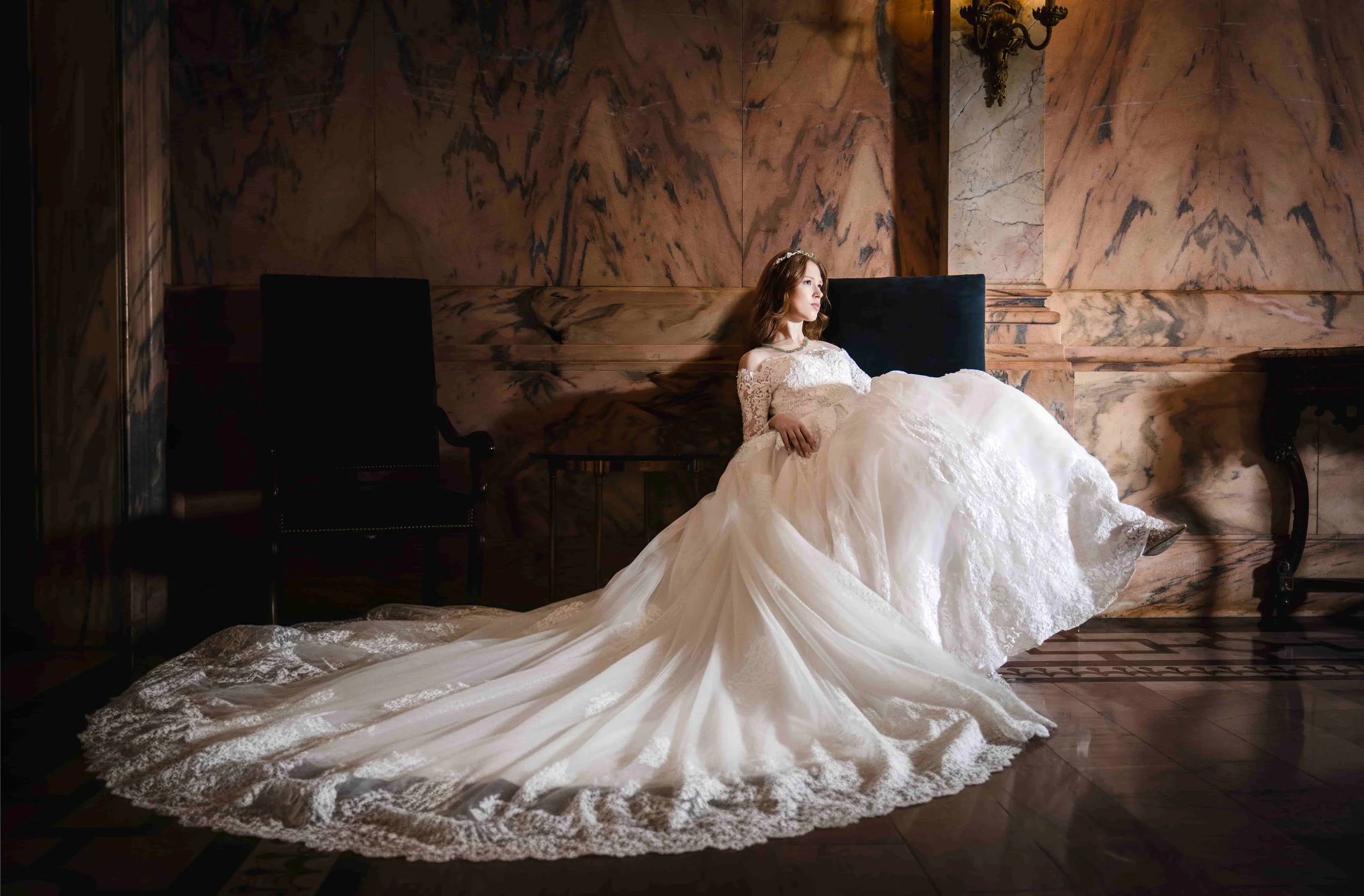

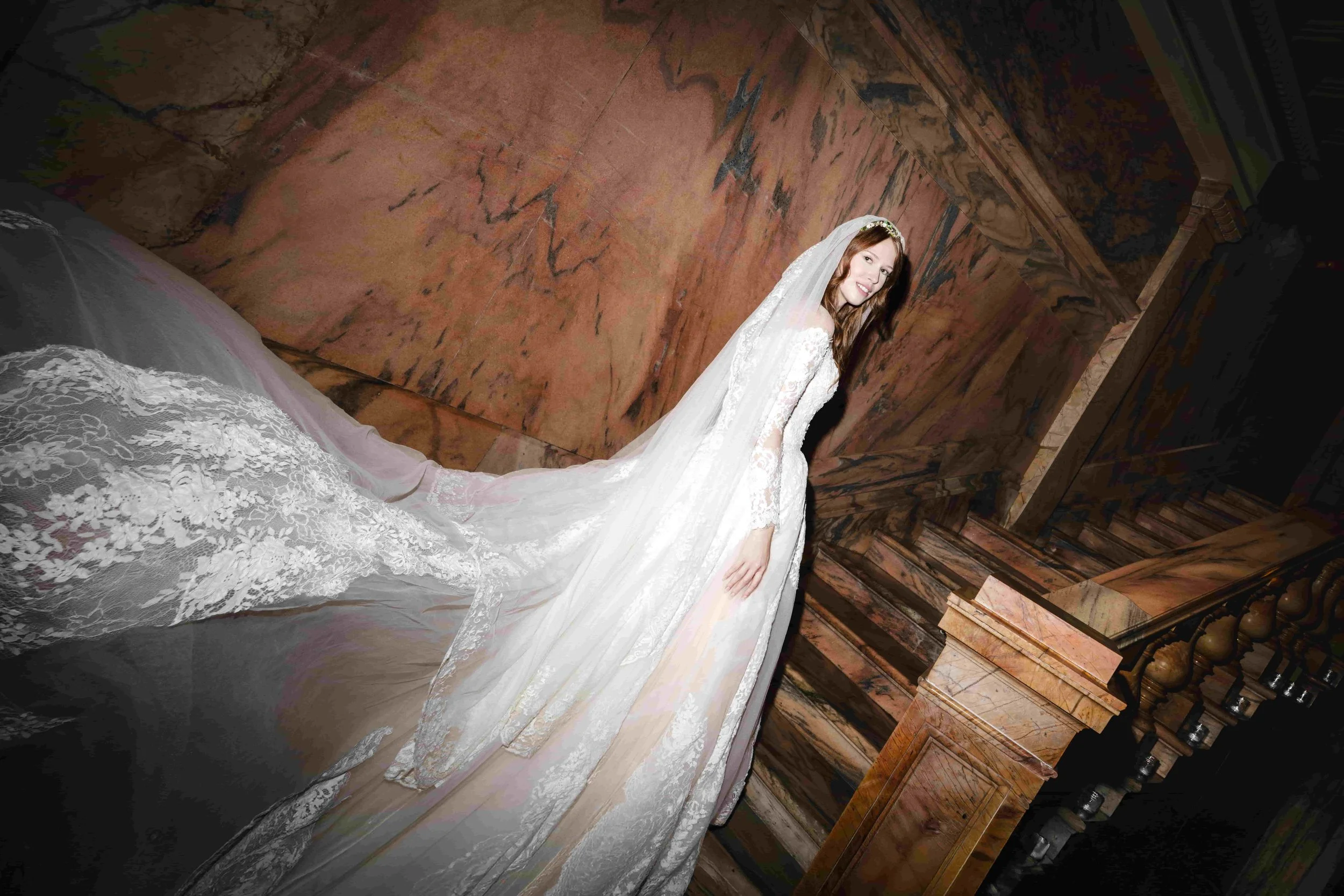
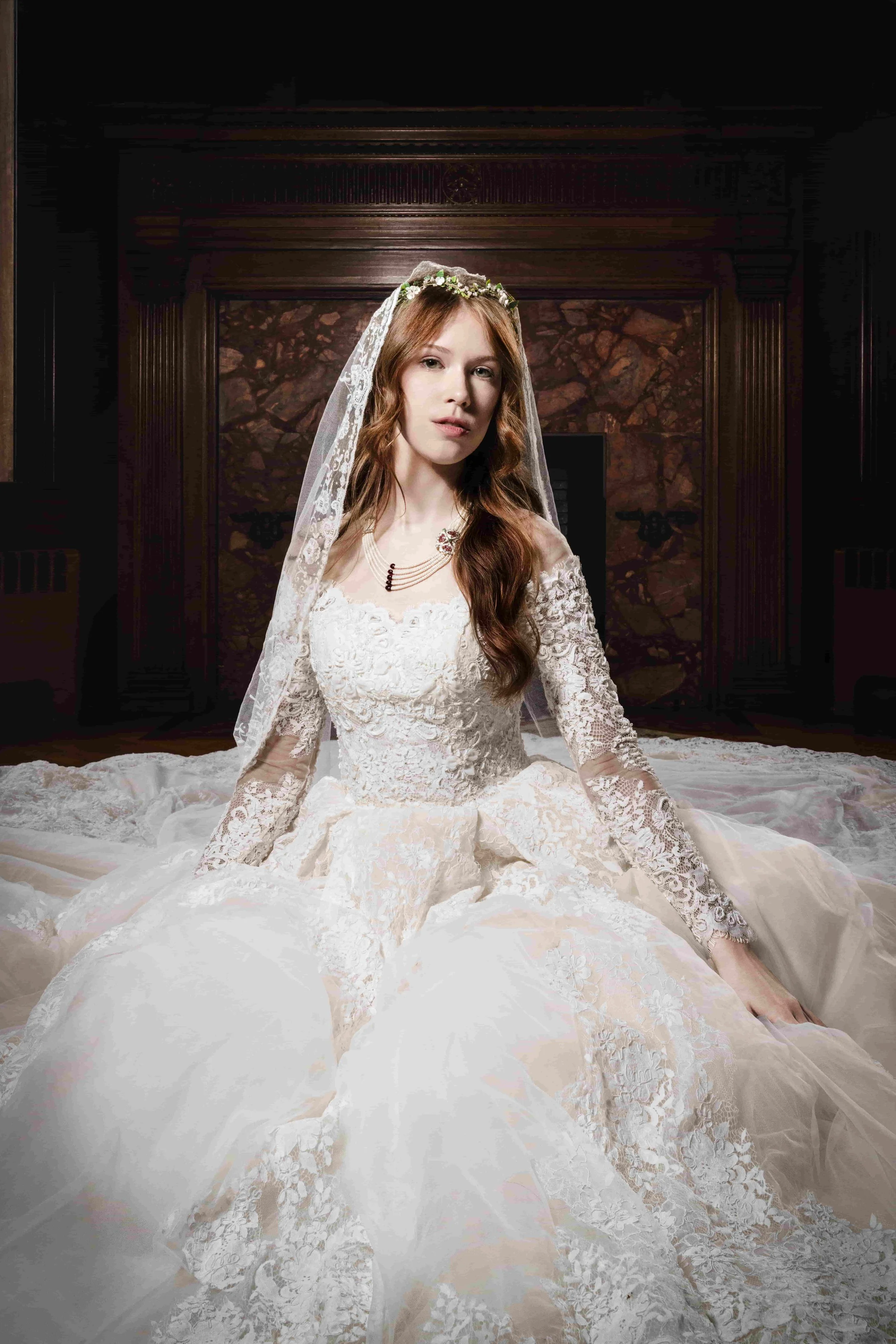
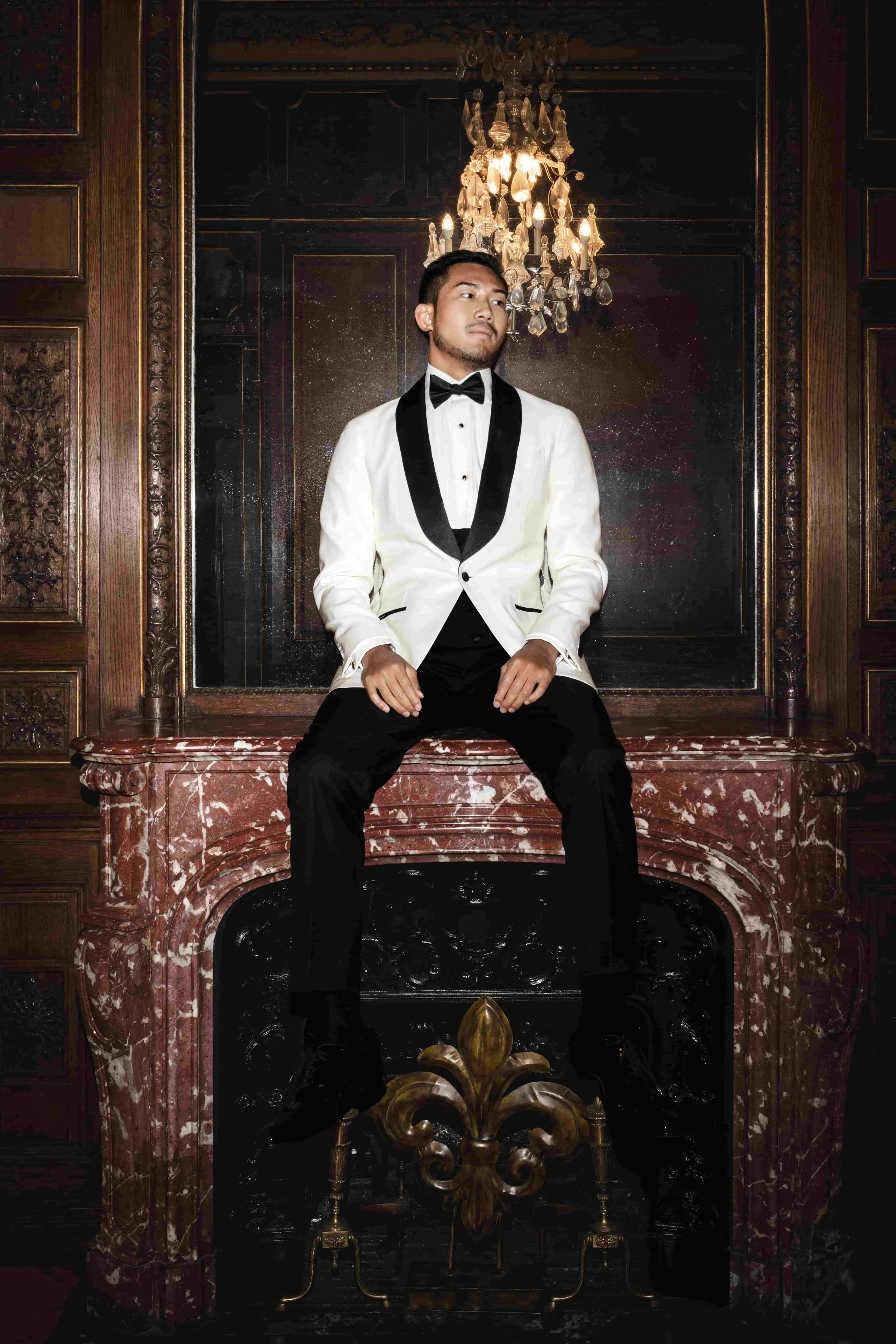
Editorial portraits borrow from fashion photography: considered poses, strong composition, styled wardrobe moments, and dramatic light. They sit alongside documentary coverage as a 20 to 40 minute session, often in a location chosen for its architecture.
Best for: couples with a strong sense of style and a venue or city with interesting backdrops.
Photo note: editorial portraits need protected time in the timeline. They do not happen in the ten minutes between the ceremony and cocktail hour.
Direct flash at the reception


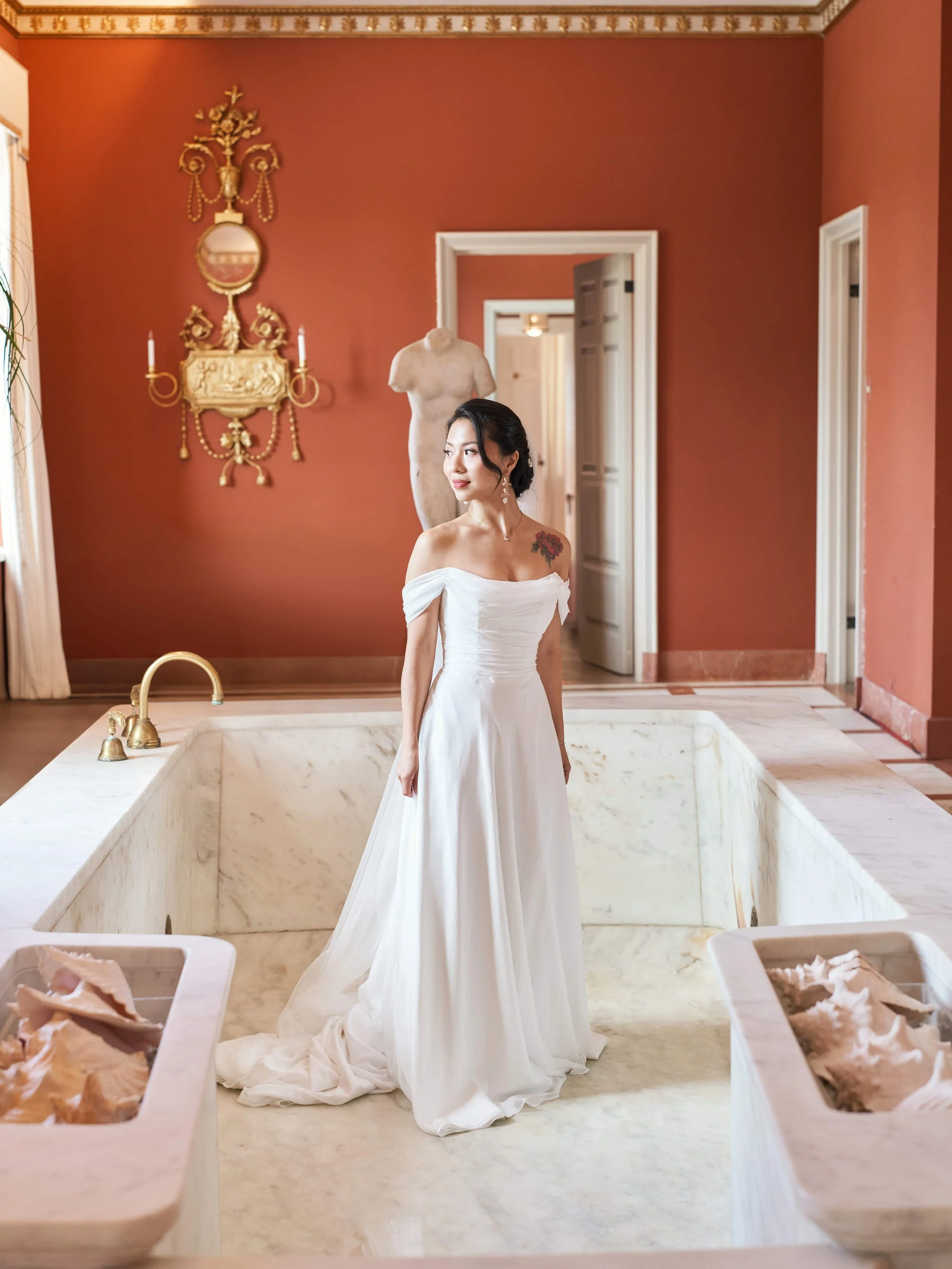

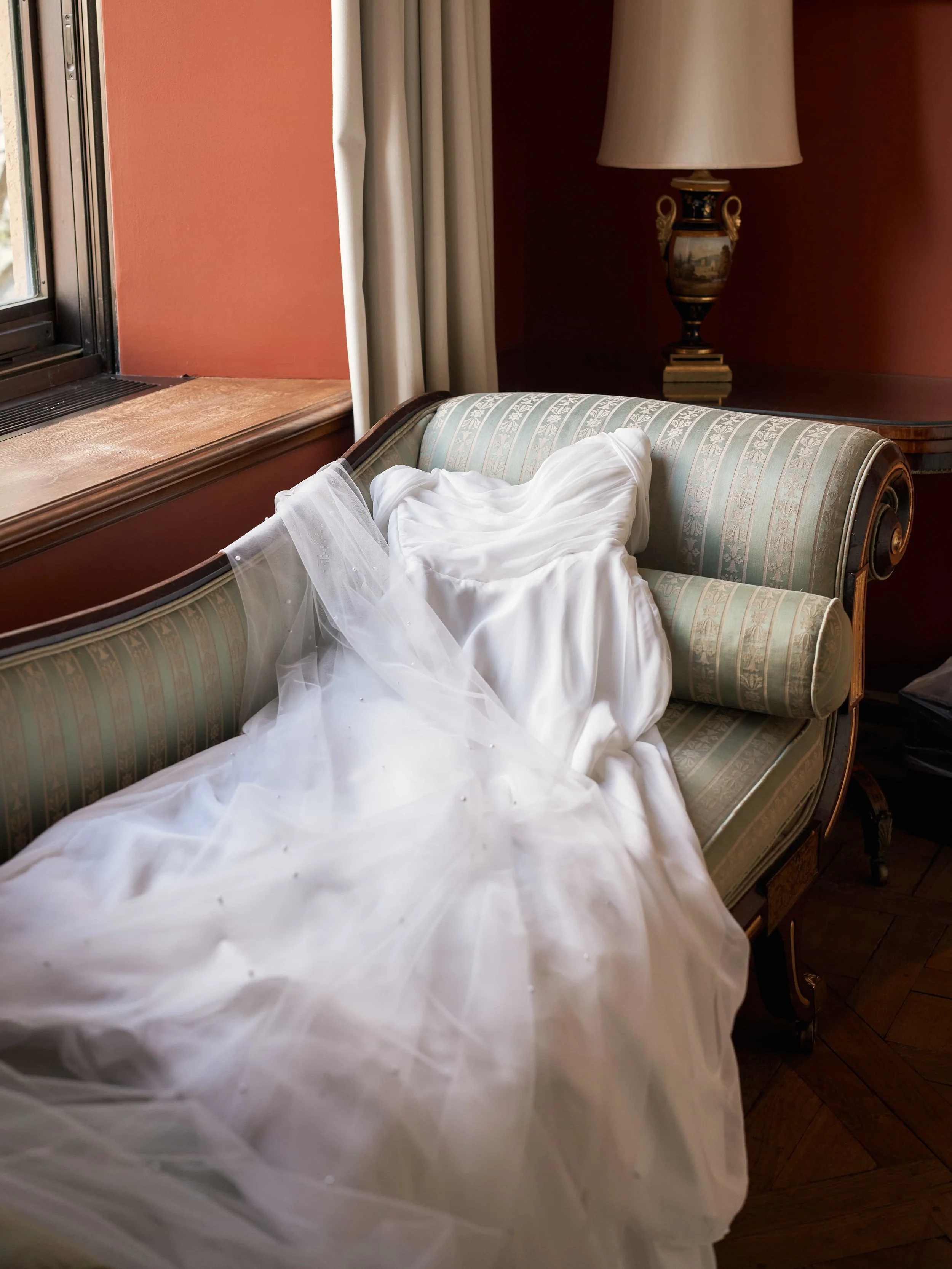
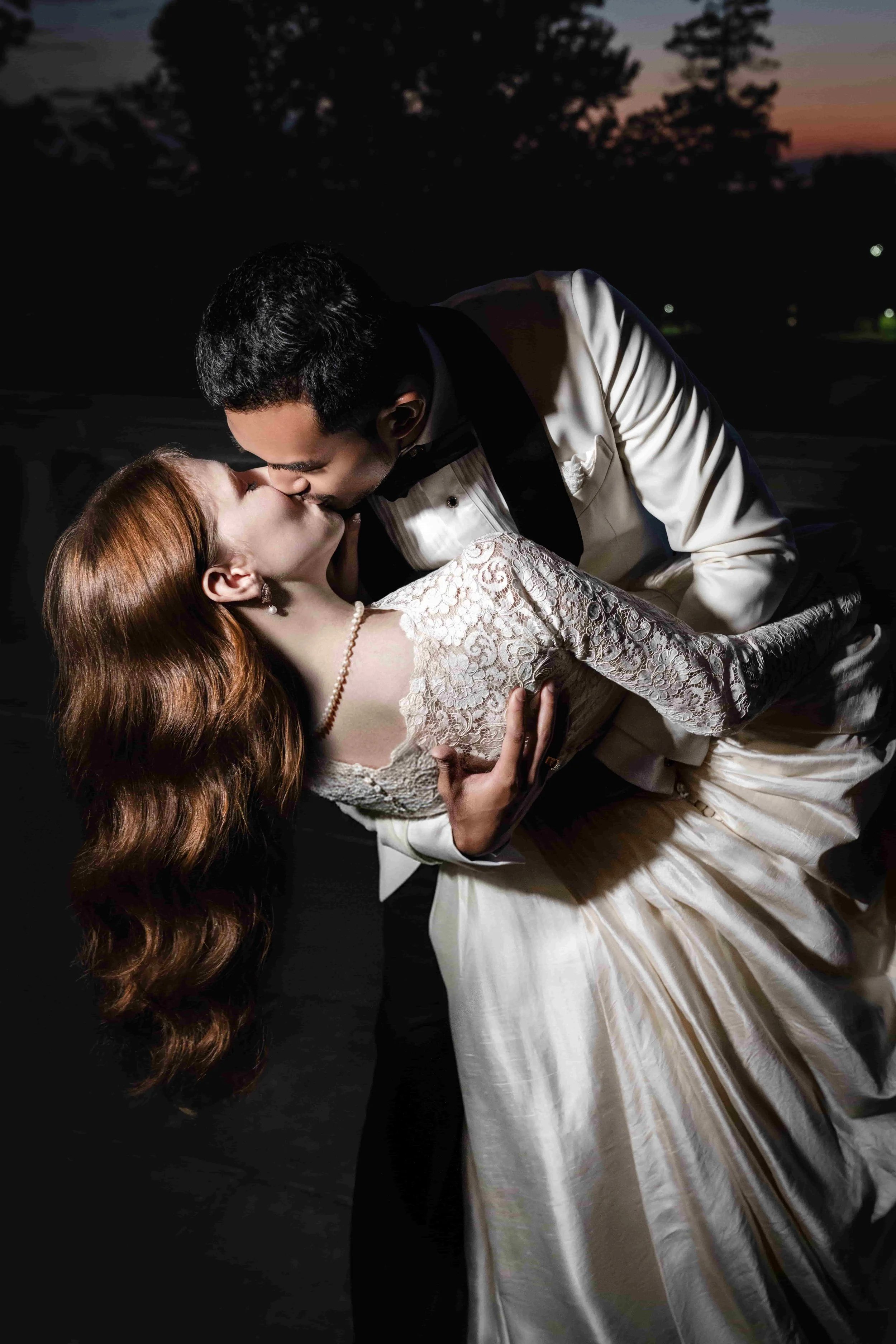
Direct flash means firing a flash straight from the camera, which creates crisp, high-contrast images with a 1990s party-photo feel. It captures the energy of the dance floor, the exit, and late-night moments that look flat or muddy with natural light alone.
Best for: couples who want the reception to feel like a party in the photos.
Photo note: direct flash works best as one look among several. Used for a full wedding, it flattens everything; used for the last two hours, it gives the gallery a second mood.
Motion, blur and energy
Motion-filled images use slower shutter speeds, sometimes with a flash, so that part of the frame is sharp and part shows movement. The result looks like the moment felt: a spin on the dance floor, confetti at the exit, a veil in the wind.
Best for: couples who want the gallery to feel alive, and big dance-floor receptions.
Photo note: motion shots need to be deliberate. A good gallery mixes a few motion frames with sharp versions of the same moment.
Blue hour portraits
Blue hour is the 20 to 30 minutes after sunset, when the sky turns deep blue and city lights come on. It gives soft, cinematic portraits that golden hour cannot. In New York in December it runs from about 4:30 to 5:00pm; in June, from about 8:30 to 9:00pm.
Best for: city weddings with a skyline, and couples who want one dramatic portrait of the evening.
Photo note: blue hour is short. Plan a five to ten minute step-out from the reception with your photographer, and choose a spot within a two-minute walk.
True-to-color editing
True-to-color editing keeps skin tones, flowers and venue colors close to what you saw on the day. It is a reaction to years of heavy presets, overly warm grades and moody filters that date a gallery to the year it was edited. Photographers are now split between clean, natural color and a softer film-inspired look, and both avoid heavy filters.
Best for: couples who chose their colors carefully and want them to look the same in twenty years.
Photo note: true color depends on correct white balance at every stage of the day. Ask to see a full gallery to check that skin tones hold up under reception lighting.
Real film and film-inspired editing


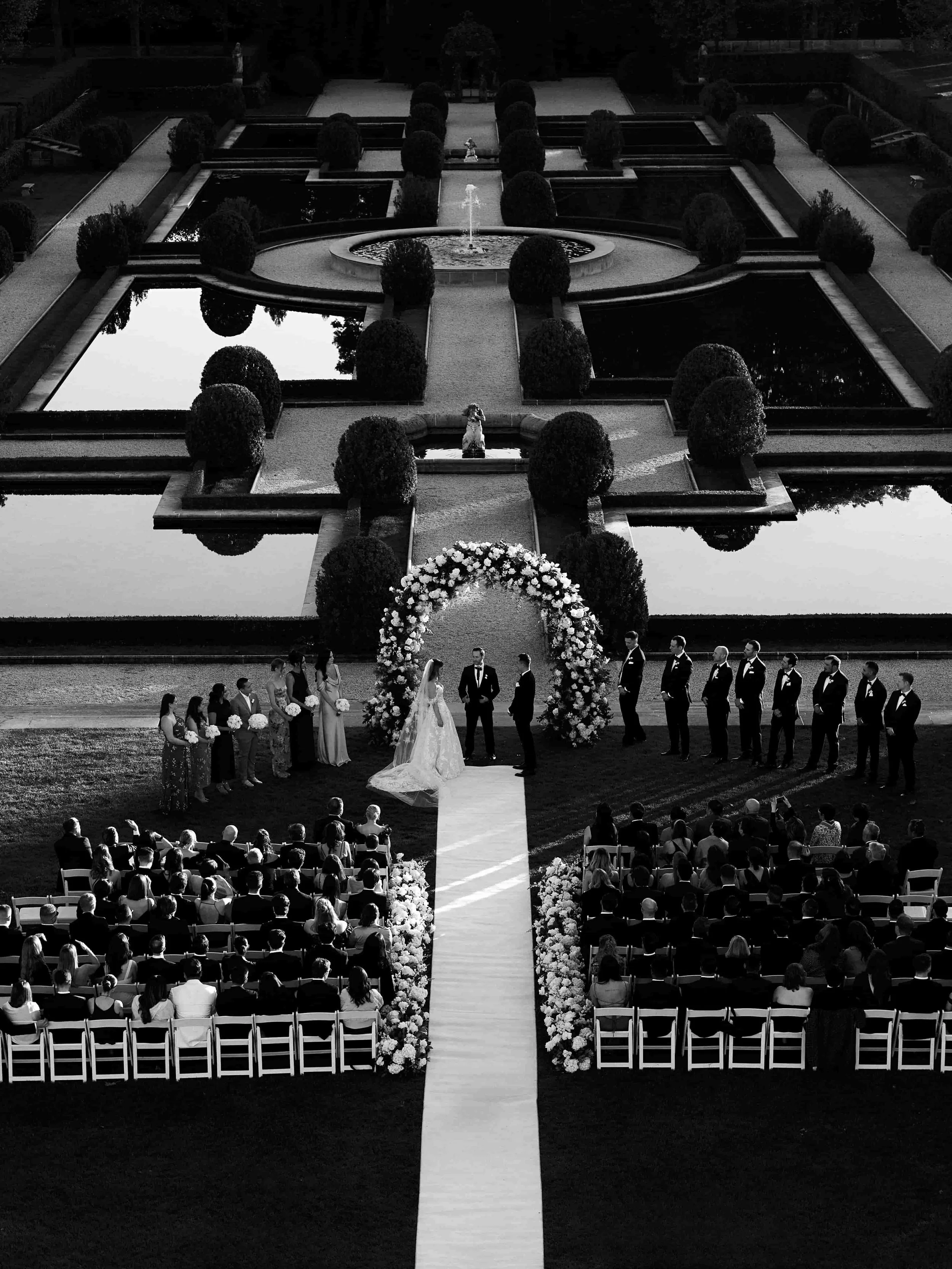
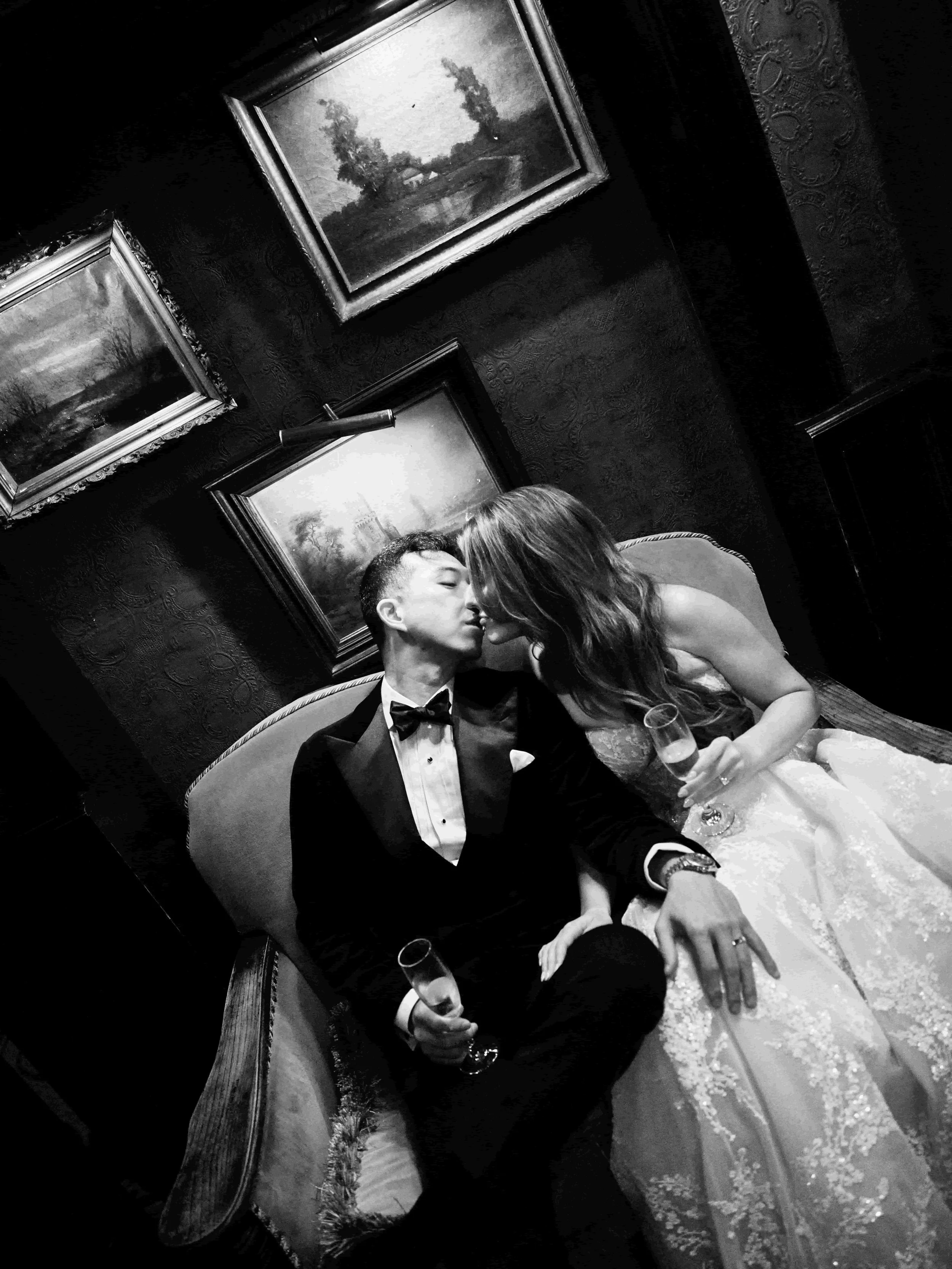
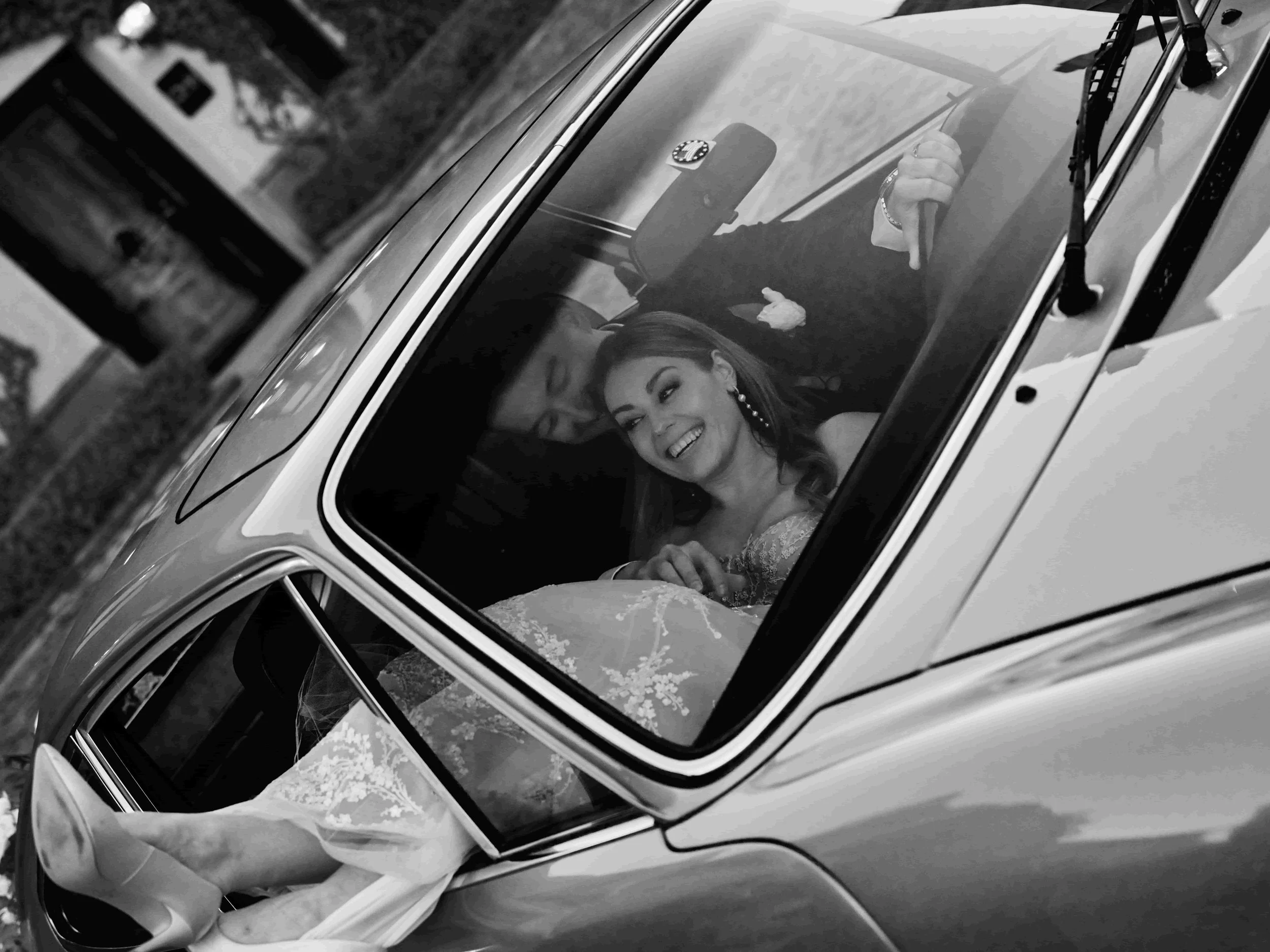

Couples are asking for real 35mm and medium-format film shot alongside digital coverage. Film has grain, softer highlights and colors that digital presets do not quite match, and it slows the photographer down in a way that shows in the frames.
Best for: couples who want part of their wedding to look timeless and physical.
Photo note: film is a layer on top of digital coverage, with lab and scan costs on every roll and a longer delivery time. At Arrakis, Hasselblad 503 medium-format film is included in ten-hour packages and available as a $900 add-on on six and eight-hour packages.
Whole-weekend coverage
More couples plan a wedding weekend: a welcome dinner, the wedding day, and a farewell brunch or pool day. Photographing the full weekend gives a looser, more personal gallery, because guests are relaxed and the schedule is lighter.
Best for: destination weddings, out-of-town weddings, and couples who want the story of the whole weekend.
Photo note: weekend coverage is priced by days and travel, so decide early which events matter most. The welcome dinner often gives the best candid photos of the whole weekend.
Content creators and guest cameras
A wedding content creator shoots phone photos and video for social media during the day and delivers them within hours. Disposable cameras and instant cameras on guest tables add another angle. Both are growing, and both work as extras next to a professional photographer.
Best for: couples who want to post the same night, and couples who love the guest's-eye view.
Photo note: a content creator and a photographer need to share a timeline and agree who stands where during the ceremony, or they end up in each other's frames.
Engagement and pre-wedding photo trends for 2027
Engagement and pre-wedding sessions follow the same direction: documentary, playful and personal. The trends for 2027 are lifestyle sessions at places that matter to the couple, editorial city shoots, film photography, direct flash night sessions, and sessions with a story, such as the café where you met or a Sunday market you go to every week.
Best for: couples who want to get comfortable with their photographer before the wedding.
Photo note: an engagement session is the best rehearsal for the wedding day. It shows you how the photographer directs and how you look on camera, and it gives us a sense of your pace and humor.
What changed since 2026?
Four shifts stand out between the 2026 and 2027 wedding seasons: documentary coverage became the default, direct flash moved from a niche look to a standard part of reception coverage, whole-weekend galleries became common for out-of-town weddings, and content creators became a regular extra vendor.
Two things faded. Heavy presets, especially orange-and-teal and very dark moody edits, lost ground to natural color and softer film looks. Long lists of posed family combinations shrank, as couples keep formals short and spend the time on candid coverage instead.
Which trends will date, and which will last?
Pay for the things that cannot be added later: enough coverage hours, a second photographer for larger weddings, and real film if you want it. Treat direct flash, blue hour and editorial portraits as part of a good photographer's skill set; they usually do not cost extra, but they need time in the timeline.
If you are budgeting, see our guides to how much a wedding photographer costs in NYC and in Los Angeles.
How we photograph weddings at Arrakis Films
We run photo and film as one team on one timeline, so the photographer and the filmmaker work together and never compete for the same spot. Our coverage is documentary at its core, with editorial portraits planned into the day, and we light dark venues so skin tones and colors stay true after sunset.
We shoot real film as well as digital: Hasselblad 503 medium-format photography and Super 8 motion film, both developed and scanned by a lab. Your gallery arrives in a private online space with unlimited high-resolution downloads, full print rights and no watermarks.
If you are planning a 2027 wedding in New York or Los Angeles, tell us your venue and date, and we will tell you which of these trends fit your day and how we would plan the light for them.

Frequently asked questions
-
The main wedding photography trends for 2027 are documentary storytelling, editorial portraits, direct flash at the reception, motion and intentional blur, blue hour portraits, true-to-color editing, real film alongside digital, whole-weekend coverage, and content creators working next to the photographer. Together they point toward images that feel natural, alive and personal.
-
Documentary wedding photography captures the day as it happens, with little posing or direction. The photographer observes and anticipates moments, so the gallery tells the story of the day in order, with real emotions and interactions. Most couples in 2027 combine documentary coverage with a short session of directed portraits.
-
Film is worth it if you want part of your wedding to have real grain, soft highlights and a timeless look that digital filters do not reproduce. It works best as a layer on top of full digital coverage, because every roll has lab and scan costs and delivery takes longer. Expect to pay extra for it, or choose a package that includes it.
-
Direct flash means firing the flash straight from the camera instead of bouncing it, which gives sharp, high-contrast images with a nostalgic, party-photo feel. It is used mostly at the reception, on the dance floor and during exits, where it captures energy that natural light misses. Most photographers use it for the evening part of the day only.
-
Blue hour is the 20 to 30 minutes after sunset, when the sky turns deep blue and artificial lights come on. In New York it runs from about 4:30 to 5:00pm in December and 8:30 to 9:00pm in June. Plan a short step-out from the reception with your photographer to use it.
-
Choose true-to-color editing if you want your photos to look the way the day looked and to age well. Moody, dark edits can be striking but tend to date faster and can hide the colors of your flowers and décor. If you like a softer look, ask for a light film-inspired edit rather than a heavy preset.