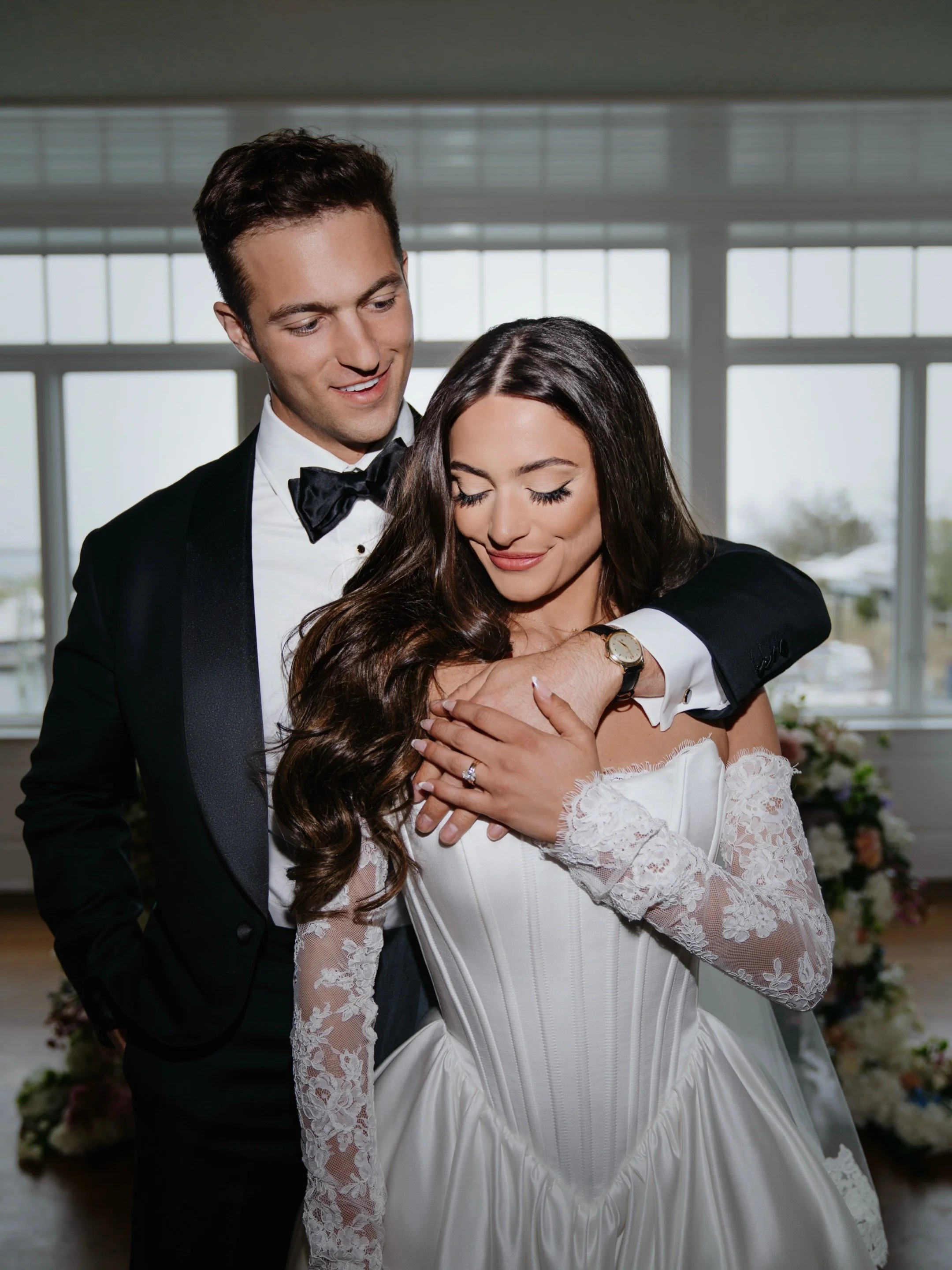
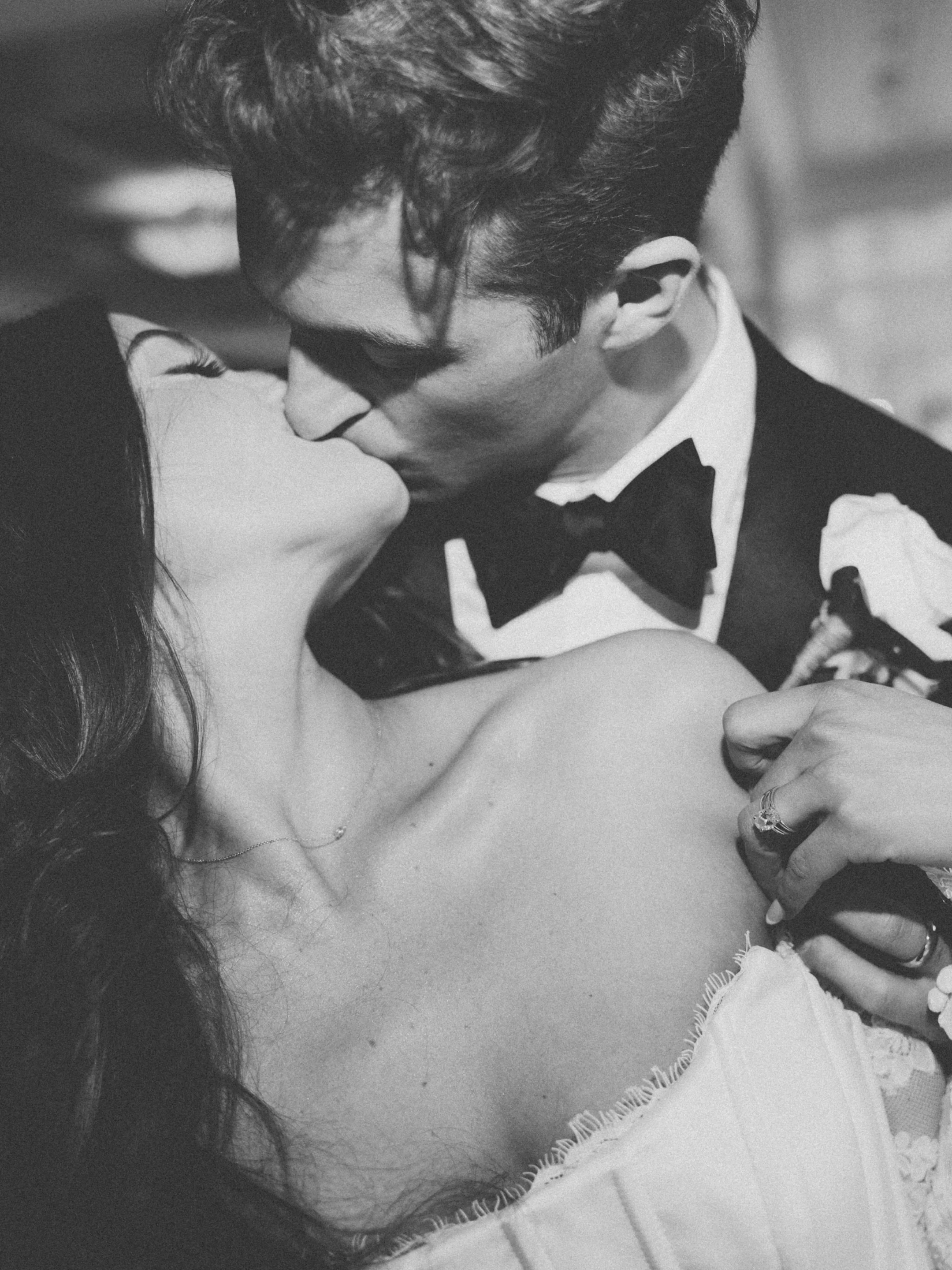
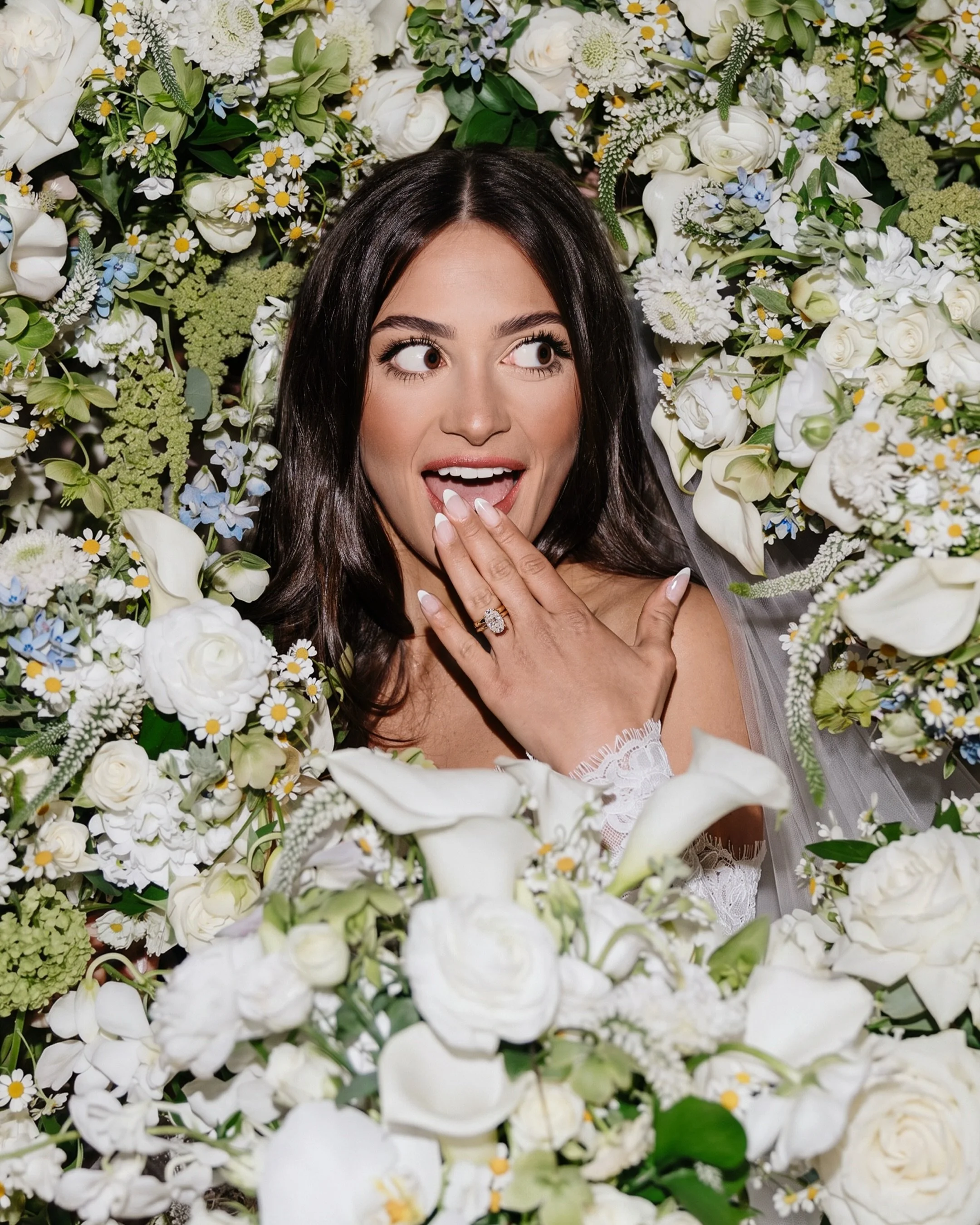
Wedding Photo and Video Together: Why One Team Beats Two Vendors
At some point in planning, most couples decide they want both photos and a film. The quieter decision that follows matters more than it looks: one studio that shoots both, or a separate photographer and videographer who have never met. On the wedding day, that choice is the difference between one crew moving as a unit and two teams quietly competing for the same three feet of space during your ceremony.
Here's how the two setups actually play out — on the day, in the final images, and on the invoice — and the cases where two separate vendors still make sense.
Quick answer
Booking photo and video from one studio usually beats two separate vendors on three fronts: the teams don't compete for position during the ceremony and first dance, the photos and film share one visual style, and the combined price comes in below two studios of the same level. Two separate vendors can still win when you want a named specialist in each craft.
What's the difference between one team and two separate vendors?
One team means a single studio provides both the photographer and the videographer, working from one plan, one point of contact and one shared style. Two separate vendors means hiring a photographer and a videographer independently — two contracts, two teams who meet for the first time on your wedding day, and two sets of instincts about where to stand.
The distinction sounds administrative and turns out to be physical. A single studio plans the day as one operation: who covers what, who stands where, how the two crafts hand off during the ceremony. Two independent vendors each plan their own coverage in isolation and then have to reconcile it live, in front of you, while the moment they're both there to capture is happening. Everything below follows from that difference.
| One studio (photo + video) | Two separate vendors | |
|---|---|---|
| Coordination on the day | One plan, angles divided beforehand | Two teams meeting for the first time |
| Visual style | Shared look across photos and film | Two aesthetics that may not match |
| Cost (same level) | Lower — one crew, one production | Higher — two studios booked apart |
| Points of contact | One | Two contracts, two schedules |
| Best for | Most couples wanting both | Couples set on a named specialist in each craft |
Why do two separate vendors clash on the wedding day?
Because the best photo and the best video are shot from nearly the same spot. During the ceremony, the first dance and the vows, the photographer and the videographer both want the clean angle on your faces — and if they haven't planned it together, they end up in each other's frames or blocking one another for position. The one with the longer lens usually wins.
Watch a wedding where the photo and video teams don't know each other and you'll see it: a videographer's tripod in the edge of the photographer's wide shot, a photographer stepping into the video during the first kiss, two people angling for the same doorway during the entrance. Neither is being unprofessional — they simply have the same goal and no shared plan. The couple pays for it twice, in slightly compromised photos and slightly compromised video. When one studio runs both, the angles are divided before anyone arrives, so the two cameras complement each other instead of colliding.
Do the photos and video match when one team shoots both?
When one studio shoots both, the photos and film share a look — the same color treatment, the same sense of light, the same directing style — because the same eyes are behind both. With two separate vendors you can end up with warm, editorial photos and a cool, documentary film that feel like they came from two different weddings, because they effectively did.
Style consistency is easy to overlook until you have the deliverables side by side. Two vendors with different aesthetics will each do good work in their own direction, and the result is a photo gallery and a film that don't sit together. A single team carries one visual language across both: we shoot photo and video synchronised, agree the look beforehand, and grade both to match, so the gallery and the film read as one story told two ways. For couples who care that their photos and film belong together, this is the strongest argument for one team.
Is booking photo and video together cheaper?
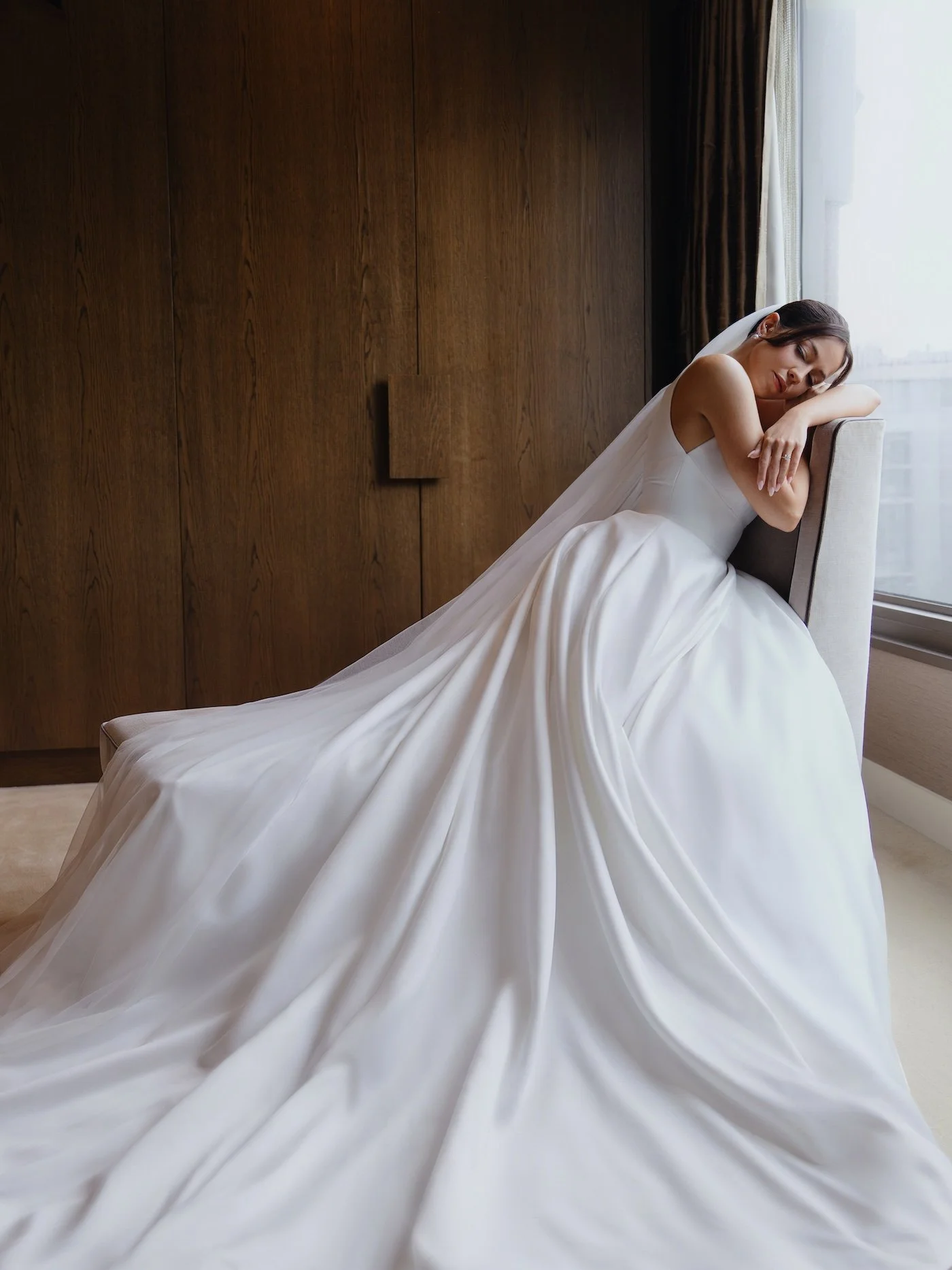
Usually, yes. Combined coverage from one studio costs less than hiring two separate studios of the same level, because you're booking one crew and one production rather than two. The saving is visible in the numbers: eight hours of photography and eight hours of video booked together comes in below the two booked apart.
Our own packages show the gap. Photography at eight hours is $4,800 and video at eight hours is $4,800 — $9,600 booked as two — while the combined eight-hour package is $9,120. The same gap holds at every length: six hours is $7,000 apart against $6,800 together, ten hours is $11,780 apart against $11,190 together. Combined coverage runs from $3,600 for a four-hour elopement up to $11,190 for a full ten-hour day: one photographer and one videographer at six hours, two photographers and two videographers at eight and ten. The bigger saving isn't on the invoice, though — it's the coordination problem you never have to solve.
When does hiring two separate vendors make more sense?
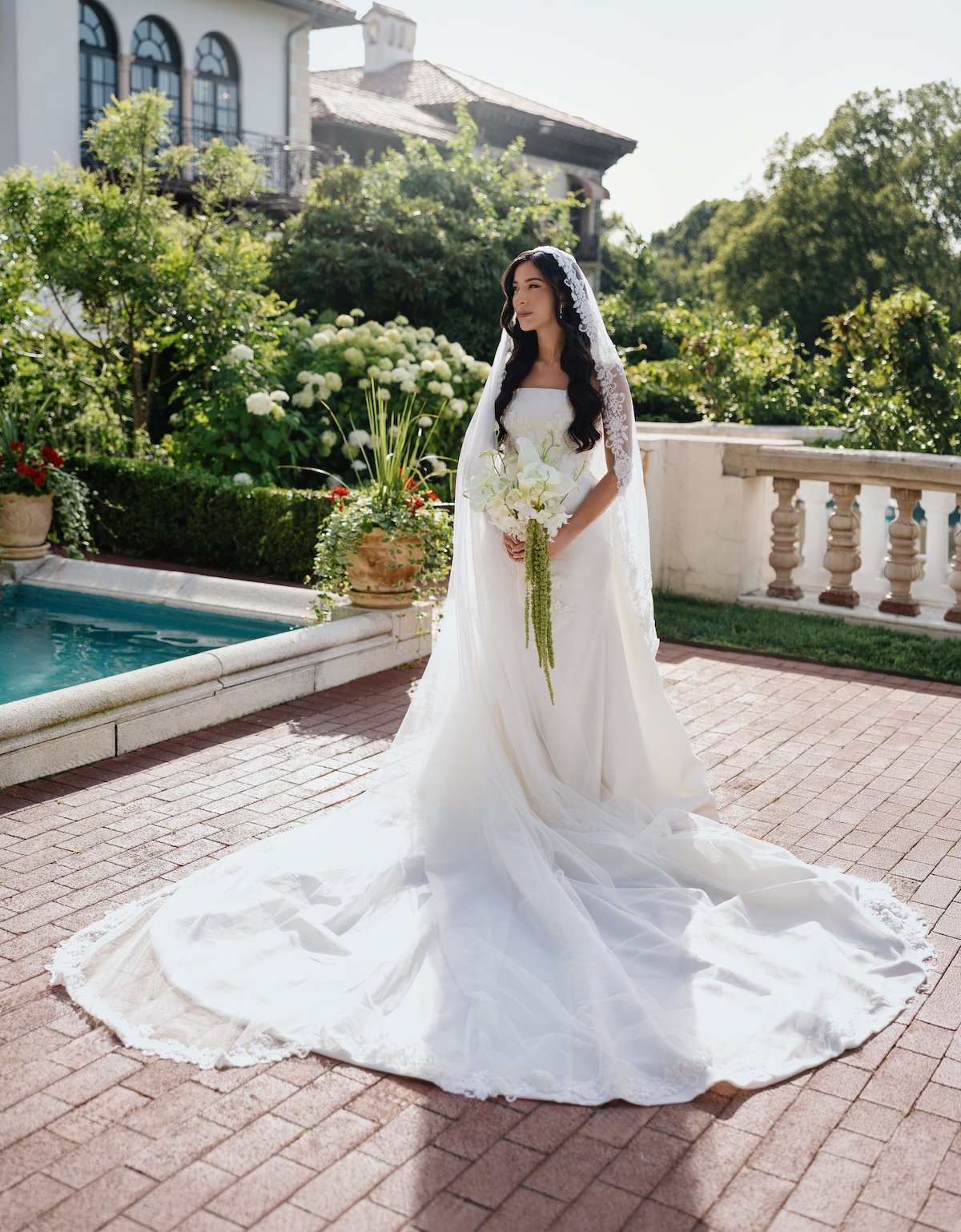
Two separate vendors make sense when you want a specific, named specialist in each craft — a photographer whose exact style no combined studio matches, paired with a videographer you've chosen just as deliberately. It can also help if you're building coverage across time or budget, booking one now and the other later. The trade is that you take on the coordination yourself.
Some couples have a photographer they love and won't compromise on, and a film is a secondary priority — in that case, book the photographer you want and add a videographer who's willing to coordinate. If you go this route, the fix for the clash problem is to introduce the two before the day and ask them to plan angles together; good vendors will. The point isn't that one team is always right. It's that two separate vendors put the job of making them work together on you, and one team takes that job off your plate.
How does a combined photo-and-video team work on the day?
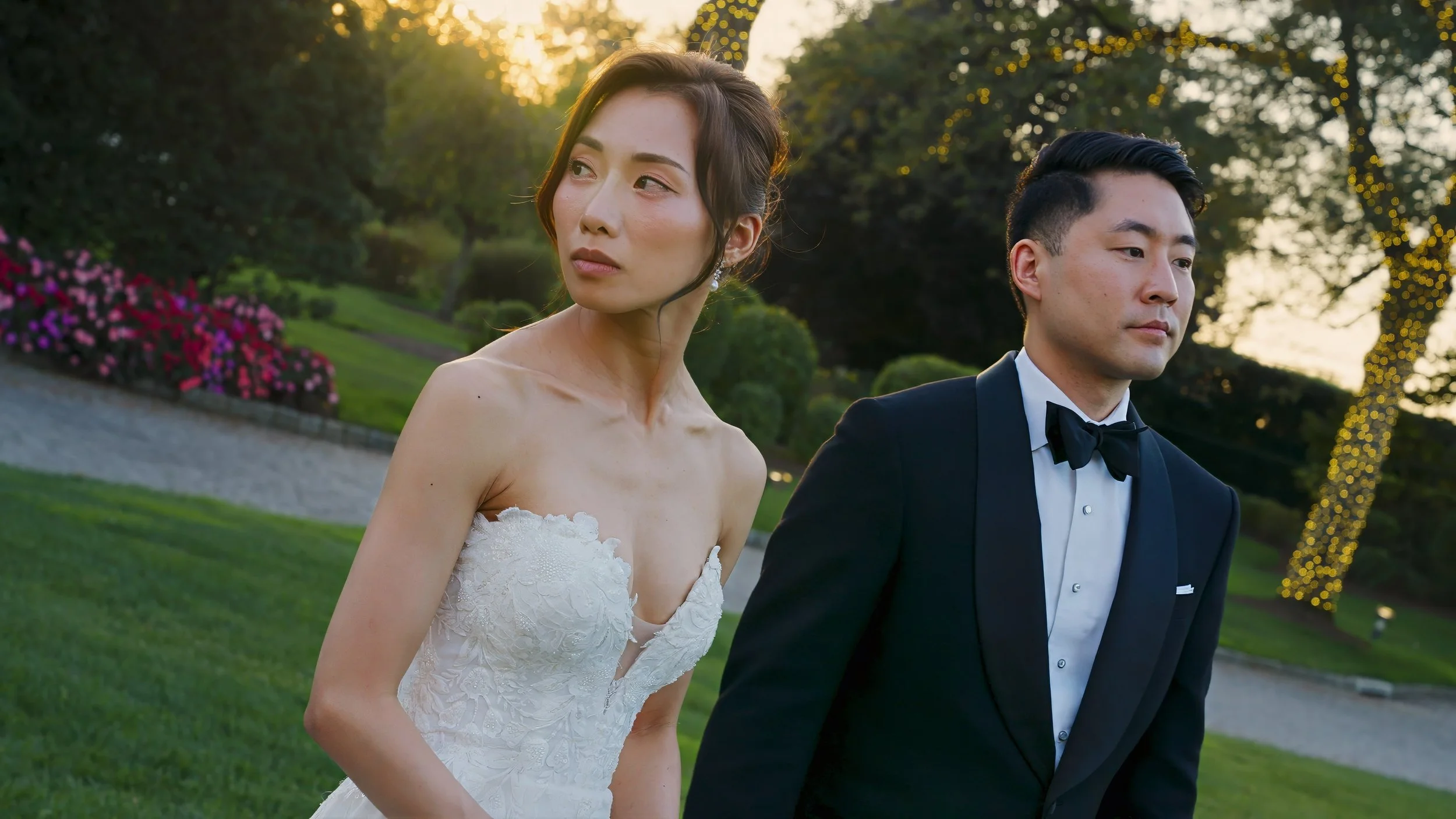
A combined team plans the day as one operation and then shoots it synchronised — dividing angles in advance, staying out of each other's frames, and handing the lead back and forth as the day moves. From your side it's simpler: one team to talk to, one timeline, one plan.
1. One planning conversation covers both crafts — timeline, priorities, and the moments that matter most to you.
2. Angles are divided before the day, so the photographer and videographer never compete for the same spot.
3. The crew shoots synchronised through the ceremony and reception, each covering what the other can't.
4. Photo and video are graded to match afterwards, so the gallery and the film share one look.
5. You get separate deliverables from one source — an edited image gallery and a highlight film with trailer.
This is how we work by default. Andrew directs and Roma produces, and the photographers and videographers on your day are planned around each other – one of each at six hours, two of each at eight and ten. Combined coverage is the standard booking for us rather than the exception. In New York we have shot weddings at The Plaza, Oheka Castle, The Skylark, The William Vale and 1 Hotel Brooklyn Bridge – you can see the work in our wedding photo gallery and wedding films. For prices by coverage length, see our photo and film packages, and for how a bigger crew changes the day, read about a second photographer and a second videographer.
Frequently asked questions
-
For most couples, one company is better. A single studio plans both crafts together, so the two crews don't compete for position during the ceremony, and the photos and film share one style. Two separate vendors can work well if you want a specific specialist in each and you're willing to introduce them beforehand and coordinate the day yourself.
-
They can, when they're hired separately and meet for the first time on the day. Both want the clean angle on the couple during the ceremony and first dance, and without a shared plan they end up in each other's shots or blocking one another. When one studio runs both, the angles are agreed in advance, so the cameras complement each other.
-
Usually. Combined coverage from one studio costs less than two separate studios of the same level. In our packages, eight hours of photo and eight of video booked apart is $9,600, while the combined package is $9,120 — and the gap holds at every coverage length. You also save the coordination work of managing two vendors.
-
They will when one team shoots both, because the same people set the style, light and color across both. Booked from two separate vendors with different aesthetics, a gallery and a film can feel like they came from two weddings. A single studio carries one visual language across the stills and the film so they read as one story.
-
Not well at the same time — stills and motion need different framing and attention, and one person can't hold both on a key moment. A proper combined booking means a dedicated photographer and a dedicated videographer working together, not one person switching between cameras. That's how our combined packages are staffed – one photographer and one videographer at six hours, two of each at eight and ten.
-
Combined coverage runs from $3,600 for a four-hour elopement to $11,190 for a full ten-hour day, with $6,800 at six hours and $9,120 at eight. Six hours brings one photographer and one videographer, eight and ten hours bring two of each, and every package delivers an edited image gallery and a wedding film with a trailer.
About Arrakis Films
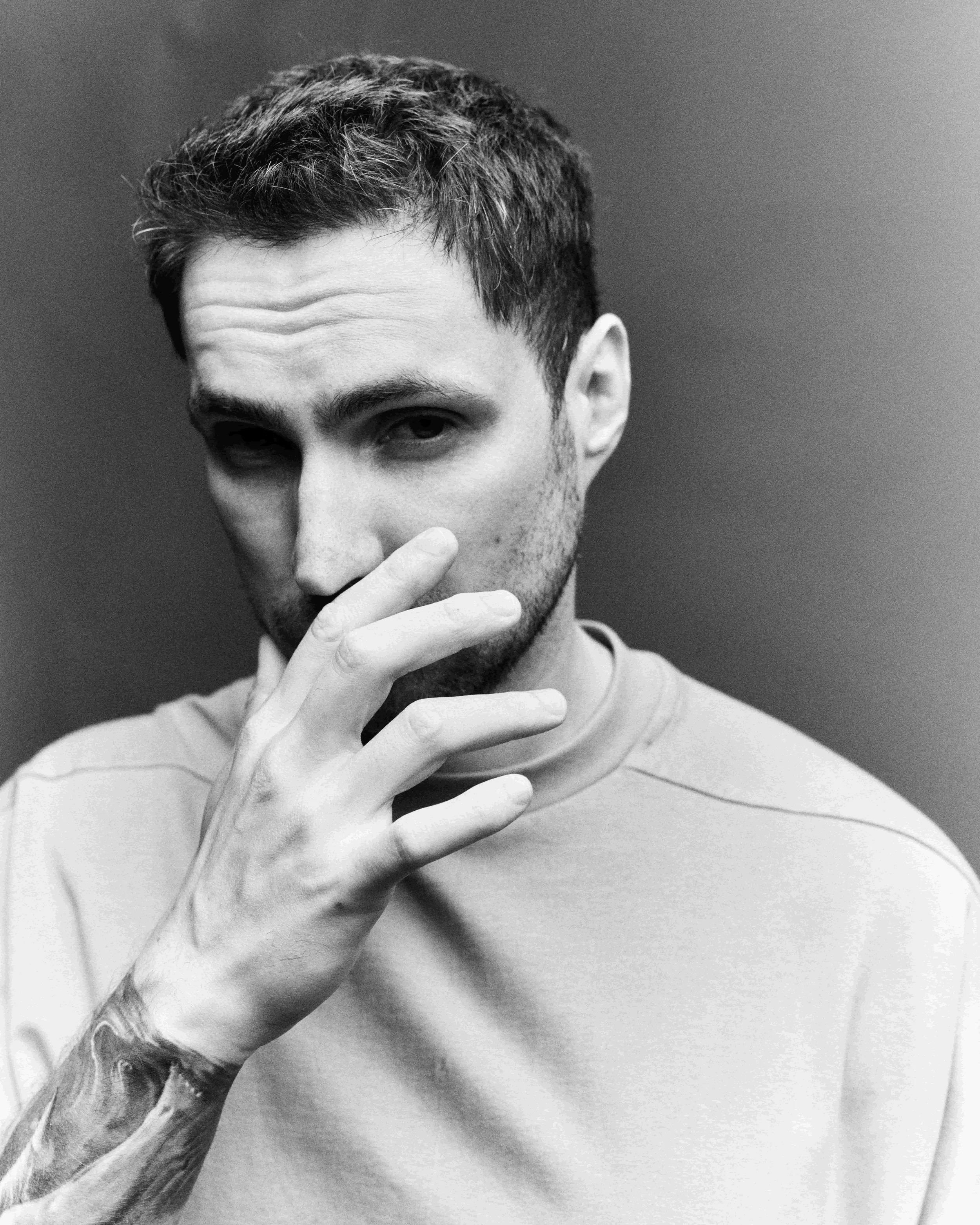
Arrakis Films is Andrew and Roma, an award-winning photo and film studio shooting weddings in New York and Los Angeles. Andrew is a director and Roma is a producer who spent more than ten years on the Bolshoi Theatre stage. They came up together through cinema, commercial and music-video work – recognized at festivals including FFTG Awards, Venezia Shorts and the Seattle International Fashion Film Festival – so photo and video run as one operation for them. They shoot both synchronised, grade them to match and edit everything in house, which is why combined coverage is their standard booking.
Want photo and video from one team?
Tell us your date, your venue and what matters most, and we'll put together combined coverage — one crew, one plan, one look across your photos and film.