Average Wedding Cost in Los Angeles: What Couples Actually Paid
We film and photograph weddings in New York and Los Angeles, and a lot of our first calls with LA couples open the same way: someone read a number online, built a spreadsheet around it, and then got a catering quote that broke the whole thing. The numbers published about LA weddings are not wrong so much as they answer different questions. This guide separates them, shows what each one measures, and gives you the arithmetic to build a budget that survives contact with real vendors.
Quick Answer:
Couples who married in Los Angeles in 2025 spent an average of $44,740, roughly 26% above the $34,200 US average and 13% above the California statewide average, with a typical range of $17,480 to $54,840. At an average of 108 guests that lands near $414 per person. Venue and catering absorb about two thirds of the total. Guest count moves the final number more than any vendor decision you will make.
In this article
- What is the average wedding cost in Los Angeles in 2026?
- Why do published LA averages disagree by $30,000?
- Where the money actually goes: LA budget breakdown by category
- How much does each guest add to the total?
- How does the cost change across Los Angeles?
- How much should you budget for photography and videography in LA?
- What costs do LA couples forget to budget for?
- Where can you cut an LA budget without it showing?
- How we cover Los Angeles weddings
- Frequently Asked Questions
What is the average wedding cost in Los Angeles in 2026?
The most defensible figure for Los Angeles is $44,740, drawn from The Knot’s survey of real couples, against a US average of $34,200 from the same 2026 Real Weddings Study of 10,474 couples married in 2025. The honest version of that number carries its range with it: $17,480 to $54,840. Half of LA weddings cost less than the headline.
Three sources measure the LA market, and they land in three different places because they are counting three different weddings.
The Knot reports what couples said they paid: $44,740 at an average of 108 guests. Zola models a full-service 150-guest wedding and gets $66,832, dropping to $48,559 at 100 guests and $29,114 at 50. The Wedding Report estimates $35,597 to $43,507 for a 125-guest spring 2026 wedding, or about $316 per guest.
Stack those against each other and the pattern is obvious. Nobody disagrees about prices in Los Angeles. They disagree about how many people are at the party.
| Source | Figure | Guest count | What it measures |
|---|---|---|---|
| The Knot 2026 Real Weddings Study (LA) | $44,740 | 108 | Reported spend from surveyed couples |
| Zola LA guide (2026) | $66,832 | 150 | Modeled full-service wedding |
| The Wedding Report (LA, spring 2026) | $35,597 to $43,507 | 125 | Modeled estimate, jewelry and stationery weighted in |
| The Knot 2026 study (US national) | $34,200 | 117 | National benchmark for comparison |
Why do published LA averages disagree by $30,000?
Three reasons, and knowing them saves you from budgeting against the wrong number. Survey averages include courthouse and backyard weddings that pull the mean down. Modeled estimates assume every category is filled by a paid vendor. And the guest count baked into each model is rarely stated on the page you are reading.
The first gap is methodology. The Knot asks couples what they spent. That sample includes the 40-guest Griffith Park ceremony with a taco cart and the 220-guest Bel-Air estate wedding, averaged into one number that describes neither. Zola and The Wedding Report build a wedding out of category assumptions. A model never forgets to hire a florist. Real couples do it all the time.
The second gap is guest count, and it is the largest single distortion. Zola’s own tiering makes the point cleanly: $29,114 at 50 guests, $48,559 at 100, $66,832 at 150, $83,151 at 200. That is a 186% swing driven by one variable. Any average quoted without its guest count is close to meaningless.
The third gap is category weighting inside models. The Wedding Report allocates $3,485 to $4,259 to invitations and $3,112 to $3,804 to jewelry inside a roughly $39,000 budget. We have yet to meet a couple who spent $3,900 on paper. Those allocations are statistical fill, not observed behavior, and they inflate the total while under-representing what actually eats the money.
Practical read: use The Knot’s $44,740 as your market anchor, then rebuild it from your own guest count using the per-person math below. Do not budget against a national average. Los Angeles runs 26% higher, and the gap sits almost entirely in venue and catering.
Where the money actually goes: LA budget breakdown by category
Venue and catering together take roughly 64% of the average LA wedding. Everything else, all of it combined, fits into the remaining third. If your spreadsheet does not reflect that ratio, it will not survive the first venue tour.
Here is the LA category data alongside the national figures, so you can see where the premium actually lives.
| Category | Los Angeles average | US average | LA premium |
|---|---|---|---|
| Venue / reception | $16,400 | $12,900 | +27% |
| Catering | $12,110 | $80 per person | about +40% per head |
| Photographer | $3,180 | $3,000 | +6% |
| Videographer | $2,760 | $2,300 | +20% |
| Live band | $4,000 | $4,500 | -11% |
| DJ | $2,000 | $1,800 | +11% |
| Wedding planner | $2,670 | $2,100 | +27% |
| Transportation | $1,140 | $1,100 | +4% |
| Cake | $665 | $540 | +23% |
| Officiant | $348 | $260 | +34% |
Venue
At $16,400 average and 46% of the modeled LA budget in The Wedding Report’s estimate, the venue is the decision that sets every other number. A Malibu property with an ocean view runs well past $20,000 for a Saturday in June. A downtown loft or a converted warehouse in the Arts District can come in under $8,000. Public and quasi-public spaces, Griffith Park picnic areas, the Los Angeles River Center, county beaches, sit lower still and trade cost for permit paperwork and a hard end time.
Watch the structure, not the sticker. Venues split into two kinds: all-inclusive, where catering, rentals, staff and often bar are bundled, and raw-space rental, where you bring everything. A $9,000 raw space with $14,000 of rentals, catering and staffing behind it is not cheaper than a $20,000 all-inclusive. It is the same money with more of your weekends spent coordinating it.
Catering and bar
The Knot puts LA catering at $12,110 average, which at 108 guests is about $112 per head before bar. Zola separates bar service out at $7,597 for 150 guests, roughly $51 per person. National catering benchmarks sit at $80 per person, so LA runs about 40% above.
Plated service costs more than buffet, and family-style sits between them. The number that surprises people is staffing: a plated dinner needs roughly one server per ten guests, and that labor is priced into the per-head figure or added as a line item, depending on the caterer. Ask which.
Photography and videography
$3,180 and $2,760 respectively as LA averages, which describe partial-day coverage more than full-day work. Full-day LA studios quote differently, and we cover that in its own section below, because the average and the market rate for eight to ten hours are two different conversations.
Florals and decor
Zola models LA florals at $8,704 for a 150-guest wedding, 13% of the budget and the third largest line. National flowers average $2,800, plus $1,900 for lighting and decor. The gap is real: LA weddings lean visual, and the venues that photograph well are often blank canvases that need to be dressed.
Reusable installations are where the savings live. Ceremony arrangements moved to the reception, aisle pieces repurposed as table markers, one statement installation instead of forty centerpieces. A good florist will propose this without being asked. A florist who does not is selling you volume.
Music and entertainment
A live band averages $4,000 in LA, a DJ $2,000. Bands need more space, more power, longer load-in, and often a meal per musician. Factor the second-order costs before you compare the two numbers directly.
Planner
$2,670 average in LA, though that number blends month-of coordination with full-service planning that runs $8,000 and up at the high end. Month-of coordination is the single best value in the LA vendor stack. Someone who knows the venue’s loading dock, the noise ordinance, and which vendor always shows up late is worth more on the day than another $2,000 of flowers.
Attire and beauty
The Wedding Report models LA attire and accessories at $3,872 to $4,732. National dress average is $2,100. Hair and makeup runs about $150 per person nationally, and LA sits above that, particularly for on-location artists who bill travel time in a city where travel time is the product.
How much does each guest add to the total?
Every additional guest in Los Angeles adds roughly $310 to $445 depending on service level, once you count food, bar, rentals, staffing, stationery and cake. Cutting twenty names from the list saves $6,000 to $9,000 without touching a single vendor contract. No other decision in wedding planning has that leverage.
The per-person figures across sources cluster tightly: The Knot’s LA data works out to about $414, Zola’s 150-guest model to $445, The Wedding Report to $316. Take $350 as a conservative planning number for a mid-range LA wedding and $450 for full-service.
Then run it against Zola’s tiering, which is the clearest published guest-count curve for this market:
| Guest count | Modeled LA total | Per guest | Best for |
|---|---|---|---|
| 50 | $29,114 | $582 | Couples who want high-end everything and will trade the list for it |
| 100 | $48,559 | $486 | The most common LA structure: close family, real friends, full service |
| 150 | $66,832 | $445 | Large families or two social circles that both need to be there |
| 200+ | $83,151+ | $416 | Cultural or community weddings where the list is not negotiable |
Note the per-guest figure falls as the count rises. Fixed costs, venue, photography, film, planner, DJ, spread across more people. This is the argument people use to justify inviting more, and it is arithmetically true and financially backwards. The total is what you pay.
How does the cost change across Los Angeles?
The same wedding costs 30% to 40% more in Malibu than in the San Gabriel Valley, and the delta is not just venue rental. It is shuttles, permits, vendor travel, and the hours in the day you can actually use.
Malibu and the coast.
Highest venue rates in the county, and the surrounding costs compound. Most Malibu properties sit on PCH with no parking, so you are shuttling guests from a lot in Calabasas or Point Dume. Budget $1,500 to $3,000 for transport. County beach ceremonies need a permit from LA County Beaches and Harbors, and the marine layer that makes coastal light beautiful can also sit on you until 1pm. Plan portraits for the last ninety minutes of daylight and build the timeline backwards from there.
Downtown and the Arts District.
Raw-space rental territory, $6,000 to $12,000 typical, with rentals and catering brought in. Loading access matters more here than anywhere else in the city: a fourth-floor loft with one freight elevator adds an hour to every vendor’s setup, and some of them bill it. Interiors run dark, which is a lighting problem for film rather than a stylistic one, and it is solvable if the team knows before the day.
Pasadena and the San Gabriel Valley.
The best value in the county for full-service venues. Historic properties, garden estates, and a vendor pool that has not priced in a Westside address. Golden hour arrives earlier against the mountains than couples expect, which tightens the portrait window in fall and winter.
Hollywood Hills and private estates.
Rental rates vary wildly because the inventory is residential. The costs that catch people are the ones written into the neighborhood, not the contract: amplified sound curfews, typically 10pm, and street parking restrictions that force valet. A 10pm hard stop changes the entire timeline, which changes what coverage you need.
Long Beach, South Bay, and the eastern county.
Waterfront and industrial venues at 20% to 30% below Westside equivalents. Vendor travel fees start appearing here for teams based on the Westside. Ask upfront.
How much should you budget for photography and videography in Los Angeles?
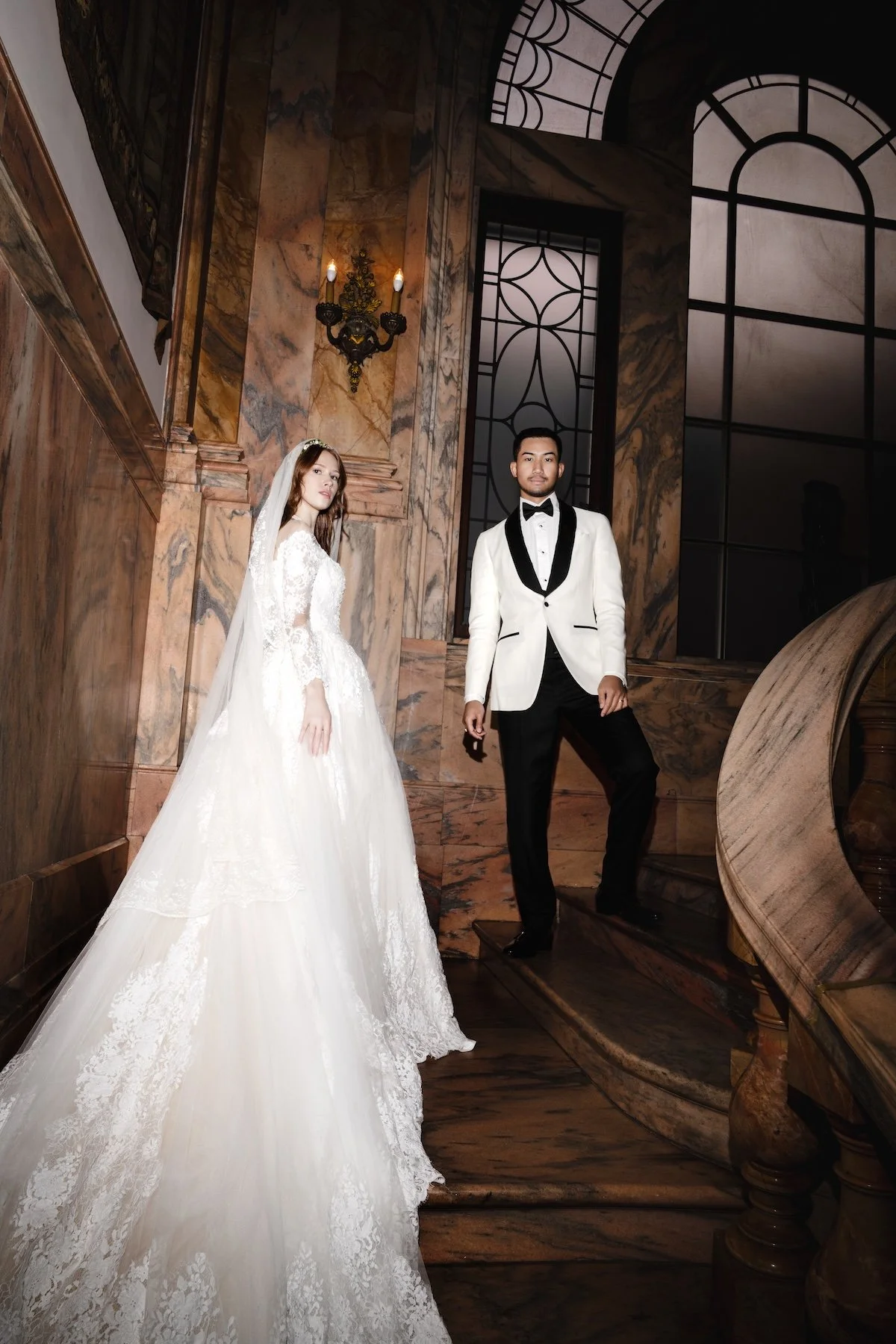
Plan on $4,500 to $8,000 for full-day photography in Los Angeles and $4,000 to $8,000 for full-day film, or $8,000 to $14,000 combined when booked as one team. The published averages of $3,180 and $2,760 describe shorter coverage and partial-day work, and quoting them as full-day rates is the most common budgeting error we see.
The gap between the average and the market rate is a coverage gap. A $3,000 photography average includes four-hour and six-hour packages, second shooters counted as add-ons, and couples who booked a photographer eighteen months out at last year’s rate. LA studios quoting eight to ten hours with two shooters publish $4,500 to $8,000 for photography, with premium studios reaching $9,000. Film runs comparably, with most LA couples landing between $4,000 and $8,000.
What actually moves the price:
Hours. The difference between six and ten hours is not four hours of shooting. It is whether getting-ready, the first look, the ceremony, portraits, and the reception all fit inside coverage, or whether something gets cut. Most LA timelines with a 10pm curfew need eight hours minimum.
Team size. One shooter cannot cover two getting-ready locations, and cannot cover the aisle and the faces in the front row at the same moment. Two shooters is the standard above eight hours in this market.
Booking both together. On our own price list, photo and film booked as one package cost 3% to 5% less than the two booked separately: $9,120 instead of $9,600 for eight hours. The real gain is operational. Two teams from different companies negotiate the same six feet of aisle space during the vows, and one of them loses.
Our own photo and film packages are $3,600 for four-hour elopement coverage, $6,800 for six hours, $9,120 for eight hours and $11,190 for ten hours, with drone coverage from eight hours and Super 8 film included at ten. Full details are on our Los Angeles video and photo packages page.
What costs do LA couples forget to budget for?
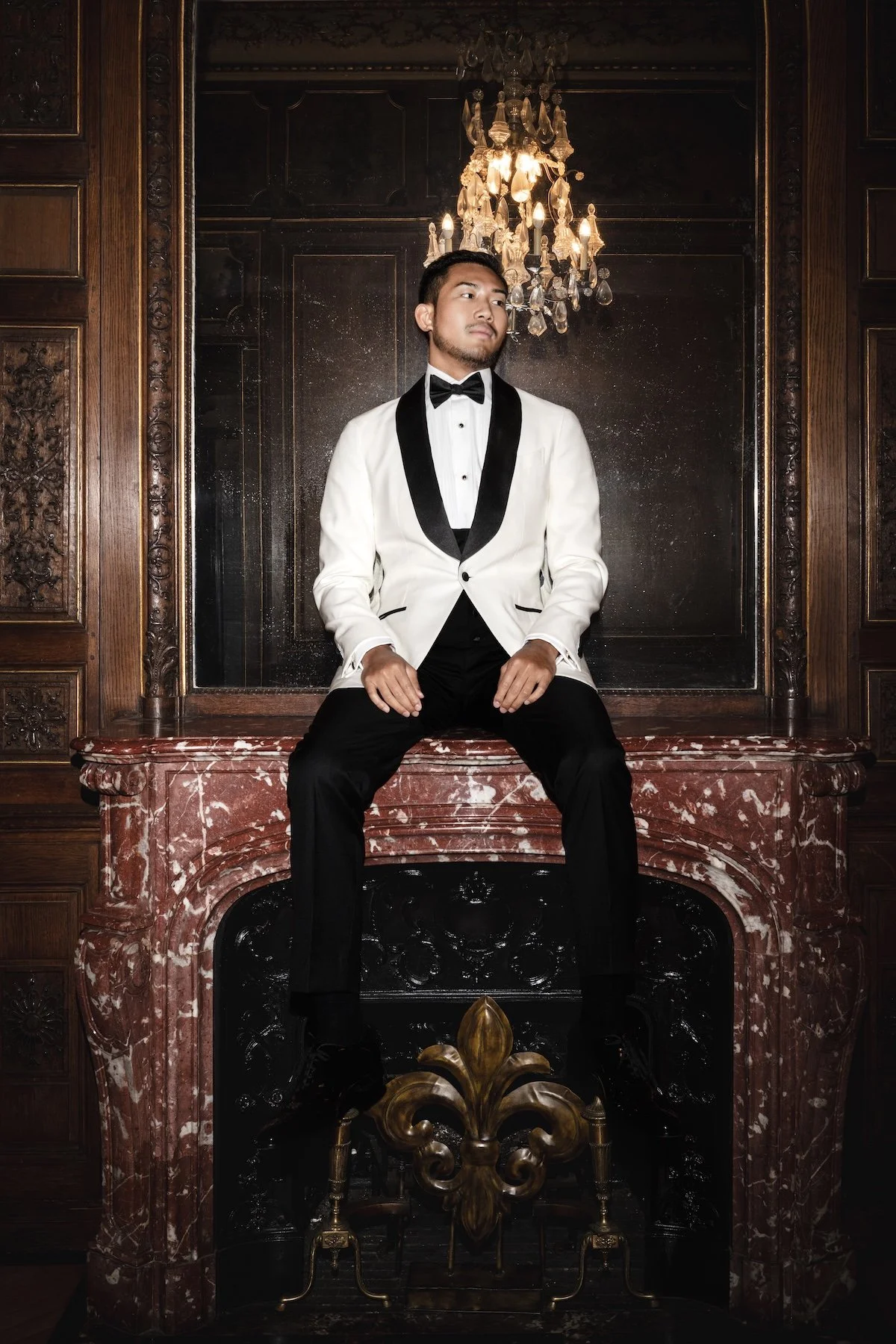
Service charges and tax add 28% to 32% on top of catering and bar in Los Angeles. On a $19,000 food and beverage total that is $5,300 to $6,100 that does not appear on the quote you compared against other caterers.
The full list of what arrives after the contracts are signed:
Service charge, 18% to 22%. Charged on food and beverage. Not a tip. Ask explicitly whether gratuity is separate, because at many LA venues it is.
Sales tax, 9.5% in most of LA County and 9.75% in the City of Los Angeles. Applied to food, beverage and rentals, and in most cases to the service charge as well.
Vendor meals. One per working vendor, typically $40 to $75 each at LA venues. A photo and film team of four, a DJ, a planner and two assistants is eight meals.
Overtime. $400 to $600 per hour per vendor is the LA norm. Receptions run long. Build one hour of buffer into the budget rather than the timeline.
Permits. County beach ceremonies, Griffith Park, and most City of LA parks require permits, and several require proof of liability insurance naming the agency.
Marriage license. A public license in Los Angeles County is $91 and a civil ceremony at the county clerk is $35, with a $20 fee if you need a witness. The Board of Supervisors gave preliminary approval in September 2025 to raise the license to $176 and the confidential license to $220, then sent the item back after objections from the wedding industry. Check lavote.gov before you budget, because this one may have moved.
Liability insurance. $150 to $300, and most LA venues require it.
Valet and parking. $2,000 to $4,000 at estate and Hills venues where street parking is restricted.
Alterations. $300 to $800, and rarely in anyone’s first spreadsheet.
Tips. Not obligatory, widely expected. $50 to $200 per vendor, more for a planner or band.
Where can you cut an LA budget without it showing?
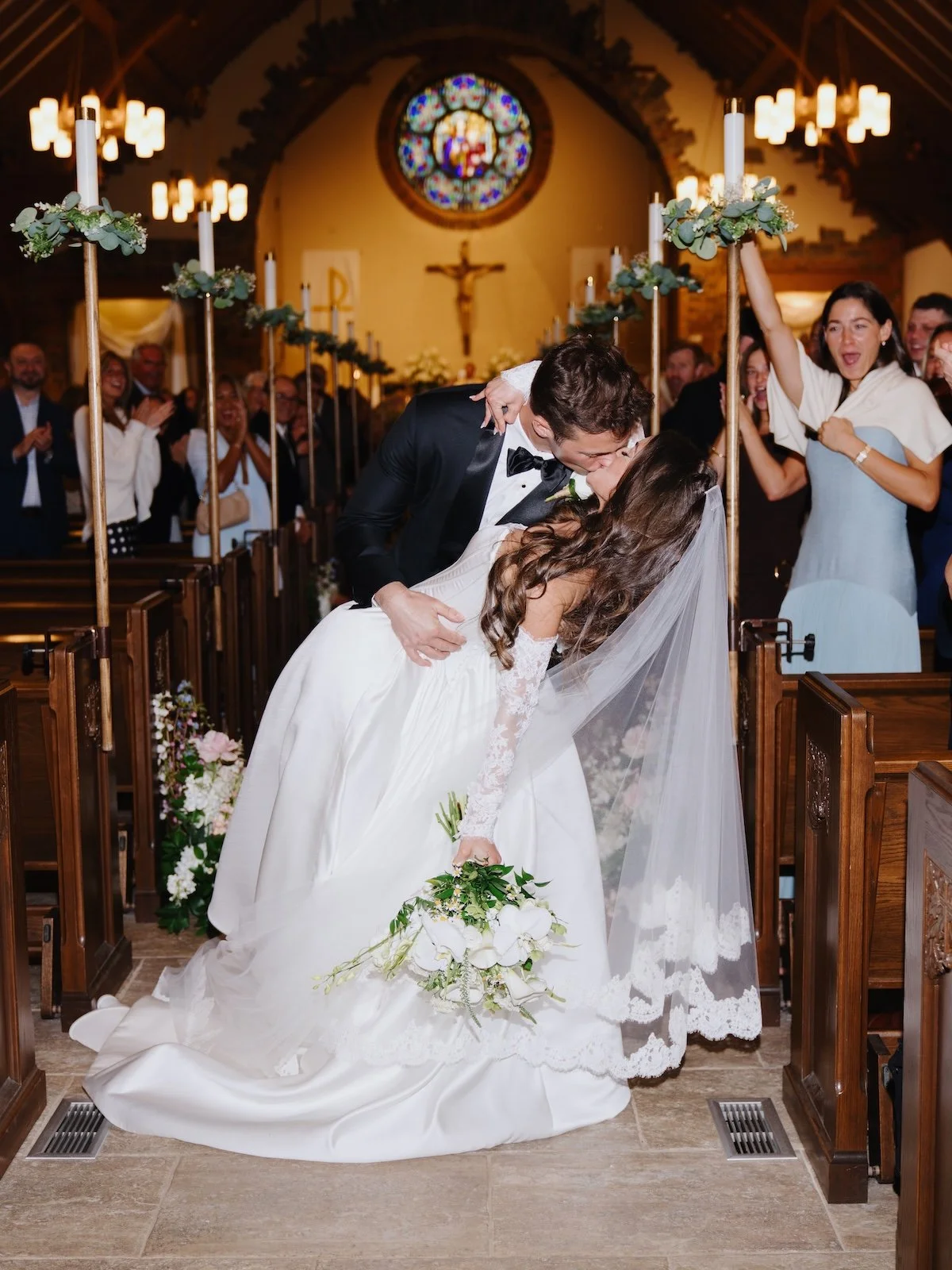
Move the date, cut the list, and restructure the bar. Those three levers together can take 25% to 35% off a Los Angeles wedding with no visible drop in quality. Everything else is trimming around the edges.
Date. January, February and March see LA vendors discount 20% to 30%. November is close behind. Friday and Sunday save 15% to 20% against Saturday at most venues, and the vendor pool is far more available, so you get first choice instead of whoever is left.
Guest list. $310 to $445 per name. Twenty fewer guests is $6,000 to $9,000 and it is the only cut nobody at the wedding can see.
Bar structure. Beer, wine and one signature cocktail instead of a full open bar saves $15 to $25 per person. Venues that allow you to supply your own alcohol, with a licensed bartender, save more.
Florals. Reuse ceremony installations at the reception. One large statement piece photographs better than forty small centerpieces and costs less.
Stationery. Digital save-the-dates and RSVPs. Nobody keeps them. Spend the paper budget on the invitation itself if it matters to you.
Where cutting shows: coverage hours, team size, and food. A six-hour photo and film package on a timeline that runs eleven hours means the last two hours of your wedding do not exist afterward. Undercatering is the one thing guests notice and remember. And a single shooter at a 150-guest wedding will miss either your grandmother’s face during the vows or the vows themselves, because they cannot be in both positions.
How we cover Los Angeles weddings
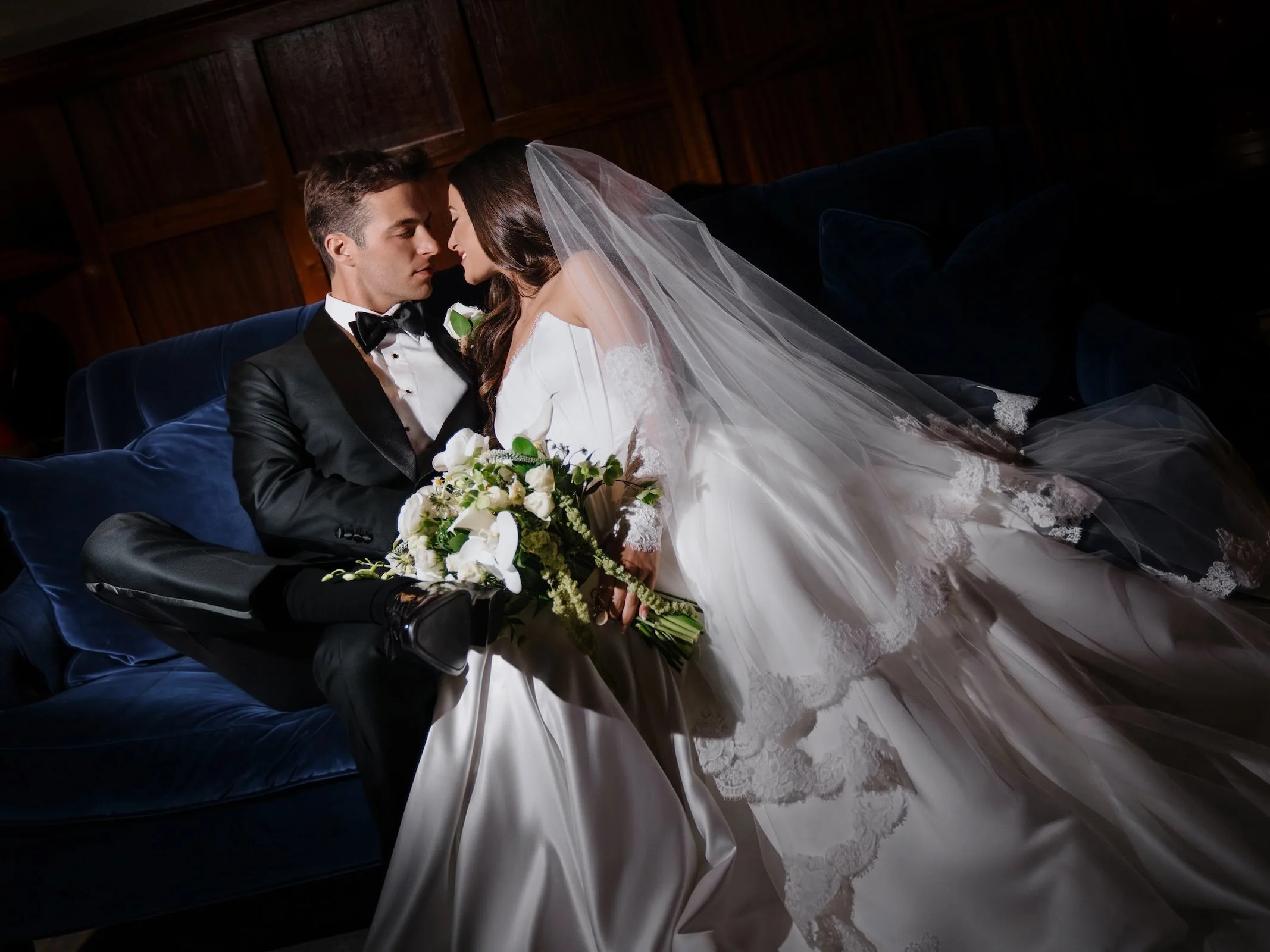
We work as one team across photography and film, which matters more in practice than it sounds on a website. One timeline, one set of positions in the room, one conversation with your planner instead of two.
Audio is recorded from two independent sources: a feed from the venue’s sound board or the DJ’s mixer for the ceremony and the speeches, and a directional mic on camera as the second source. Lavalier mics are available on request. For the dark downtown and Hills interiors where most LA receptions actually happen, we bring our own lighting rather than pushing ISO and handing you noise.
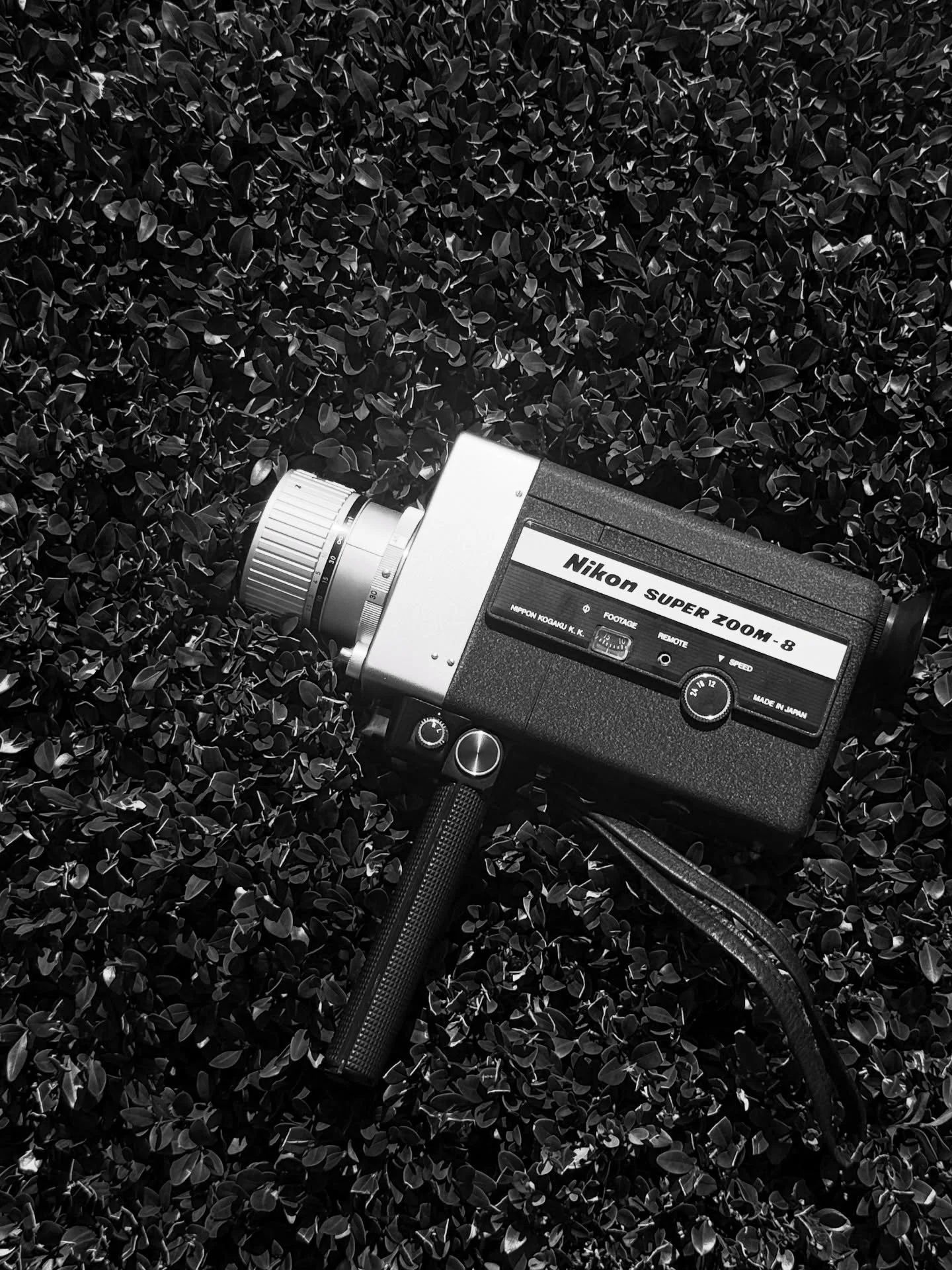
Drone coverage is included from eight hours, where the venue and flight rules allow it. Ten-hour coverage includes Super 8 film shot on a Braun Nizo 3056 and cut into the digital edit, and Super 8 can be added to any shorter package.
Delivery: the full photo gallery within a month, the film within four to six months. The gallery stays online for a year with unlimited high-resolution downloads and full print rights, no watermarks.
Talk to us
If you are building an LA budget right now and want to know what full-day photo and film coverage costs for your specific date, venue and guest count.
We will tell you what fits and what does not, including when a shorter package is the right call.
Frequently Asked Questions
-
$44,740 for couples married in 2025, according to The Knot’s 2026 Real Weddings Study, with a typical range of $17,480 to $54,840 and an average of 108 guests. That is about 26% above the $34,200 US average and 13% above the California statewide average. Los Angeles ranks among the five most expensive US wedding markets.
-
Roughly $35,000 to $50,000 for full-service, with Zola’s LA model landing at $48,559 for 100 guests. The spread depends almost entirely on venue type. An all-inclusive Westside property pushes toward the top of that range, while a raw-space rental in the Arts District or a San Gabriel Valley venue can come in near $35,000 with the same vendor quality.
-
January and February. LA vendors discount 20% to 30% in the first quarter, with March close behind and November offering meaningful savings. Weather is a smaller risk than couples assume: LA sees its rain in January and February, but daytime temperatures stay in the 60s and the light in winter is the best of the year for photography.
-
$91 for a public license, $85 for a confidential license, plus $35 for a civil ceremony at the county clerk and $20 if you need a witness provided. A proposed increase to $176 and $220 received preliminary approval in September 2025 and was then deferred. Confirm current fees at lavote.gov before you file, as this figure is under review.
-
Between 12% and 20% of the total for most LA couples. On a $45,000 wedding that is $5,400 to $9,000, which buys full-day coverage from one team rather than partial-day coverage from two. The venue and catering are consumed on the day. The photographs and film are what the money produces afterward, which is why this line tends to move up when couples rebuild their budget a second time.
-
Yes, and the savings are real. Ventura County, the Inland Empire and San Diego County run 15% to 30% below LA venue rates. The offset is vendor travel fees, guest accommodation, and the logistics of moving 100 people out of the city. For a guest list under 60, destination pricing often nets out cheaper. Above 120, the accommodation math usually cancels the venue savings.
-
Most do, by 15% to 25% against Friday and Sunday, and peak-season Saturdays from May through October carry the highest rates of the year. Some venues price by date rather than by day, so a Saturday in February can cost less than a Friday in September. Ask for the full date grid rather than a single quote.
-
Building the budget from a national average and then adding a percentage. LA’s premium is not distributed evenly: venue runs 27% above national, videography 20%, officiants 34%, while live bands actually cost slightly less. Start from LA category figures, then adjust for your guest count. A flat multiplier on a national number will be wrong in both directions at once.