

Winter Proposal Ideas: Where and When to Propose in the Snow
We photograph and film proposals in New York and Los Angeles, usually from a bench forty feet away with a long lens and a phone on silent. Most of the winter proposal guides online will give you a list of settings. This one gives you the settings with the numbers attached: what time the light dies in December, what the rink actually charges, which park will ask you for a permit, and where a photographer has to stand so your partner never sees them.
Quick Answer:
The most popular winter proposal dates are December 25, December 24, January 1, December 22 and February 14, and roughly 37 to 40 percent of all engagements happen between November and February. In New York the practical window for an outdoor proposal in December is 3:30pm to 5:00pm, because the sun sets at about 4:30pm and usable light is gone by 5:00pm. Free and low-cost settings include Bryant Park's rink, which charges nothing for admission, while a commercial photo shoot in Central Park needs a Conservancy request plus a city permit at $500 per fourteen-day period. Proposal coverage from Arrakis starts at $990.
In this article
- When is the best time to propose in winter?
- What time of day should a winter proposal happen?
- How do you propose in the snow?
- What are the best Christmas proposal ideas?
- Where are the best places to propose in winter?
- What are the best indoor winter proposal ideas?
- Are New Year's Eve and Valentine's Day good proposal dates?
- What are the best winter proposal ideas without snow?
- How much does a winter proposal cost?
- Do you need a permit to propose in a New York park?
- How we photograph and film a proposal
- Frequently asked questions
When is the best time to propose in winter?
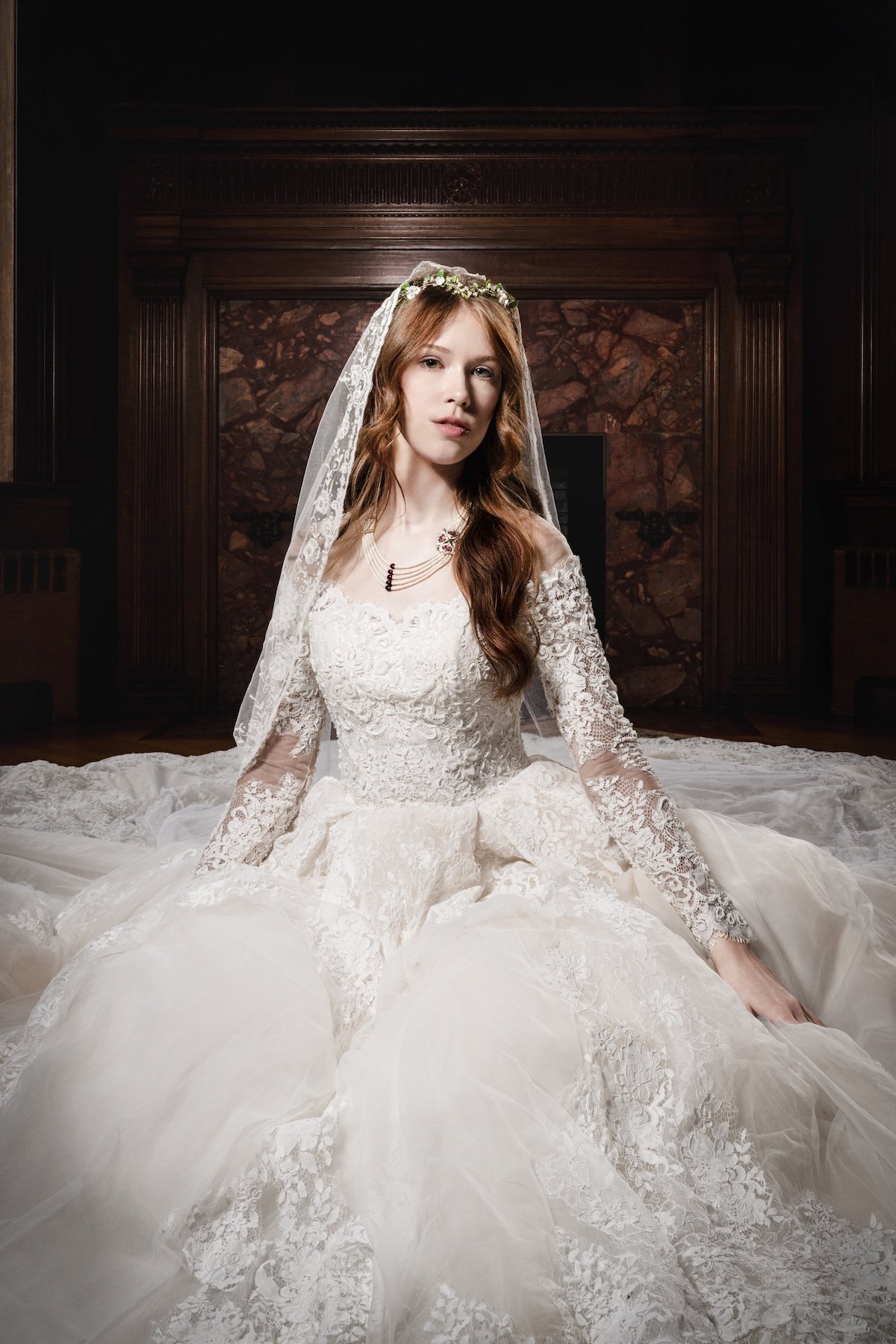
December 25 is the single most popular day of the year to propose, followed by December 24, January 1, December 22 and February 14, per The Knot's study of proposal dates. The same study puts December at 19 percent of annual proposals and the November to February window at nearly 40 percent.
So the honest framing of a winter proposal is that you are joining a crowd. The only real question is whether you want the date to carry meaning or to be yours alone.
Here the sources disagree, and the disagreement is worth understanding. The Knot's global proposal report, built on more than 20,000 couples across fourteen countries, puts the November to February share at 37 percent. The American study says nearly 40. Neither number is wrong. One is a worldwide average pulled down by countries with different calendars, notably India, where February leads and January follows for reasons of tradition. The other is a US figure. If you are proposing in New York or California, the 40 percent number is the one that describes your Saturday.
What that means in practice: December 24 and 25 give you family already in the room and a story your partner will tell for thirty years, at the cost of every venue being full and every photographer being booked. December 22, the fourth most popular date, sits in a quieter week. The first weekend of December is quieter still, the lights are already up in New York, and the crowds at Rockefeller Center have not yet reached the level where you cannot cross the plaza.
One more consideration that nobody puts in these lists. If your partner runs the family holiday, cooks for twelve and hosts on the 25th, a proposal that morning lands on someone already at maximum load. Watch how they behave in the week before Christmas. If the answer is "stressed," move it to January 1 or to a Sunday in mid-January when nothing is happening and the gesture belongs to the two of you.
What time of day should a winter proposal happen?
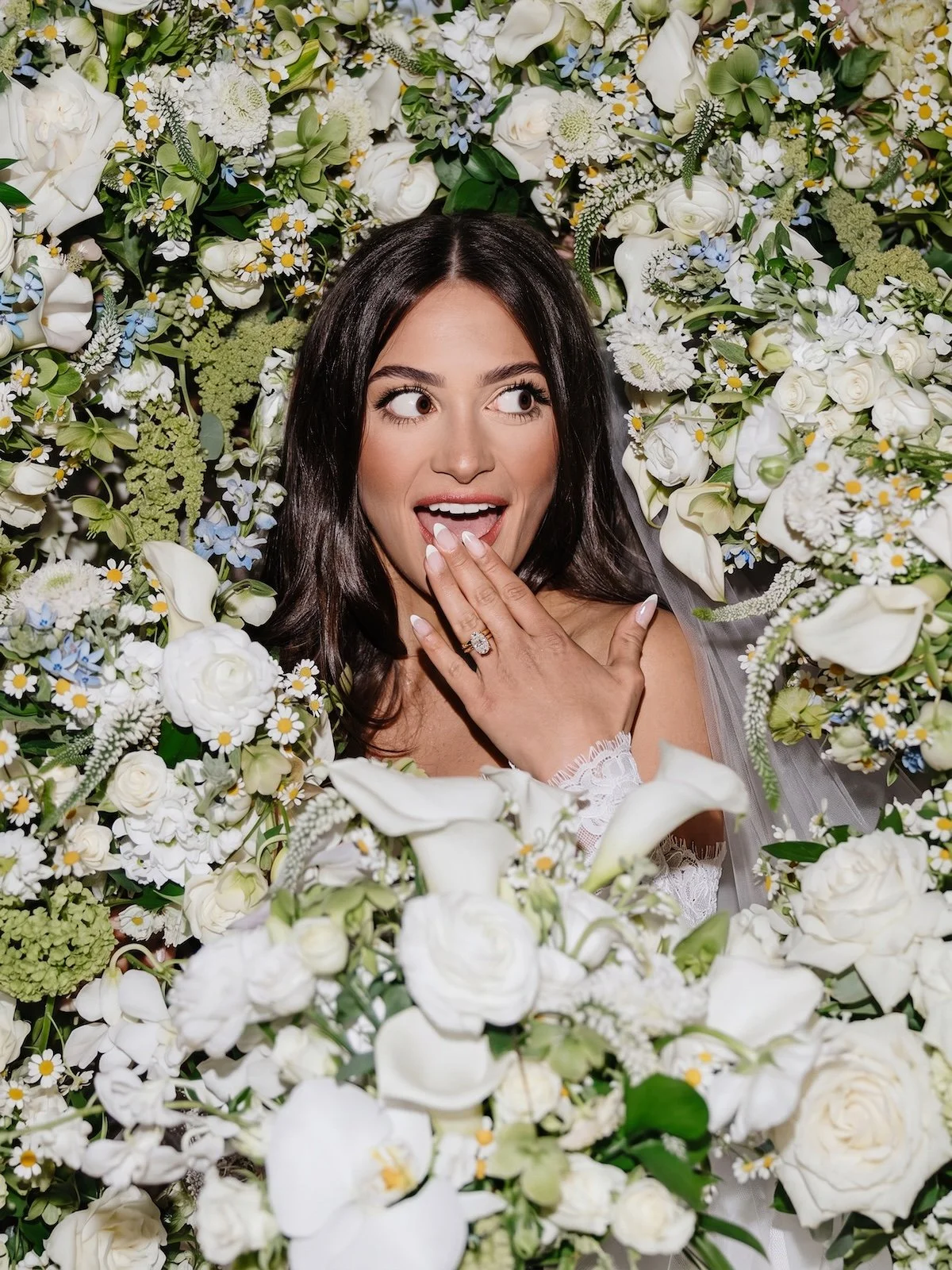
For an outdoor winter proposal in New York, plan the moment for 3:30pm to 4:30pm in December and treat 5:00pm as the hard end of usable light. The sun sets at about 4:30pm through the first three weeks of the month, and the blue light that follows sunset runs about half an hour.
Golden hour is the hour before sunset. Not the hour after it.
This matters because almost every winter proposal article online, including the earlier version of this one, repeats the same line: golden hour is 4:30 to 5:30pm. That is wrong, and it is wrong in the direction that ruins photographs. Here are the real numbers for New York, December 2026, from published sunrise and sunset tables:
December 7 and 8, the earliest sunsets of the year: sun down at 4:30pm, civil twilight ends 4:59pm
December 21, the solstice: sun down at 4:33pm, civil twilight ends 5:03pm
December 25: sun down at 4:36pm, civil twilight ends 5:05pm
December 31: sun down at 4:40pm, civil twilight ends 5:09pm
Read that as three separate windows, each of which photographs differently. From 3:30 to 4:30pm you get low warm sun raking across the park. Long shadows, faces lit from the side. From 4:30 to 5:00pm the sun is gone and the sky goes deep blue while the city lights come up, which is the single most flattering half hour of a New York winter and the reason a Rockefeller Center or Bryant Park proposal looks the way it does in photographs. After 5:00pm you are shooting at night, which is fine if the setting is lit and a problem if it is a park path.
Two practical consequences. First, a weekday proposal at 4:00pm means leaving work early, and that is a real scheduling decision, not a detail. Second, the crowds at the famous spots peak between 5:00pm and 8:00pm, which is after your light is gone. Arriving at 3:15pm gets you better light and fewer people at the same time.
How do you propose in the snow?
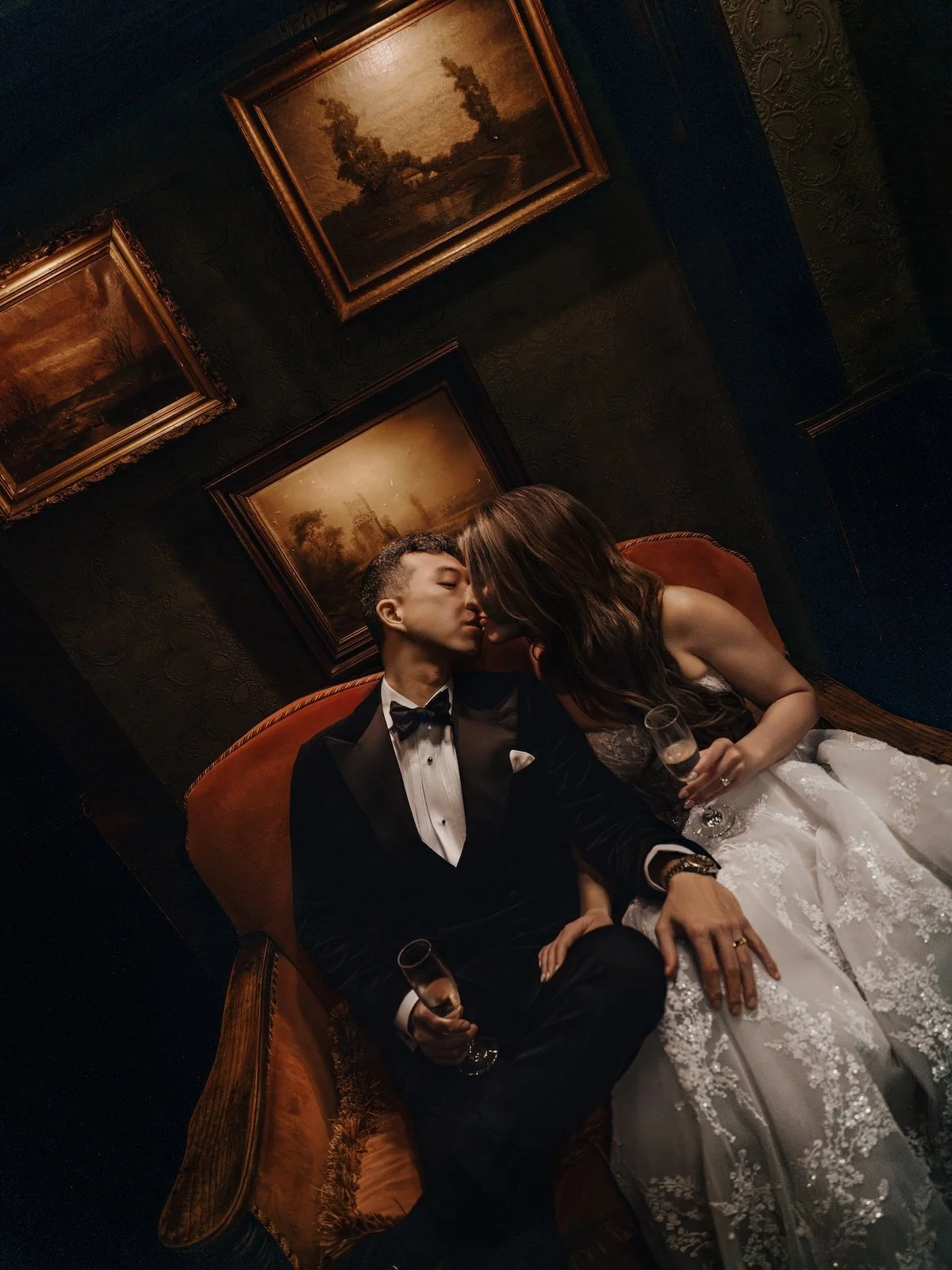
A snow proposal is two different shoots wearing the same name. Falling snow is the version everyone pictures, and it cannot be booked. Snow lying on the ground can be planned around, and it lasts for days. Central Park averages 4.9 inches of snow in December and 10.1 inches in February, per the National Weather Service normals.
Read that number again, because it inverts the usual assumption. February gets more than twice the snow December does, and the annual normal is 29.8 inches. A white Christmas in New York is a genuinely rare event. If snow in the photographs matters more to you than the date, late January and February are where the odds live.
Falling snow. Nothing else looks like it, and there is no way to schedule it. The workable approach is a standing plan: a location agreed in advance, a photographer on a same-week call, plus a partner whose Saturday you can quietly clear. We keep two or three of these open every winter and shoot them on eighteen hours' notice.
Snow on the ground. This is the reliable version. Fresh snow holds its look for about a day in the city before traffic and salt turn it grey, and it holds for several days in a park, on a farm, or upstate. Shoot the morning after a storm if you can.
The exposure problem nobody warns you about. A camera pointed at a snowfield reads all that white as a mid-grey and darkens the whole frame, which is why amateur snow photographs come back dim and blue. We open up about a stop and warm the white balance. If you are shooting your own on a phone, tap your partner's face on the screen and then slide the exposure up, because the phone makes the same mistake.
Footprints. A clean field of snow is ruined by one person walking into the middle of it, and it cannot be undone. Agree the approach along one edge and keep the good ground in front of you. Do not let anyone cross it while scouting.
Cold. Twenty minutes outdoors is the honest working limit for a partner in nice clothes. Hands go first, which is a problem when the ring comes out of a box. Everything else in this article assumes you have solved that with a warm car, a cafe, or a lobby within a two-minute walk.
A winter wonderland proposal, in the sense people mean when they search for one, is snow on the ground plus low sun plus somewhere to warm up afterwards. Those three together are worth more than any decoration you can carry in.
What are the best Christmas proposal ideas?
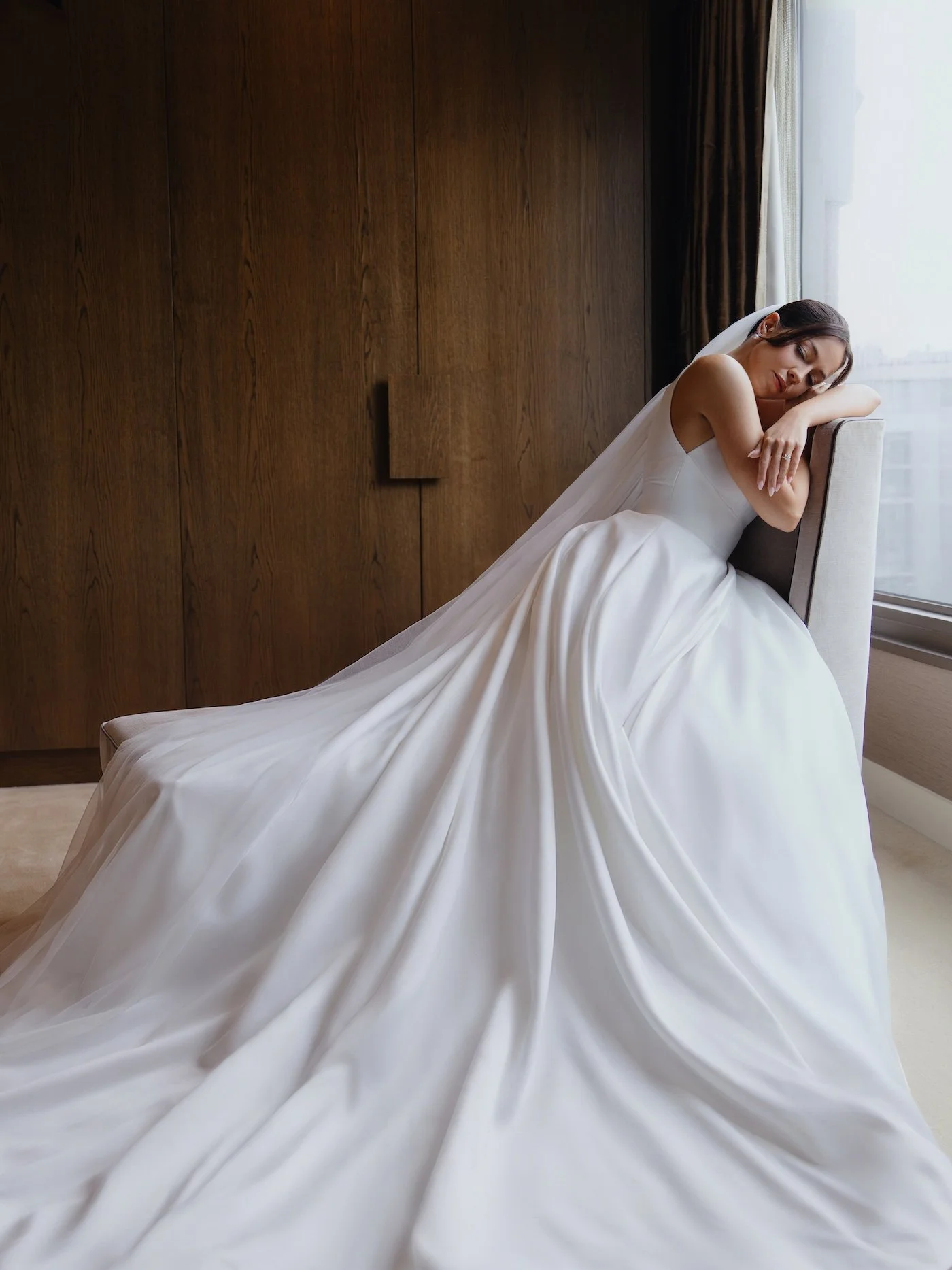
The strongest Christmas and holiday proposal ideas use a ritual your household already performs, so the surprise arrives inside something familiar. Decorating the tree, opening stockings, the toast before dinner. That is why these land harder than a rented setting: your partner is already relaxed and already inside a memory.
The ornament and the tree
A ring box built as an ornament, hung on the tree while you decorate together, is the most-used Christmas proposal in America and it still works. The version that works better is the one where the ornament is the last thing to go on the tree and it has your partner's handwriting or a date on it, so it stays on the tree every December afterward.
Best for: couples who already decorate together and hate an audience.
Photo and film note: tree lights are warm and very dim. A camera needs a second light source in the room, usually a lamp bounced off a wall behind us, or the faces go orange and soft. We set that before you start decorating, and it reads as ordinary room lighting.
Christmas morning, before the house wakes up
The stocking, the last gift under the tree, or a ring box under a coffee cup on a breakfast tray.
Best for: private people, and anyone whose partner would rather cry without an audience.
Photo and film note: Christmas morning in a New York apartment is the hardest lighting of the year, because the windows face a courtyard and the sun is not up. If you want this photographed, plan it for 9:00am or later and keep the blinds fully open.
The advent calendar, twenty-four days long
A custom calendar where each day holds a small object tied to a memory, and December 24 holds the ring.
Best for: couples who like a long build, and anyone proposing to a partner who is impossible to surprise on a single day.
Photo and film note: this one photographs badly as a moment and beautifully as a series. If you do it, film the last three days on your phone and let us cut them into the film.
The Christmas Eve or Christmas dinner toast
You stand up to thank the family for the year and finish on one knee.
Best for: families that are close, partners who love being the centre of attention, and nobody else.
Photo and film note: dining rooms are small and we cannot hide in one. For this we work openly and pretend to be there for family portraits, which is a story people believe on Christmas Day.
The Christmas market
Union Square, Bryant Park, or any of the neighbourhood markets. Mulled wine in hand, lights overhead, enough noise that nobody around you notices for the first ten seconds.
Best for: couples who want the festive backdrop without a private venue.
Photo and film note: markets are lit by strings of warm bulbs at head height, which is genuinely good light, and they are crowded, which is genuinely bad framing. We scout a corner with a wall or a stall behind it so the background is not fifty strangers.
Where are the best places to propose in winter?
The best winter proposal locations fall into three types. A park that goes quiet and monochrome. A rink that is loud and lit. A waterfront that hands you the skyline. Each type costs a different amount and each carries a different rule about photography, which is the part most guides leave out.
The worked examples below are New York City, because that is where we shoot and where we can give you prices and permit rules that are actually checkable. The three types travel: swap Bow Bridge for whatever park in your city goes quiet in January, and the reasoning holds.
Ice skating and figure skating proposals
Skating is the most-searched winter proposal setting there is, and it works for a reason that has nothing to do with the ice. It gives your partner something to do with their hands and their attention, which means they are not reading your face for twenty minutes. Three rinks below, all in Manhattan. The mechanics are the same anywhere: hold the ring in a zipped inside pocket, agree the spot on the ice in advance, and accept that you will be photographed from the rail rather than from beside you.
Bow Bridge, Central Park
The cast-iron bridge over the Lake, with bare branches and the West Side buildings behind. It is the most photographed proposal location in the city and it earns it in winter, when the summer crowds are gone.
What it costs: nothing to enter.
Light: best from 3:15pm, the bridge faces so the low sun comes across it. Permit: a professional shoot needs a Conservancy request and a city permit. See the permit section below.
Best for: couples who want the classic New York frame and are happy to be seen by twenty strangers.
The Rink at Bryant Park
New York's only free-admission ice rink, in the middle of the Winter Village market. Bryant Park publishes the rates: admission is free, skate rental in the most recent published season ran $18.72 to $64.48 depending on time and day, an Express Lane pass with rentals ran $87.52, and a Premium Skate with lounge access and extended ice time ran $156 to $182. The rink runs daily from 8am, with late hours to midnight through the peak weeks.
Best for: couples on a budget who still want the lights and the market around them.
Photo and film note: skating proposals go wrong in one specific way, which is that the ice is crowded and moving. We shoot these from the perimeter rail with a long lens and ask you to bring your partner to a pre-agreed spot on the near side.
The Rink at Rockefeller Center
The rink under the tree, and the most recognisable proposal backdrop in the world. As of early September the 2026–27 season hours and ticket prices have not been published yet, and the site is taking early-access sign-ups. Expect them in October, and expect the good slots to go quickly.
Best for: couples who want the postcard and accept the audience.
Photo and film note: the rink sits below street level, which is a gift. We shoot down from the plaza rail and the whole tree fits behind you.
Wollman Rink, Central Park
Skating with the park around you and the skyline over the treeline, which is a softer version of the Rockefeller frame. Wollman publishes skate rental at $12 plus tax with admission ticketed separately, and it offers private rentals from small parties to a full rink buyout.
Best for: couples who want the skyline without midtown crowds, and anyone considering a buyout.
Brooklyn Bridge Park and DUMBO
The Manhattan skyline from across the water, with the bridges. In December the sun sets behind Manhattan from this side, which means the skyline goes into silhouette while the sky is still bright.
Best for: couples who want the city as a subject.
Photo and film note: the wind off the East River in January is the coldest place in this article. Twenty minutes outdoors is the practical maximum, and we plan around that.
A Christmas tree farm
An hour or two out of the city, rows of evergreens, plus a tradition you repeat every year afterwards.
Best for: couples who want privacy and a story with a yearly anniversary built into it.
Photo and film note: overcast days at a tree farm are better than sunny ones. Flat light on snow is the easiest portrait light there is.
Planning a winter proposal in NYC
A winter proposal in NYC has one advantage and one trap. The advantage is density: three rinks, two parks and a waterfront are within twenty minutes of each other, so a backup location is a cab ride and not a new plan. The trap is that the famous spots peak between 5:00pm and 8:00pm, which is after the light has gone. Book the middle of the afternoon on a weekday and you get the city with a fraction of the crowd.
What are the best indoor winter proposal ideas?
Indoor winter proposals solve the two problems that kill outdoor ones, which are cold and weather risk, and they cost more in exchange. The trade is worth making if your partner would be genuinely miserable standing in a park in February.
The fireplace at home. Cheapest option in this article and the most repeatable. Firelight is warm and very low, so it needs one added light to hold detail in faces.
Best for: private people.
A private dining room. Most upscale restaurants will hold a room and let a photographer in if you arrange it in advance, and many will not let a photographer in at all if you do not. Ask before you book the table.
Best for: couples who want the evening to continue naturally into a celebration.
A hotel suite with a skyline view. High floor, floor-to-ceiling glass, city lights.
Photo and film note: shooting toward a window at night means fighting the reflection of the room in the glass. We kill the room lights and light you from a low angle, which is why these images look the way they do.
A museum gallery. Quiet, warm and architecturally interesting. Almost every museum has a policy on photography that you need to read before you plan around it.
Best for: couples with a specific room that means something to them.
Are New Year's Eve and Valentine's Day good proposal dates?
Yes, and they solve different problems. January 1 is the third most popular proposal date in the United States, and it carries the symbolism of a beginning without the crowding of Christmas week. February 14 is fifth, and by then the New York sunset has moved back to roughly 5:30pm.
That February shift matters more than it sounds. It gives you an evening proposal in real light for the first time since October.
New Year's Eve at midnight in a public place is the one I would push back on. Midnight in Times Square or at a party is loud, dark and full of phones, and every photograph of it looks like every other photograph of it. Midnight at home, or on a rooftop with six people, gives you the same date and a usable image. If the date matters more than the setting, take January 1 in daylight.
Valentine's Day has the opposite problem, which is that it is expected. If your partner has been dropping hints since November, February 14 confirms the hint and removes the surprise. The fix is the weekend before.
What are the best winter proposal ideas without snow?
Winter in Southern California is the best shooting season of the year, and a proposal there needs its own plan. The sun sets at about 4:45pm in early December in Los Angeles and 4:51pm on Christmas Day, per the published tables. The timing discipline from the New York section applies with the clock shifted fifteen minutes.
One number worth knowing, because it runs against the common assumption: the usable window after sunset is longer in New York. On December 25 civil twilight runs 29 minutes in New York and 26 minutes in Los Angeles. Twilight lengthens with latitude, so the further north you are, the more slowly the light dies.
Settings that work: a winter beach proposal at Malibu or Palos Verdes, where December gives you clear air and low sun off the water and none of the June marine layer. Griffith Observatory and the lawn below it, for the city at dusk. A garden light installation, of which Descanso Gardens' Enchanted: Forest of Light is the best in the county; it returns in November 2026 and prices go up closer to the date. Desert light at Joshua Tree in January, which is cold at night and empty in a way the coast never is.
The California caveat is permits. Beaches, county parks and state parks each have their own rule and their own fee, and it is not the same rule as New York's.
How much does a winter proposal cost?
A winter proposal costs anywhere from nothing to several thousand dollars, and the spread is almost entirely about whether you are renting exclusive access to a space. A park bench is free. A rink buyout is four figures. Everything between them is priced by how many strangers are allowed to be there.
The engagement ring sits outside this range and outside this article.
| Setting | Access cost | Light situation | Best for |
|---|---|---|---|
| Home, tree or fireplace | $0 | Warm and very dim, needs one added light | Private people, Christmas morning |
| Bryant Park rink | Free entry, skates $18.72–$64.48 | Market bulbs at head height, good | Budget, festive backdrop |
| Wollman Rink | Skates $12 + tax, admission separate | Skyline over the treeline at dusk | Skyline without midtown crowds |
| Bow Bridge, Central Park | Free, permit needed for a pro shoot | Low raking sun from 3:15pm | The classic New York frame |
| Christmas tree farm | Cost of the tree | Flat overcast light, easiest of all | Privacy and a yearly tradition |
| Private dining room | Restaurant minimum, varies | Controlled, warm, needs permission | Continuing straight into dinner |
| Rink buyout or private venue | Four figures and up | Fully controlled | Partners who hate an audience |
Proposal coverage from us starts at $990 for photography or film, and $1,782 for both together. That sits below what a wedding-day package costs per hour, because a proposal shoot is short and tightly planned. A 50 percent non-refundable retainer reserves the date. Where a location needs a shoot permit, we file it in advance and the city or county fee is billed to you at cost, separately from the package.
One thing worth knowing before you book anyone. If you book your proposal with us and later book us for the wedding, you get 5 percent off our combined photo and video packages. Most couples hire a proposal photographer and a wedding photographer as two unrelated decisions, months apart, and pay full price twice. On a $9,120 eight-hour combined package that discount is $456, which is close to half of what the proposal coverage cost in the first place.
Do you need a permit to propose in a New York park?
You do not need a permit to propose. You may need one to photograph it, and the two official answers you will find online appear to contradict each other. The city says one thing about hand-held cameras and the Central Park Conservancy says another about commercial shoots, so here is what each source actually states.
The Mayor's Office of Media and Entertainment says no permit is required when you are using a hand-held camera or a camera on a tripod, are not claiming exclusive use of city property, and are not parking production vehicles. The permit itself costs $500 per consecutive fourteen-day period and requires insurance.
The Central Park Conservancy says visitors with hand-held equipment or a tripod need no permit, and that commercial shoots, engagements and proposals among them, must submit a request to the Conservancy first and then apply to MOME. Props, lighting and equipment are restricted in high-traffic areas, and drones are not allowed at all.
So the two positions are consistent about you and inconsistent about us. A couple with a phone is fine anywhere. A hired photographer working commercially in Central Park is a commercial shoot by the Conservancy's definition, whatever the equipment looks like. In practice this is our problem and not yours: we file the request in advance and carry the insurance. The fee reaches you at cost. What we need from you is three weeks, because the review takes ten business days on the Parks side.
Brooklyn Bridge Park and Hudson River Park each run their own permit process, separate from Central Park's. Bryant Park, Rockefeller Center and the private rinks are venue rules, not city rules, and they vary from "no problem" to "no professional cameras."
How we photograph and film a proposal
Your proposal is covered by the Arrakis Films team, working to the standard the studio was built on. That standard comes from film, which is why the sections above talk about exposure and light windows and where a camera stands.
Arrakis is led by Andrew, an award-winning film director whose shorts took Best Short Documentary at Venezia Shorts Italy, Best Editing at the New York Indie Shorts Awards, and a Grand Jury Winner at the FFTG Awards. Roma danced with the Bolshoi Ballet for ten years before moving into film and producing those same shorts. Between them there is also commercial work for Adidas, Nutella and Mercedes.
What you get back. 160+ edited high-resolution photographs, delivered within two weeks, in a private online gallery that stays open for six months with unlimited downloads. Two weeks matters more on a proposal than on a wedding, because the people asking to see the pictures are asking this month.
The mechanics of a hidden proposal shoot are simple and worth stating, because most couples have never seen one run.
We scout the exact spot, not the general area. A bench, a rail, a specific bridge span. You get a photograph of it and a pin.
You get a mark and a direction to face. Standing eighteen inches to the left of where we planned puts a lamppost through your partner's head. This is the single most common failure.
We are in place twenty minutes early, in normal clothes, looking like a tourist. Long lens, phone silent, no tripod, no light stands. Your partner will look straight at us and register nothing.
One signal, agreed in advance. Usually you take your hat off, or you move your bag to the other shoulder. Anything that reads at forty feet and looks like nothing.
We keep shooting for fifteen minutes after the yes, because the reaction, the phone calls to parents and the first walk as an engaged couple are the frames people actually print.
Weather has a plan B decided before the day, with a named indoor location, so a call at noon changes the plan without changing the date.
If you want the proposal and the engagement session to be one piece of work, the session is a separate booking from $1,890 and it usually happens a week or two later, when your partner can be in on it.
Ready to plan it?
Tell us the date you are thinking about and the neighbourhood, and we will tell you what the light does that afternoon, what the location will and will not allow, and where we would stand.
Frequently asked questions
-
The sun sets at about 4:30pm through the first three weeks of December in New York. The earliest sunset falls on December 7 and 8 at 4:30pm, and by December 31 it has moved back to 4:40pm. Civil twilight, the last usable outdoor light, ends about half an hour after sunset. For an outdoor proposal that means being in position by 3:30pm and treating 5:00pm as the end of the window.
-
Carry the box in an inside coat pocket against your body, where it stays warm and stays put, and never in an outer pocket that you will open twenty times for your phone and gloves. Practise taking it out with gloves on, because a box that opens easily indoors can be impossible with cold fingers. If the ring is loose in the box, a small piece of tissue stops it moving when you kneel.
-
Three weeks is the working minimum, and December needs six to eight. Three weeks covers scouting and a permit filing where one is needed, with a plan B location decided. December is the busiest proposal month of the year and photographers in New York and Los Angeles fill their December weekends by early November. If your date is December 24 or 25, book in October.
-
Wear the coat you would wear to a nice dinner, in a solid colour, and skip the puffer if you can stand twenty minutes of cold. Photographs of winter proposals are photographs of coats, since that is what is visible. Boots with grip matter more than they sound. Ice at a rink edge is where people fall, and kneeling on a wet stone path in good trousers is a decision to make in advance.
-
Decide the backup location before the day and name it, so the noon phone call is a one-word decision. Light snow is a gift and photographs beautifully. Rain at 35 degrees is the one condition with no upside at all, and that is when the indoor plan gets used. Moving the location keeps the date; moving the date usually means telling someone, and secrets get harder every day they live.
-
Ours come back within two weeks: 160+ edited high-resolution images in a private gallery that stays open for six months, with unlimited downloads. Two weeks is the number that matters on a proposal, because the calls to parents and the announcement happen in the days right after, and a gallery that lands six weeks later arrives after everyone has already seen the phone photo.
-
December buys you festive settings that already exist, so the lights, the markets and the rinks do the decorating for you, at the cost of crowds and short light. January buys you the opposite: nothing is decorated, everything is empty, and Central Park after a snowfall in the second week of January is the most private it will be all year. January also gets nearly twice December's snowfall in New York
-
It is the most popular proposal date in the country, which cuts both ways. Your partner may be expecting it, the venues are full, and if they are hosting the family dinner they are already at full stretch. December 22, January 1 or a quiet Sunday in mid-January give you the same season with none of that, and the proposal carries its own weight without borrowing from the calendar.