

How to Elope in Los Angeles: Permits, Locations and What It Actually Costs
We photograph and film elopements across Los Angeles, from a fifteen minute civil ceremony in Norwalk to a full day that starts at a Malibu bluff and ends downtown after dark. The part couples underestimate is never the romance. It is the paperwork. Los Angeles has three separate permitting systems layered on top of each other, and the permit that lets you hold a ceremony on public land is a different document from the permit that lets a professional crew film it. This guide covers the legal steps, which kind of location needs which piece of paper, when to hold the ceremony so the light works, and what the day costs when nobody is guessing.
Quick Answer:
To elope in Los Angeles you need a marriage license from the LA County Registrar-Recorder, which costs $91 for a public license and $85 for a confidential license and is valid for 90 days, plus an officiant and one witness if the license is public. There is no waiting period and no residency requirement. A ceremony on public land needs a separate site permit, and a professional photo or film crew needs a FilmLA permit on top of that. Budget $4,000 to $12,000 for a full elopement day in LA, against a $44,740 average for a standard Los Angeles wedding.
In this article
- What counts as an elopement in Los Angeles?
- How do you legally get married in Los Angeles?
- Where are the best places to elope in Los Angeles?
- Do you need a permit to elope in Los Angeles?
- How much does it cost to elope in Los Angeles?
- When is the best time of year to elope in LA?
- How we photograph and film an LA elopement
- Frequently Asked Questions
What counts as an elopement in Los Angeles?
An elopement in Los Angeles is a legally binding ceremony with roughly ten people or fewer, including the officiant and the crew. Above that number the day starts behaving like a micro wedding: venues quote differently, public site permits move into a higher tier, and the timeline stops fitting into an afternoon. The legal requirements are identical at any headcount. The logistics are not.
That ten person line is practical, not sentimental. Most public site permits in LA County cap attendance, and the cap is enforced on the day by a ranger or a park attendant who counts heads. A permit written for eight people does not quietly stretch to fourteen because two cousins flew in. Every location below is described at elopement scale.
If your list is closer to thirty, the venue economics change completely and a different set of spaces becomes relevant.
Best for: couples who want the day to be about the two of them; couples flying in who would sooner spend on the experience than on a room full of seats; couples on a short runway who need something that can be organised in weeks.
How do you legally get married in Los Angeles?
You need a California marriage license, an officiant, and one witness if you take the public license. Both partners appear in person with government photo ID. The LA County Registrar-Recorder charges $91 for a public marriage license and $85 for a confidential one. The license is valid for 90 days from the day it is issued. California has no waiting period, no blood test, and no residency requirement, so a couple can land at LAX in the morning and be legally married that evening.
The fees, exactly
The published county fee schedule lists a public marriage license at $91, a confidential marriage license at $85, a civil ceremony performed at a county office at $35, a county-provided witness at $20, and the Deputy Commissioner for a Day program at $75. That last one is worth understanding. For $75 the county deputises a friend or a family member to legally officiate your ceremony, which removes the officiant line from your budget entirely and puts someone who knows you at the front of the frame. On camera it reads completely differently from a hired stranger reading a script.
Public license or confidential license
A public license goes into the public record and requires one witness present at the ceremony. A confidential license stays out of the public record and requires no witness, though it carries one condition most couples miss: California issues a confidential license only to couples who are already living together. If you take the confidential route and you have no witness, the wedding party can be two people and an officiant. That is the smallest legal ceremony available in California.
The part people forget
The signed license goes back to the county within ten days of the ceremony. Your officiant is responsible for returning it, and a certified copy is what you will actually need afterward for a name change, a spousal visa, or an insurance policy. The license itself is not proof of marriage until it is recorded.
A license from anywhere in California works anywhere in California
You can pick up a license in Ventura or San Bernardino and hold the ceremony in Malibu. Couples staying near a smaller county office sometimes find the appointment easier there than at Norwalk or Van Nuys. The license travels with you inside state lines.
Where are the best places to elope in Los Angeles?
The best places to elope in Los Angeles fall into five groups, and the group matters more than the individual spot because it decides your paperwork. State beaches in Malibu for coastline. City and county parkland for skyline and open country. Civic architecture for a covered, weather-proof ceremony. Private and rentable venues for a room of your own. A county office for the legal ceremony itself.
Pick the group first, then the site. A couple who falls in love with a photograph of a Malibu bluff and only later learns that California State Parks refuses applications inside 14 days has planned the day backwards. The table below is how we start every conversation.
Two of these deserve a warning before you build a day around them. Griffith Observatory is the most misrepresented location in LA elopement content: its published guidelines prohibit staged wedding and engagement photographs inside the building, on the roof, in the telescope dome, in the Gottlieb Transit Corridor and on the Sunset Terrace, and allow only a camera and a discreet tripod outside, with no extra lighting. Half the terrace portraits you have seen in LA blogs were not permitted. And Wayfarers Chapel in Rancho Palos Verdes, which still appears on most older lists, was dismantled in May 2024 after land movement made the site unsafe, with reconstruction hoped for no earlier than autumn 2027. It is not taking weddings.
Most days we shoot combine two of these groups. County office in the morning for the legal ceremony, coastline at golden hour for the day you actually wanted. That combination costs less than a single venue booking and gives the film two completely different acts.
For the individual sites, with capacities, published rental fees and what each room takes to shoot, we keep a separate guide. [INTERNAL LINK: /arrakis-films-inspiration/top-10-best-small-elopement-wedding-venues-in-los-angeles "The 10 best small elopement venues in Los Angeles"] covers the bookable spaces in detail. This page stays on the process: the law, the permits, the timing and the cost.
Do you need a permit to elope in Los Angeles?
Yes for public land, and usually two separate permits. The site permit lets you hold a gathering. The film permit lets a professional crew work there. They come from different agencies, cost different money, and are checked by different people. Private property, including a rented estate or a hotel suite, needs neither, though the property's own rules still apply.
The site permit
California State Parks, which covers El Matador, Point Dume, Leo Carrillo and Malibu Creek, requires a special event permit submitted at least 30 days ahead. The application fee is $25. Submit inside 30 days and the fee rises to $100, and applications are not accepted at all within 14 days of the event. A certificate of general liability insurance goes in with the form. Activity fees on top of that depend on the size of the group and the impact on the site.
LA County beaches operate on a different clock. The Department of Beaches and Harbors requires a Special Event Use Permit applied for no earlier than 90 days and no later than three weeks before the date. That window is narrower than most couples expect and it catches people who plan a year ahead.
City parkland, including Griffith Park, goes through the Department of Recreation and Parks, which publishes designated wedding sites and issues the permits for them. LA County parks require a facility use agreement once an event passes 100 attendees or $5,000 in fees, with a clean-up and damage deposit that starts at $100. At elopement scale you sit well under those thresholds.
The film permit, which is the one people miss
This is where couples get caught. LA County Parks states it directly: if you are using a professional photographer for wedding photographs, the photographer needs a film permit through FilmLA, the permitting agency for both the city and the county. Griffith Observatory says the same thing about commercial photography on its grounds.
FilmLA's published fee list puts a still photography application at $104 with a $31 rider fee, and a motion permit at $931 for up to five locations over seven consecutive days, with rider fees of $148.75 during business hours. Crews of sixteen or more people pay the motion rate regardless of what they are shooting. For an elopement with one photographer and one cinematographer, the still photo permit route usually applies, and location use fees from the site owner sit on top.
We handle this per location and we tell you which sites need it before you commit to a date. A permit takes days to process, and a ranger who finds an unpermitted crew can end your ceremony on the spot. That is a bad thing to discover in a wedding dress.
The one piece of paper every couple needs
Whatever the location, the marriage license applies. Public license $91, confidential $85, valid 90 days. Signed and returned to the county within ten days of the ceremony.
How much does it cost to elope in Los Angeles?
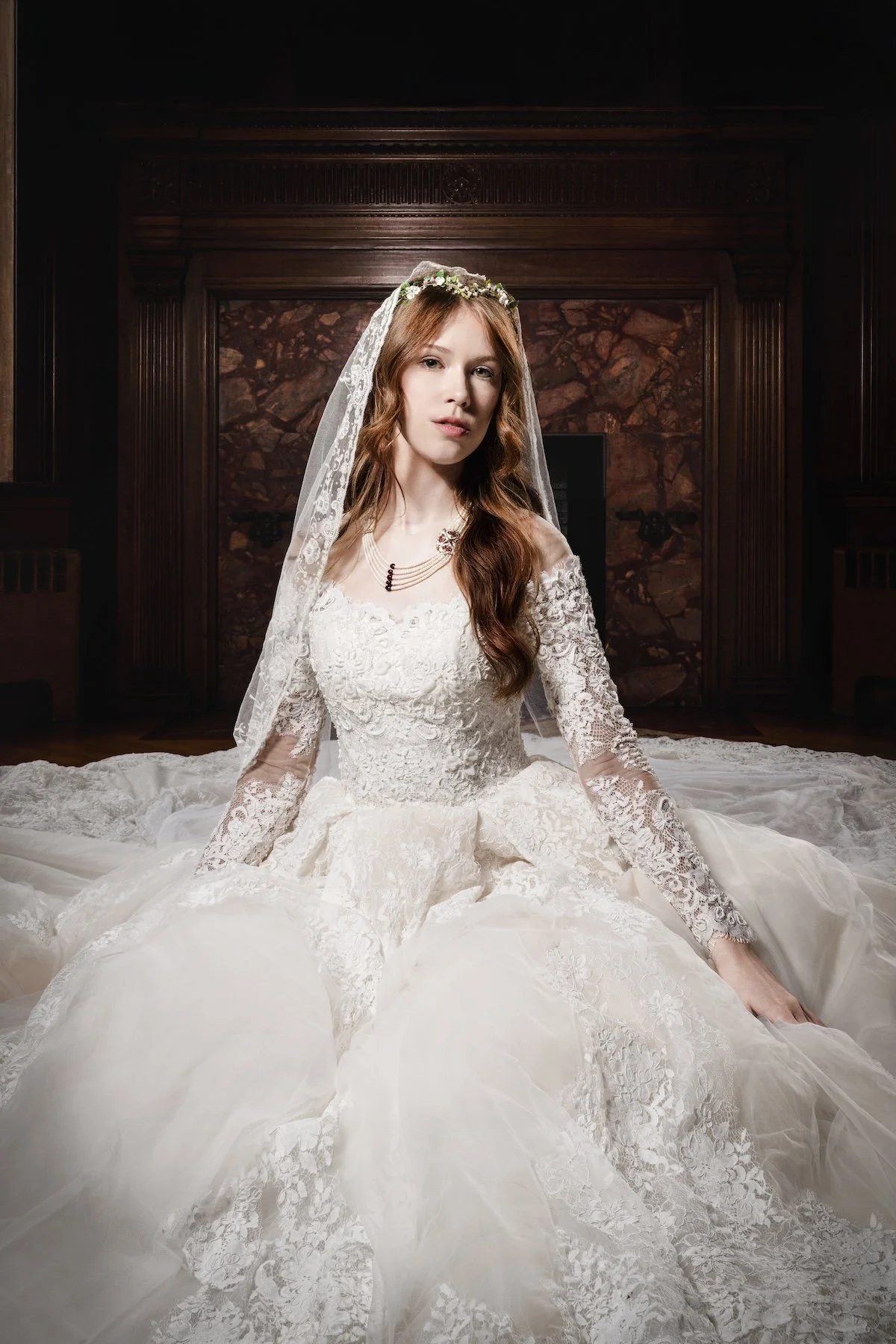
A Los Angeles elopement typically runs $4,000 to $12,000 all in, with photo and film as the largest single line by a wide margin. The legal side is under $200. Permits are usually $150 to $600 once the site fee and the film permit are added together. Everything above that is your choice. For scale, The Knot puts the average full Los Angeles wedding at $44,740 with $16,400 of that going to the reception venue alone, and Zola reports most eloping couples nationally spend between $2,500 and $8,000.
Line by line
The marriage license is $91, or $85 confidential. A civil ceremony at a county office adds $35, a county witness $20, and deputising a friend to officiate $75. A hired officiant for a location ceremony runs $300 to $800 in LA. Site permits are $25 to $100 at State Parks before activity fees, and variable at city and county sites. The FilmLA still photography permit is $104 plus riders.
Photo and film is where the number moves, and it is the one line couples judge us on, so here is ours in full.
Our elopement packages
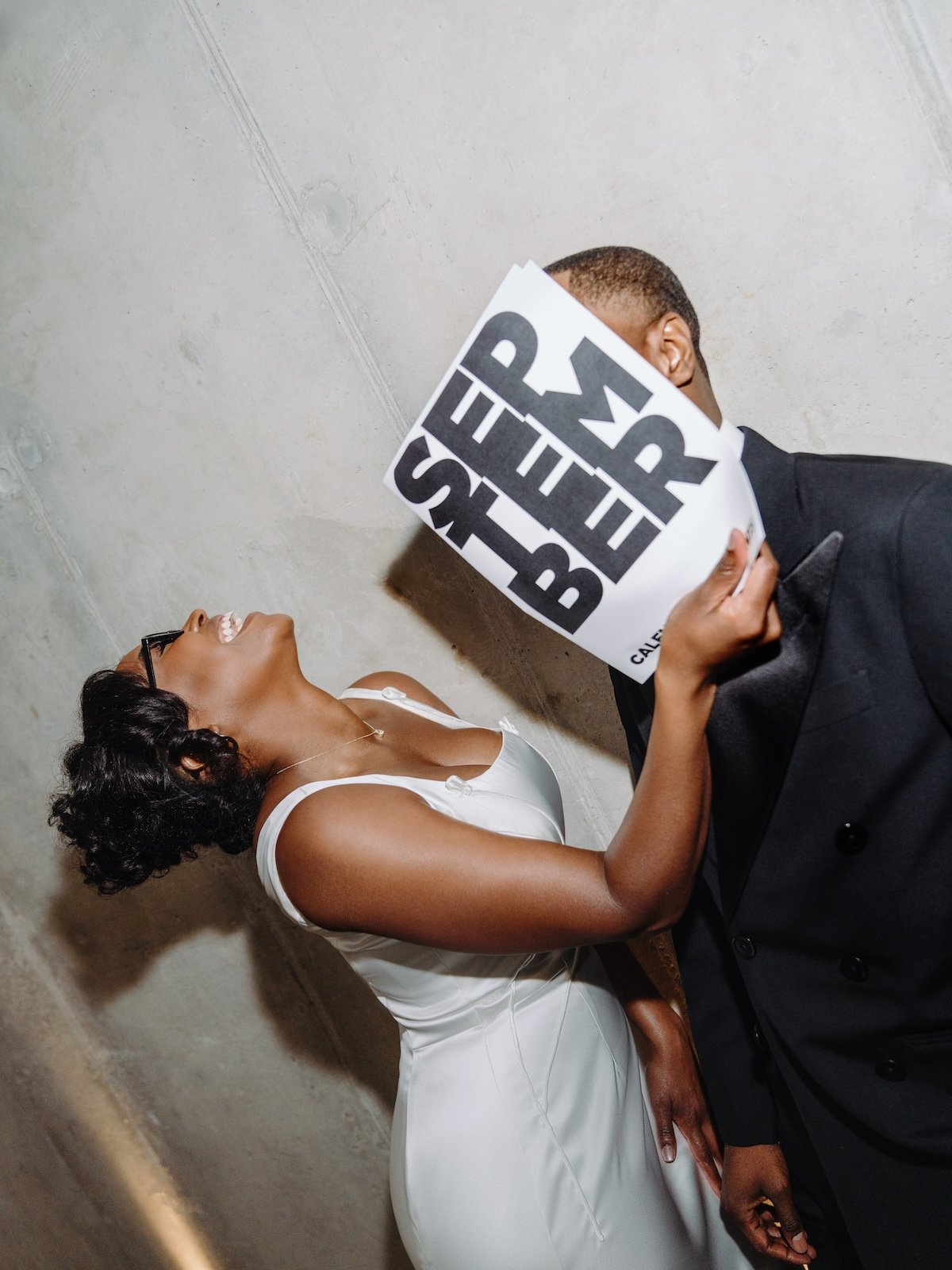
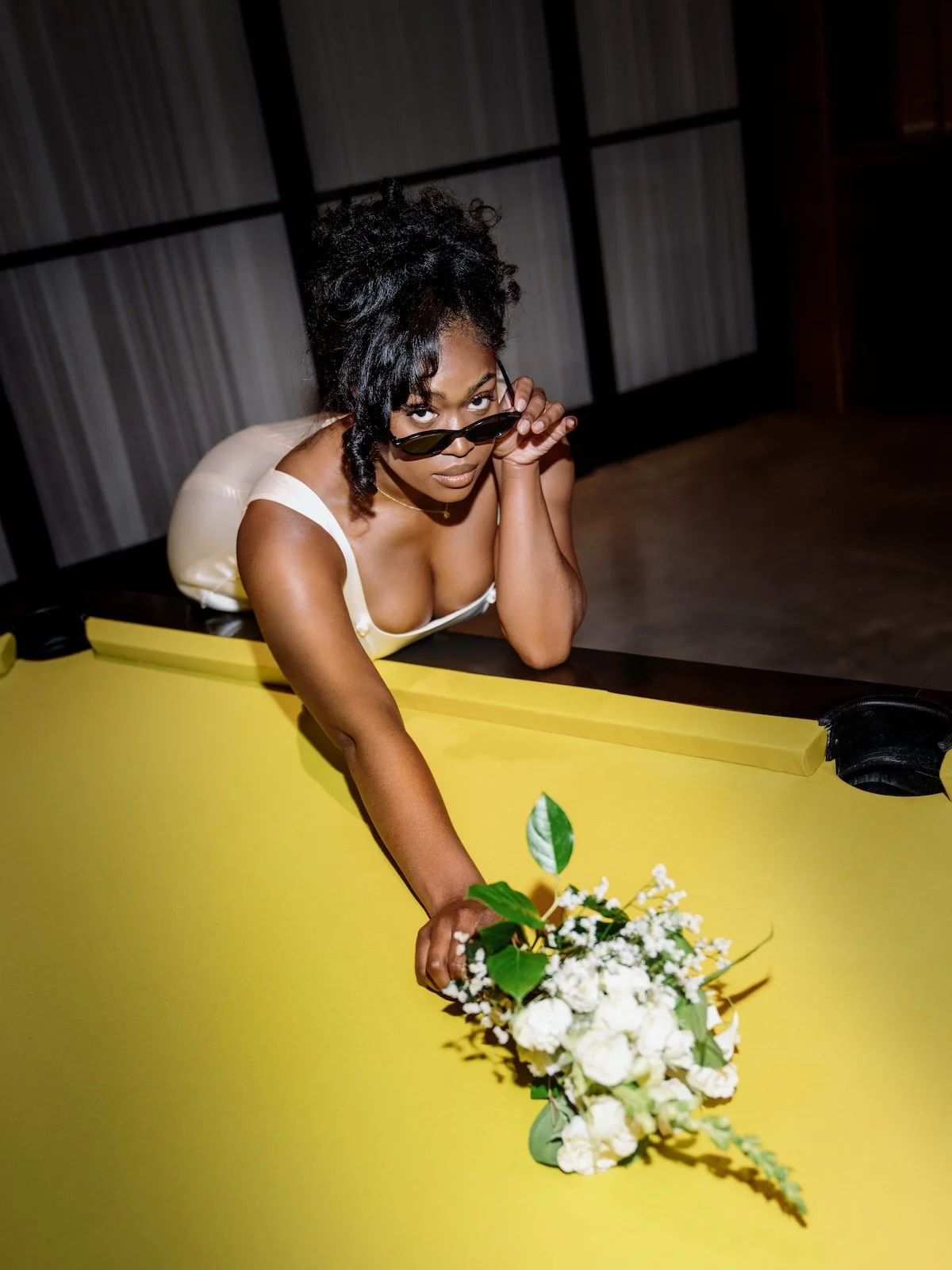
We build elopement coverage on four hours, because four hours is what an elopement day genuinely takes. A county office ceremony plus a portrait walk fits inside it. So does a single coastal location with getting ready beforehand. Three packages, one price each, no tiering games.
Whispers in the Wild, $1,900. Photography only. One photographer for up to four hours, 150+ selected and edited high resolution images. For couples who want the day held in stills and are happy for the vows to live in memory.
Runaways in Love, $1,900. Film only. One cinematographer for up to four hours, a 3 to 5 minute cinematic highlight film and a short trailer. For couples who care most about hearing the vows again, and about the wind, the ocean and the voices being in there.
Vows in the Wind, $3,600. Photography and film together, one photographer and one cinematographer working as a single team off one timeline. 150+ edited images, the 3 to 5 minute film, the trailer. Booking both together costs $200 less than booking the two packages separately, and it removes the coordination problem entirely, which on a narrow bluff is worth more than the discount.
Everything above six hours is a different job and we price it as one. Our six hour Los Angeles tiers,
are built for micro weddings with a guest list, a dinner and a reception arc. If your day has thirty people and a seated meal, take those. If it has six people and a sunset, take the four hour package and spend the difference on the dinner.
For market context, The Knot's LA data puts the average wedding photographer at $3,180 and videographer at $2,760 hired separately for a full wedding day. A four hour elopement should cost less than that, and ours does.
The rest of the day
Florals for two people, meaning a bouquet and a boutonnière from a good LA florist, land at $200 to $600. Hair and makeup is $300 to $700. A private dinner for two at a serious restaurant is $200 to $500. A car for the day, if you are moving between Malibu and downtown, is $400 to $900.
What actually drives the number
Hours drive it more than anything. A ceremony and portraits at one location is a fundamentally different day from a sunrise on the coast and a night sequence downtown, and the difference shows up in the film first and in the photographs second. Location count comes second, because every additional site adds travel, parking and a separate permit. Day of the week is third: a Tuesday at El Matador is a private beach, and a Saturday at El Matador is a public one.
The cheapest genuinely good version of this day exists and it looks like this. County office ceremony at $91 plus $35, a friend deputised for $75, Whispers in the Wild at $1,900, and a dinner reservation. That lands around $2,500 and it is a real wedding. Nothing about a small number makes it less of one.
When is the best time of year to elope in LA?
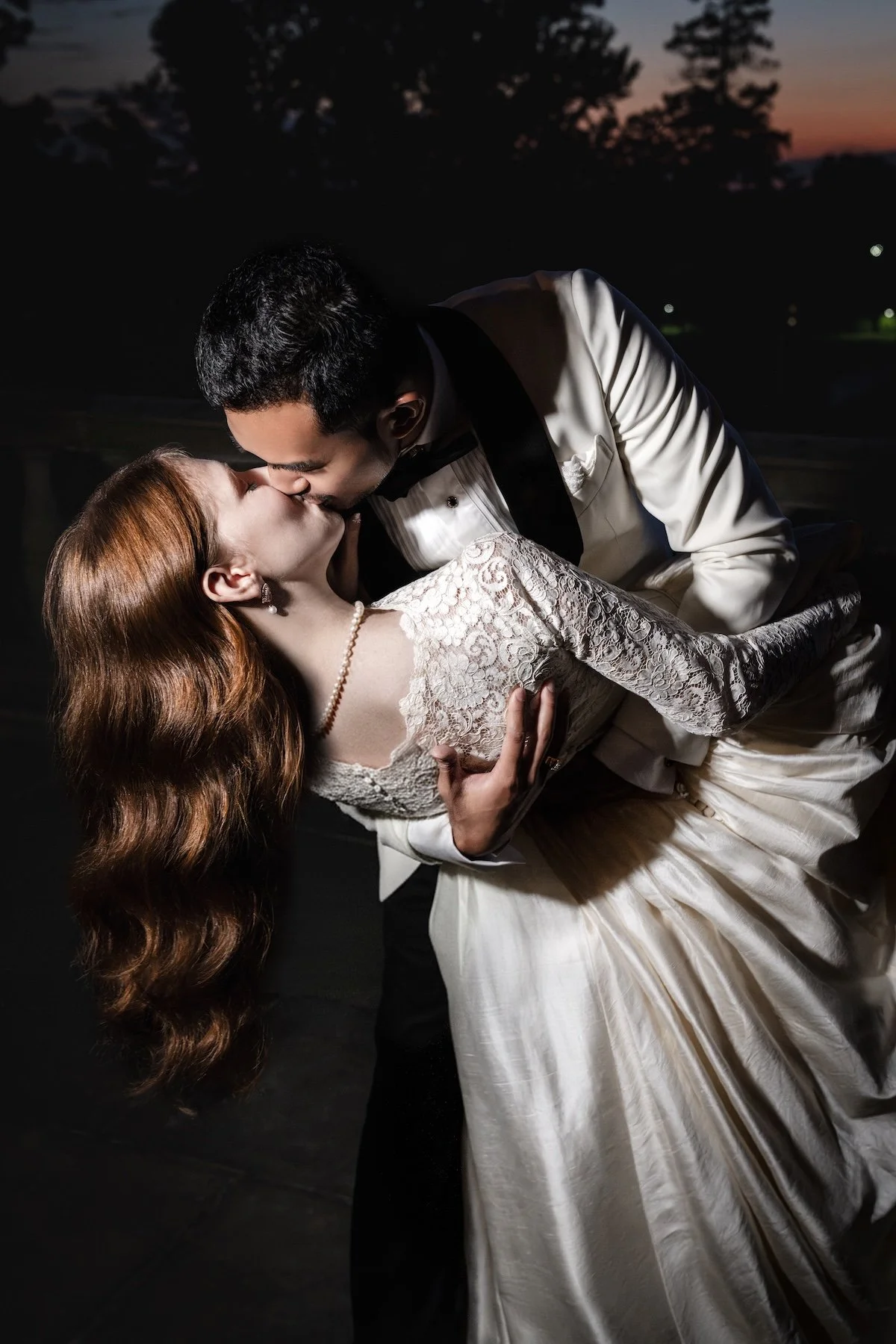
September through November is the strongest window in Los Angeles. The marine layer season has ended, the light sits low and warm, and weekday locations are nearly empty. December through February gives you soft light and green hills after rain, at the cost of a shorter day and real rain risk in January and February.
June through August is the hardest stretch and not for the reason people assume. The coast sits under a marine layer through much of the morning and often past midday from late May into July, which flattens light at El Matador and Point Dume exactly when couples want to shoot. Inland at Vasquez Rocks the same weeks bring heat over 100 degrees. The workable summer plan is a coastal ceremony in the late afternoon once the layer has burned off, or an inland ceremony at sunrise.
Two scheduling notes that matter more in LA than elsewhere. Griffith Park closes at sunset in most areas, so an evening ceremony there ends earlier than the light does. And Pacific Coast Highway between Santa Monica and Malibu can add 45 minutes on a Friday afternoon with no warning, so a 5pm ceremony at Point Dume means leaving downtown at 3pm and accepting that you may arrive early.
How we photograph and film an LA elopement
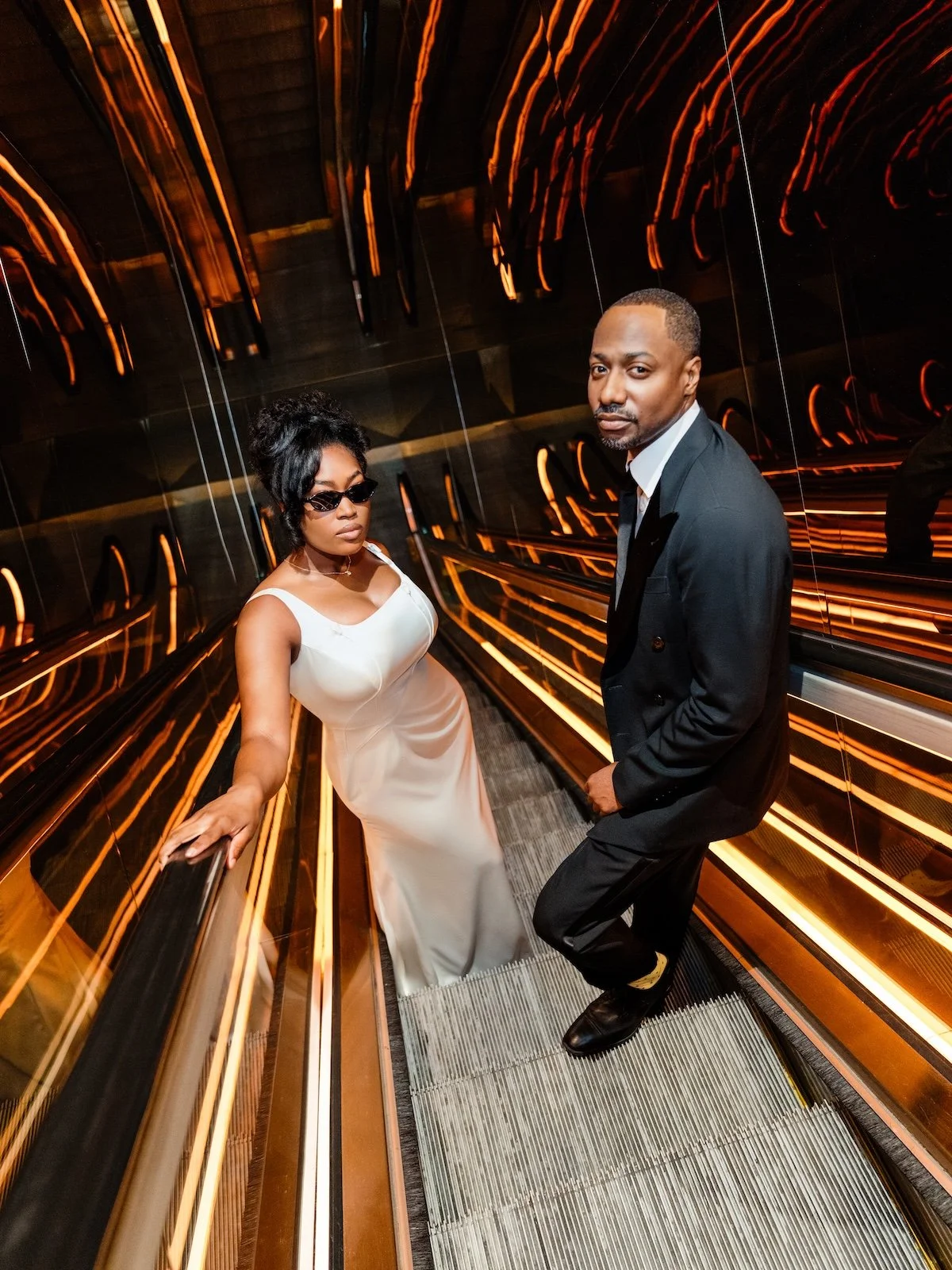
An elopement is harder to cover than a full wedding. There is no cocktail hour to fall back on, no room full of guests generating moments, and no second chance at the vows. Six people on a windy bluff give you one take of everything. Here is how we work, on both halves.
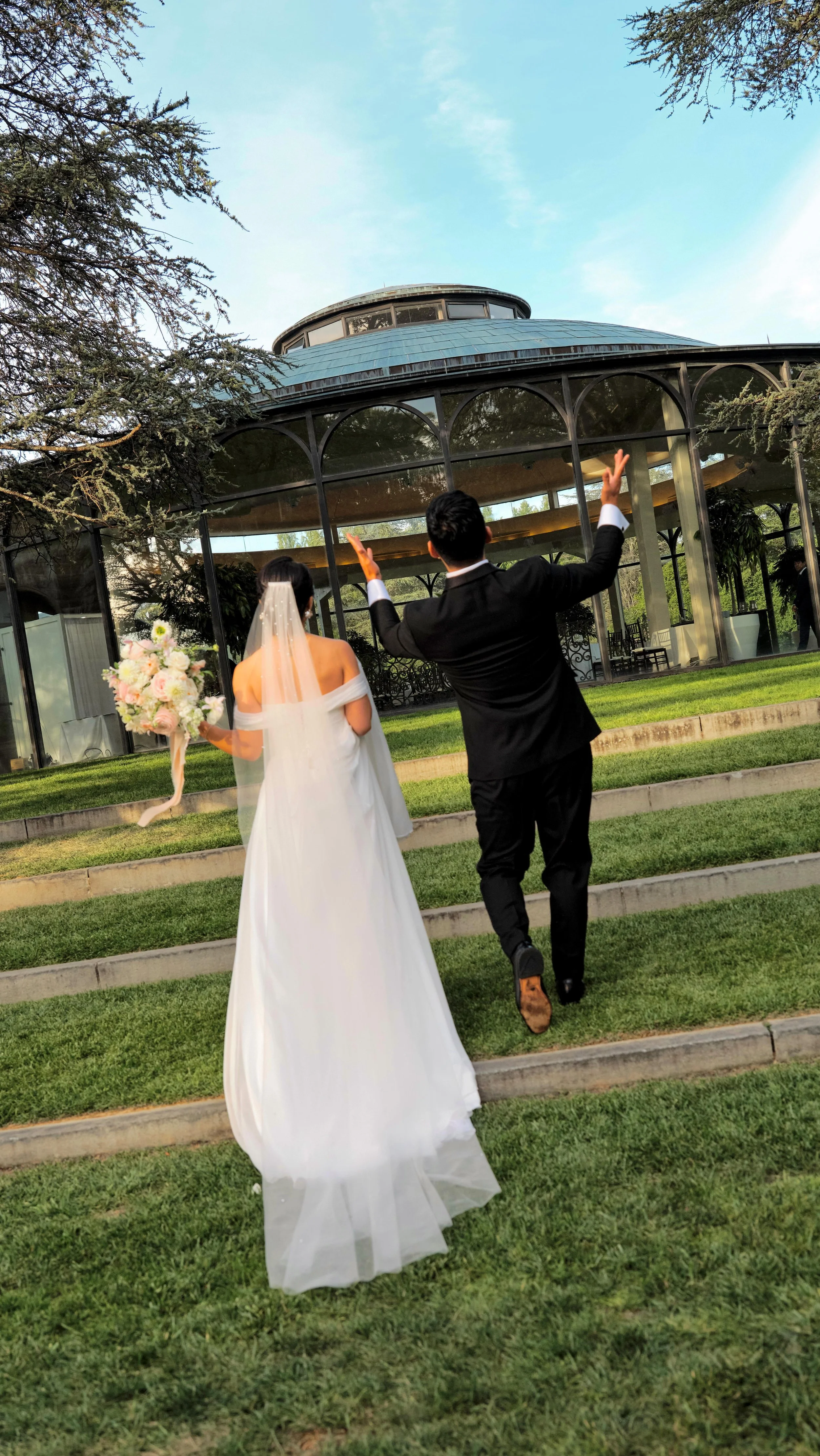
One team covers photo and film off a single timeline. Nobody blocks the other, nobody asks you to repeat a moment for the second crew, and both halves come back in the same visual language because they were planned as one. At elopement scale this matters more than at a large wedding, because on a beach or a bluff there is physically nowhere for an uncoordinated second vendor to stand.
What the photographs do
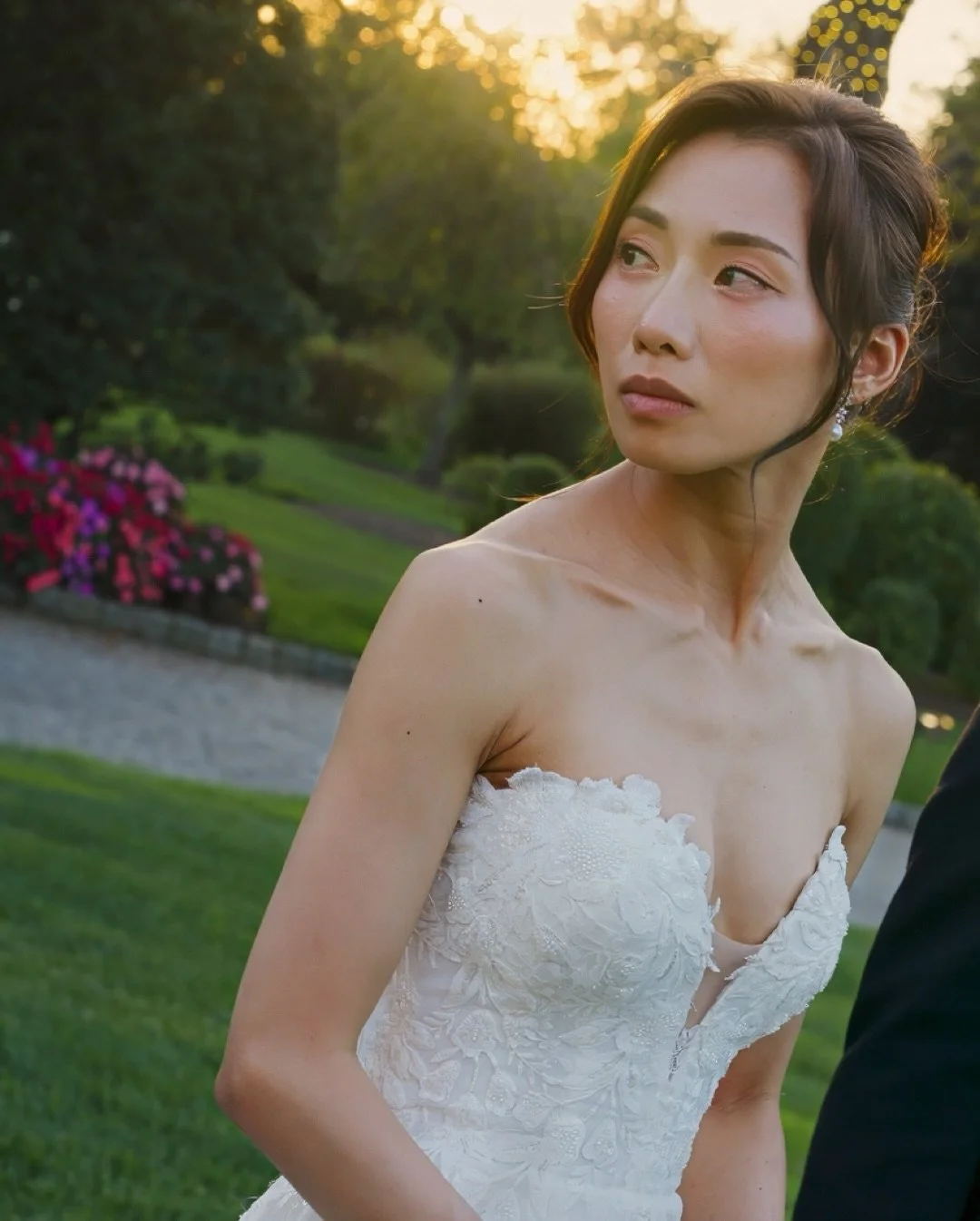
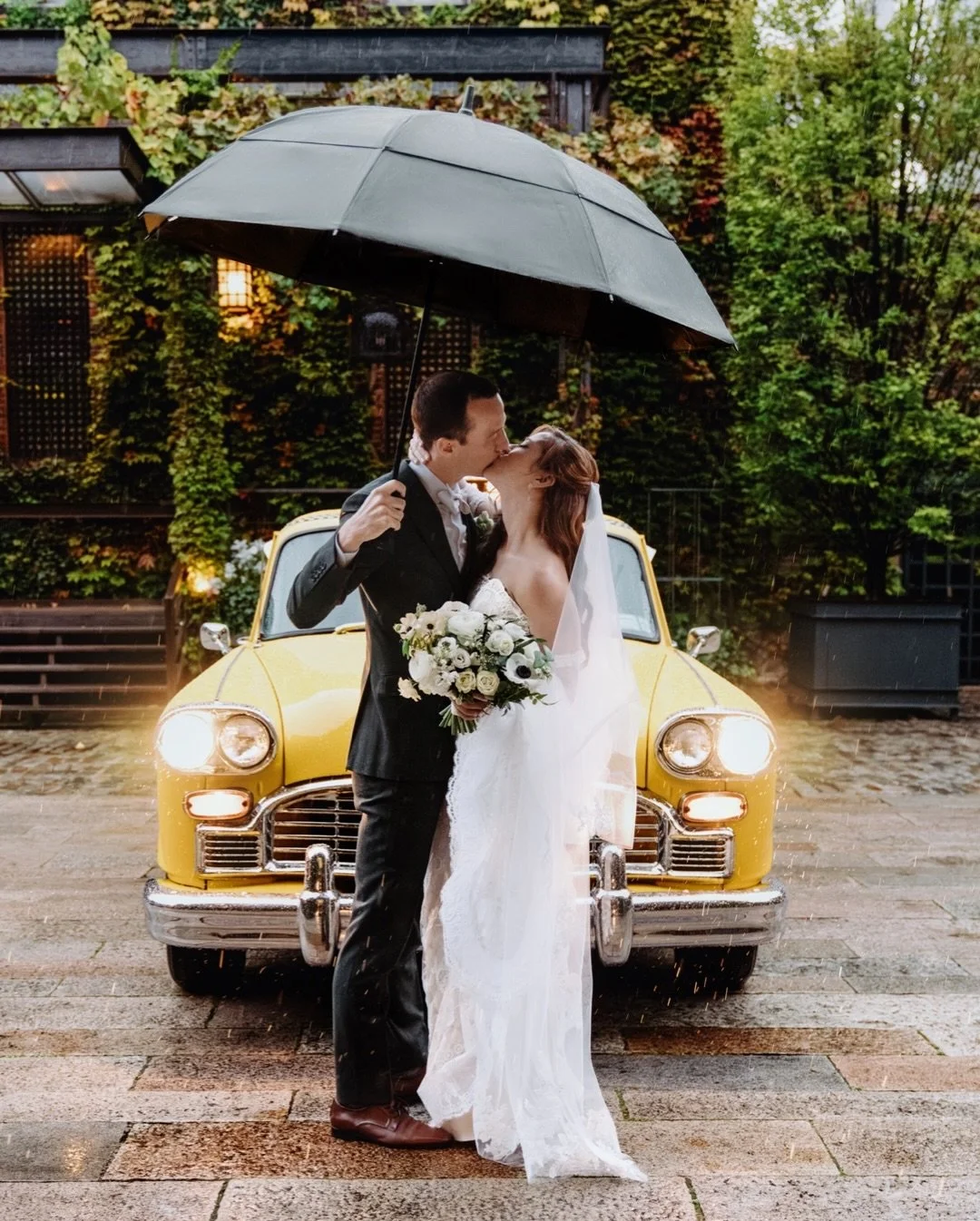
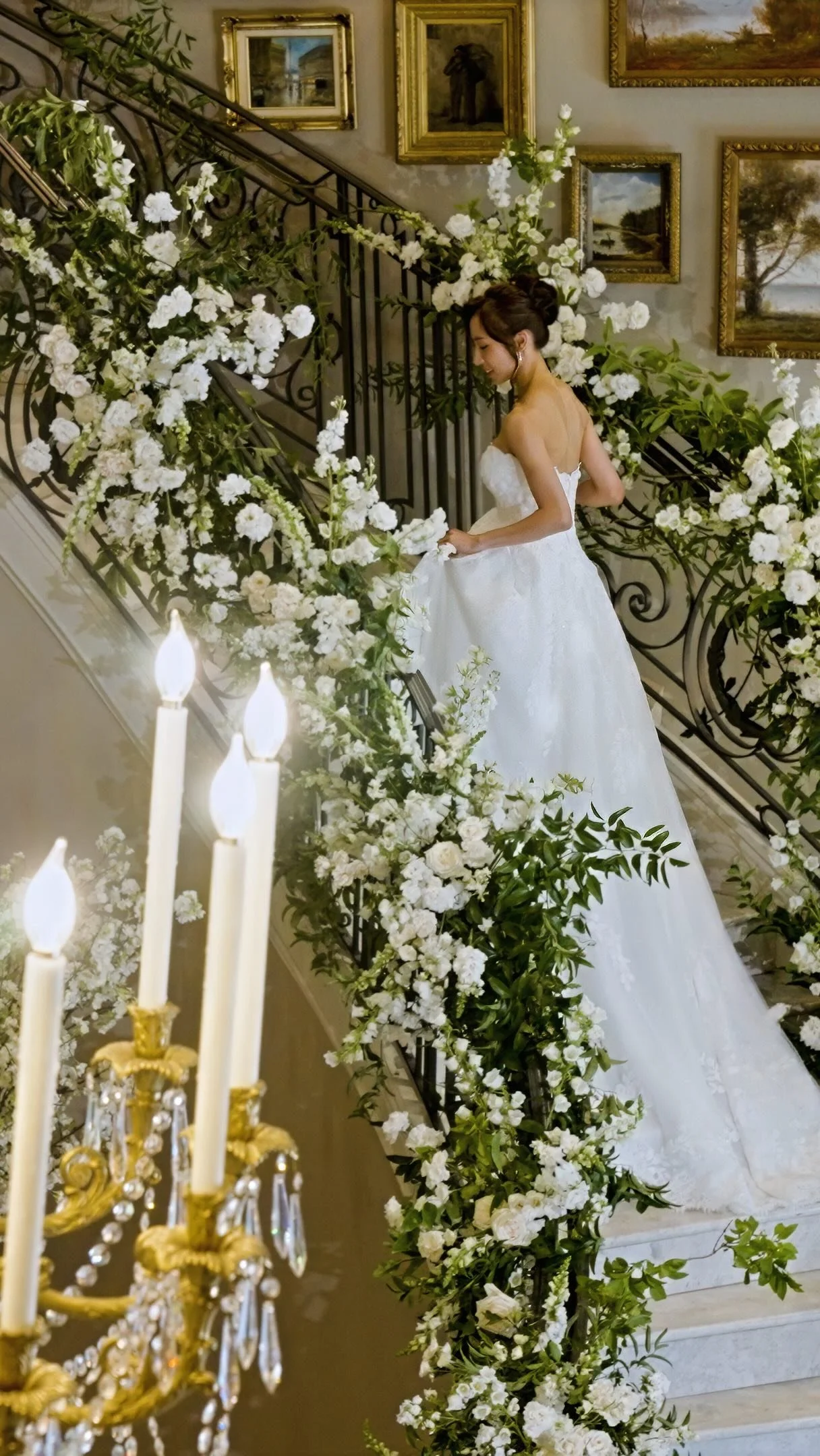
Photographs are what you will actually live with. They go on a wall, into an album, into your parents' hands. So the gallery is built to be looked through rather than scrolled: 250+ selected and edited high resolution images on a four hour elopement, sequenced as the day ran.
We shoot available light first. On a Malibu bluff at golden hour the light is already the best thing in the frame and adding flash to it is vandalism. Indoors is the opposite, and a county ceremony room under fluorescents or the Pasadena rotunda gets light brought in, because pushing the sensor and hoping produces grain and dead colour.
We work close and we do not run a shot list at the ceremony. At six people there is no crowd to hide behind, so a photographer circling with a long lens turns the ceremony into a performance. We stay near, stay quiet, and take the reactions as they happen. Portraits are the part we direct, and even there the direction is where to stand and where to walk, not how to smile.
Colour is graded, and it is graded to match the film. A gallery that runs warm and a film that runs cool are two different weddings. Yours should look like one.
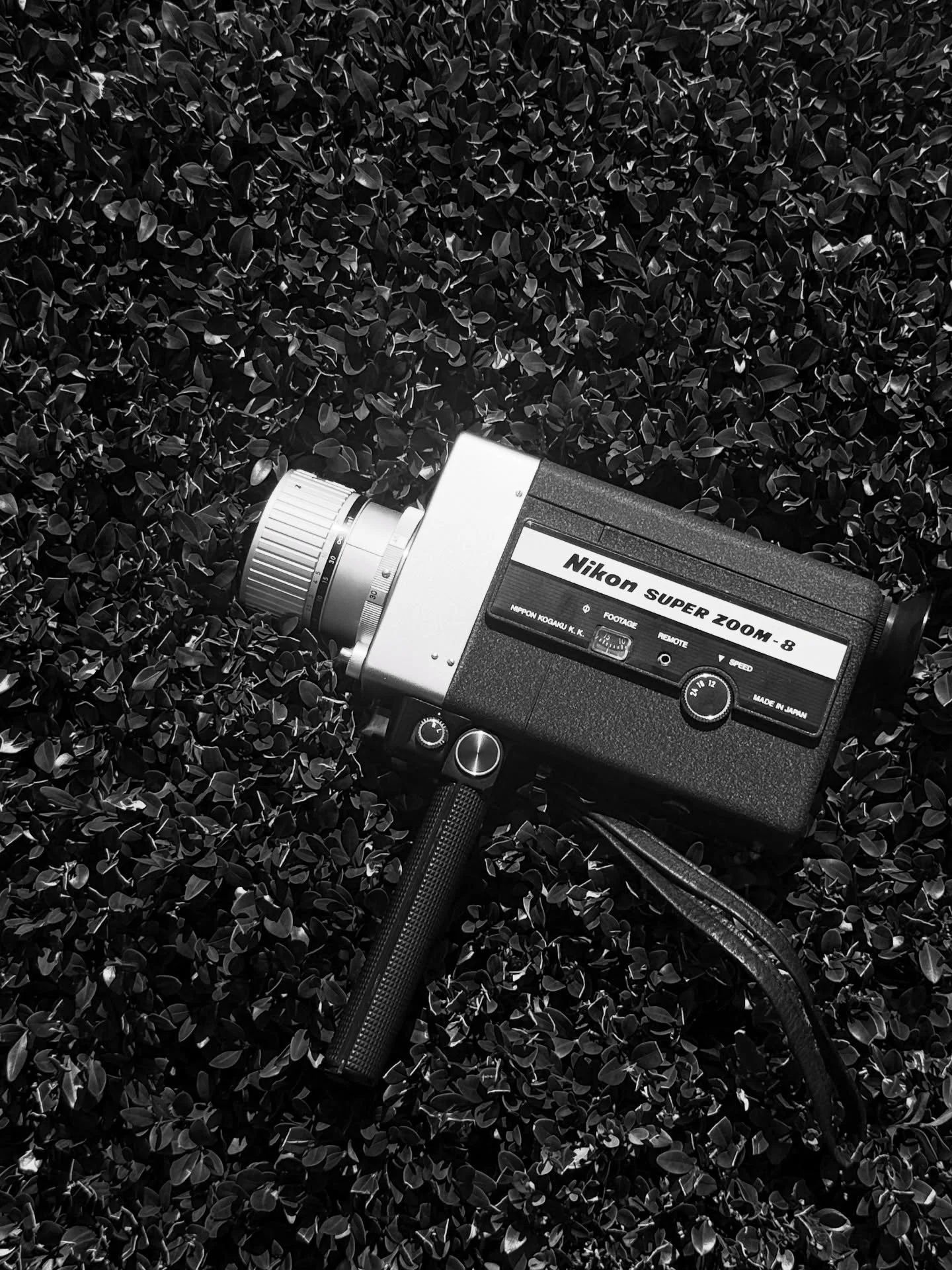
For couples who want something physical off the day, we shoot Hasselblad 503 medium format film alongside the digital gallery: twelve square frames on a roll, delivered as scans. It is included on our ten hour coverage and available as a $900 add-on on six and eight hours.
What the film does
Film is the only thing that keeps the sound. Your vows, the wind, the voice that cracks halfway through, the silence before the answer. Photographs cannot hold any of that.
Audio therefore gets more attention on an elopement than on a wedding. At a venue we take a feed from the sound board and run a directional microphone on camera, two independent sources. An elopement on a bluff has no sound board at all, so the directional mic carries the ceremony and we recommend adding lavalier microphones, which are available on request. Wind off open water beats a camera microphone every time.
Movement is a gimbal and handheld hybrid, chosen shot by shot. On a narrow trail or in a small ceremony room there is no floor space for long tracking moves, so we work closer and steadier. Drone coverage is available where airspace and site rules allow: Malibu and Agua Dulce are usually straightforward, while Griffith Park, downtown and anything near LAX are restricted, and we tell you which one you have before you book.
The edit is a 3 to 5 minute cinematic highlight film with a short trailer, cut to licensed music that will not be muted when you post it.
What happens before and after the day
We scout light and permits together. A location that photographs beautifully at 6pm and closes at 5pm is not a location. We build the timeline backwards from the light, then check the permit terms against it, then add LA traffic buffers to both.
Delivery on an elopement is faster than on a wedding, because four hours of material is a different edit from a ten hour day. Photographs and film both land within one month. Gallery access runs six months with unlimited high resolution downloads and a full print release, no watermarks.
If your day is longer than four hours, or has a guest list and a seated dinner, the six hour packages are the honest answer and they carry a different structure. Photography moves to 400+ edited images. On the film side a full speeches edit is included from eight hour coverage and a full ceremony edit from ten hours, with either available at $500 on a six hour package or $900 for both, and Super 8 film joins Hasselblad as an inclusion at ten hours. [INTERNAL LINK: /la/wedding-video-photo-packages "See all our LA photo and film packages."]
Ready to plan your Los Angeles elopement?
Tell us the date range you are looking at and the two or three locations you are drawn to, and we will tell you what each one requires on paper, what the light does there at that time of year, and how many hours the day you are describing actually needs.
round your locations and your hours.
Frequently Asked Questions
-
Most LA elopements land between $4,000 and $12,000 all in, with photo and film the largest line. The legal side is small: $91 for a public marriage license, $35 for a civil ceremony at a county office, $20 for a county witness. Permits typically add $150 to $600. Our own four hour elopement coverage is $1,900 for photography, $1,900 for film, and $3,600 for both with one team, so a county ceremony plus full coverage and dinner lands around $2,500.
-
For most elopements, yes, and it is why all three of our elopement packages are built on four hours. Four hours covers a county office ceremony plus a portrait walk, or one coastal location with getting ready beforehand. A day that runs from a sunrise ceremony to a night sequence downtown needs more, and so does any day with a guest list and a seated dinner. Tell us the shape of the day and we will say which one it is.
-
Yes. Malibu's state beaches, including El Matador and Point Dume, require a California State Parks special event permit filed at least 30 days ahead with a $25 application fee, rising to $100 inside 30 days and refused within 14 days. County-operated beaches require a Special Event Use Permit applied for no earlier than 90 days and no later than three weeks before the date.
-
Same day. California has no waiting period, no blood test and no residency requirement. Both partners appear in person at a county office with photo ID, pay $91 for a public license, and can hold the ceremony that afternoon. Civil ceremonies at county offices need an appointment, so book that in advance even when the license itself is walk-in.
-
For a public license, yes, one witness. For a confidential license, no witness is required, though California issues confidential licenses only to couples who already live together. The county will provide a witness for a civil ceremony for $20 if you have nobody with you. Your photographer can also sign, which is common at two person elopements.
-
On public land, usually yes, and separately from your ceremony permit. LA County Parks states that a professional photographer taking wedding photographs must apply for a film permit through FilmLA. FilmLA's published rates start at $104 for a still photography application plus a $31 rider, with motion permits at $931. Ask any vendor how they handle this before you book them.
-
October is the strongest single month. The marine layer season has ended, the light sits low and warm, and the weekday crowds have gone. September and November are close behind. Winter gives soft light and green hills with real rain risk in January and February. June and July put a marine layer over the coast through much of the day and heat over 100 degrees inland.
-
Yes, and a growing share of our couples do exactly that. The legal ceremony and the full coverage happen on a quiet weekday, the film and the photographs come back, and a reception follows months later with no timeline pressure on the day that actually mattered. It also separates the two budgets, which makes both easier to control.

1 Videographer
Up to 4 hours of coverage
3-5-minute cinematic highlight film
1-2 minute trailer
Professional audio recording
Cinematic color grading
Private online gallery available for half a year
Unlimited downloads in full quality