

We shoot real Super 8 film at weddings in New York and Los Angeles, on a Braun Nizo 3056 that runs next to our digital cameras. Couples ask about the price on almost every first call, and the answers they find online disagree by a factor of ten. This guide explains why. It covers the hard cost of film and lab work and what studios charge on top of it. Then it shows exactly what Super 8 costs with us.
Quick Answer: A Super 8 wedding film costs about $600 to $1,000 as an add-on cut into a digital wedding film, and about $1,600 to $7,500 as a film-only day with its own shooter. Film stock plus lab work alone runs roughly $90 to $140 per three-minute cartridge. With us, Super 8 is a $900 add-on to any package and included at ten hours of video.
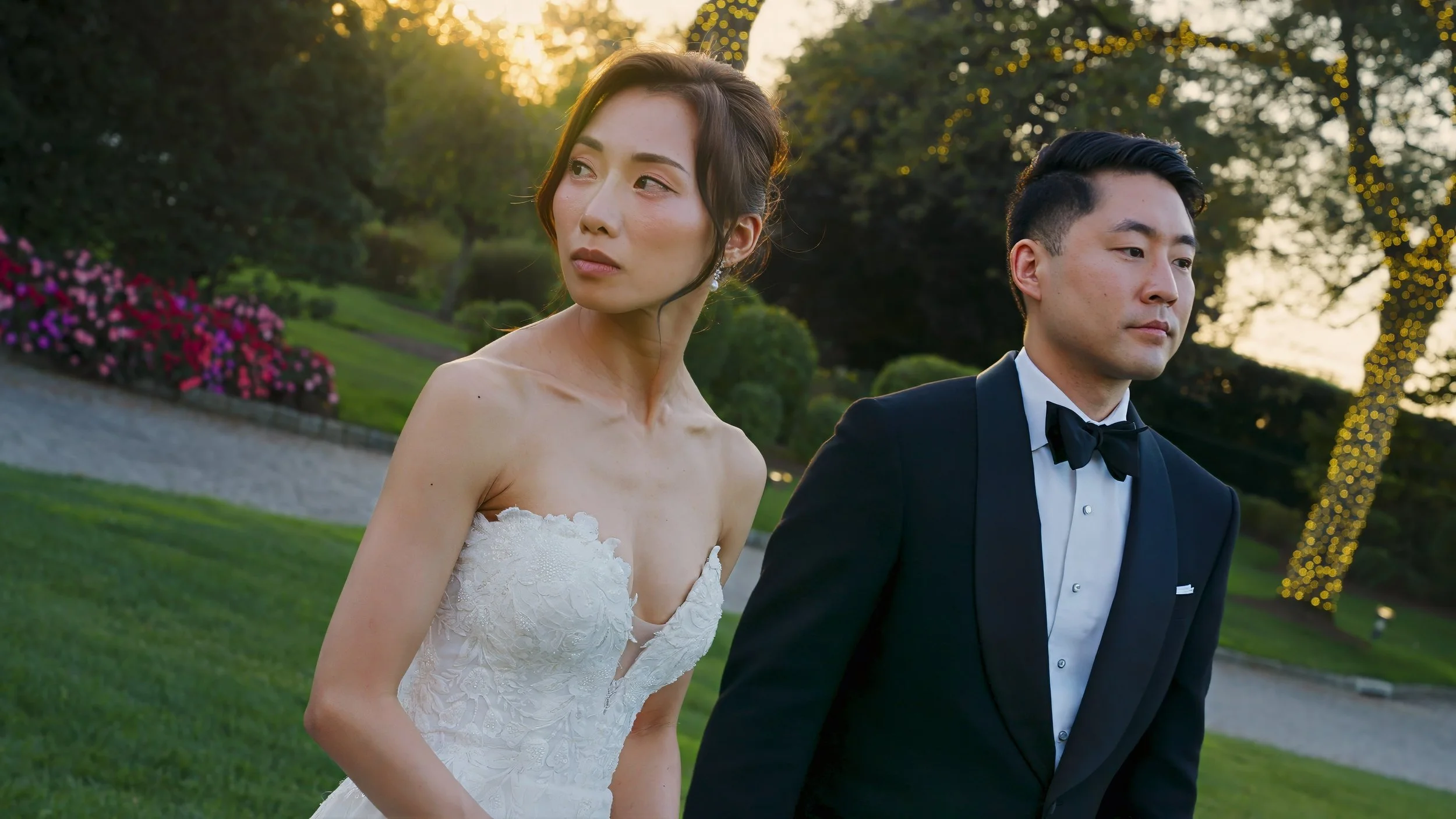
How much does a Super 8 wedding film cost?
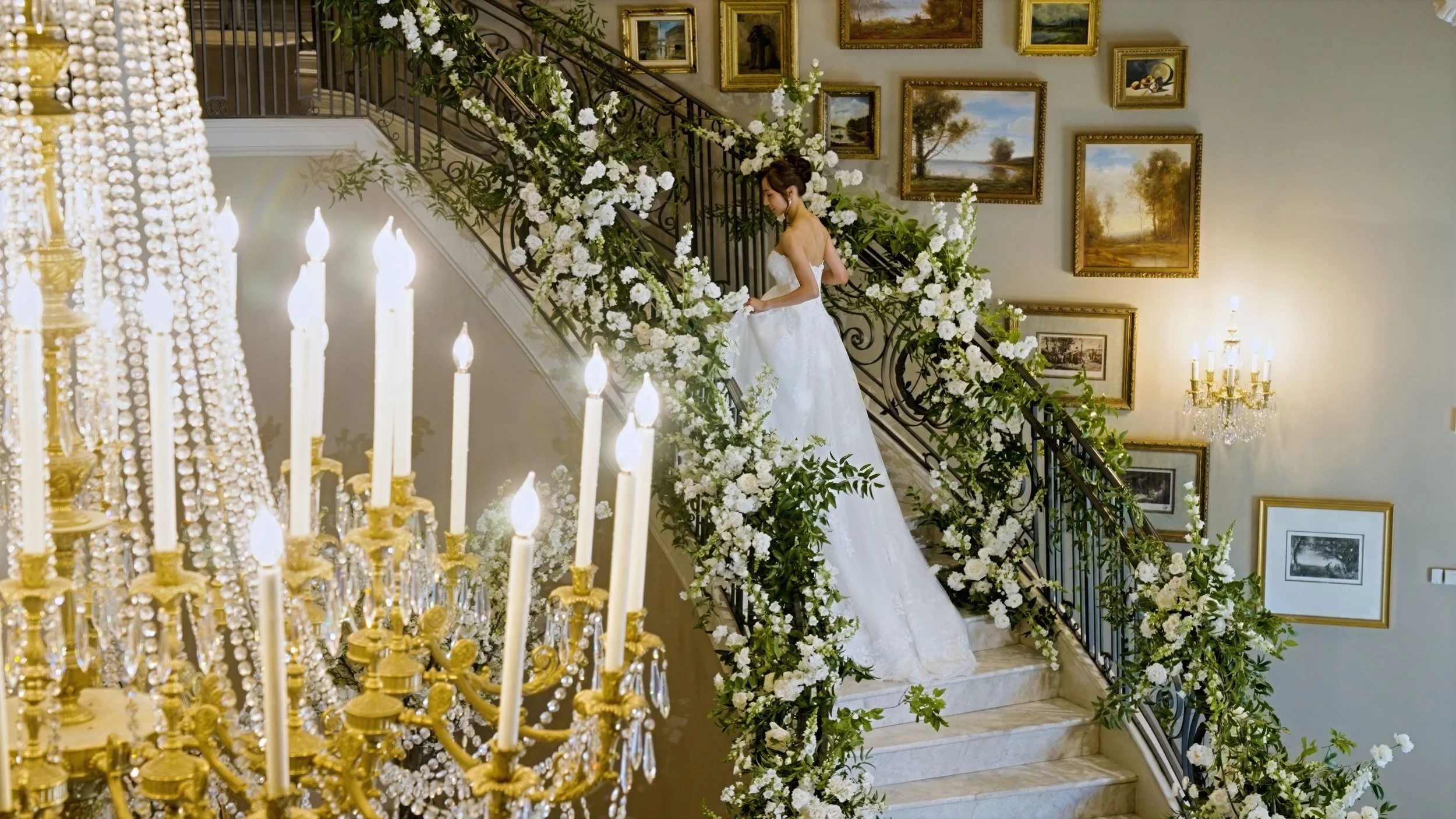
Super 8 is sold in two different formats, and the format sets the price. Cut into a digital wedding film as a layer, it is usually a line item of about $600 to $1,000. Sold as a film-only day with a dedicated shooter, published prices start near $1,600 for a few hours and reach $7,500 for a full day.
| Format | What you get | Typical price | Best for |
|---|---|---|---|
| Super 8 add-on to a digital film | Two to four cartridges cut into your digital highlight film, with sound from the digital cameras | $600 to $1,000 on top of the video package | Couples who want film texture and still want to hear the vows |
| Standalone Super 8, short coverage | A few hours with one film shooter and a two to three minute film set to music | $1,600 to $3,000 | Elopements and small ceremonies in good light |
| Standalone Super 8, full day | Six to eight hours on film and a three to eight minute film, with no recorded sound unless digital is booked too | $4,500 to $7,500 | Couples who want the whole day on film and accept a silent edit |
For scale, the average US couple spends $1,799 on a wedding videographer, and WeddingWire reports that about 43 percent of videographers sell extras such as drone footage and Super 8 film at additional cost. A film-only Super 8 day at $5,000 or more is therefore roughly three times the national average for an entire wedding video.
You will also see a range of $1,500 to $5,000 repeated across studio blogs, including an earlier version of this page. It is a fair envelope, though no aggregator survey stands behind it. The figures in this guide come from lab rate cards and film retailers, plus studio price lists we reviewed in September 2026.
What does one roll of Super 8 cost to shoot and develop?
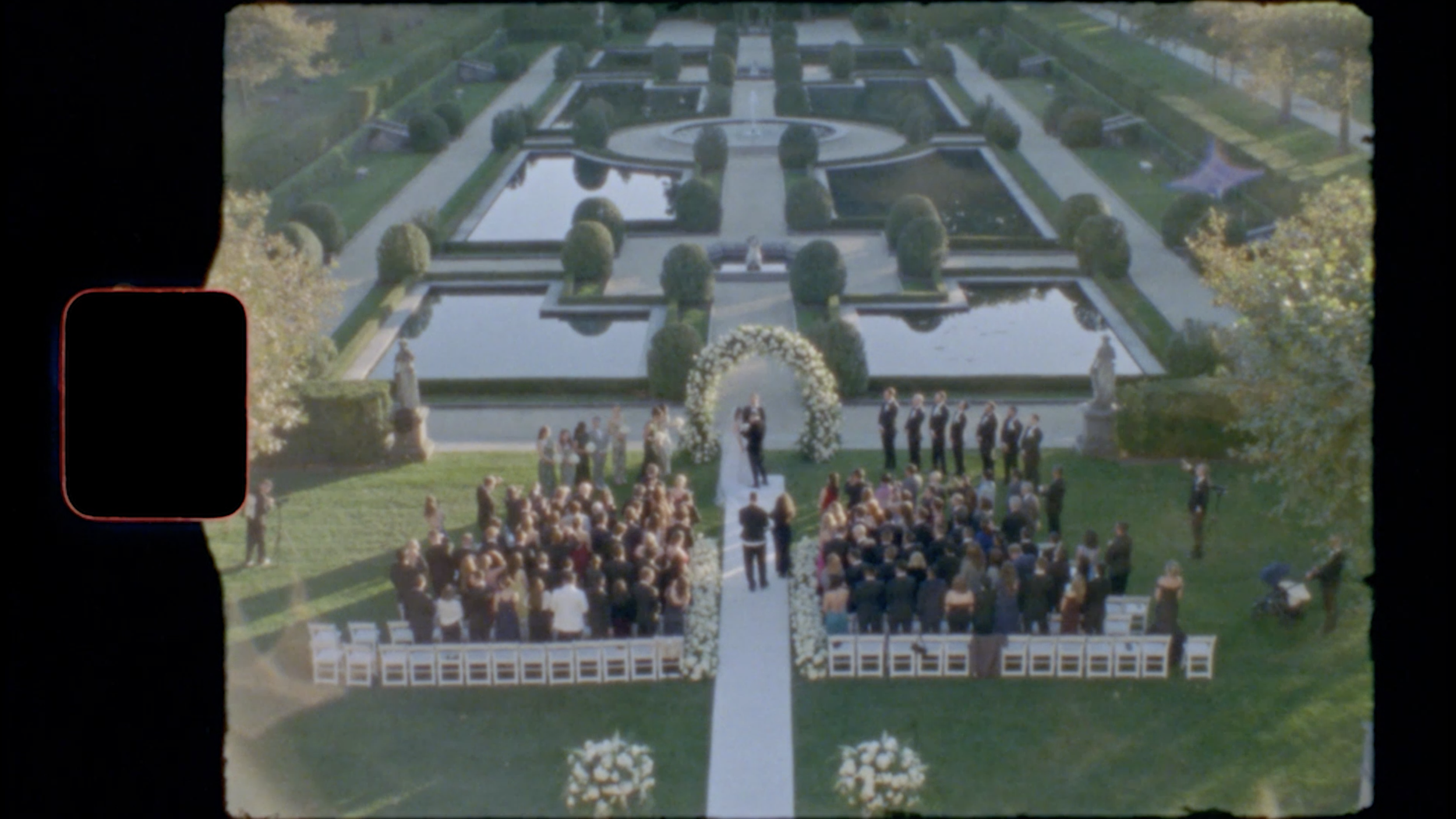
A 50-foot Super 8 cartridge costs about $42 to $62 to buy, and another $50 to $75 to develop and scan at 2K or 4K. That puts the hard cost near $90 to $140 per cartridge. Each one holds about three minutes of footage at 18 frames per second and about two and a half at 24.
| Item | Low | High | Note |
|---|---|---|---|
| Kodak Vision3 cartridge, 50 ft | $42 | $61.95 | 50D daylight at CineStill, 200T tungsten at Adorama |
| Develop and scan at 2K or 4K | $50 | $75 | Cinelab, Negativeland, The Negative Space |
| Pro8mm, full lab range | $35 | $137.50 | Process only at the low end, 6.5K scan at the top |
| Hard cost per cartridge | about $92 | about $137 | About three minutes at 18 fps, before shipping and rush fees |
Kodak Vision3 50D, the daylight stock, lists at $42 a cartridge at CineStill. Vision3 200T, the tungsten stock for interiors and evening light, lists at $61.95 at Adorama. Lab prices move with scan resolution. Pro8mm charges $35 to $137.50 per 50-foot cartridge, from process only up to a 6.5K scan, and a 2026 survey of US labs puts a 2K or 4K scan between $50 and $75 at Cinelab, Negativeland, and The Negative Space.
Per raw minute, that works out to about $30 to $55. Studios typically run two to four cartridges at a wedding, so the materials come to roughly $185 to $550 before anyone shoots, grades, or cuts a frame.
Stock is also harder to find than it was. On September 22, 2026, B&H listed Vision3 50D as no longer available, CineStill showed the same cartridge out of stock, and Adorama had 200T on backorder until November. Film for a wedding gets bought months ahead, and a studio that shoots Super 8 regularly carries that inventory risk in its price.
Why do Super 8 quotes range from $600 to $7,500?
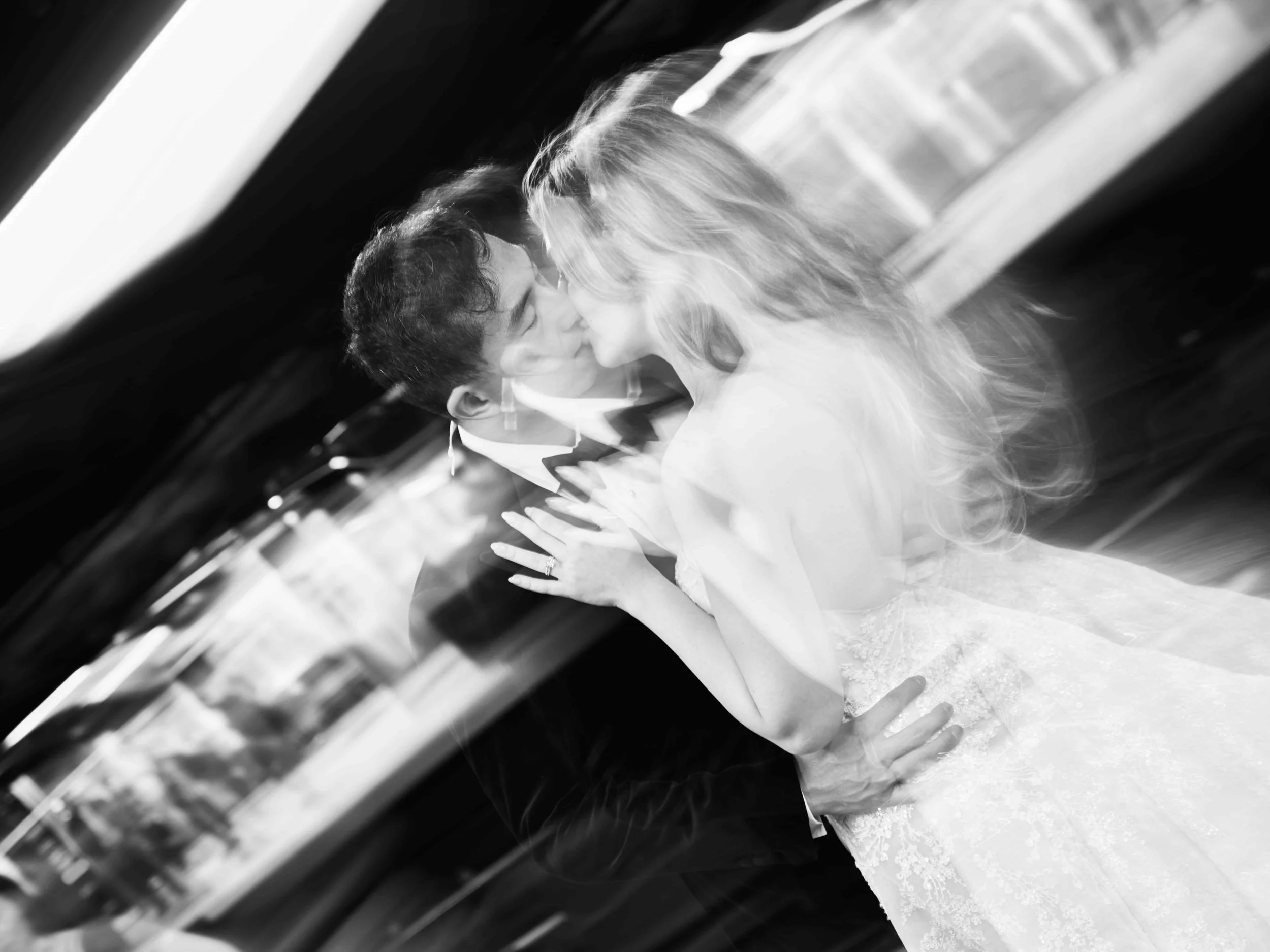
Because the two ends of the range price different products. A $600 to $1,000 add-on buys film texture inside a video you are already paying for. A quote above $5,000 pays for a film shooter's whole day, every cartridge, and the edit, and it often includes no recorded sound at all. Compare what each number buys before you compare the numbers.
Add-on or standalone
An add-on shares the day with a digital crew that is already on site and already cutting a film. The studio's extra cost is the film and the lab work, plus the time to plan and shoot it. A standalone Super 8 film carries the whole booking by itself, so the shooter's day and the full edit sit inside the film price.
Hours and cartridges
Cartridges are the one cost that scales directly with coverage. Two cartridges, about six minutes of raw film, cover the key moments of most weddings. A full day filmed heavily on Super 8 can take four. Every extra cartridge adds roughly $90 to $140 in materials alone.
Sound
Super 8 film records no audio. A film-only package with no digital crew leaves your vows and speeches unrecorded, and at least one studio price list we reviewed states outright that its Super 8 package includes no digital cameras and no audio. A hybrid package costs more than film alone and gives you the one thing film cannot.
Scan resolution and raw scans
A 4K scan costs more than a 2K scan and holds up better on a large screen. Some studios also sell the raw, ungraded scans as a separate deliverable. Ask which resolution your quote assumes and whether the raw scans are yours. We scan ours in 4K.
Travel and rush lab work
Destination weddings add travel. A rushed lab adds a fee too: Pro8mm charges $250 per film type for one to three day rush processing, against a standard turnaround of five to seven business days.
What does Super 8 cost with Arrakis Films?

Super 8 is included in our ten-hour video and photo-and-film packages. On every other package, photography-only included, it is a $900 add-on. The $900 covers two Kodak cartridges, lab developing, and a 4K scan, and nothing is billed per roll after the wedding.
On a video package the Super 8 is cut into your digital film, which records sound from two independent sources: a feed from the venue's sound board and a directional mic on camera.
| Package | Coverage | Super 8 | Total with Super 8 |
|---|---|---|---|
| Whispered Vows | Up to 6 hours, 1 videographer | $900 add-on | $4,100 in Los Angeles, $4,400 in New York |
| Endlessly Yours | Up to 8 hours, 2 videographers | $900 add-on | $5,700 |
| Moving Symphony | Up to 10 hours, 2 videographers | Included | $5,890 |
| Forever Yours, photo and film (Los Angeles) | Up to 10 hours, 2 photographers and 2 videographers | Included, plus Hasselblad 503 film | $10,400 |
Read the second and third rows together. Eight hours with Super 8 added comes to $5,700. Ten hours with Super 8 already inside comes to $5,890. The extra $190 buys two more hours of coverage and the full ceremony edit, which the eight-hour package does not include. If your day runs past eight hours and you want film, the ten-hour package is the cheaper way to get it.
Super 8 is not limited to video bookings. Couples who book photography only can add it for the same $900 and get a short film set to music alongside their gallery.
Film works on the photo side as well. A vintage Hasselblad 503 shoots medium-format stills, twelve square frames to a roll, delivered as scans with your digital gallery. It follows the same rule as Super 8: included at ten hours, $900 at six and eight. Our ten-hour photo and film package in Los Angeles, Forever Yours at $10,400, includes both formats, so the day is recorded on film in moving and still form. The full list is on our Los Angeles photo and video packages page.
We plan the cartridges with you before the wedding and mark on the timeline where each one goes, usually the first look, portraits in the last hour of light, the exit, and the dance floor. Dark rooms stay on digital, where they belong. After the wedding the film goes to a specialized lab, and we grade and cut it into your film ourselves. The finished film arrives within six months, and the lab accounts for a small part of that time.
Current package details for each city are on our Super 8 wedding videographer page for New York and our Super 8 page for Los Angeles.
Is Super 8 worth the extra cost?
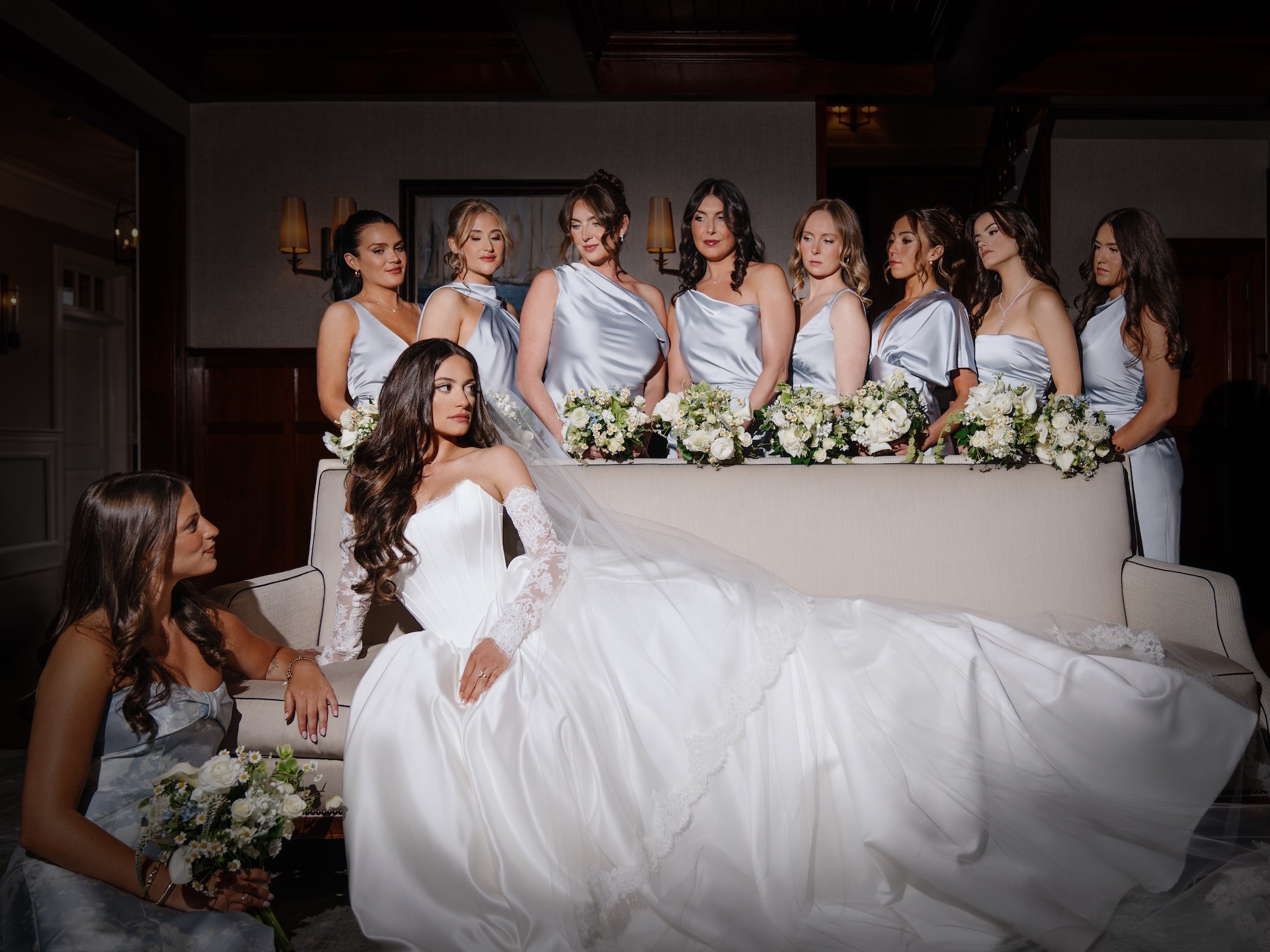
It is worth it if you want part of your wedding on real film and you keep a digital crew for sound and full coverage. It is a poor spend as your only wedding video, because the film records no audio and a day of cartridges edits down to a few minutes.
Added to a six or eight hour video package, our $900 raises the total by about 19 to 28 percent.
Best for: couples who love the grain and warmth of film and want it on the moments that carry the most, with a digital film holding the full day and every word of the vows. Elopements and outdoor ceremonies in good light suit it especially well, since film needs light and those days have plenty of it.
Not for: couples who want the whole day on film to save money, or who plan a dim evening reception as the heart of the wedding. Film in low light comes back heavy with grain, and a film-only day costs more than most digital packages.
If you are still deciding whether the format itself is right for you, our complete guide to Super 8 wedding video covers what it is and how it is made.
Want a Super 8 quote for your date?
Send us your date and venue with a rough timeline, and we will tell you how many cartridges your day needs and which package gets you there for the least money, including when the ten-hour package costs less than adding film to eight. Andrew directed and Roma produced the short films that won Best Short Documentary at Venezia Shorts Italy and Grand Jury Winner at the FFTG Awards. Before film, Roma danced with the Bolshoi Ballet for ten years. A 50% non-refundable retainer reserves your date. Check your date and request a quote.
Frequently Asked Questions
-
Per minute, yes. Every Super 8 cartridge is bought, developed, and scanned, which comes to about $30 to $55 per raw minute before any shooting or editing. Digital footage has no per-minute material cost. As an add-on to a digital package, Super 8 usually adds $600 to $1,000, which is far less than booking a separate film-only day at $1,600 to $7,500.
-
Most weddings use two to four cartridges. Each 50-foot cartridge holds about three minutes of footage at 18 frames per second, so two give about six minutes of raw film and four give about twelve, which edit down to a few minutes on screen. Two cover the key moments of most days, and that is what our packages include. Plan them against your timeline before the wedding.
-
Developing and scanning one 50-foot Super 8 cartridge costs $35 to $137.50 at Pro8mm, from process only at the low end to a 6.5K scan at the top. A 2K or 4K scan, the range most wedding films use, costs about $50 to $75 at labs such as Cinelab, Negativeland, and The Negative Space. Shipping and rush fees are extra.
-
It should, and you should confirm it in writing. Most studios quote film stock, lab developing, scanning, and the edit as one price, while a few bill lab work separately after the wedding. Ask which scan resolution the quote assumes and whether the raw scans are included. Our $900 add-on covers two cartridges, developing, and a 4K scan.
-
Only slightly, and it depends on the lab. Pro8mm's standard turnaround is five to seven business days after the film is logged in, while some labs quote eight to twelve weeks in busy periods. The edit takes far longer than the lab. Ask your studio which lab it uses and how the lab time fits into the delivery date in your contract.
-
Yes, because a filter is a preset applied to digital footage in the edit, with no film stock and no lab. It copies the color and some of the grain, and it misses the gate weave, the light leaks, and the way real film handles highlights. If a quote for Super 8 looks unusually low, ask directly whether the studio shoots actual cartridges