

Types of Wedding Videography Explained: Cinematic, Documentary, Super 8 and More
Most couples know they want a "beautiful wedding video" — but don't know what that actually means until they're choosing between formats they've never heard of. Cinematic, documentary, hybrid, Super 8 — each produces a completely different result. This guide explains what each style looks like in practice, who it's for, and how to decide what's right for your wedding.
Quick Answer
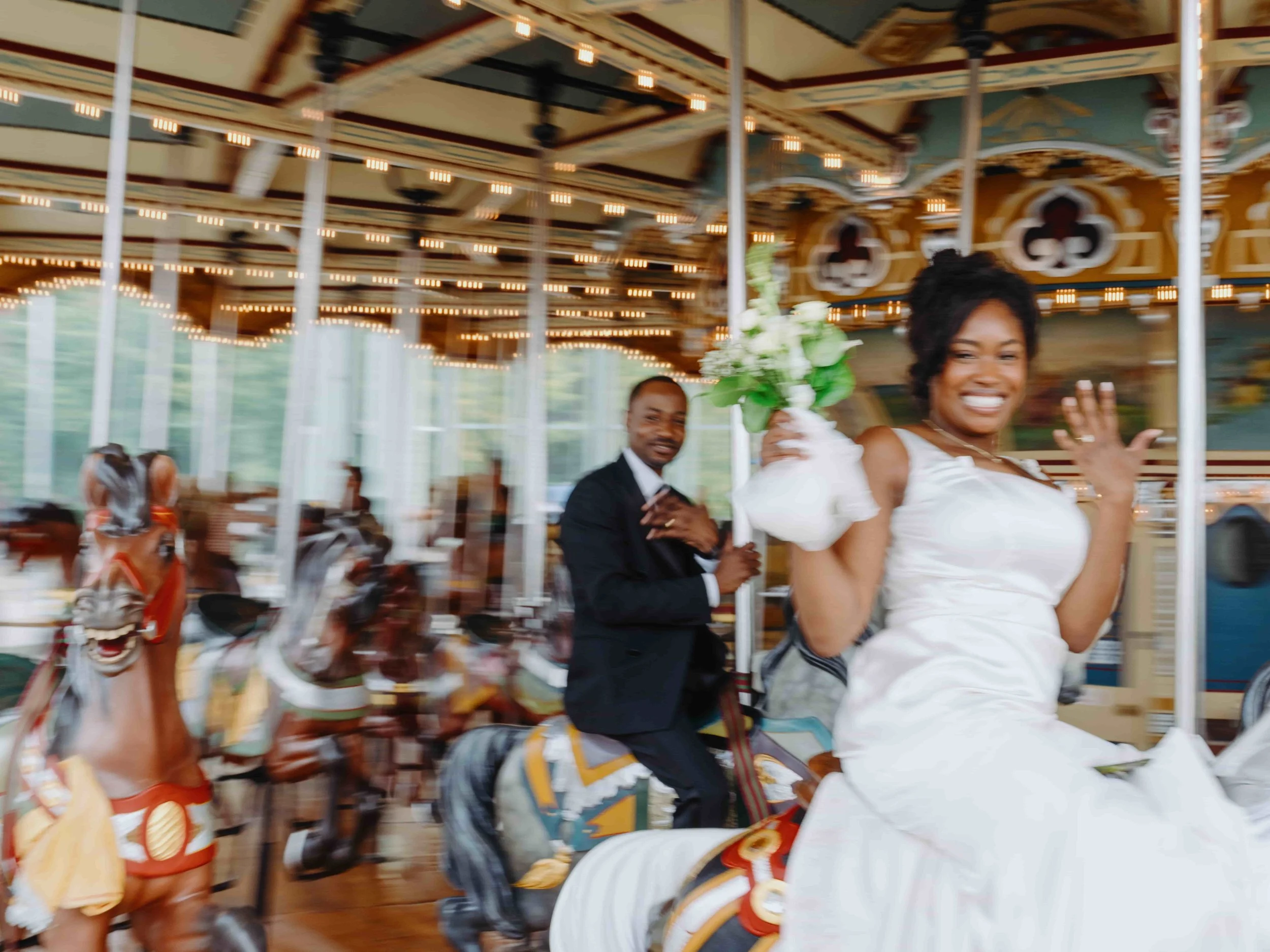
The main types of wedding videography are cinematic, documentary, hybrid, Super 8/16mm, same-day edit, and drone. Cinematic means a music-driven highlight film focused on emotion and aesthetics. Documentary captures the full day chronologically with live audio. Hybrid combines both. Super 8 and 16mm add a film texture that digital can't replicate. Most couples do best with hybrid — it delivers the emotional highlight without losing the real moments. Your choice comes down to how you want to relive that day 20 years from now
In this article:
What Are the Main Types of Wedding Videography?
Before diving into each style, here's how they compare at a glance:
| Style | Feel | Typical Length | Best For | Avg. Add-on Cost |
|---|---|---|---|---|
| Cinematic | Music-driven, emotional | 4–8 min | Aesthetic-first couples | Included in most packages |
| Documentary | Chronological, live audio | 60–90 min | Couples who want the full story | +$500–$1,500 |
| Hybrid | Balanced, polished + real | 8–15 min | Most couples | Included or +$300–$600 |
| Super 8 / 16mm | Film grain, warm tones | 2–4 min reel | Vintage lovers, intimate weddings | +$800–$1,500 |
| Same-day edit | Montage shown at reception | 3–5 min | Large receptions with screens | +$1,000–$2,500 |
| Drone | Aerial, wide establishing shots | Add-on | Outdoor venues, large estates | +$300–$800 |
🎬 Not sure which format fits your wedding?
Arrakis Films shoots in cinematic, hybrid, and Super 8 formats — sometimes all three in the same day. See our work →
Cinematic Wedding Videography
Cinematic wedding videography is a music-driven highlight film — typically 4 to 8 minutes — edited for emotional impact and visual rhythm. The focus is on how the footage feels, not just what happened. A cinematic film prioritizes beauty over chronology: you might see the first dance before the ceremony, or a quiet getting-ready moment cut against the ceremony exit.
In practice, cinematic means: careful shot selection, manual focus pulls for depth, layered framing through foreground elements, and an edit that's paced to music rather than to the timeline of the day. Live audio — vows, speeches, ambient sound — may be woven in selectively or left out entirely in favor of the soundtrack.
The result is something closer to a short film than a home video. It's made to be shared, rewatched, and shown to people who weren't there.
Who is this for: Couples who prioritize aesthetics and want a film they'll share and rewatch as a tight emotional highlight. Works especially well for elegant venue weddings with a clear visual identity — luxury hotels, gardens, rooftops. Less ideal if capturing every speech and toast matters as much as the visual result.
Documentary Wedding Videography
Documentary wedding videography captures the day chronologically, with an emphasis on live audio and real moments. The final film is typically 60–90 minutes — sometimes longer — and functions as a complete record of the wedding day: getting ready, the ceremony with full vows, cocktail hour, speeches, first dance, and reception highlights.
The style prioritizes authenticity over aesthetics. A documentary videographer follows the day as it happens rather than directing it. What you get is closer to how the day actually felt: the nervous laugh before the walk down the aisle, the toast that went off-script, the moment a grandparent cried in the back row.
The tradeoff is that a 90-minute film takes more work to sit through than a 5-minute highlight reel — which is why many couples who choose documentary style also add a short cinematic highlight on top.
Who is this for: Couples who want to relive every speech, every vow, every laugh — not just a curated highlight reel. Also a strong choice for couples with family members who couldn't attend and want to experience the day fully
Hybrid Wedding Videography
Hybrid is the default format for most experienced wedding videographers in 2026 — and for good reason. It combines a cinematic highlight film (5–12 minutes, music-driven) with documentary elements: full ceremony audio, selected speech clips, and real ambient moments woven into the edit.
The result feels polished without losing what actually happened. You get the emotional, shareable highlight film and the live audio of your vows in the same package. Most full-day packages from mid-range and premium videographers deliver hybrid as the standard deliverable.
Who is this for: Most couples — hybrid works across wedding styles, venue types, and budgets. If you're not sure which format you want, hybrid is the right starting point.
Should I Choose Cinematic or Documentary Wedding Videography?
The honest answer: most couples don't need to choose — hybrid covers both. But if you're deciding between a purely cinematic and a purely documentary approach, here's how they differ on the things that actually matter:
| Cinematic | Documentary | |
|---|---|---|
| Live vows and speeches | Selective or absent | Full, unedited |
| Film length | 4–8 min | 60–90 min |
| Rewatchability | High — short, easy to revisit | Lower — requires time and intent |
| Aesthetic control | High | Lower — follows the day |
| Shareable on social | Yes | Not typically |
| Best venue type | Elegant, visually strong | Any |
| What you might miss | Full audio of the day | Tight, emotional edit |
What Is Super 8 Wedding Videography — and Is It Worth It?
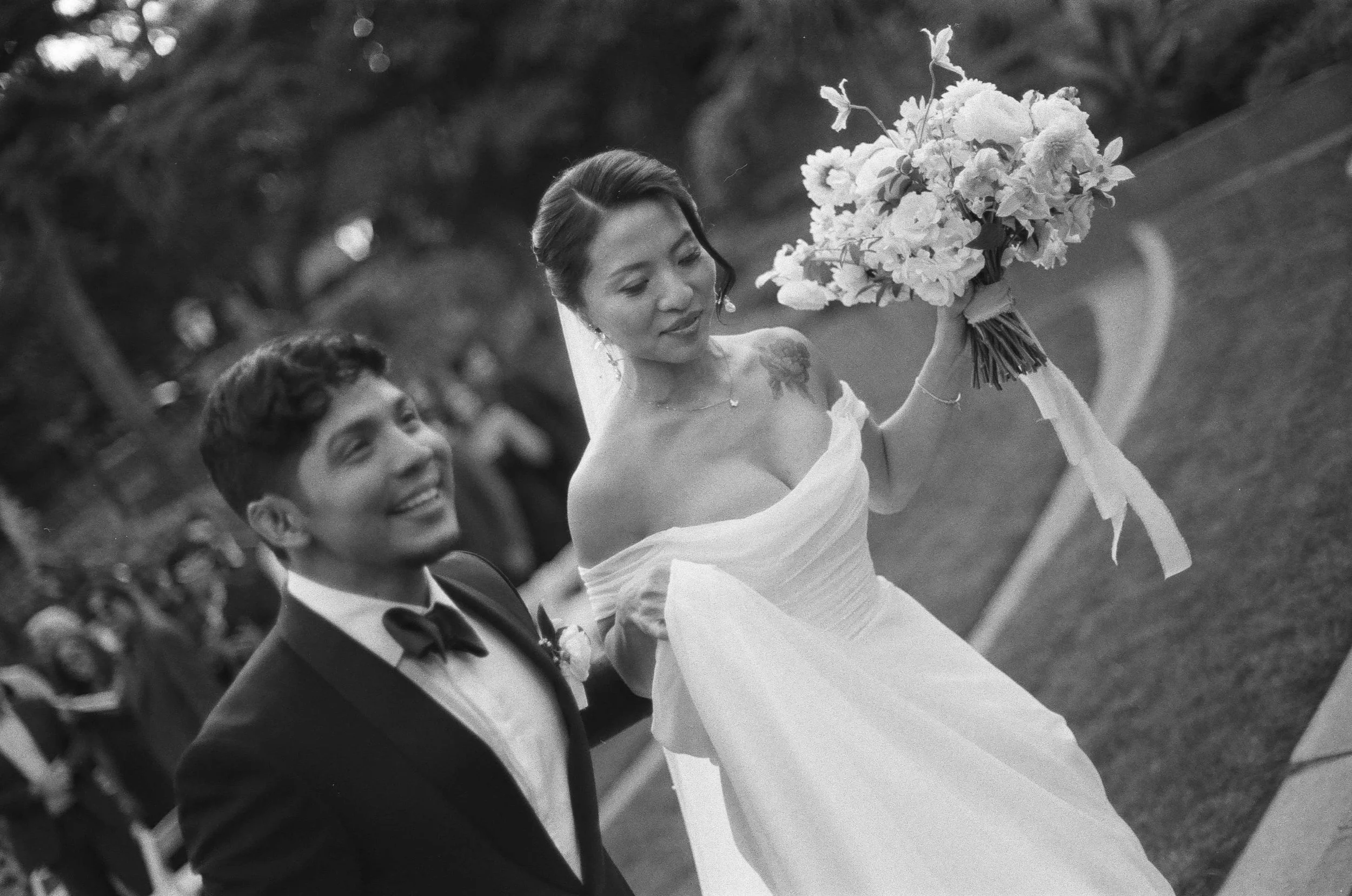
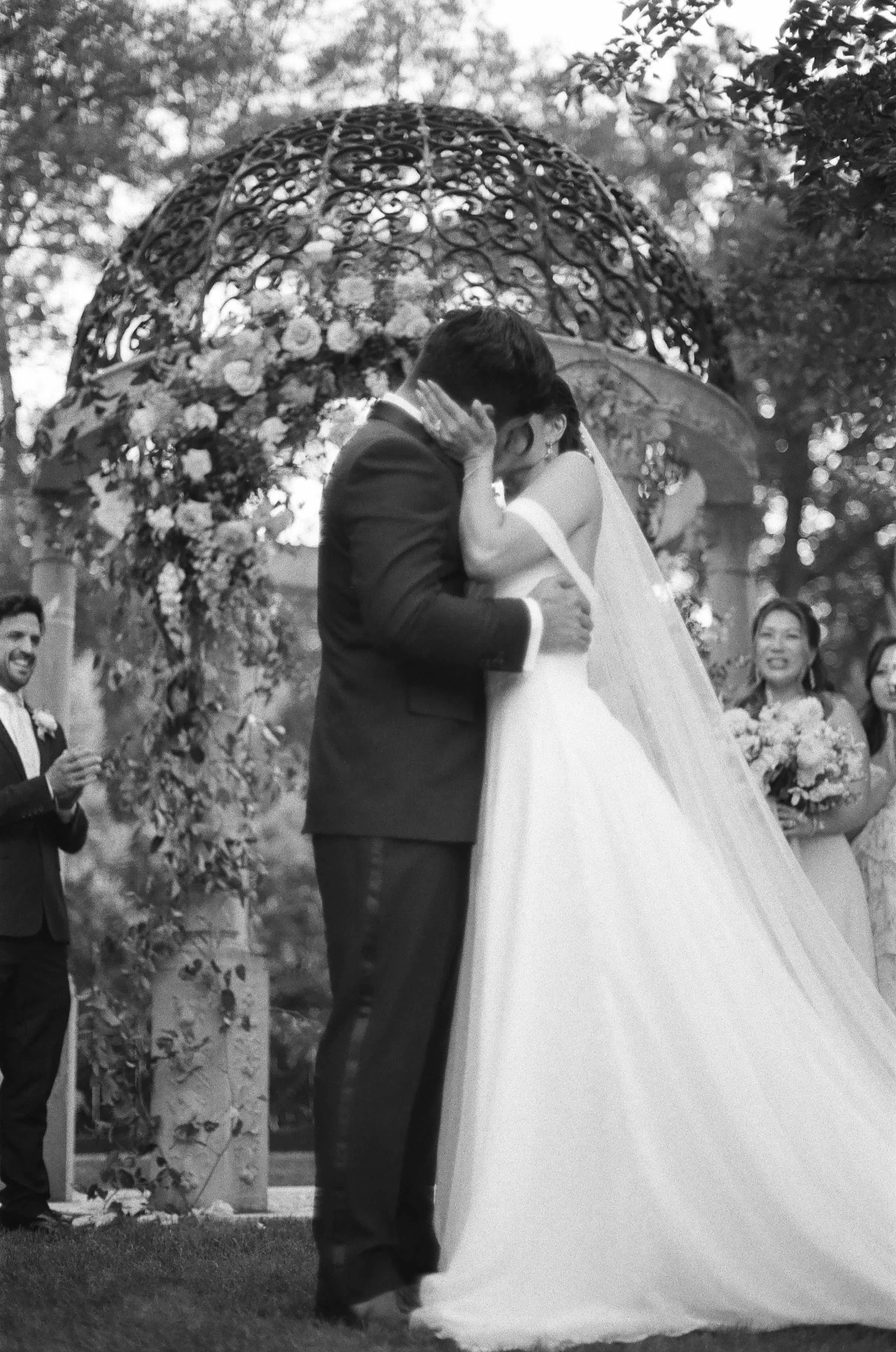
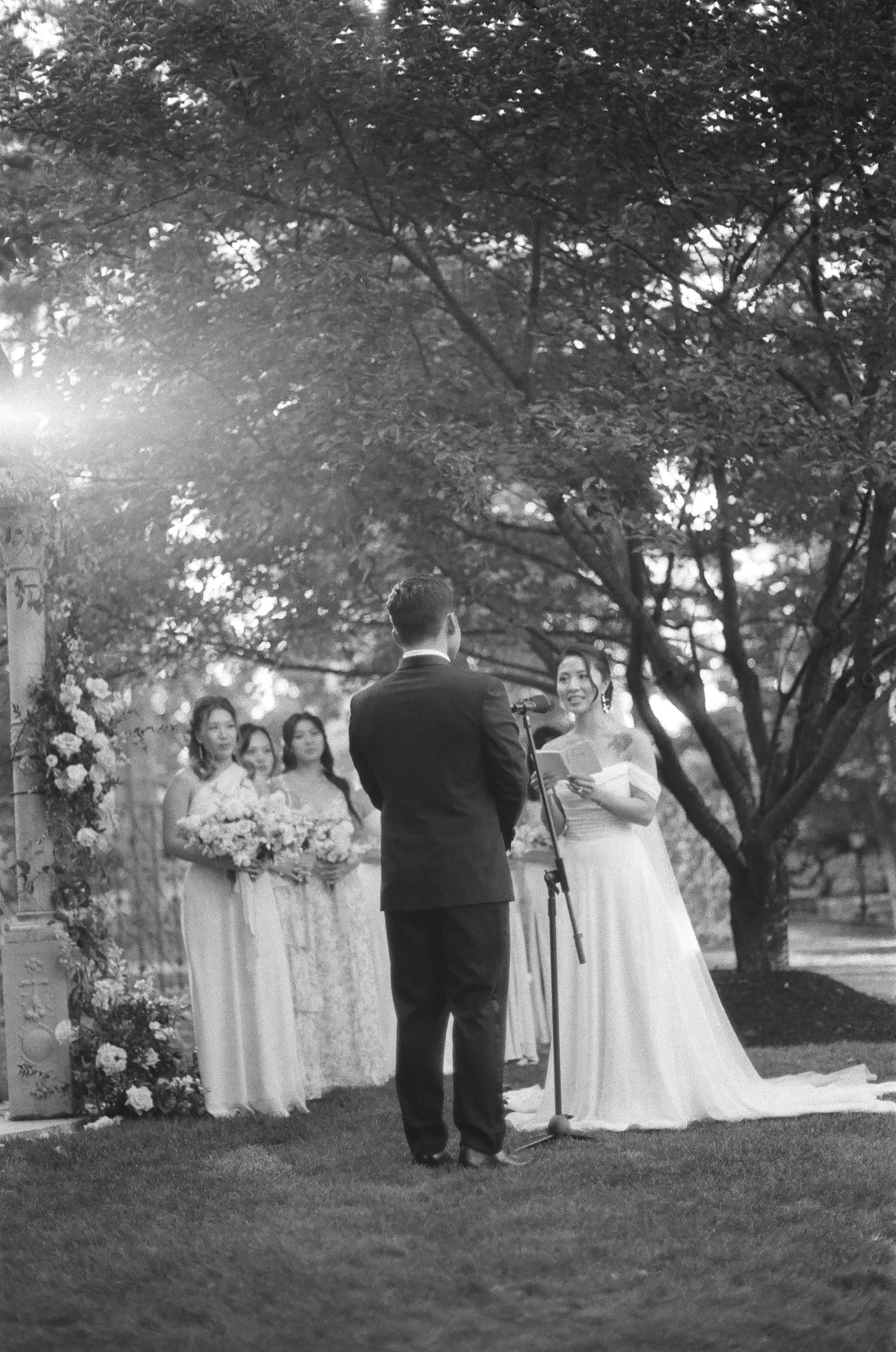
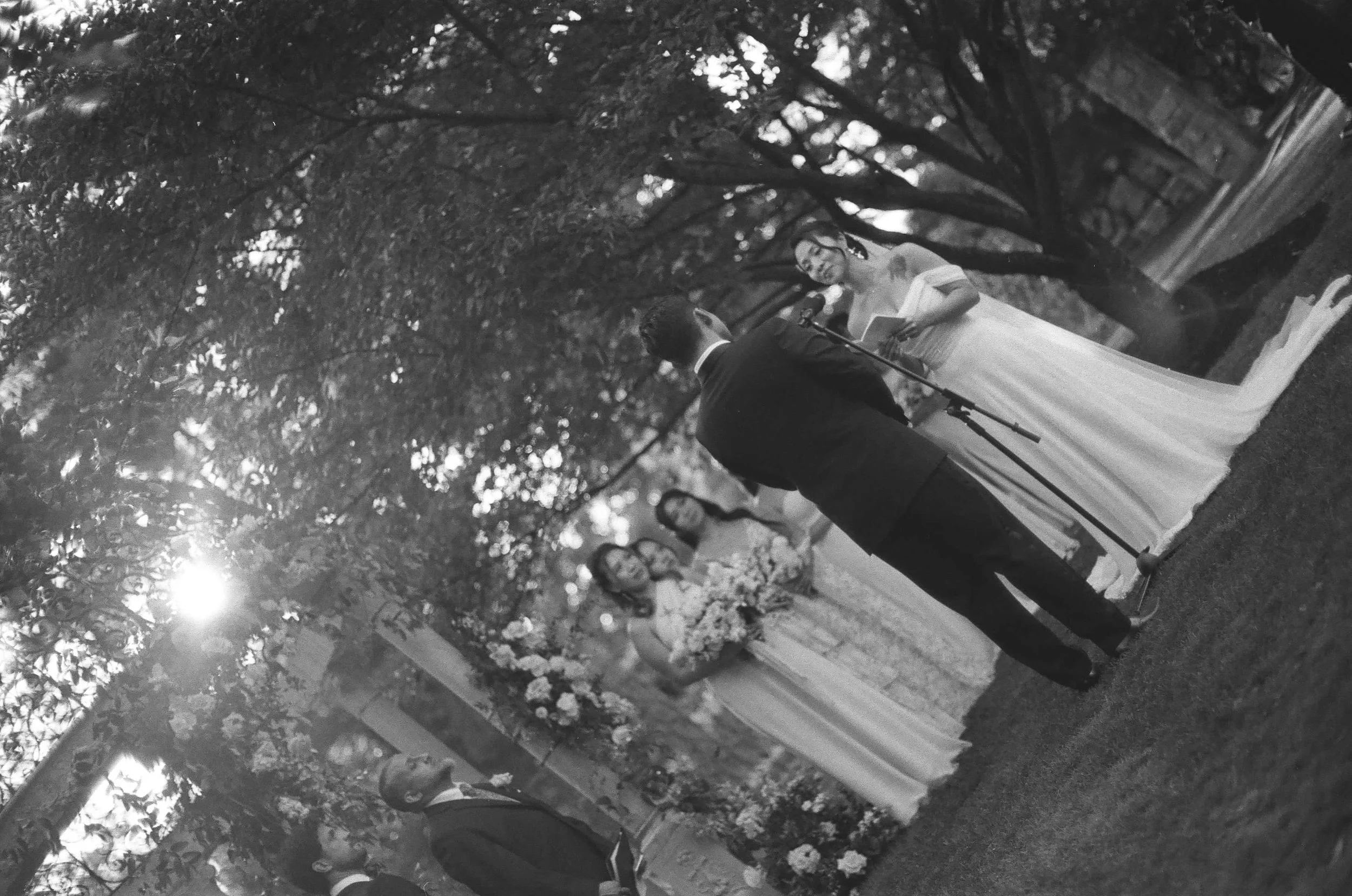
Super 8 is a film format from the 1960s–70s that shoots on physical 8mm film cartridges. In a wedding context, a videographer shoots a roll or two of Super 8 alongside their digital camera — capturing moments in real light, on real film, with real grain. The footage is then developed, scanned, and edited into a short 2–4 minute reel, usually as a standalone piece or woven into the main highlight.
The result looks nothing like digital. Super 8 has a warmth, a softness, and a texture that no filter or preset can fully replicate — because it's chemically produced, not algorithmically simulated. Skin tones glow. Motion has a slight blur. Every frame looks like a memory rather than a recording.
The practical considerations: Super 8 cartridges hold about 3 minutes of footage each, so shooting is selective by nature. Film performs best in good light — golden hour and open shade. Dark venues or nighttime reception shots don't translate as well to film without supplemental lighting.
Adding Super 8 to a package typically costs $800–$1,500 depending on the number of rolls, lab processing fees, and whether the footage is edited separately or integrated into the main highlight.
Who is this for: Couples who love the look of film photography and want their wedding video to feel genuinely different from every other wedding video they've seen. Particularly well-suited for outdoor ceremonies, garden and vineyard weddings, elopements, and anyone drawn to a romantic, vintage aesthetic. If you're already considering film photography alongside digital, Super 8 video is the natural extension.
🎞️ Interested in Super 8 for your wedding?
Arrakis Films offers Super 8 and 16mm film coverage as an add-on to any package — shot on real film, developed and scanned by hand.
What Is a Same-Day Edit?
A same-day edit (SDE) is a short highlight film — typically 3–5 minutes — edited and delivered on the wedding day itself, usually shown on a screen during the reception. The videographer shoots the getting-ready moments and ceremony, then edits during the cocktail hour, and the couple and guests watch the finished film at the reception.
It's logistically demanding: it requires a dedicated editor on-site or a very fast editor working remotely, plus reliable equipment and a tight timeline. The result is emotional — seeing highlights of your own wedding while you're still at your wedding is a genuinely powerful moment.
The cost reflects the complexity: same-day edits typically add $1,000–$2,500 to a package. It's a significant add-on, and it makes most sense for large receptions where you have a screen, a crowd, and a moment in the program to show it.
Who is this for: Couples with 150+ guests, a large reception venue with a screen, and a timeline that includes a natural pause — like dinner service — where the film can be shown. Less practical for intimate weddings or elopements.
Does Drone Footage Make Sense for Your Wedding?
Does Drone Footage Make Sense for Your Wedding?
Drone footage adds aerial establishing shots — wide views of the venue, overhead ceremony coverage, dramatic landscape shots — to any style of wedding video. It typically adds $300–$800 to a package and requires a licensed drone operator.
Whether it makes sense depends entirely on your venue and location:
Worth it: Outdoor venues with visual scale — vineyards, beach ceremonies, garden estates, mountain venues, large private properties. Aerial shots add context and grandeur that ground-level cameras can't provide.
Not worth it: Indoor venues, small city locations, Manhattan (FAA restrictions make drone flights in most of NYC very difficult to permit), or venues where the view from above is a parking lot.
Always ask your videographer whether they're licensed (Part 107 FAA certification) and whether your venue permits drone flights before adding this to your package.
Who is this for: Couples with outdoor venues in the Hudson Valley, Long Island, Malibu, or similar locations where the aerial perspective adds genuine visual value to the final film.
How Do I Choose the Right Videography Style?
Five questions that will point you toward the right format:
Do you want to relive the full day, or just the emotional highlights? Full day → documentary or hybrid with long-form option. Highlights only → cinematic.
How important is live audio — your actual vows, the speeches, ambient sound? Critical → documentary or hybrid. Less important → cinematic.
What will you do with the video? Share it publicly → cinematic or hybrid highlight. Keep it privately for family → documentary.
What's your venue aesthetic? Visually strong indoor or outdoor venue → cinematic or Super 8 will shine. Any venue → hybrid works everywhere.
What's your budget for videography? Cinematic and hybrid are included in most standard packages. Documentary long-form, Super 8, and same-day edits are add-ons — budget accordingly.
FAQ
What type of wedding video is most popular?
Hybrid is the most common format in 2026 — it delivers a cinematic highlight film alongside full ceremony audio, which satisfies most couples' needs without choosing between aesthetics and documentation. Pure cinematic and documentary styles are less common as standalone formats; most videographers default to hybrid and offer upgrades from there.
What is the difference between cinematic and documentary wedding video?
Cinematic is music-driven and edited for emotional impact — usually 4–8 minutes, focused on visuals and feeling. Documentary captures the day chronologically with live audio — speeches, vows, toasts — in a 60–90 minute film. Cinematic is made to be shared and rewatched quickly; documentary is made to be a complete record of the day.
Is Super 8 worth the extra cost for a wedding?
For couples who value the film aesthetic, yes — Super 8 produces a warmth and texture that digital cannot replicate, and the result feels distinctly different from standard wedding video. At $800–$1,500, it's a meaningful add-on rather than an impulse purchase. It works best in good natural light — golden hour, open shade — and adds the most value at visually strong outdoor venues.
How long should a wedding highlight video be?
Most wedding highlight films run 4–8 minutes for cinematic style, and 8–15 minutes for hybrid. This is long enough to cover the emotional arc of the day without losing the viewer. Full documentary films run 60–90 minutes. There's no universal right answer — it depends on format and what you want to do with the video.
Do I need both a photographer and videographer?
They capture different things. Photography freezes a single frame — the expression, the detail, the composition. Video captures what happened in time — the voice, the movement, the ambient emotion of a room. Most couples who only booked one later wish they had both. If budget is a constraint, prioritizing photography is the more common choice — but adding even basic videography coverage produces a completely different type of memory.
What should I look for when hiring a wedding videographer?
Consistent style across their portfolio (not just one great wedding), clear communication before the inquiry stage, transparent pricing and contract terms, real audio quality in their samples — not just music over silent footage — and experience with your specific venue type or lighting conditions. Ask to see a full ceremony edit, not just the highlight reel.
Can I get drone footage at any venue?
No. Drone flights require FAA Part 107 certification and venue permission, and many locations — particularly in Manhattan and dense urban areas — have airspace restrictions that make drone flights impractical or illegal without a waiver. Always confirm with both your videographer and your venue before adding drone coverage to a package.
Ready to talk about your wedding video?
Tell us your date, location, and which format interests you — we'll come back within 24 hours with availability and a package recommendation.