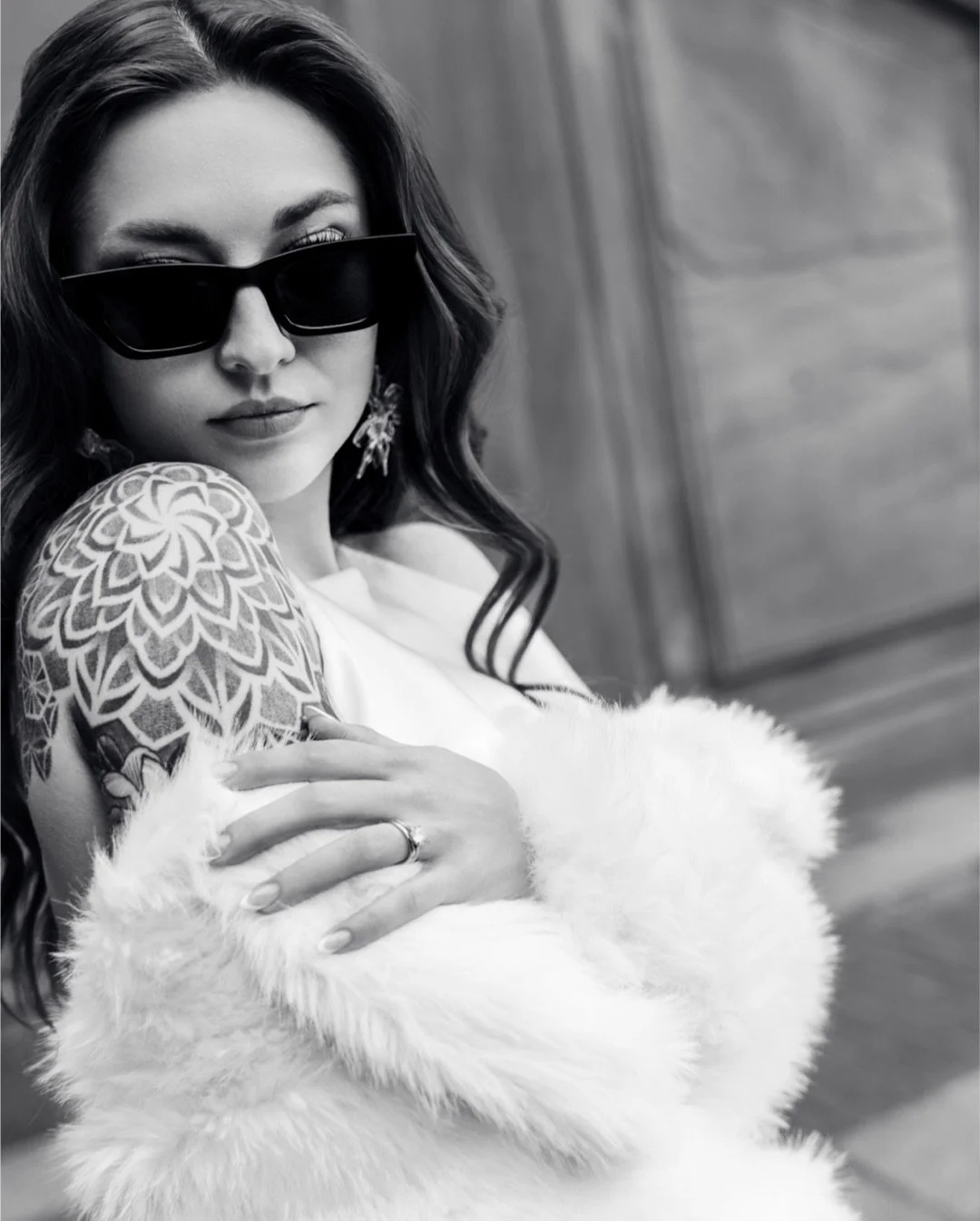
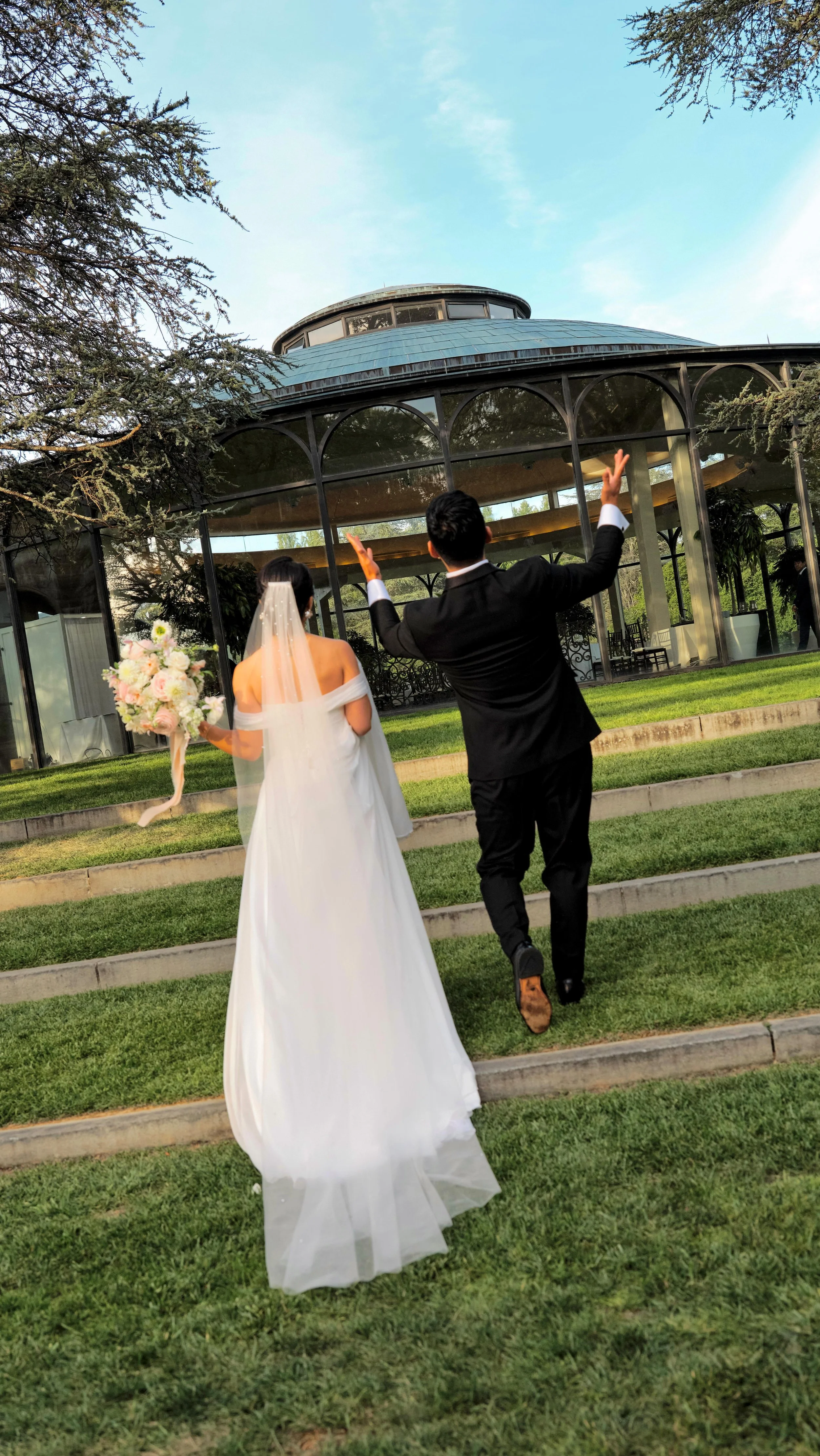
Wedding Photography Poses: Essential Ideas and Tips for Natural‑Looking Photos
Most couples feel awkward in front of the camera — and that's completely normal. The good news is that natural-looking wedding photos aren't about finding the perfect pose and holding it. They're about movement, connection, and a photographer who knows how to guide you through both.
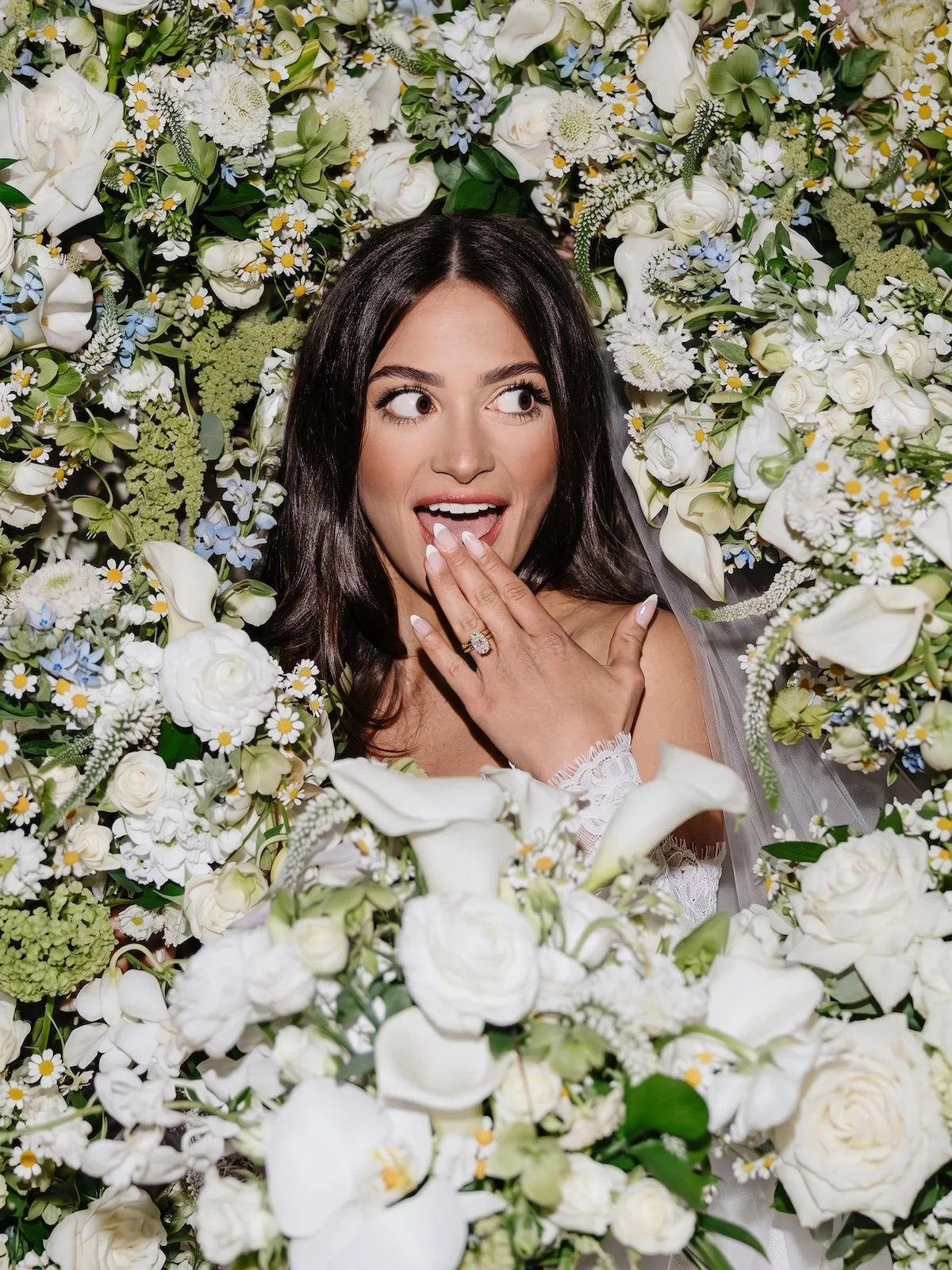
Quick Answer
The best wedding photography poses are ones where you're actually doing something — walking, whispering, laughing — rather than standing still and waiting for the shutter. To look natural: move between poses instead of freezing, focus on your partner instead of the lens, and ask your photographer to give you prompts rather than directions. A short 20-minute portrait session with the right guidance produces more usable photos than an hour of trying to "look good."
Looking for a photographer who guides you through every pose without making it feel like a photoshoot? See how we work → https://www.arrakisfilmswedding.com/wedding-photo-gallery
In this article
Why Do Wedding Photos Look Stiff — and How to Fix It
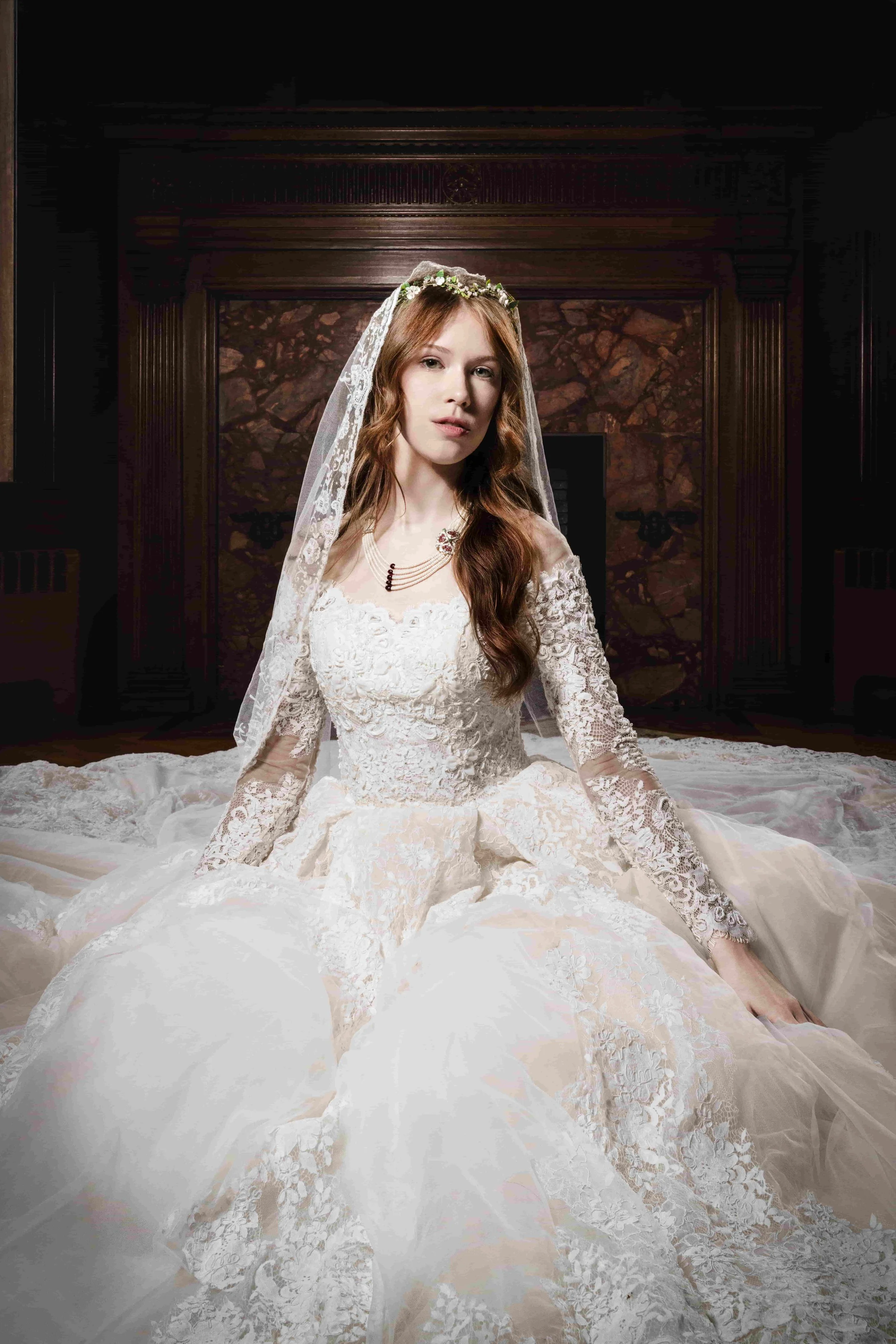
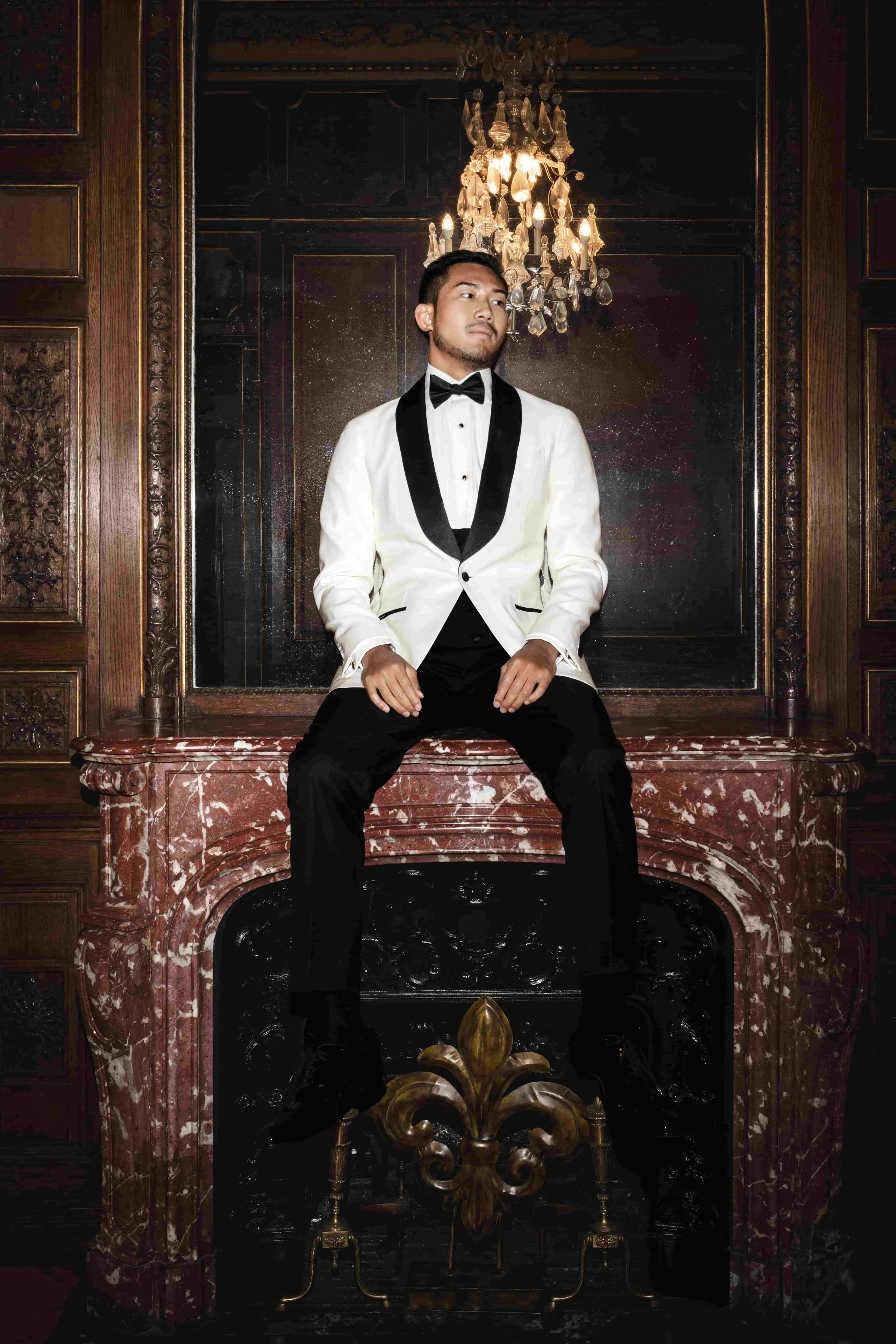

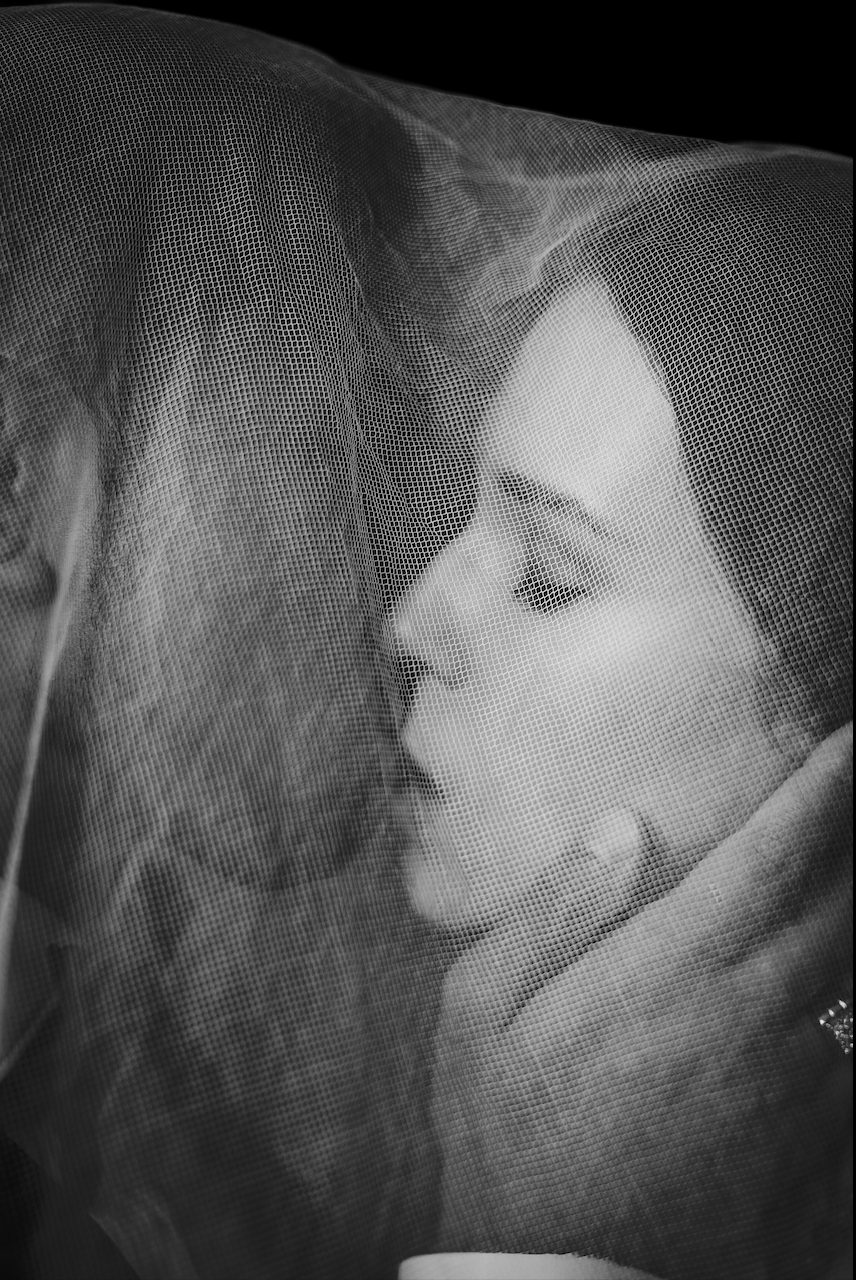

Stiff wedding photos come from one thing: awareness of the camera. The moment you think about how you look, your body tenses up, your smile becomes a performance, and the photo shows it. The fix isn't a better pose — it's redirecting your attention. Look at your partner, listen to what they're saying, react to them. Your photographer's job is to capture what happens when you forget the camera is there. The poses in this guide are designed to help you do exactly that.
Classic Couple Poses That Always Work
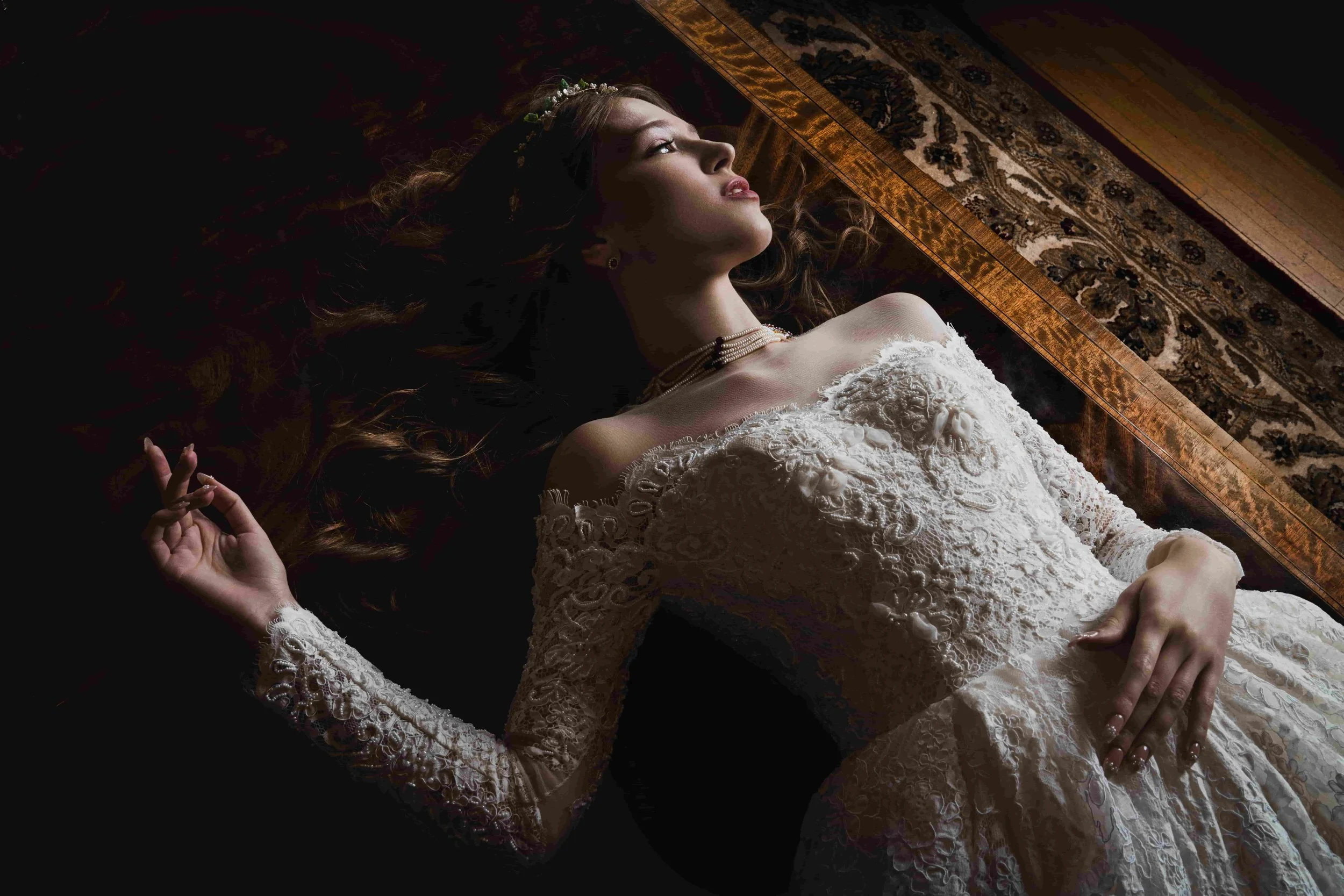

These are the building blocks of any wedding portrait session. They work across styles, venues, and lighting conditions — whether you're shooting in Central Park, on a rooftop in Brooklyn, or at a garden estate in Hudson Valley.
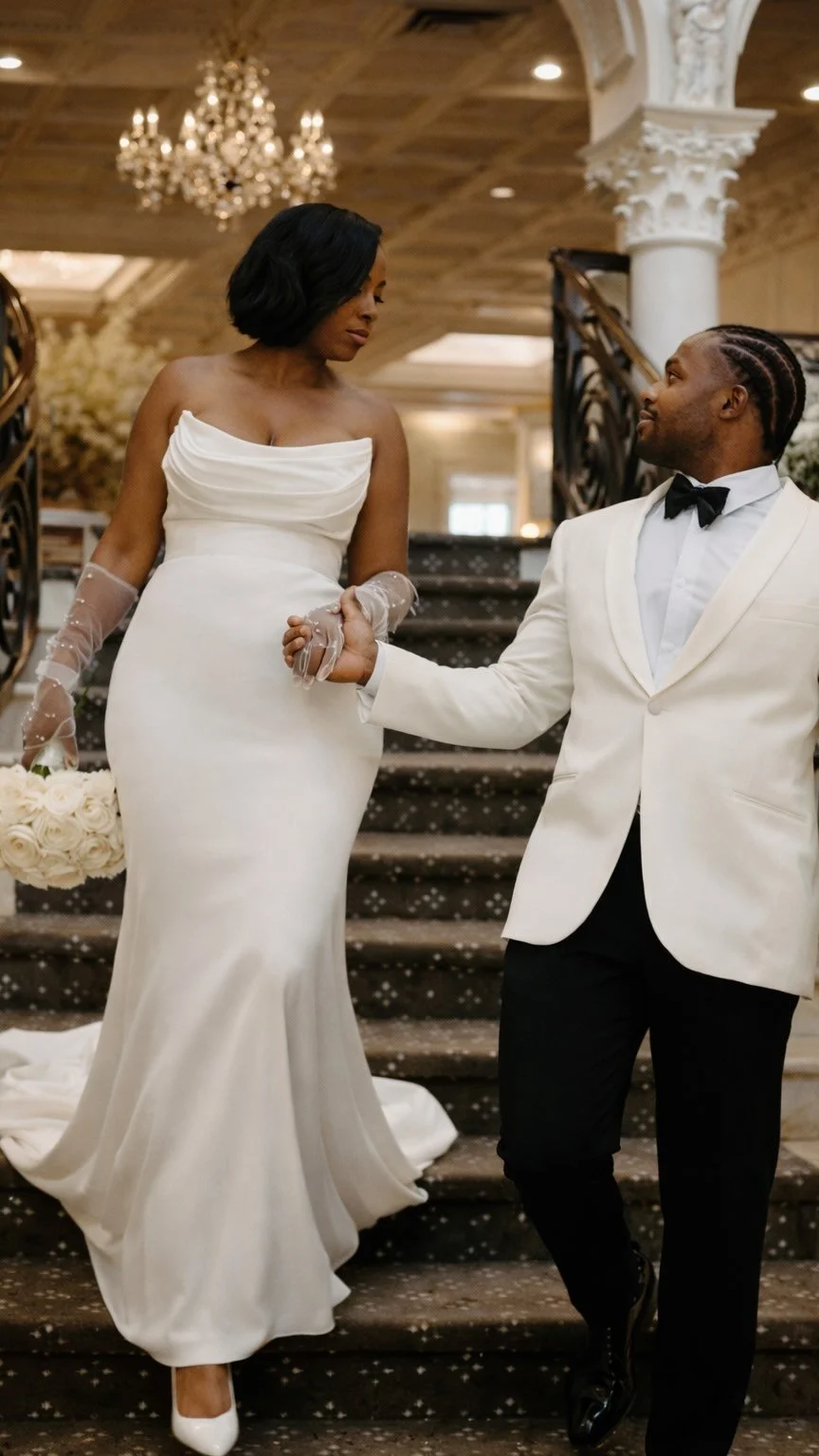
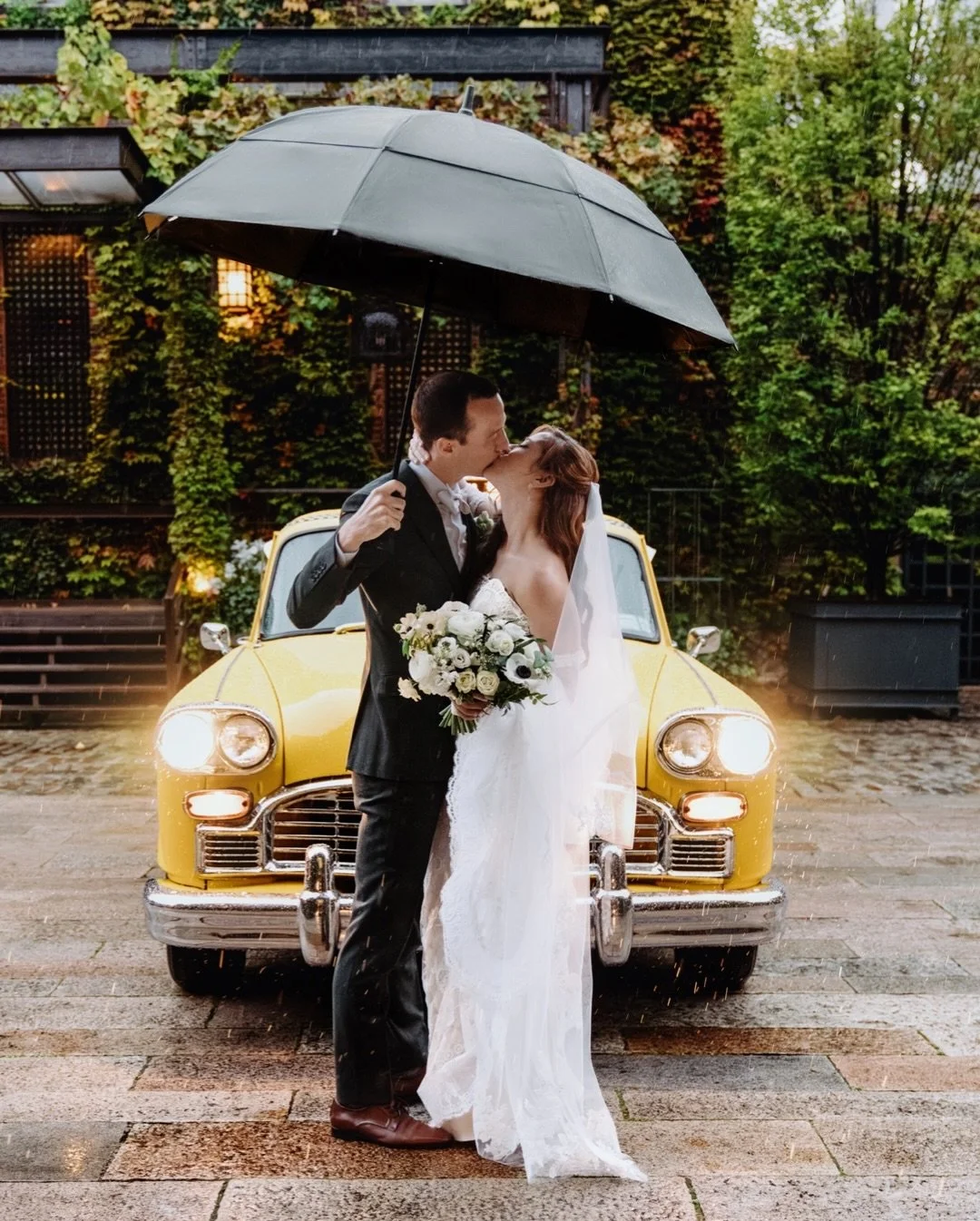
Walking together — Hold hands and walk slowly toward or away from the camera while talking to each other. Candid, easy to repeat, always looks genuine.
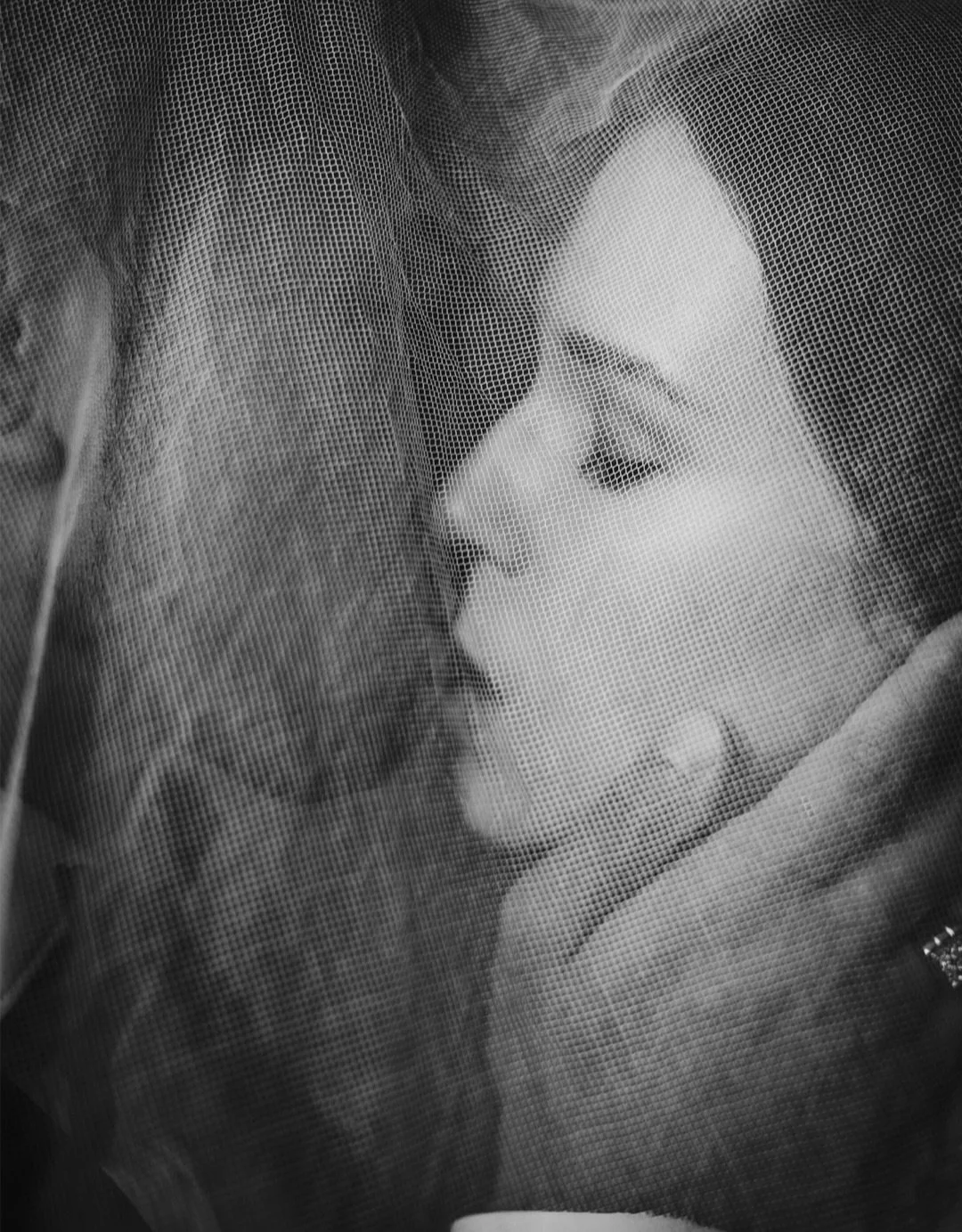
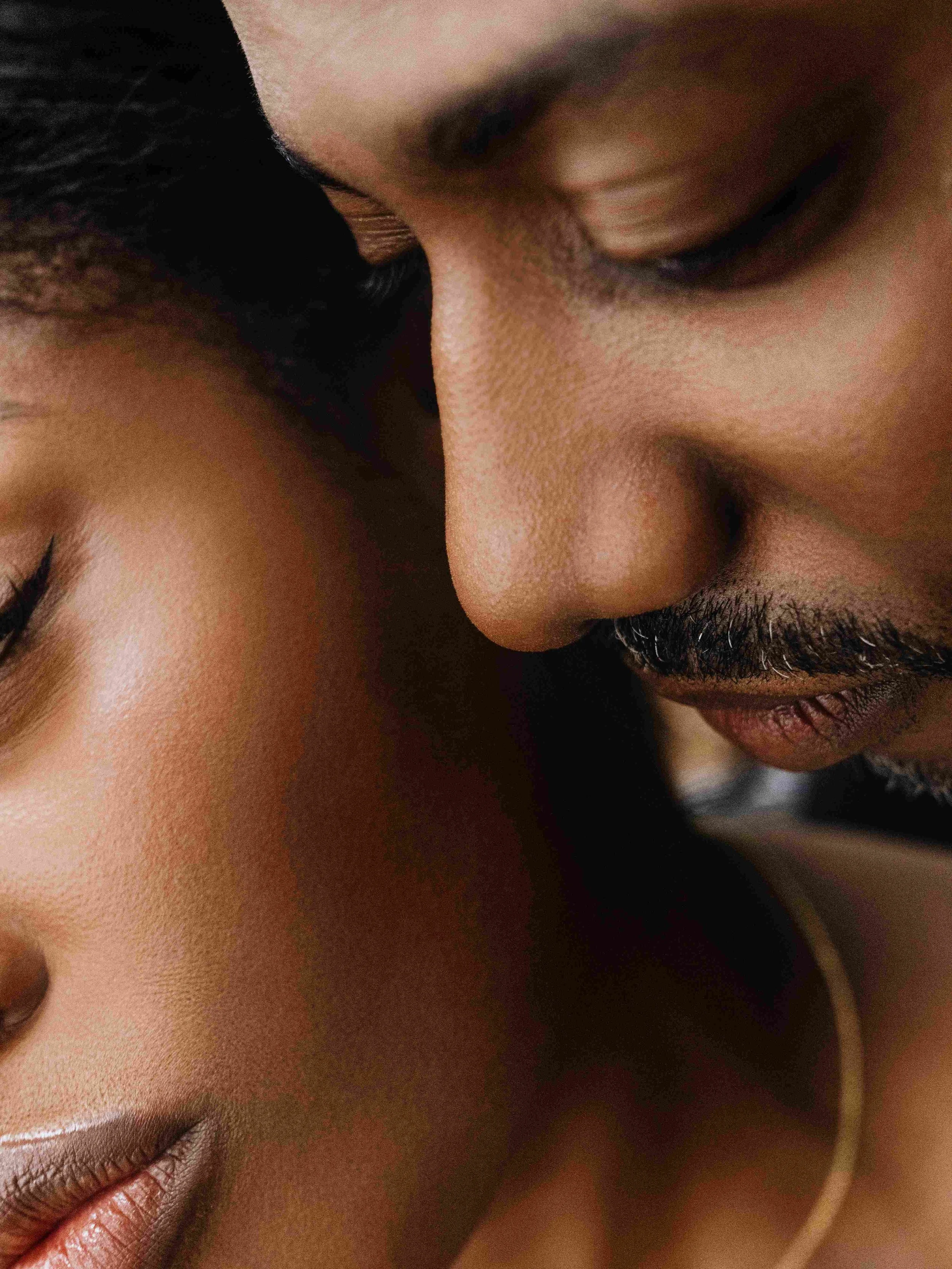
Forehead touch — Stand close, foreheads resting together, eyes closed or looking down. One of the quietest and most intimate poses.
Chest to chest — Bodies pressed together, noses almost touching. Ask your partner to whisper something — the reaction is always real.
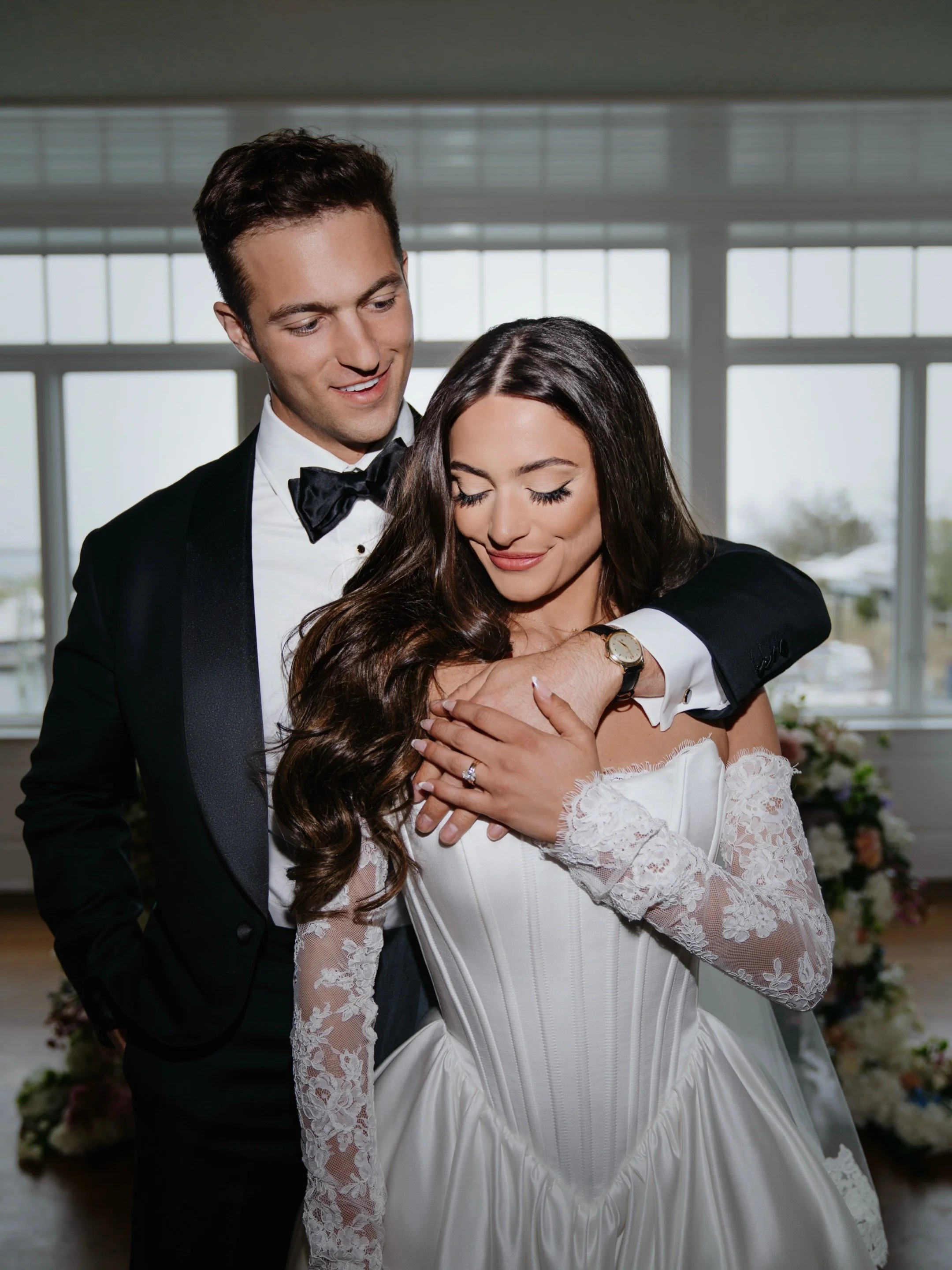
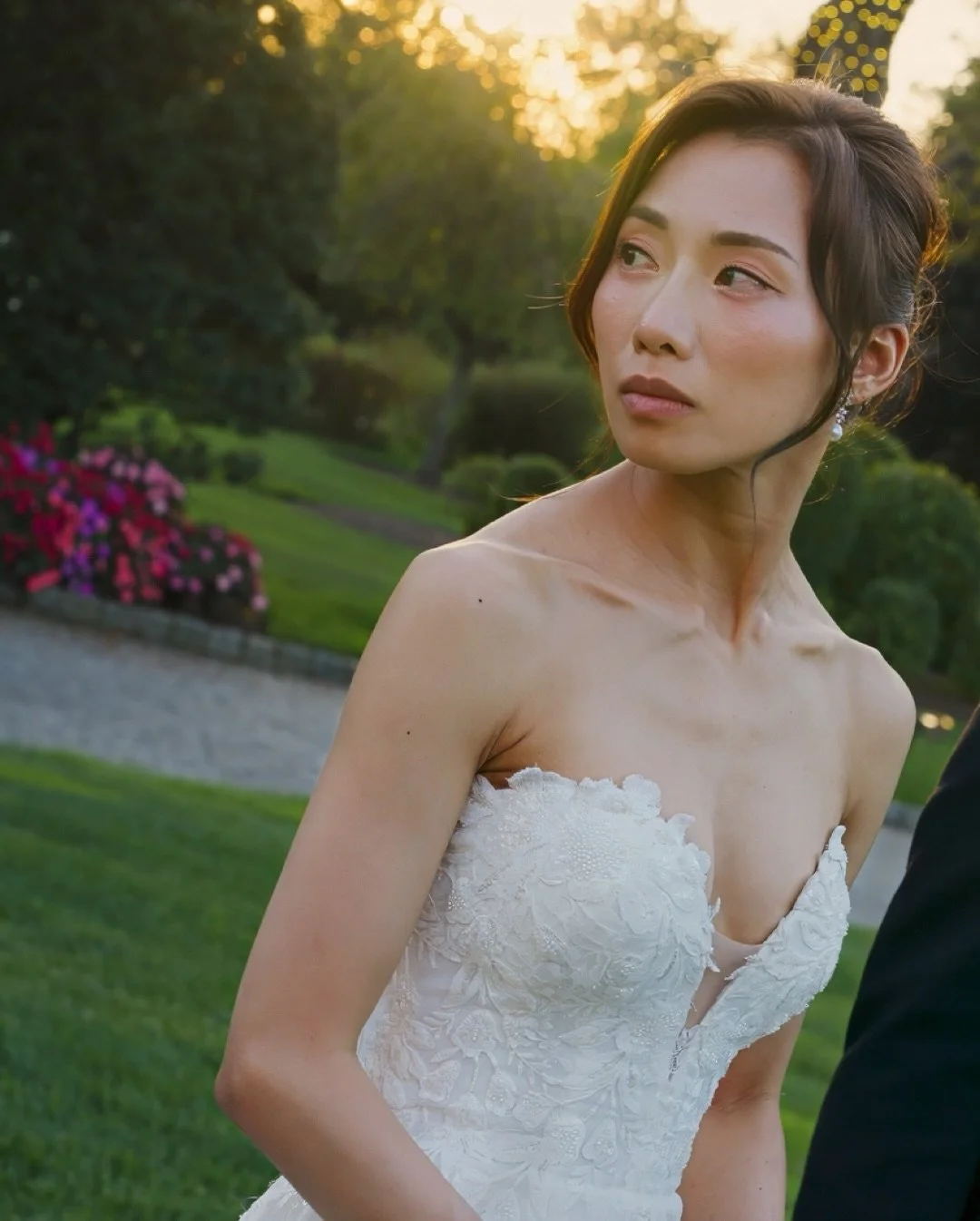
Spoon / bear hug from behind — One partner wraps their arms around the other from the back. Works especially well at golden hour when the light wraps around both of you.
The twirl — The classic. One partner holds the other's hand and spins them. Almost always produces genuine laughter and movement in the dress.
Lean on shoulder — One partner rests their head on the other's shoulder while both look into the distance. Simple, calm, works at any point in the day.
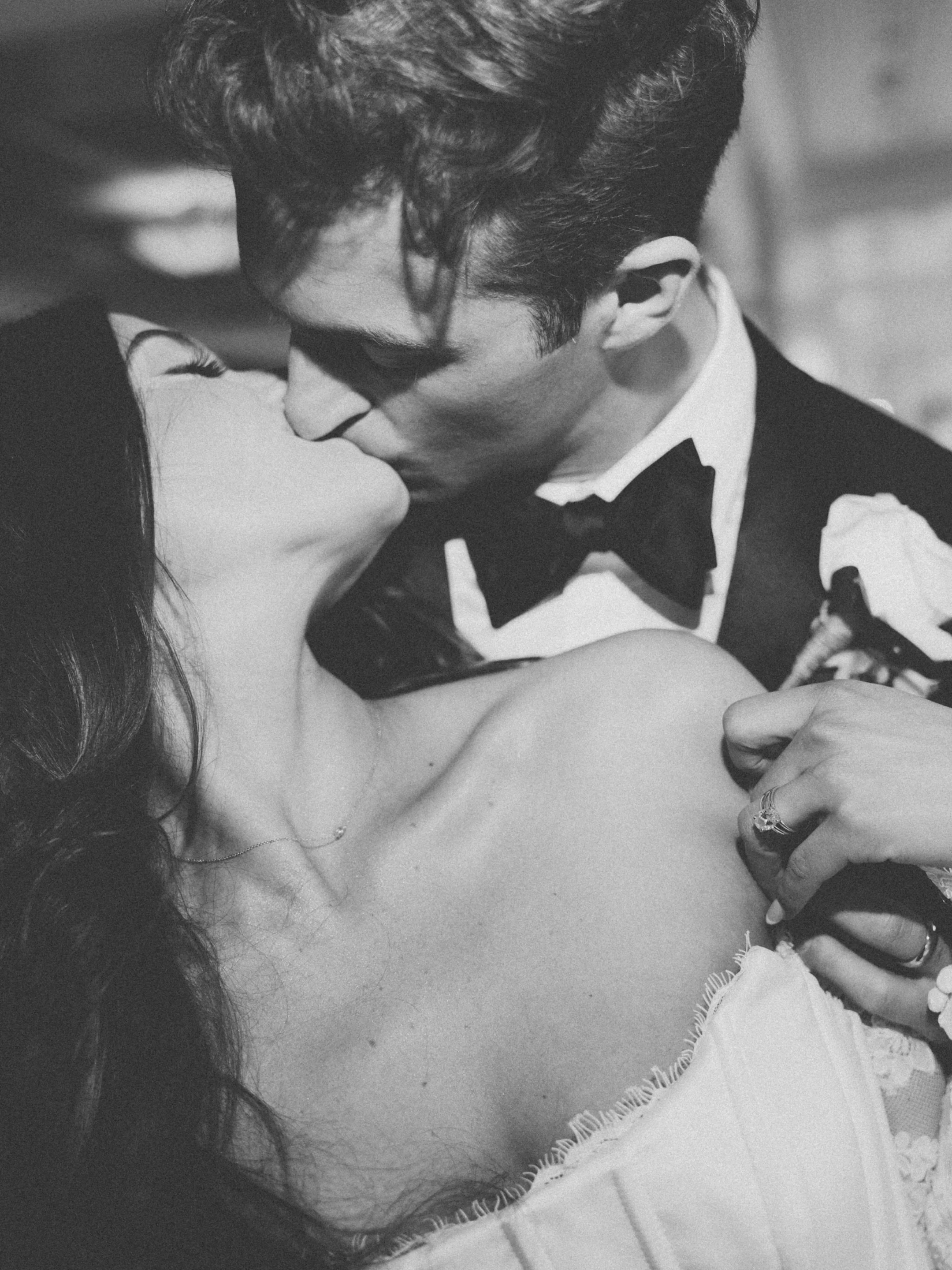
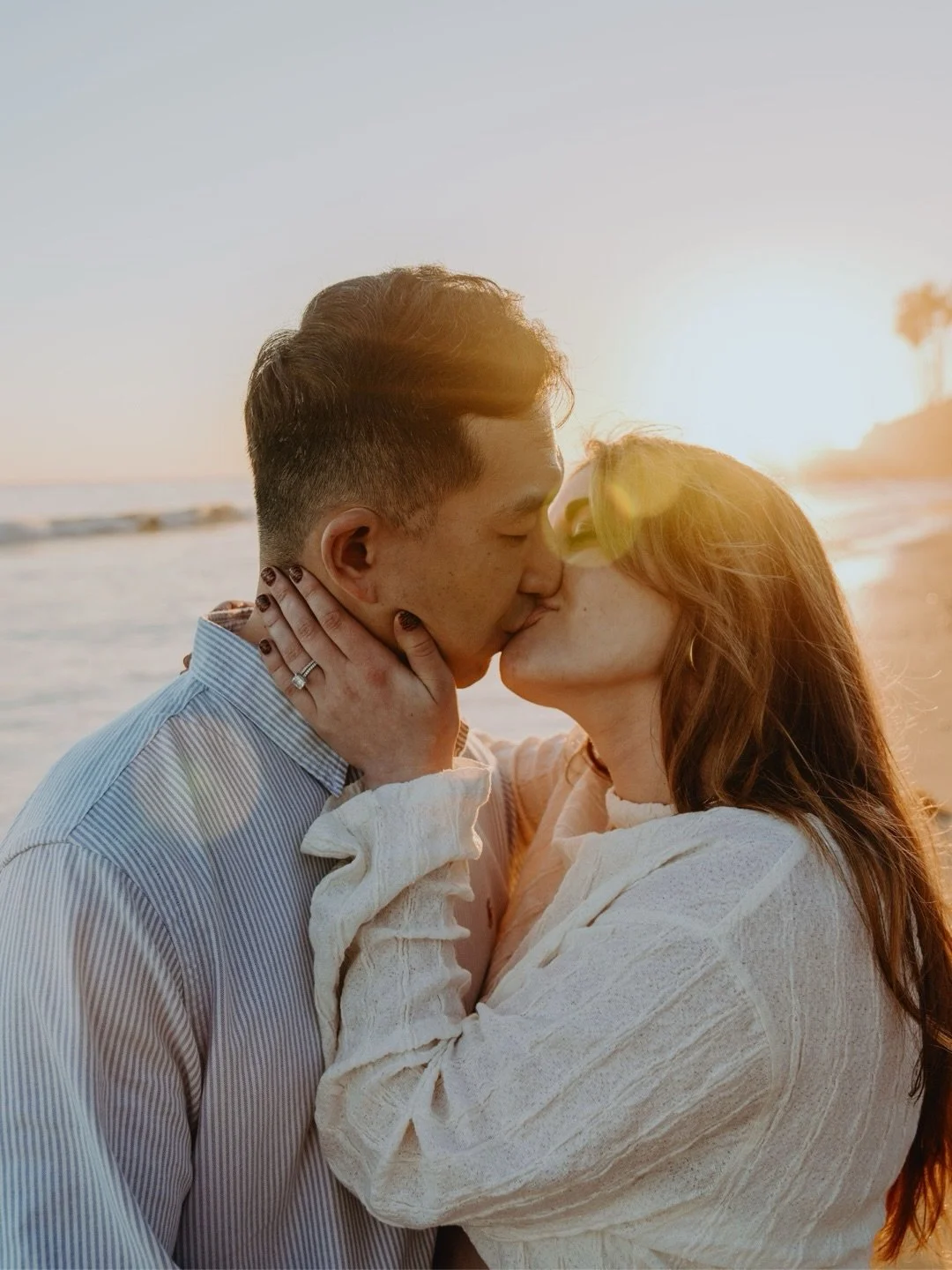
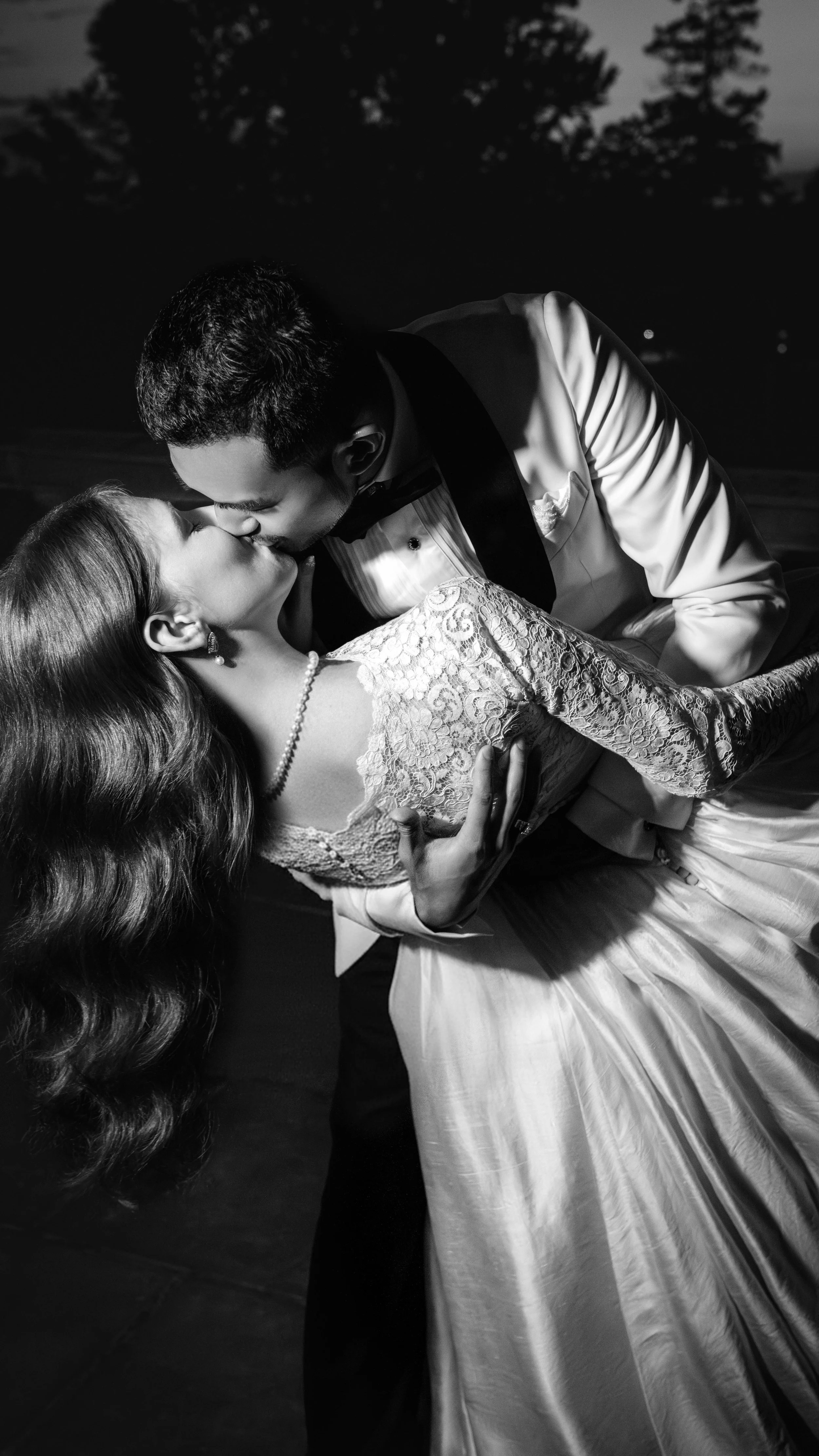
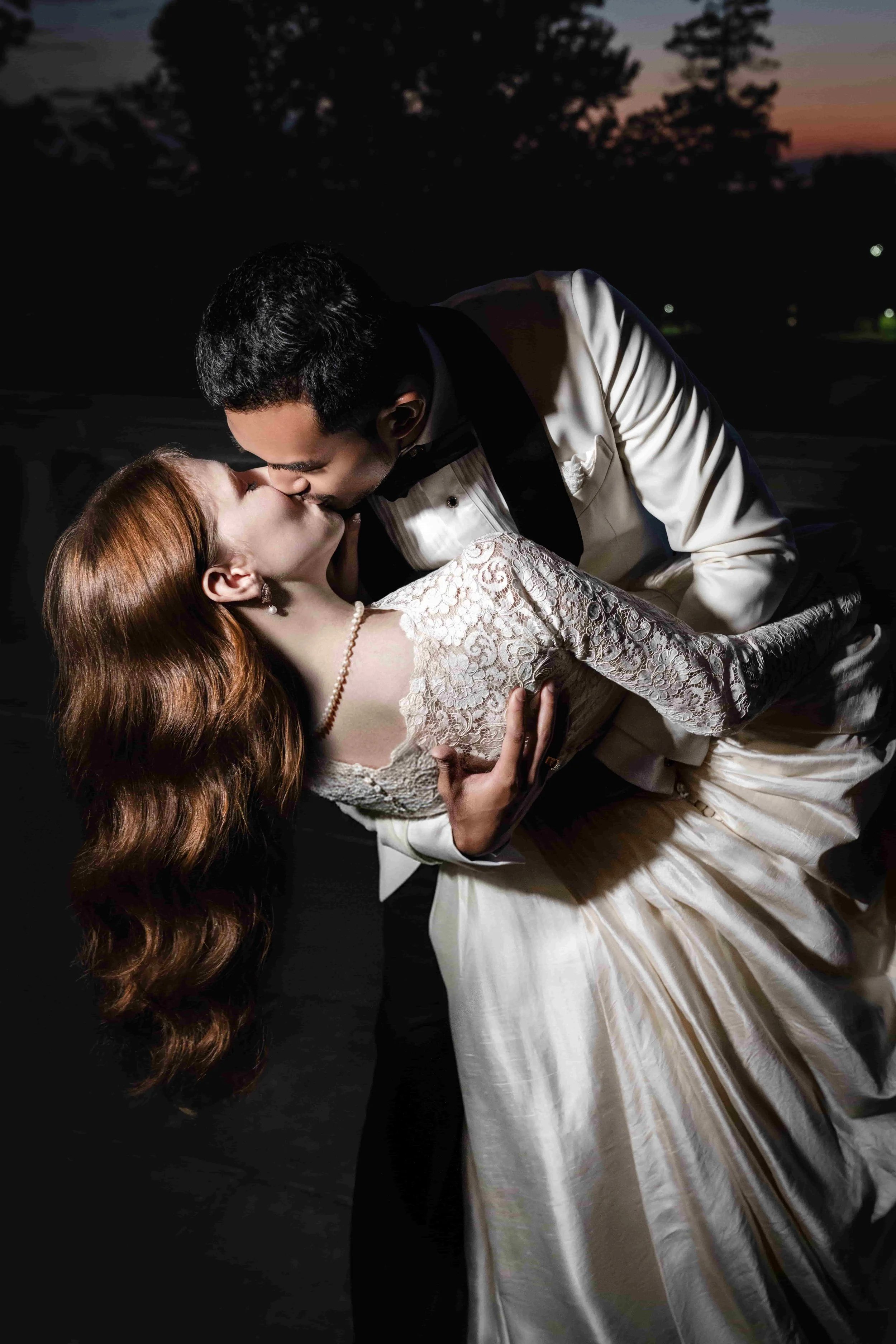
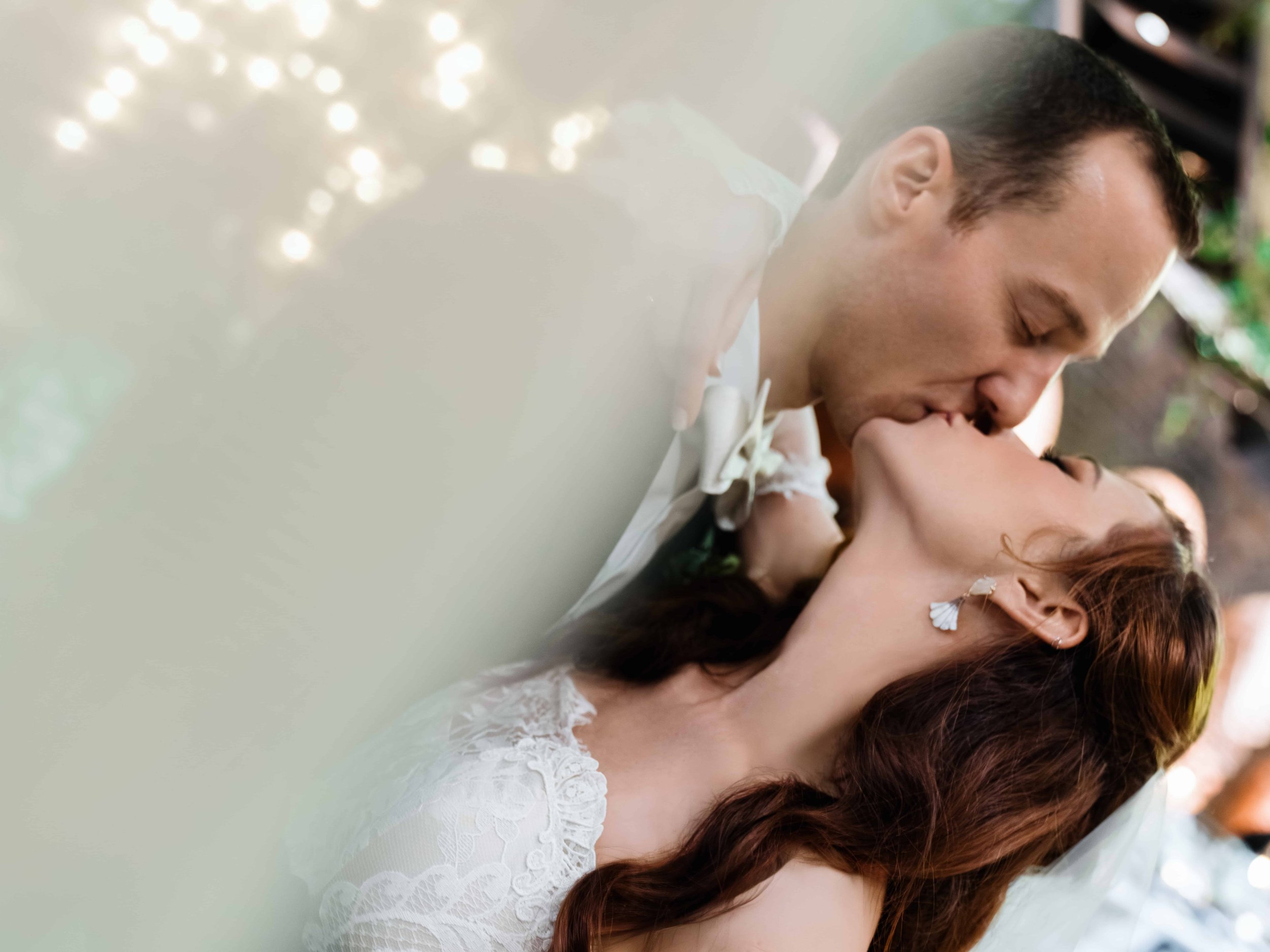
The dip — A low dip with a kiss. It's a bit theatrical, but produces dramatic images and usually makes both of you laugh — which is the best part.
Walking toward the camera — Hold hands, walk straight toward the lens, talk to each other. Relaxed and natural, great for wide shots with the venue in the background.
How to Pose Naturally: Tips for the Couple
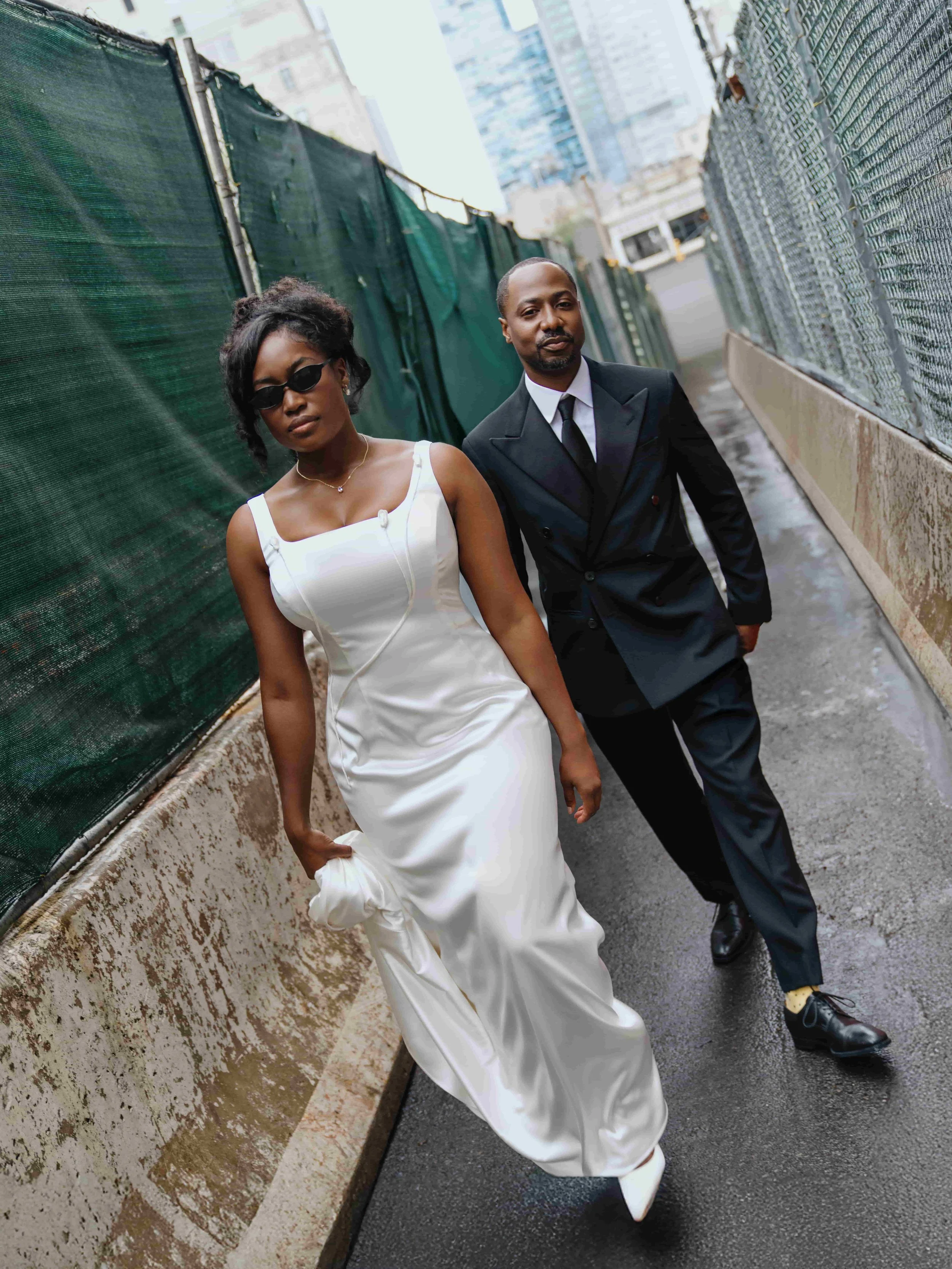
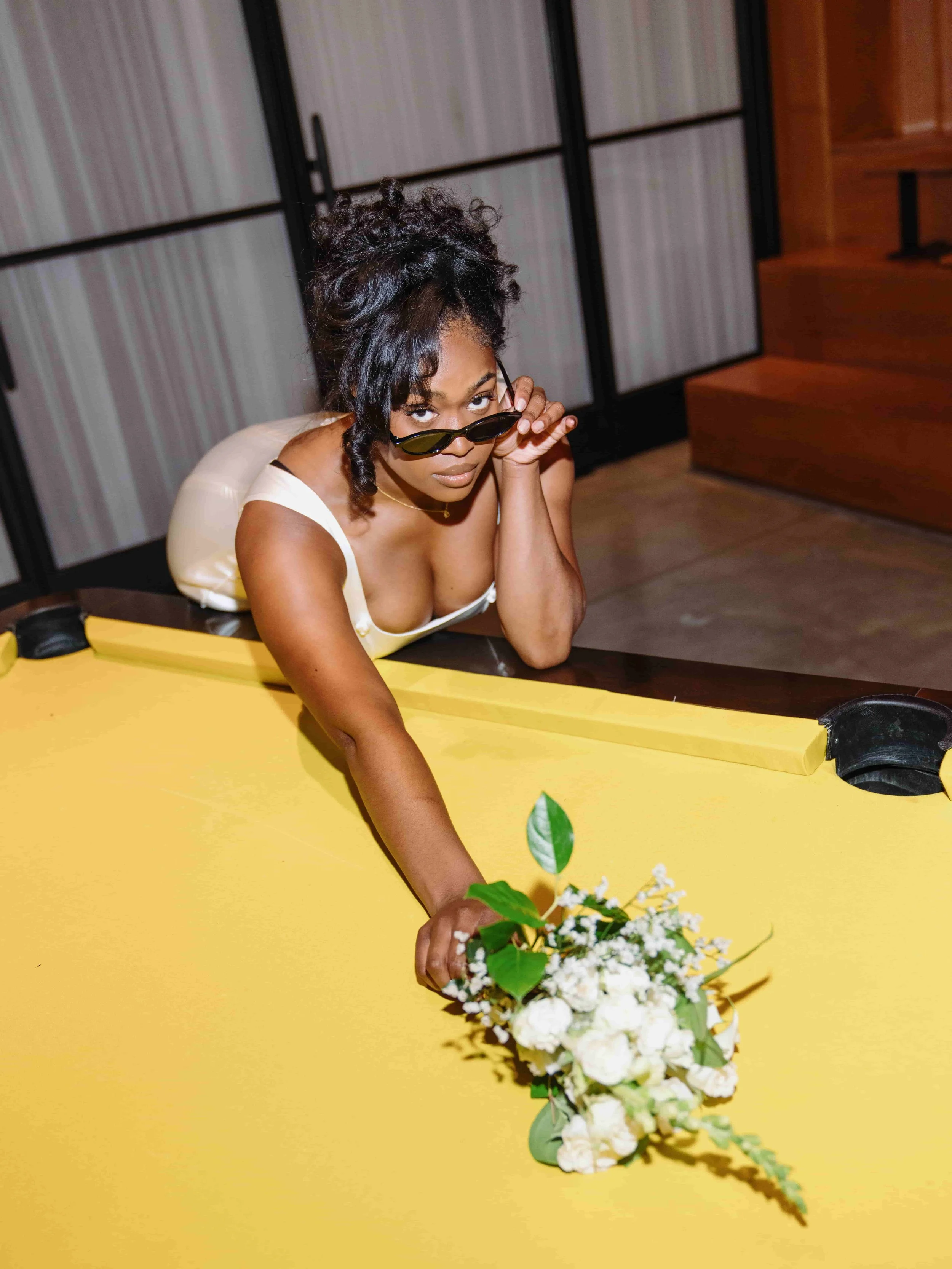
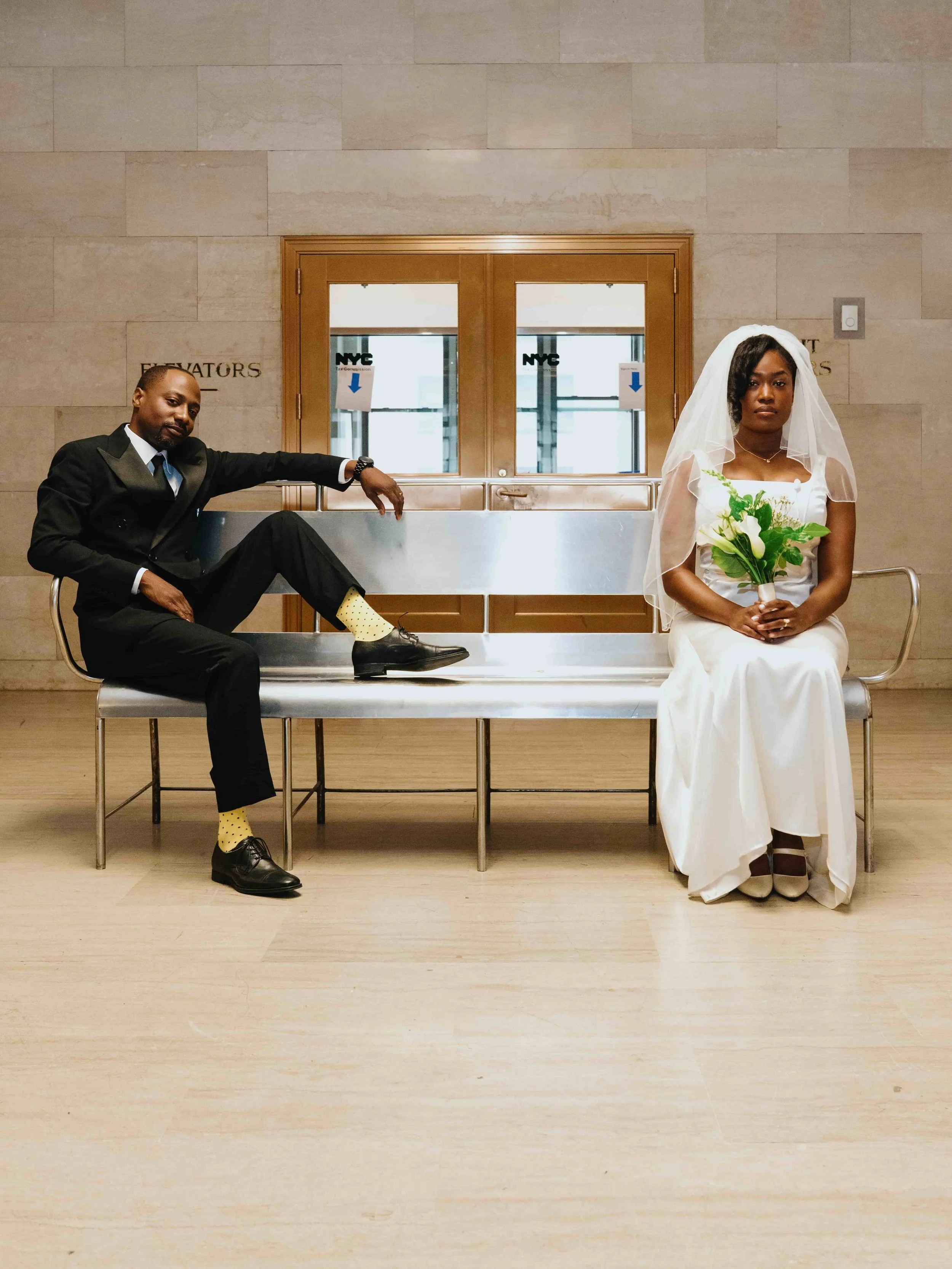
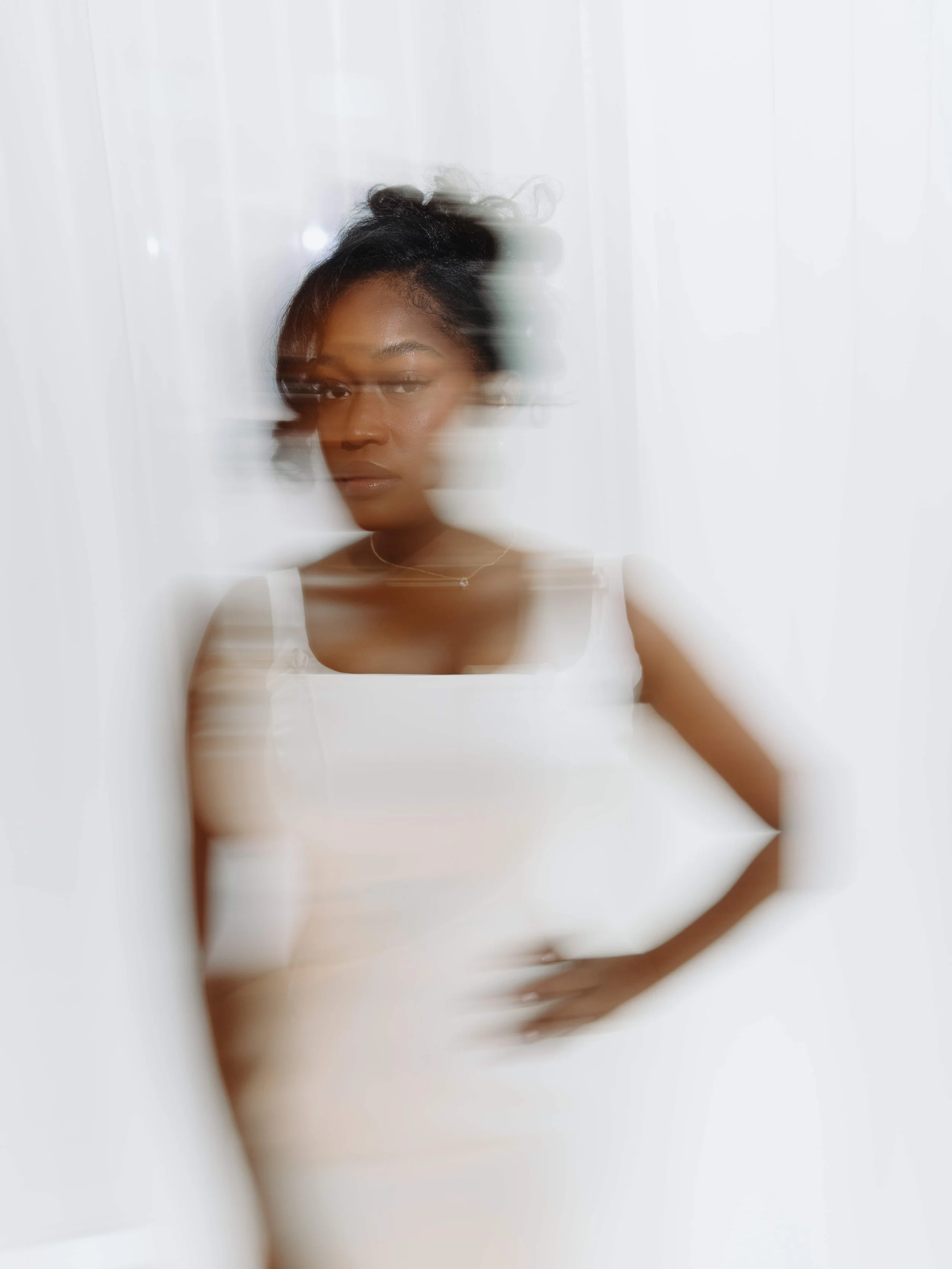
Forget the Camera, Focus on Each Other
The most common mistake couples make is looking at the photographer waiting for approval. Instead, treat the portrait session like a few minutes alone together on a busy day. Talk about something real — where you're going for the honeymoon, what you had for breakfast, an inside joke. Your photographer will tell you when to move; your job is to stay present with each other.
Use Movement, Not Just Still Poses
Still poses are harder to hold naturally than moving ones. Instead of standing in a pose and waiting, transition between positions: walk, stop, turn toward each other, lean in. Movement creates variety in the frame, makes the session feel less formal, and gives your photographer multiple moments to choose from. This is how Roma, our producer, approaches portraits. He spent more than ten years on stage at the Bolshoi Theatre, and he directs a couple the way a stage director sets movement in a scene: where you start, where you walk, when you turn toward each other. You get a path to follow instead of a pose to hold, and the photos come out of the movement.
Let Your Photographer Give You Prompts
A good photographer doesn't just say "smile." They give you something to do: "Tell them what you had for breakfast," "Slow dance without music," "Walk away, then turn back and look at each other." These behavioral prompts produce reactions that can't be replicated by posing instructions. Before your shoot, ask your photographer what their prompting style is — it tells you a lot about how relaxed the session will feel.
Poses for Different Parts of the Wedding Day
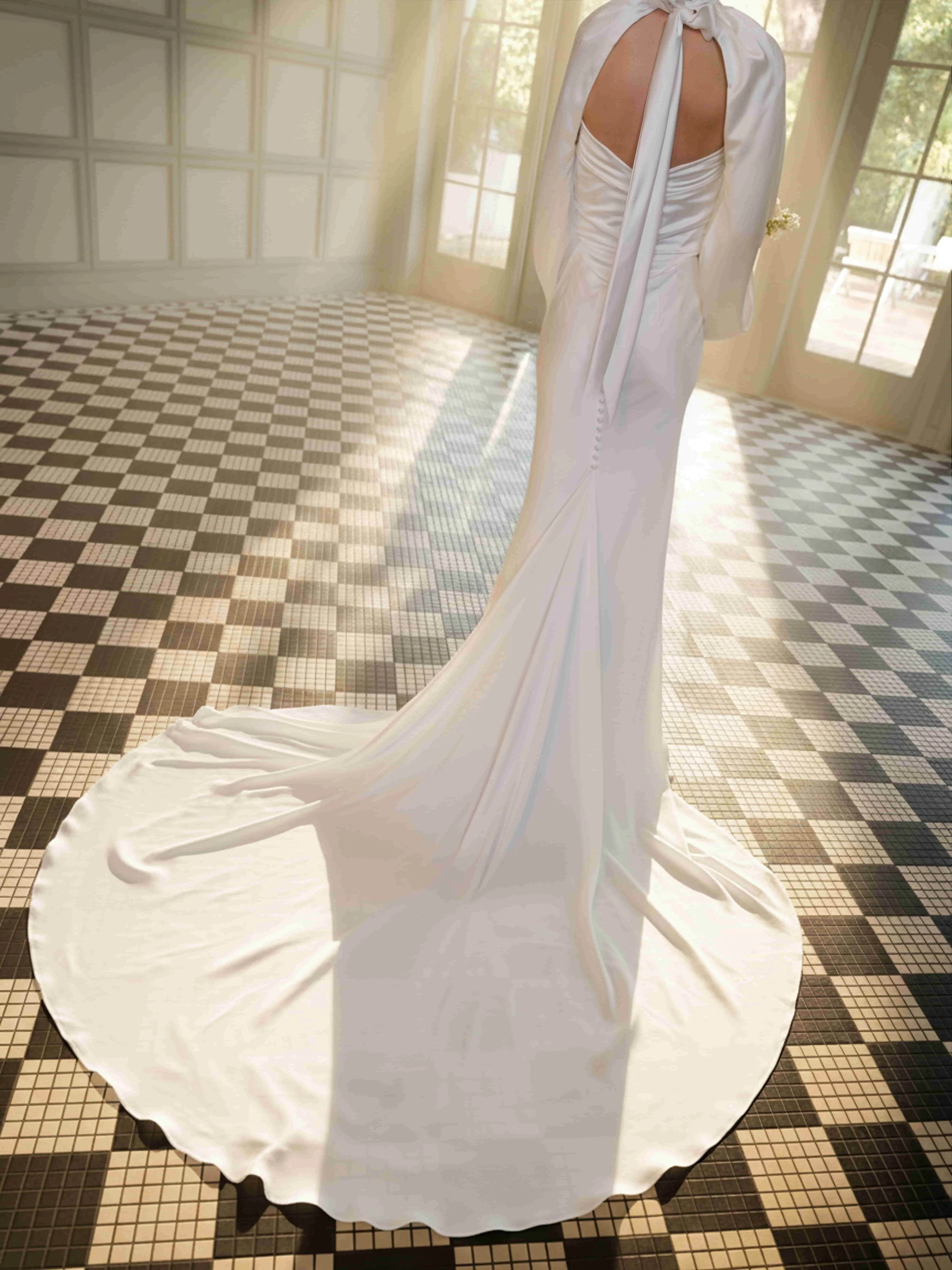
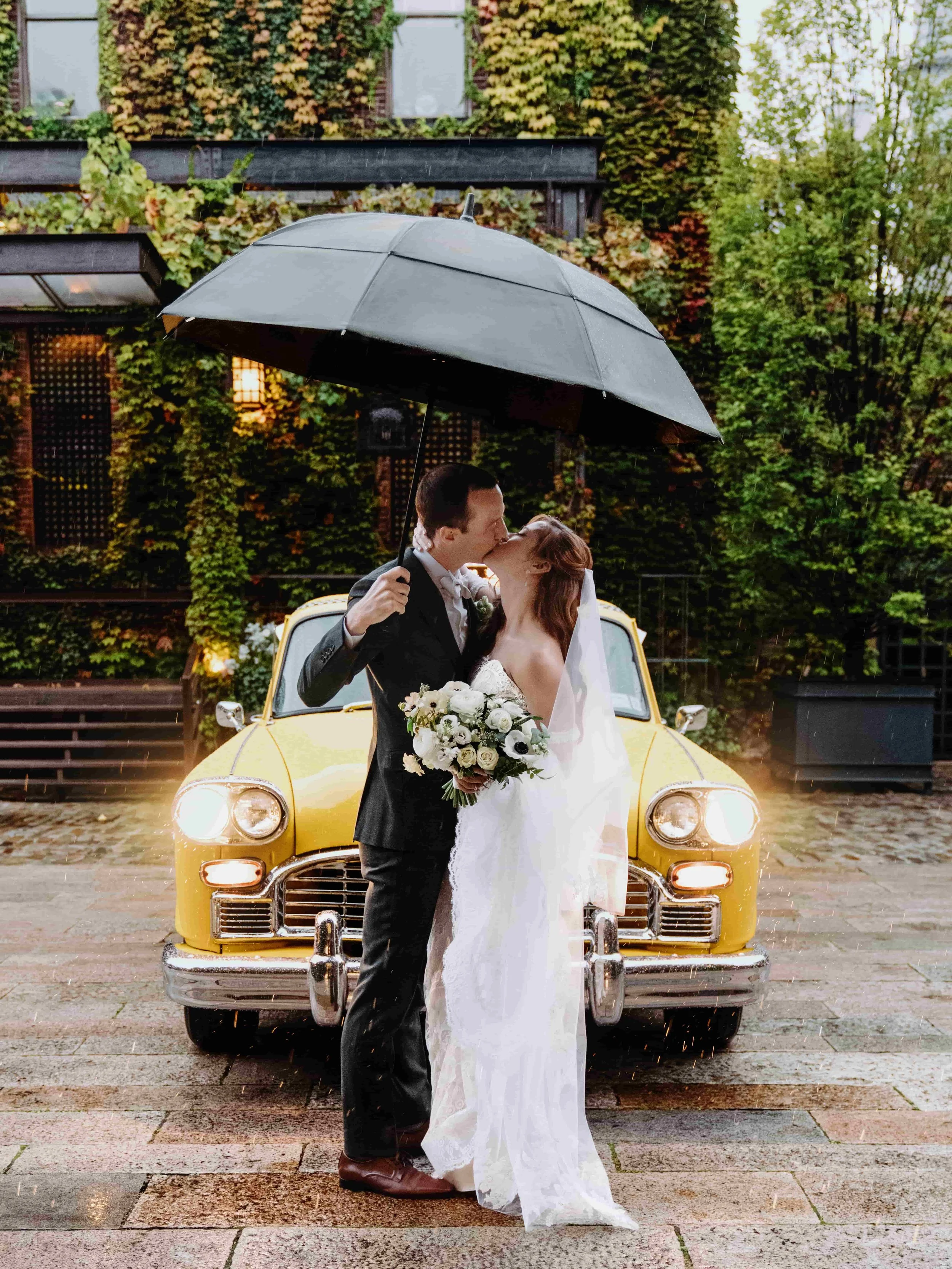


Different moments in the day call for different poses. Here's how to think about it:
| Wedding Moment | Best Poses | Mood |
|---|---|---|
| First look | Forehead touch, chest-to-chest, quiet embrace | Intimate, emotional, private |
| Portrait session | Walking, twirl, spoon, lean on shoulder | Relaxed, joyful, varied |
| Ceremony exit | Kiss while walking, confetti/petal toss, dip | Celebratory, high-energy |
| Golden hour portraits | Backlit spoon, forehead touch, slow walk | Warm, cinematic, soft |
| Reception | Slow dance, dip, candid laughter | Playful, spontaneous |
The first look is often the most emotionally charged moment for portraits — use slower, closer poses here. Save the twirls and dips for the portrait session when you're both more relaxed and warmed up.
Poses That Work Especially Well on Film
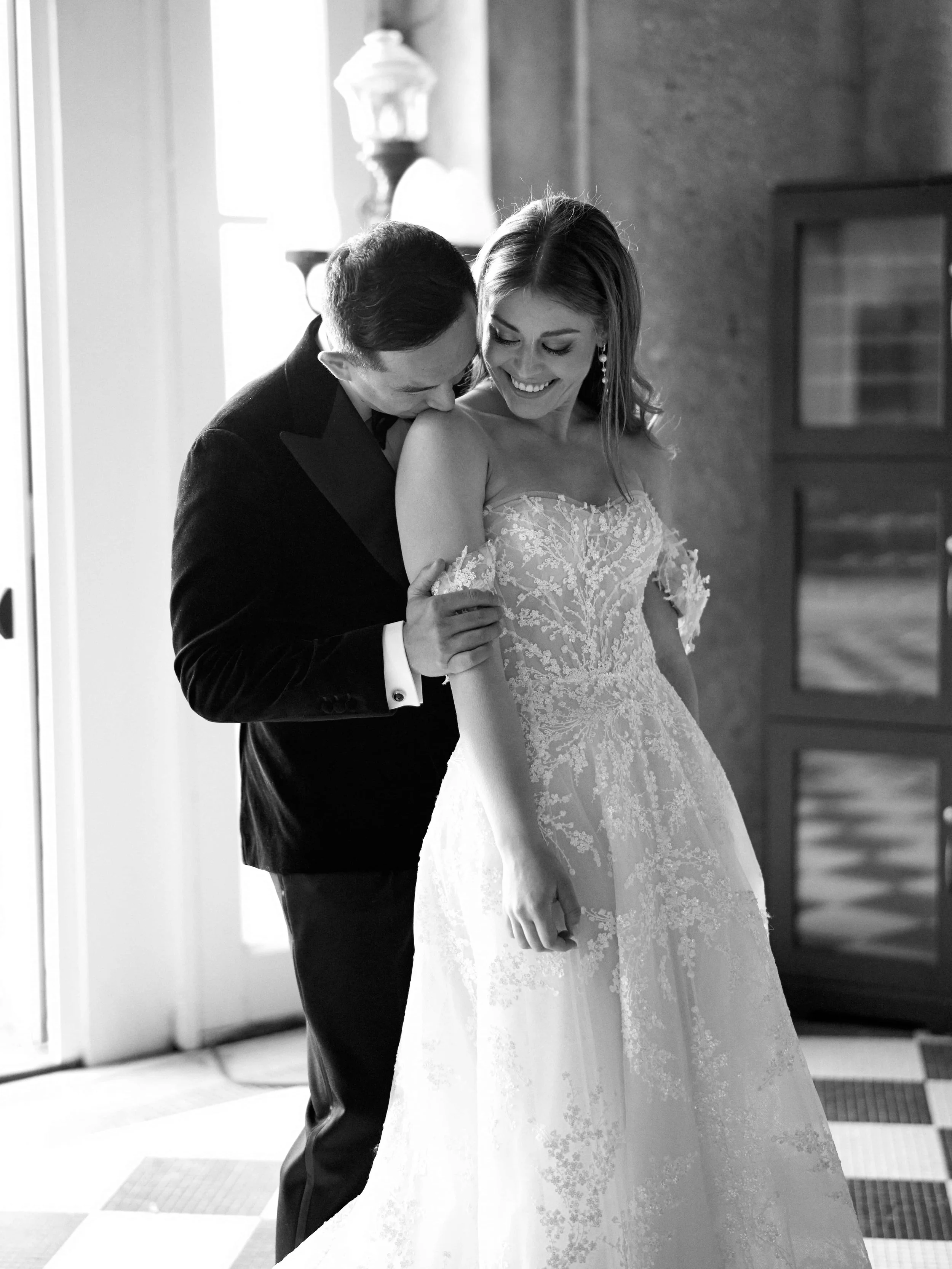
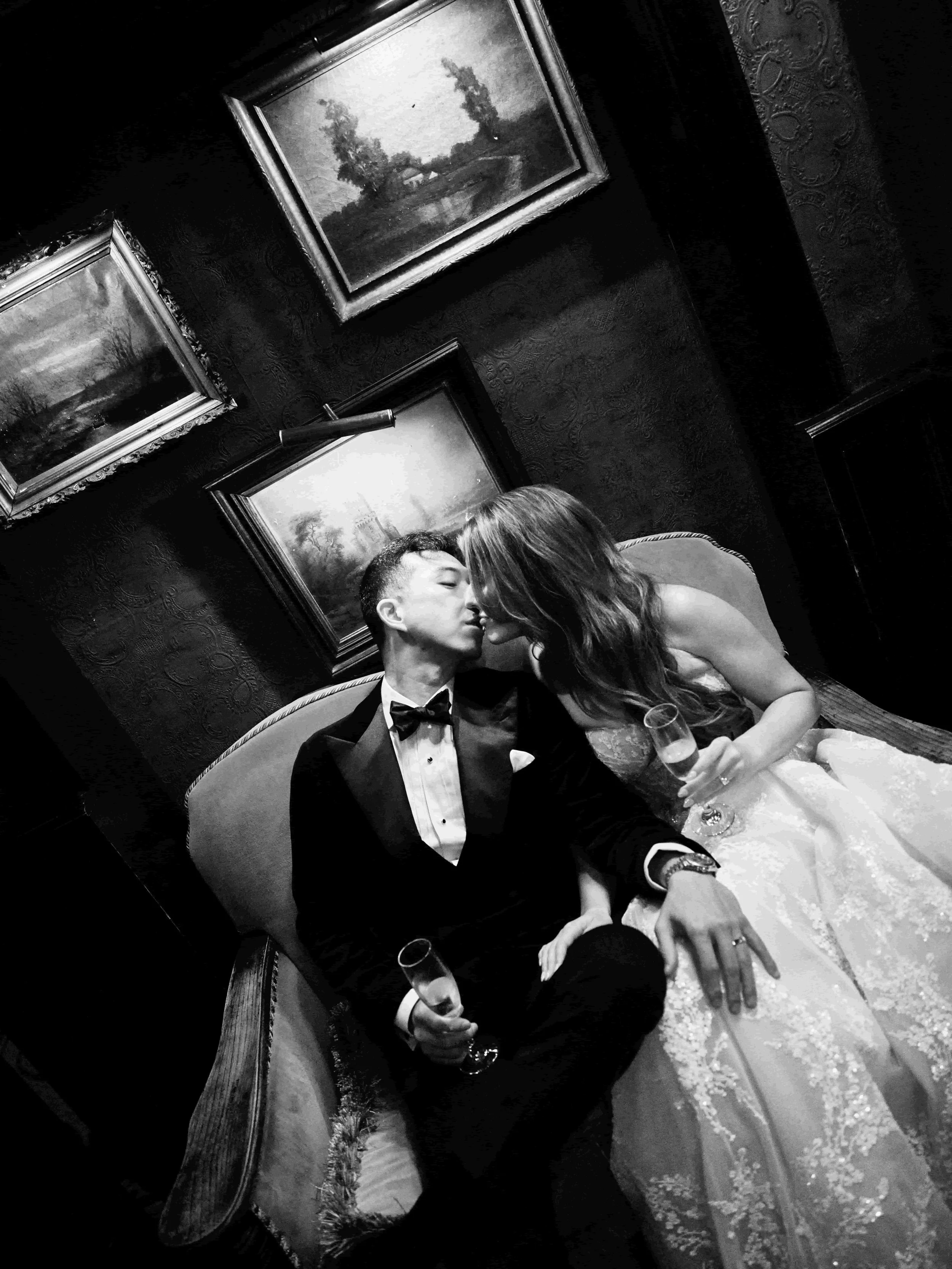
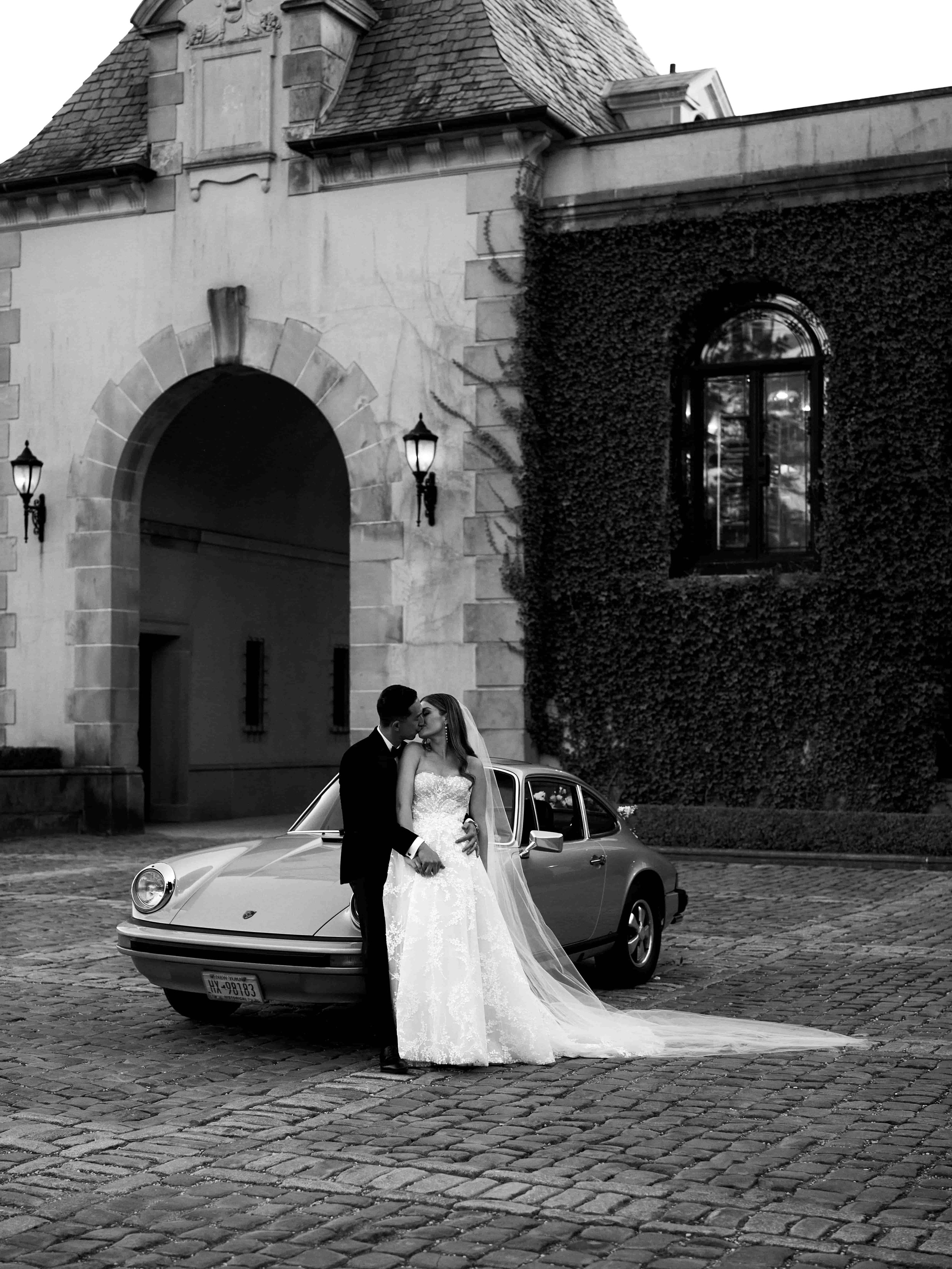
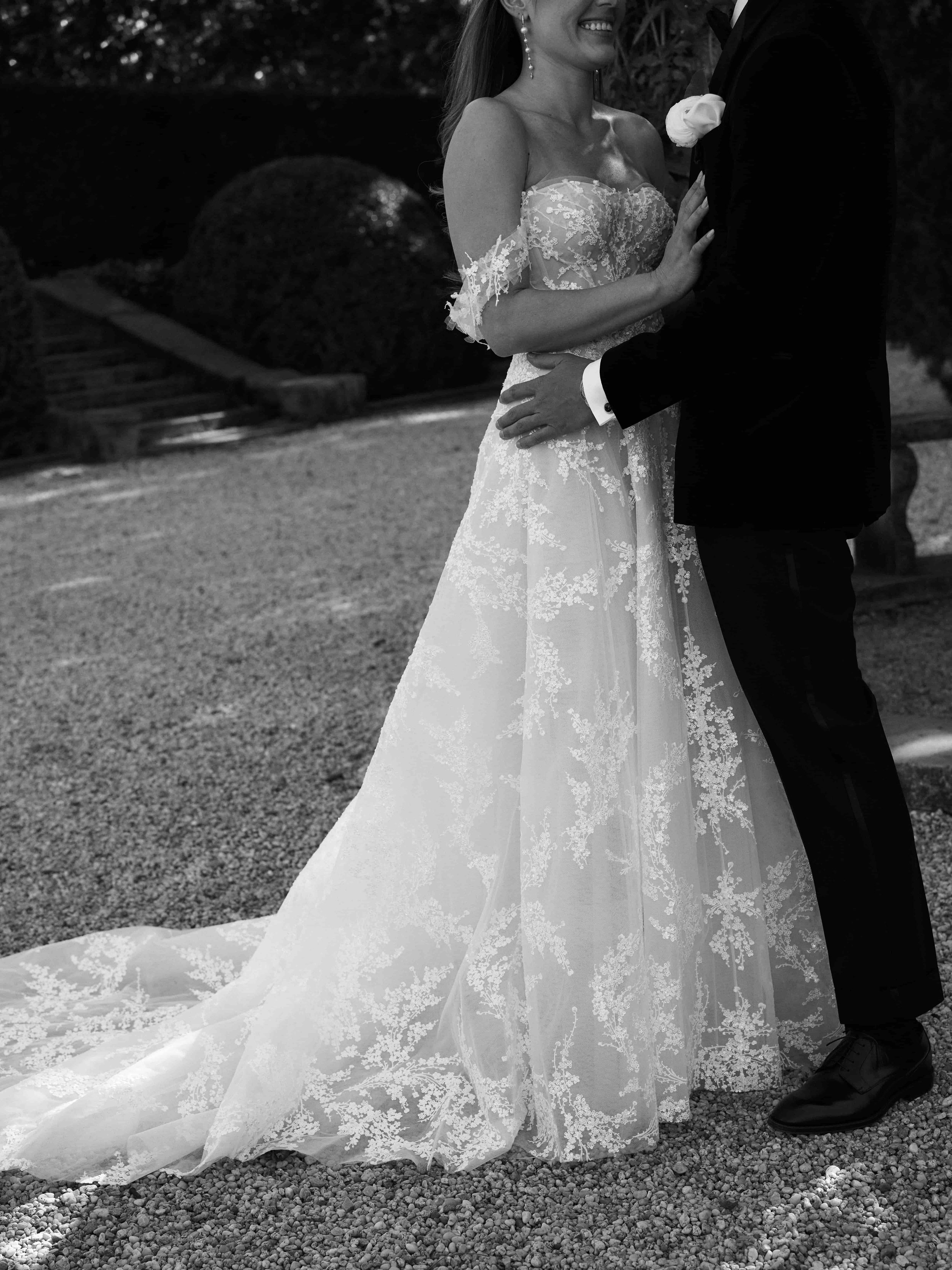

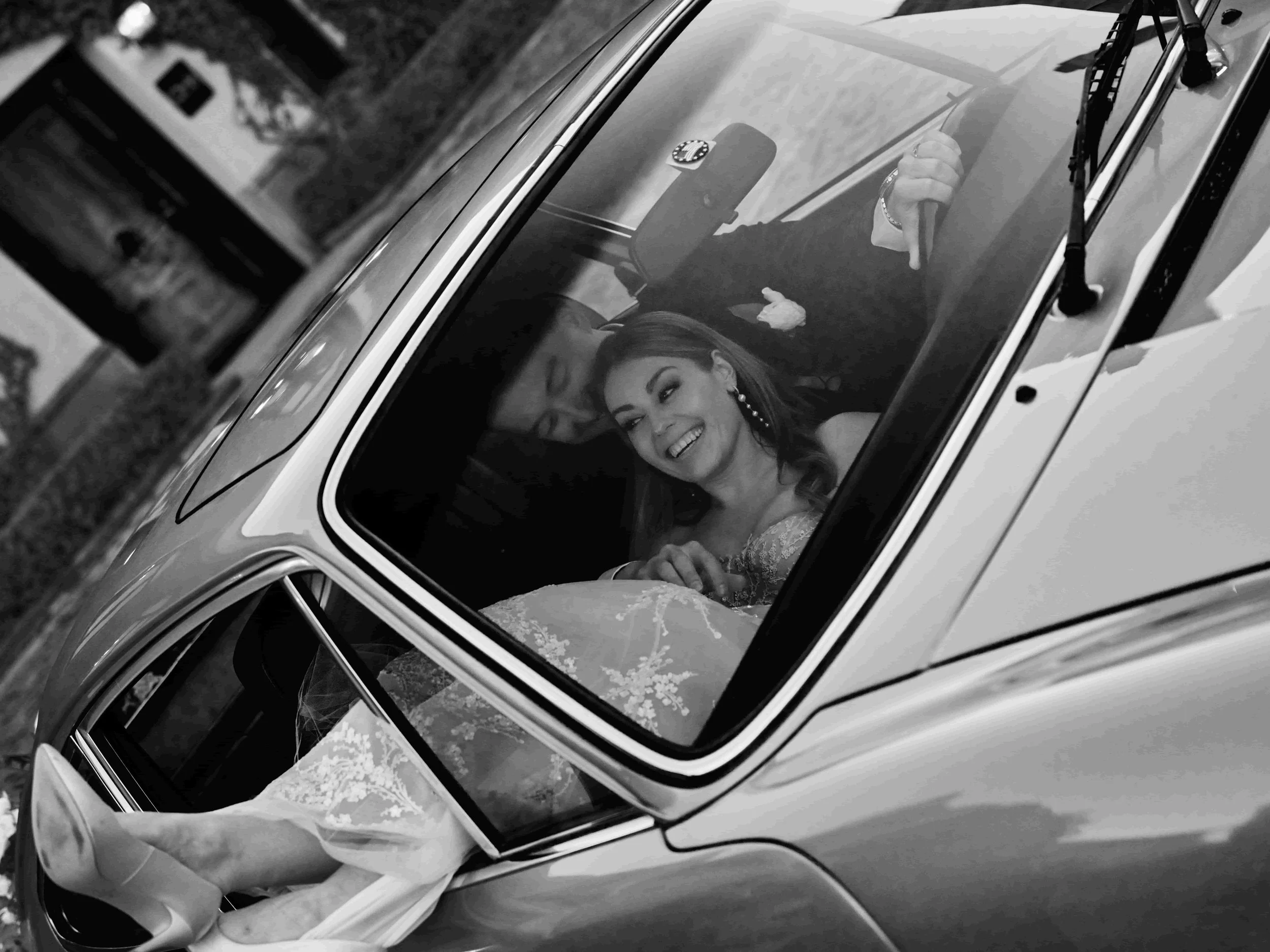
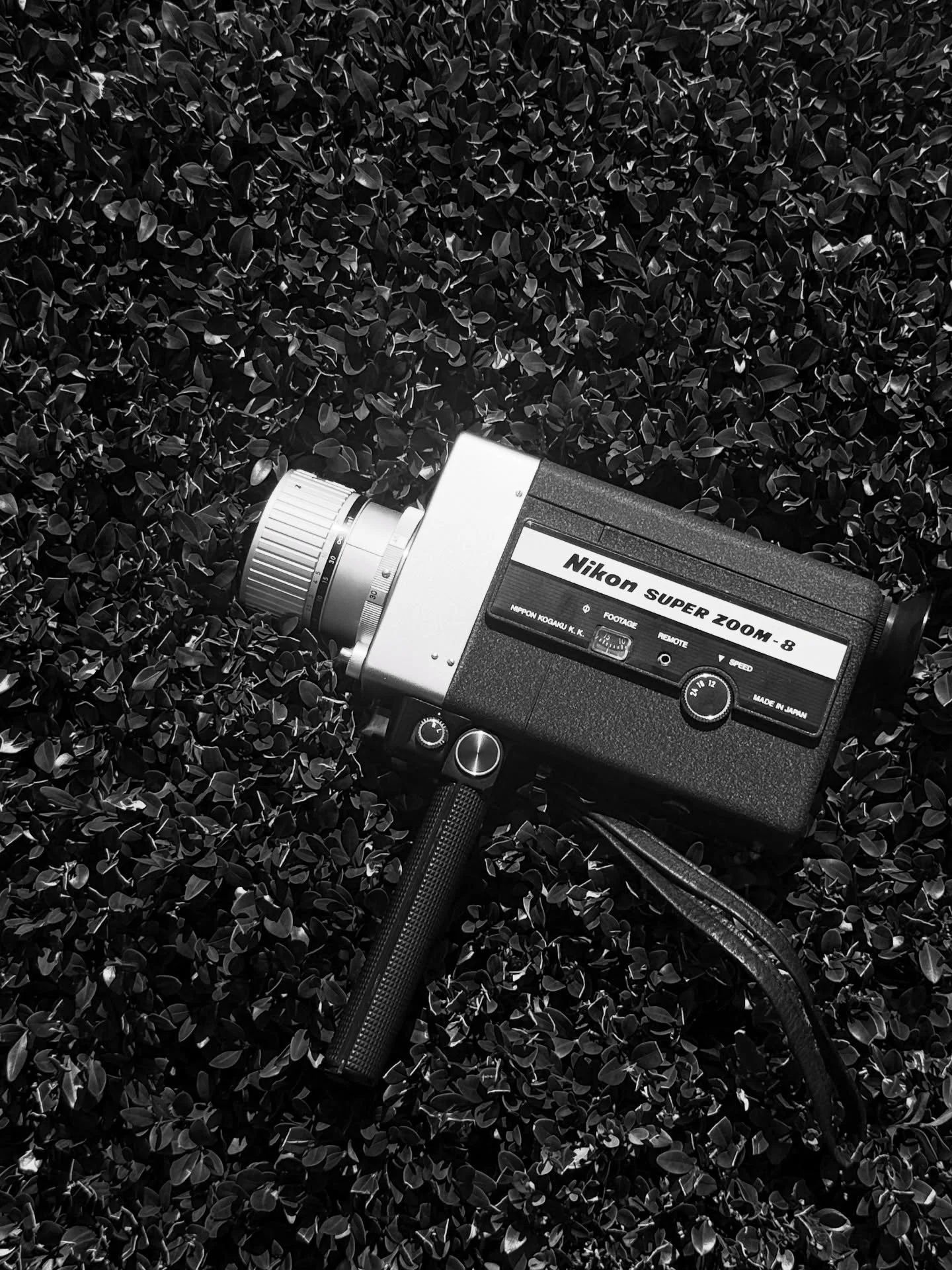
We shoot Super 8 on a Braun Nizo 3056 with real 8mm film, and one cartridge holds about three minutes of footage. That is why a few slow, repeatable movements work better on film than a long run of different poses. Film handles movement differently than digital — a slow twirl or a gentle walk reads beautifully because the slight grain and motion blur add to the atmosphere rather than fighting it. Avoid holding very still poses in direct overhead sun; film tends to look best with soft, directional light — early morning, golden hour, or open shade.
The poses that translate best to film format are ones with organic movement: the walking-away-then-turning-back moment, a slow embrace, a laugh caught mid-frame. If you're planning a Super 8 highlight alongside your photography, coordinate with your videographer on timing — the portrait session is the ideal moment to capture these.
Poses for Small Weddings and Elopements
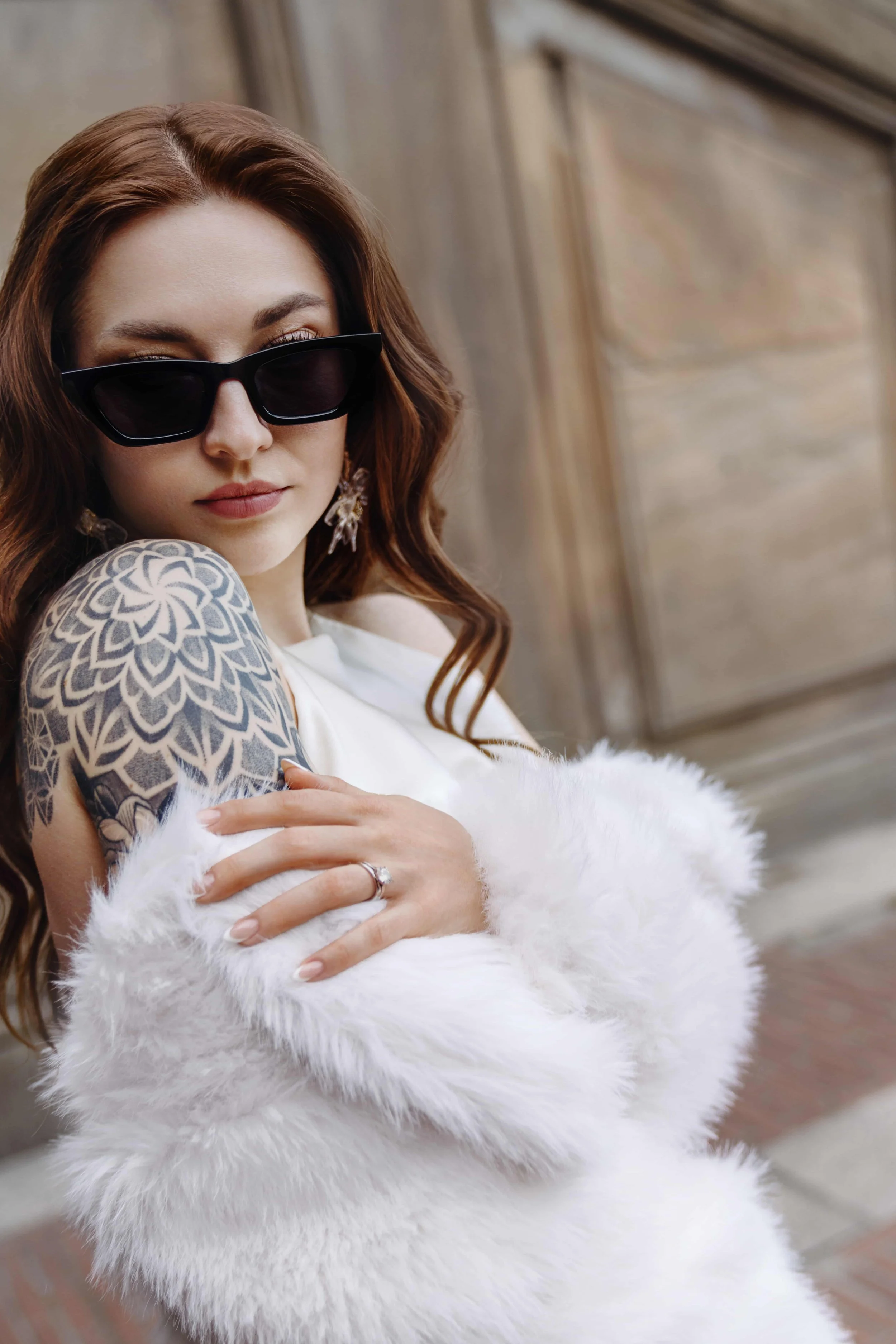
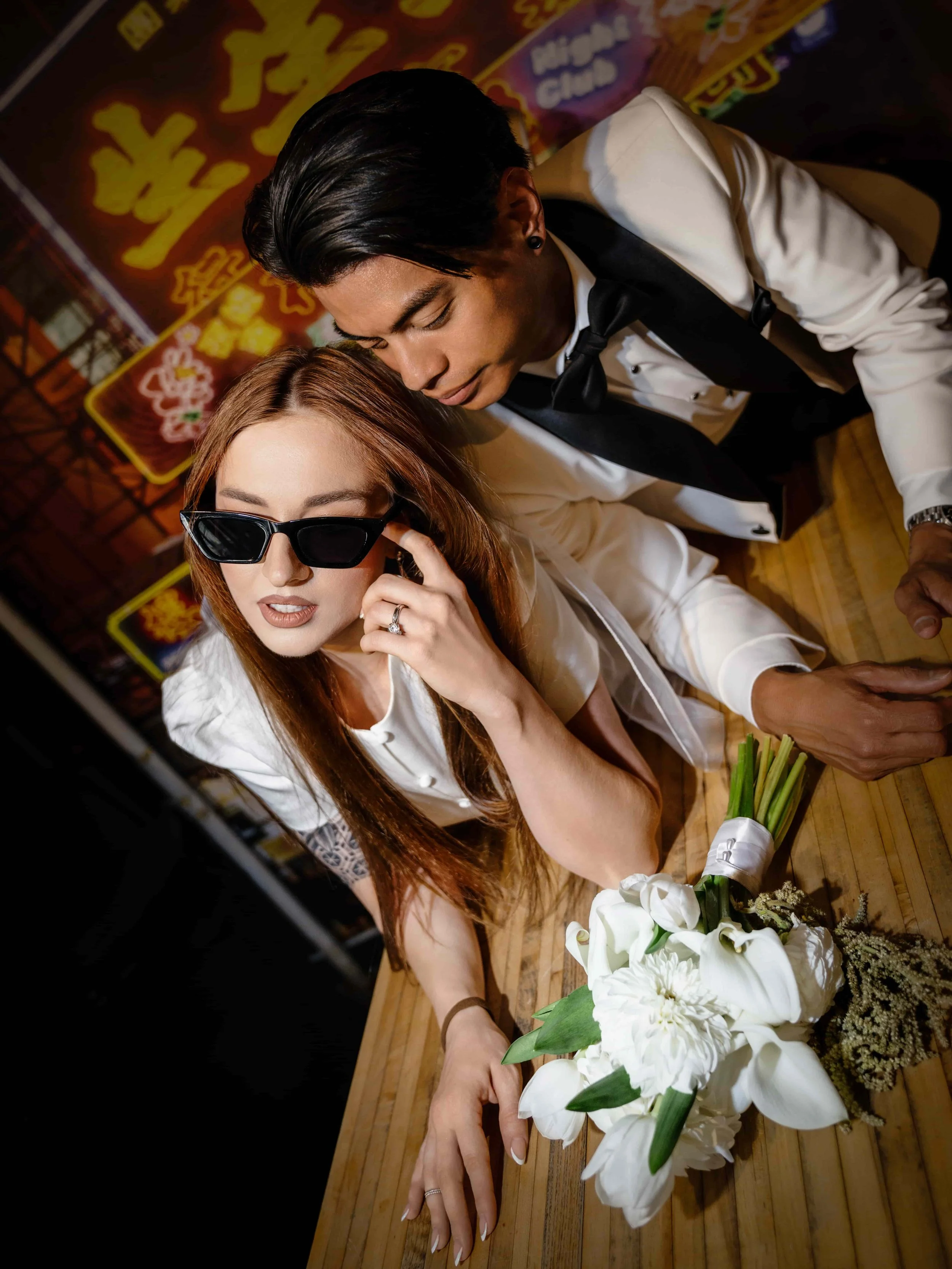
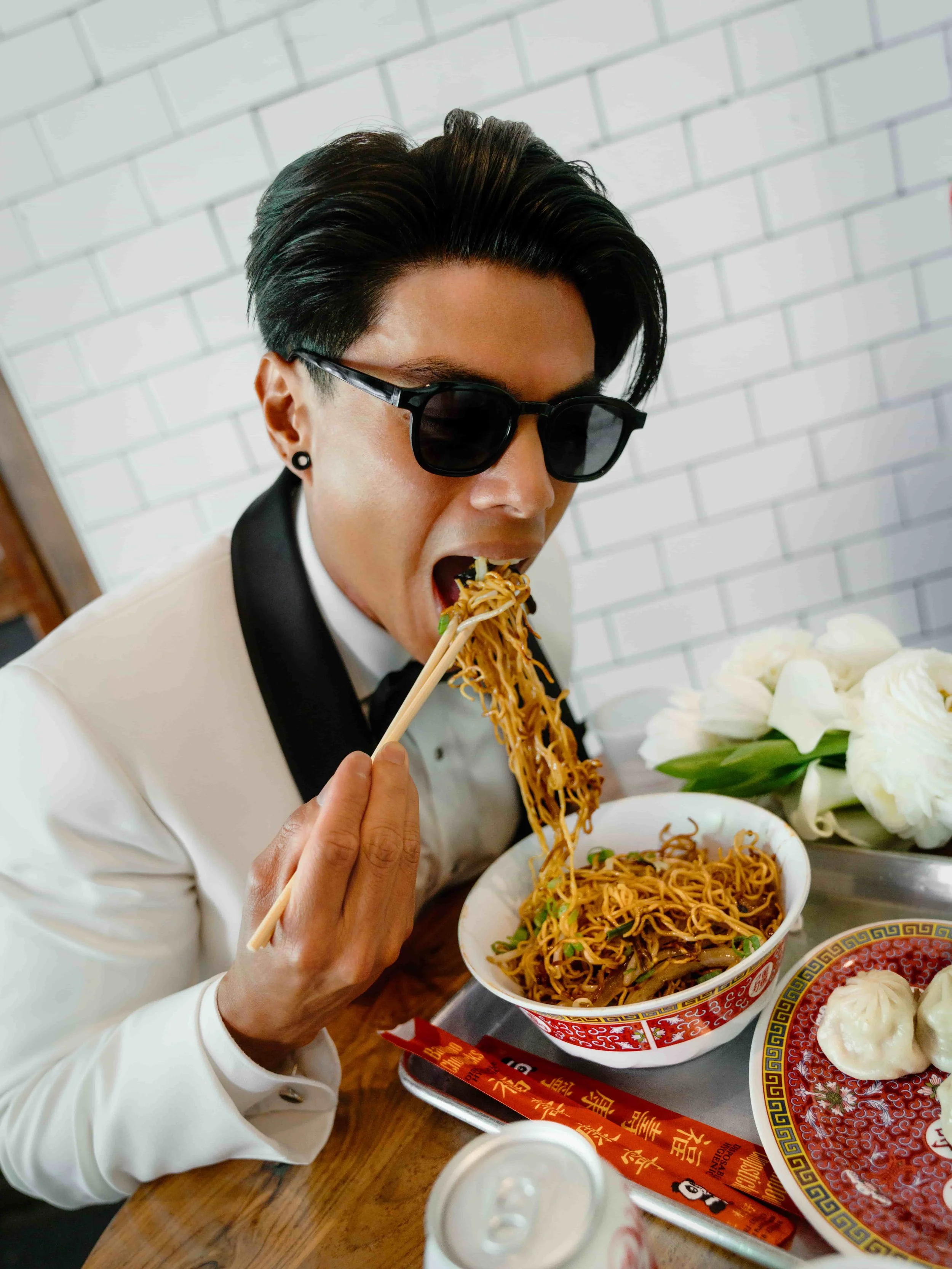
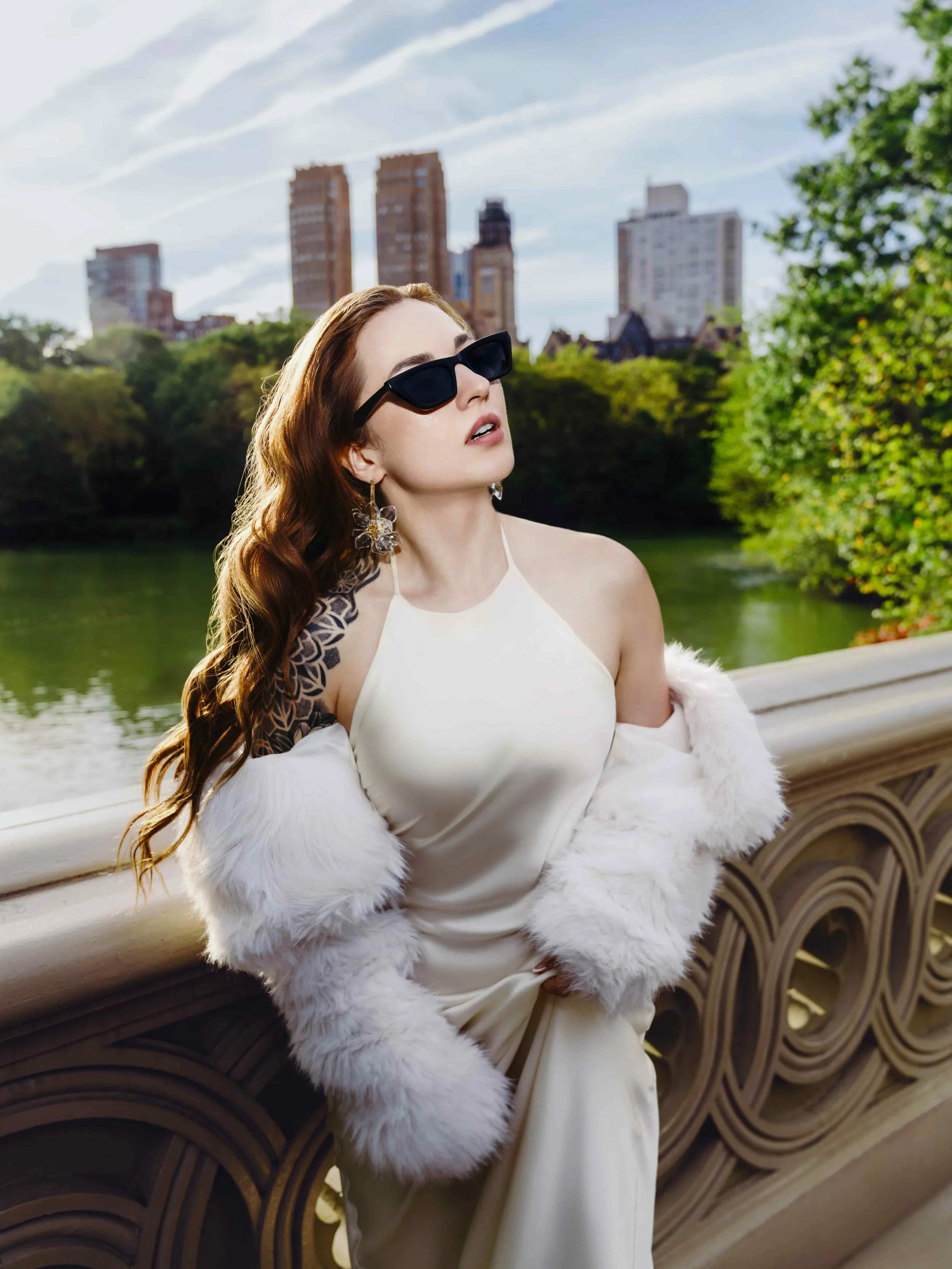
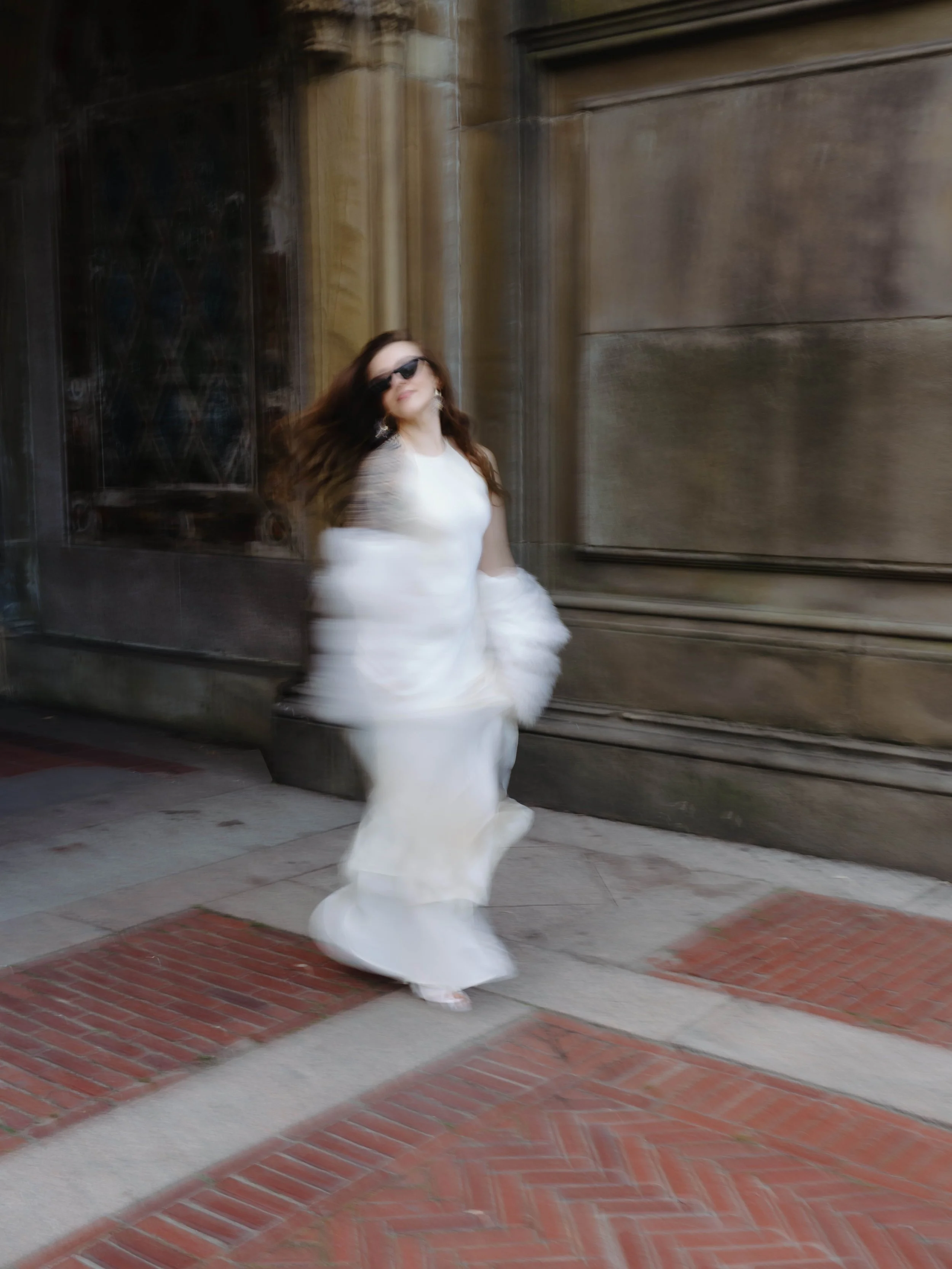
Elopements and small weddings give you something most large weddings don't: time. Without a 200-person reception timeline, you can spend an unhurried hour in one location, try more variations, and let moments develop organically. The poses that work best for elopements are the ones that feel personal rather than produced.
A few that work especially well in an intimate setting:
The slow walk — no destination, just the two of you moving through a landscape
Standing still, eyes closed — just breathing together, holding hands
Reading vows to each other before the ceremony — if you're doing personal vows, have your photographer ready for the moment you both look up
The first quiet moment after "I do" — not the kiss, but the second after it, when you both realize what just happened
“📷 Planning an elopement in NYC or LA?
Arrakis Films photographs small weddings and elopements with light direction and a relaxed timeline”
What to Tell Your Photographer Before the Shoot
Preparation makes the portrait session run faster and feel less pressured. Before your wedding day, cover these with your photographer:
Share references — Pinterest boards, Instagram saves, specific images. "Natural and relaxed" means something different to everyone; a photo communicates it instantly.
Confirm the timing — Portrait sessions during golden hour (roughly 1 hour before sunset) almost always produce the best light. Build this into your timeline intentionally.
Tell them what you're self-conscious about — A good photographer can adjust angles, focal length, and framing to work with any body type. But only if they know.
Decide on session length — 20 minutes produces 15–20 strong images. 45–60 minutes gives you variety across poses, locations, and lighting conditions. Neither is wrong — it depends on how much you want.
Agree on prompts vs. directions — Some couples want to be told exactly what to do; others prefer behavioral prompts. Know which one you are before the day.
FAQ
How do you pose naturally for wedding photos?
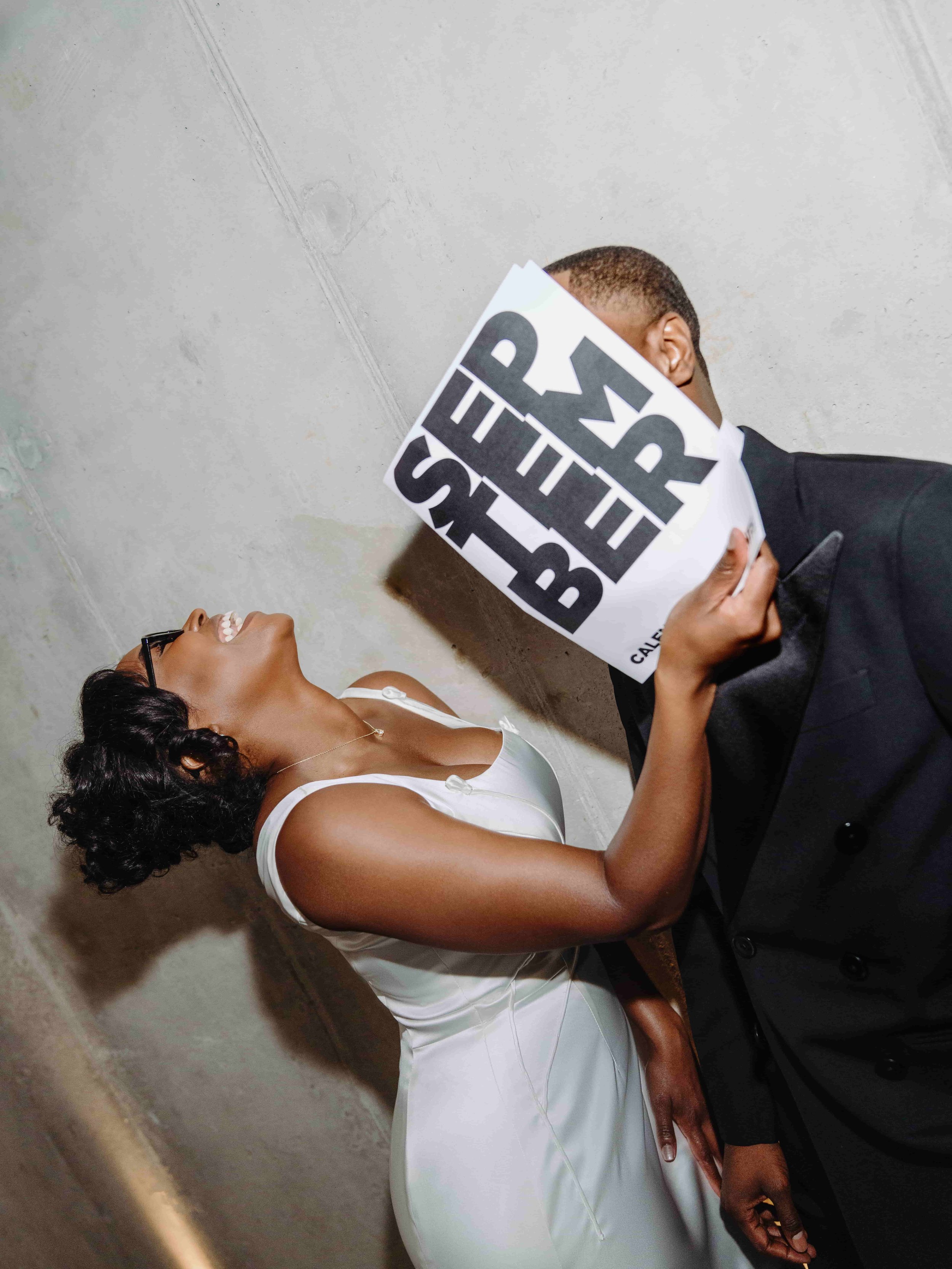
Focus on your partner, not the camera. The most natural-looking photos happen when couples are reacting to each other — laughing, whispering, moving — rather than holding a pose and waiting. Ask your photographer to give you prompts instead of static directions. Movement, even subtle gestures like adjusting a collar or leaning in, reads as relaxed and real.
What is the most flattering wedding pose?
The walking pose — hands held, bodies slightly turned toward each other, moving slowly — is consistently flattering across body types because it creates natural lines, adds movement to the frame, and gives couples something to do with their hands. For portraits, a slight angle (turning 30–45 degrees from the camera) is more flattering than facing it straight on.
How many poses should we do at our wedding?
For a standard 30–45 minute portrait session, 6–10 distinct poses is realistic. Quality matters more than quantity — three to four strong poses done well in different locations produce better results than rushing through a long checklist. Discuss the session structure with your photographer in advance.
Do we need to practice poses before the wedding?
Not the poses themselves — but doing an engagement shoot is genuinely useful. It's not about rehearsing; it's about getting comfortable in front of the camera with your specific photographer. Couples who've done an engagement shoot almost always look more relaxed in their wedding portraits.
What poses work best for elopements?
Elopements benefit from slower, more intimate poses: the forehead touch, standing still together in a landscape, the quiet moment after the ceremony. Because there's no time pressure, you can stay in one pose longer and let it evolve naturally. Avoid over-scheduling the session — leave space for unplanned moments.
How do you pose for wedding photos if you're camera shy?
Start with the walking pose — it's the lowest-pressure option because you're moving, talking, and not making direct eye contact with the lens. Have your photographer use prompts rather than pose instructions. And remember: the nervousness usually disappears after the first 10 minutes. Most photographers know to build in a warm-up period at the start of the session.
What poses look good on film vs. digital?
Film — especially Super 8 — handles slow movement and soft light particularly well. Static poses in harsh midday light can look flat on film. Choose poses with gentle motion (slow walks, soft embraces) and schedule film portraits during golden hour when possible. Digital is more forgiving across lighting conditions and works well for both still and movement-based poses.
Ready to book your wedding photographer?
Tell us about your wedding — date, location, style — and we'll set up a Zoom call to talk through your day.