Wedding Videography Trends 2026: What Couples Are Actually Booking
We shoot photo and film as one team at weddings in New York and Los Angeles, so we see the gap between what gets called a trend online and what couples actually put money against. Most of the 2026 list is not new gear or a new filter. It is a set of coverage and editing decisions: how many cameras stand at the ceremony, where the sound comes from, whether real film gets layered into the digital footage, and how long the final edit runs. This guide separates the trends that change your film from the ones that only change how the film gets described in a package PDF.

Quick Answer:
The wedding videography trends defining 2026 are documentary-editorial hybrid coverage, audio-led editing built on vows and speeches, mixed media that layers real film into digital footage, vertical companion edits, guest-filmed footage folded into the main film, restrained drone work, and multi-camera ceremony coverage treated as a baseline rather than an upgrade. The average US couple spends $2,300 on a videographer, according to The Knot 2026 Real Weddings Study of 10,474 couples. Almost every trend on that list is bought with crew hours and edit time, not with equipment.
In this article
- What are the biggest wedding videography trends in 2026?
- What actually changed since 2025?
- Which wedding video style should you choose?
- Which 2026 trends are worth paying for, and which are not?
- How much does wedding videography cost in 2026?
- What matters more than any trend on your wedding day
- How we shoot wedding films at Arrakis Films
- Frequently asked questions
What are the biggest wedding videography trends in 2026?
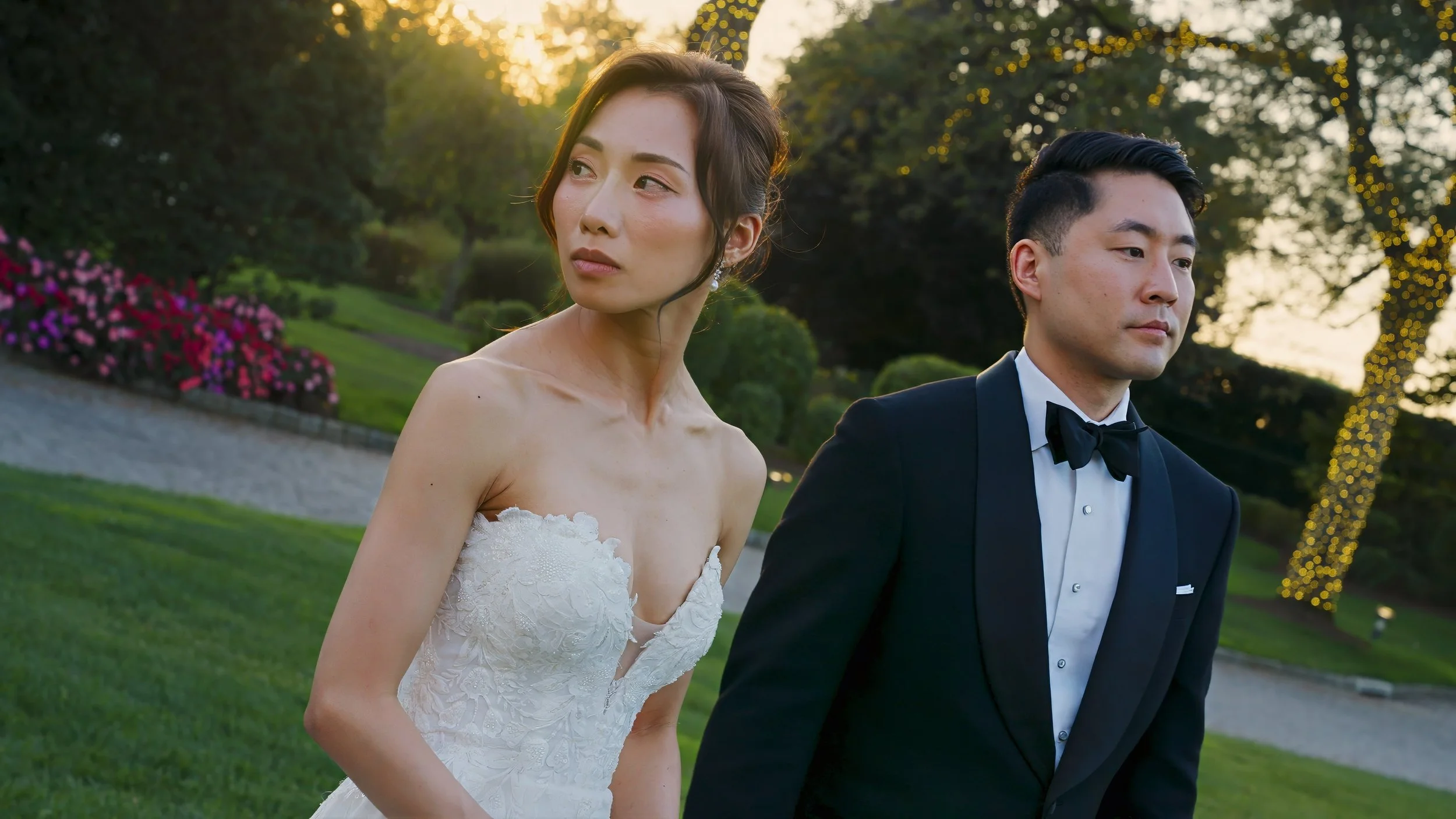
Seven trends define wedding video in 2026: documentary-editorial hybrid coverage, audio-led editing, mixed media that combines digital with real film, vertical companion edits for social, guest-filmed footage cut into the main film, restrained drone work used for establishing shots only, and multi-camera ceremony coverage as a standard expectation instead of a premium line item.
The pattern underneath all seven is that couples stopped buying a look and started buying a record. A three-minute highlight reel with a licensed pop track was the default deliverable for most of the last decade. In 2026, the highlight film is still there, but couples ask what else comes with it: the full ceremony, the whole toast their brother gave, the raw audio of the vows, a vertical cut they can post the same week. That shift in the deliverable list is the real story of the year, and it explains why coverage hours and edit scope now drive price more than camera bodies do.
The second pattern is texture. The polished, heavily graded, orange-and-teal wedding film reads as dated now. Editors are pulling color back toward what the room actually looked like, and couples are asking for physical film formats layered in, which is why Super 8 and medium-format film photography keep appearing in packages that had no film option two years ago.
| Style or trend | What it changes | What it costs you | Best for |
|---|---|---|---|
| Cinematic documentary with editorial framing | Footage and edit structure across the whole day | Crew hours and a second operator | Couples who want the day recognizable, with vows and speeches intact |
| Fashion film | Portrait and movement blocks, art direction, cutting rhythm | 45 to 60 minutes of protected timeline | Couples with a strong visual point of view and a venue that supports it |
| Super 8 and medium-format film | 30 to 90 seconds of real grain, warmth, unstable motion | Per-roll lab cost; $900 add-on with us on 6 and 8 hours, included at 10 | Couples who want texture over sharpness, layered on full digital coverage |
| Audio-led editing | Vows and speeches carry the film instead of music alone | Two independent audio sources and post time | Couples who wrote personal vows or expect meaningful toasts |
| Multi-camera ceremony coverage | Reaction angles that cannot be recreated afterward | Second operator on the day | Large ceremonies, long toast blocks, venues with restricted movement |
| Drone coverage | Establishing shots and sense of scale | Included in our packages; often an add-on elsewhere | Coastlines, estates, vineyards, rooftops; near useless in an indoor city venue |
| Vertical social edit | Arrangement of footage you already own | Small edit fee; add it later if needed | Couples who want something postable within days of the wedding |
| Guest-filmed footage | Angles a professional crew cannot occupy | Low cost; no one is responsible for ceremony audio | A supplement to a booked crew, or a tight budget with expectations set accordingly |
What actually changed since 2025?
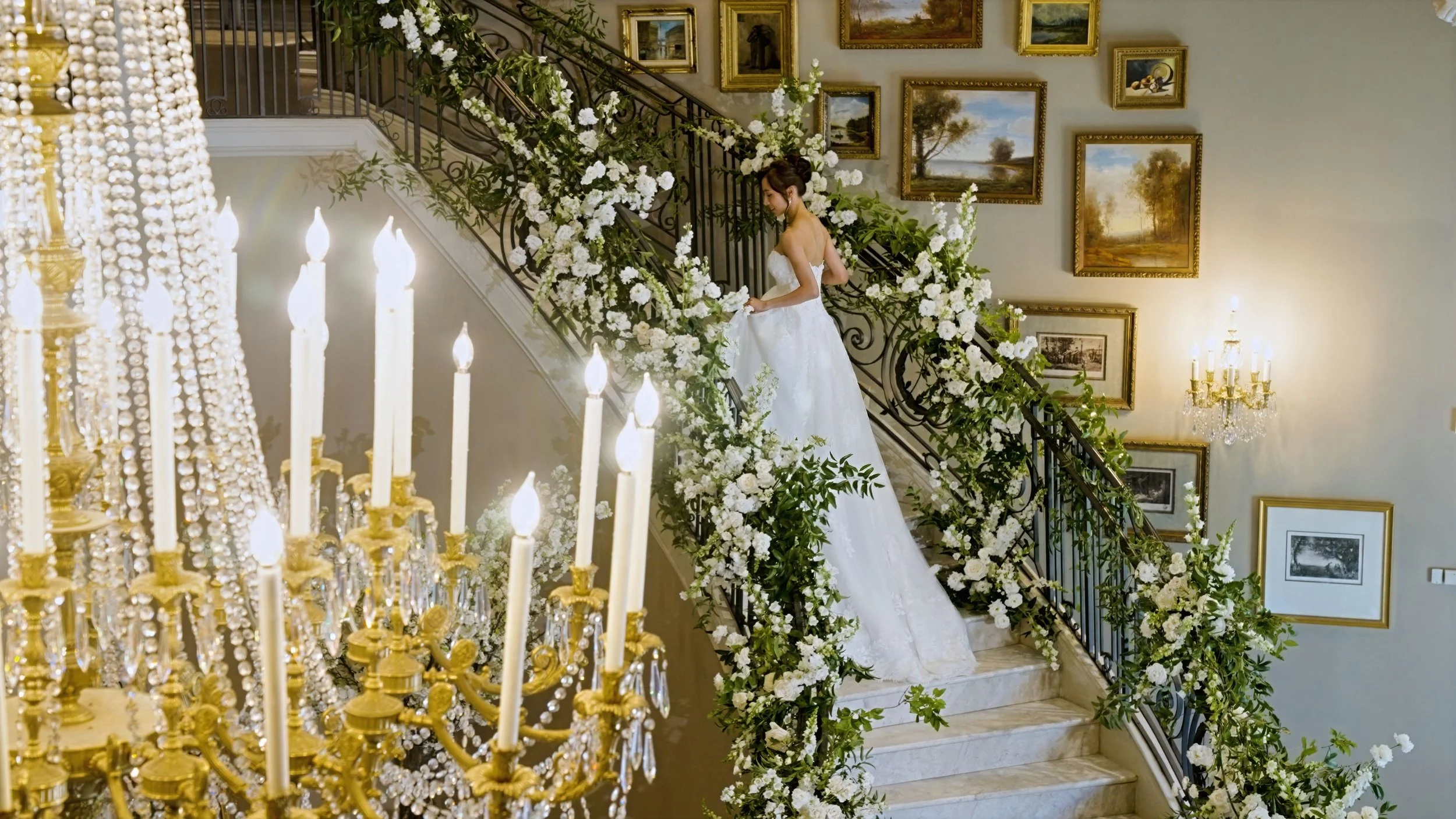
Four things changed between the 2025 and 2026 booking seasons: guest-filmed footage became a planned deliverable instead of an accident, vertical edits became a paid line item instead of a favor, real film moved from novelty to a layer inside standard packages, and full-length ceremony and speech edits moved down the price ladder into mid-tier packages.
Guest-filmed video is the newest of the four, and it is growing fast enough that you should know what it is before someone suggests it to you. Couples rent a set of compact camcorders, guests shoot through the day, and the rental company edits the footage into a film. Kits run roughly $295 to $1,295 in the US depending on how many cameras and how many events you cover, against a $2,300 national average for a professional videographer.
The growth is real and worth understanding. Wedding Weekender, one company in this category, went from $780,000 in revenue in December 2025 to $2.3 million by July 2026, with $3.8 million projected for the year. Its founder puts the reason plainly: videography was "the number one vendor that people were giving up in their wedding budgets." Used as a supplement, guest cameras produce angles a two-person crew standing in the right professional positions will never get, like the table reaction during a toast. Used as a replacement, they produce four hours of footage with no controlled audio and nobody covering the ceremony from a fixed position, which is a different product from a wedding film and should be priced and expected as one.
Vertical edits changed in a quieter way. In 2025 most film teams handed over a 9:16 cut if you asked nicely. In 2026 it appears as a priced deliverable with a defined length and delivery window, because editors realized that a vertical cut is a separate edit, not a crop of an existing one. Ask how yours is produced. A film re-framed from a 16:9 timeline loses heads and hands at the edges. A vertical cut built from the original footage does not.
The film-format shift matters most for what it does to package structure. Super 8 and medium-format film photography are physical processes with lab costs on every roll, so they sit either in a top-tier package or as an add-on with a real number attached. Any studio offering unlimited film at no extra cost is either applying a digital preset or has not done the arithmetic.
Which wedding video style should you choose?
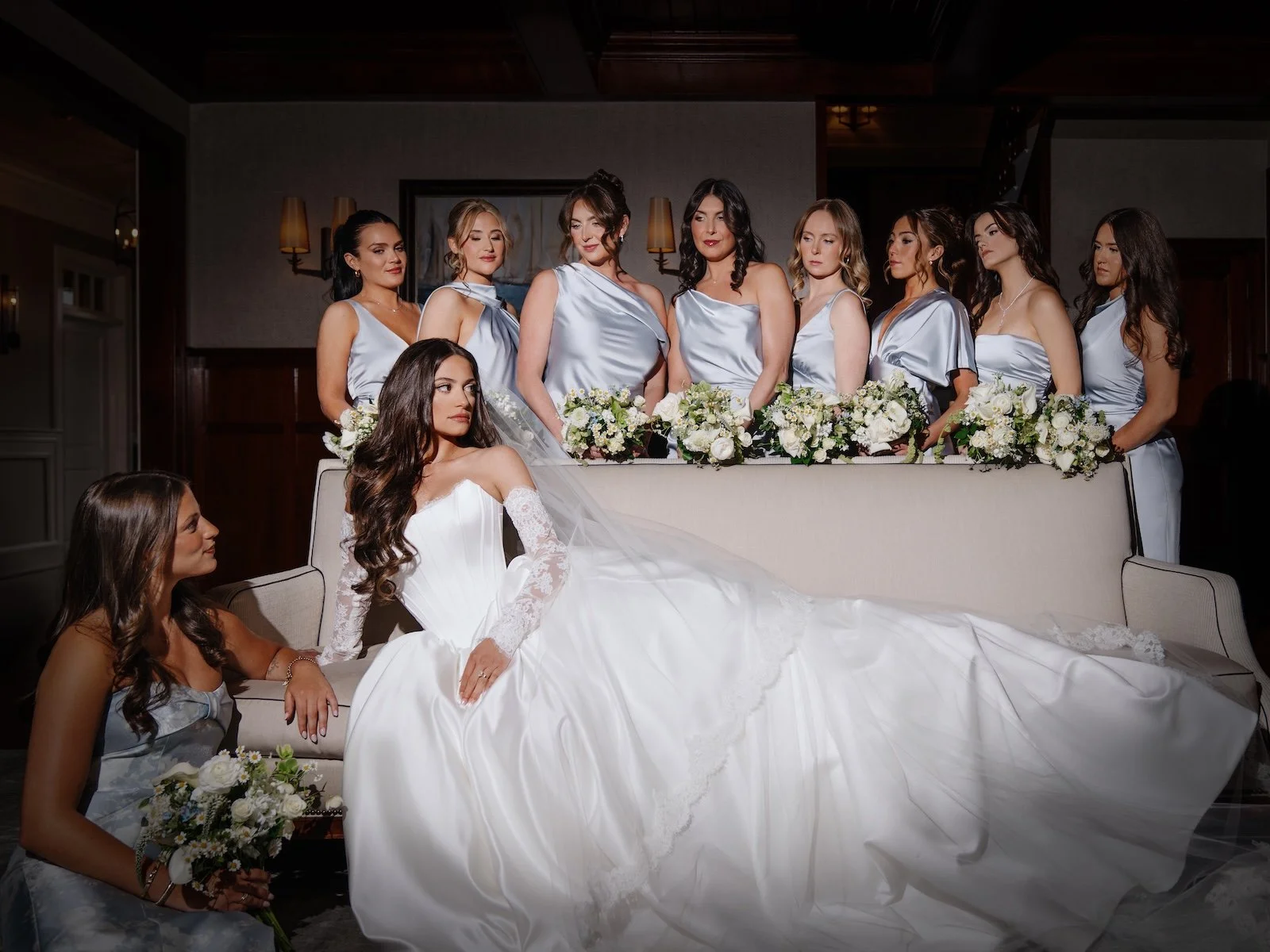
Choose your style by deciding what you want to be able to watch in ten years. Documentary-editorial coverage suits couples who want the day as it happened with real sound. Fashion film suits couples treating the wedding as a visual production. Film layers suit couples who want texture over sharpness. Vertical-first suits couples whose priority is sharing quickly.
Cinematic documentary, with editorial framing
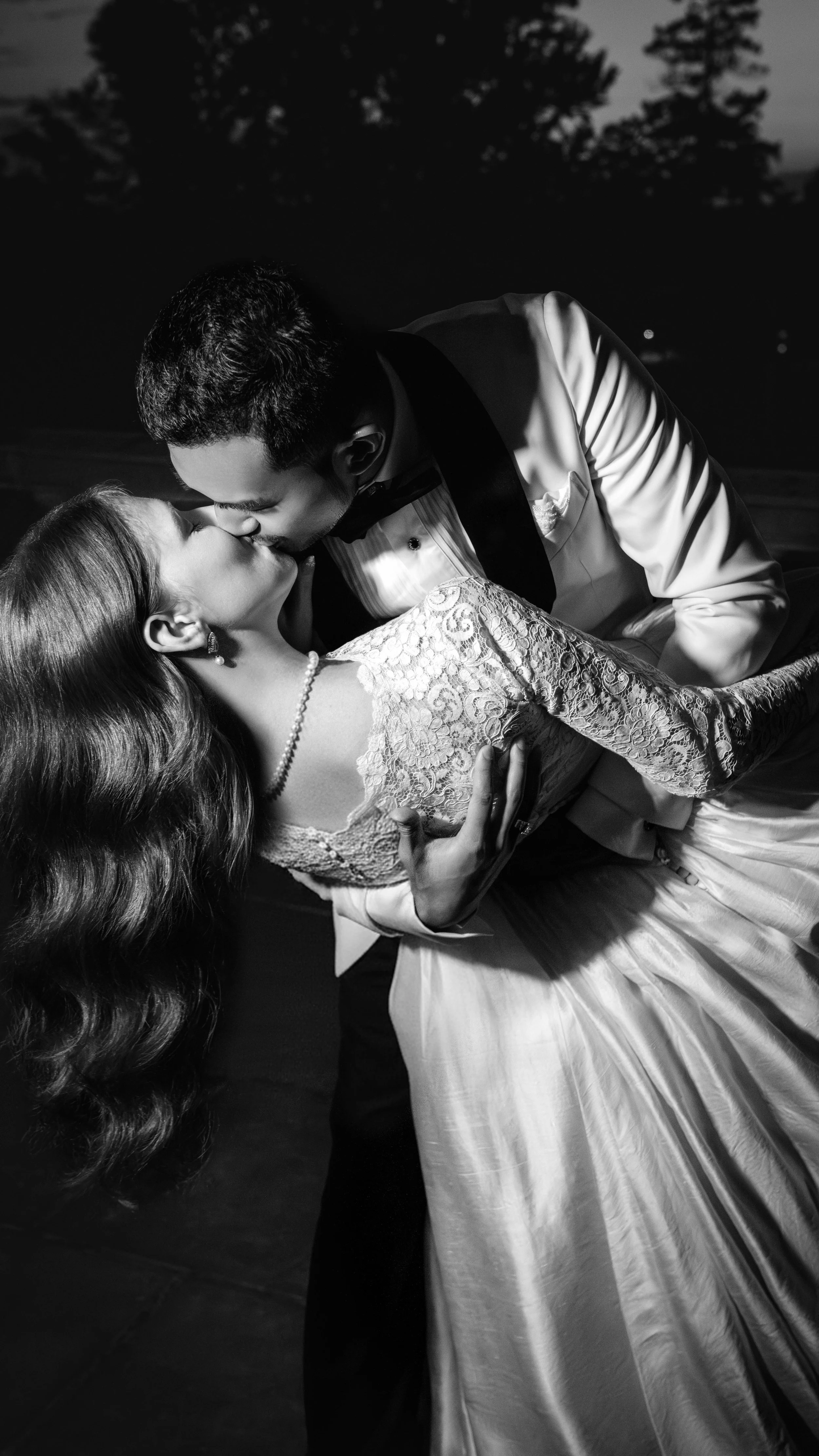
This is the dominant style in 2026 and the one most couples mean when they say they want something that feels real. The crew shoots what happens without staging it, then frames and lights those moments with the care of an editorial shoot. The edit follows the emotional arc of the day rather than the schedule.
Best for:
couples who want the day recognizable, and who care about vows and speeches surviving in full.
Film note:
this style lives or dies on audio and on second-angle coverage. A single operator working alone cannot hold a wide on the ceremony and get the reaction shot at the same time.
Fashion film
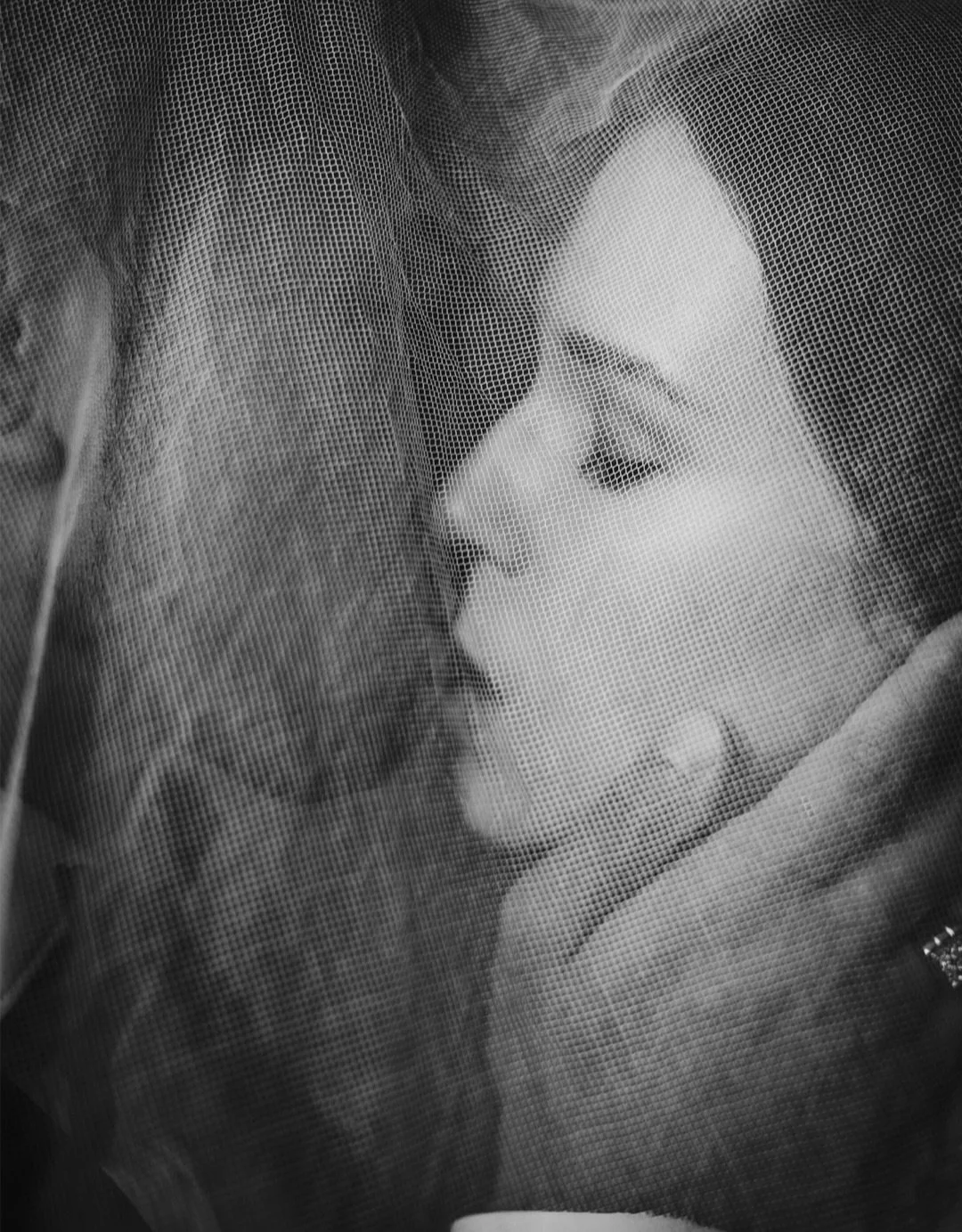
Borrowed from luxury brand campaigns: controlled movement, deliberate wardrobe moments, stronger art direction, tighter cutting, often a dedicated portrait block scheduled into the day. The result looks like a campaign for the couple rather than a document of the party.
Best for:
couples with a strong visual point of view, a venue that supports it, and forty-five to sixty minutes of protected time in the timeline.
Film note:
this requires timeline negotiation before the day. Fashion film does not happen in the fifteen-minute gap between cocktail hour and dinner.
Real film layers: Super 8 and medium-format stills
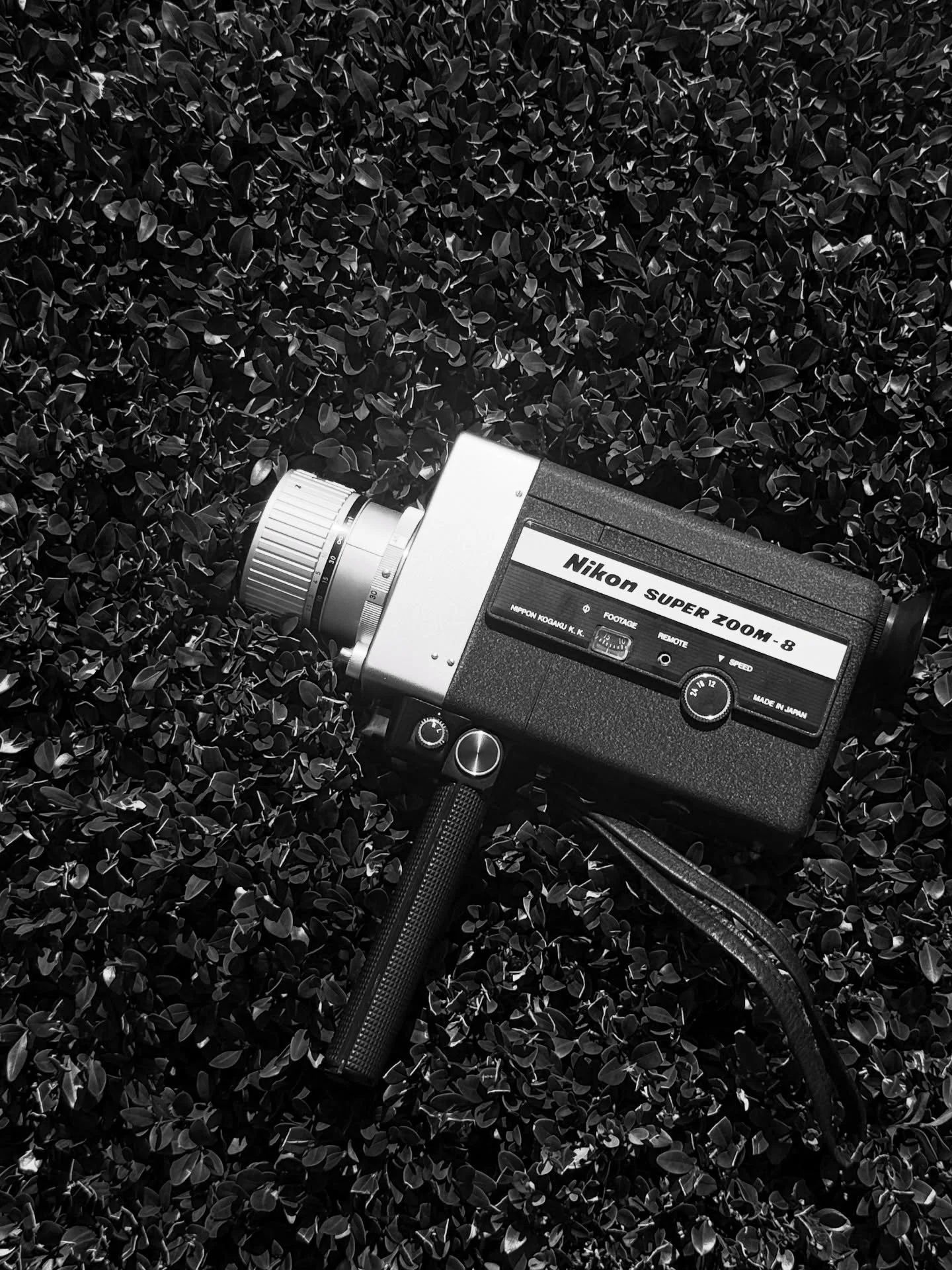
Genuine celluloid run through a vintage camera, developed and scanned by a lab, cut into the digital film as thirty to ninety seconds of grain, warmth, and slightly unstable motion. Medium-format film photography does the same job for stills. It is a physical process with a per-roll cost and a slower delivery.
Best for:
couples who want a piece of the day that reads as memory rather than recording, and who keep full digital coverage alongside it.
Film note:
Super 8 records no sound and holds roughly three minutes per cartridge, so it is a layer on top of digital coverage. Booking it as your only wedding video leaves you with a silent two-minute clip.
Vertical-first social edits
A short, fast, music-driven 9:16 cut delivered ahead of the main film. In 2026 this is a companion format with its own edit and its own delivery date.
Best for:
couples who want something to post within days and who understand this is not the film they will rewatch on an anniversary.
Film note:
confirm it is edited from source footage rather than cropped from the horizontal master, and confirm the delivery date in writing.
Guest-filmed and hybrid coverage
Cameras handed to guests, footage assembled afterward by an editor. Works as an additional layer under a professional crew, and works badly as the only coverage.
Best for:
couples on a tight budget, or couples who already have a film team and want the angles a crew cannot occupy.
Film note:
no one is responsible for the ceremony audio in a guest-filmed setup. Plan that separately before you commit to it
Which 2026 trends are worth paying for, and which are not?
Pay for multi-camera ceremony coverage, controlled audio, and a full speeches edit. These change the footage that exists at the end of the night, and none of them can be added later. Treat drone work, vertical edits, and retro camcorder texture as secondary: pleasant when included, rarely worth restructuring a package around.
The test is whether the money buys something unrepeatable. A second camera at the ceremony buys an angle that will never exist again. A vertical edit buys an arrangement of footage you already own, which any editor can produce next year. Drone work sits in between: it buys establishing shots, which matter enormously at a cliffside elopement in Malibu and matter very little in a Manhattan loft where the drone never leaves the case.
Retro camcorder and VHS texture deserves a specific warning. It reads as playful in twenty seconds of dance floor footage and reads as a mistake across a full film. If a studio's whole reel is built on it, you are looking at a style choice that will date faster than the polished grade it was reacting against.
How much does wedding videography cost in 2026?
The average US couple spends $2,300 on a wedding videographer, per The Knot 2026 Real Weddings Study of 10,474 couples married in 2025. That national average sits well below what full-day, two-operator coverage costs in major markets. In New York, wedding videographers commonly run $3,600 to $5,600. In Los Angeles, the range is wider, roughly $2,500 to $10,500 depending on crew size and hours.
Four things move the number, and trends are not among them. Hours of coverage come first, because a six-hour day and a ten-hour day are different productions with different crew costs. Crew size comes second: a second operator roughly doubles the ceremony and speech angles available in the edit. Edit scope comes third, and it is the line couples most often overlook, since a full ceremony edit and a full speeches edit are hours of additional post work that studios price separately. Physical film comes fourth, because every roll carries lab and scan costs.
What a trend does affect is where those hours go. Choosing a fashion-film approach means buying protected portrait time. Choosing documentary coverage means buying crew and audio sources. Read any package by asking what it produces, not what it is called.
What matters more than any trend on your wedding day
Three things determine whether you like your wedding film, and none of them appear on a trends list: how many hours the crew is present, where the ceremony and speech audio comes from, and how many angles cover the moments that only happen once. Fix those three and the stylistic choices become genuinely optional.
Audio is the one couples underestimate most consistently. A wedding film with beautiful images and unusable vows is a failure that cannot be repaired in post. Ask any studio directly where the ceremony sound comes from, how many independent sources they record, and what happens if one fails. Vague answers here are the single most reliable warning sign in this industry.
[INTERNAL LINK: /arrakis-films-inspiration/20-essential-questions-to-ask-wedding-videographer-before-you-book "20 questions to ask a wedding videographer before you book"]
Coverage hours are the second. Weddings compress: the ceremony, the portraits, the toasts, and the first dance often sit inside a four-hour window, and a crew booked for six hours makes different choices than a crew booked for ten. If you want the getting-ready hours and the late dance floor in the same film, that is an hours decision made at booking, not an editing decision made later.
How we shoot wedding films at Arrakis Films
We run photo and film as one team off a single timeline, which means the two crews never compete for position and both versions of your day tell the same story. Our coverage is built around the parts that cannot be repeated, so the ceremony, the vows, and the speeches get the cameras and the audio sources first.
Sound is recorded from two independent sources: a feed from the venue's sound board for the ceremony and the speeches, and a directional mic on camera. Lavalier mics are available on request. Aerial coverage with a drone is included in our packages rather than sold as an add-on, and we use it where the setting is part of the story instead of dropping an aerial shot into every film by default.
For film formats, Super 8 motion film and Hasselblad 503 medium-format photography are included in our ten-hour packages, and available on six and eight-hour packages as a $900 add-on each. Both are real film: exposed in camera, developed and scanned by a lab, then cut into the digital film or delivered as scans alongside the digital gallery.
Edit scope follows the same logic. A full speeches edit is included from eight hours, and a full ceremony edit is included at ten hours. On six-hour coverage each is a $500 add-on, or $900 for both. We keep it structured that way so each tier adds something concrete rather than repackaging the same deliverables.
On delivery: your teaser trailer arrives within two weeks, the full photo gallery within thirty days, and the finished film within six months. Your private online gallery stays open for six months with unlimited high-resolution downloads, full print rights, and no watermarks.
Let's talk about your wedding film
If you are working out which of these actually belongs in your day, we are happy to think it through with you. Tell us your venue, your timeline, and what you most want to be able to watch in ten years, and we will tell you honestly which choices change the film and which ones just change the invoice.
Frequently asked questions
-
Documentary-editorial hybrid coverage, audio-led editing built around vows and speeches, mixed media that layers real film into digital footage, vertical companion edits, guest-filmed footage folded into the main film, restrained drone work, and multi-camera ceremony coverage as a baseline. Most of these are coverage and editing decisions rather than equipment choices, which is why they show up as hours and crew on a quote.
-
Cinematic documentary with editorial framing is the most requested style in 2026. The crew films what happens without staging it, then frames and lights those moments deliberately, and the edit follows the emotional arc of the day. It stays popular because it produces a film that is recognizable as your actual wedding while still holding up visually.
-
The average US couple spends $2,300, according to The Knot 2026 Real Weddings Study of 10,474 couples. Major markets run higher: roughly $3,600 to $5,600 in New York and $2,500 to $10,500 in Los Angeles. Coverage hours, crew size, edit scope, and any physical film formats move the number far more than stylistic choices do.
-
Yes, as a layer on top of digital coverage. Super 8 gives you thirty to ninety seconds with real grain and warmth that digital footage cannot reproduce in camera. It records no sound and holds about three minutes per cartridge, so it works alongside a digital crew that captures the full day and the audio. Booked alone, it leaves you with a short silent clip.
-
For the ceremony and the speeches, a second operator changes what the edit can do, because one camera cannot hold a wide shot and catch a reaction at the same time. If your ceremony is short, your guest count is small, and the room is tight, one experienced operator can cover it. For a large ceremony, a long toast block, or a venue with restricted movement, the second angle is the higher-value upgrade.
-
They are worth a modest line item and not worth restructuring a package around. A vertical cut gives you something to post within days, which matters to many couples. Confirm it is edited from the original footage rather than cropped from the horizontal master, because a crop loses hands, heads, and framing at the edges, and confirm the delivery date in writing.
-
Nine to twelve months ahead for peak-season Saturdays in New York and Los Angeles, and sooner if you want a specific team or a film format that requires lab scheduling. Studios that shoot real film and run two-person crews take a limited number of weddings per season, so the calendar closes earlier than couples expect.