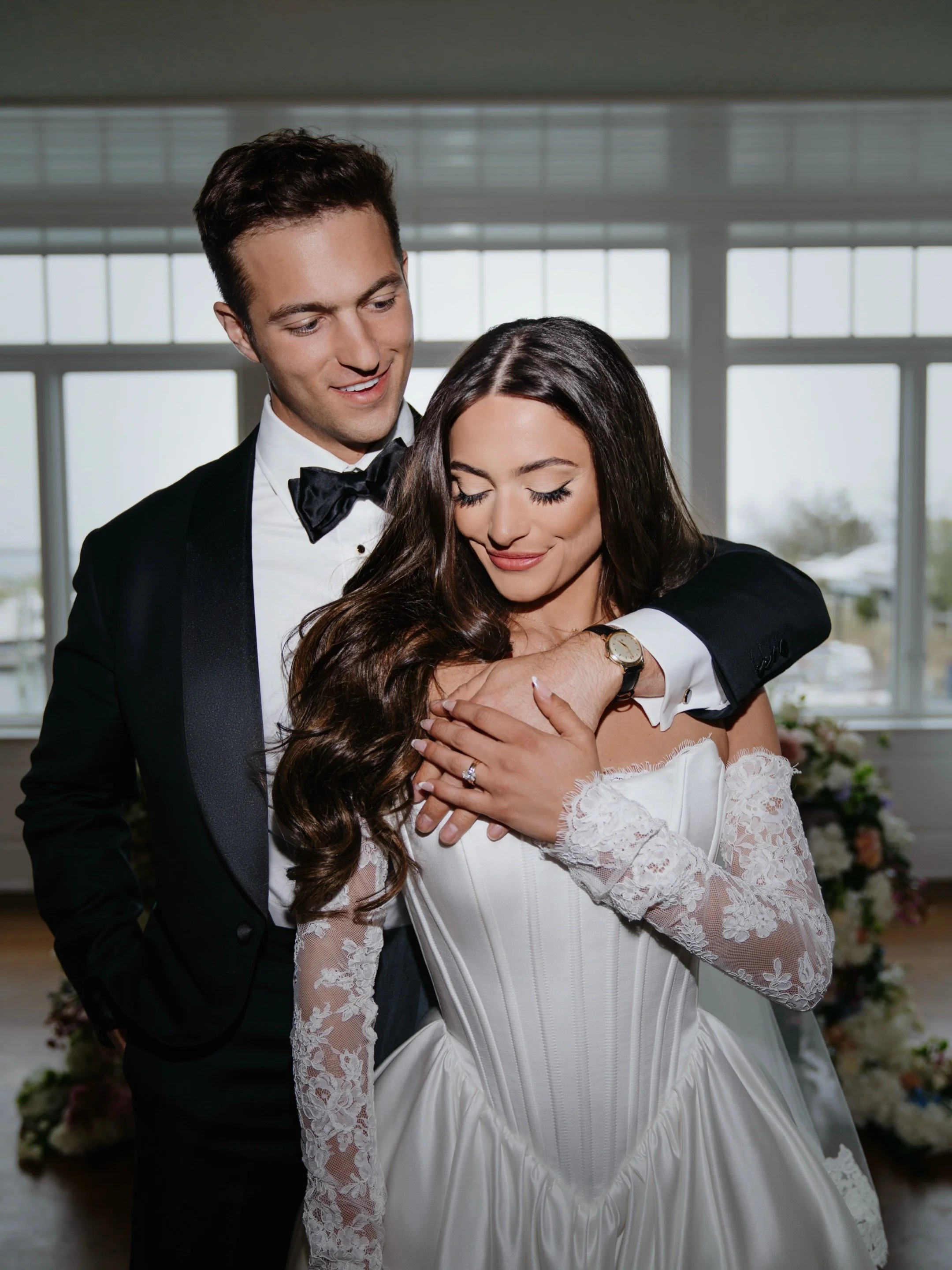
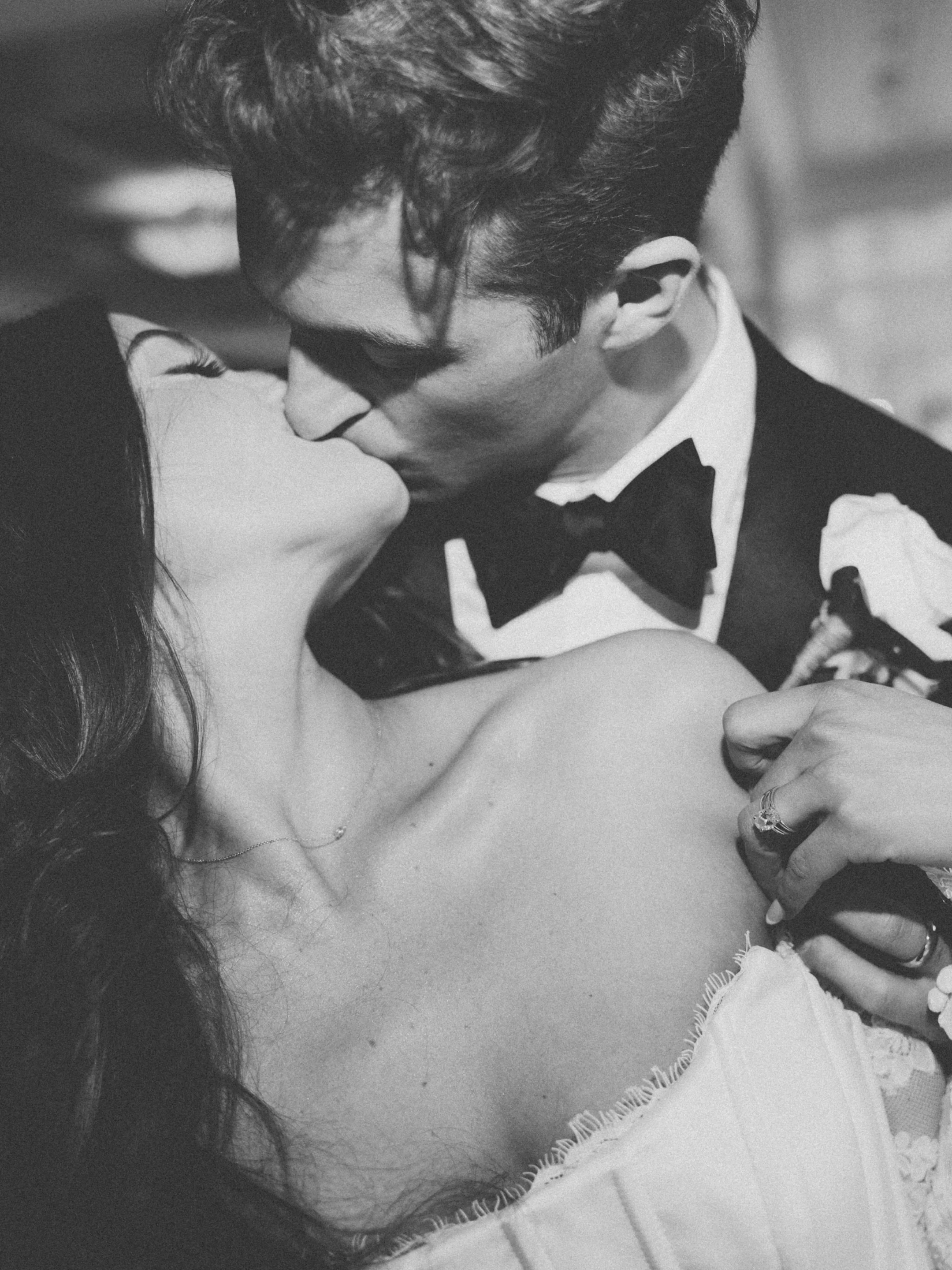
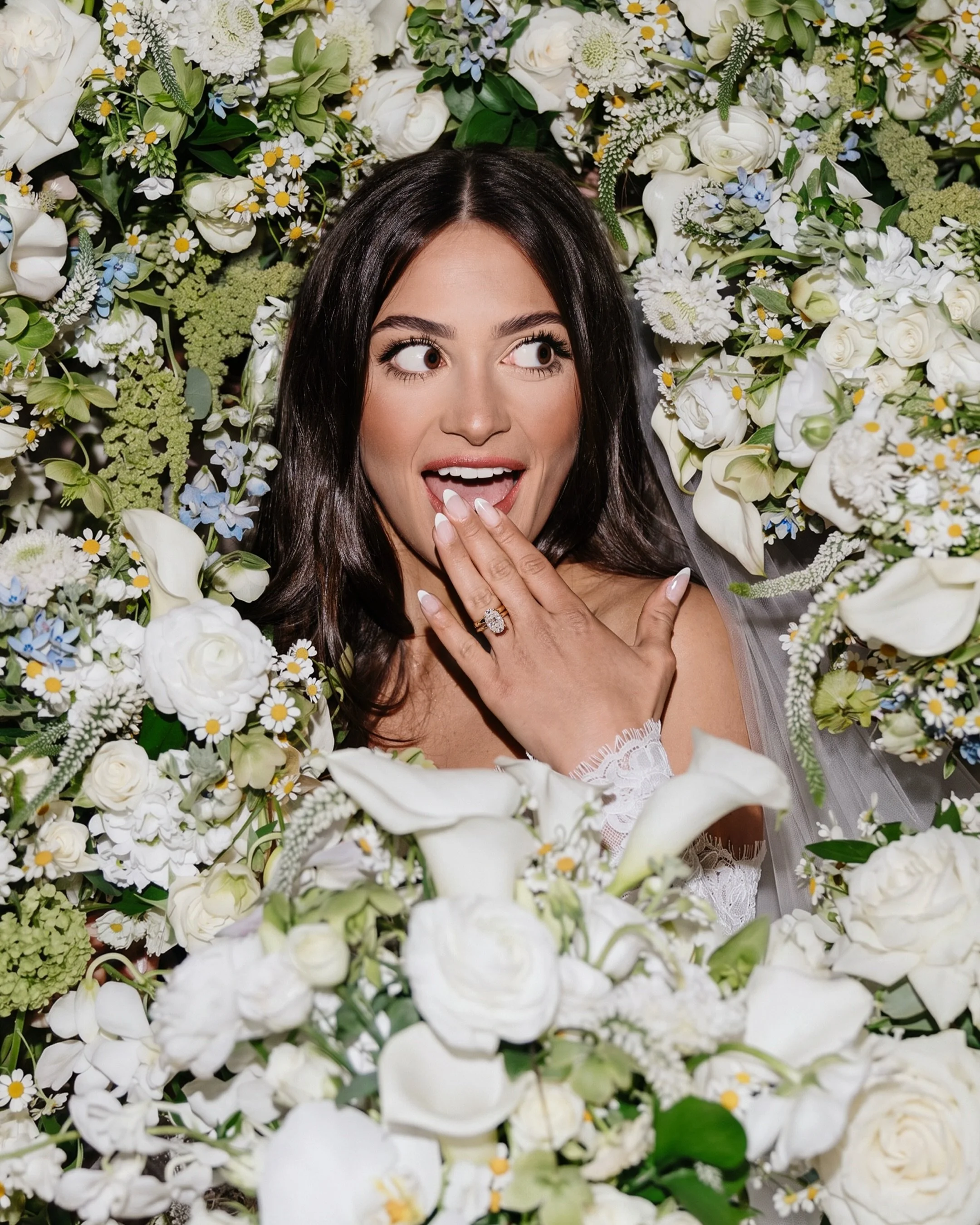
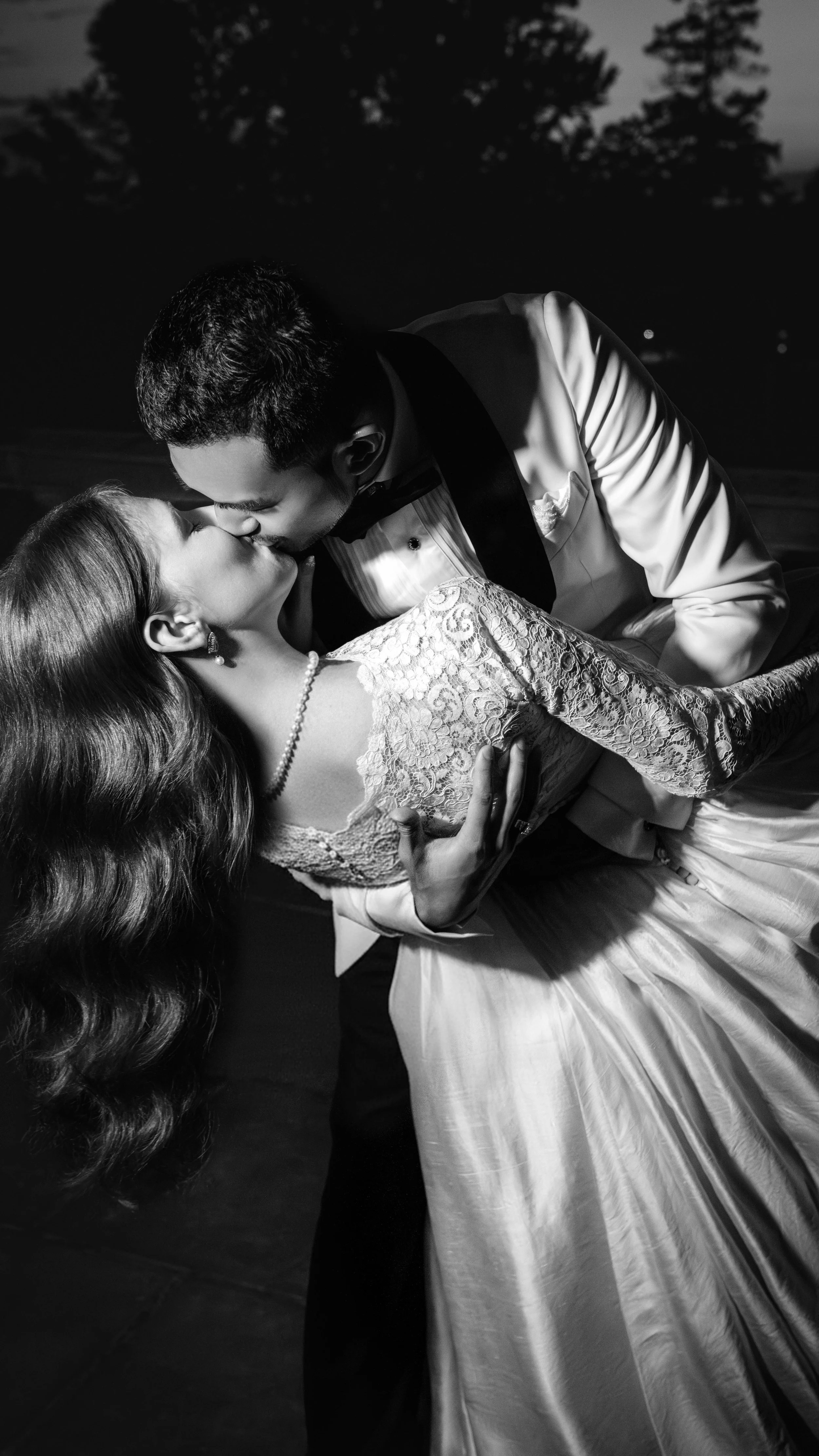
Wedding Photography Mistakes: 15 Critical Errors That Could Ruin Your Big Day
Your wedding day represents one of life’s most significant events, and the photos from this special day will become treasured family heirlooms for generations. When couples invest 10-15% of their wedding budget into photography—often several thousand dollars—the stakes couldn’t be higher. Yet despite this substantial investment, many couples and even professional photographers make critical errors that can diminish the quality and emotional impact of these very important pictures.
The difference between mediocre wedding photos and stunning images that capture the essence of your special moments often comes down to avoiding common pitfalls. These wedding photography mistakes can occur at any stage—from initial planning through post-wedding delivery—and understanding them is absolutely essential for ensuring your wedding experience produces the quality images you deserve.
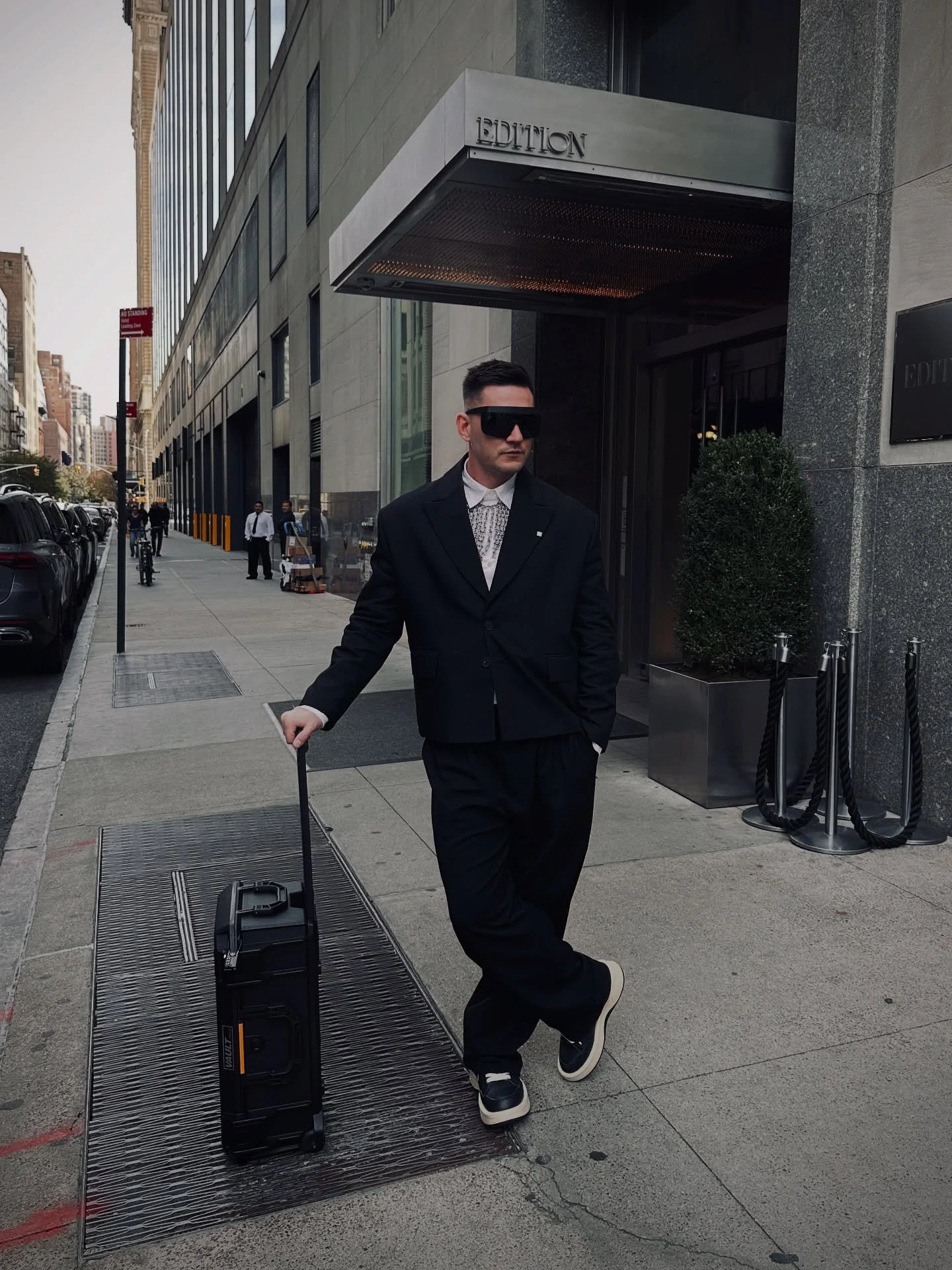
This comprehensive guide examines the most frequent and damaging wedding photography mistakes that can compromise your big day documentation. Whether you’re in the early stages of the planning process or just weeks away from your ceremony, recognizing these potential issues will help you work with your wedding photographer to create the perfect visual story of your celebration. For example, New York City presents unique photography challenges, including logistical hurdles, difficult lighting conditions, and time constraints, which require careful planning and communication.
Pre-Wedding Planning Mistakes


The foundation of exceptional wedding photography is established long before your wedding day arrives. Unfortunately, many couples make critical errors during the planning process that set the stage for disappointing results.
One of the biggest mistakes involves choosing a wedding photographer based primarily on price rather than portfolio quality and style alignment. While budget considerations are important, selecting the cheapest option often leads to subpar results that can’t be undone. Professional wedding photographer rates reflect their experience, equipment quality, and editing expertise—factors that directly impact your final images.
Another common error is booking a photographer without viewing complete wedding galleries. Many couples make decisions based solely on Instagram highlights or a few showcase images, which represent a photographer’s absolute best work rather than their consistent output. This approach is like judging a restaurant by its most photogenic dish rather than experiencing the full menu quality.
Skipping engagement sessions represents a missed opportunity that many couples later regret. These sessions allow you to build rapport with your photographer, understand their direction style, and practice posing before the wedding day pressure. Scheduling a trial run or pre-wedding session ensures a seamless day-of shoot and helps couples feel more comfortable and natural during their wedding portraits.
The venue research mistake occurs when couples fail to investigate their photographer’s experience with their specific venue type. Indoor reception halls require different technical skills than outdoor garden ceremonies. A photographer who specializes in natural light may struggle in dimly lit churches, while someone accustomed to flash photography might feel less comfortable in outdoor settings with changing natural light conditions.
Meeting your photographer in person before the wedding day is absolutely crucial, yet many couples skip this step when working with wedding vendors. This meeting allows you to assess personality compatibility—remember, this person will be with you throughout your most intimate moments. You want someone whose presence enhances rather than distracts from your celebration.
Clear communication about photography style preferences and vision prevents major disappointments. Many couples assume their photographer will automatically understand their preferences, but without explicit discussion, you might receive formal, posed images when you preferred candid, documentary-style coverage, or vice versa.
Portfolio Research Failures
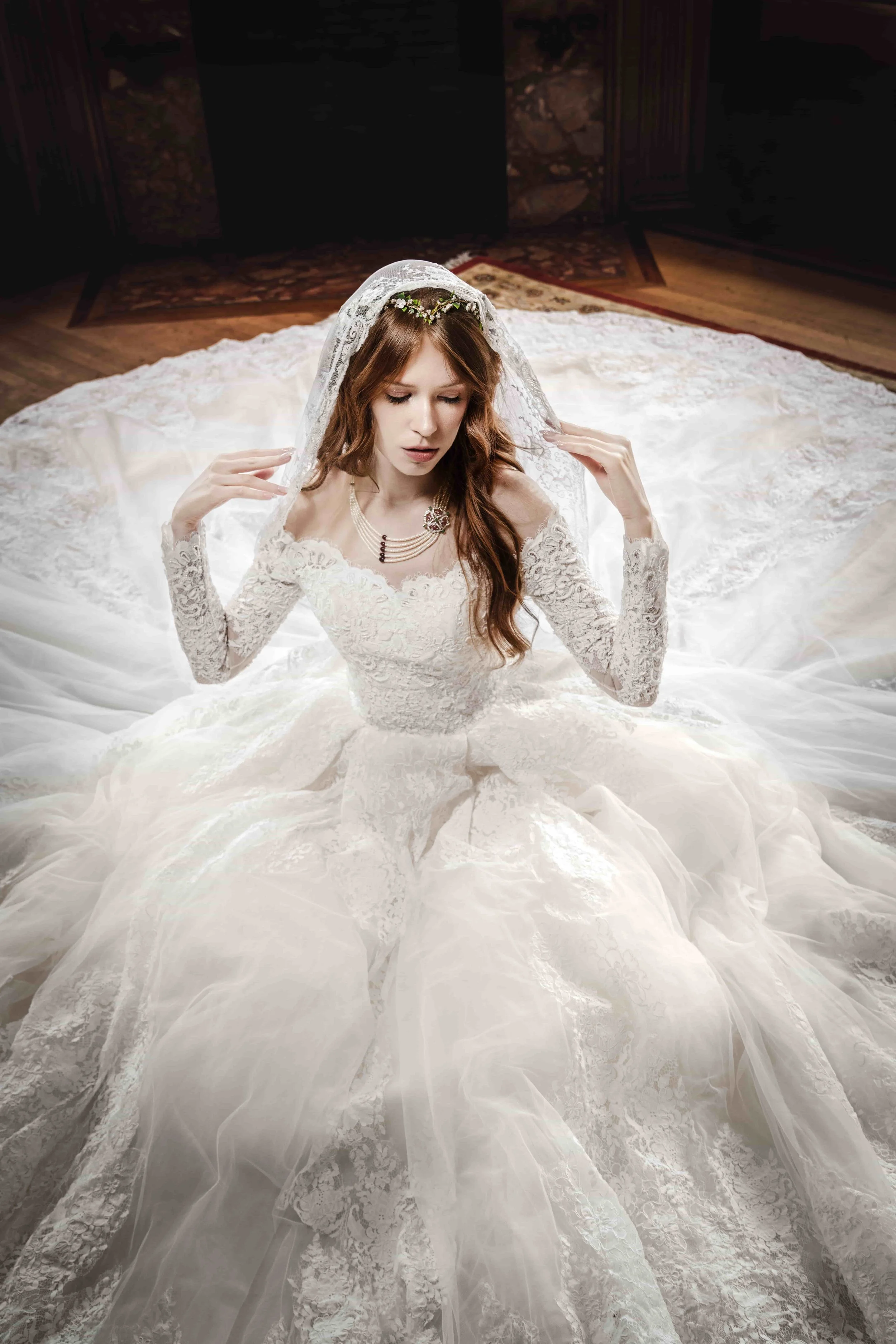
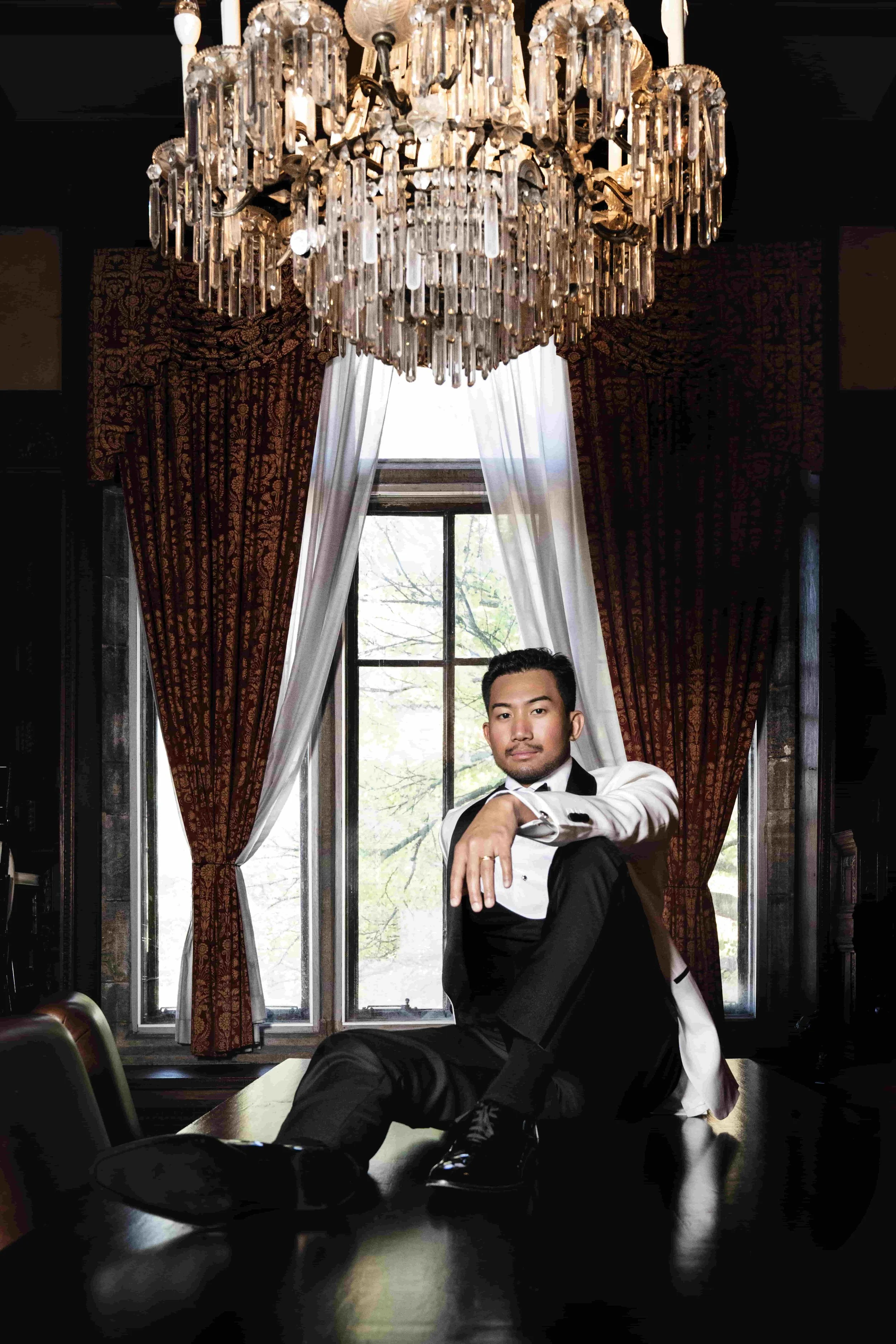


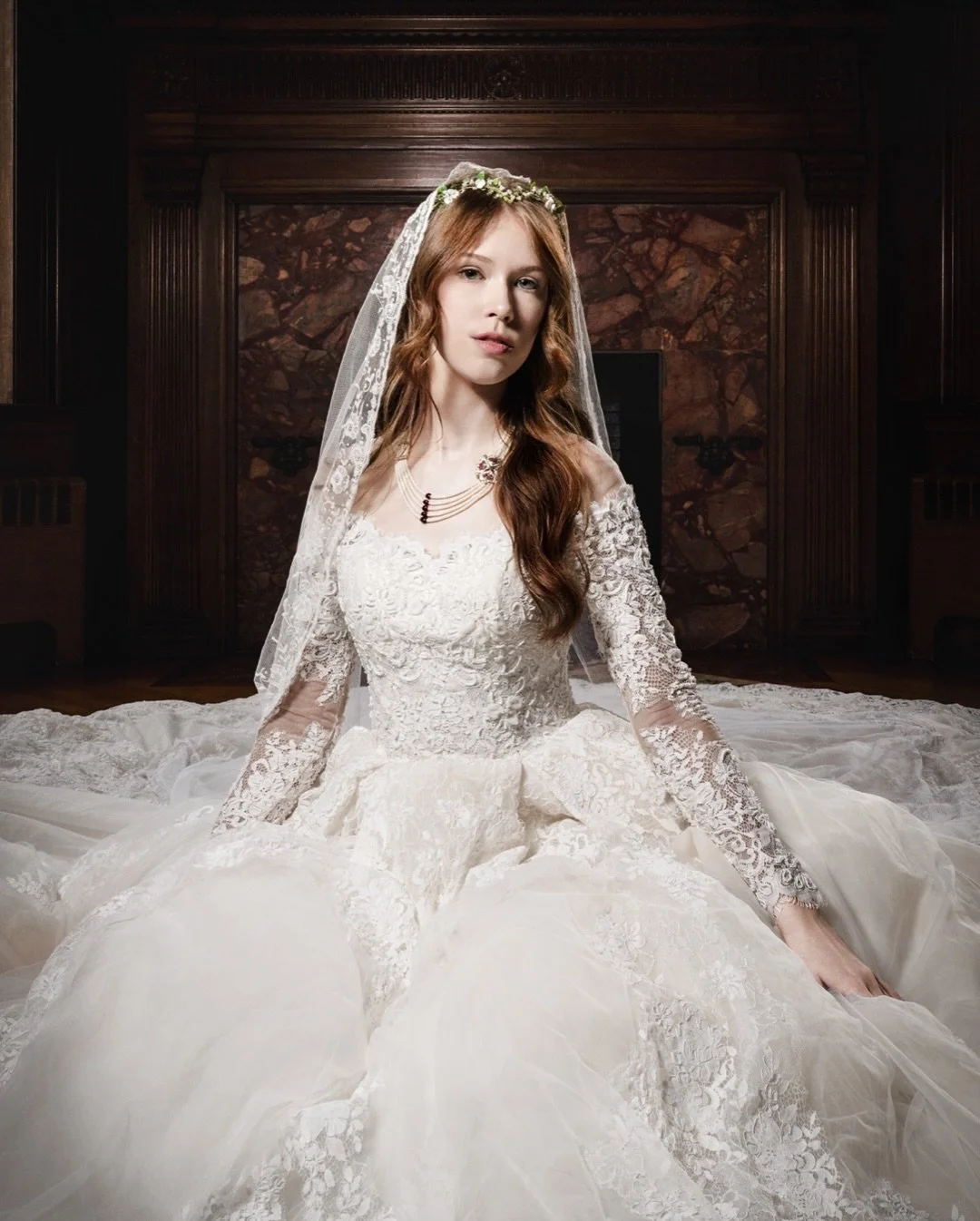
Effective portfolio evaluation requires more strategic thinking than simply browsing a photographer’s website gallery. The key is requesting full wedding galleries from similar venues and seasons to yours. A photographer’s outdoor summer work might look stunning, but if you’re planning a winter indoor ceremony, you need to see how they handle those specific lighting challenges.
Checking a photographer’s experience with your lighting conditions is essential for quality assurance. If your ceremony is scheduled for noon in a glass church, you need confirmation that your photographer can handle harsh overhead lighting. Similarly, if you’re planning sunset photos, verify that they have experience with golden hour timing and exposure management.
Reviewing work from venues with similar architectural styles provides insight into how photographers adapt to different environments. A photographer comfortable in rustic barn settings might struggle with formal ballroom elegance, and their portfolio should demonstrate versatility across venue types.
The most revealing portfolio evaluation focuses on consistency across different weddings rather than just highlight reels. Request to see 2-3 complete wedding galleries to understand their editing style, technical consistency, and ability to capture emotions throughout an entire day. Trusting your photographer's expertise allows them to capture the essence of your wedding without the distraction of checking off a long list of specific photos. Professional photographers confident in their work will gladly share complete galleries because they understand this builds trust and sets appropriate expectations.
Timeline and Scheduling Errors

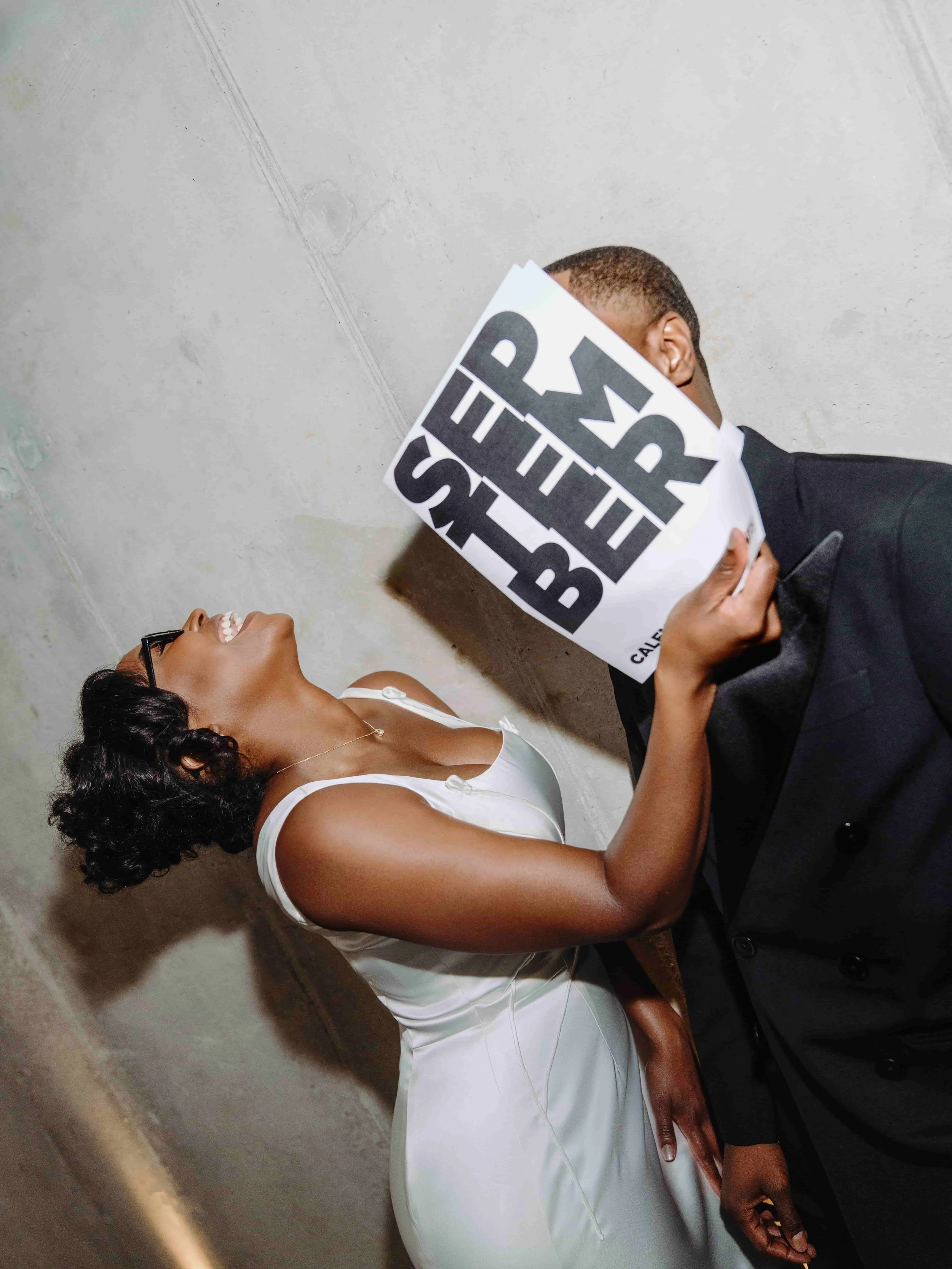
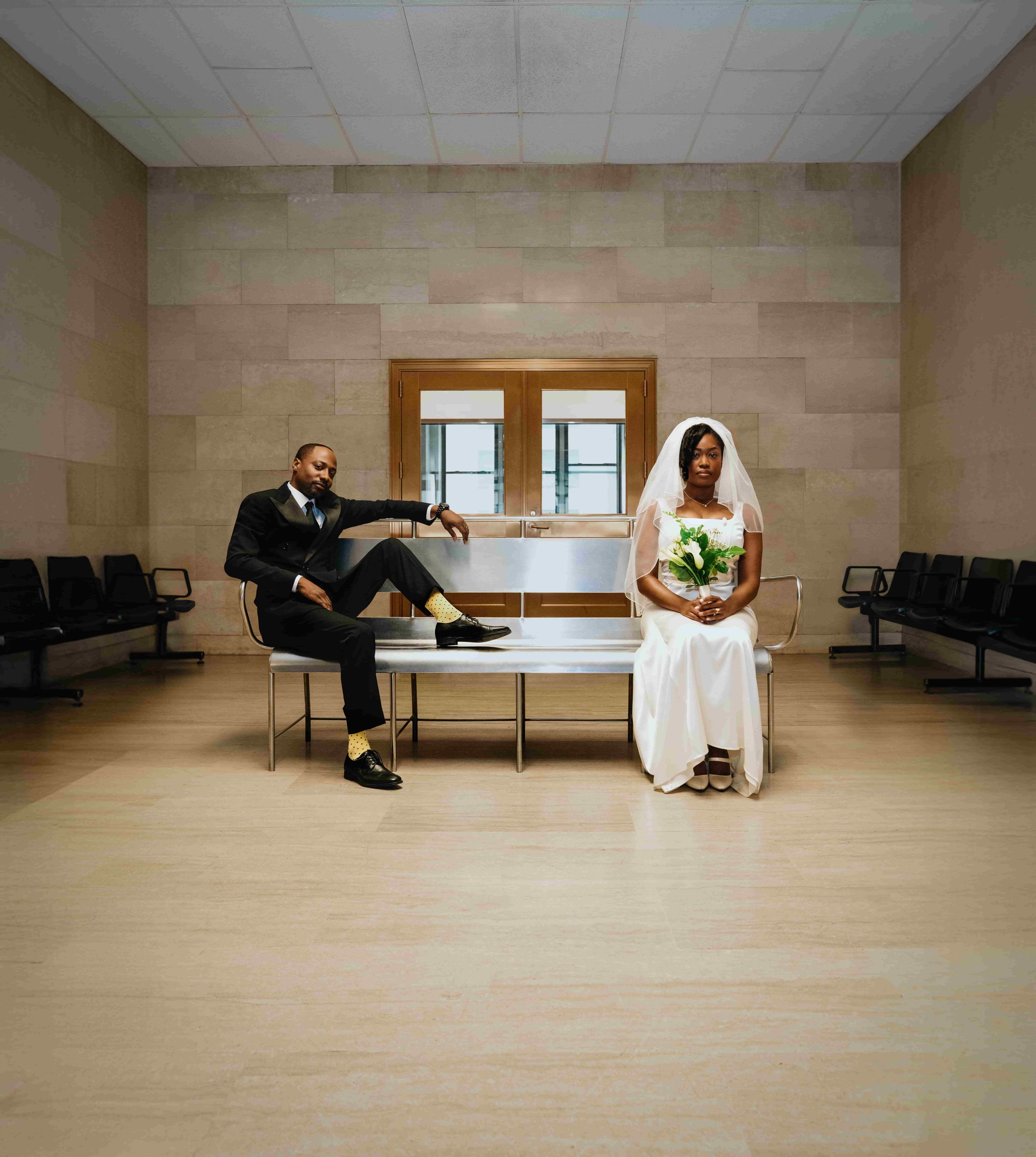
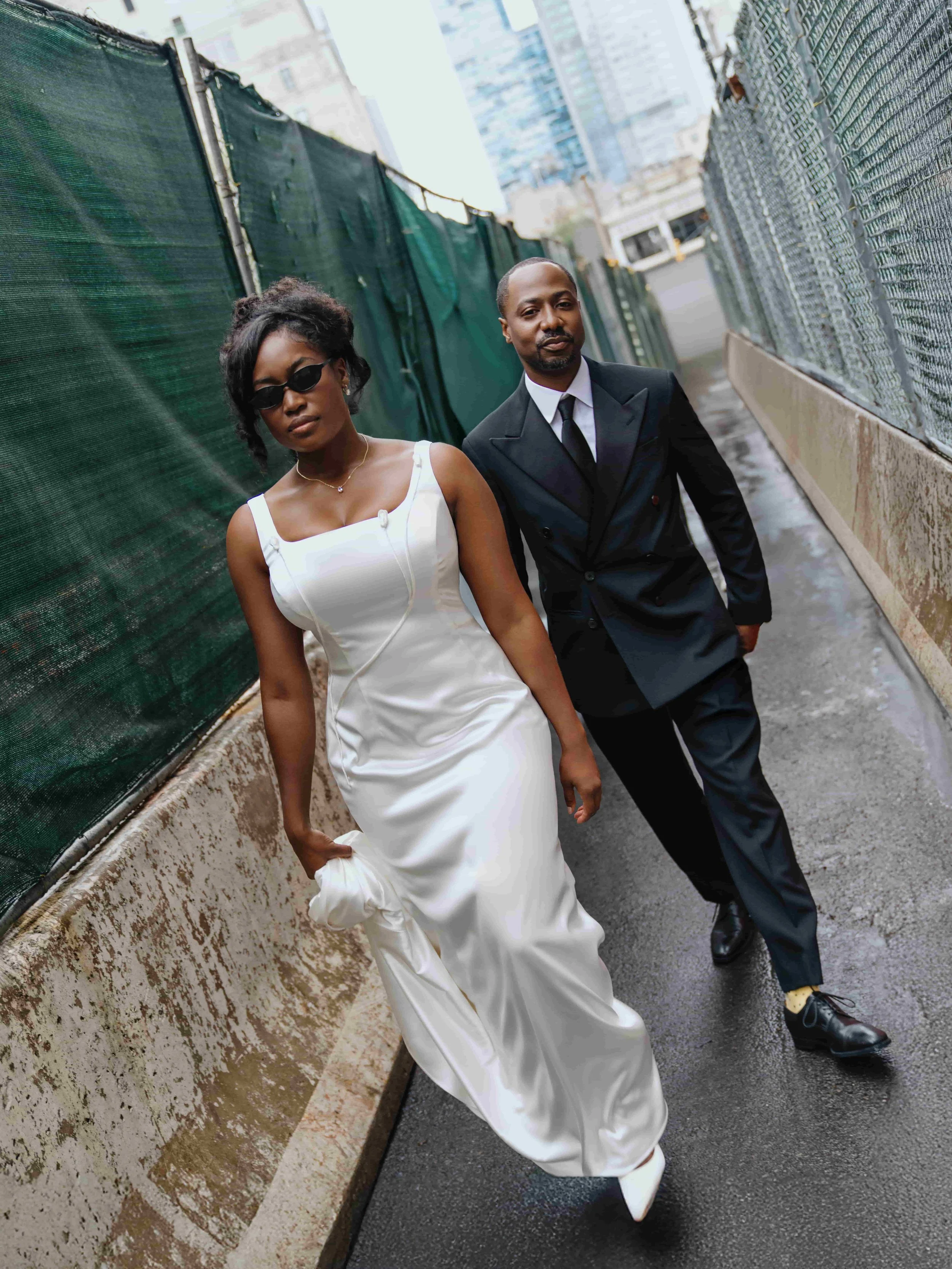
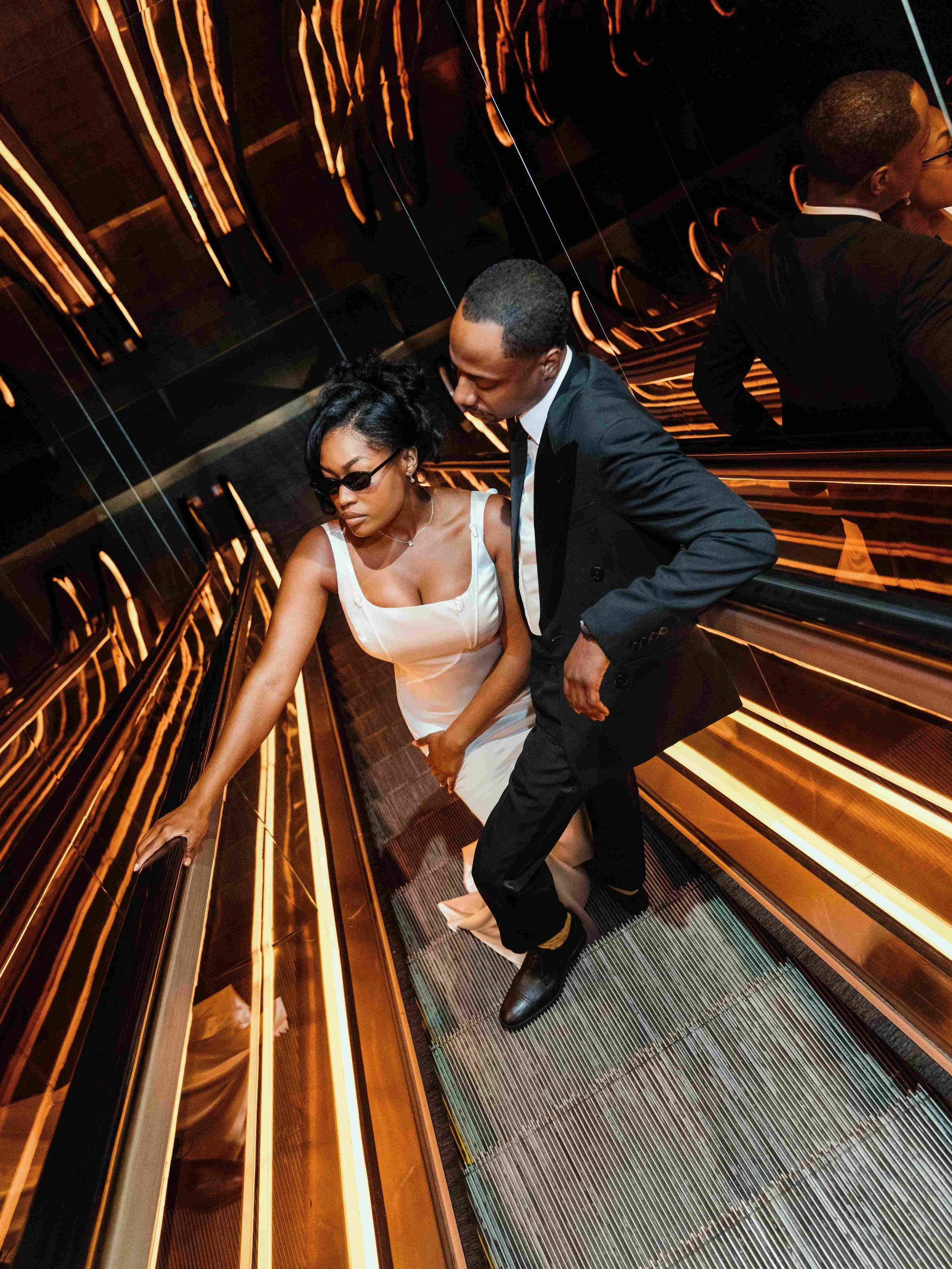
Timeline mistakes represent some of the most preventable yet damaging wedding photography errors. These mistakes create cascading effects that compromise photo quality throughout the entire wedding day.
The most common timeline error involves insufficient time allocation for couple portraits. Many couples schedule only 30 minutes for these crucial images, but professional photographers recommend a minimum of 45 minutes for relaxed, comprehensive couple coverage. Additionally, allocating 30 minutes for the wedding party and 30 minutes for formal family photos ensures a relaxed and punctual schedule. This timeframe allows for multiple location changes, outfit adjustments, and the natural progression from initial nervousness to genuine comfort on camera.
Family formal photos consistently take longer than anticipated. While couples often allocate 30 minutes for these group shots, realistic timing requires 45 minutes to an hour, especially for large families. The logistics of gathering relatives, organizing groups, and ensuring everyone looks their best simply cannot be rushed without compromising quality.
Failing to include 15-minute buffers between major photography sessions creates unnecessary stress. Wedding day timing rarely goes exactly as planned—receiving lines run long, transportation encounters traffic, or weather delays require location changes. Integrating 15-minute buffers throughout the day accommodates these unforeseen delays and ensures your photographer has the flexibility to capture key moments without feeling rushed.
Ceremony scheduling represents another critical consideration. Planning your ceremony for noon creates challenging lighting conditions that can result in harsh shadows and squinting guests. Professional photographers often recommend ceremony times that complement natural lighting patterns—either morning ceremonies for soft light or late afternoon timing that transitions into golden hour portraits.
The coordination between first look timing and golden hour opportunities requires careful planning. Many couples schedule their first look too early in the day, missing the optimal lighting window for romantic couple photos. Your wedding photographer can help identify the ideal timing that maximizes both emotional moments and lighting quality.
Reception entrance timing affects the flow of your wedding timeline. Couples sometimes rush immediately from ceremony to dancing without allowing time for cocktail hour photos or sunset portraits. This creates missed opportunities for variety in your wedding photo collection and can leave you with limited couple images in different lighting conditions.
Getting Ready Timeline Mistakes


Morning preparation represents a particularly vulnerable period for timeline mistakes that affect photography coverage throughout the day.
Starting hair and makeup too late is perhaps the most common getting-ready error. When preparation runs behind schedule, it creates pressure that affects everyone’s mood and limits time for detail photography. Professional wedding photographers recommend starting hair and makeup 30 minutes earlier than you think necessary to account for inevitable delays.
Many couples forget to designate clean, well-lit spaces near windows for getting-ready photos. These images require good natural light and uncluttered backgrounds. Preparing these spaces the night before—clearing surfaces, organizing details, and ensuring good lighting access—enables your photographer to capture beautiful preparation moments without scrambling for suitable locations.
Wedding detail preparation is frequently overlooked until the last minute. Your photographer needs time to arrange and photograph rings, invitations, shoes, and other details in appealing compositions. Having these items organized and readily accessible allows for artistic detail photography that complements your overall wedding story.
Bridal party readiness timing coordination prevents delays that affect the entire day’s schedule. When one bridesmaid runs significantly behind, it impacts group photos, transportation timing, and ultimately ceremony scheduling. Designating a specific timeline for each person’s preparation creates accountability and ensures smooth progression through morning activities.
Communication and Coordination Failures
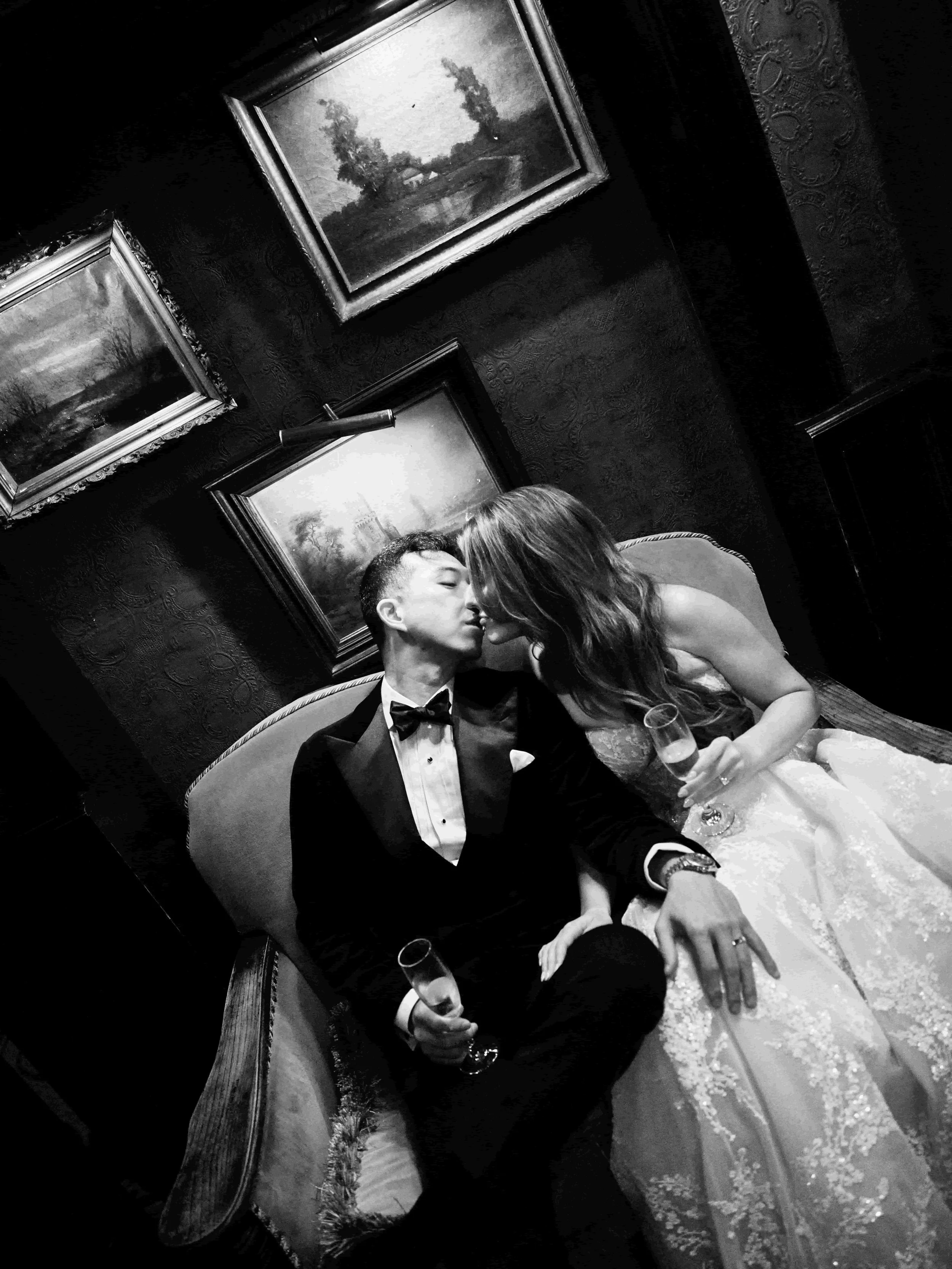
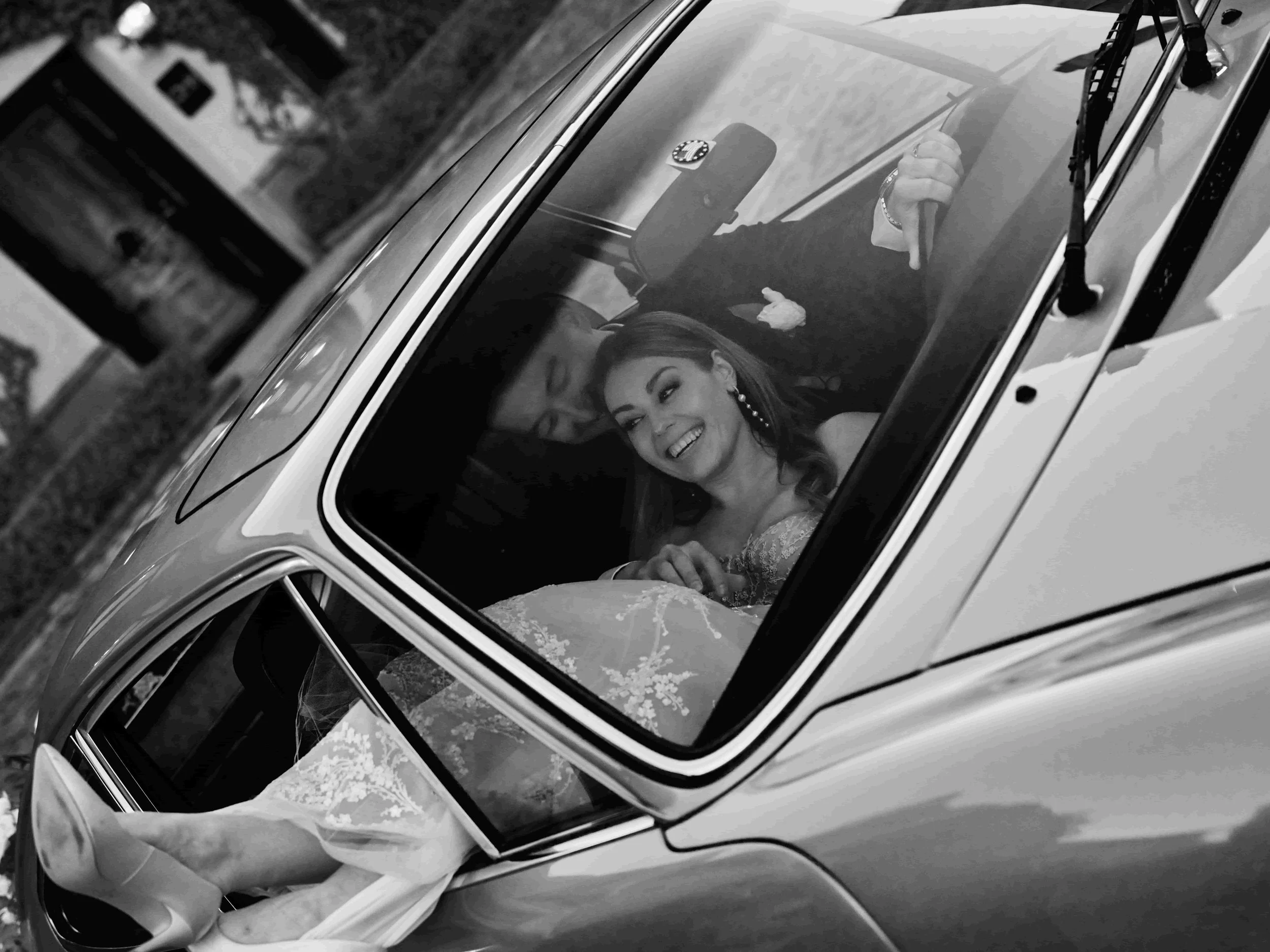
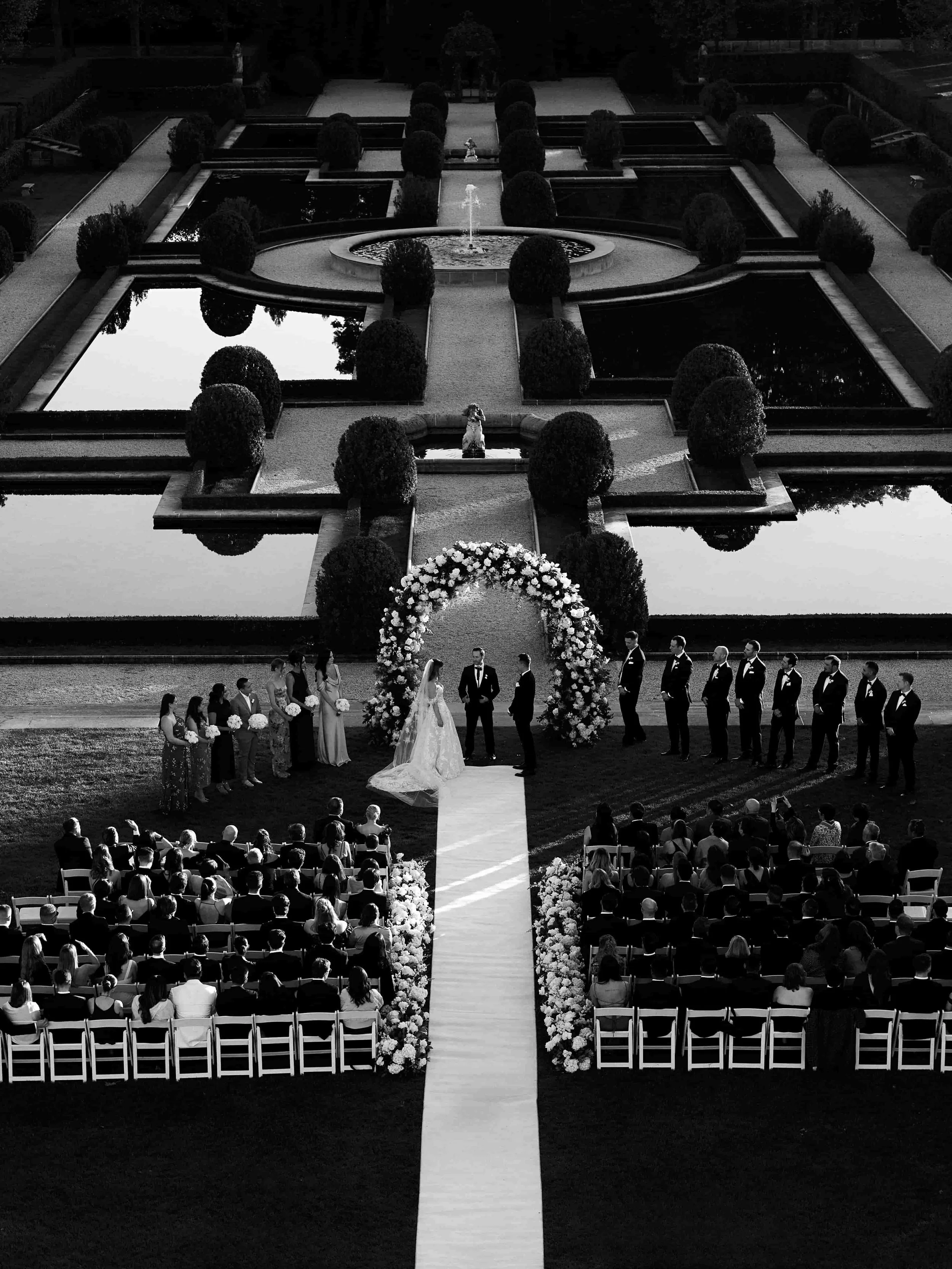


Effective communication between couples and their wedding photographer prevents numerous day-of complications that can compromise photo quality and coverage. Couples in New York City often face pitfalls such as under-planning the timeline, failing to communicate expectations, and dealing with uncooperative guests during photo sessions. Addressing these challenges in advance ensures a smoother photography experience and better results.
One critical mistake involves not sharing wedding day surprises with your photographer in advance. Whether it’s a special unity ceremony element, surprise musical performance, or unexpected entrance style, your photographer needs advance notice to position themselves appropriately and ensure these special moments are captured beautifully. Surprises for guests shouldn’t be surprises for your photographer.
Failing to provide a detailed wedding timeline to your photographer weeks before the wedding creates unnecessary confusion. Professional photographers use these timelines to plan their coverage, identify key moments, and coordinate with other wedding vendors. Last-minute timeline changes force photographers to adapt quickly rather than prepare strategically.
Not designating a family photo coordinator represents a significant organizational mistake. Large family group photos require someone who knows all the relatives and can gather people efficiently. This person should be briefed on the photo list during the rehearsal and should take responsibility for organizing groups quickly during the actual photo session.
Family dynamics and divorced parent situations require advance communication with your photographer. If certain family members shouldn’t be photographed together, or if there are specific seating arrangements that need documentation, your photographer must understand these dynamics beforehand. This prevents awkward moments and ensures everyone feels comfortable during family photos.
Venue restrictions and photography limitations should be communicated well before the wedding day. Some venues prohibit flash photography during ceremonies, restrict photographer movement during certain moments, or have specific rules about equipment placement. Couples should also discuss backup plans with their photographer for different weather scenarios to ensure successful photo outcomes regardless of conditions. Understanding these limitations allows your photographer to prepare alternative approaches and set appropriate expectations for coverage.
Day-of Photography Mistakes


The wedding day itself presents numerous opportunities for mistakes that can compromise photo quality and the overall photography experience.
Micromanaging your photographer instead of trusting their expertise represents a common mistake that affects both photo quality and your ability to enjoy your celebration. Professional photographers have experience reading lighting conditions, anticipating moments, and directing poses. Trusting your photographer's expertise and allowing them creative freedom during the shoot enables them to capture authentic, meaningful moments without unnecessary interruptions.
Walking too fast down the aisle affects both the ceremony’s emotional impact and photographic coverage. Professional photographers recommend taking 3-4 seconds per step during your processional. This allows time for emotional reactions from guests, gives your photographer opportunities to capture multiple angles, and creates the graceful, elegant entrance you’ve envisioned.
Focusing on perfect poses rather than genuine emotions and reactions often produces stiff, unnatural photographs. The most meaningful and timeless photographs capture authentic interactions between you and your partner. Trust your photographer to guide you into flattering positions while you focus on each other and allow natural emotions to unfold.
Constantly checking phones or asking for immediate photo previews distracts from being present in your own celebration. Professional photographers understand that couples are excited to see images, but frequent interruptions prevent them from focusing on capturing important moments as they unfold naturally.
Not staying present during ceremony and reception moments affects your natural interactions with guests and family. When couples become too focused on photography logistics, they miss opportunities for spontaneous emotions and connections that create the most meaningful images.
Skipping sunset photos because reception dinner is starting represents a missed opportunity for dramatic, romantic couple images. Professional photographers often recommend building flexibility into reception timing to accommodate these golden hour opportunities, as lighting like this cannot be recreated artificially.
Group Photo Management Issues
Group photo coordination requires strategic planning and efficient execution to avoid delays and frustration.
Creating overly long family photo lists is perhaps the most common group photo mistake. Professional photographers recommend limiting formal family combinations to 8-10 groupings maximum. Beyond this number, photos become rushed, people become impatient, and quality suffers across all images.
Not informing family members about photo timing during the rehearsal creates confusion and delays on the wedding day. When relatives understand the schedule and their role in group photos, they can prepare appropriately and respond quickly when called for photos.
Allowing the wedding party to drink alcohol before photos are completed frequently leads to coordination challenges and less polished group images. Professional photographers often recommend scheduling formal group photos before cocktail service begins to ensure everyone is alert, coordinated, and looking their best. Communicating photo times to your wedding party and letting them know when they can start drinking helps prevent delays and keeps the schedule on track.
Not designating someone to gather people for each grouping quickly creates unnecessary delays. This person should know all family members, understand the photo list, and take responsibility for organizing groups efficiently. Without this coordination, valuable photo time is lost as the photographer and couple search for missing relatives.
Technical and Venue-Related Mistakes


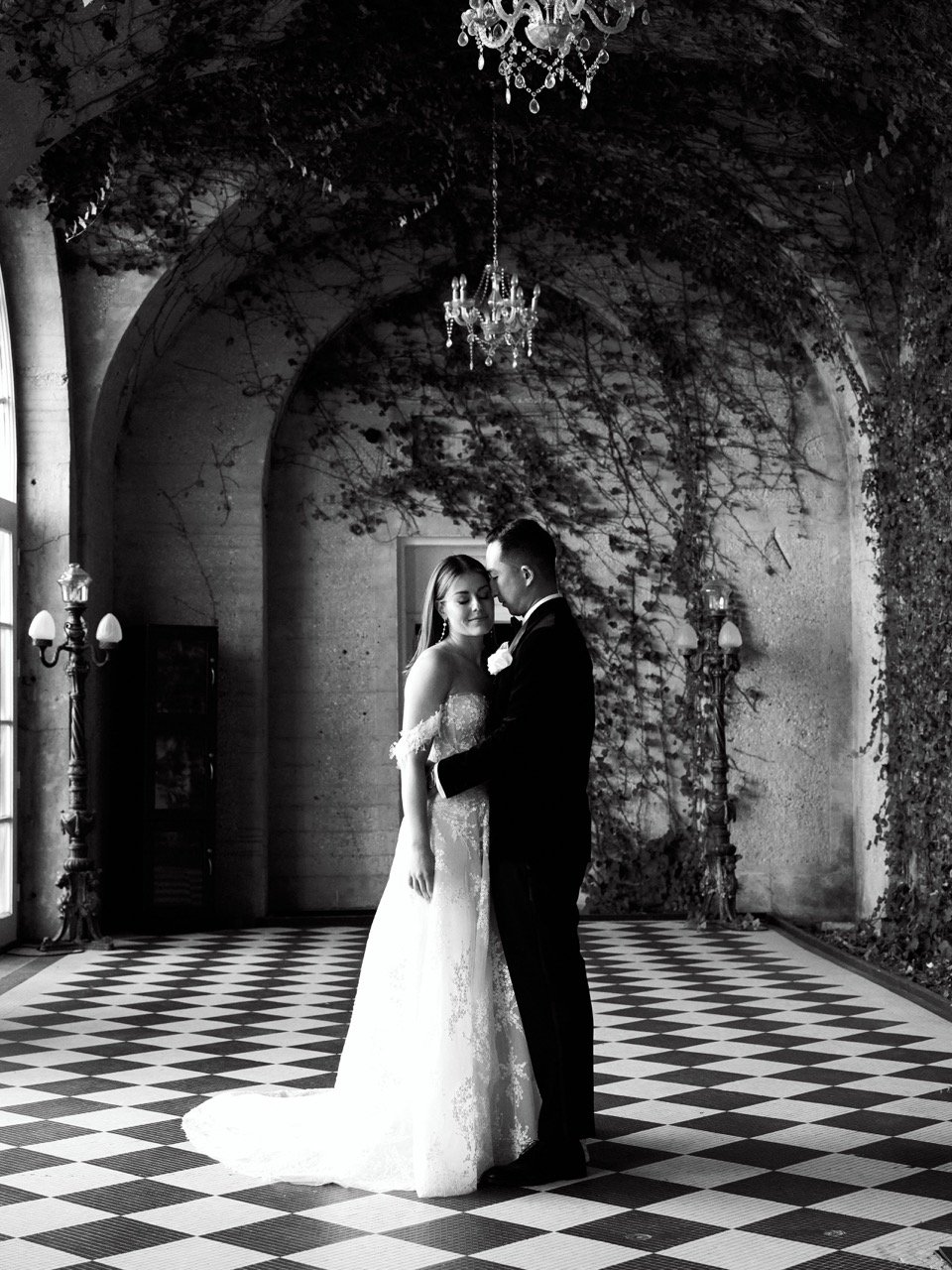

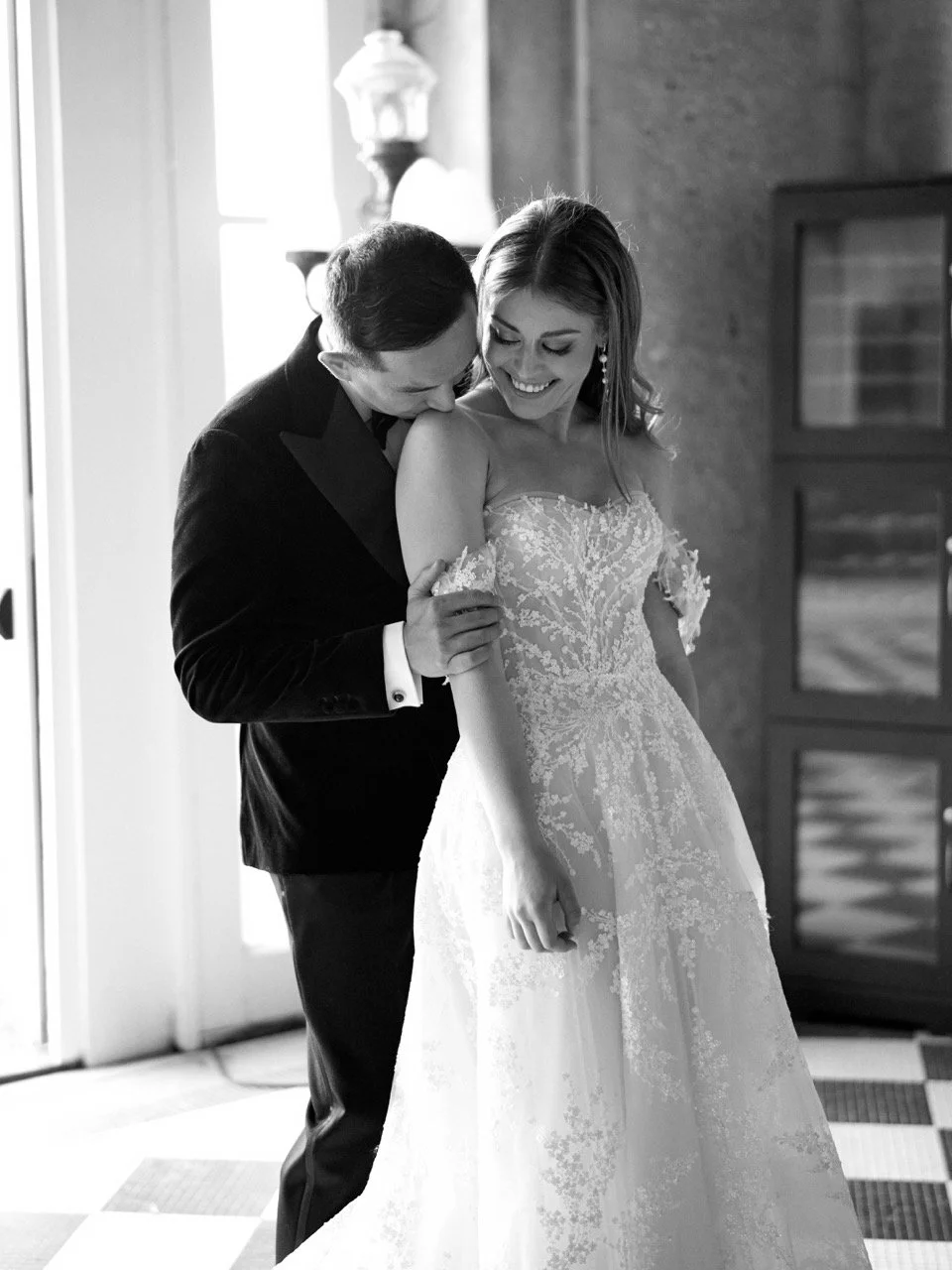
Technical considerations and venue characteristics significantly impact wedding photo quality, yet many couples overlook these factors during planning.
Choosing a ceremony location with backlighting that creates silhouettes represents a common lighting mistake. While dramatic backlighting can create beautiful artistic images, it shouldn’t be the default lighting condition for your ceremony coverage. Professional photographers need adequate light to capture facial expressions and emotional reactions during your vows.
Reception lighting quality affects photo documentation throughout your celebration. Venues with extremely dim lighting or harsh fluorescent overhead lights create challenging conditions that can compromise image quality. While professional photographers can work in various lighting conditions, understanding your venue’s lighting characteristics helps set realistic expectations for photo styles and quality.
Selecting venues with photography restrictions during ceremony significantly limits coverage options. Some venues prohibit photographer movement during ceremonies, restrict flash usage, or limit equipment placement. Understanding these restrictions during venue selection allows you to choose locations that support your photography priorities.
Not hiring a second shooter for weddings over 100 guests often results in missed moments and limited coverage options. One photographer can only be in one location at a time, so larger weddings benefit from multiple perspectives and comprehensive coverage. Second shooters capture details, guest reactions, and alternative angles that enhance your final photo collection.
Forgetting to check if flash photography is permitted in ceremony spaces creates last-minute complications. Some religious venues, historic locations, or performance spaces prohibit flash photography during ceremonies. Professional photographers need advance notice to prepare alternative lighting approaches and adjust their coverage strategy accordingly.
Post-Wedding Mistakes

The period following your wedding day presents opportunities for mistakes that can affect your long-term enjoyment of your wedding photos.
Demanding immediate delivery of photos represents an unrealistic expectation that can compromise quality. Professional editing for wedding photos typically requires 6-8 weeks, as photographers carefully edit hundreds of images to ensure consistent quality and artistic vision. Rushing this process often results in lower quality final products.
Not ordering physical prints or wedding albums within the first year after your wedding is a mistake many couples later regret. Digital files are convenient for sharing, but physical prints and albums create lasting family heirlooms that can be enjoyed without technology. Many photographers offer package discounts for orders placed within the first year after delivery.
Sharing unedited photos on social media before your photographer releases the official gallery can damage their professional reputation and violate contract terms. Professional photographers carefully edit images to represent their brand and artistic vision. Sharing unedited images creates confusion about their work quality and style.
Not providing vendor reviews and referrals for photographers who deliver excellent work affects the wedding industry ecosystem. Professional photographers rely on referrals and reviews for business growth. When you receive exceptional service, sharing positive reviews helps other couples find quality photographers and supports professionals who prioritize client satisfaction.
Forgetting to back up digital gallery files properly represents a long-term risk to your photo collection. While photographers typically provide digital files, couples should create multiple backup copies on different storage systems. Professional photographers recommend cloud storage, external hard drives, and physical print backup systems to ensure permanent preservation of your wedding photos.
Budget and Contract Oversights
Financial planning and contract details significantly affect your photography experience and final results.
Allocating less than 10% of your wedding budget to photography often leads to disappointment with final results. Professional wedding photography requires significant investment in equipment, expertise, and time. Budgets below this threshold frequently result in compromised quality, limited coverage hours, or inexperienced photographers who may not deliver consistent results. For couples planning an intimate celebration, consider exploring affordable micro wedding photography packages that balance professional quality with budget-friendly options.
Not reading contract details about image rights and usage can create future complications. Understanding whether you receive full resolution files, print release rights, and usage permissions affects your ability to share and preserve your photos long-term. Having a clear, detailed contract is important to protect both the couple and the photographer, outlining payment schedules, cancellation policies, and services. Professional photographers should clearly explain these terms and provide written documentation of your rights and privileges.
Choosing photography packages without enough hours of coverage represents a common budgeting mistake. Wedding days frequently run longer than expected, and insufficient coverage hours mean missing important moments like cake cutting, special dances, or farewell exits. Professional photographers recommend coverage from preparation through major reception events to ensure comprehensive documentation.
Not understanding the difference between “edited photos” and “raw images” creates unrealistic expectations about final deliverables. Edited photos represent the photographer’s final artistic vision with professional color correction, exposure adjustments, and stylistic enhancements. Raw images are unprocessed files that require significant editing to achieve professional quality.
Skipping travel fee discussions for destination weddings can result in unexpected additional costs. When photographers travel beyond their local service area, additional expenses for transportation, accommodation, and time should be addressed during initial contract negotiations rather than after booking.
Not clarifying the timeline for receiving engagement session photos affects your ability to use these images for wedding planning purposes like save-the-date cards or wedding websites. Professional photographers should provide clear timelines for both engagement session and wedding photo delivery to help you plan accordingly.
Your wedding photos will serve as permanent documentation of one of life’s most significant celebrations. By understanding and avoiding these common wedding photography mistakes, you create the best possible conditions for capturing beautiful, meaningful images that you’ll treasure for literally decades to come.
The key to exceptional wedding photography lies in thorough preparation, clear communication, and realistic expectations. When couples invest time in photographer selection, timeline planning, and coordination details, they dramatically increase their chances of receiving photos that perfectly capture the joy, love, and special moments of their big day.
Remember, your wedding photographer becomes a crucial partner in documenting your celebration. Choose someone whose style aligns with your vision, communicate openly about your preferences and expectations, and trust their professional expertise to guide you through the process. The result will be a stunning visual story of your wedding that becomes more precious with each passing year.