Golden Hour Wedding Photos: The Complete Guide to Stunning Wedding Photography
Every couple dreams of wedding photos that capture the magic and emotion of their special day. While there are many elements that contribute to exceptional wedding photography, few are as transformative as golden hour light. The warm glow that occurs during this brief window can turn ordinary wedding moments into cinematic, magazine-worthy images that you’ll treasure forever.
Golden hour wedding photography has become increasingly popular among couples who want their love story documented with the most flattering and romantic light possible. This naturally beautiful lighting eliminates harsh shadows, creates a dreamy atmosphere, and produces that coveted soft glow that makes every photo look like it was taken by a professional magazine photographer.
In this comprehensive guide, we’ll explore everything you need to know about planning and executing stunning golden hour wedding photos. From understanding the technical aspects of this magical light to coordinating your wedding timeline and working with your wedding photographer, you’ll discover how to make the most of this precious window of time on your wedding day.


What is Golden Hour and Why It’s Perfect for Wedding Photos
Golden hour refers to the specific period when the sun sits low on the horizon, typically occurring 30-90 minutes before sunset or shortly after sunrise. During this time, sunlight travels through more of Earth’s atmosphere, which naturally filters and diffuses the light, creating that signature warm, golden glow that photographers and couples love.
The magic of golden hour lies in its ability to transform ordinary lighting into something extraordinary. Unlike the harsh midday sun that creates unflattering shadows and overexposed highlights, golden hour light provides several key benefits for wedding photography:
Eliminates Harsh Shadows: The soft, diffused quality of golden light means no more unflattering shadows under eyes or harsh lines across faces. Every person in your wedding photos will look naturally beautiful regardless of their skin tones or facial features.
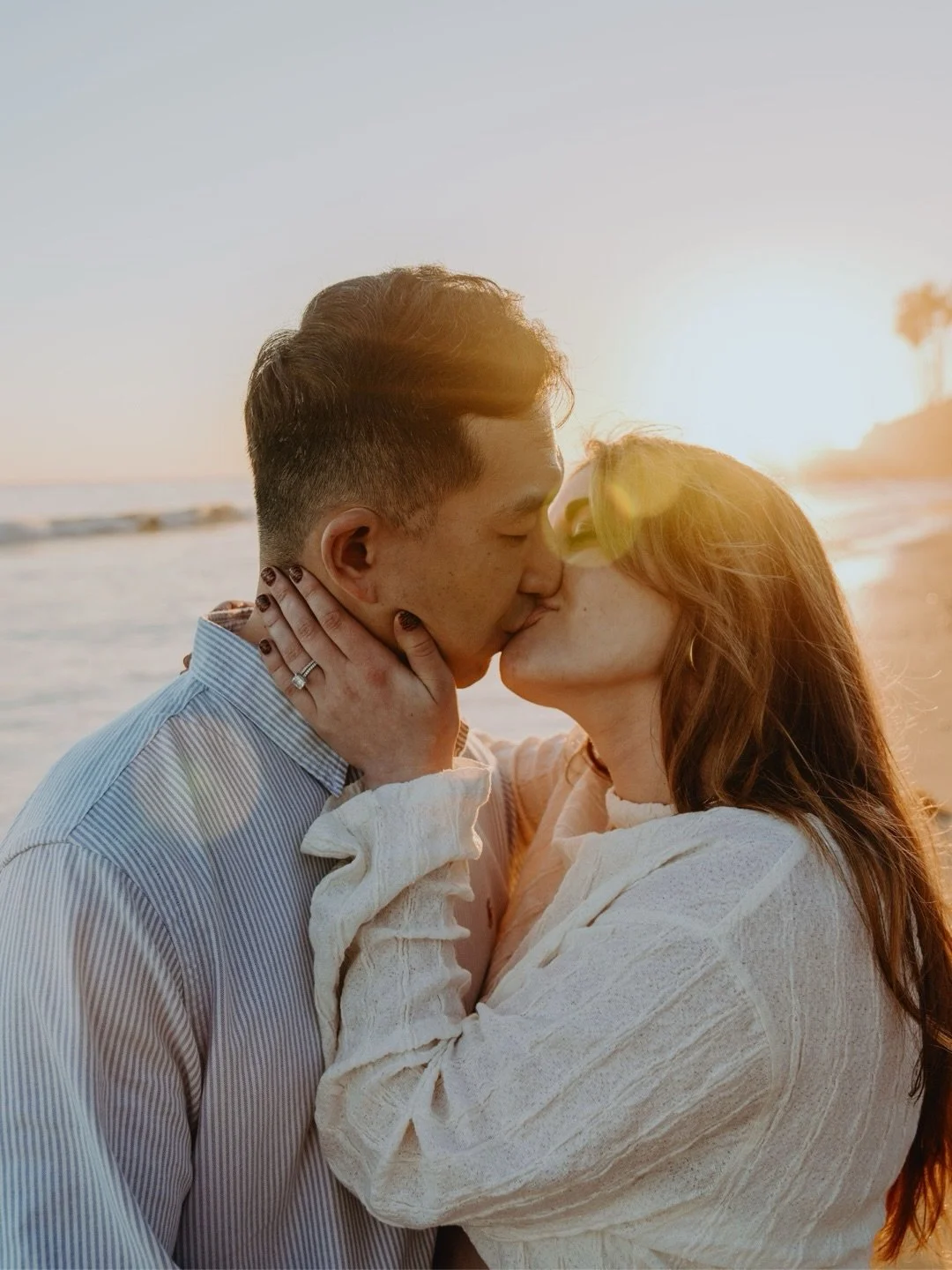
Creates Natural Backlighting: The low angle of the sun during golden hour makes it easy for photographers to position couples for stunning backlit shots. This technique produces a romantic halo effect around the bride and groom, making them appear to glow from within.
Enhances Romantic Atmosphere: The warm light naturally creates an ethereal, dreamy quality that perfectly complements the emotional nature of weddings. These photos feel intimate and magical in a way that’s difficult to achieve with artificial lighting or harsh daylight.
Produces Magazine-Quality Results: Golden hour wedding photos have that professional, cinematic look that you see in wedding magazines and Pinterest boards. The naturally flattering light means less post-processing work is needed to achieve stunning results.
The golden light during this hour wedding photos session can transform even simple moments into unforgettable memories. Whether it’s an intimate kiss, a quiet laugh between the bride and groom, or a wide shot of your venue bathed in warm light, every image benefits from the magical qualities of this special time.
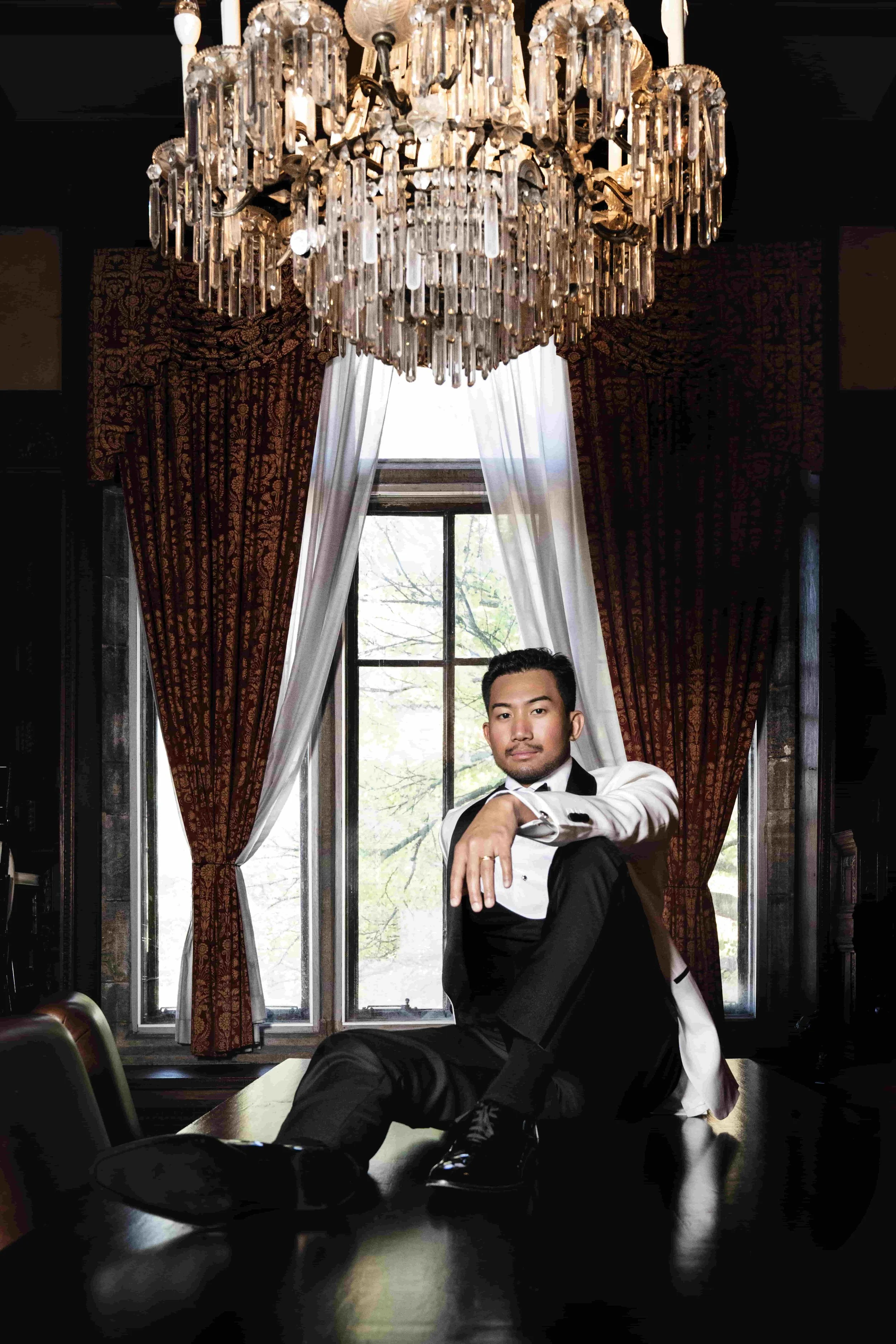


When Does Golden Hour Happen on Your Wedding Day
Understanding exactly when golden hour occurs on your specific wedding date and location is crucial for planning purposes. The timing varies significantly based on several factors that couples often overlook during wedding planning.
Seasonal Variations: The sunset time changes dramatically throughout the year. Summer weddings might see golden hour beginning around 7-8pm, while winter ceremonies could experience this magical light as early as 4-5pm. This seasonal difference can impact your entire wedding timeline and reception planning.
Geographic Location Impact: Your venue’s location plays a major role in golden hour timing. Northern states experience longer golden hour periods during summer months, sometimes lasting up to 90 minutes. Southern locations typically have shorter but more intense golden hour windows, often 30-45 minutes.
Landscape and Terrain Considerations: Mountains, tall buildings, dense forests, and other geographical features can significantly shorten your available golden hour time. A venue nestled in a valley might lose direct sunlight 30-60 minutes earlier than an open field location.
Precise Planning Tools: Don’t rely on general sunset times listed on weather websites. Use specialized photography apps like PhotoPills, SunSurveyor, or TimeandDate.com to calculate exact timing for your specific venue location. These tools account for geographical coordinates, elevation, and seasonal variations.
Season
Summer
7:00-8:30 PM
60-90 minutes
Longer timeline needed
Fall
5:30-7:00 PM
45-75 minutes
Perfect for early evening ceremonies
Winter
4:00-5:30 PM
30-60 minutes
Plan earlier ceremony times
Spring
6:00-7:30 PM
45-75 minutes
Weather backup important
For optimal golden hour wedding photos, plan to start your portrait session 90 minutes before sunset. This gives you time to capture the full sequence of changing light, from the bright golden glow to the softer, more dramatic tones that occur as the sun approaches the horizon.
How to Plan Your Wedding Timeline for Golden Hour Photos


Creating a wedding timeline that incorporates golden hour photography requires coordination between multiple vendors and careful consideration of your priorities. The key is building flexibility into your schedule while ensuring you don’t miss this magical window of light.
Early Coordination is Essential: Begin discussing golden hour plans with your wedding photographer during your initial consultation, ideally 2-3 months before your wedding date. Your photographer can help calculate exact timing based on your venue and provide timeline recommendations that work with your vision.
Buffer Time Strategy: Build 30-45 minutes of buffer time into your wedding timeline to account for inevitable delays. Ceremonies often run late due to guest arrival delays, vendor setup issues, or simply the emotional pace of the day. This buffer ensures you’ll still capture golden hour magic even if your timeline shifts.
Vendor Communication: Inform key vendors including your DJ, caterer, and wedding coordinator about your golden hour photo plans. They need to understand when you’ll be stepping away for photos and how this affects other timeline elements like cocktail hour, dinner service, and reception activities.
Location Logistics: Determine whether you’ll stay at your venue for golden hour photos or travel to a nearby location with better sunset views. If traveling is necessary, factor in transportation time and ensure your wedding party knows the plan.
First Look Plus Golden Hour Strategy
This approach works exceptionally well for couples who want intimate, relaxed golden hour portraits without feeling rushed. By scheduling your first look 2-3 hours before your ceremony, you complete most formal photos early in the day, leaving golden hour exclusively for couple portraits.
Timeline Example for 6 PM Ceremony:
2:30 PM: Bride and groom final preparations
3:00 PM: First look and couple portraits
3:30 PM: Wedding party photos
4:00 PM: Family photos with immediate family
5:00 PM: Final preparations and guest arrival
6:00 PM: Ceremony
6:30 PM: Cocktail hour begins
7:30 PM: Golden hour couple portraits (45-60 minutes)
8:30 PM: Reception entrance and dinner
This strategy allows you to be fully present with your guests during cocktail hour, then step away for intimate golden hour photos while everyone enjoys drinks and appetizers. The just married energy combined with golden light creates incredibly romantic and authentic wedding images.
Ceremony During Golden Hour Approach
For couples who want their ceremony itself bathed in golden light, timing your wedding to end as golden hour begins creates seamless opportunities for immediate couple portraits. This works particularly well for outdoor ceremonies with good sunset views.
Key Considerations:
Ceremony must end with sufficient time for 30-45 minute photo session
Guests enjoy cocktail hour while couple takes photos
Captures authentic post-ceremony emotions in magical light
Requires venue with accessible sunset viewing areas
The emotional high immediately following your ceremony combined with the romantic atmosphere of golden hour produces some of the most powerful wedding photos. Your photographer can capture the joy, relief, and love you’re feeling in the most flattering natural light possible.
Reception “Escape Session” Method
This approach involves sneaking away during your cocktail hour for a quick 15-30 minute golden hour session. While shorter than other methods, it still provides opportunities for stunning photos without disrupting your reception flow significantly.
Implementation Tips:
Coordinate with your DJ to make a brief announcement about your return
Choose your most important shot list items for this shortened session
Ensure your wedding coordinator manages guest questions about your absence
Plan route back to reception for smooth re-entry
This method works well for couples who prioritize being present with guests but still want some golden hour magic in their wedding photos. The key is having a well-organized timeline and experienced photographer who can work efficiently in the limited timeframe.
Essential Camera Settings and Technical Tips for Golden Hour

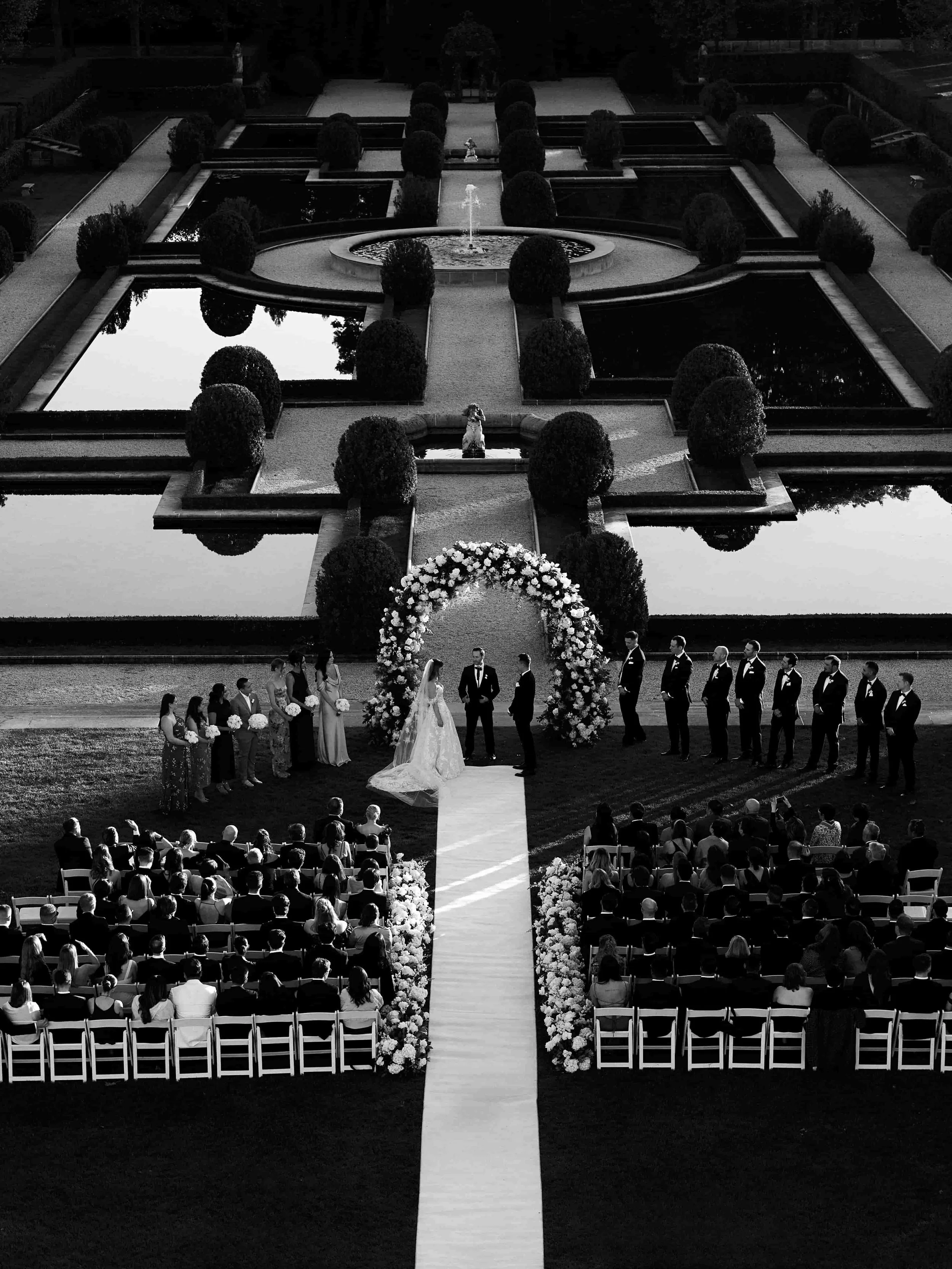
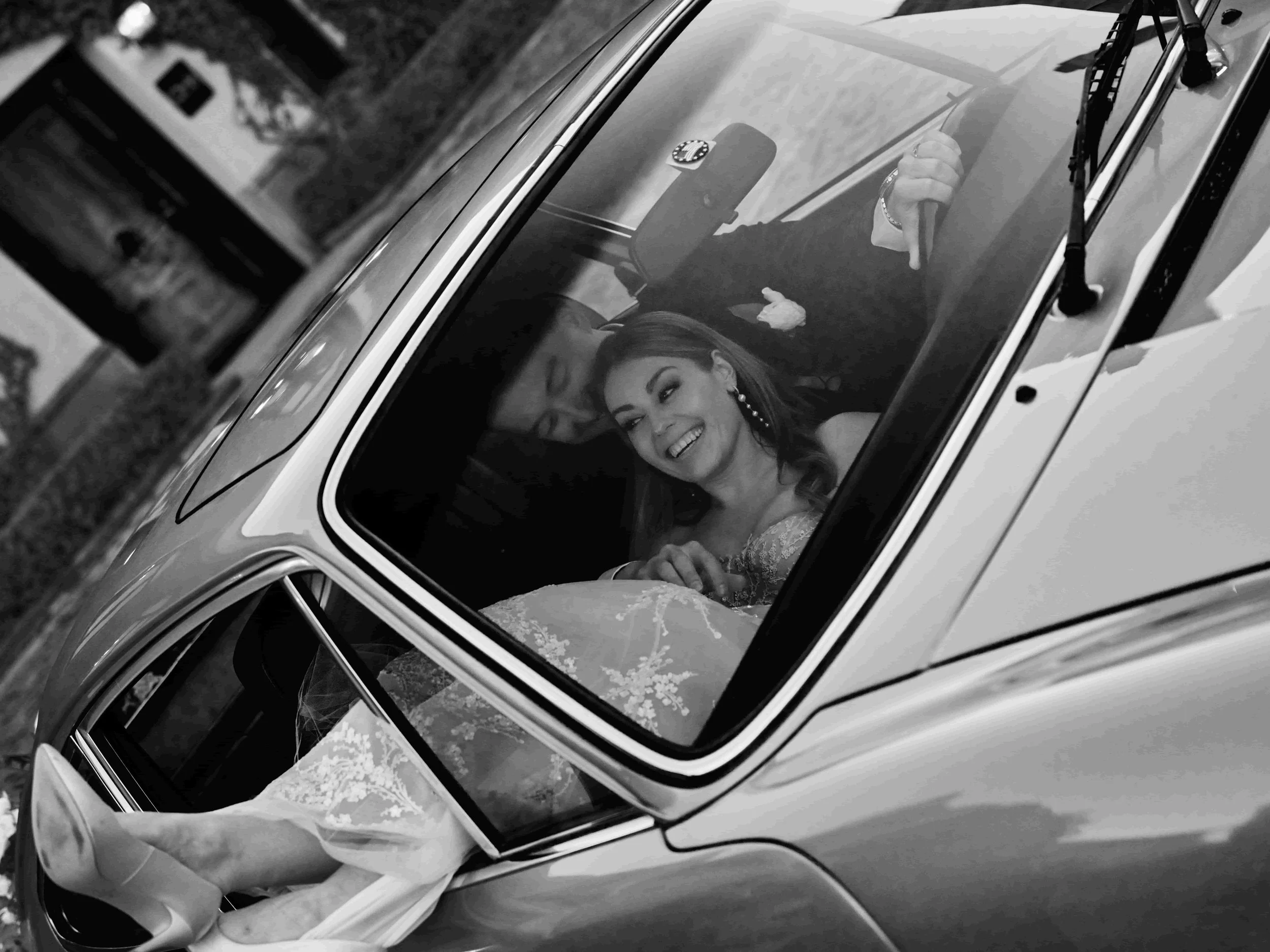


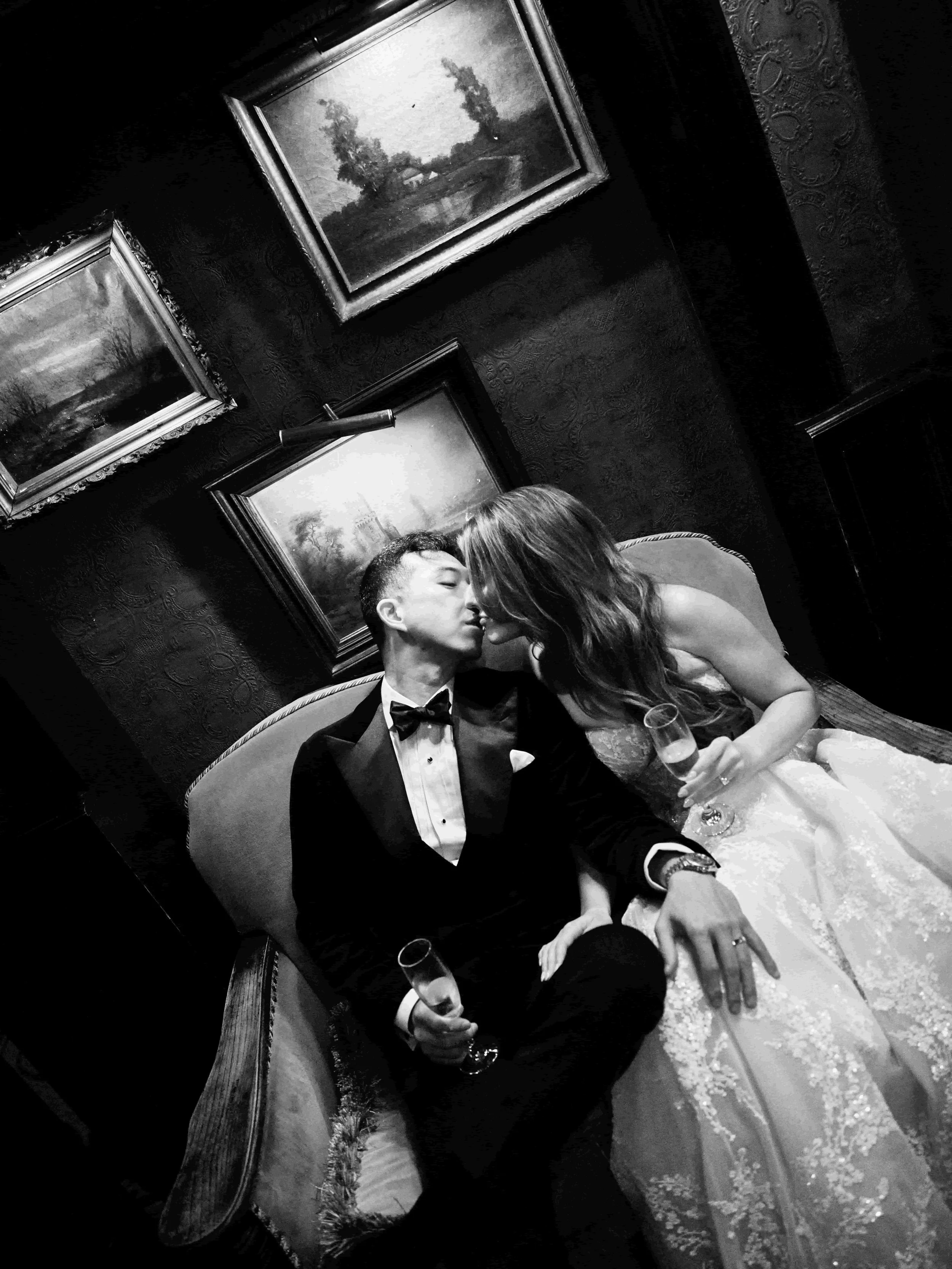
While you’ll rely on your wedding photographer’s expertise for technical execution, understanding the basics of golden hour photography can help you better communicate your vision and set realistic expectations for your golden hour wedding photos.
ISO Management for Golden Hour: Professional photographers typically keep ISO settings low (100-400) during golden hour to maintain the highest image quality. The abundant natural light during this period allows for these optimal settings without sacrificing shutter speed. As the sun sets and light diminishes, your photographer may gradually increase ISO to maintain sharp images.
Aperture Selection for Effect: Your photographer will adjust aperture settings based on the specific look you want to achieve. Wider apertures (f/1.4-f/2.8) create that dreamy background blur that makes couples stand out dramatically against soft, glowing backgrounds. Narrower apertures (f/4-f/8) keep more of the scene in focus, perfect for shots that showcase both couple and beautiful sunset landscape.
Rapid Light Changes: Golden hour light changes constantly as the sun moves toward the horizon. Experienced photographers adjust exposure every 5-10 minutes to account for these changes, ensuring consistent image quality throughout your session. This is why working with a photographer skilled in golden hour techniques makes such a difference in final results.
Spot Metering for Backlighting: When creating those magical backlit shots, your photographer uses spot metering to properly expose your faces rather than the bright sky behind you. This technical approach ensures you remain perfectly lit while preserving the golden glow in the background.
Essential Equipment Considerations:
Fast lenses with wide maximum apertures for low-light performance
Reflectors to bounce golden light into shadowed areas
Backup camera bodies in case of equipment failure during this crucial window
Filters to manage intense light and enhance warm tones
The best light for wedding photography occurs during this golden hour window, but capturing it properly requires technical expertise that goes beyond automatic camera settings. This is why investing in an experienced photographer who specializes in golden hour techniques is crucial for achieving the wedding images you envision.
Stunning Golden Hour Wedding Photo Ideas and Poses
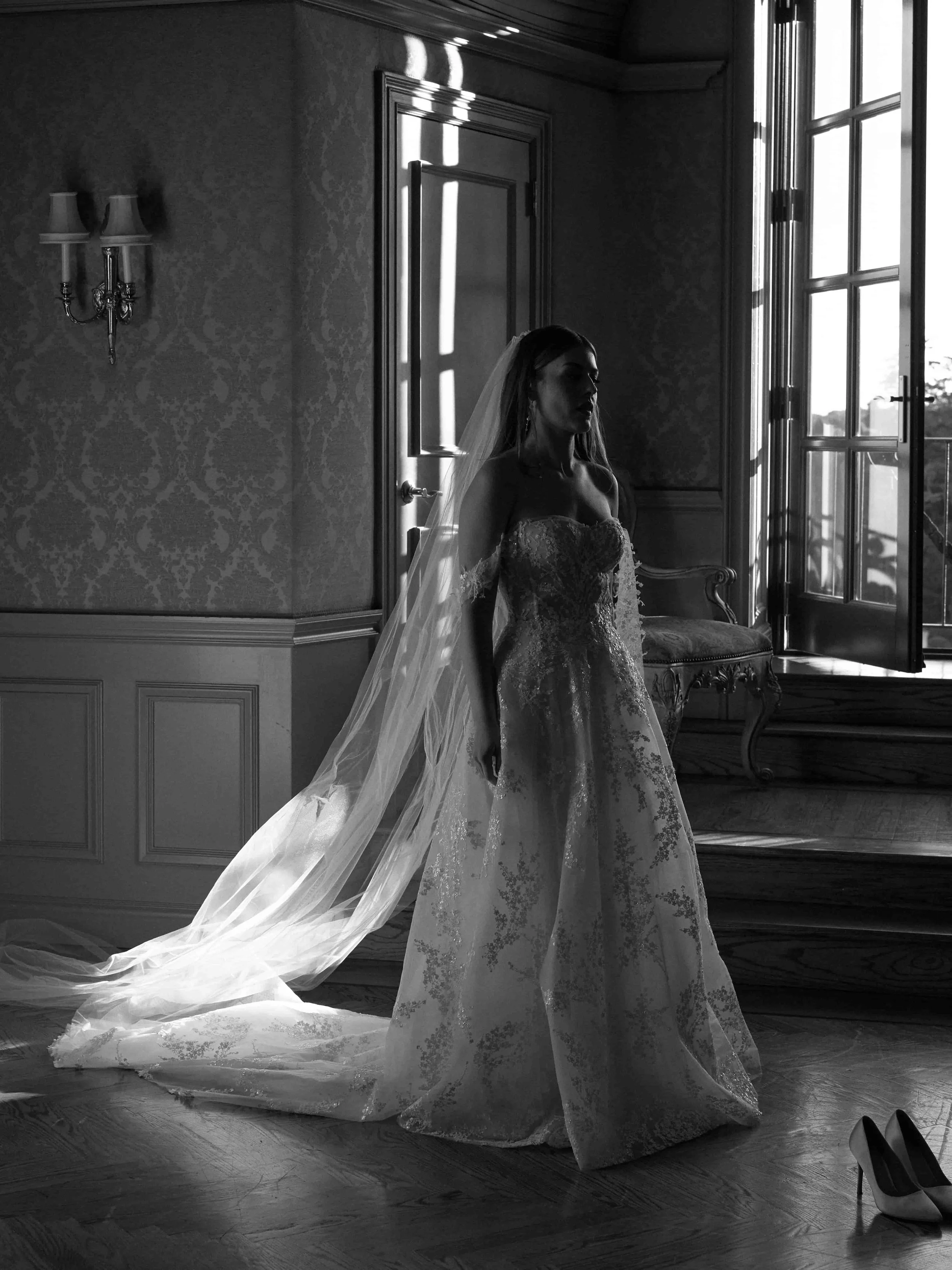


Golden hour wedding photography opens up a world of creative possibilities that simply aren’t achievable in other lighting conditions. The warm, directional light creates opportunities for both intimate portraits and dramatic artistic shots that will become your favorite photos from the entire wedding day.
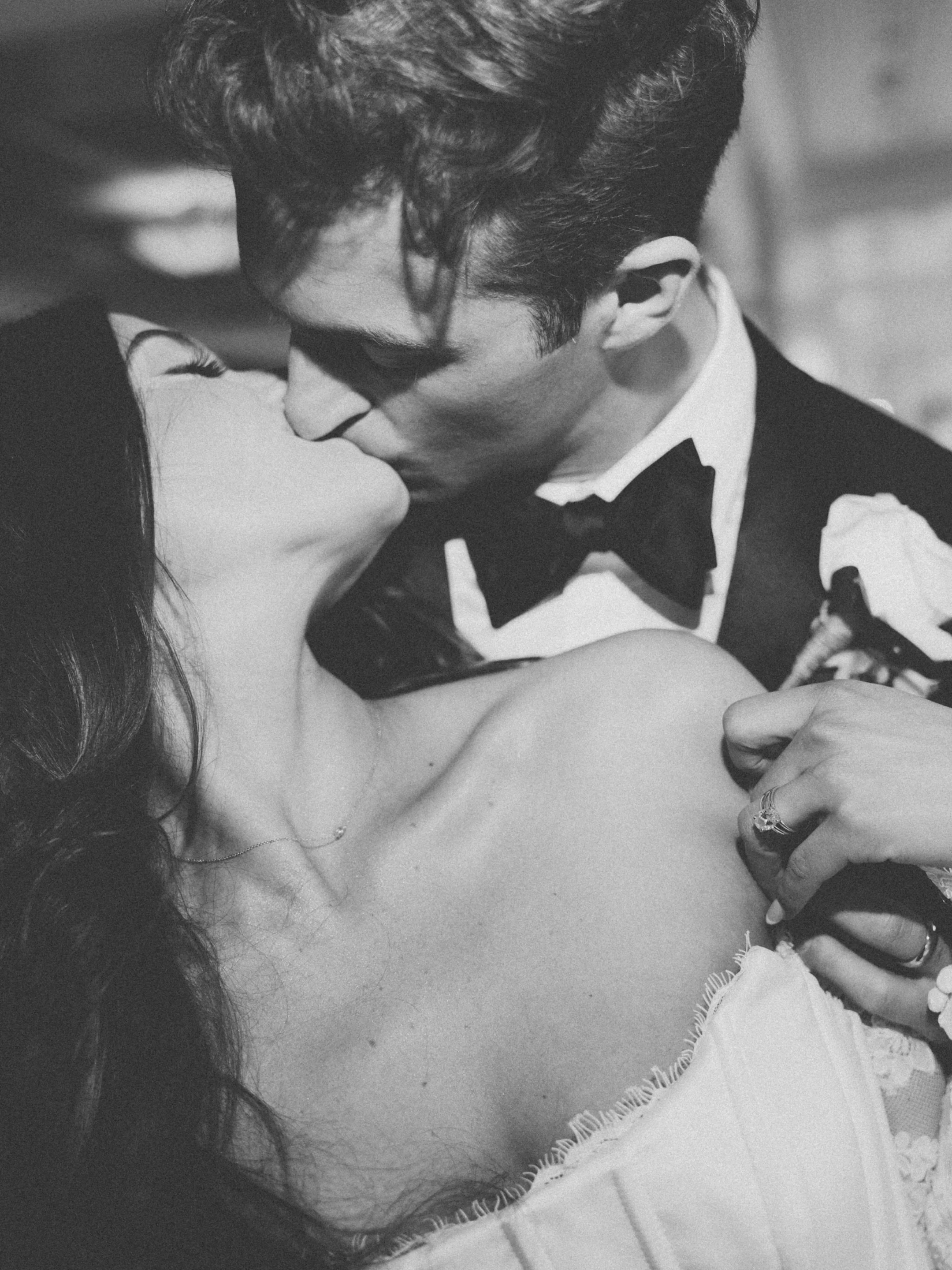
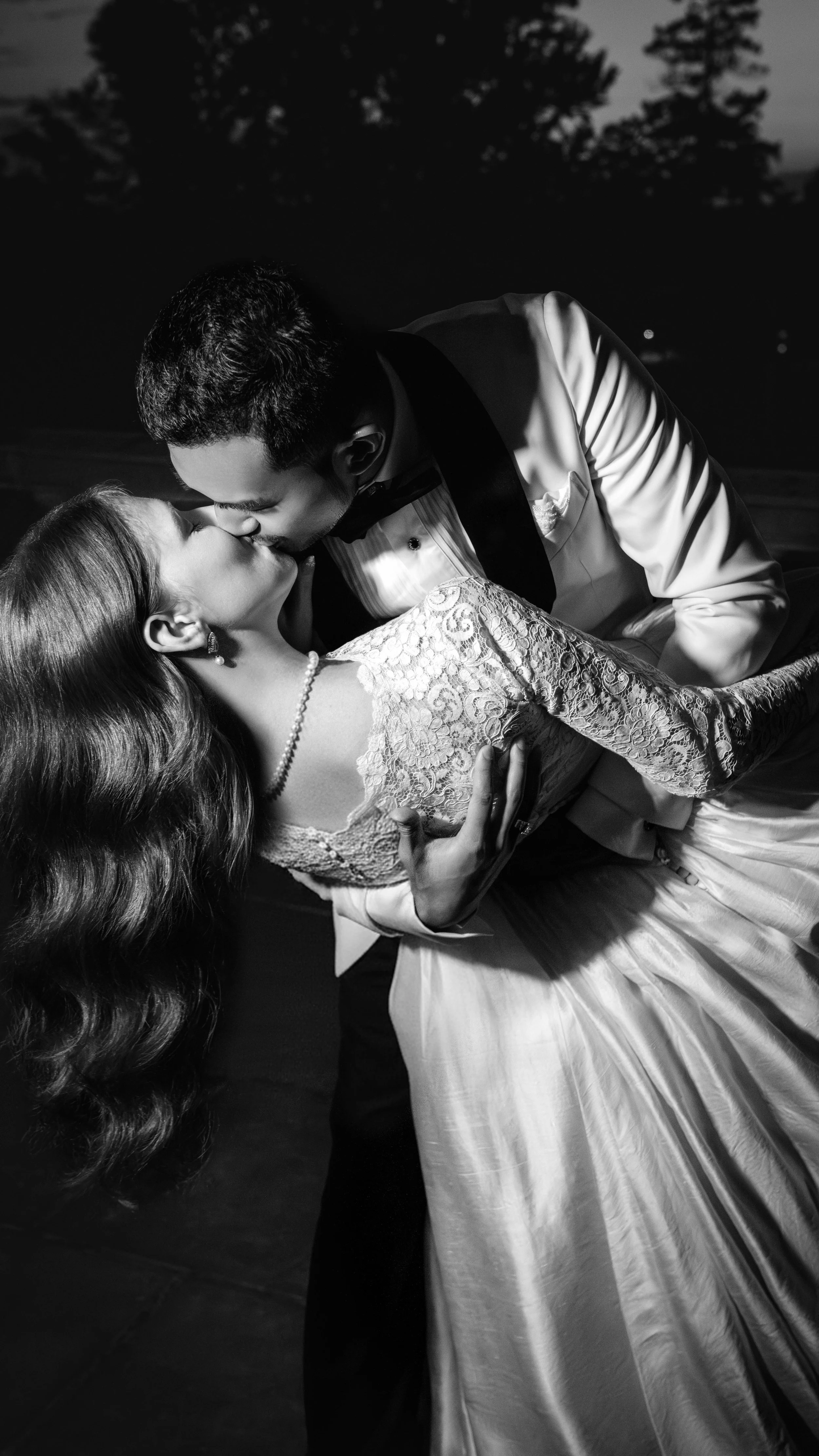
Backlit Kiss Photos with Halo Effect: Position yourselves with the setting sun directly behind you while your photographer shoots from the front. This technique creates a luminous halo around both of you, making the kiss appear magical and ethereal. The key is having your photographer meter for your faces while allowing the background to glow softly.
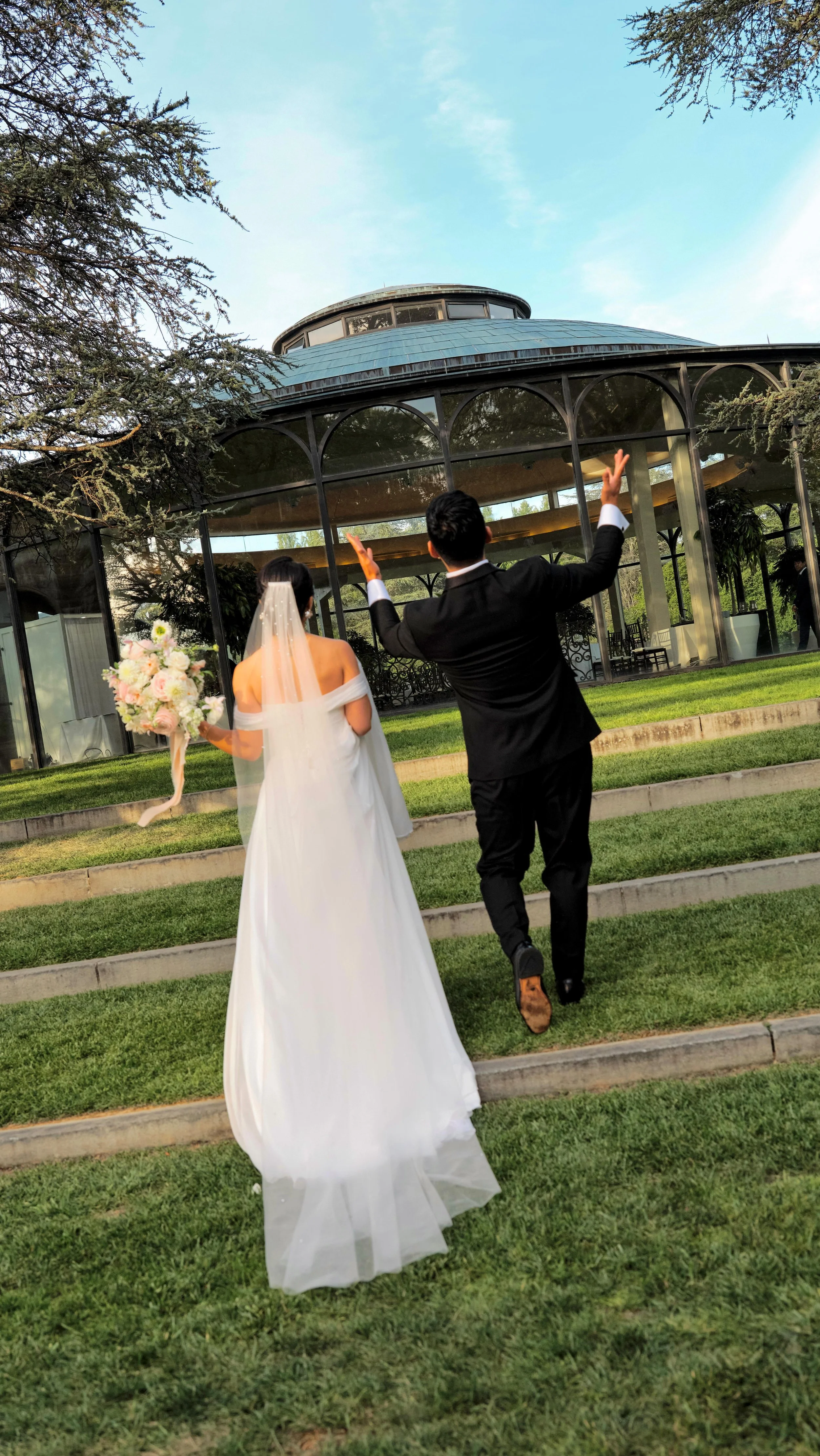
Walking Hand-in-Hand Movement Shots: Natural interaction photos work beautifully during golden hour because the soft light flatters movement and creates a romantic feel. Walk slowly toward or away from your photographer, laugh together, or simply enjoy quiet conversation. These candid moments often become the most treasured images because they capture authentic joy and connection.
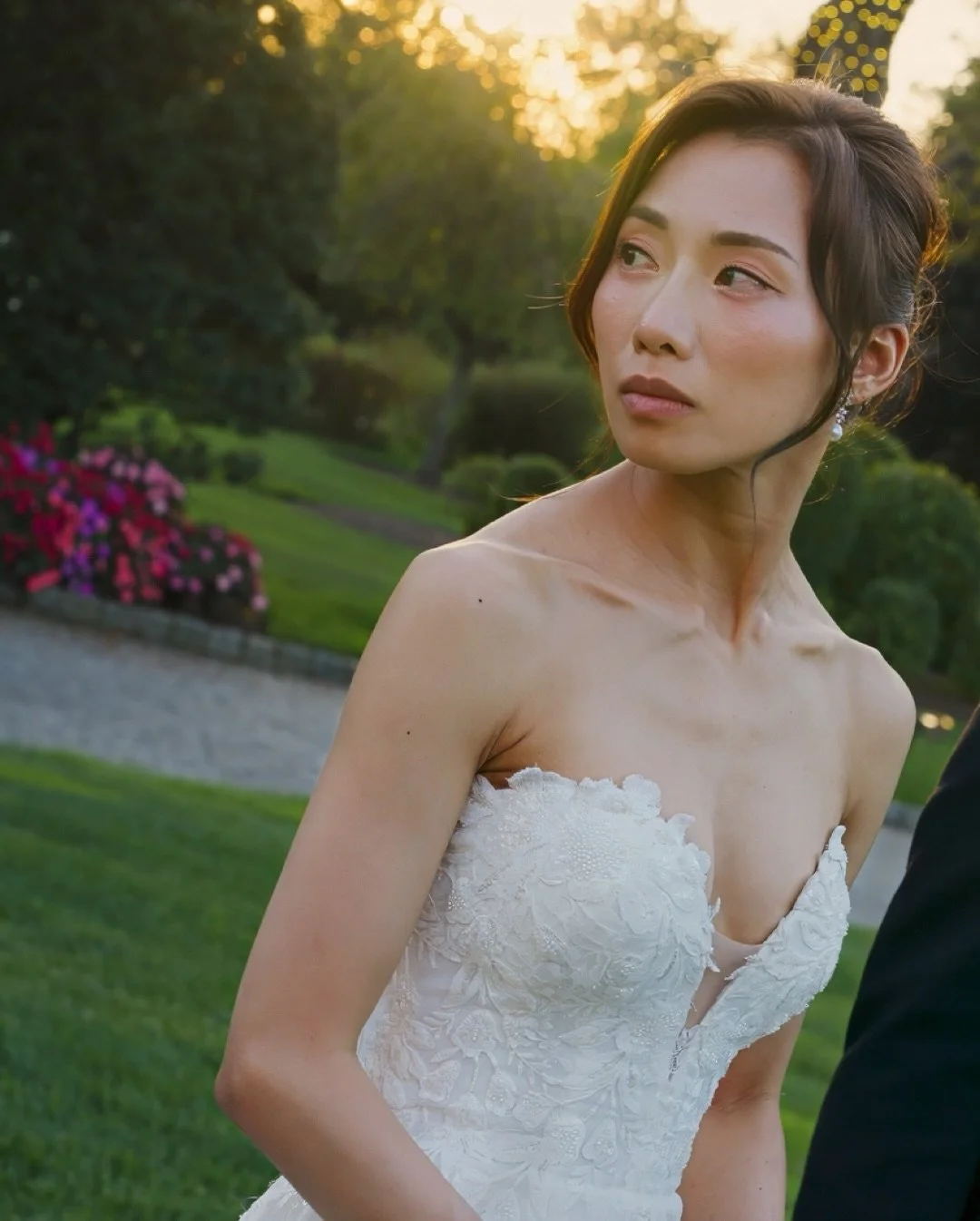
Close-Up Portraits with Golden Rim Lighting: The low angle of the sun during golden hour creates stunning rim lighting that highlights facial features and adds dimension to close-up portraits. Your photographer can position you so that golden light skims across your skin, creating a soft glow that enhances natural beauty without harsh shadows.
Silhouette Photos Against Colorful Sky: As the sun approaches the horizon, the sky often displays vibrant colors that provide a dramatic backdrop for silhouette photography. These images focus on your shapes and connection rather than facial details, creating artistic wedding photos that emphasize emotion and romance.
Wide Landscape Shots: Golden hour light transforms entire landscapes, making wide shots that show you in context with your beautiful surroundings incredibly impactful. Whether it’s rolling hills, beach coastlines, or urban skylines, the warm light enhances every element in the frame while keeping you as the focal point.
Candid Laughter and Playful Moments: The flattering quality of golden hour light means every expression looks beautiful, making this perfect time for capturing genuine laughter, playful interactions, and spontaneous moments. These naturally beautiful photos often feel more authentic than formally posed shots.
Specific Positioning Tips:
For backlit shots, position bride slightly in front of groom to create layered silhouettes
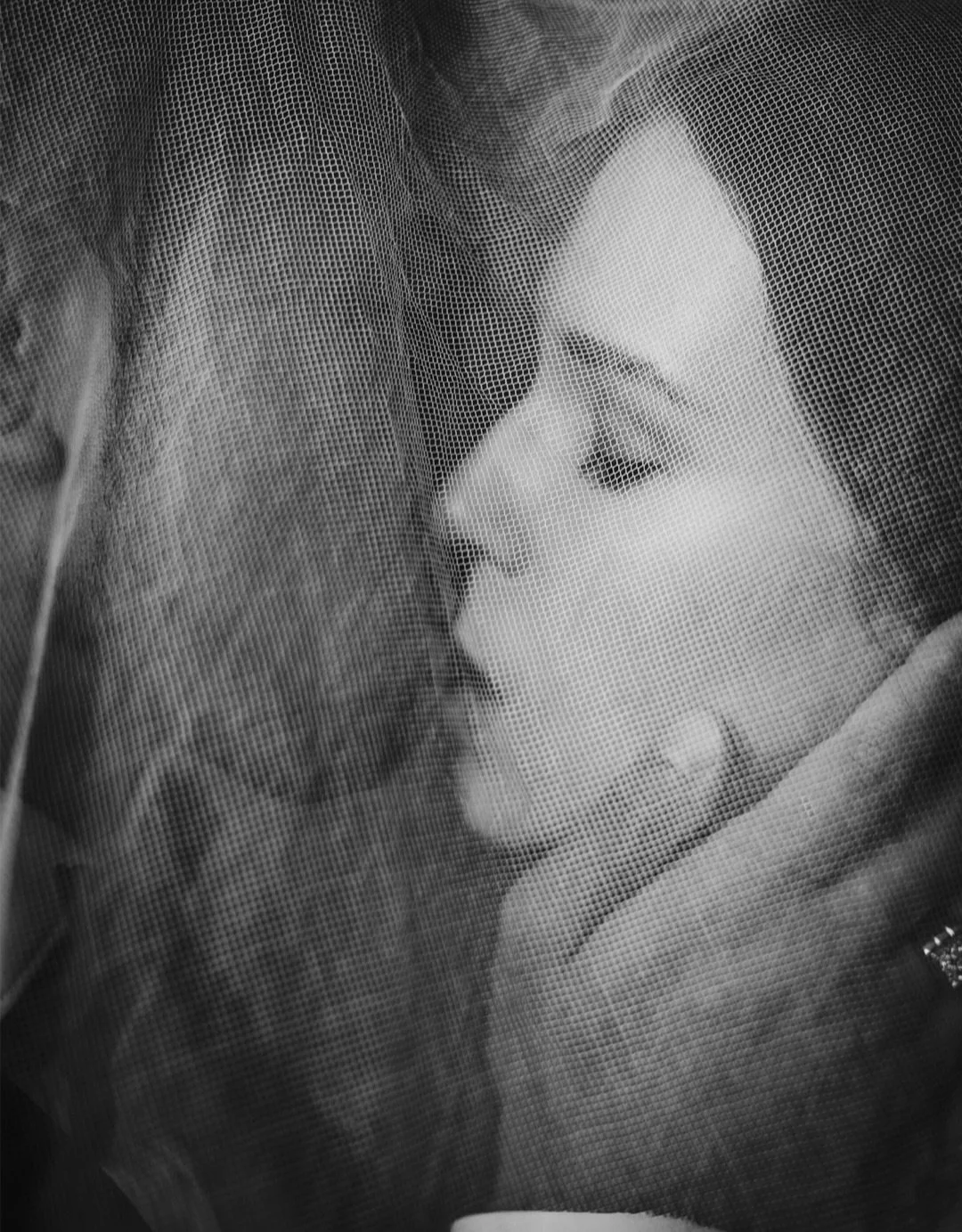
Use bride’s veil as a prop for movement and added texture in the golden light
Incorporate venue architecture or landscape features to add depth and context
Vary your distance from photographer to create both intimate close-ups and sweeping wide shots
The magic hour provides naturally beautiful conditions that enhance every pose and interaction. Your experienced photographer will guide you through various positions and movements while taking advantage of how the golden light changes throughout your session.
Choosing the Perfect Location for Golden Hour Wedding Photos

The location you choose for golden hour wedding photos can make the difference between good images and absolutely stunning ones. The ideal spot combines unobstructed sunset views with meaningful backdrops that reflect your personal style and wedding aesthetic.
Open Fields and Meadows: These locations provide unobstructed views of the horizon, allowing you to capture the full drama of golden hour light. Fields also offer flexibility for both wide landscape shots and intimate close-ups. The natural glow from the setting sun creates a romantic atmosphere that feels timeless and ethereal.
Beach and Waterfront Settings: Water reflects and amplifies golden hour light, creating a magical doubling effect. The horizon line over water provides clean, uncluttered backgrounds that let you be the focal point. Beach locations also offer opportunities for silhouette photos against dramatic skies as the sun sets over the water.
Vineyard and Garden Locations: These settings combine the romance of golden light with lush, beautiful backdrops. Vineyards offer rolling landscapes and architectural elements like arbors or stone walls. Gardens provide intimate settings with natural beauty that complements the warm glow of golden hour.
Urban Rooftops and Balconies: City settings during golden hour create a different kind of magic, with golden light reflecting off buildings and creating dramatic urban landscape backdrops. Rooftop locations provide elevation that maximizes your sunset views while incorporating city skylines into your romantic feel photos.
Venue Scouting Checklist:
Visit potential locations during golden hour weeks before your wedding date
Identify 2-3 backup spots in case your primary location doesn’t work
Consider accessibility for wedding attire - avoid locations requiring difficult walks in formal wear
Evaluate parking and restroom accessibility for your wedding party
Check for any permit requirements or access restrictions
Backup Indoor Considerations: Even with perfect planning, weather may not cooperate on your wedding day. Identify indoor locations with large west-facing windows that can capture warm light. Hotel lobbies, venues with floor-to-ceiling windows, or covered outdoor spaces can provide alternatives that still take advantage of golden hour light.
Working with Your Venue: Many wedding venues have optimal spots for golden hour photos that regular visitors never discover. Ask your venue coordinator about lesser-known areas with great sunset views. They may have elevated terraces, hidden garden paths, or architectural features that create perfect backdrops when combined with golden light.
The exact location matters less than ensuring unobstructed access to western sky views and creating a setting that reflects your personal style. The naturally beautiful quality of golden hour light can transform almost any location into a magical setting for your wedding photos.
What to Do When Weather Doesn’t Cooperate


Not every wedding day features perfect weather, but experienced photographers know how to create beautiful golden hour wedding photos regardless of conditions. Understanding how different weather scenarios affect golden hour light helps set realistic expectations and ensures you’ll still get stunning images.
Overcast Skies and Golden Hour: Cloudy conditions actually create incredibly soft, diffused light that’s extremely flattering for portraits. While you won’t see the dramatic golden glow, overcast golden hour produces even, natural glow lighting that eliminates harsh shadows completely. Many photographers actually prefer these conditions for skin tone enhancement and detail capture.
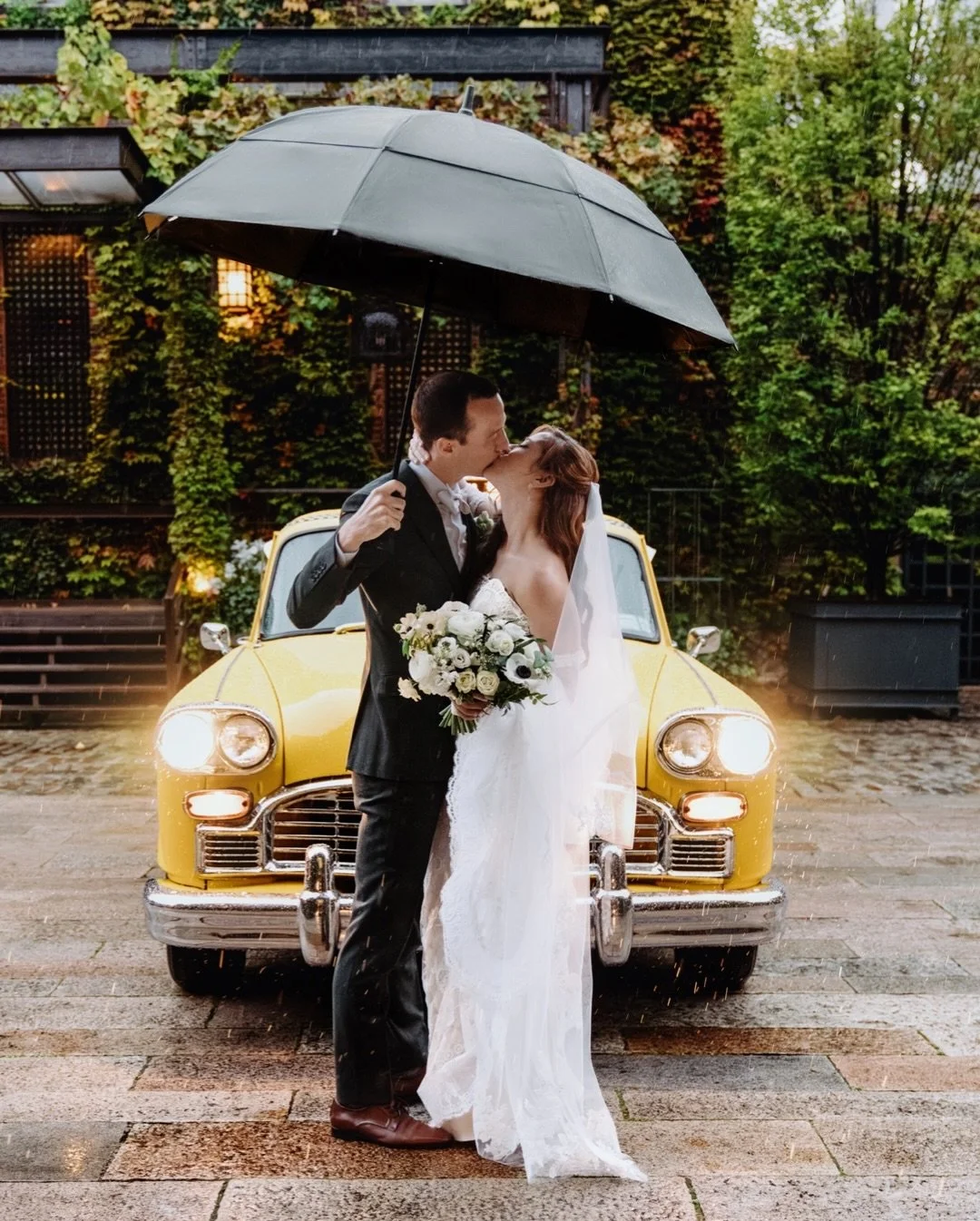
Rainy Weather Alternatives: Rain doesn’t have to ruin your golden hour session. Covered pavilions, large windows, or architectural overhangs can provide protection while still accessing available light. Rain can also create unique romantic opportunities - umbrellas, reflections in puddles, and dramatic sky conditions often produce surprisingly beautiful wedding images.
Using Alternative Light Sources: When natural golden hour light isn’t available, professional photographers have backup strategies. String lights, candles, lanterns, or architectural lighting can add warmth to photos. While these don’t replicate true golden hour light, skilled photographers can create romantic, warm lighting that complements your wedding attire and setting.
Embracing Moody Conditions: Cloudy, dramatic skies often create film-like, moody wedding photography that has its own appeal. These conditions can produce more intimate, cozy feelings in photos that some couples actually prefer over bright, sunny conditions. Trust your photographer’s expertise in working with whatever conditions your wedding day provides.
Weather Backup Strategies:
Weather Condition
Photography Approach
Expected Results
Overcast
Soft, even lighting
Flattering portraits, enhanced skin tones
Light Rain
Covered areas, dramatic skies
Moody, romantic atmosphere
Heavy Clouds
Embrace dramatic conditions
Film-like, artistic images
Bright Sun
Shaded areas, reflectors
Classic, vibrant photos
Mindset and Expectations: The most important factor in dealing with weather challenges is maintaining a positive attitude and trusting your photographer’s experience. Many couples discover that their “imperfect” weather conditions actually produced their favorite photos because the unique lighting created images that stand out from typical sunny day wedding photography.
Communication with Your Photographer: Discuss weather backup plans during your pre-wedding consultation. Your photographer should have experience working in various conditions and strategies for creating beautiful images regardless of weather. This preparation helps ensure smooth execution on your wedding day, whatever Mother Nature provides.
Remember that your love story and the emotion of your wedding day matter more than perfect weather conditions. Skilled photographers can create unforgettable moments and treasure forever memories in any lighting situation.
Communication and Coordination Tips
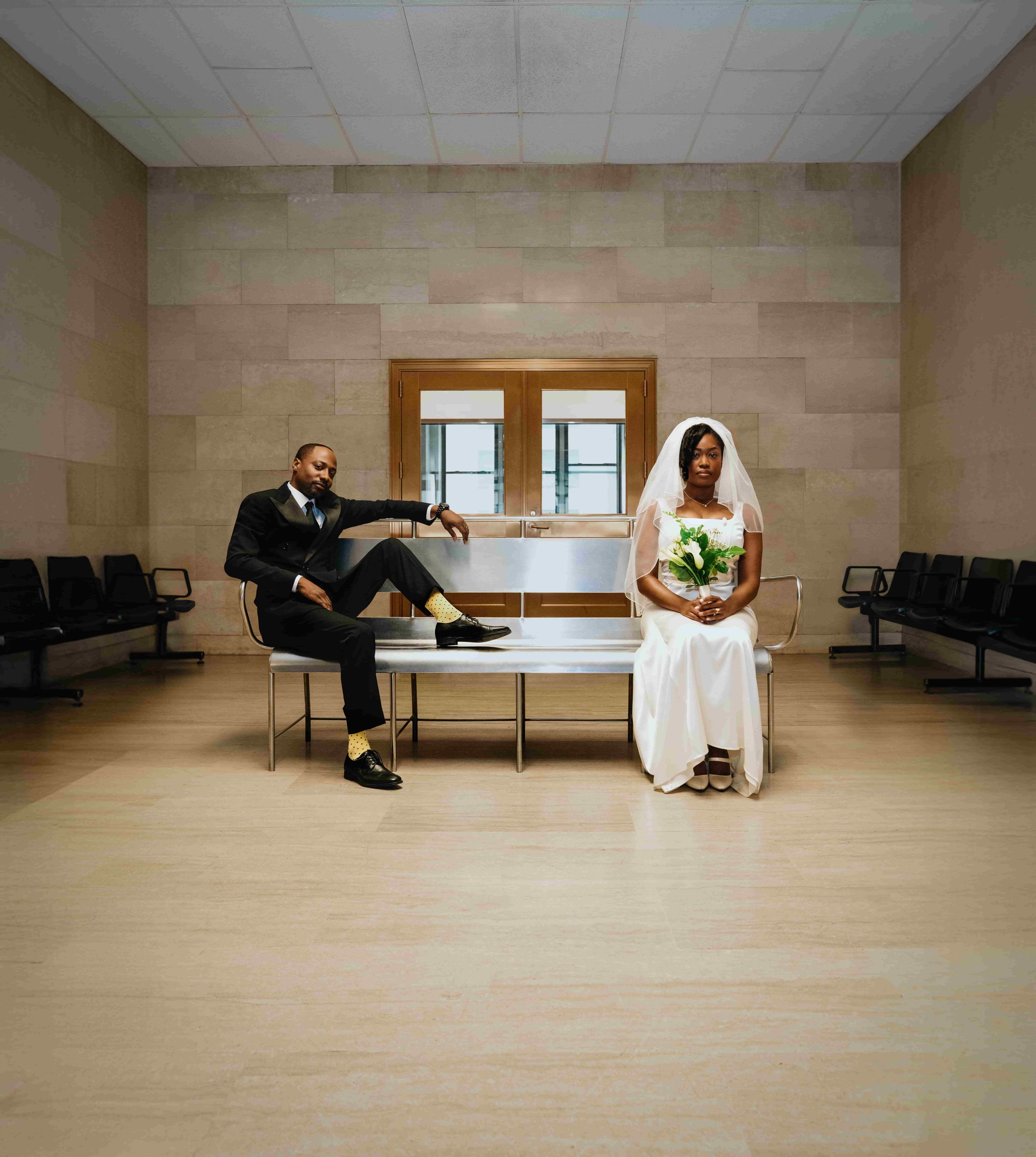

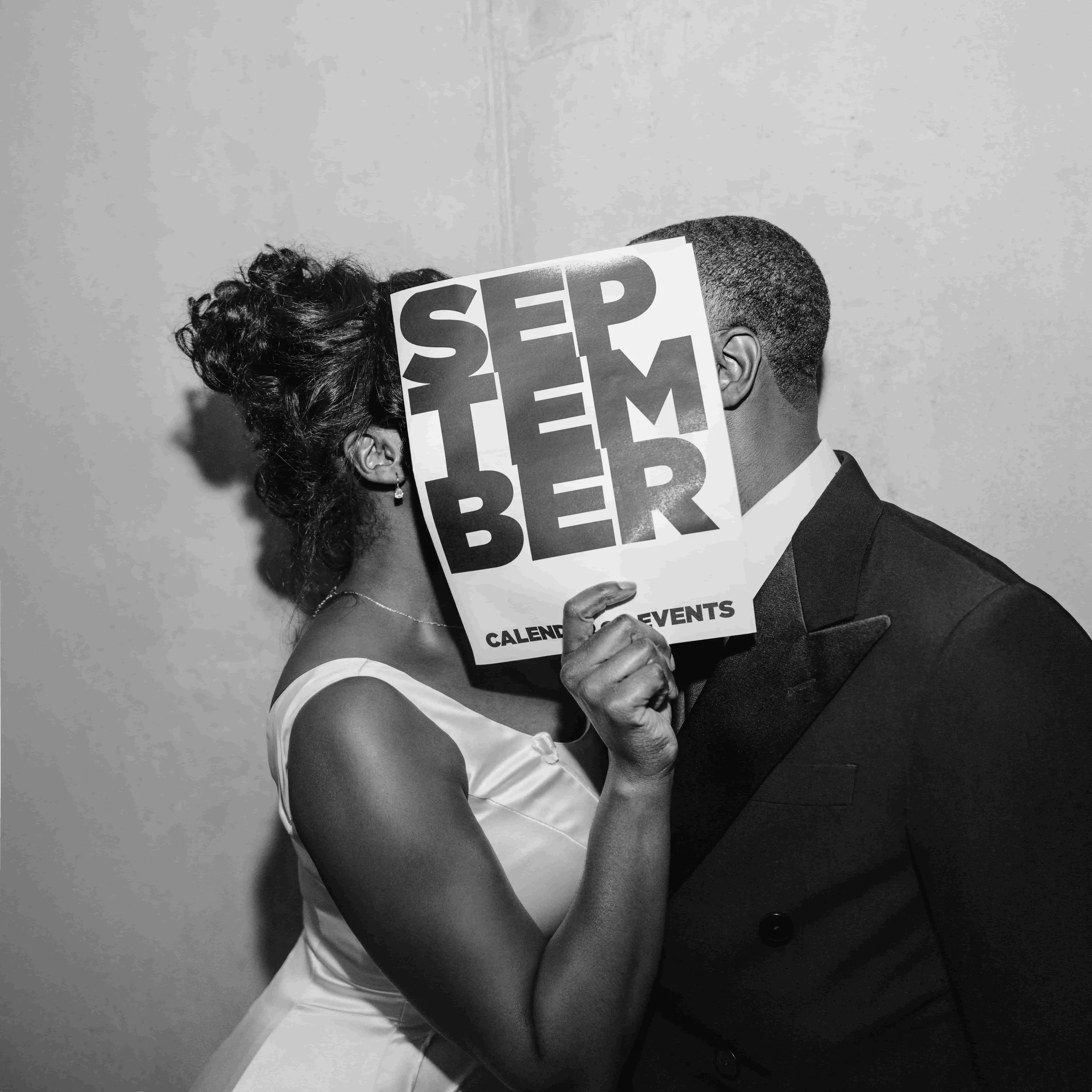
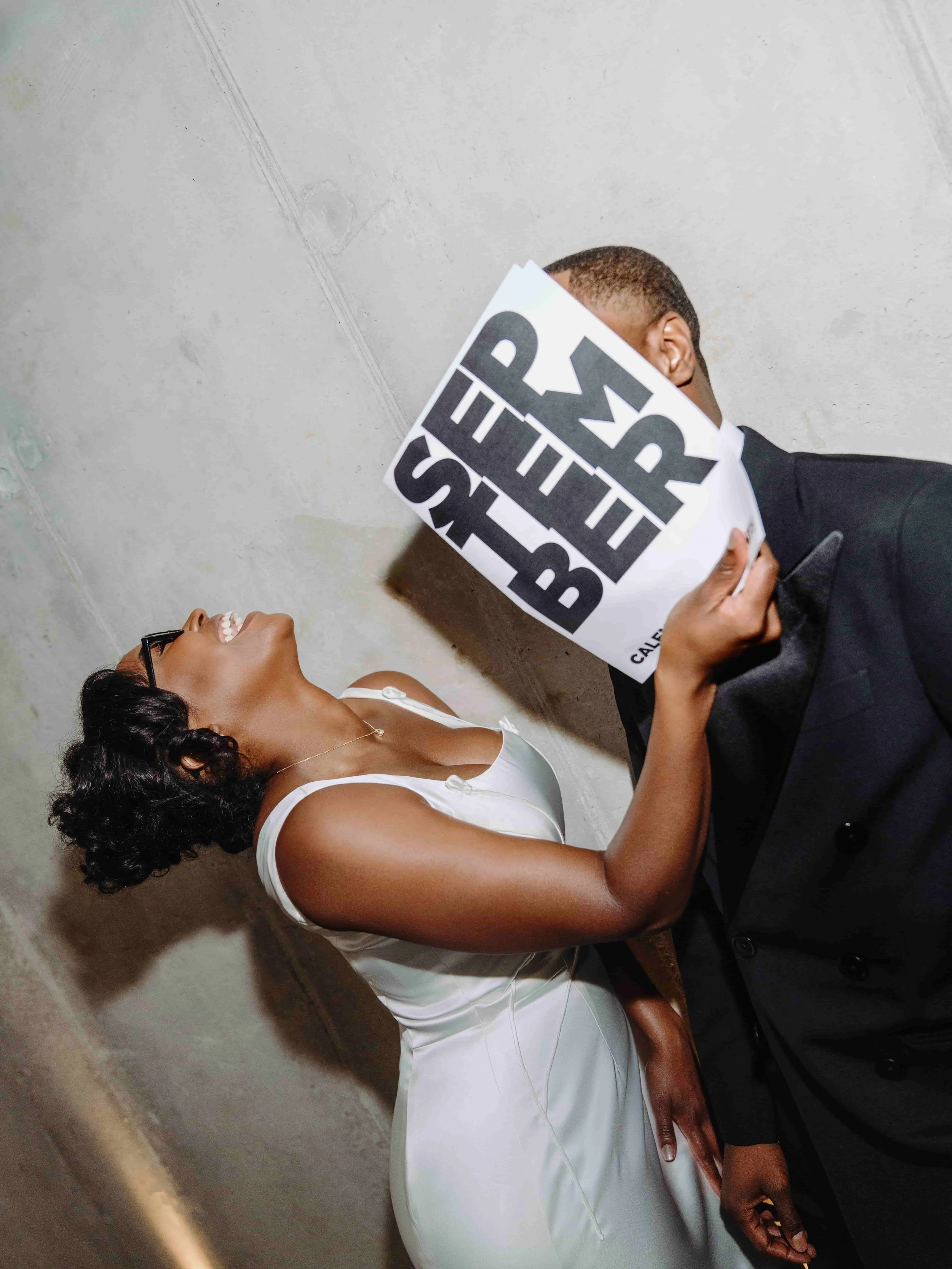

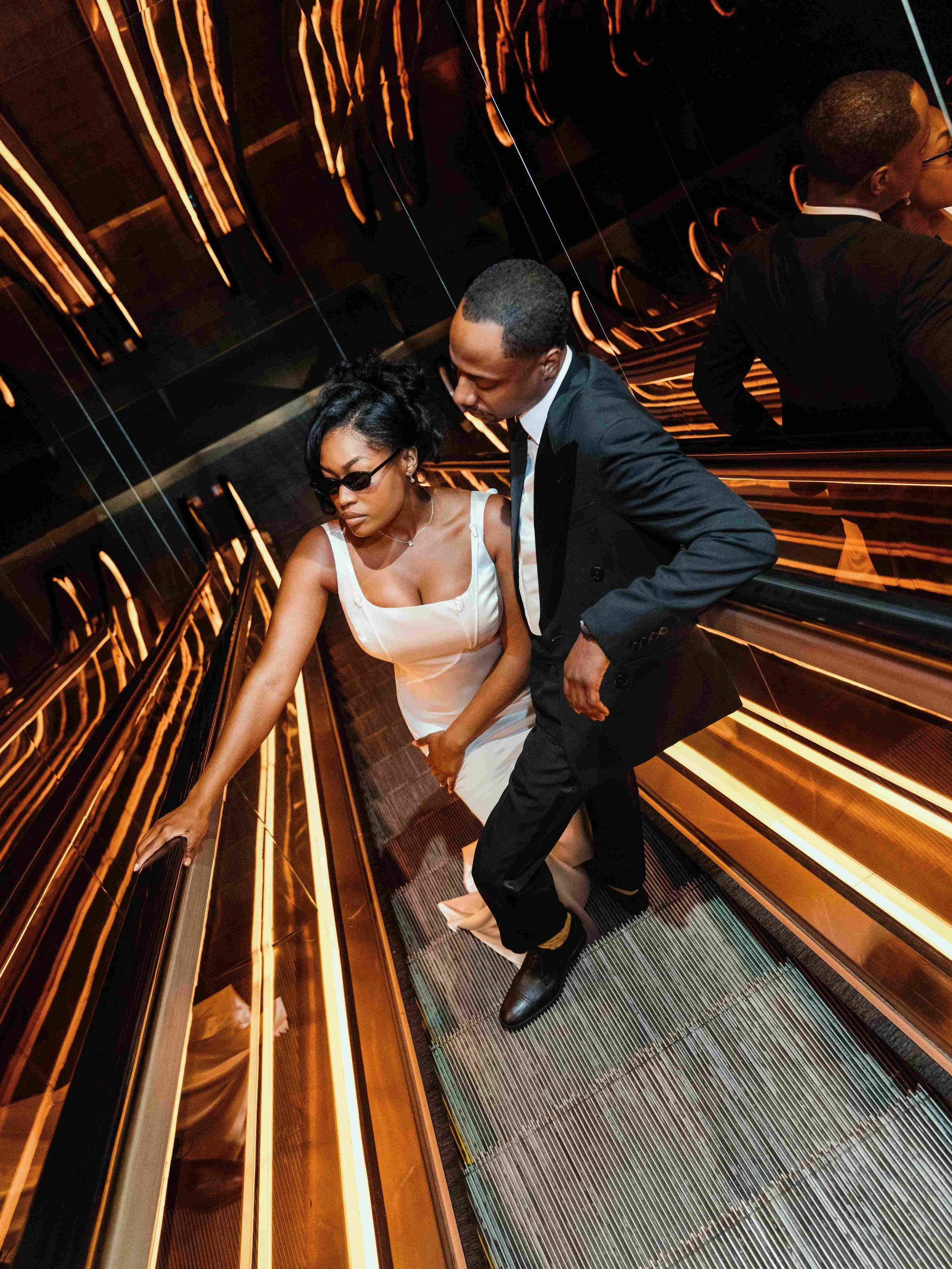
Successful golden hour wedding photos require seamless coordination between you, your wedding photographer, and your entire vendor team. Clear communication and advance planning ensure everyone understands the timeline and their role in making your golden hour session successful.
Initial Photographer Consultation: Discuss your golden hour vision during your very first meeting with potential photographers. Share inspiration photos, explain your priorities, and ask about their experience with golden hour wedding photography. This conversation helps you select a photographer whose style aligns with your vision.
Wedding Party Preparation: Your wedding party needs to understand the timeline and their responsibilities during golden hour. Let them know when they’ll be needed for photos, when they can enjoy cocktail hour, and approximately how long the couple portrait session will last. Clear expectations prevent confusion and ensure smooth transitions.
Vendor Coordination Meeting: Schedule a coordination call 2-3 weeks before your wedding date that includes your photographer, wedding coordinator, DJ, and catering team. Discuss how the golden hour session affects other timeline elements like cocktail hour service, announcements, and reception setup.
Guest Communication Strategy: Guests need to understand when you’ll be temporarily absent for photos. Your DJ can make brief announcements, your wedding coordinator can answer questions, and you might include timeline details in your wedding program or welcome letter.
Creating a Group Chat: Establish a group chat with key vendors for day-of coordination. This allows real-time communication about timeline adjustments, weather updates, or logistical changes that could affect your golden hour session.
Communication Checklist:
Photography timeline shared with all vendors
Wedding party briefed on their roles and timing
Guest communication plan established
Weather backup plan communicated to key vendors
Contact information exchanged for day-of coordination
Transportation arrangements confirmed for location changes
Equipment and setup requirements discussed with venue
Day-of Execution Tips: Designate one person (usually your wedding coordinator) as the primary communicator for golden hour logistics. This prevents multiple people giving conflicting information and ensures decisions get made quickly when timing adjustments are needed.
Managing Expectations: Be clear about what golden hour photos can and cannot accommodate. If you have specific shot requests or family photos that need golden light, communicate these priorities to your photographer during planning rather than on your wedding day when time is limited.
The key to successful golden hour wedding photos lies in advance planning and clear communication. When everyone understands their role and timing, you can focus on enjoying this special moment with your spouse while your photographer captures the magic.
Golden Hour Wedding Photography Costs and Investment
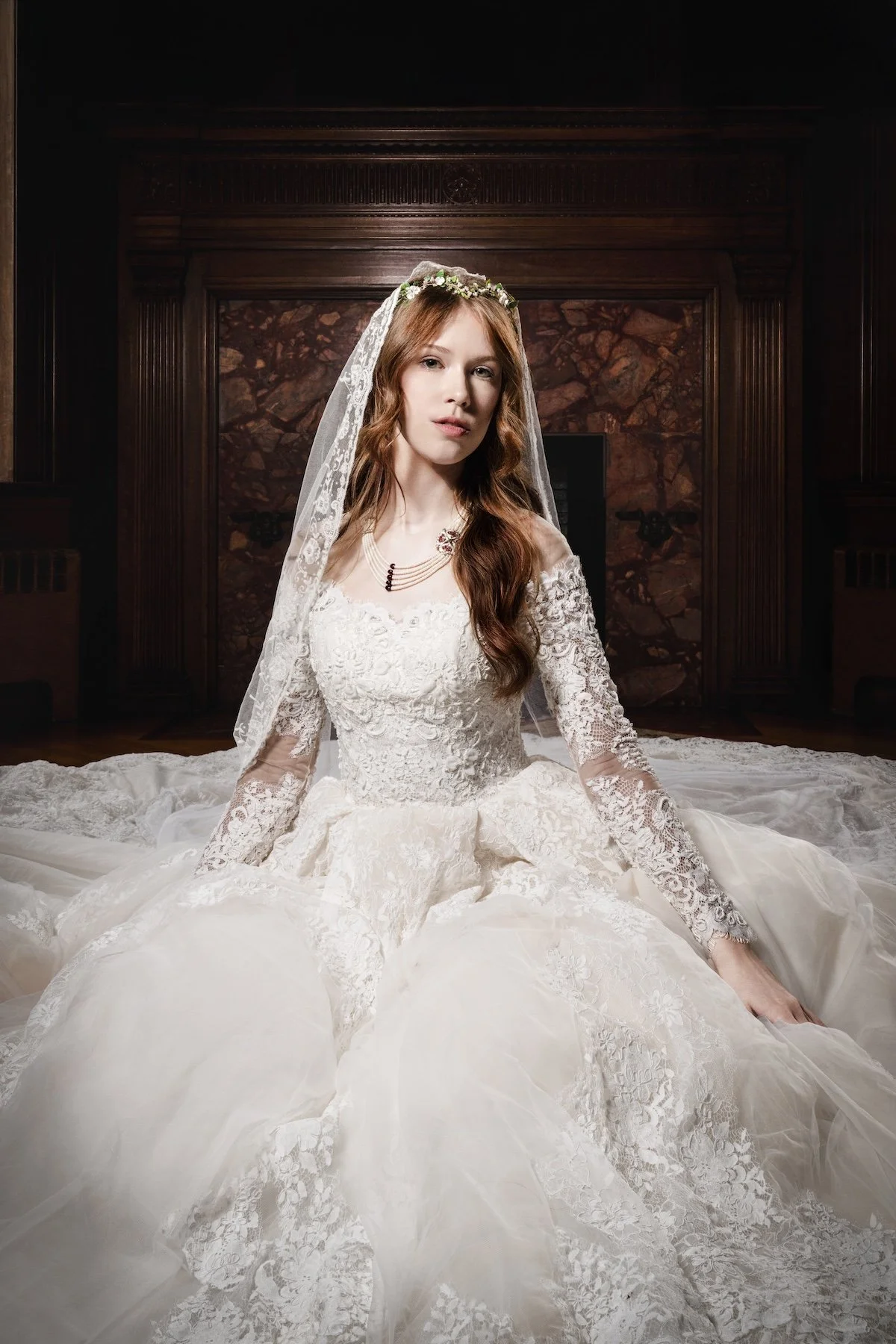
2 Photographers
Coverage up to 10 hours
550+ beautifully edited hi-res photos
Online gallery of all images to share with friends and family, available for one year
Unlimited high-resolution downloads
Understanding the financial aspects of golden hour wedding photos helps you budget appropriately and make informed decisions about your photography investment. While golden hour photography is often included in full wedding packages, certain scenarios may require additional investment.
Standard Package Inclusions: Most 8-10 hour wedding photography packages include golden hour coverage since this timeframe typically spans from getting ready through reception. If your ceremony and reception happen at standard times, golden hour photos are usually covered within your base photography investment.
Extended Coverage Considerations: Some golden hour strategies require extended photography coverage. For example, if you want both engagement photos during golden hour and wedding day golden hour portraits, or if your wedding timeline requires photographer coverage beyond standard hours, additional investment may be necessary.
Travel and Location Fees: Moving to off-site locations for optimal golden hour light may incur travel fees, especially if the location is significant distance from your venue. Discuss these potential costs during your initial consultation to avoid surprises in your final contract.

1 Photographer
Up to 6 hours of coverage
200+ beautifully edited hi-res photos
Online gallery of all images to share with friends and family, available for one year
Unlimited high-resolution downloads
Photographer Expertise Premium: Experienced photographers who specialize in golden hour techniques often command higher rates than general wedding photographers. This investment pays dividends in the quality and artistry of your final wedding images. The difference between good and extraordinary golden hour photos often justifies the additional cost.
Engagement Session Value: Many couples use their engagement shoot as practice for wedding day golden hour photos. This session allows you to experience working with your photographer in golden light, practice poses, and ensure your wedding timeline allows sufficient time for the shots you envision.
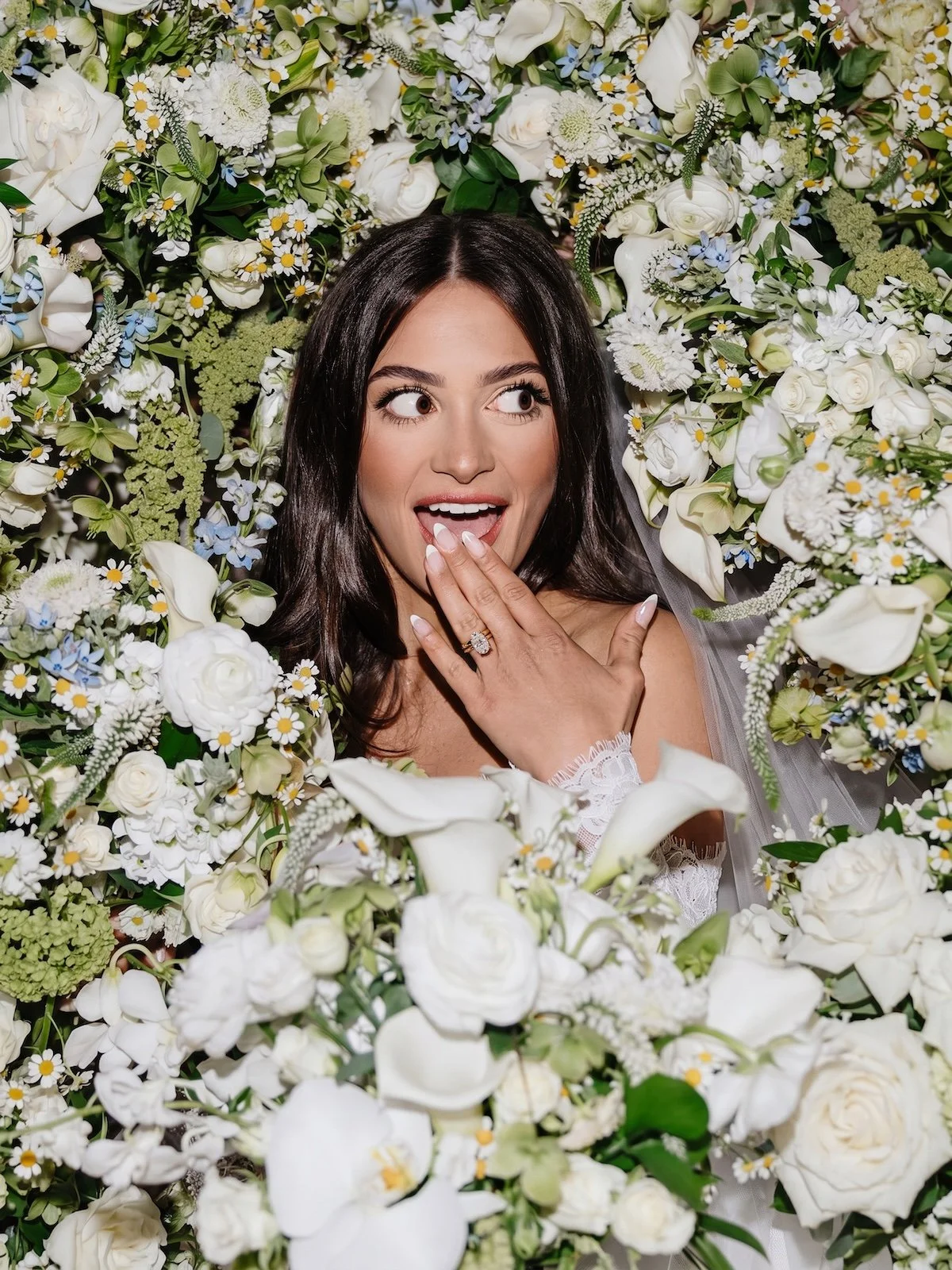
2 Photographers
Coverage up to 8 hours
450+ beautifully edited hi-res photos
Online gallery of all images to share with friends and family, available for one year
Unlimited high-resolution downloads
Budgeting Considerations: Factor golden hour photography costs into your overall wedding budget during early planning stages. The investment in professional photography that captures these magical moments often represents one of the best values in your entire wedding budget, since these images will treasure forever.
Package Optimization: Work with your photographer to structure your package efficiently. Sometimes adjusting ceremony timing or reception start times can include golden hour coverage within standard packages rather than requiring expensive extensions.
Return on Investment: Remember that wedding photography is one of the few wedding investments that increases in value over time. The emotional worth of stunning golden hour wedding photos grows as years pass and these images become increasingly precious family heirlooms.
Frequently Asked Questions About Golden Hour Wedding Photos
Understanding common questions about golden hour wedding photography helps you make informed decisions and set appropriate expectations for your wedding day timeline and photography coverage.
How long does golden hour actually last?
Golden hour typically lasts 30-60 minutes, depending on your geographic location and season. Northern locations during summer months may experience 90-minute golden hour windows, while southern regions often have shorter 30-45 minute periods. Use location-specific apps to calculate exact timing for your wedding date and venue.
What time should we start golden hour photos?
Begin your golden hour session approximately 90 minutes before sunset time for your specific location and date. This allows you to capture the full progression of light changes and ensures you don’t miss the optimal golden light even if your timeline runs slightly behind schedule.
Do we need to leave our venue for golden hour photos?
This depends entirely on your venue’s sunset accessibility and views. Many venues have beautiful spots for golden hour photos on-site. However, if your venue faces east or has significant obstructions blocking sunset views, traveling to a nearby location with better light access may produce dramatically better results.
What if our wedding timeline gets delayed?
Build 30-45 minutes of buffer time into your wedding planning timeline to account for inevitable delays. Discuss contingency plans with your wedding photographer and coordinator. Sometimes shortening the photo session while focusing on priority shots can still capture golden hour magic even with timeline delays.
Can we do golden hour photos in winter?
Absolutely! Winter golden hour occurs earlier in the day (often 4-5 PM) but provides equally beautiful warm light. Winter golden hour can actually be more dramatic due to clearer atmospheric conditions. Plan your ceremony timing accordingly and consider warm clothing for outdoor photo sessions.
What should we wear for golden hour photos?
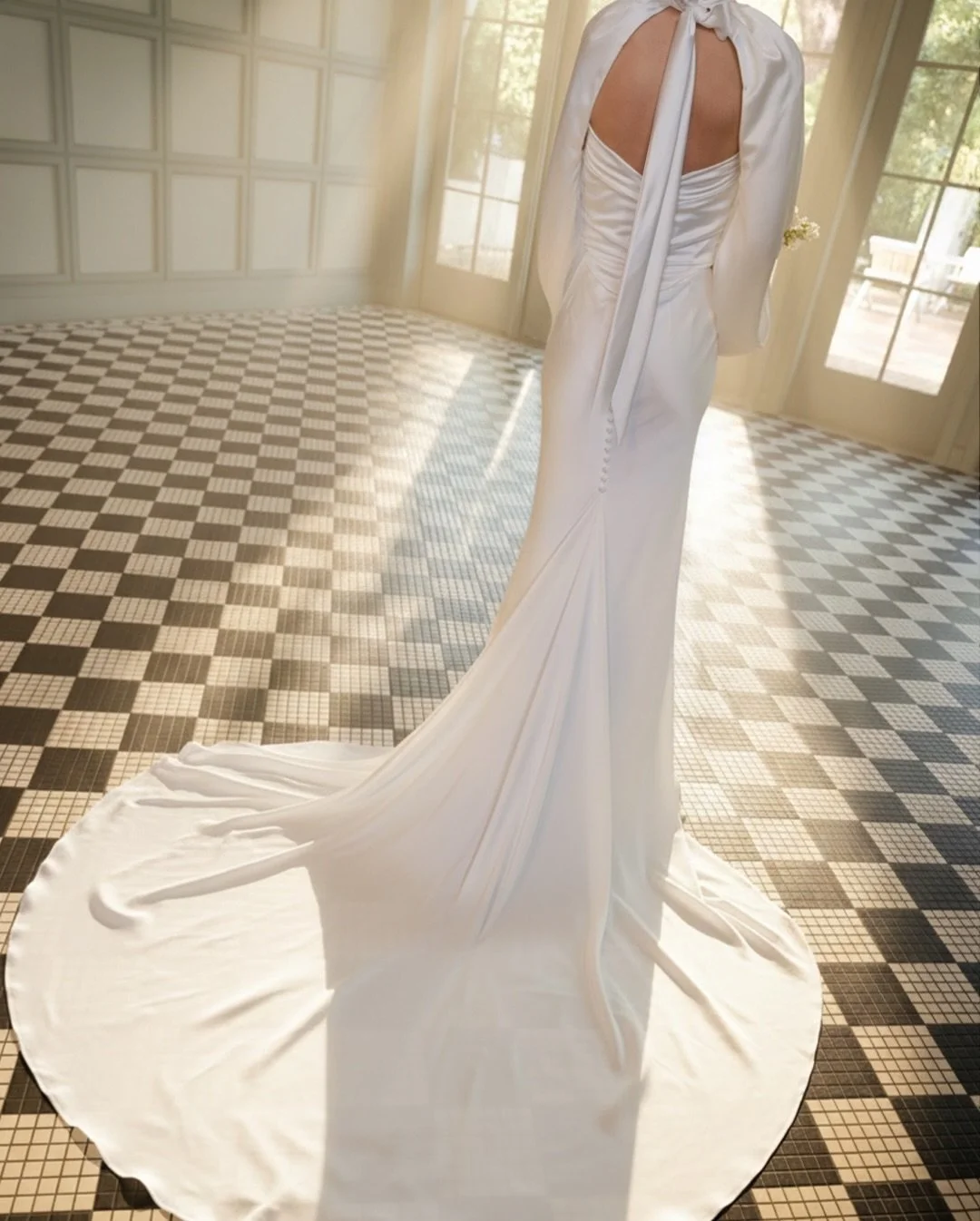
Light fabrics and neutral colors photograph beautifully in golden light. Avoid heavy black clothing which can absorb light rather than reflecting the golden glow. Flowing wedding attire works particularly well because golden hour light enhances movement and texture in photographs.
How do we coordinate golden hour timing with cocktail hour?
Most successful golden hour strategies involve stepping away during cocktail hour while guests enjoy drinks and appetizers. Your wedding coordinator can manage guest questions, and your DJ can make brief announcements about your return. This approach maximizes both guest experience and photo opportunities.
What happens if it’s cloudy during golden hour?
Cloudy conditions create soft, diffused light that’s extremely flattering for portraits. While you won’t see dramatic golden glow, overcast golden hour produces even lighting that enhances skin tones and eliminates harsh shadows. Many photographers actually prefer these conditions for certain types of wedding photos.
Should we hire a photographer specifically for golden hour expertise?
If golden hour wedding photos are a top priority, investing in a photographer with demonstrated expertise in this area often produces significantly better results. Review portfolios specifically for golden hour work, ask about their approach to challenging lighting conditions, and discuss their experience with wedding timeline coordination.
How many photos can we expect from a golden hour session?
A typical 45-60 minute golden hour session produces 50-100+ edited photos, depending on your photographer’s shooting style and the variety of poses and locations covered. Quality matters more than quantity - focus on finding a photographer whose golden hour portfolio matches your aesthetic preferences.
Planning golden hour wedding photos requires coordination, timing, and realistic expectations, but the investment in these magical moments creates wedding images that you’ll treasure forever. Work with experienced professionals who understand both the technical and logistical aspects of capturing beautiful golden hour light on your special day.
The warm glow and naturally beautiful conditions of golden hour can transform your wedding photos from good to absolutely stunning. Whether you’re walking down the aisle as the sun sets, stealing away during your reception, or planning an engagement shoot to practice for the big day, golden hour light creates unforgettable moments that perfectly capture the love and joy of your wedding celebration.