What is a Wedding Videography Style? The Best Styles to Capture Your Big Day Perfectly
Table of Contents (On this page)
Your wedding day unfolds once in a lifetime, but the right wedding film style can help you relive those precious moments forever. There are many different styles of wedding videography, each offering a unique perspective and approach to capturing your day. The magic of wedding videography lies in capturing authentic, unfiltered moments that transform raw footage into a heartfelt cinematic story. With countless wedding videography options available, choosing the perfect approach for your special day can feel overwhelming. From cinematic storytelling that transforms your wedding into a Hollywood-worthy production to documentary style that captures candid moments exactly as they happen, each wedding film style offers a unique perspective on your love story.
Understanding wedding videography styles isn’t just about aesthetics—it’s about finding the approach that best reflects your personality, values, and vision for how you want to remember your wedding day. Just as photographers have their own unique styles, wedding videographers each bring an artistic approach to capturing the day, emphasizing emotion and storytelling. Exploring the different wedding video styles can help you choose the right style that matches your vision, theme, and emotional expectations. Whether you’re drawn to the nostalgic charm of vintage aesthetics, the polished elegance of modern cinematography, or the authentic emotion of documentary filming, the right choice will enhance your guest experience and preserve your special moments in exactly the way you envision.
In this comprehensive guide, we’ll explore the most popular wedding film styles dominating 2026, dive deep into technical considerations, and provide practical guidance to help you choose the perfect videographer and approach for your unique celebration. By the end, you’ll have the knowledge and confidence to make an informed decision that ensures your wedding films capture not just what happened, but how it felt.
Most Popular Wedding Film Styles in 2026

The wedding videography landscape has evolved significantly, with couples increasingly seeking personalized approaches that reflect their unique love story. The main wedding videography styles include Cinematic, Documentary, Traditional, and Vintage—each differing in editing approach, camera techniques, audio usage, and levels of directing. Current market research reveals fascinating trends in wedding videography preferences: approximately 40% of couples choose documentary style for its authentic capture of genuine moments, 35% opt for cinematic approaches that create visually stunning narratives, and 25% embrace vintage aesthetics for their nostalgic touch and timeless appeal.
These wedding videography trends reflect broader cultural shifts toward authenticity and personalization. Modern couples want their wedding films to feel genuine while still being visually stunning, leading many videographers to develop hybrid approaches that blend elements from multiple styles. In cinematic wedding films, emotional pacing is a key element, helping to create a poetic and emotionally engaging narrative that enhances the storytelling and overall aesthetic. Some artistic videographers incorporate elements from other styles, such as cinematic or documentary, to create a unique and personalized wedding film. Choosing the right videographer is essential, as their style and expertise should align with the couple’s vision to ensure a memorable and meaningful wedding film.
Quick Style Comparison Overview
Documentary
Natural light, candid moments, minimal editing
Couples seeking authenticity
Cinematic
Dramatic lighting, color grading, orchestral music
Artistic, production-focused couples
Vintage
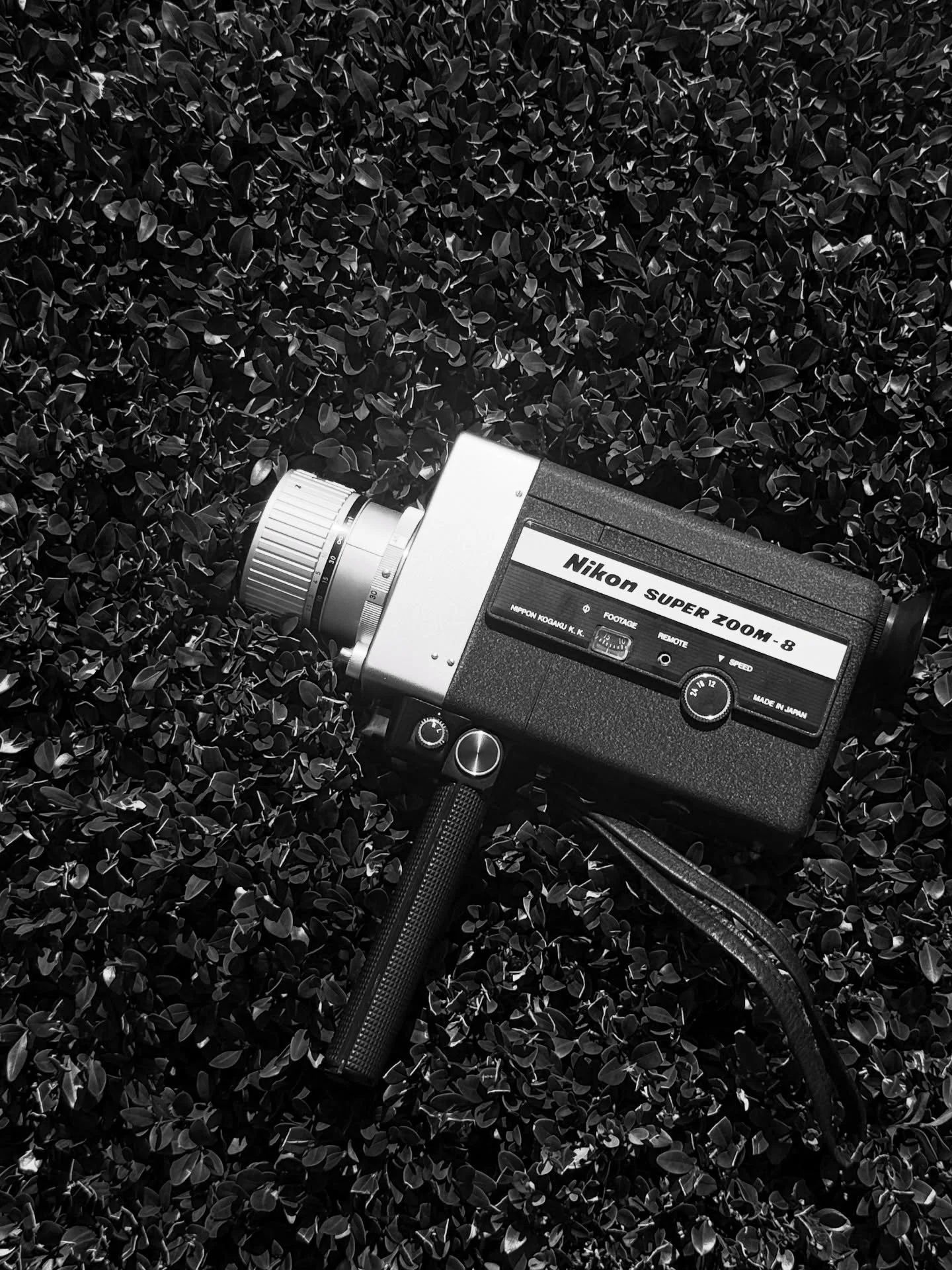
Grainy texture, nostalgic touch, film aesthetics (examples: camcorder style, Super 8 mm film for dreamy or nostalgic effects)
Romance-focused, timeless couples
Modern Editorial
Bold compositions, social media optimized
Fashion-forward, trend-conscious couples
$4,000-$10,000
Hybrid
Mixed media, multiple techniques
Couples wanting comprehensive coverage
$5,000-$12,000
The rise of mixed media approaches has become particularly notable, with experienced professionals increasingly offering comprehensive packages that combine traditional films with modern videography techniques. This trend reflects couples’ desire for both timeless documentation and contemporary sharing formats that work well across social media platforms.
Identifying your preferred wedding videography style starts with understanding your personality and wedding vision. Ask yourself: Do you envision your wedding film as a romantic movie with cinematic experience, or do you prefer natural documentation of moments as they happen? Are you drawn to the dreamlike motion of vintage aesthetics, or do you prefer the sharp clarity of modern cinematography? Your answers will guide you toward the style that best captures your special day.
Cinematic Wedding Film Styles
Cinematic wedding videography transforms your special day into a movie-worthy production, borrowing extensively from Hollywood filmmaking techniques to create visually stunning narratives. This approach prioritizes dramatic lighting, carefully orchestrated camera movements, and emotional storytelling that makes viewers feel like they’re watching a romance film rather than a simple wedding video. Slow motion shots are often used as a cinematic technique to enhance storytelling and emotional impact, adding a dramatic, movie-like quality to key moments.
The cinematic approach emphasizes high production value through slow-motion sequences that capture emotional moments with heightened impact, professional color grading that establishes specific moods throughout the film, and orchestral music carefully synchronized to enhance the love story. Cinematic storytelling is a popular trend in wedding videography, combining music, sound effects, and special effects to create a film that tells the story of the couple's love and their big day. Expert videographer Camden Johnson of Sea Jay Films explains that cinematic style is “perfect for showcasing the high production value of the wedding weekend, featuring swooping, cinematic camera moves and grand, orchestral film scores that allow viewers to feel like they’re watching a movie production.”
Key Characteristics of Cinematic Wedding Films
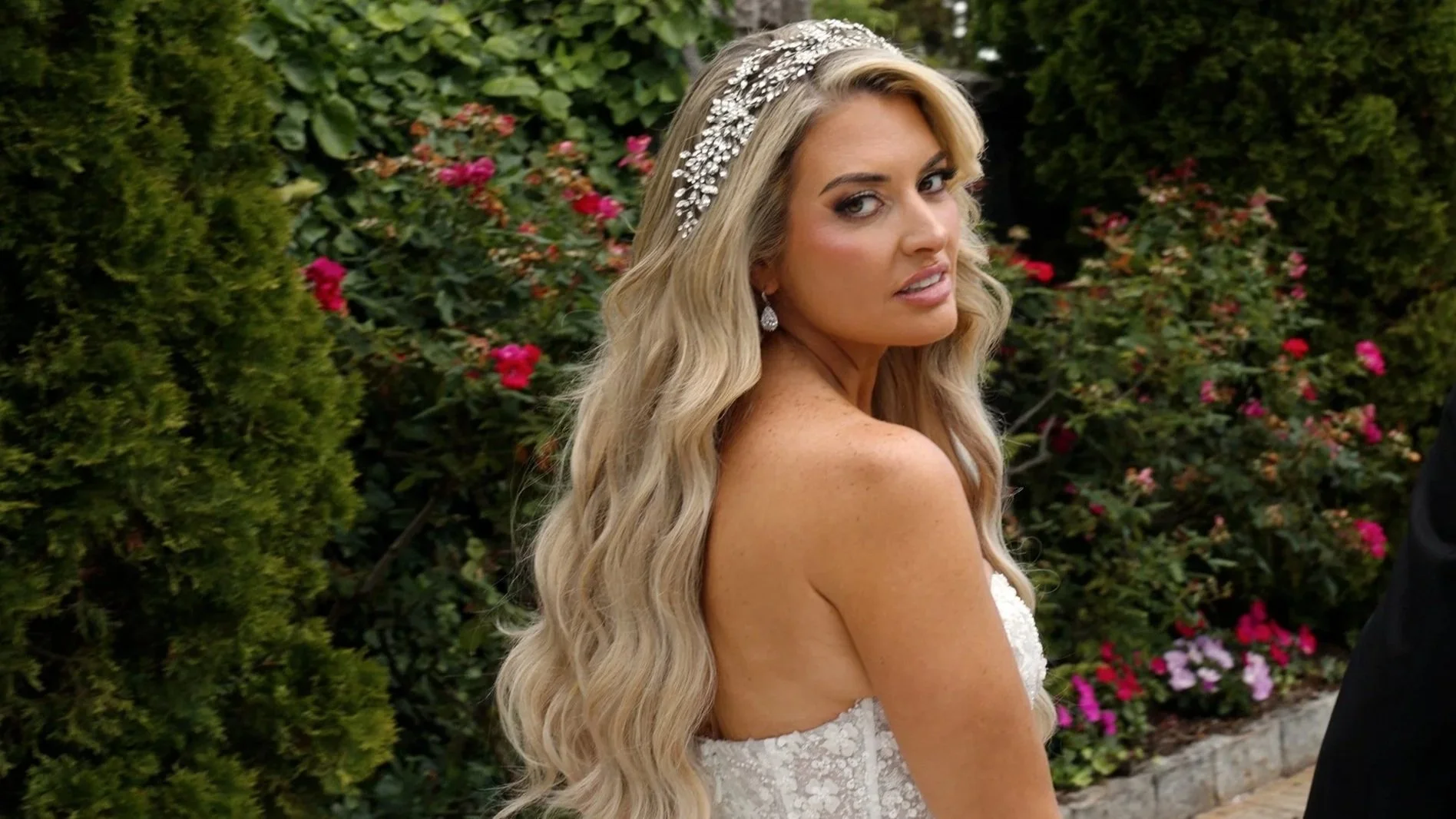
Cinematic wedding videography employs several distinctive technical elements that create its signature look. Multiple camera setups capture different angles simultaneously, ensuring no important moments are missed while maintaining cinematic continuity. Professional lighting equipment supplements natural light to create dramatic shadows and highlights that enhance the visual drama of each scene.
Advanced editing software enables sophisticated post-production work, including seamless transitions between scenes, dramatic color grading that evokes specific emotions, and precise audio mixing that balances dialogue, ambient sound, and musical score. Ambient sounds—such as laughter, footsteps, and the subtle background noises of the venue—are carefully woven into the sound design to help recreate the atmosphere of the day and evoke emotional memories, making the storytelling more immersive. The narrative structure follows a clear beginning, middle, and end, focusing on the couple’s journey and relationship story rather than simply documenting events chronologically.
Popular sub-styles within cinematic wedding videography include romantic fairytale themes that emphasize soft lighting and dreamy aesthetics, dramatic noir approaches using high contrast and moody tones, and epic adventure themes that treat the wedding as a grand celebration worthy of cinematic treatment.
Hollywood-Inspired Cinematography

The most sophisticated cinematic wedding films employ professional filmmaking techniques typically reserved for major motion pictures. Anamorphic lenses create the wide-screen cinematic look associated with blockbuster films, while professional color grading mimics the visual aesthetics of romantic movies and feel-good dramas.
Camera movements using gimbals and sliders produce the smooth, flowing shots that define cinematic quality. These tools enable videographers to create epic establishing shots that showcase the entire venue and intimate close-ups that capture emotional depth during key moments like the first dance or exchange of vows.
The technical requirements for Hollywood-inspired cinematography are substantial, requiring experienced professionals with access to high-end equipment and post-production capabilities. However, the results create wedding films that couples can watch years later and still feel the emotional impact of their special day.
Fashion Film Aesthetics

An emerging trend within cinematic wedding videography draws inspiration from high-fashion editorial work, particularly influenced by luxury brands like Chanel and Dolce & Gabbana. This approach focuses intensely on couture details, fabric textures, and designer elements that showcase the wedding’s aesthetic sophistication.
Fashion film aesthetics employ minimalist compositions with bold geometric framing, creating elevated portraiture that emphasizes luxury and sophistication. The videographer approaches the wedding weekend like a fashion shoot, capturing not just events but the artistry of design choices, from the intricate beadwork on a wedding dress to the architectural details of a luxury venue.
This style works particularly well for luxury weddings held at high-end venues where every detail has been carefully curated. The resulting films feel more like artistic fashion documentaries than traditional wedding videos, appealing to couples who view their wedding as an expression of personal style and artistic vision.
Documentary Wedding Film Styles

Documentary wedding videos capture authentic, unscripted moments exactly as they unfold, prioritizing genuine emotions over artistic manipulation. This approach treats your wedding day like a news event worthy of documentation, ensuring every spontaneous laugh, tear, and celebration is preserved in its natural form. Documentary wedding videos are known for capturing raw, unfiltered moments and often cover the entire wedding day, providing a seamless, immersive experience that allows couples to relive every aspect of their celebration.
The documentary style emphasizes candid emotions, natural interactions, and genuine reactions without directing or staging moments. Videographers work to remain essentially invisible, using minimal direction to capture authentic moments as they happen. Documentary wedding videos often focus on natural background sounds rather than added background music, further enhancing the raw, real atmosphere. Wedding filmmaker Kevin Cochran of 718 Creative notes that documentary films “are very ‘moment’ focused, designed to capture raw moments as they happen” and typically feature longer films with slower pacing that include whole segments with only natural sound.
This wedding videography style appeals particularly to couples who value authenticity over production value and prefer to live their wedding day without concerns about camera direction or staging. Documentary-style videographers take a hands-off approach to wedding films. The final product preserves the genuine timeline and emotional flow of events, creating a true historical document of your special day.
Photojournalistic Approach
The photojournalistic approach to documentary wedding videography borrows techniques from news and feature journalism, emphasizing unobtrusive filming that captures spontaneous moments without intervention. Videographers position themselves strategically throughout the venue to observe and document events as they naturally occur.
Natural sound recording plays a crucial role in this approach, capturing conversations between loved ones, guests laughing during the cocktail hour, and the ambient noise that creates the authentic atmosphere of your wedding weekend. Rather than replacing these sounds with music, documentary videographers preserve the actual audio that occurred during each moment, creating a more immersive and realistic viewing experience.
The focus remains on family interactions, genuine reactions to emotional moments like the entire ceremony, and behind-the-scenes glimpses that reveal the playful moments and real emotions often missed by more structured approaches. Storytelling wedding videos often include candid moments with loved ones and the couple, presented in a narrative format. This style also emphasizes capturing 'waiting' moments—those periods of anticipation and expectation before key events—which build emotional impact and enhance the storytelling. This style particularly excels at capturing the personalities of different family members and the unique dynamics that make each wedding celebration special.
Observational Documentary
Observational documentary style takes the fly-on-the-wall approach to its logical extreme, with videographers working to remain completely unobtrusive while capturing extended coverage of key moments. This technique allows for comprehensive documentation of important events like vow exchanges, speeches during the reception, and the natural flow of celebration throughout the entire event.
The pacing of observational documentary reflects actual wedding day timing rather than dramatic editing rhythms. Moments are allowed to breathe naturally, conversations unfold in real time, and the emotional beats develop organically. This approach requires skilled videographers who understand how to anticipate important moments while remaining invisible to the celebration.
Extended coverage means these films often run longer than other wedding videography styles, sometimes capturing 60-90 minutes or more of the wedding day. While this results in more comprehensive documentation, it also requires couples who appreciate the value of having a complete historical record rather than a condensed highlight reel.
The emphasis on emotional storytelling through real interactions means these films often reveal personality quirks, family dynamics, and spontaneous moments that planned cinematography might miss. Years later, couples often treasure these authentic glimpses of their loved ones being themselves during the celebration.
Vintage and Retro Wedding Film Styles
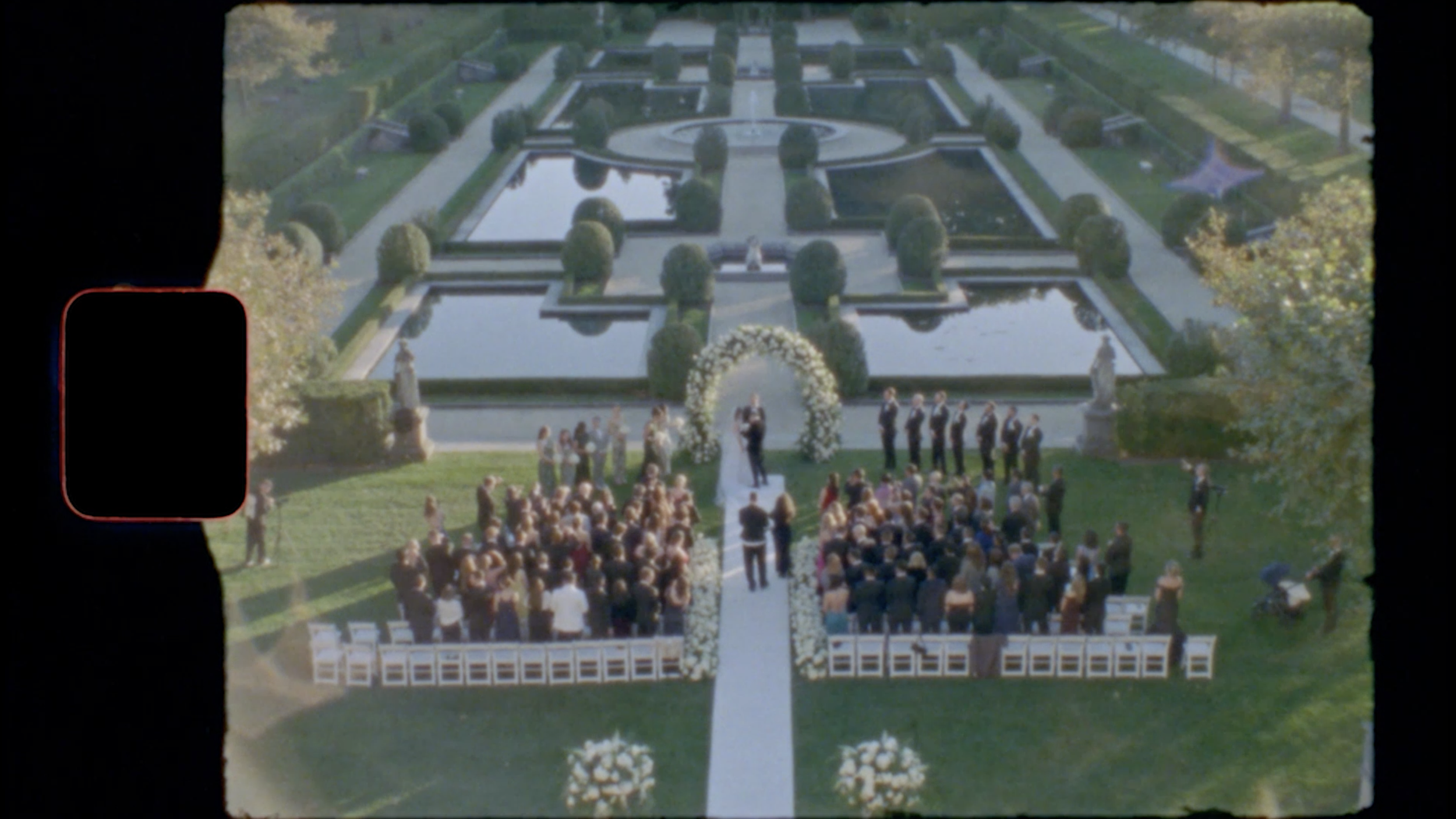
Vintage wedding videography has experienced tremendous growth in 2026, with couples increasingly drawn to nostalgic aesthetics that prioritize emotional depth over modern perfection. Vintage wedding videography captures weddings with a vintage charm and often uses old camera equipment to authentically recreate the look and feel of past eras. These vintage or retro wedding videos evoke a sense of nostalgia, blending emotional storytelling with visual elements that remind couples of cherished memories and timeless moments. This trend reflects a broader cultural movement toward authenticity and timeless beauty, with many couples viewing vintage charm as the perfect complement to their love story.
Visual aesthetics in wedding videography vary significantly, with vintage styles providing a lo-fi look that contrasts with modern cinematic techniques.
The three main vintage approaches gaining popularity include Super 8mm film aesthetics that create dreamy, romantic footage, VHS documentary vibes inspired by home videos from the 1980s and 1990s, and techniques influenced by 35mm film photography that bring warmth and texture to wedding films. Film grain adds texture and a nostalgic quality to the footage, contributing to the overall vintage feel. Each approach offers a different nostalgic touch while maintaining the professional quality expected from modern videography.
These vintage wedding film styles appeal to couples seeking timeless, emotional experiences rather than cutting-edge technology. The intentionally imperfect aesthetics create a sense of intimacy and personal connection that many find missing from highly polished modern productions. The final film, final video, or final wedding video reflects the chosen vintage style and serves as a comprehensive keepsake of the wedding day, capturing both the aesthetic and emotional essence of the celebration.
Technical Challenges and Authentic Vintage Look
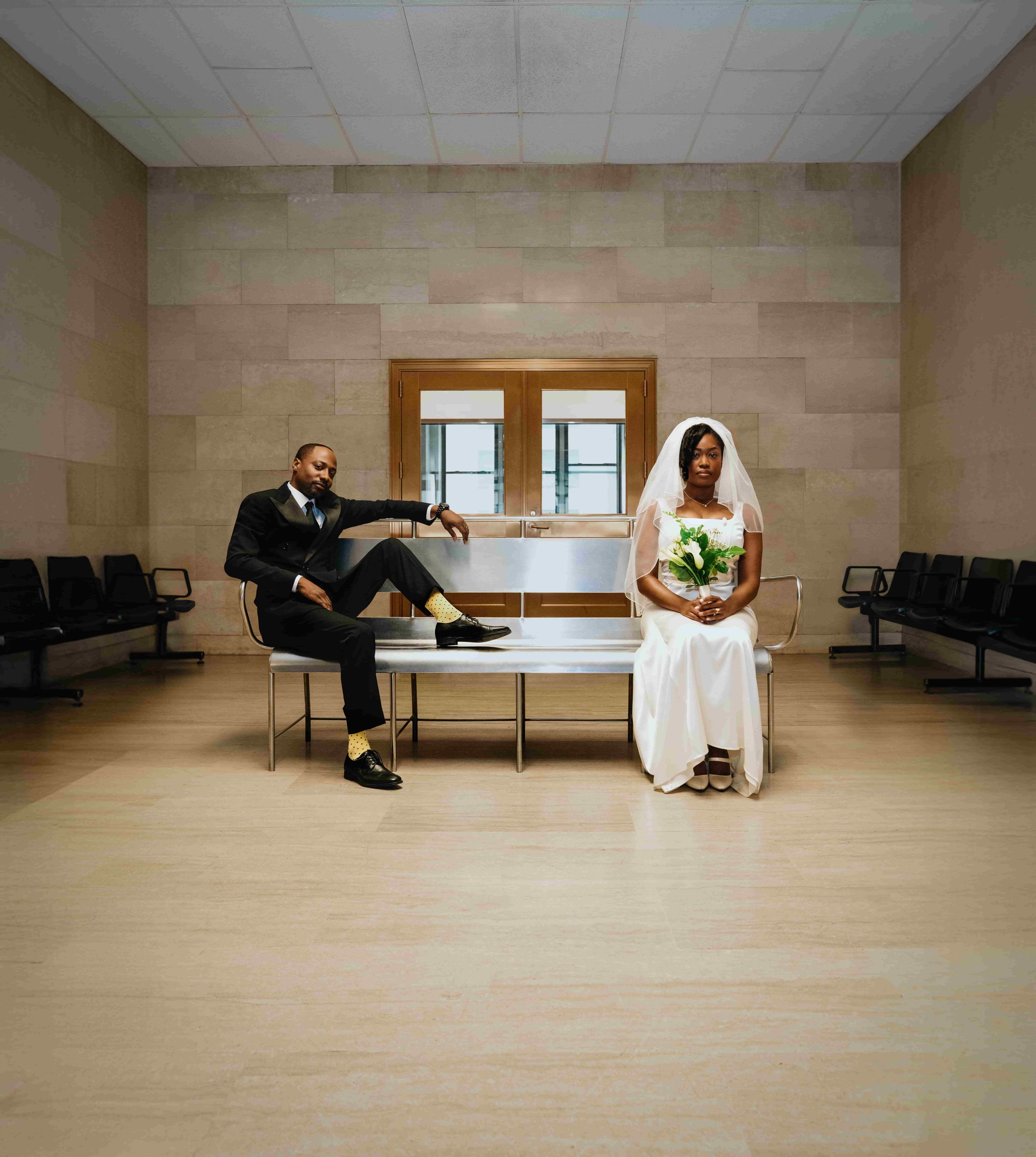
Creating authentic vintage aesthetics requires specialized knowledge and often hybrid approaches that combine analog techniques with digital technology. Videographers must understand the technical characteristics of historical formats while adapting them for modern wedding videography requirements.
The most successful vintage wedding films blend authentic analog elements with digital capture to ensure comprehensive coverage. While a Super 8 camera might capture beautiful ceremony footage, digital cameras provide backup coverage and additional angles that ensure no important moments are lost. This mixed media approach gives couples the best of both worlds: authentic vintage charm and reliable documentation.
Professional videographers specializing in vintage aesthetics invest in authentic equipment and develop specialized post-production techniques that recreate the look of analog formats while maintaining high quality footage suitable for modern viewing and sharing across various platforms.
Super 8mm Film Aesthetic
Super 8mm film aesthetic creates some of the most romantic and emotionally resonant wedding footage available today. The format’s distinctive characteristics include soft, grainy texture that adds warmth and intimacy, dreamy motion that makes every movement feel poetic, and natural light leaks that create organic, beautiful imperfections.
The muted color palette tends toward warm, golden tones that flatter subjects and create a timeless feeling. According to professionals at The Lumière Collective, “The blend of digital with nostalgic Super 8 film evokes a timeless, textured feel—amplifying the emotion and making each moment feel both cinematic and deeply personal.”
Using authentic Super 8 cameras requires specialized film processing and careful planning, as each cartridge provides only about three minutes of footage. Experienced professionals know how to use this limitation strategically, capturing the most emotional moments during the wedding ceremony, first dance, and other key celebration highlights.
The dreamlike motion characteristic of Super 8 film comes from the format’s 18 frames-per-second recording speed and the natural way film handles movement and light. This creates footage that feels both nostalgic and magical, perfect for couples who want their wedding film to feel like a cherished family memory rather than a modern production.
When combined with modern digital footage, Super 8 elements add layers of authentic texture and emotional depth that create truly unique wedding films. The consistent look across the vintage footage integrates seamlessly with contemporary videography when handled by experienced professionals who understand both formats.
VHS Documentary Vibes
VHS documentary style captures the raw, authentic feel of home videos from past decades, creating wedding films that feel intensely personal and genuine. This approach embraces intentional imperfections and analog warmth that modern digital cameras typically eliminate through advanced processing.
The lo-fi texture includes subtle scan lines, natural color variations, and the slightly soft focus characteristic of consumer video equipment from the 1980s and 1990s. Rather than being technical limitations, these qualities add authenticity and emotional resonance that many couples find more meaningful than perfect digital clarity.
VHS-style filming particularly excels at capturing spontaneous moments like guests laughing during the cocktail hour, impromptu dancing during the reception, and the natural interactions that make each wedding celebration unique. The format’s informal aesthetic encourages more natural behavior from family and friends, often resulting in more genuine documentation.
This vintage approach works exceptionally well as a complement to high-end videography rather than a replacement. Many couples choose VHS-style coverage for specific portions of their wedding weekend while maintaining professional digital coverage for formal ceremonies and important speeches. This mixed media approach creates layers of authenticity while ensuring comprehensive documentation.
The nostalgic touch of VHS aesthetics often triggers powerful emotional responses when couples view their films years later. The format’s association with precious family memories and personal home videos creates an immediate sense of intimacy and belonging that more polished productions sometimes lack.
Modern Editorial Wedding Film Styles
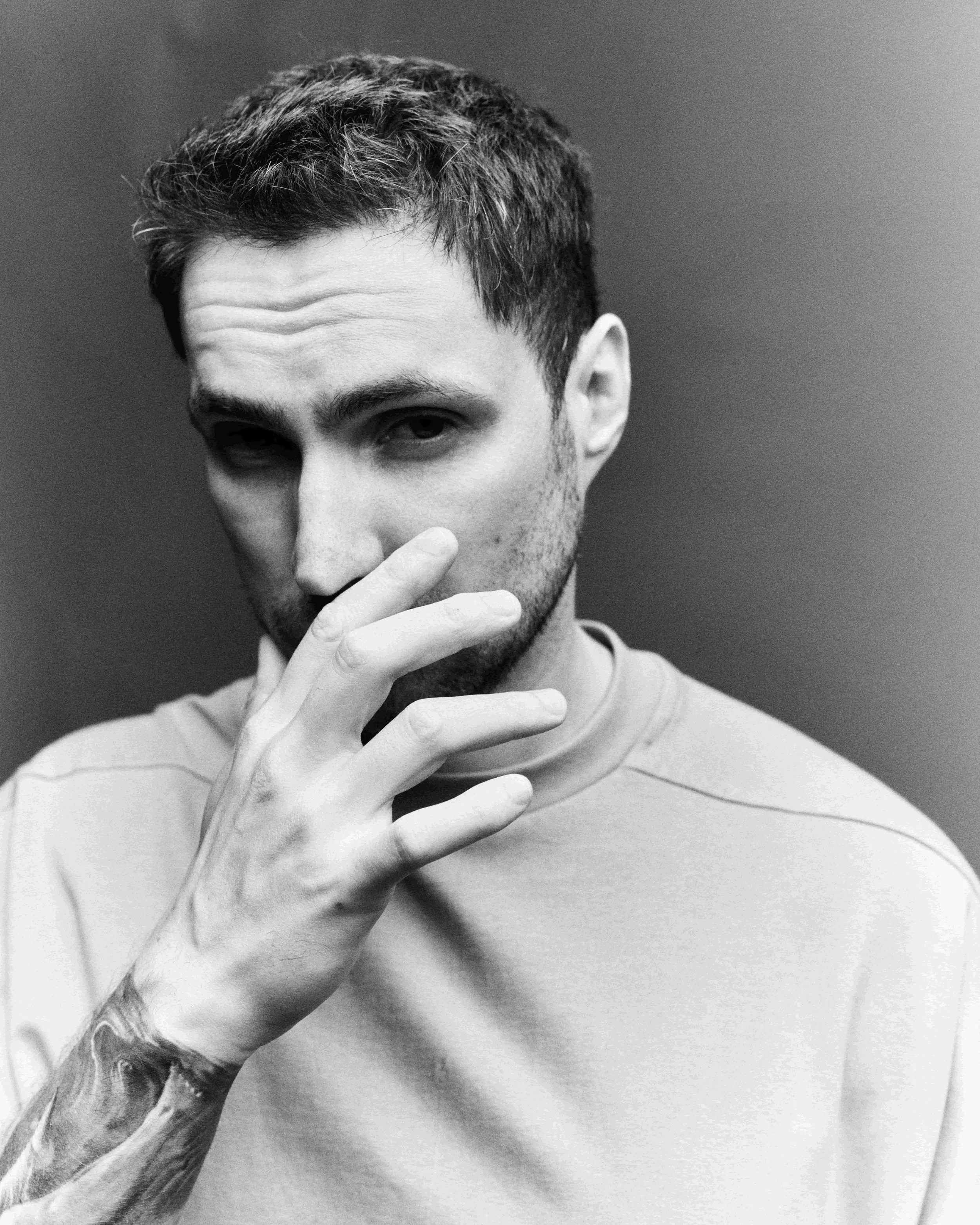

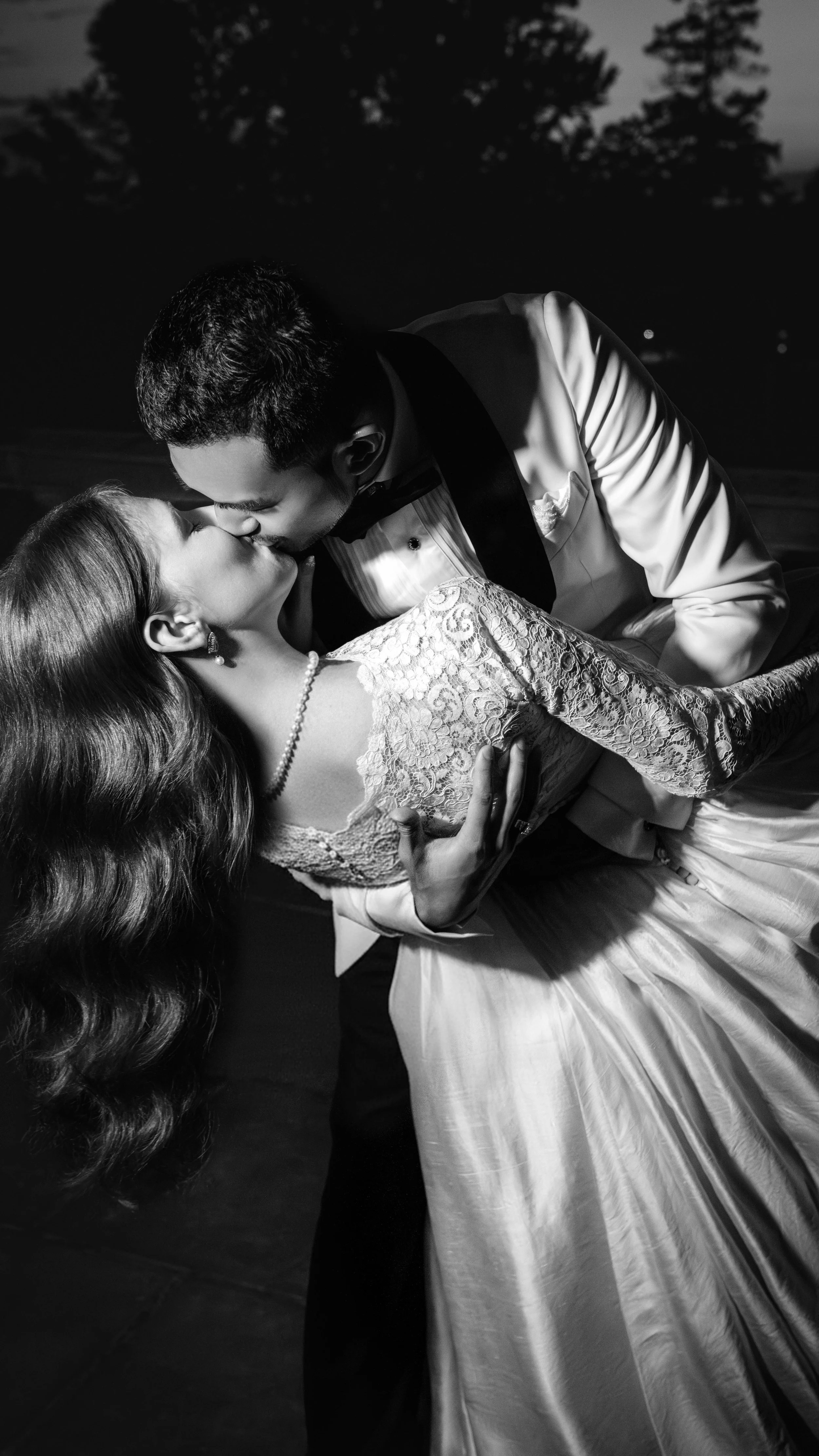
Modern editorial wedding videography represents the cutting edge of contemporary wedding filmmaking, blending documentary realism with fashion editorial influences to create bold, visually striking content. This approach emphasizes unique compositions, dynamic lighting techniques, and color grading that would be equally at home in high-fashion magazines or contemporary art galleries.
The style draws heavily from social media trends and high-fashion photography, incorporating techniques like dramatic flash photography, bold color palettes, and geometric compositions that create Instagram-worthy content. This wedding videography style particularly appeals to millennial and Gen-Z couples who want their wedding films to feel current and share-worthy across multiple platforms.
Editorial wedding films often feature unconventional camera angles, creative use of architectural elements, and lighting techniques that emphasize the artistic aspects of the celebration. The goal is creating wedding films that function as both personal memories and artistic statements worthy of publication in style magazines.
Social Media Optimized Content
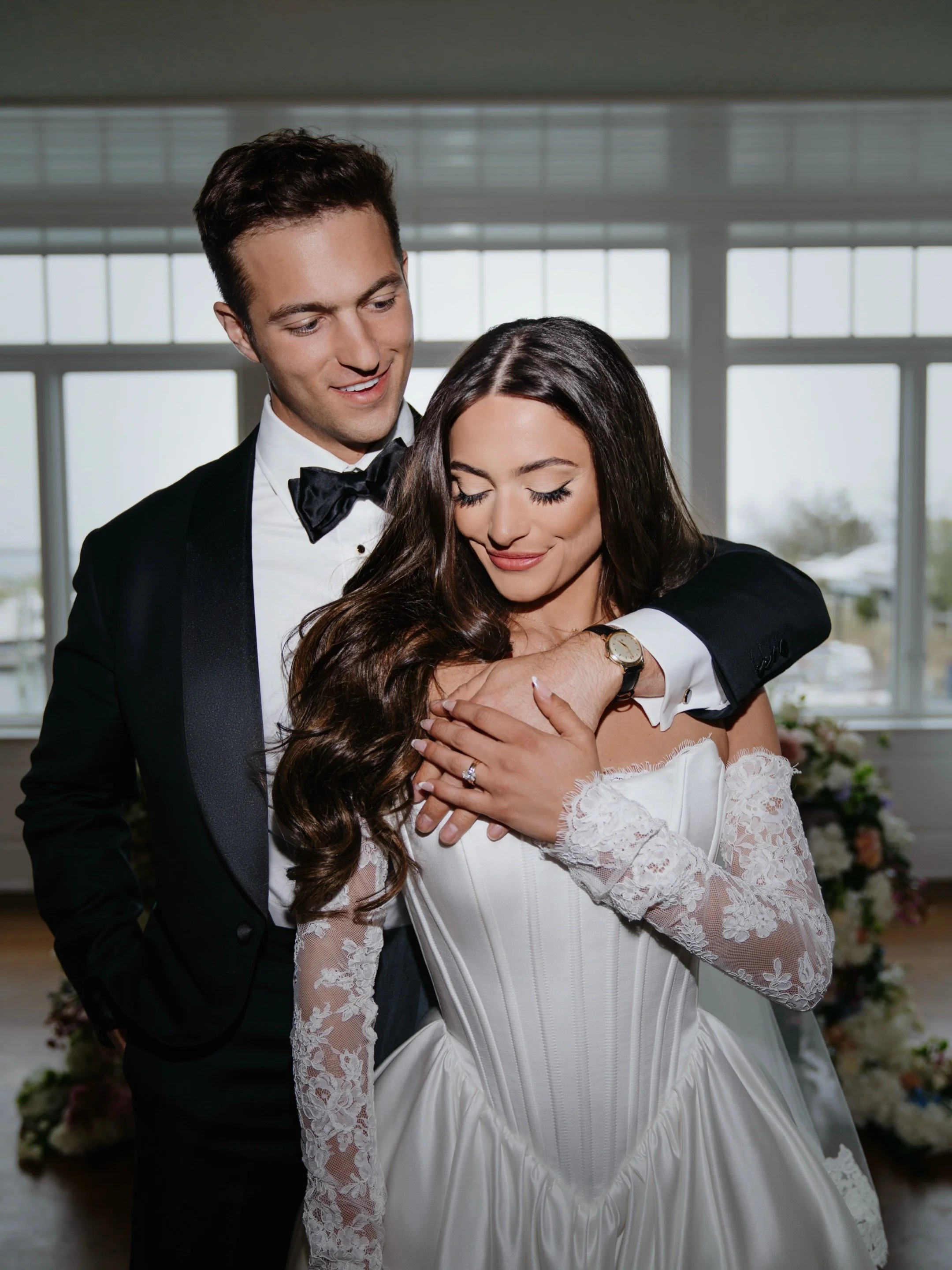
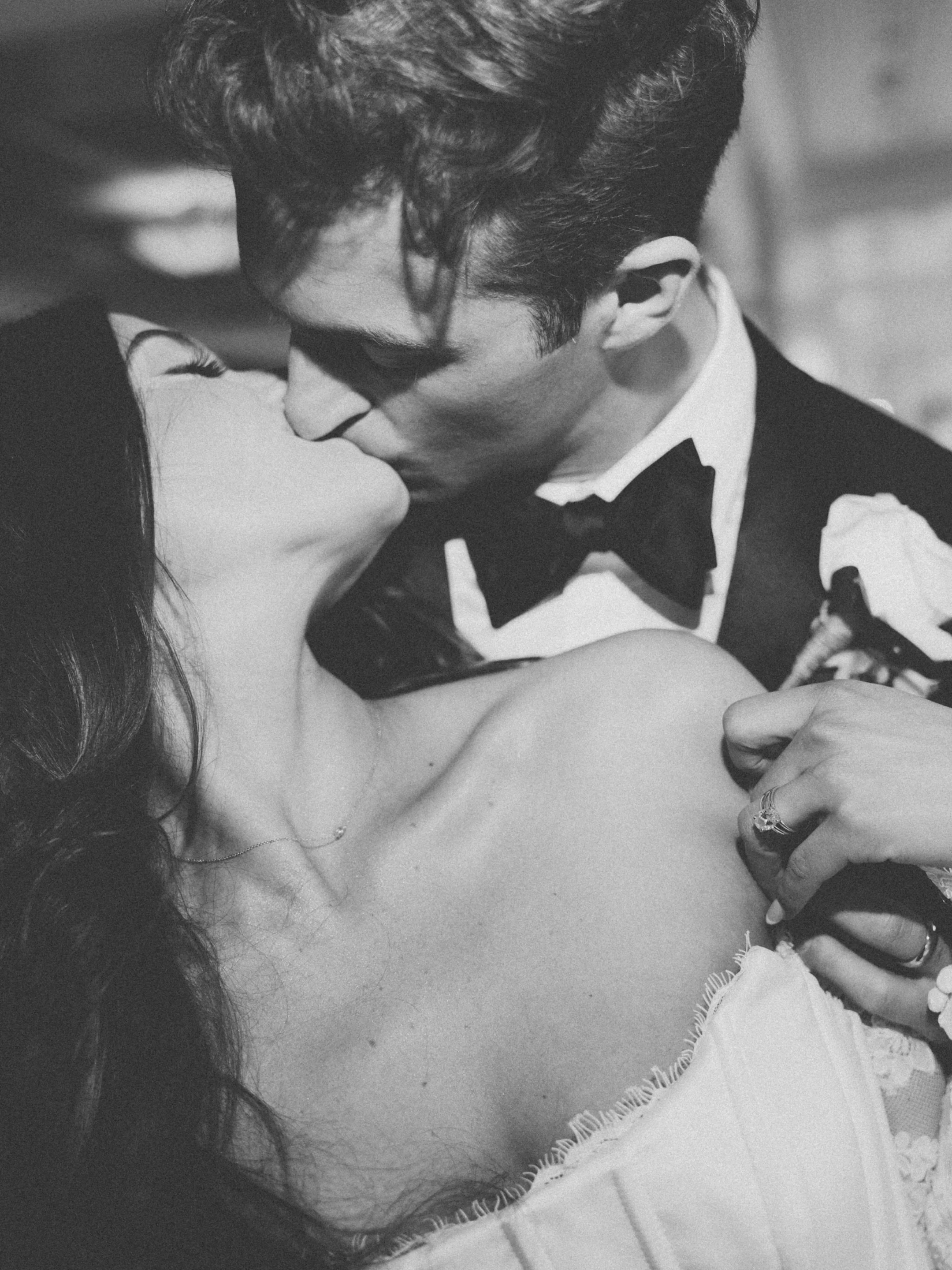
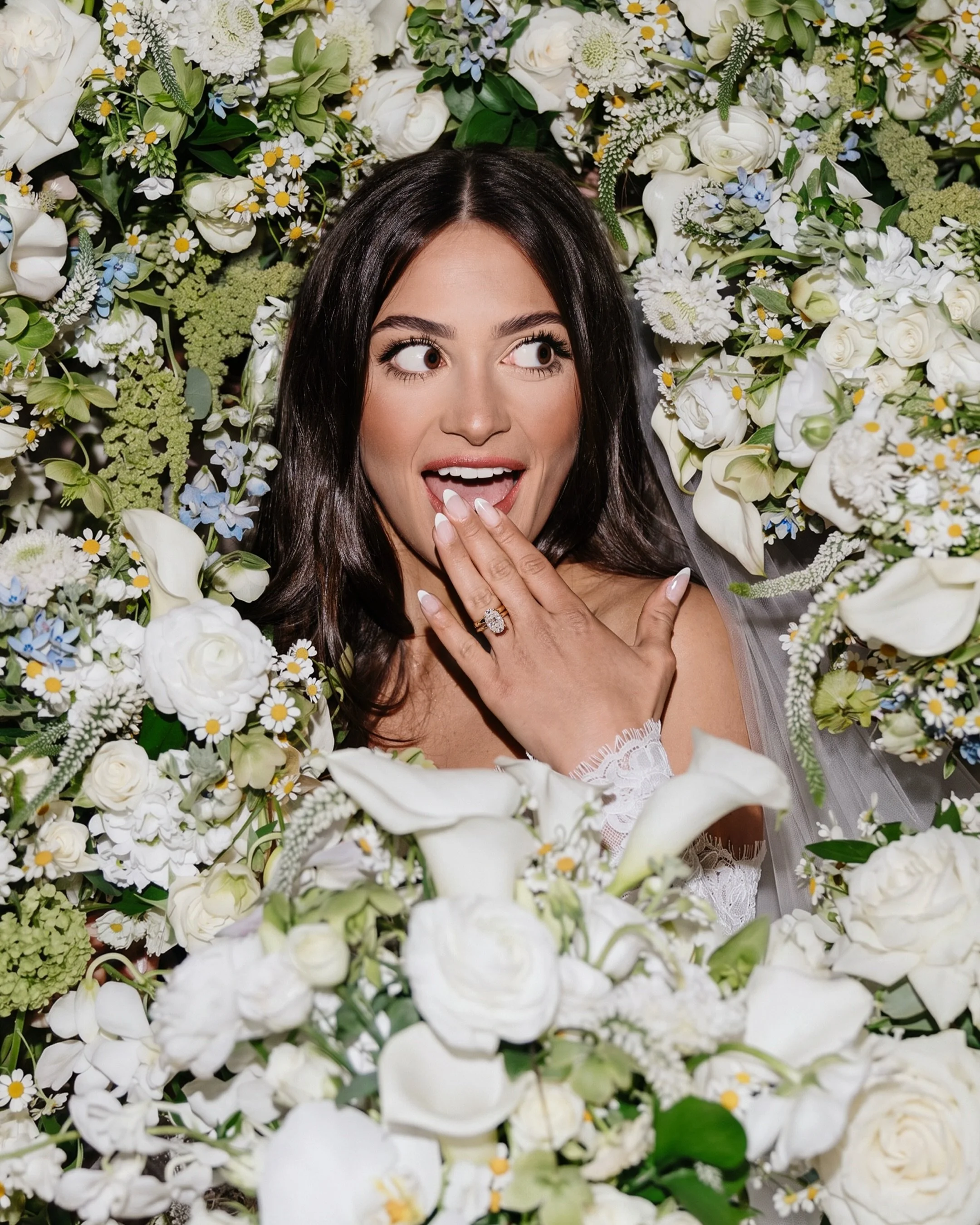
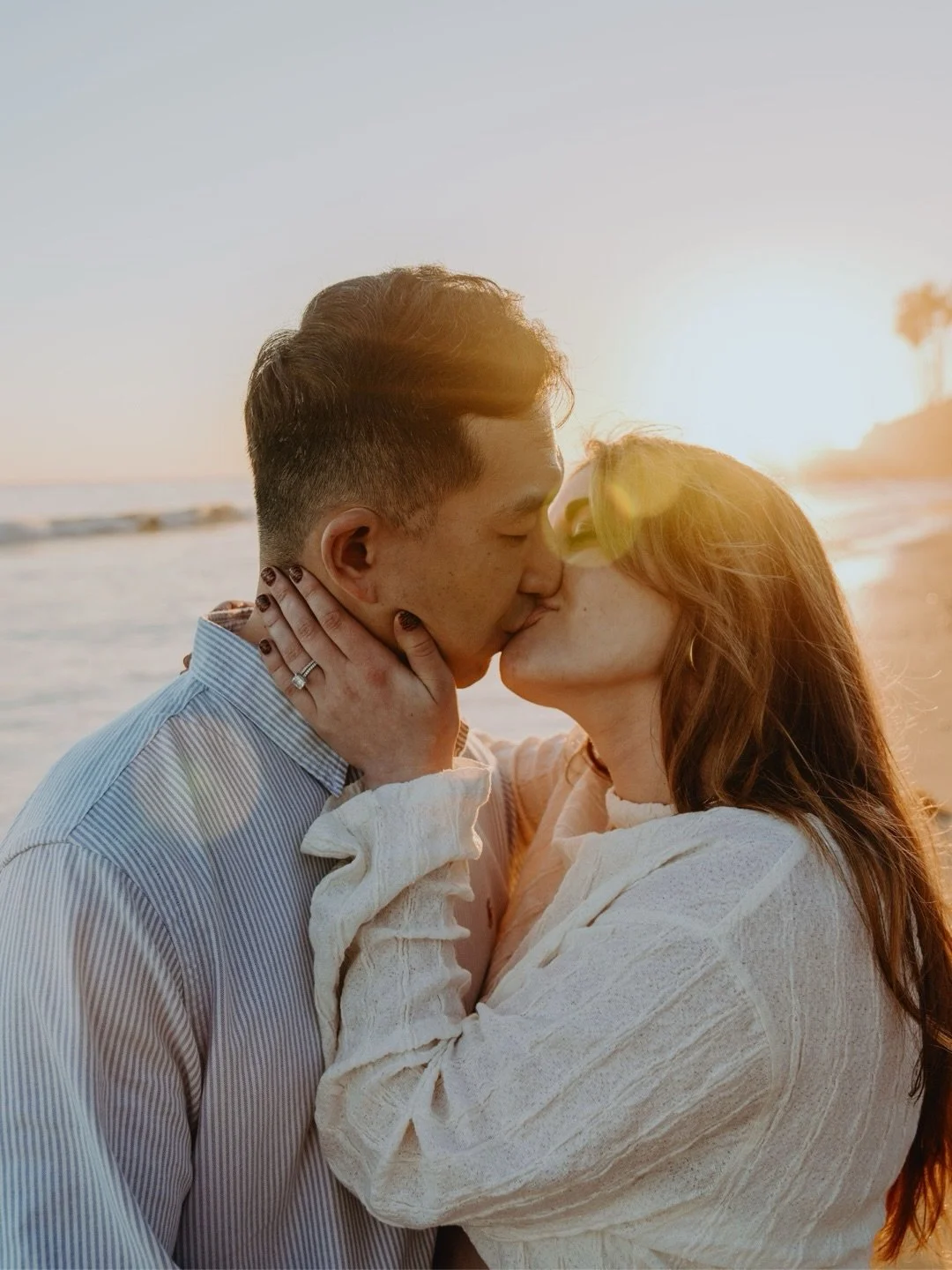
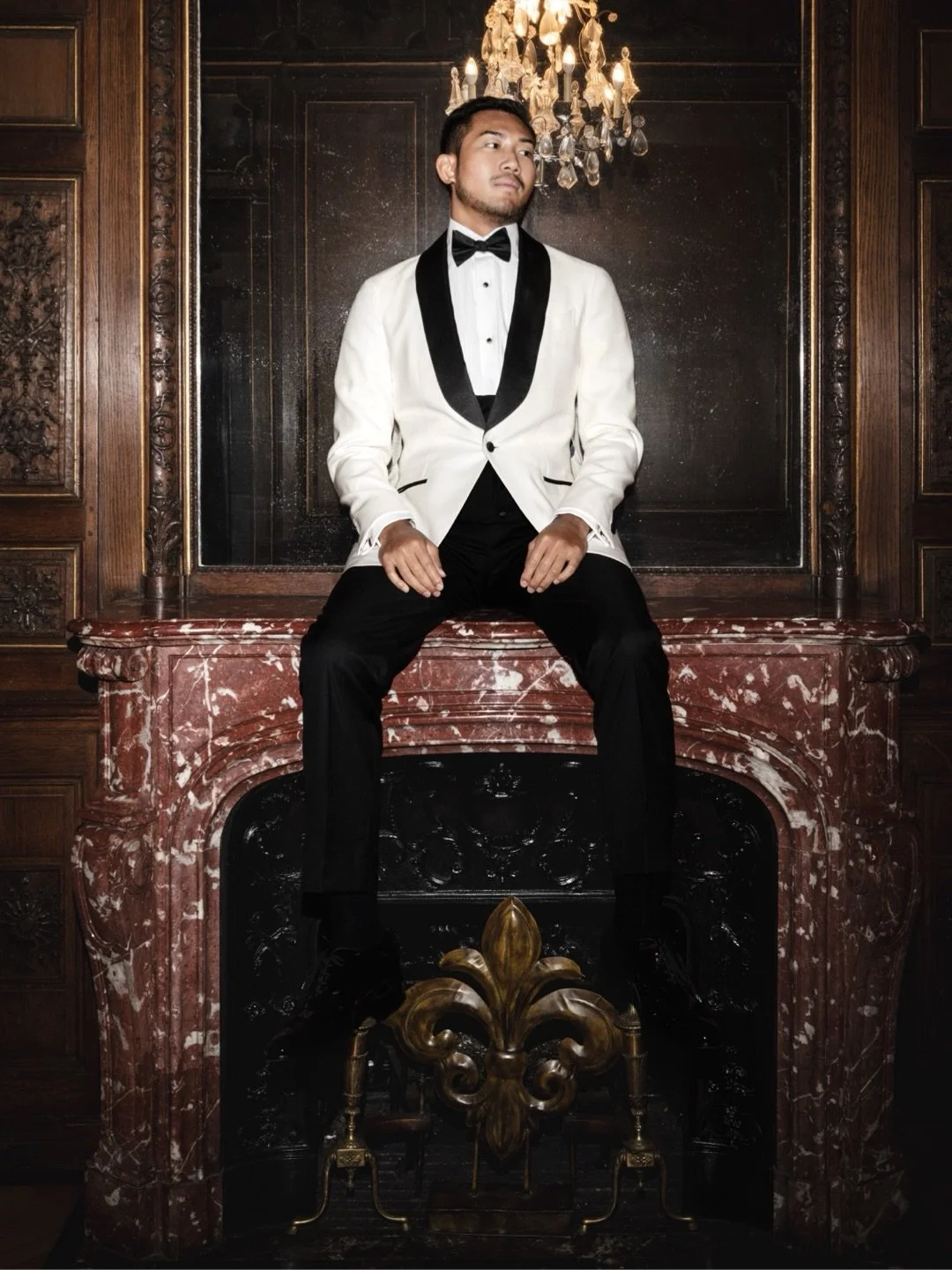
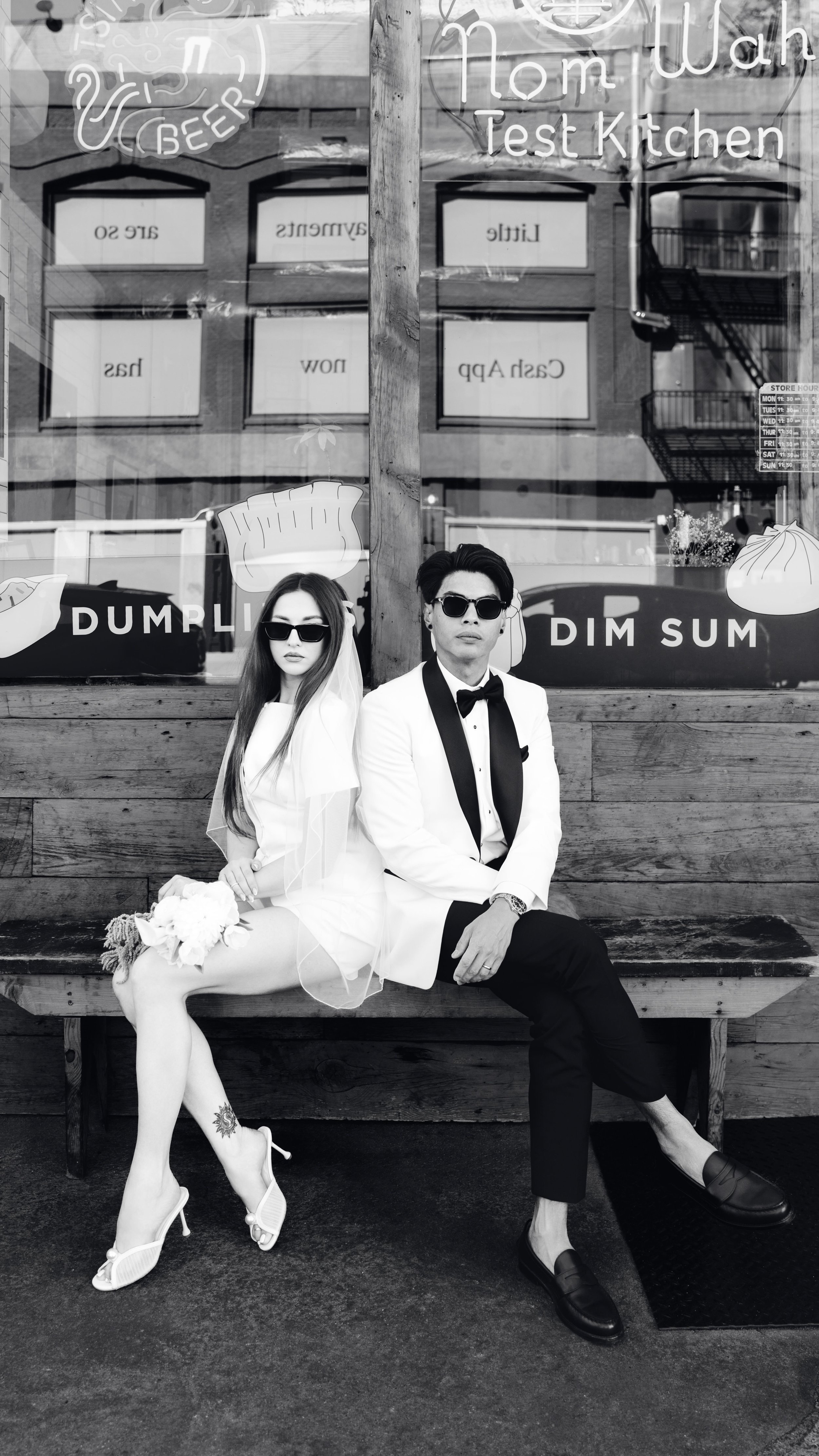
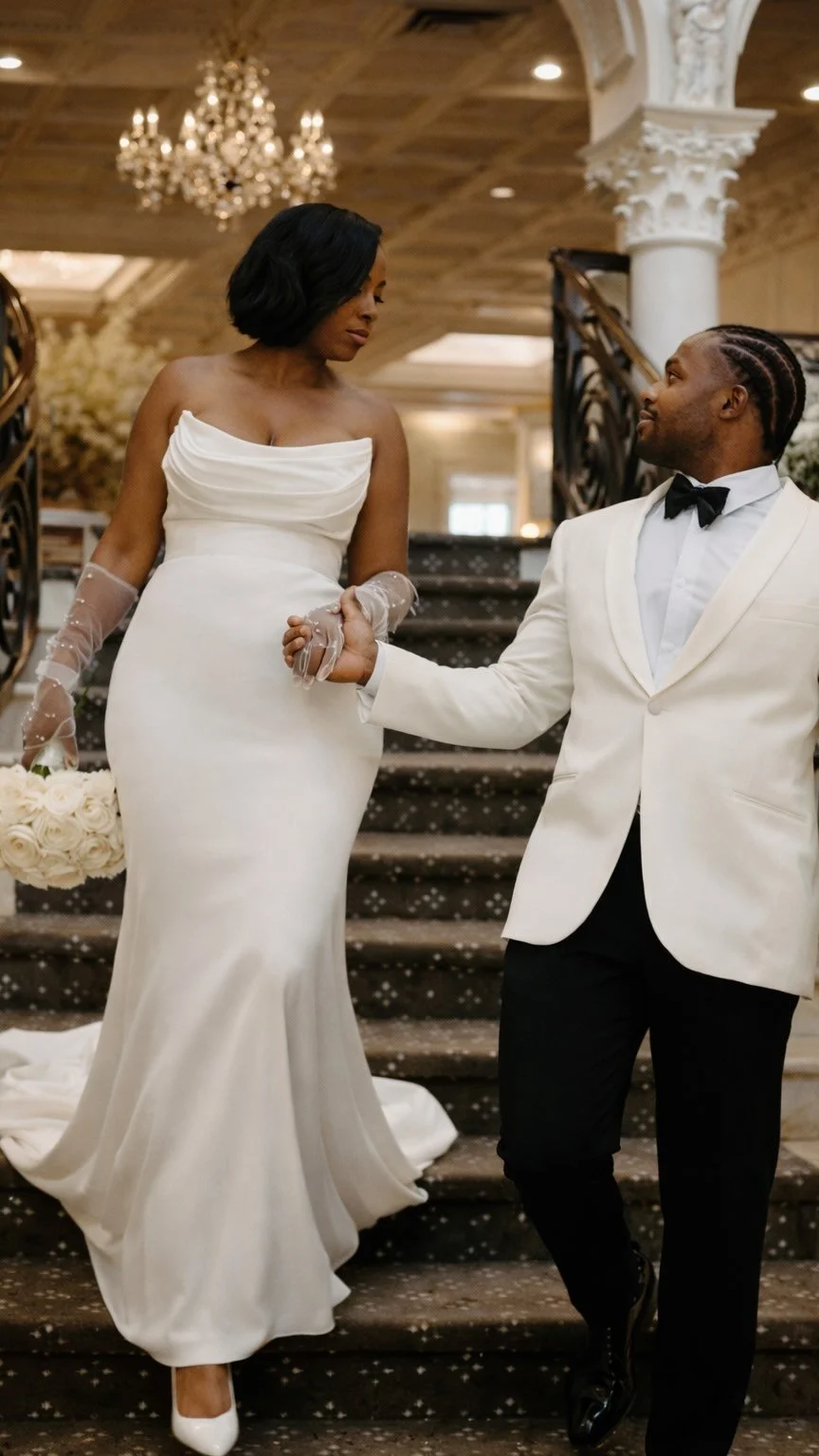
The rise of social media has fundamentally changed how couples think about their wedding films, leading to increased demand for content specifically optimized for platforms like TikTok, Instagram, and Facebook. Modern editorial videographers create short-form reels and teasers designed for immediate sharing, often delivering content within 24-48 hours for couples eager to share their celebration with friends and family.
Vertical video formats and quick-cut editing styles dominate this approach, with videographers shooting specifically for mobile viewing and social media algorithms. The editing tricks employed include rapid transitions, trending audio, and visual effects that perform well on social platforms while maintaining the emotional impact of traditional wedding films.
Same-day edit capabilities have become increasingly important, with many modern editorial videographers offering preview content delivered during the cocktail hour or reception. This real-time sharing creates immediate guest engagement and allows couples to relive key moments like the wedding ceremony while the celebration continues.
Interactive elements represent another innovation in social media optimized content. Modern videographers incorporate guest video messages recorded on mobile devices, virtual guestbooks, and even live streaming elements that allow loved ones unable to attend to participate virtually in the special day.
The technical requirements for social media optimization include understanding platform-specific video requirements, audio considerations for mobile viewing, and editing workflows that prioritize speed without sacrificing quality. Successful editorial videographers develop systems that allow rapid turnaround while maintaining the artistic vision that defines their work.
Mixed Media Storytelling
Contemporary editorial videography increasingly embraces mixed media approaches that combine multiple visual formats within a single comprehensive wedding film. This technique integrates traditional videography with photography, drone footage, analog formats like Super 8mm or VHS clips, and even animated elements to create layered narratives that engage viewers on multiple levels.
Studio-style collective approaches have emerged where teams of creative professionals work together to create unified visual narratives. Rather than having separate wedding photography and videography teams working independently, these collectives coordinate their efforts to ensure seamless integration between different capture methods and consistent aesthetic across all deliverables.
The layered narratives possible through mixed media allow for more complex storytelling that might include flashback sequences using family photos, aerial shots that provide context for the entire venue, and intimate close-ups that capture emotional depth during key moments. This approach creates wedding films that feel more like artistic documentaries than traditional video coverage.
Seamless integration requires sophisticated post-production workflows and videographers with experience across multiple mediums. The most successful mixed media wedding films maintain consistent color grading and aesthetic coherence despite incorporating footage from different sources and formats.
Behind the scenes elements often include time-lapse sequences showing setup and preparation, raw footage from multiple cameras that capture different perspectives simultaneously, and even footage of the video team at work, creating meta-narratives that add depth and context to the main wedding story.
Technical Wedding Film Formats and Lengths
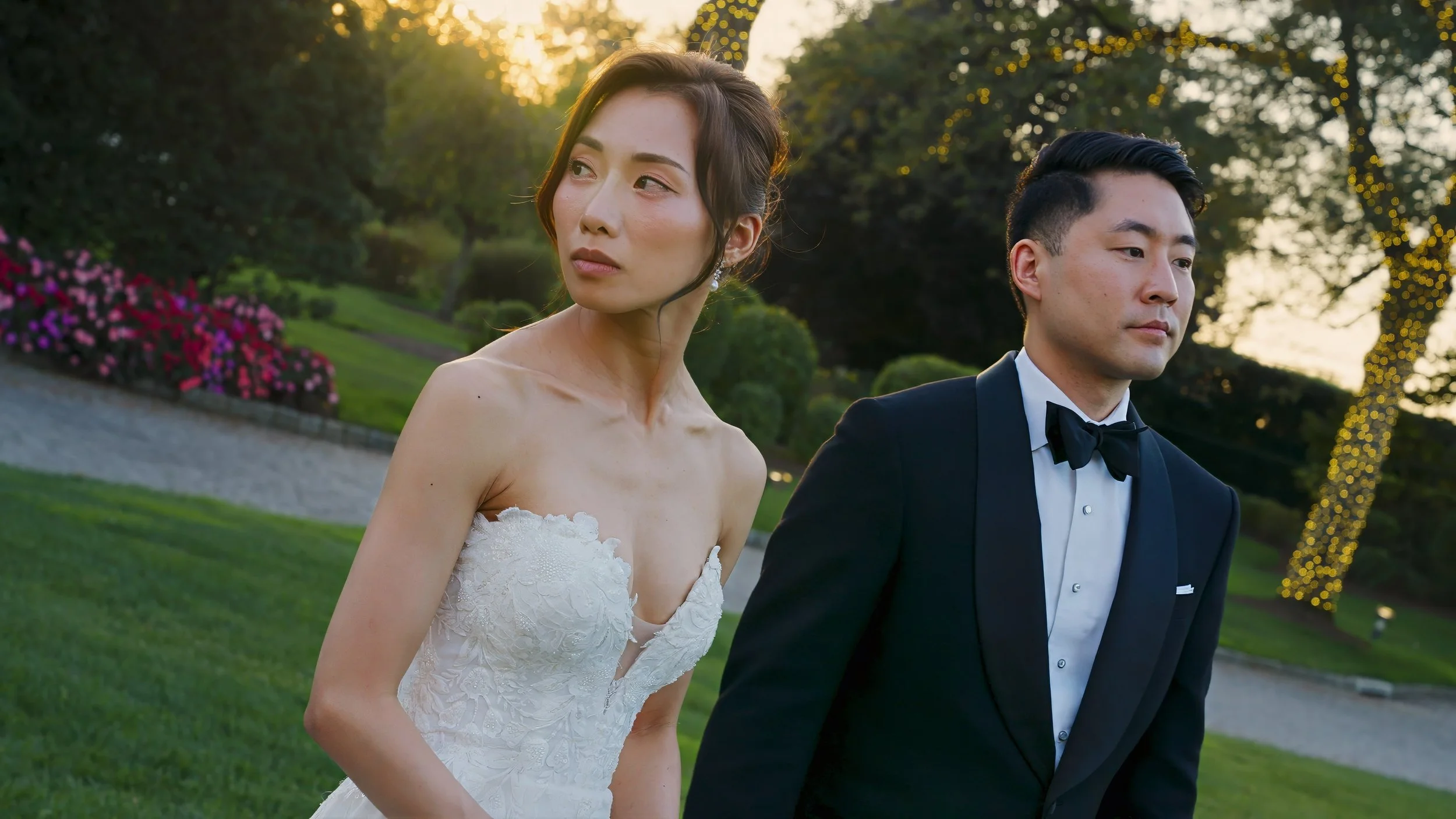
Understanding the various wedding film formats and their typical uses is essential for making informed decisions about videography coverage. Each format serves different purposes, comes with distinct pricing structures, and has specific delivery timeline expectations that couples should consider when booking their wedding videographer.
The wedding videography industry has standardized around several key formats, each designed to serve specific viewing purposes and sharing needs. From brief social media teasers that capture attention in seconds to comprehensive documentary coverage that preserves the entire ceremony, understanding these options helps couples choose appropriate coverage based on their budget and priorities.
Pricing differences between various film lengths and styles reflect the time investment required for each format. Shorter, highly edited pieces often require more intensive post-production work, while longer documentary formats need extensive organization and basic editing to create watchable final products.
Short-Form Wedding Videos
Wedding teasers represent the shortest format, typically running 30-60 seconds and designed specifically for social media promotion and immediate sharing. These highly condensed pieces capture the essential emotional beats of the wedding day and often feature trending music and rapid-cut editing that performs well on platforms like Instagram and TikTok.
Wedding trailers expand to 2-3 minutes and focus on highlighting key moments from throughout the special day. These films typically include brief excerpts from the wedding ceremony, reception dancing, and emotional moments like the first dance, all edited together with professional music to create a cohesive narrative that gives viewers a taste of the full celebration.
Wedding highlight reels run 3-10 minutes and provide more comprehensive coverage while maintaining the cinematic experience of shorter formats. These films include extended coverage of important moments, multiple camera angles, and more complete sequences that allow viewers to understand the flow and emotional progression of the wedding day.
Same-day edits have become increasingly popular, offering quick turnaround versions that can be shown during the reception or shared immediately after the wedding weekend. These typically run 2-5 minutes and focus on the most impactful moments that can be edited quickly without extensive post-production work.
The technical requirements for short-form videos include sophisticated editing skills, large music libraries, and efficient workflows that allow rapid turnaround without sacrificing quality. Many videographers now shoot with short-form content in mind, ensuring they capture the specific shots and moments that work well in condensed formats.
Long-Form Wedding Films
Feature films represent the premium option for couples wanting comprehensive cinematic coverage, typically running 10-20 minutes with extended ceremony and reception coverage presented in a narrative format. These films include complete vow exchanges, full speeches, and comprehensive coverage of the entire event while maintaining cinematic quality throughout.
Full documentary coverage provides the most complete record of the wedding day, running 20-60 minutes and chronicling events from preparation through the end of the reception. This format appeals to couples who want to preserve every detail and allows family members who couldn’t attend to experience the entire celebration.
Ceremony edits offer complete unedited ceremony footage with professional audio, typically running 20-45 minutes depending on the length of the actual ceremony. These provide a complete historical record while maintaining the natural pacing and emotional flow of the real event without artistic editing or music overlay.
Raw footage packages include organized unedited files from all cameras used during the wedding day, providing couples with complete archives of their celebration. While these require substantial storage and aren’t suitable for casual viewing, they ensure that every moment captured is preserved for posterity.
The delivery timeline for long-form films typically extends 2-4 months after the wedding date, as the extensive editing required to organize and present hours of footage takes considerably more time than shorter formats. Couples choosing these options should plan accordingly and understand that quality comprehensive editing cannot be rushed.
Choosing the Right Wedding Film Style
Selecting the perfect wedding videography style requires careful consideration of your personal preferences, wedding vision, venue characteristics, and practical constraints like budget and timeline. One classic option is the traditional style, which documents the ceremony and reception in chronological order, providing a timeless and reliable record of your day. The most successful wedding films result from thoughtful alignment between the couple’s personality and their videographer’s expertise in their preferred style.
Traditional wedding videography is straightforward and typically focuses on the ceremony and reception, offering a simple, chronological documentation of the event. Understanding your natural preferences provides the foundation for making this important decision. Consider whether you’re typically drawn to polished, artistic presentations or prefer natural, unedited documentation. Think about your favorite movies, photography styles, and even how you prefer to share memories with friends and family—these preferences often translate directly to videography style preferences.
Your wedding venue significantly influences which videography styles will work best for your celebration. Outdoor ceremonies with natural beauty often suit documentary or vintage approaches that emphasize natural light and environmental context. Luxury ballrooms and historic estates provide perfect backdrops for cinematic approaches that can take advantage of dramatic architecture and controlled lighting conditions.
Assessment Questions for Style Preference
Begin your style selection process by honestly answering several key questions about your vision and priorities. Do you envision watching your wedding film like a romantic movie, or do you prefer seeing events unfold exactly as they happened? Are you excited about the possibility of dramatic camera movements and orchestral music, or does that feel artificial compared to capturing genuine moments and natural sound?
Consider your comfort level with direction during the wedding day itself. Cinematic approaches often require some coordination with the video team to ensure optimal lighting and composition, while documentary styles work to remain invisible throughout the celebration. Some couples enjoy being part of the creative process, while others prefer to focus entirely on their guests and celebration.
Budget considerations should include not just the initial videography cost, but also how you plan to share and preserve your films long-term. Higher production value styles typically command premium pricing but also create films you’ll be proud to share widely. More documentary approaches may cost less initially but provide longer films that require more storage and organization.
Timeline expectations vary significantly between styles. Cinematic films with extensive color grading and effects work may take 3-6 months to complete, while simpler documentary edits might be ready in 4-8 weeks. Consider your timeline for sharing films with family and friends when making your selection.
Venue and Practical Considerations
Different venue types naturally complement certain videography styles. Destination weddings often benefit from cinematic approaches that can showcase the beautiful locations and incorporate travel elements into the narrative. Beach ceremonies with changing natural light work well with documentary styles that can adapt to conditions as they change throughout the day.
Indoor venues with controlled lighting conditions provide ideal settings for more elaborate cinematic techniques, while garden parties and outdoor receptions often look most authentic when captured with documentary approaches that embrace natural conditions and candid interactions.
The size of your guest list also influences style choice. Intimate weddings with small groups often benefit from documentary approaches that can capture personal interactions, while larger celebrations may require more structured cinematic approaches to ensure important moments aren’t missed in the crowd.
Consider the personalities of your loved ones when choosing your style. If your family and friends are naturally expressive and comfortable being themselves around cameras, documentary styles will capture authentic moments. If your group tends to be more reserved, some gentle direction from a cinematic videographer might help everyone feel more comfortable and photogenic.
Budget Breakdown and Timeline Considerations
Wedding videography pricing varies significantly based on style, length of coverage, and level of post-production work involved. Documentary styles typically range from $2,000-$5,000 for professional coverage, while elaborate cinematic productions can range from $3,500-$8,000 or more for luxury weddings with extended coverage and premium editing.
Vintage and retro styles often fall in the middle range of $2,500-$6,000, depending on whether authentic analog equipment is used and how much specialized post-production work is required to achieve the desired aesthetic. Modern editorial styles with social media optimization typically command premium pricing of $4,000-$10,000 due to the specialized skills and rapid turnaround requirements.
Mixed media approaches and hybrid styles represent the highest investment level, often ranging from $5,000-$12,000 or more, but provide the most comprehensive coverage and flexible deliverables that serve multiple purposes from social sharing to family archives.
Timeline for booking varies by style and videographer popularity, but couples should generally begin their search 6-12 months before their wedding date. Popular videographers specializing in specific styles often book well in advance, particularly during peak wedding season.
Questions for Potential Videographers
When interviewing potential videographers, focus on understanding their experience with your preferred style and their approach to your specific wedding circumstances. Ask to see complete films in your preferred style, not just highlight reels that may not represent their typical work quality or approach.
Inquire about their experience with your venue type and how they typically handle the lighting and logistical challenges specific to your location. Ask about their backup plans for technical issues and how they coordinate with other wedding vendors, particularly wedding photography teams.
Understanding their editing timeline and revision process helps set appropriate expectations. Ask about their typical delivery schedule, what the review process looks like, and whether additional edits or changes are included in their package pricing.
Portfolio review should focus on consistency across multiple weddings rather than just individual standout moments. Look for videographers whose work maintains quality and style consistency, and whose aesthetic choices align with your vision for your own wedding film. Ask specifically about their experience with weddings similar to yours in size, venue type, and overall style.
Communication style during the planning process often predicts the working relationship during your wedding day. Choose videographers who respond promptly, understand your vision, and make you feel confident about their ability to capture your special day exactly as you envision it.
The right wedding videography style will enhance your special day while creating lasting memories that reflect your unique love story. Whether you choose the drama of cinematic storytelling, the authenticity of documentary coverage, the romance of vintage aesthetics, or the boldness of modern editorial approaches, the most important factor is finding experienced professionals who understand your vision and have the skills to bring it to life.