Top Different Wedding Photo Styles to Perfectly Capture Your Day
Unsure which wedding photography style suits you? From classic portraits to candid moments, understanding different wedding photo styles will help you pick the perfect one for your big day. This guide breaks down the top styles to help you decide.
Key Takeaways
Choosing a wedding photography style should reflect the couple’s unique personalities and the overall theme of their celebration.
Popular styles include editorial, traditional, documentary, fine art, and candid photography, each offering a distinct approach to capturing moments.
Budget considerations play a crucial role in selecting a photography style, as different styles may require varying levels of investment.
Exploring Different Wedding Photo Styles


Wedding photography styles have evolved significantly over the years to cater to the diverse tastes and trends of modern couples. Choosing the right wedding photography style is not just about following trends but about creating a lasting legacy that reflects your unique personalities and the essence of your celebration. Selecting a photographer whose style aligns with your love story is essential for creating memorable wedding photos. Cinematic photography, for instance, is defined by high contrast and emotional intimacy with minimalistic compositions, offering a dramatic and impactful way to tell your story.
The right wedding photography style can make a world of difference in how you remember your wedding day. Each style offers a distinct way of capturing moments, from posed portraits to candid shots, ensuring that your wedding album is a cherished reflection of your big day. Couples should consider various factors like their budget, connection with the photographer, and their personal style when selecting a photography style.
This guide explores a variety of popular wedding photo styles, such as traditional, editorial, and documentary. Contemporary photography, which incorporates elements from various styles including editorial and candid shots, is also gaining popularity. Each section offers detailed insights into what makes each style unique and how it captures the magic of your wedding day.
Editorial Style


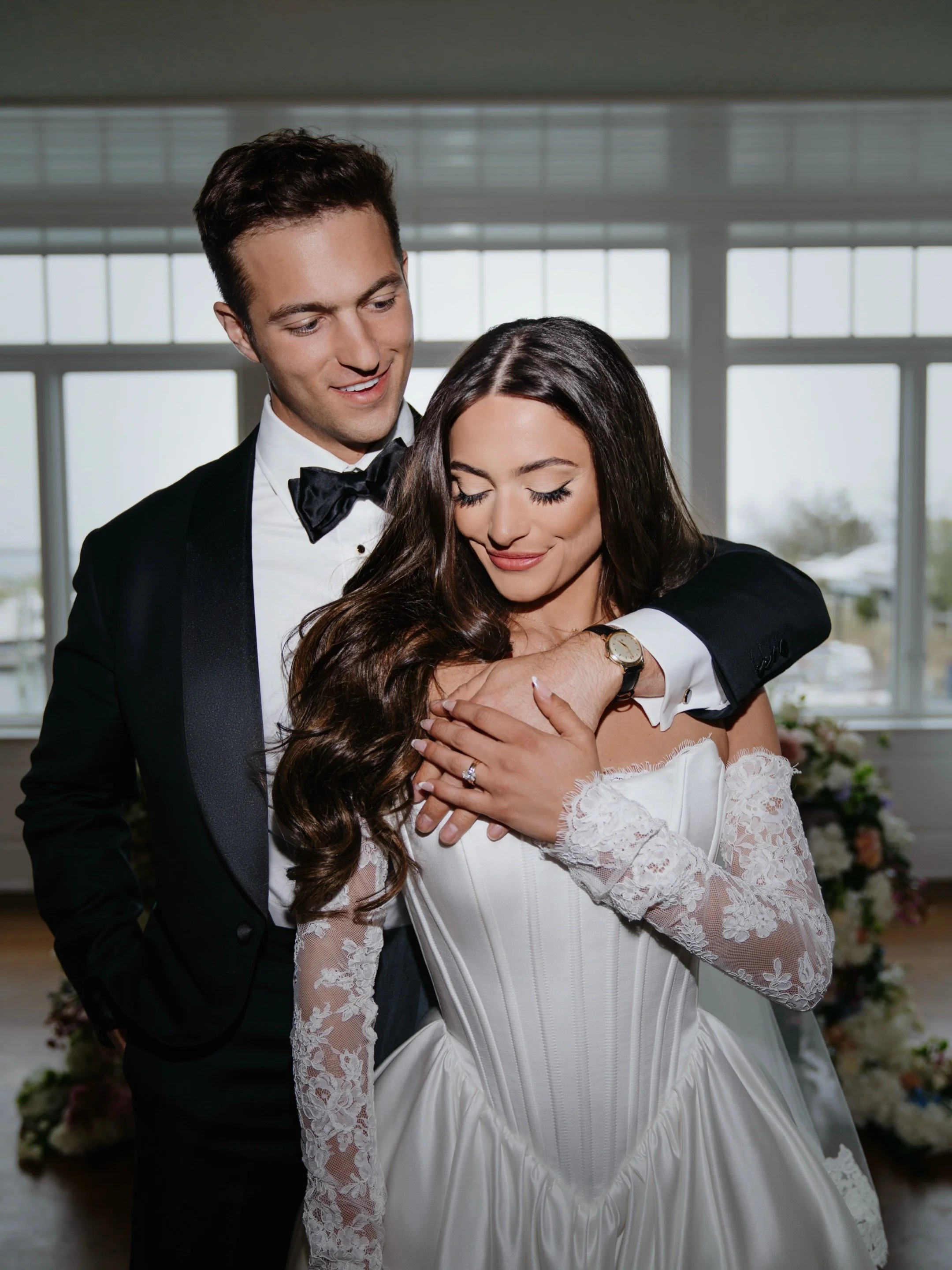
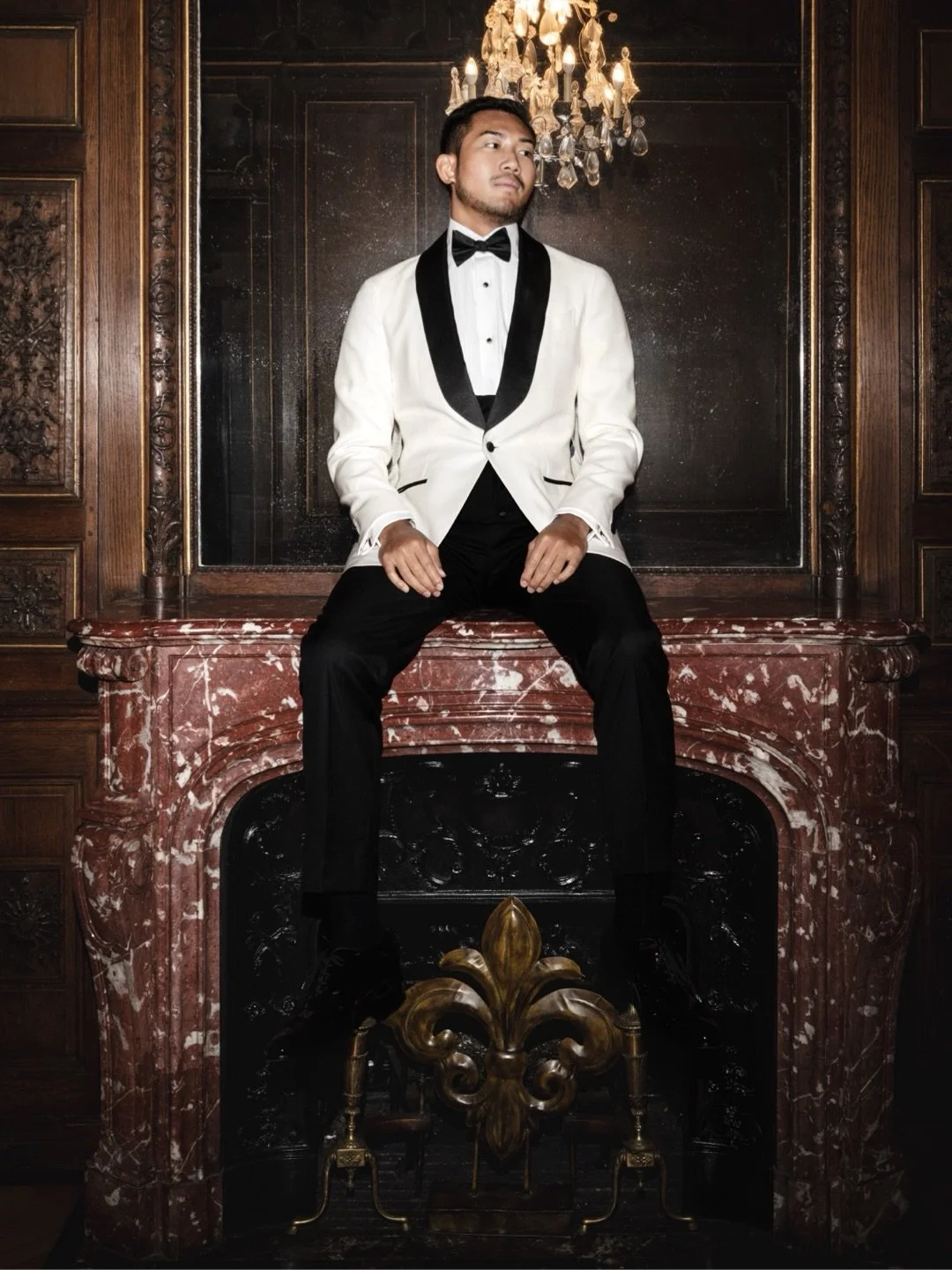
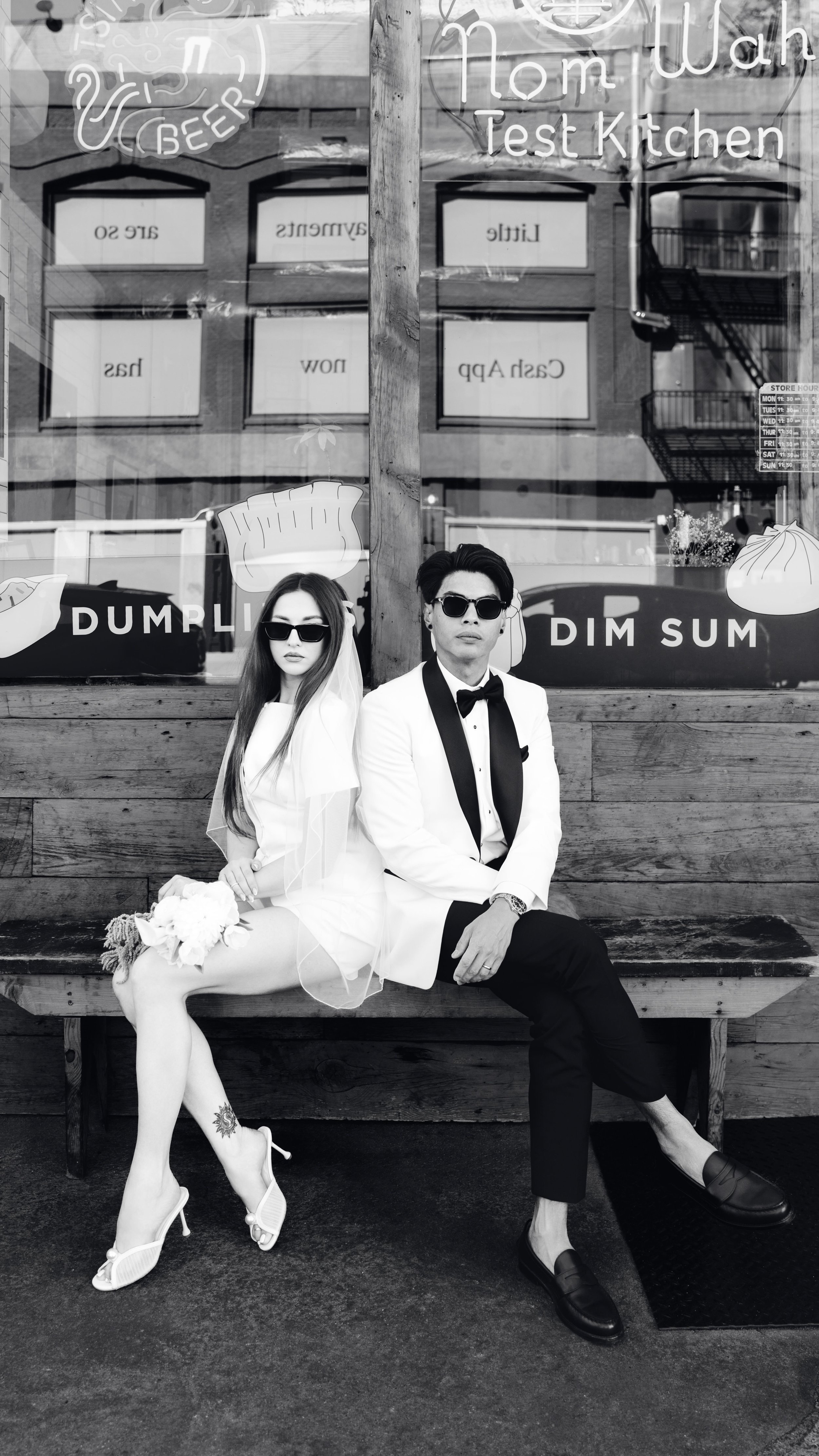
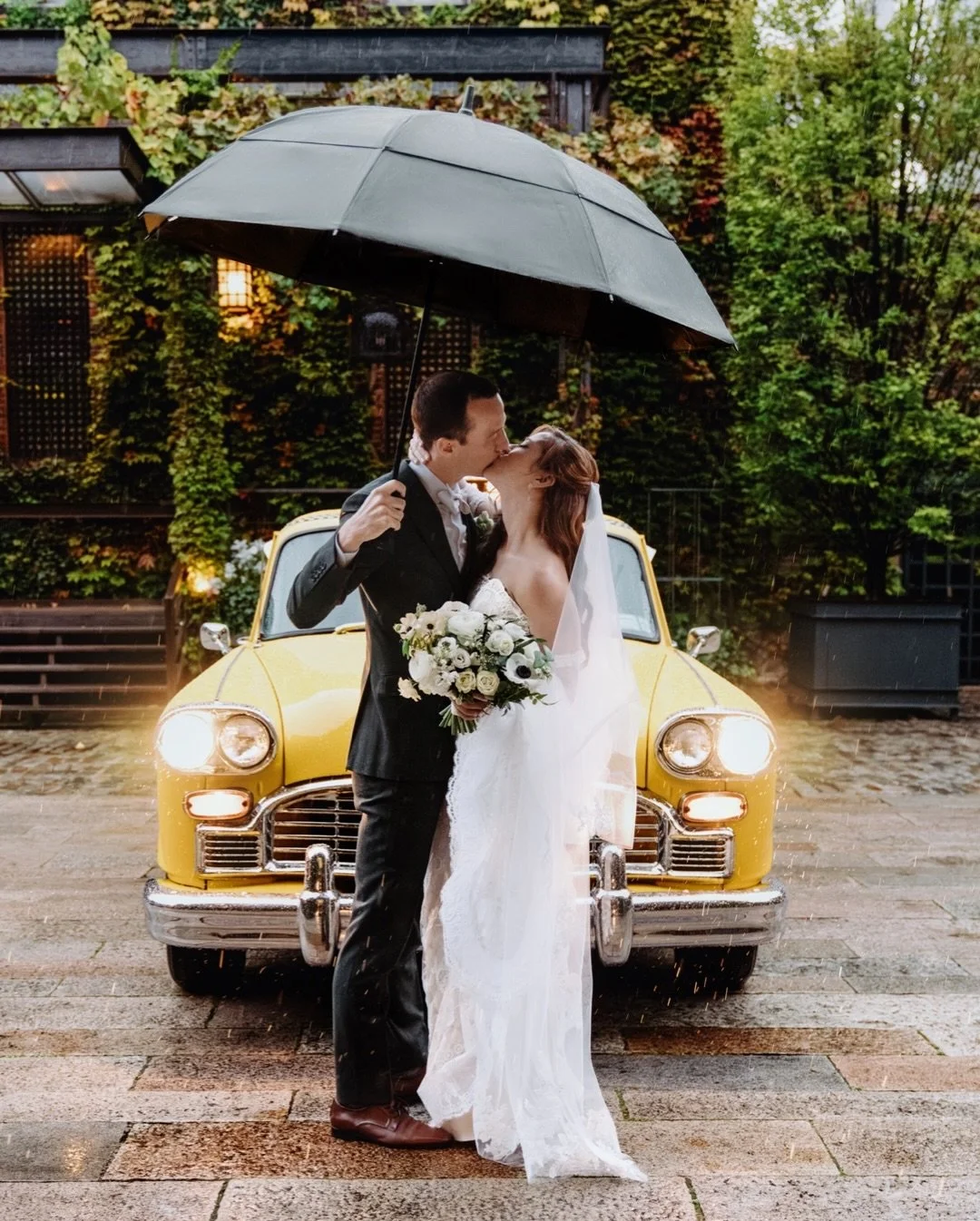
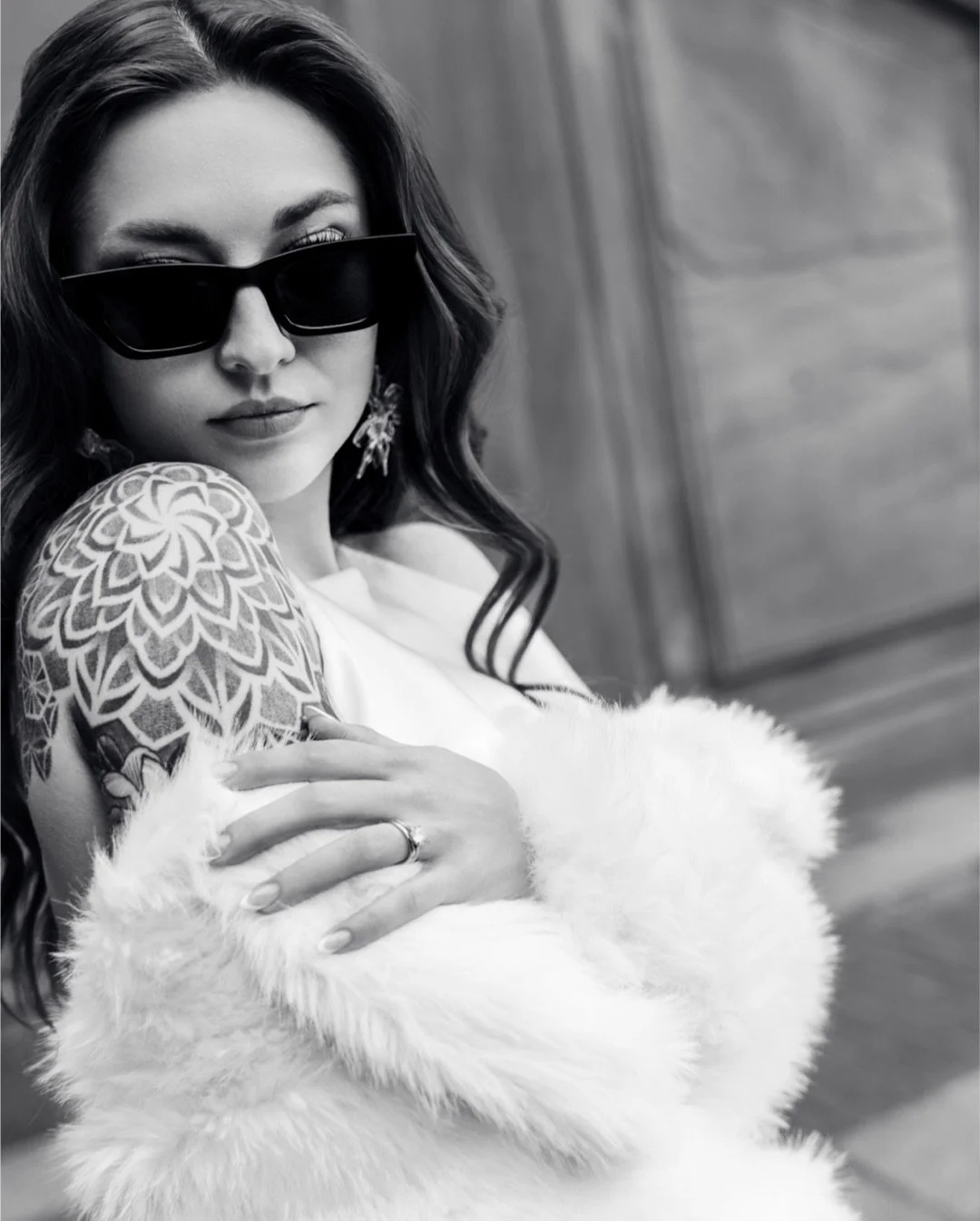
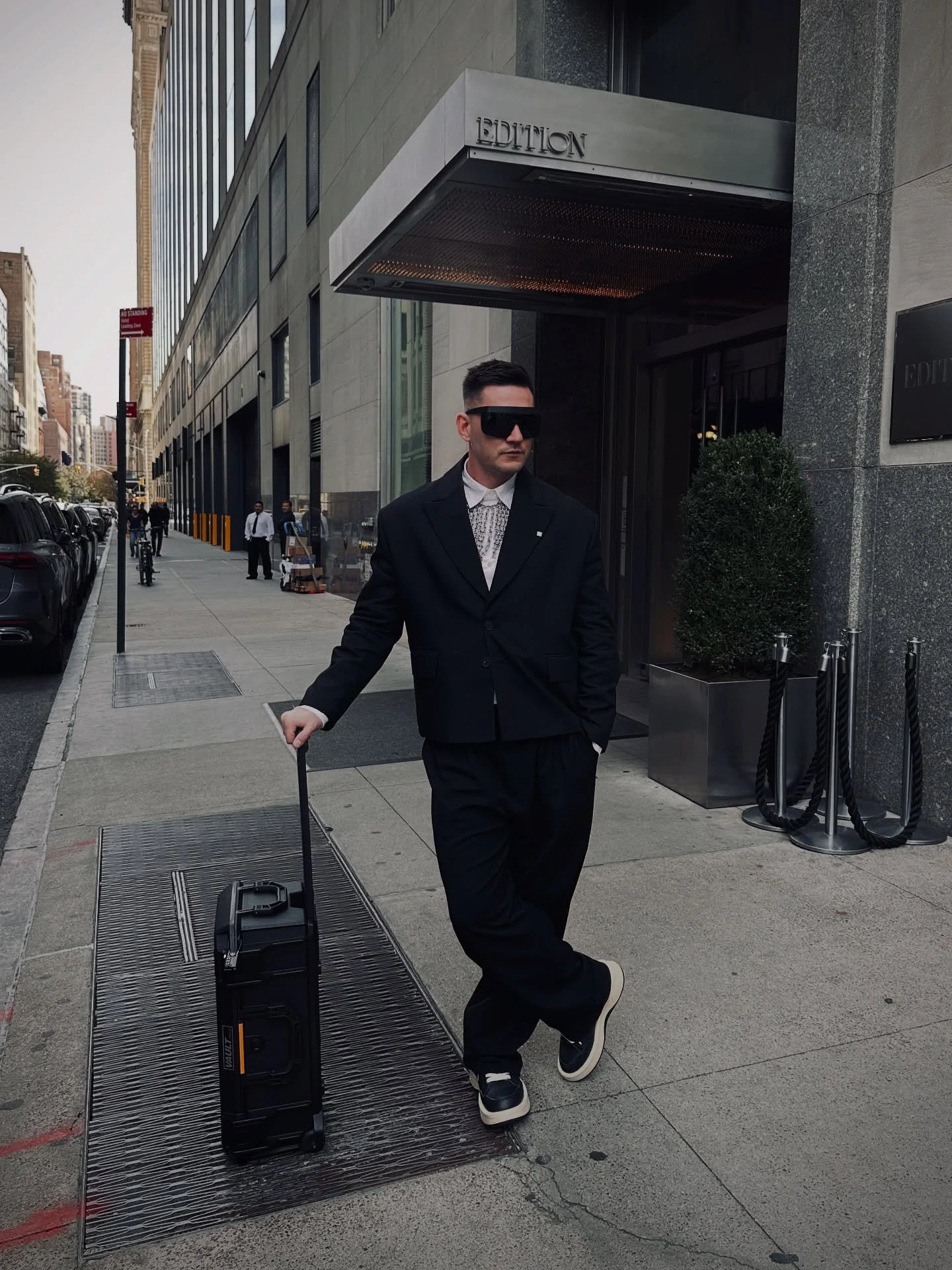
Editorial wedding photography is inspired by the sophisticated and glamorous world of high-fashion magazines. This wedding photography style focuses on artistic storytelling through dramatic lighting and sophisticated poses. Couples often aim for editorial portraits that reflect their artistic vision rather than just traditional documentation.
Achieving the polished look typical of editorial photography involves sophisticated lighting techniques and carefully selected accessories, hair, and makeup that lean towards bold and dramatic editing styles, showcasing an artistic flair.
Choosing the right location, whether urban or natural, can dramatically enhance portrait quality. Scouting for visually striking backdrops ensures magazine-quality results in this style.
Traditional Wedding Photography
Traditional wedding photography is characterized by:
Straightforward, posed portraits at eye level that convey a timeless quality
A focus on formal group shots and the couple’s connection through classic poses
Photographers ensuring that no significant moments, such as the processional and first kiss, are overlooked, all within a traditional wedding photography style
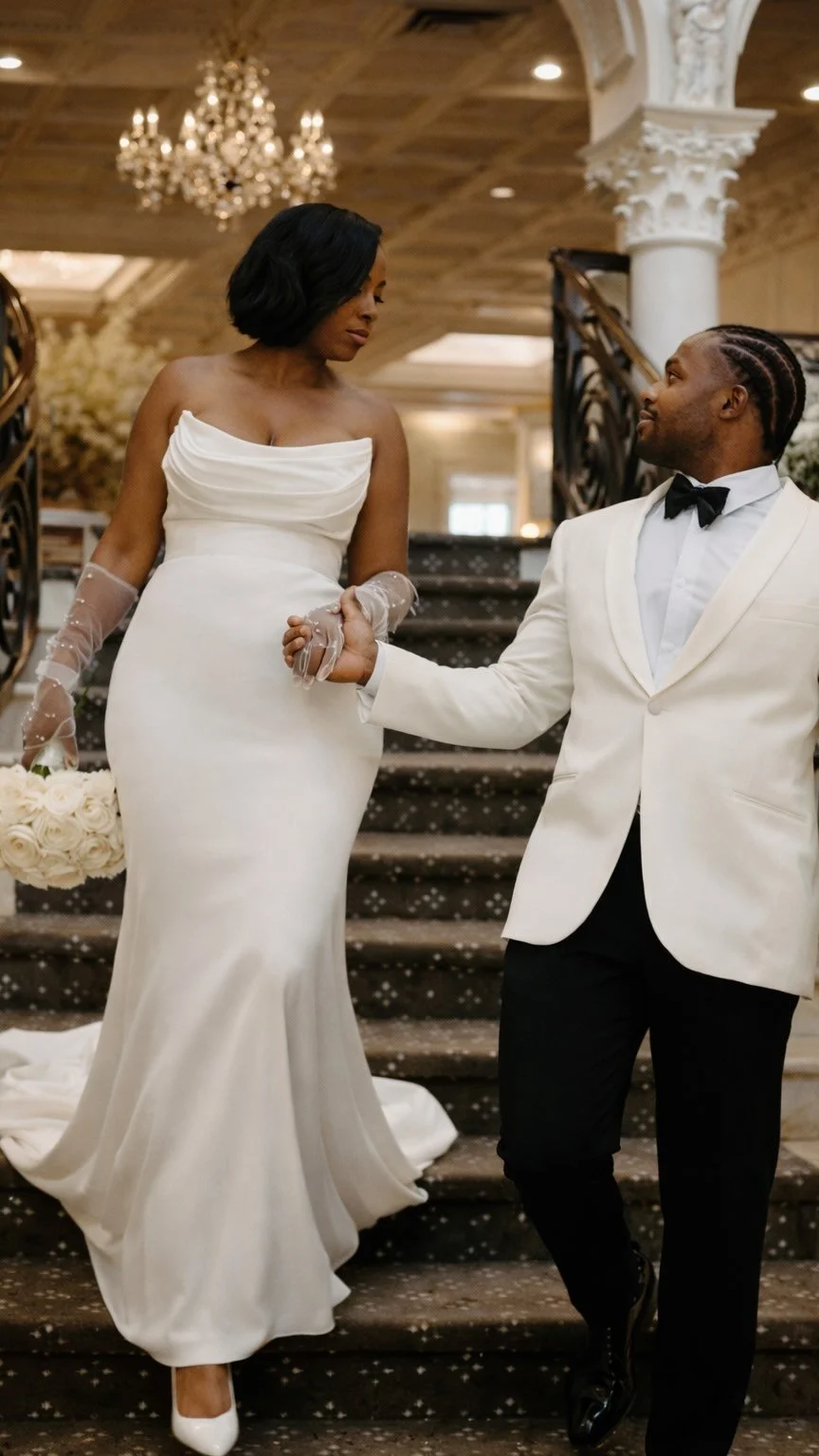
Traditional wedding photography focuses on staged portraits with the couple and family, capturing key snaps from the ceremony and reception. Traditional and editorial styles are more hands-on, with the photographer actively directing poses to achieve the desired aesthetic.
Formal family portraits are a significant aspect of traditional photography, documenting important attendees and creating a visual legacy that stands the test of time. Natural light and balanced composition are essential in achieving aesthetically pleasing photographs that retain their relevance over the years, including group portraits.
Clearly expressing your preference for traditional photography helps meet your expectations.
Documentary Style Wedding Photography

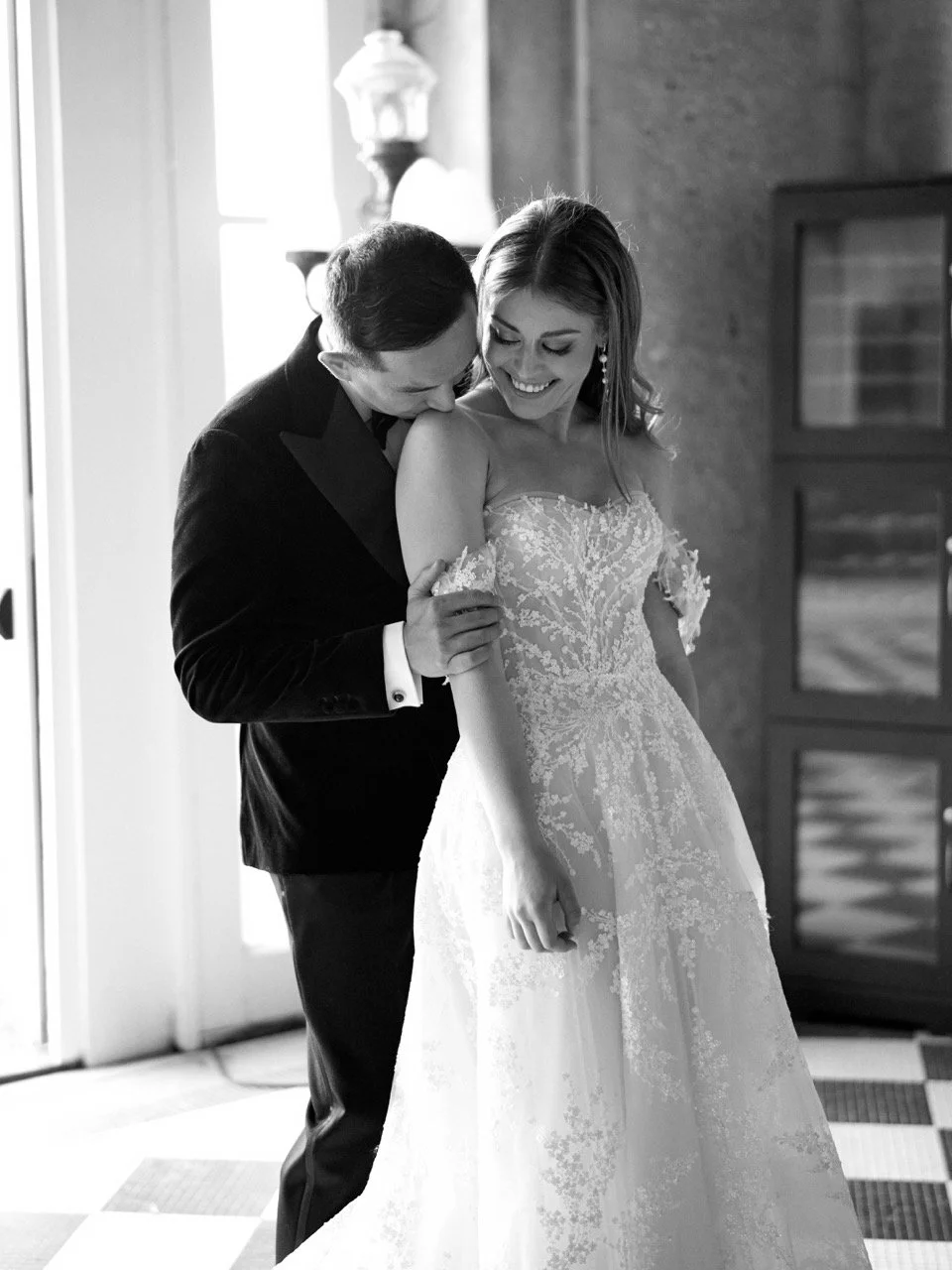


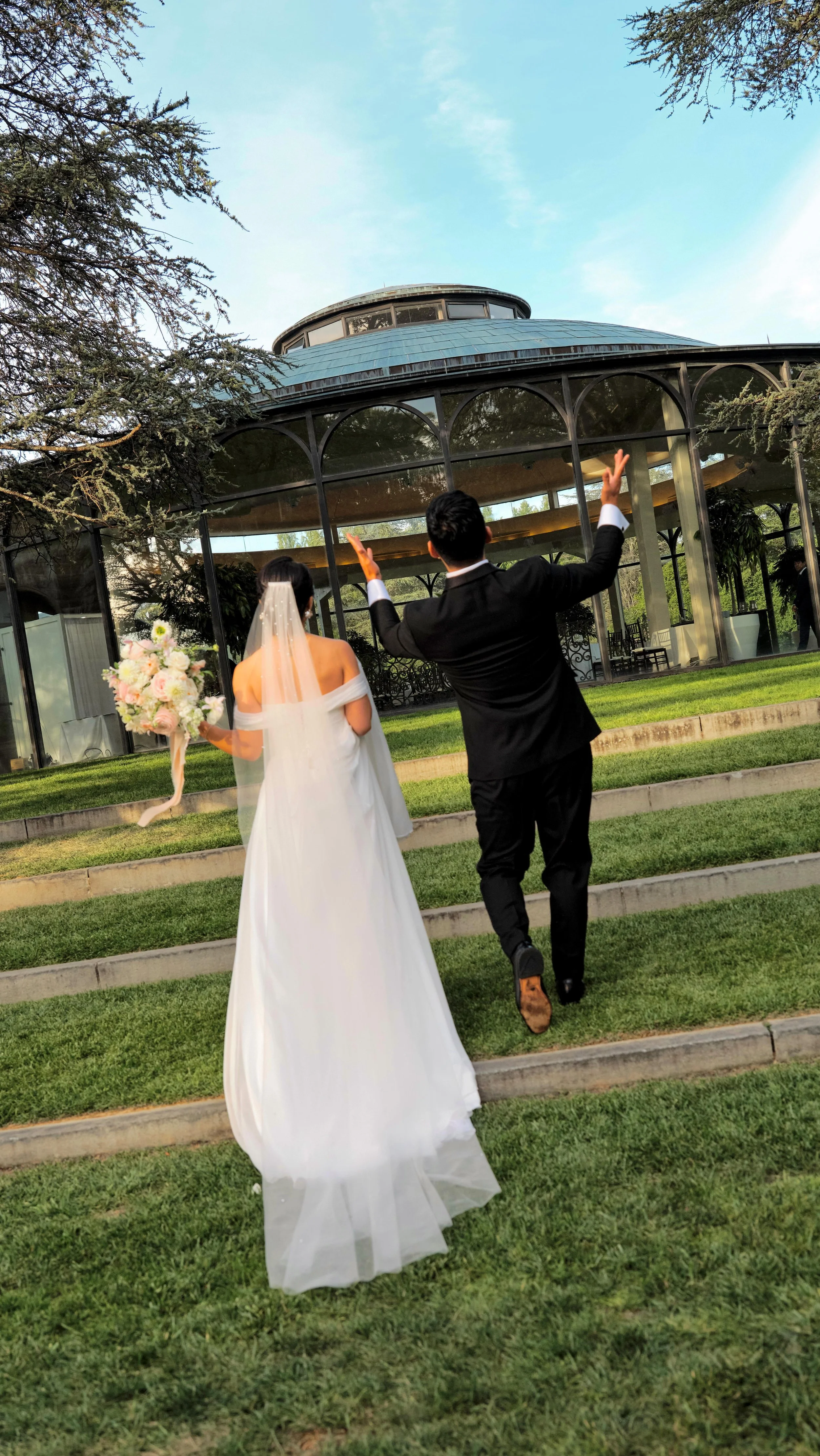
Documentary style wedding photography, also known as reportage, focuses on the narrative of the wedding day by capturing events as they naturally occur without interference. This wedding photography style emphasizes storytelling, documenting authentic moments that evoke strong emotional connections and allow couples to relive their wedding day through genuine moments in a photojournalistic style. Aerial wedding photography, often done with drones, complements this approach by capturing expansive views of the venue, adding a unique perspective to the wedding album.
This style often involves capturing spontaneous moments to capture key moments, enhancing the authenticity of the wedding album. Natural lighting and discretion significantly enhance the authenticity of candid wedding photographs, creating a natural moments authentic story.
As social media trends increasingly reflect a preference for candid photography, a wedding photographer specializing in documentary style wedding photography and digital photography has become a popular choice for modern couples.
Fine Art Wedding Photography
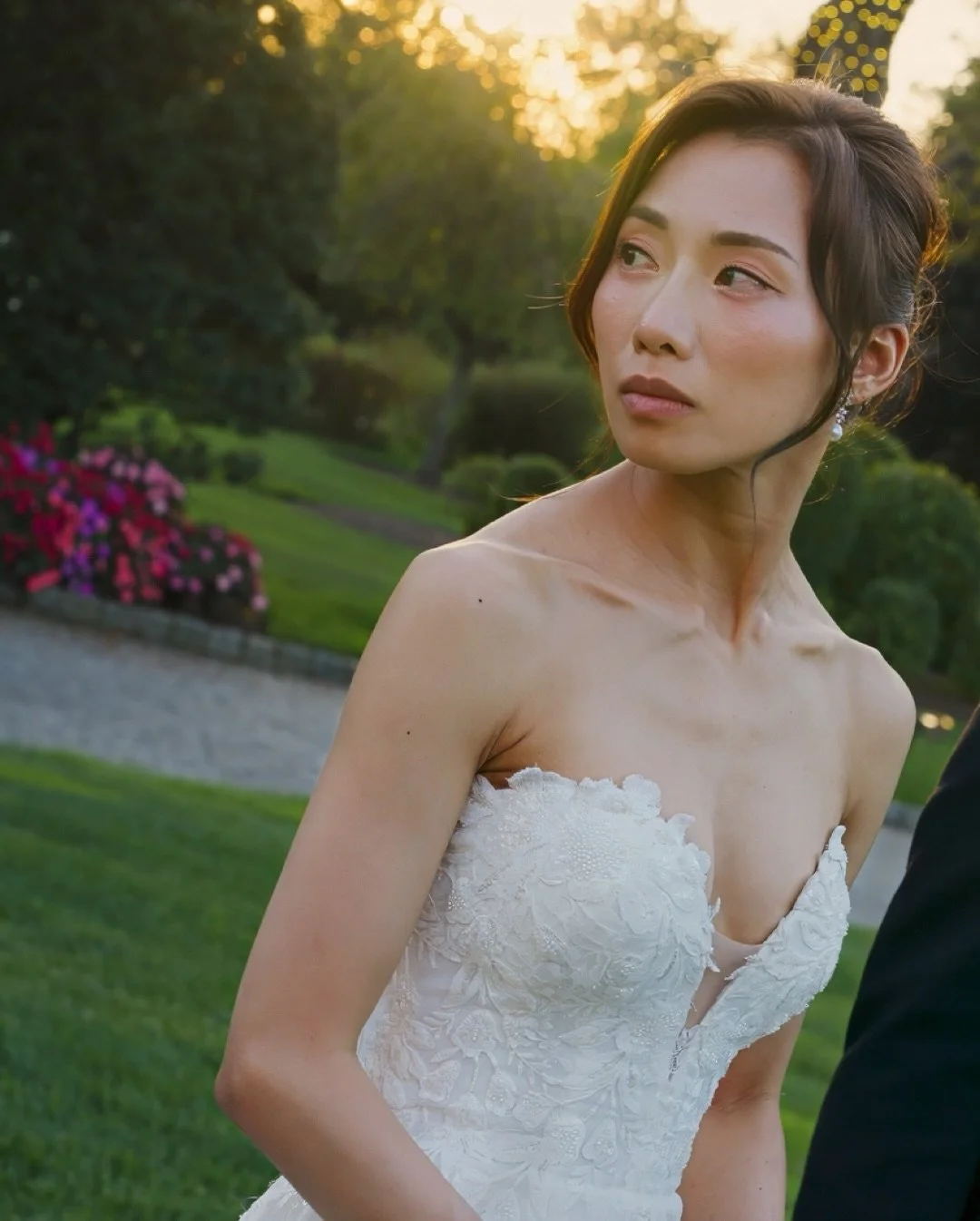
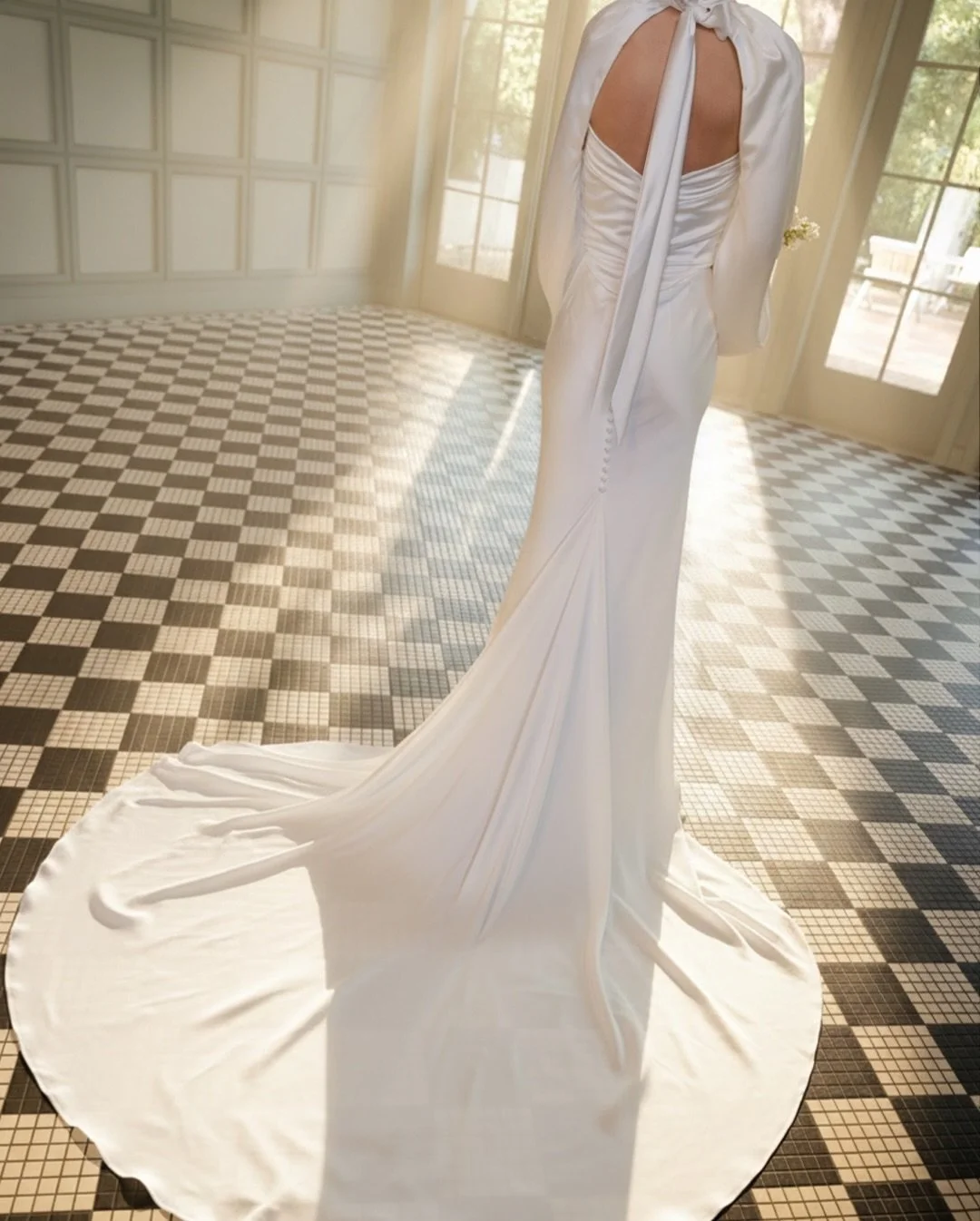
Fine art wedding photography is characterized by light, bright, and airy images that showcase an artistic interpretation of moments. This wedding photography style is most commonly associated with film photography, which captures light and texture beautifully. Fine art photography focuses on artistic, editorial-style images with creative composition and lighting, making it notable for its emotional depth, attention to detail, and the creation of photos that resemble pieces of art.
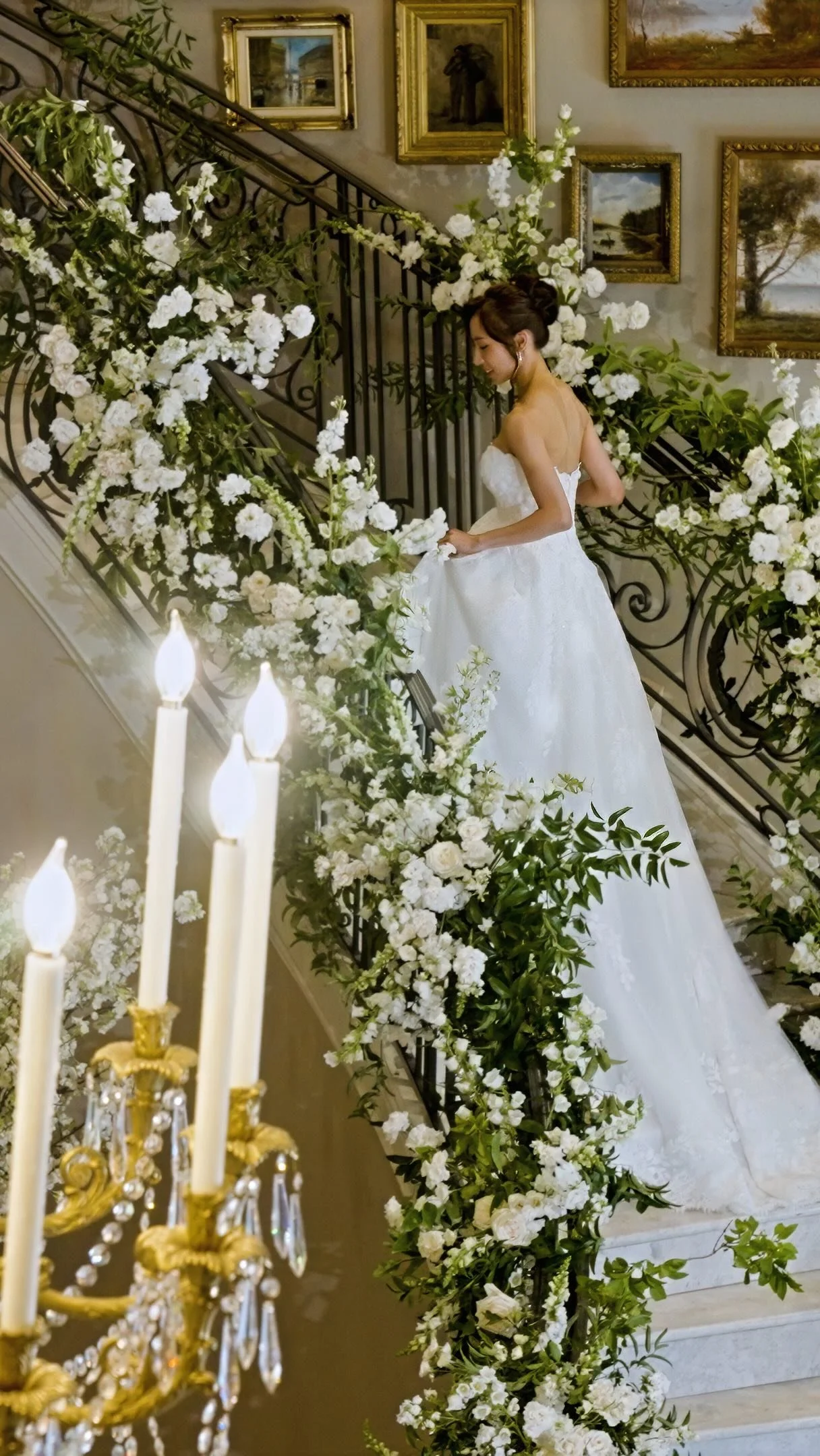
This style involves meticulously positioning elements, adjusting lighting, and scouting locations for a bright, airy look. The result is a timeless and elegant representation of your wedding day that highlights the natural beauty and emotional connections of the event, making wedding planning an essential part of the process.
Candid Wedding Photography

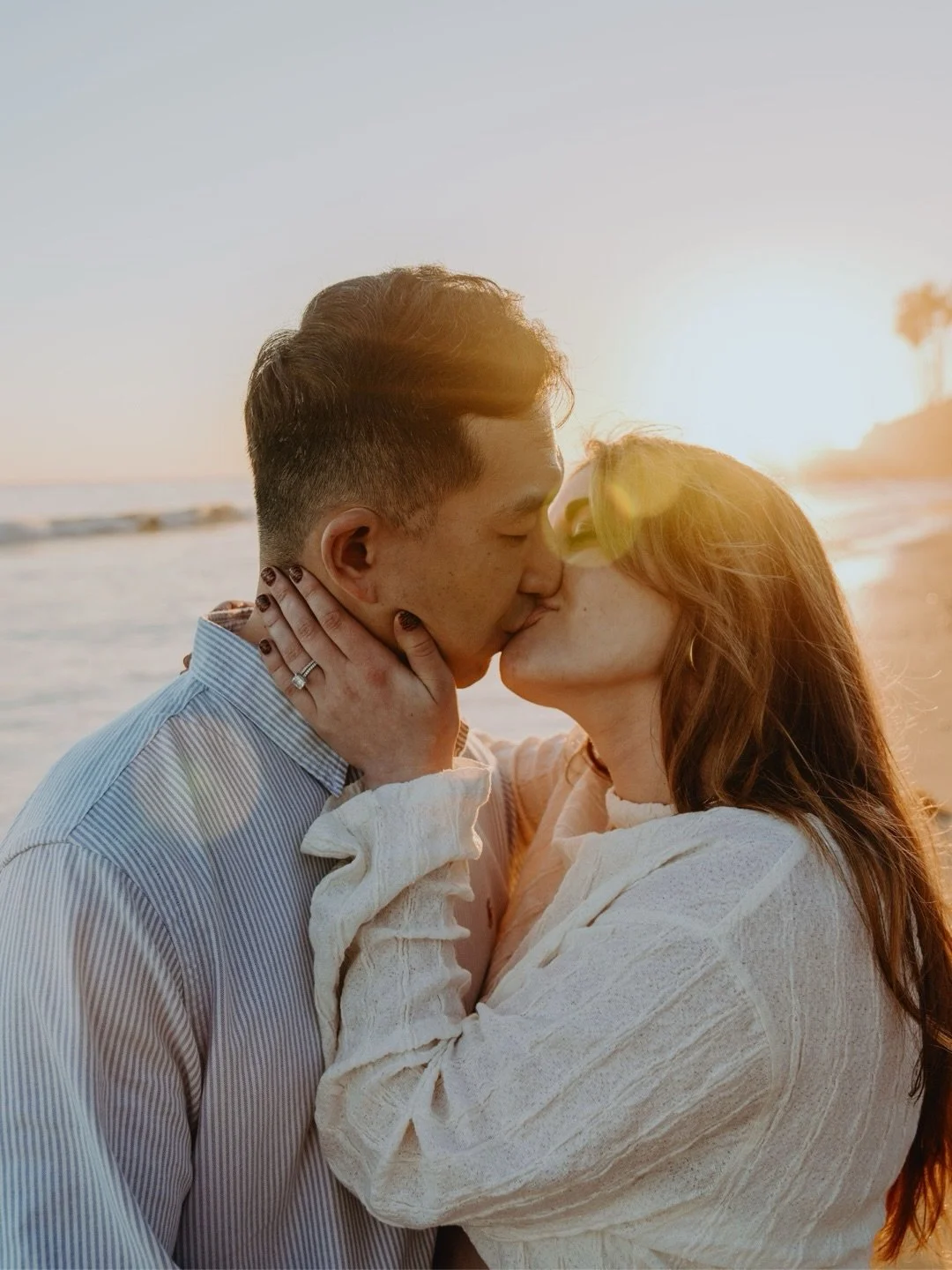
Candid wedding photography aims to capture genuine moments as they happen, creating a true reflection of the day. The focus of this wedding photography style is on genuine, spontaneous moments that cannot be staged, allowing for authentic storytelling. Photographers need to anticipate moments and have honed their skills through practice to effectively capture these candid shots.
Fine art photographers emphasize organic movements and connections, creating a more intimate visual narrative. This approach results in a wedding album full of unscripted moments that truly represent the raw emotion and atmosphere of your special day, showcasing the photographer works of a good photographer.
Dark and Moody Photography

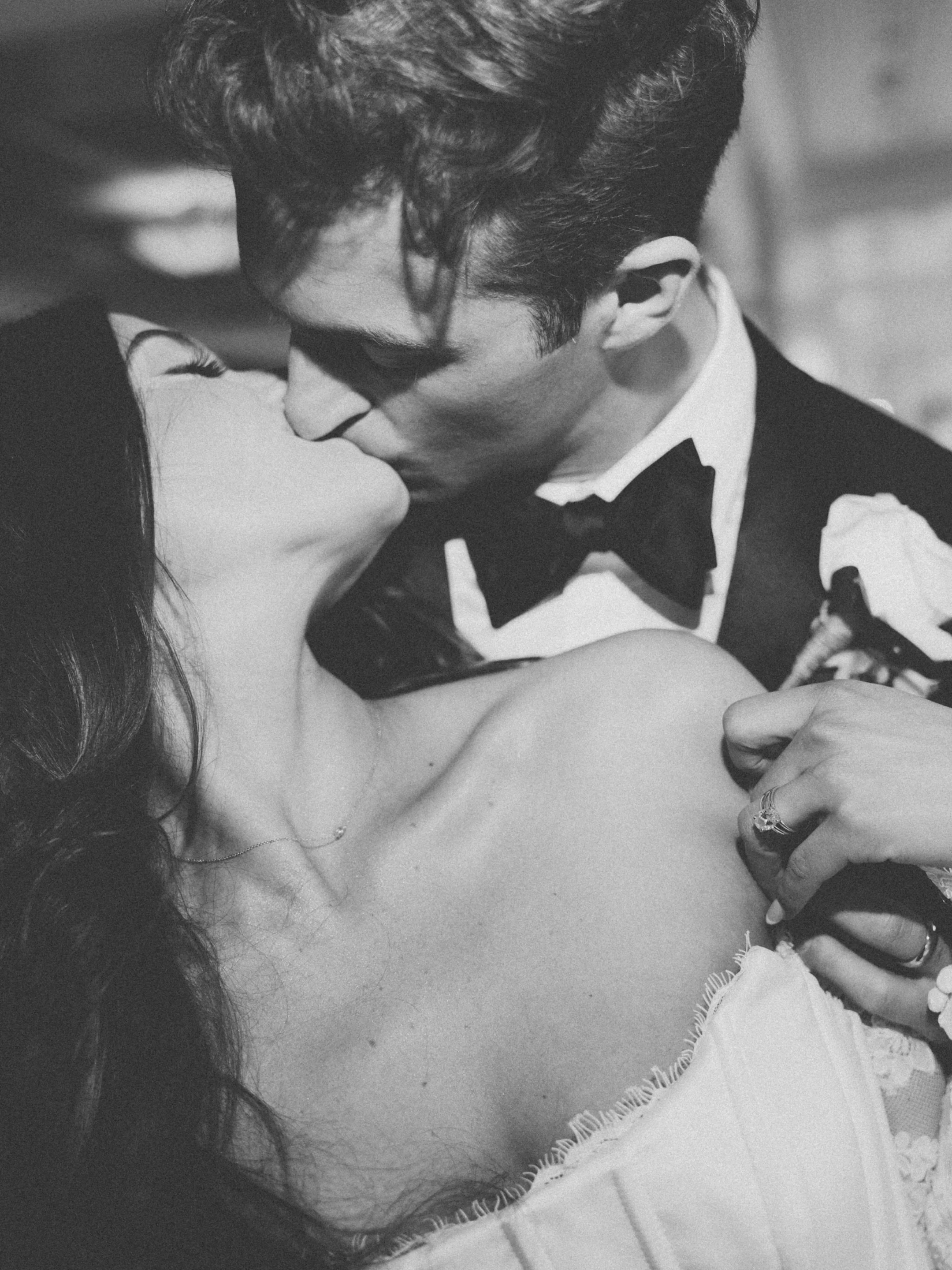
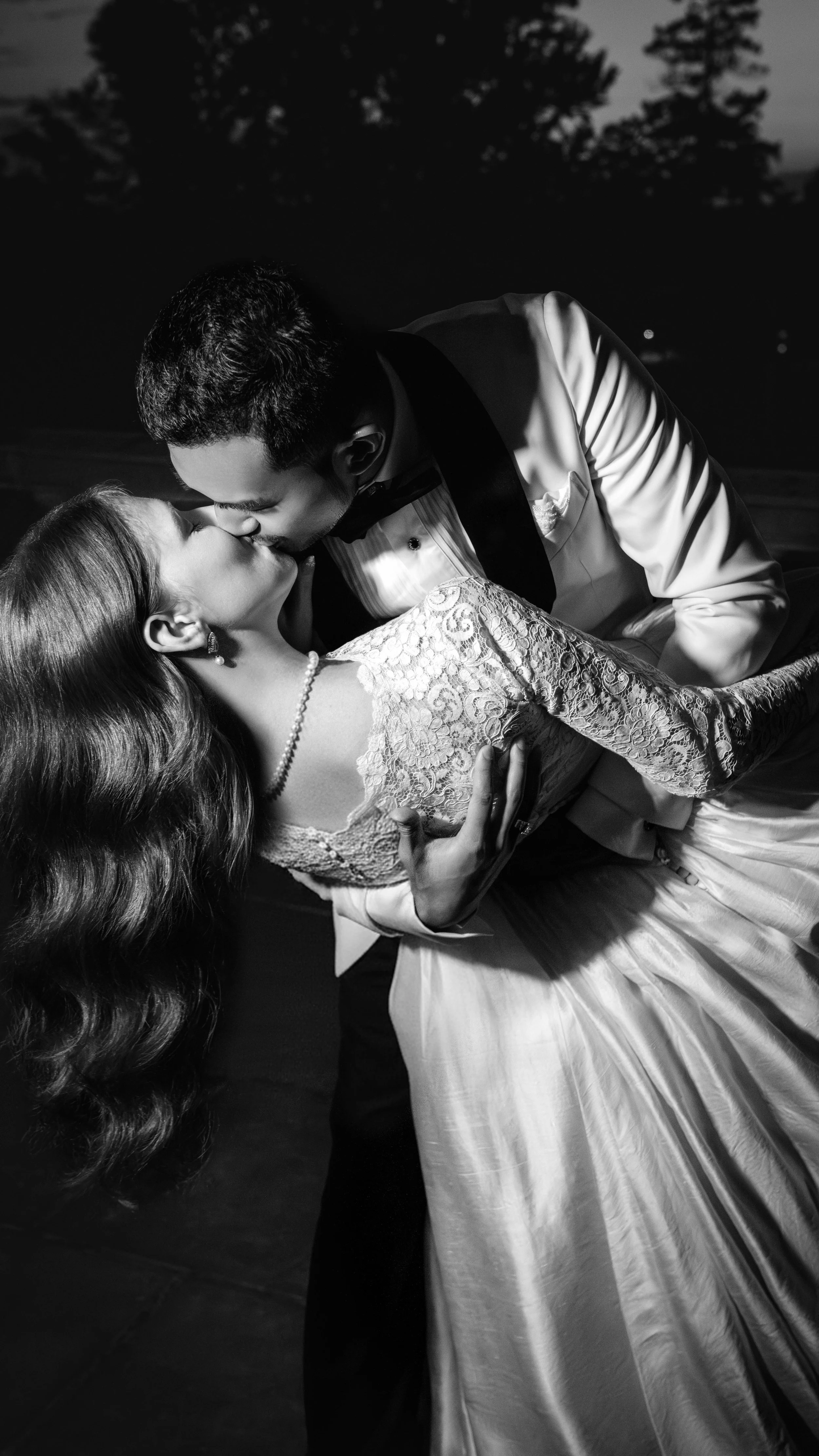
Dark and moody wedding photography captures dramatic imagery that conveys deep emotion. This wedding photography style is characterized by darkness, dramatic contrasts, shadows, and rich tones that enhance the emotional depth of a wedding. Photographers achieve this moody style by manipulating lighting conditions, often shooting in dim environments, and editing images for higher contrasts and richer colors.
Nighttime shoots enhance the dark and moody aesthetic with a romantic vibe. Using elements like sparklers can add a whimsical touch to dark and moody wedding photos while maintaining the overall aesthetic. Moody photos can beautifully capture this essence.
This style has gained popularity as it has been featured in various high fashion magazine, showcasing its appeal in the wedding industry.
Vintage Wedding Photography
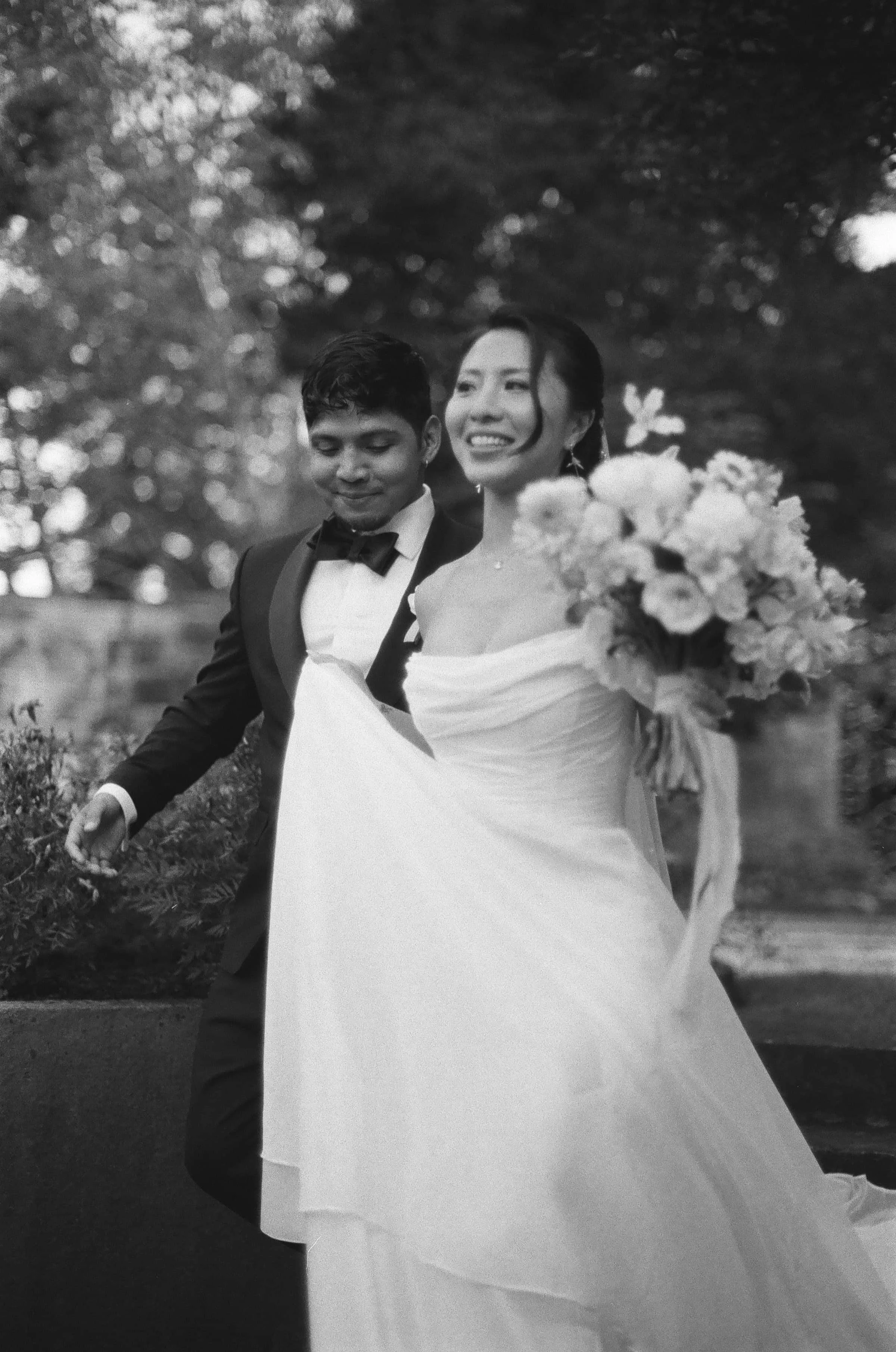
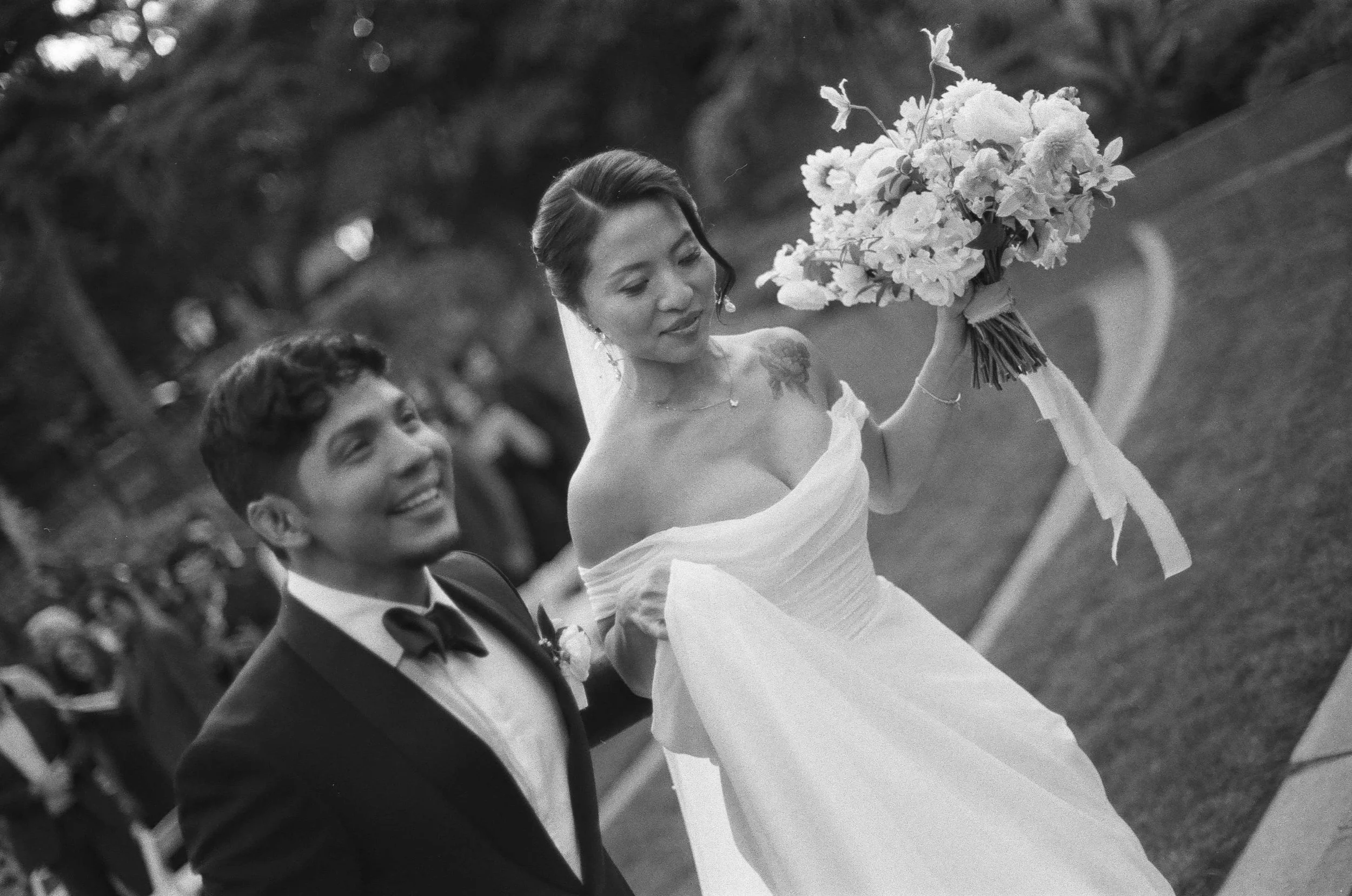
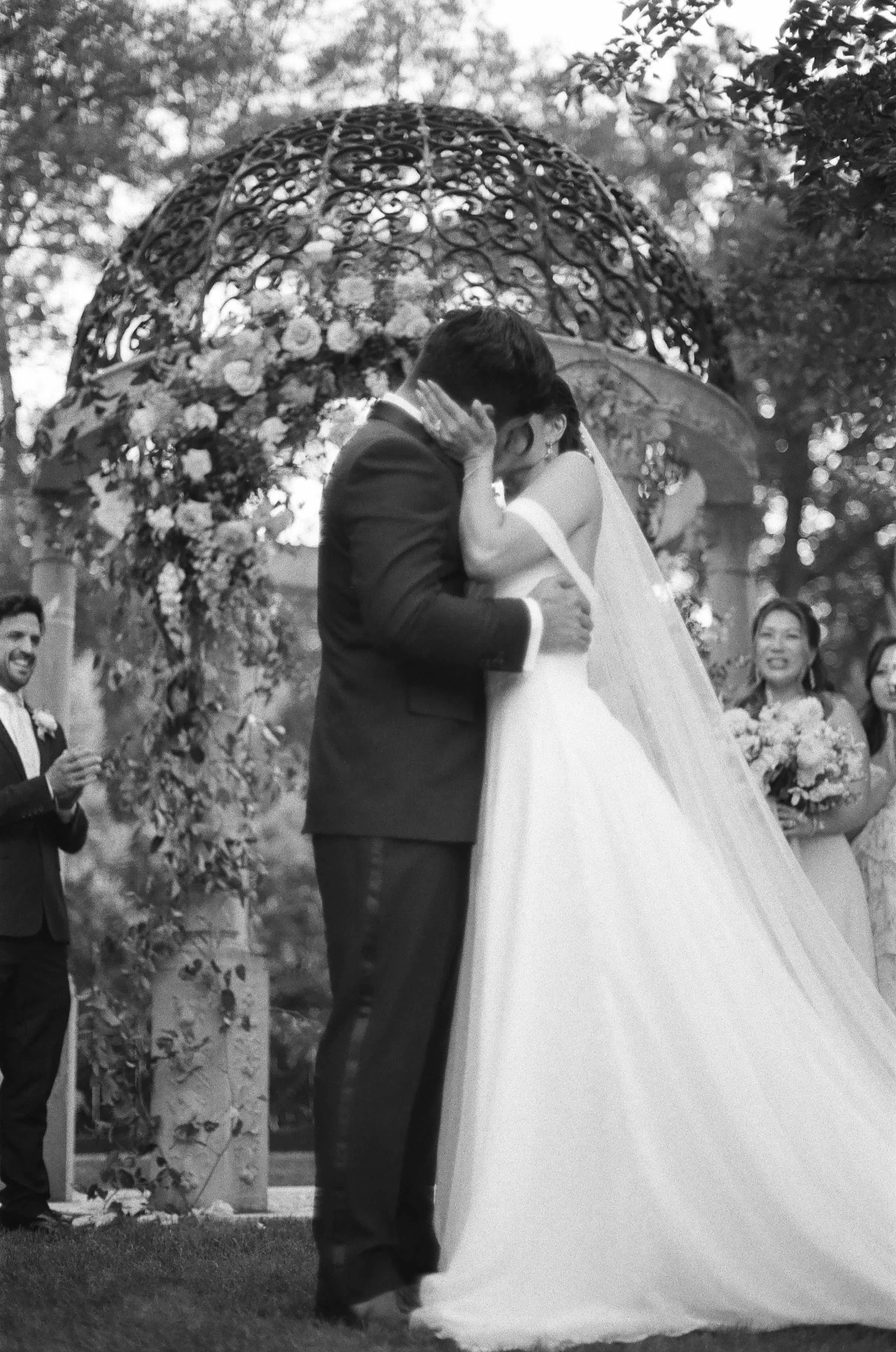
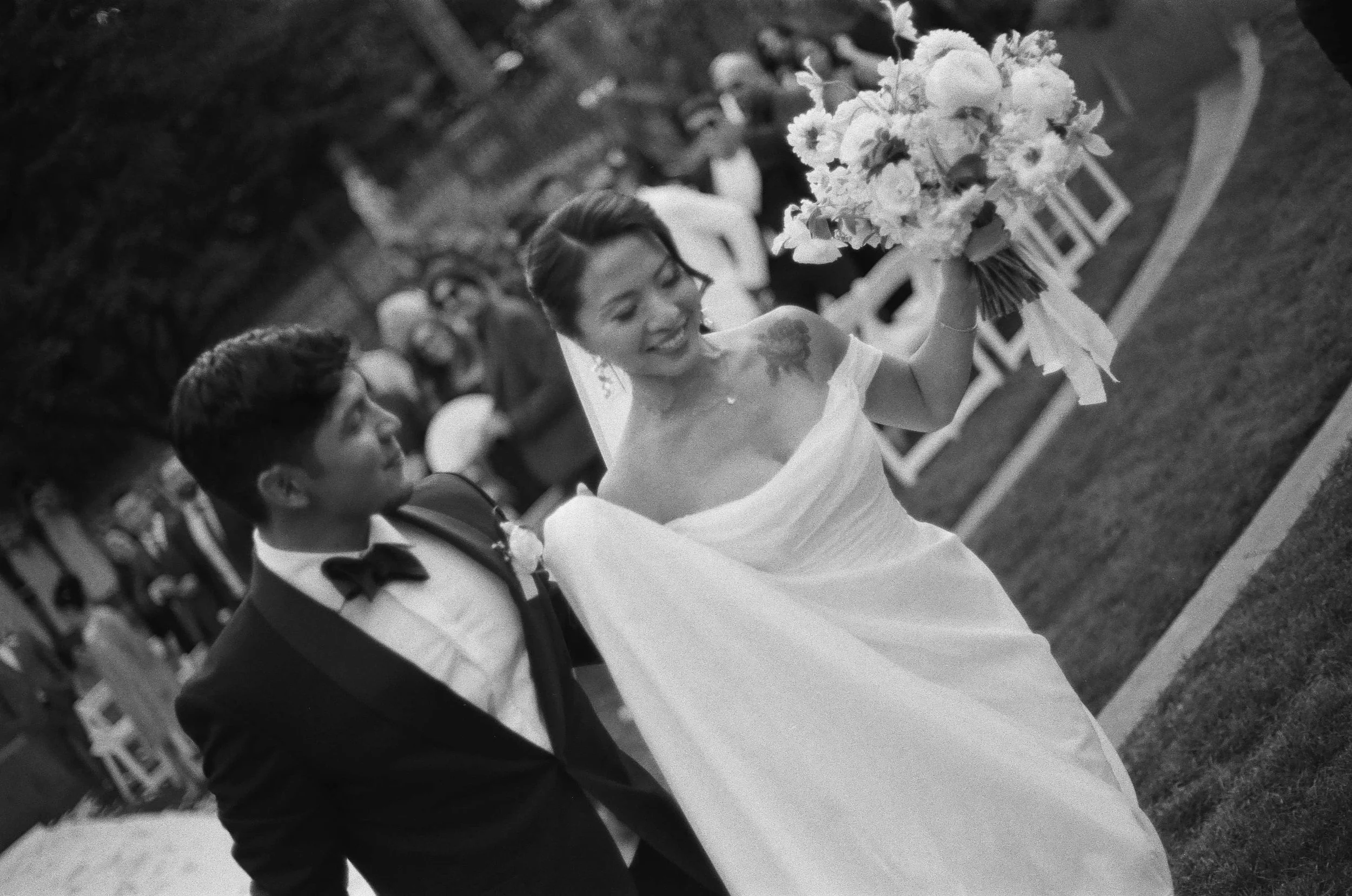
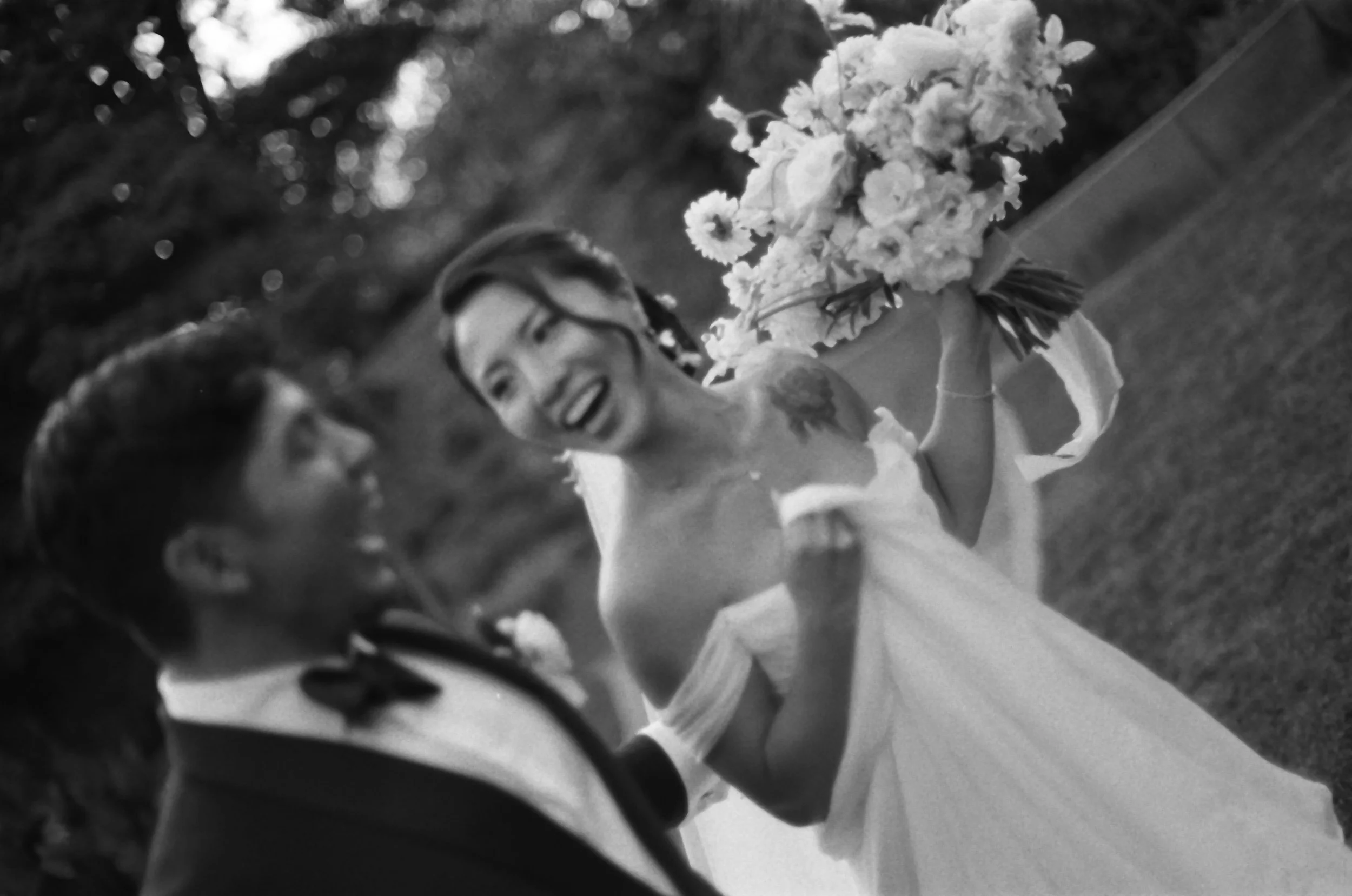
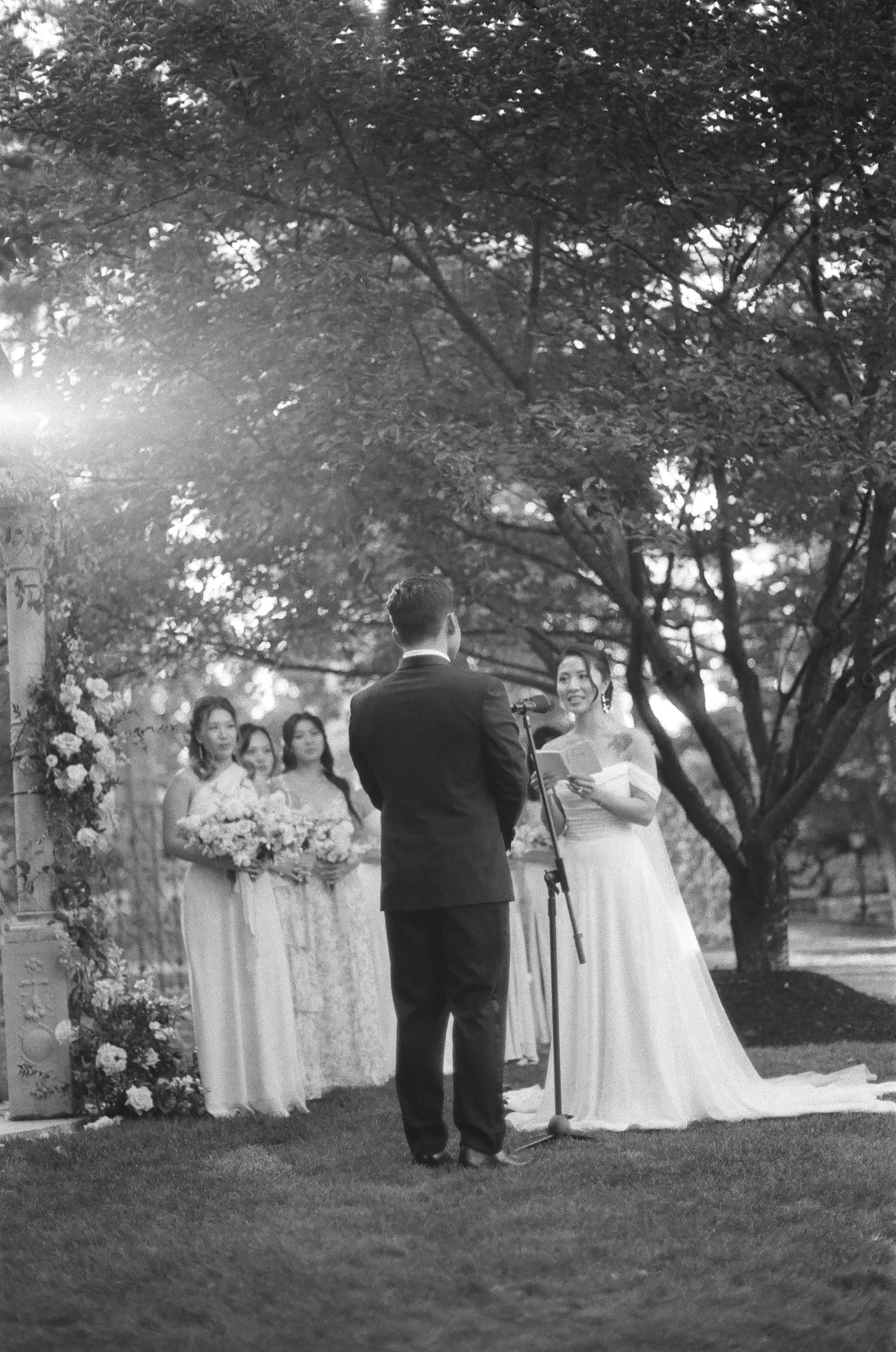
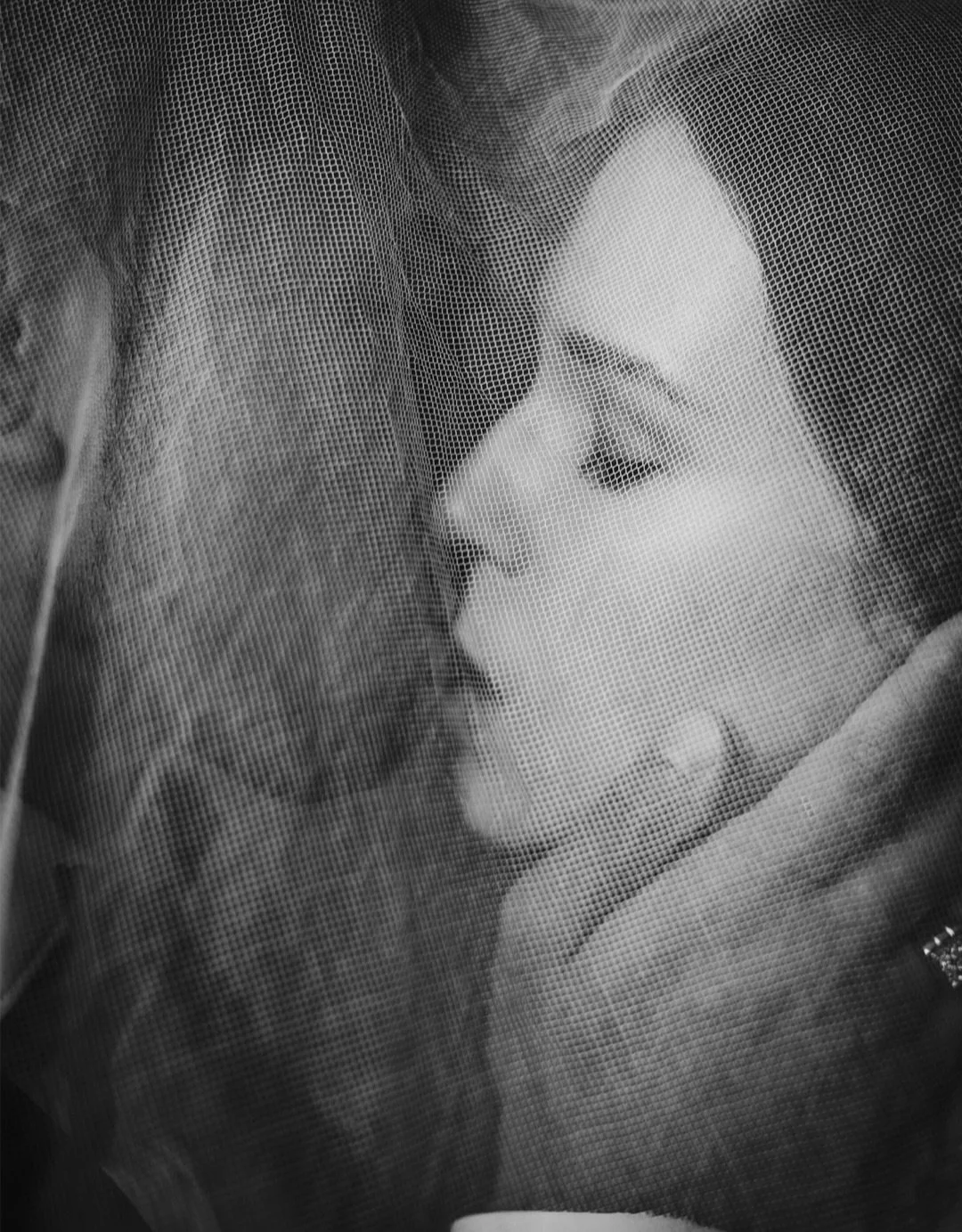
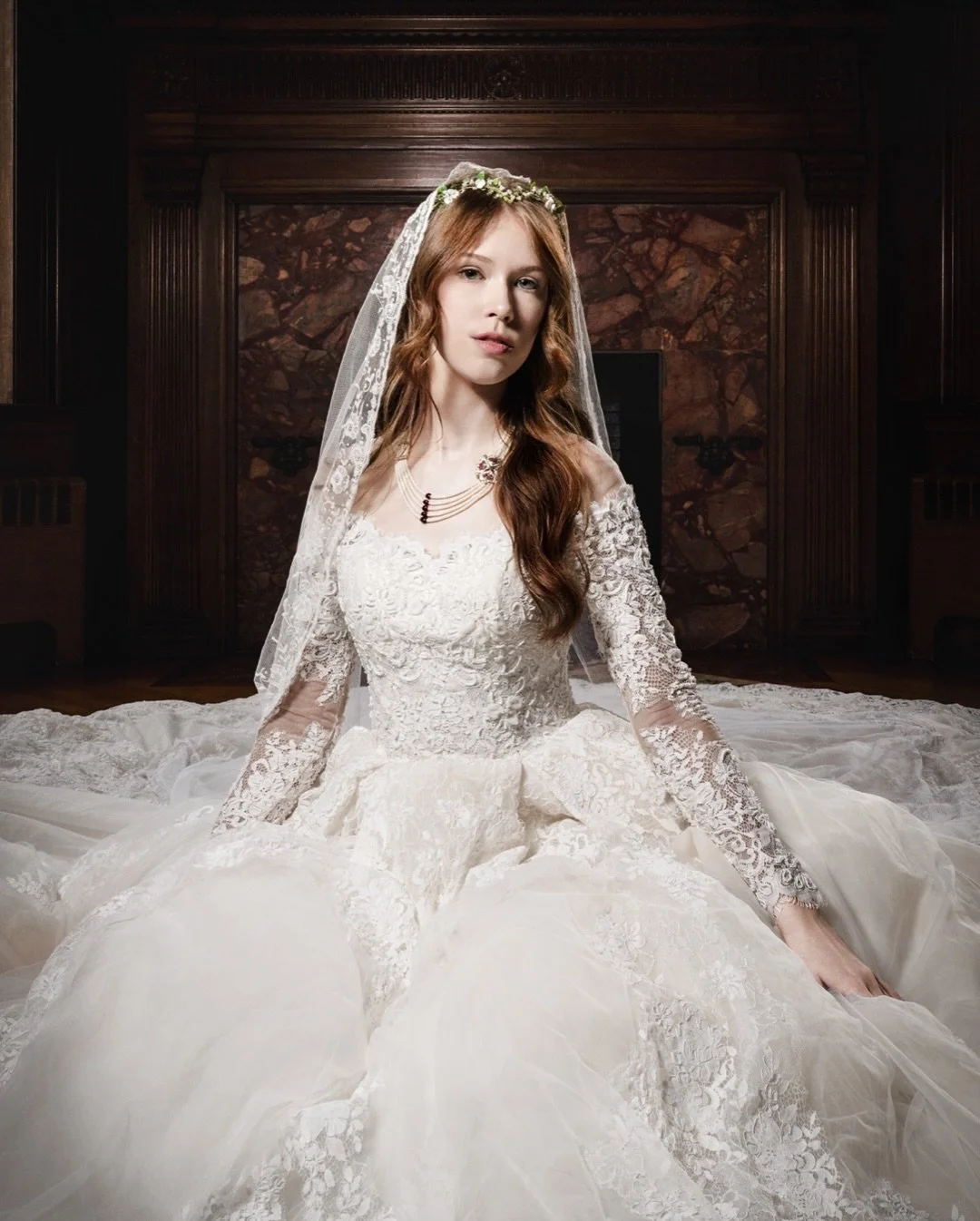
The essence of vintage wedding photography lies in creating images that feel timeless and emotionally resonant. This wedding photography style emphasizes warmth, softness, and depth, aiming to evoke a sense of nostalgia. Vintage wedding photography incorporates vintage themes into attire and decor, creating a cohesive and charming aesthetic.
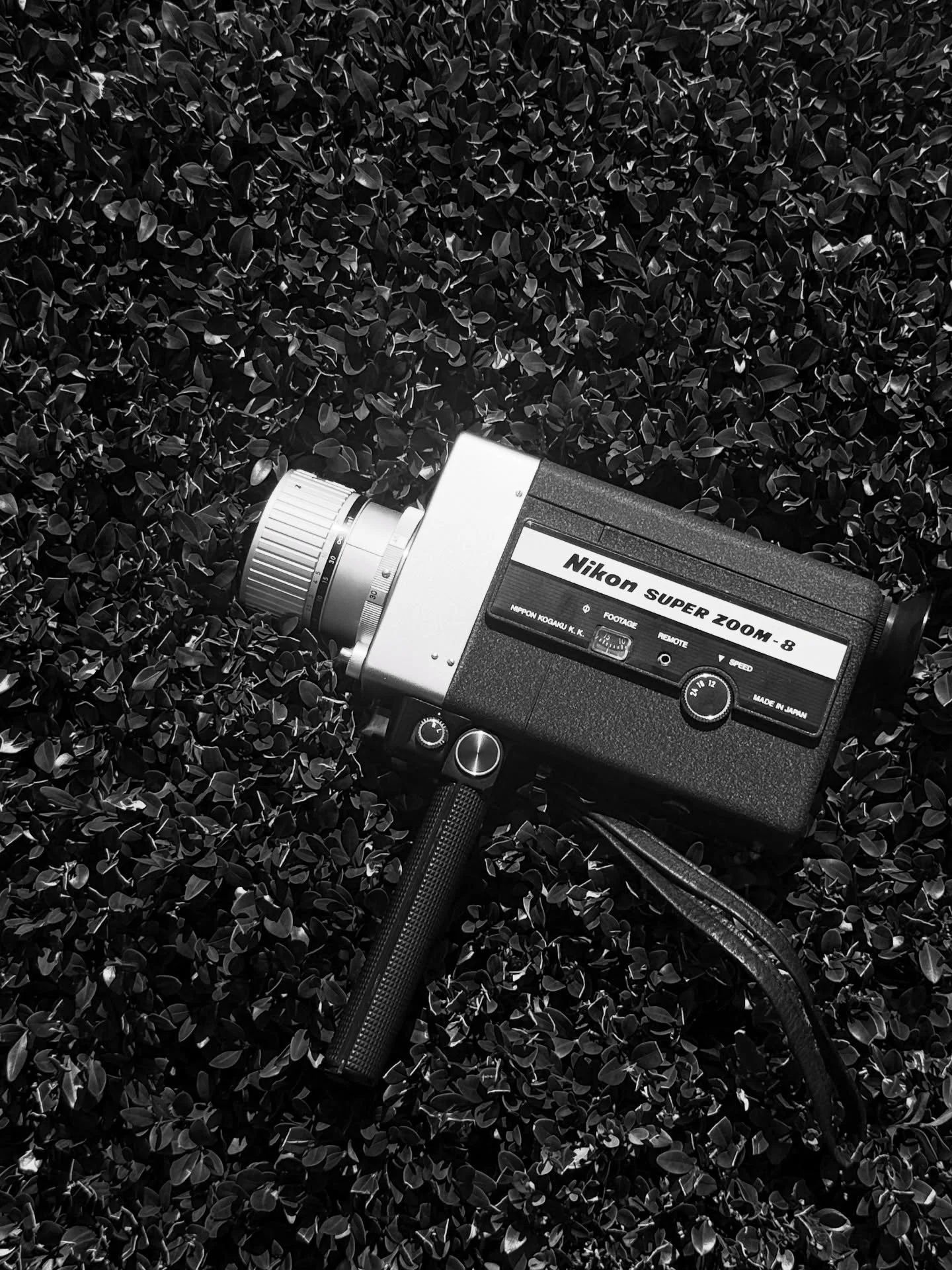
Important elements in vintage wedding photography include soft film-like grain, muted tones, and curated props. Vintage wedding photographers possess skills in both artistry and history, allowing them to recreate the character and charm of bygone eras. Portraits in this style can be arranged and styled while still evoking emotions of nostalgia and sophistication.
Cinematic Wedding Photography
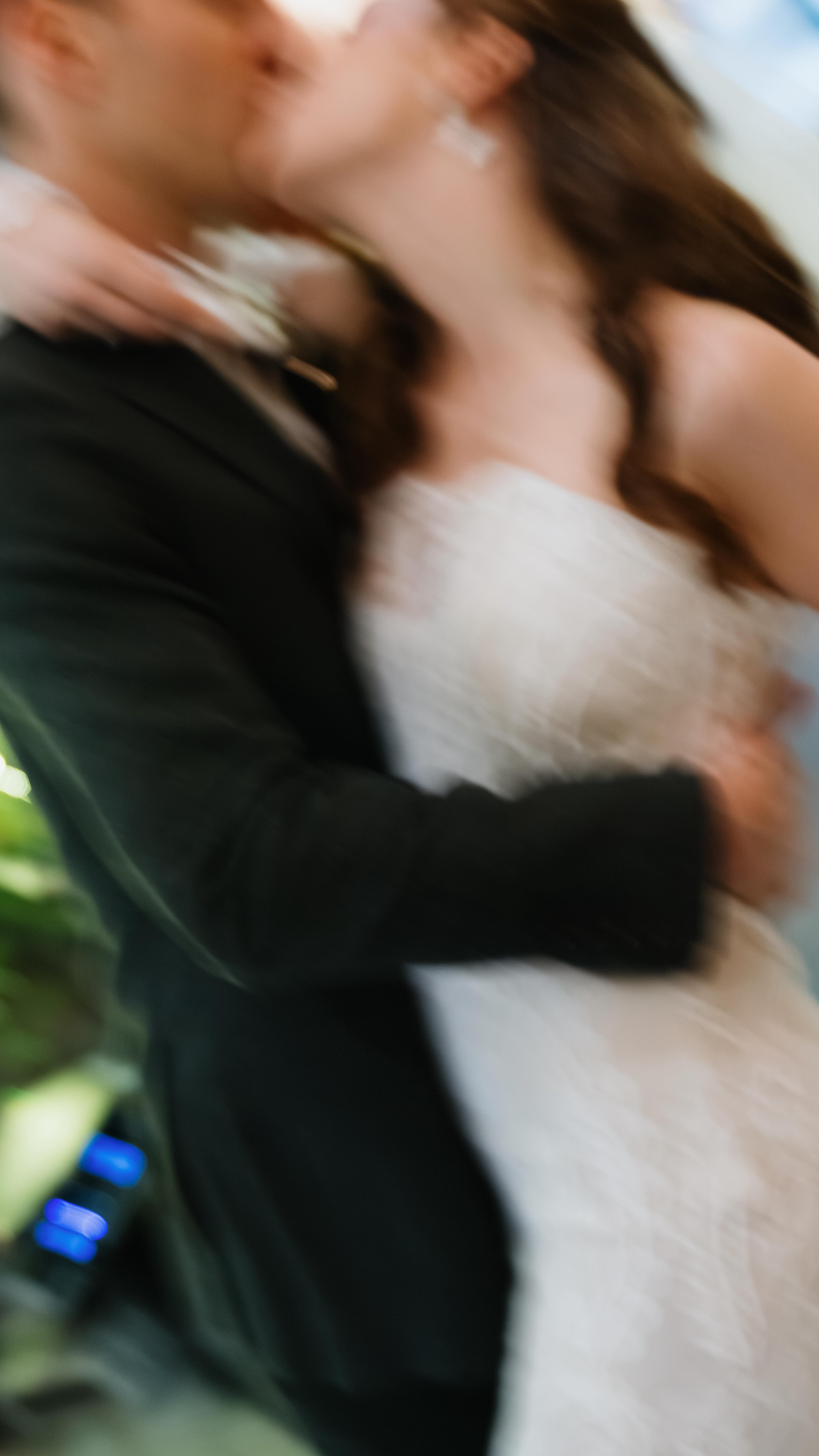
Cinematic wedding photography curates a visual narrative with intentional angles and lighting, creating a grand visual story that is deeply personal. This wedding photography style utilizes storytelling techniques from the film industry for dynamic sequences, capturing subjects in motion to add authenticity and energy to the images.
Photographers use full-frame cameras and specific lenses that enhance environmental storytelling, making each shot feel like a scene from a movie. Pre-production involves creating shot lists that follow a narrative arc, similar to film production, ensuring that the final wedding album tells a cohesive and compelling story.
Lifestyle Wedding Photography
Lifestyle wedding photography is a blend of candid shots and styled direction, creating a relaxed atmosphere that allows candid moments to unfold naturally without forced poses. Photographers contribute to this wedding photography style by looking for candid moments and helping to set the scene, resulting in a wedding album that feels both spontaneous and thoughtfully composed. Fine art and lifestyle photography often blend approaches, encouraging natural interactions while providing some direction to achieve a harmonious balance.
This style encourages a relaxed shooting environment, allowing couples and their guests to feel at ease and enjoy the moment, which translates into more genuine and heartwarming photos. The result is a collection of wedding photos that reflect the joy and intimacy of the day.
Elopement Photography
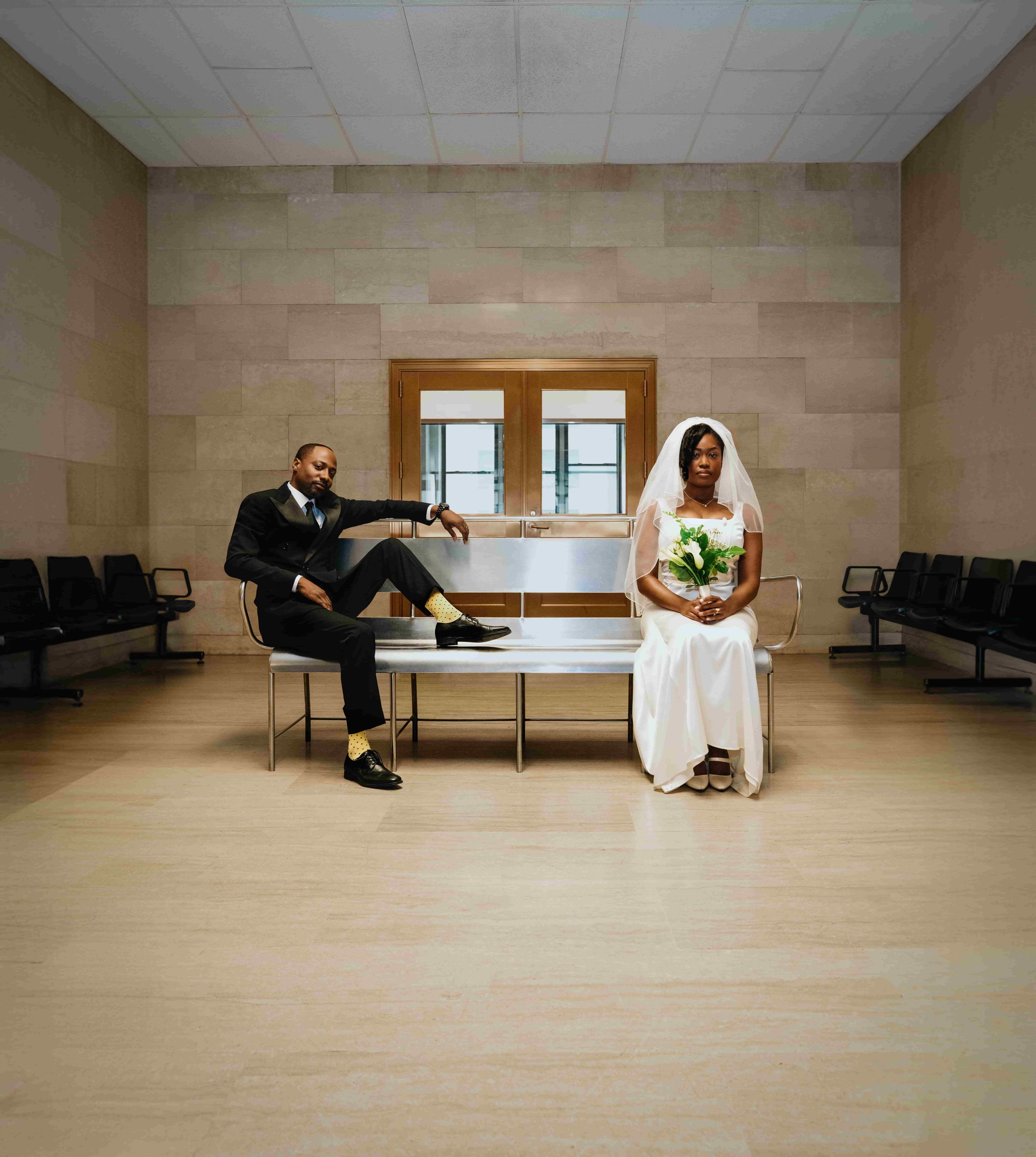
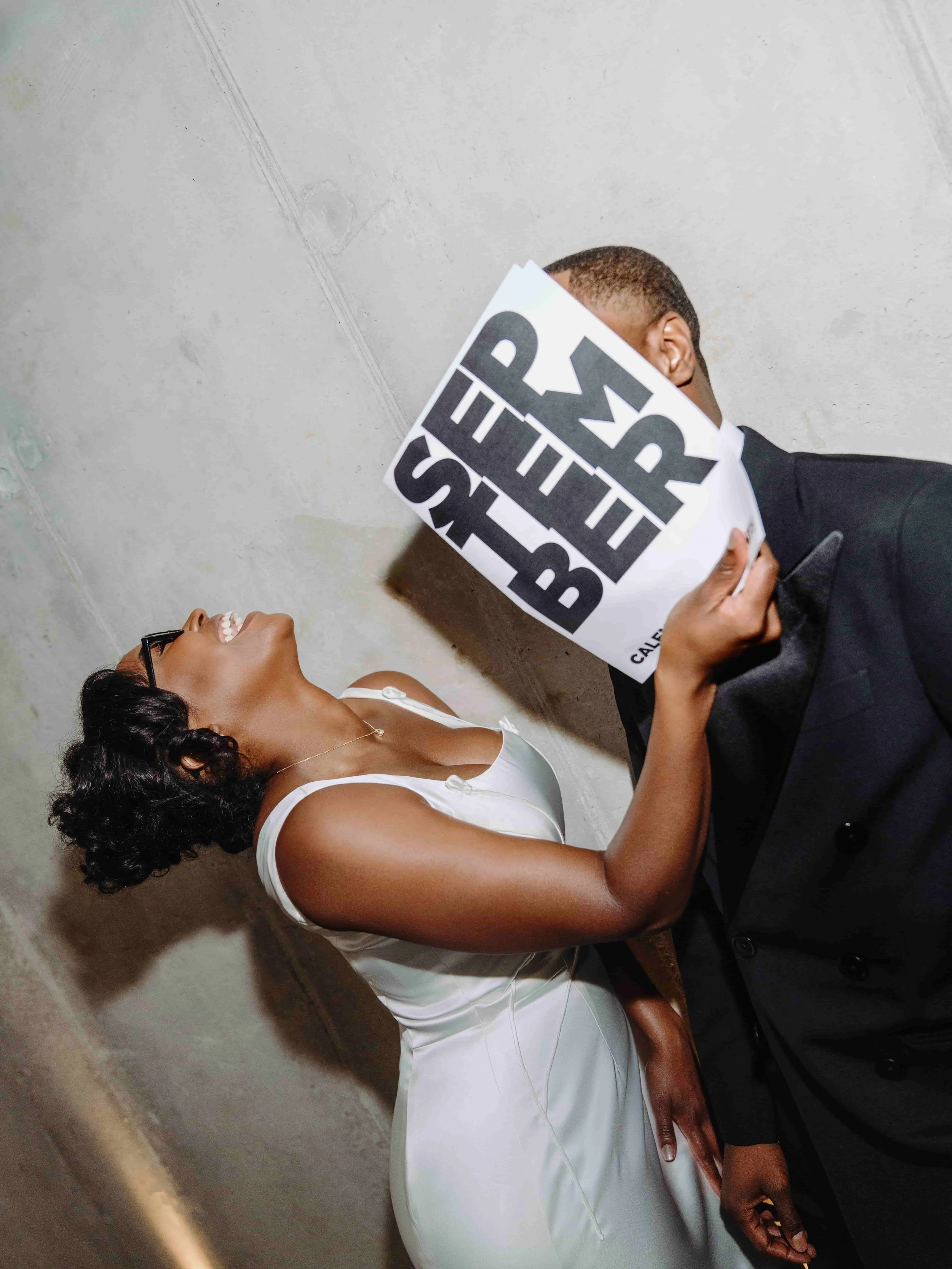

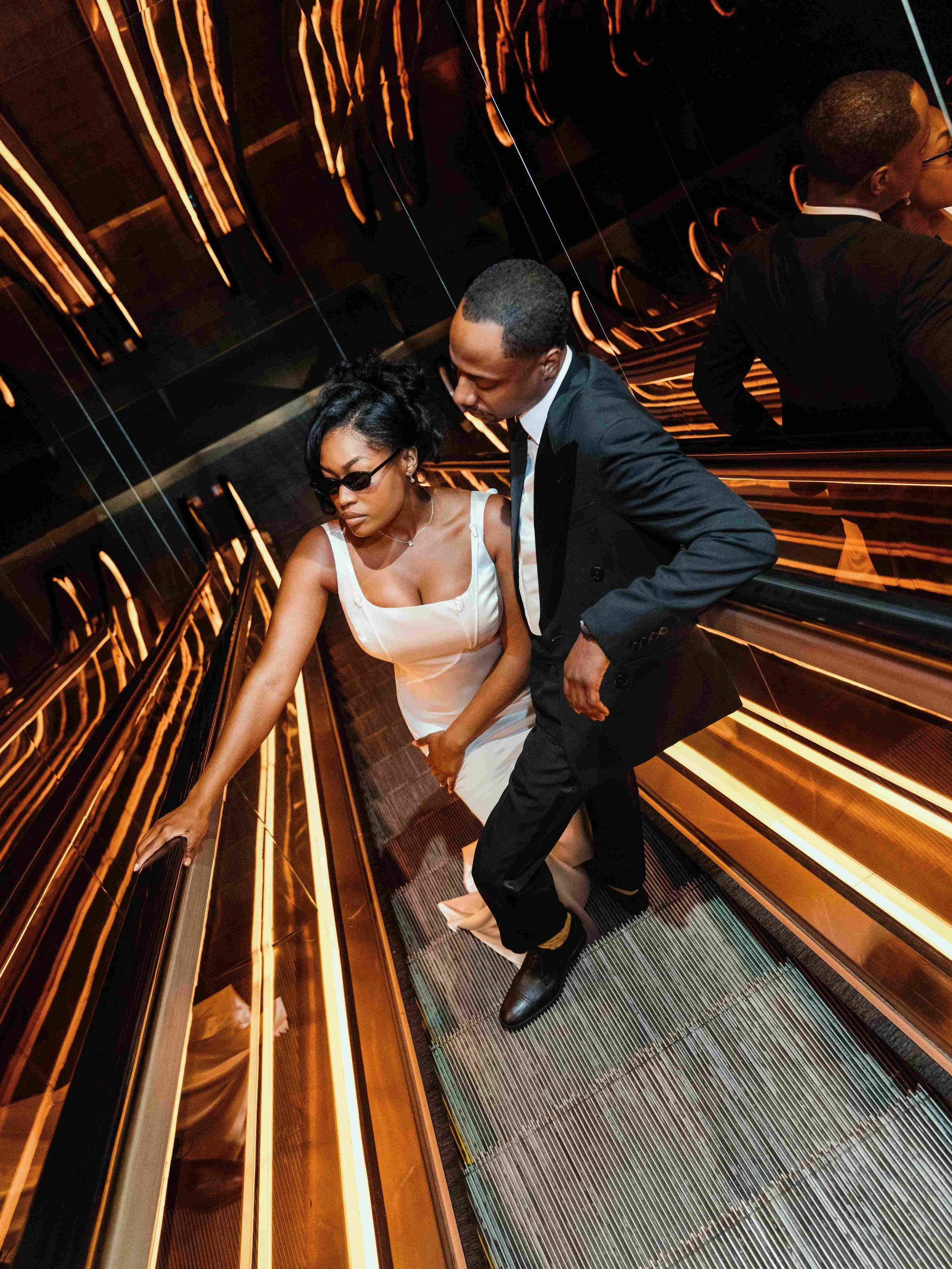
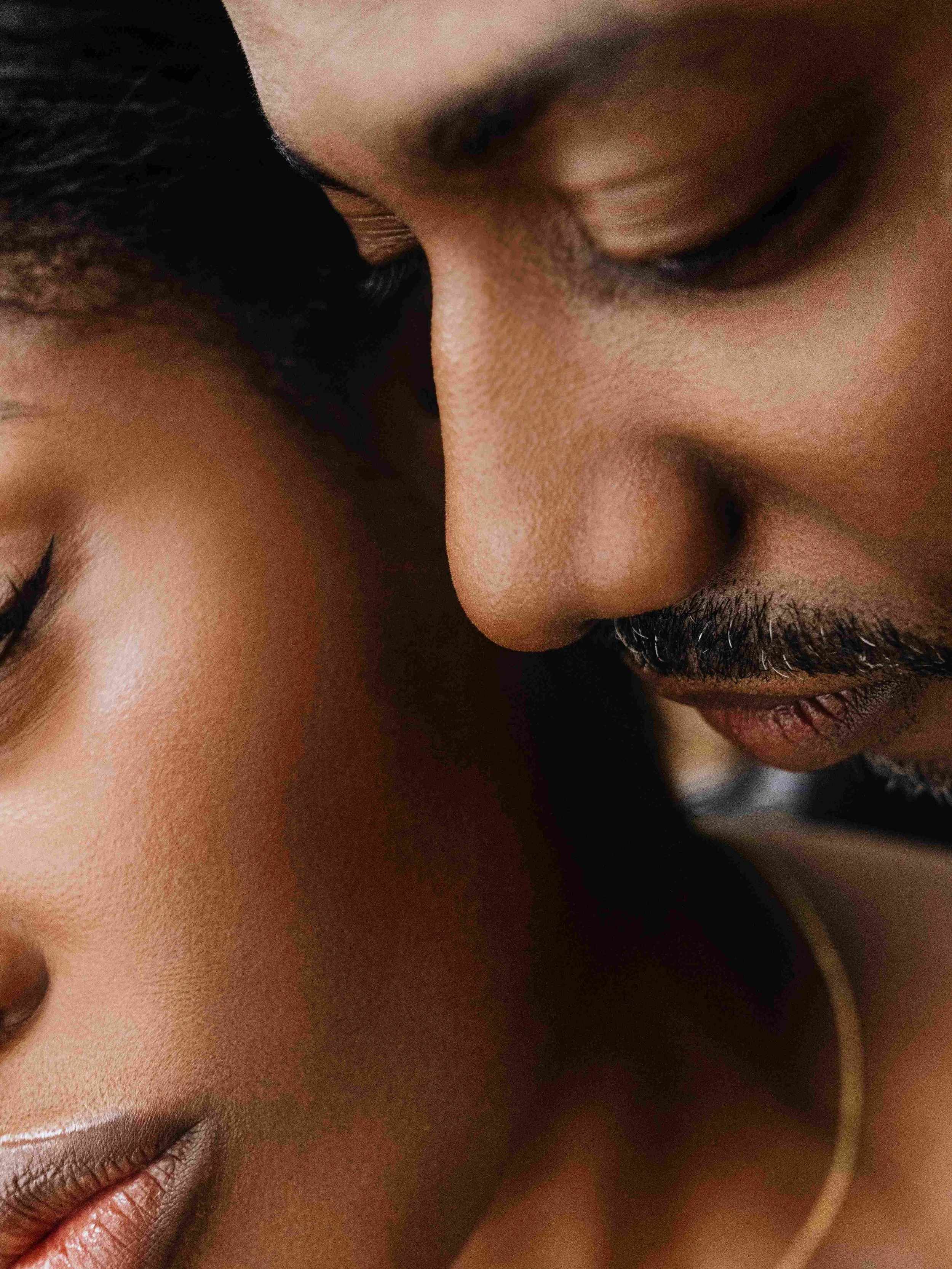
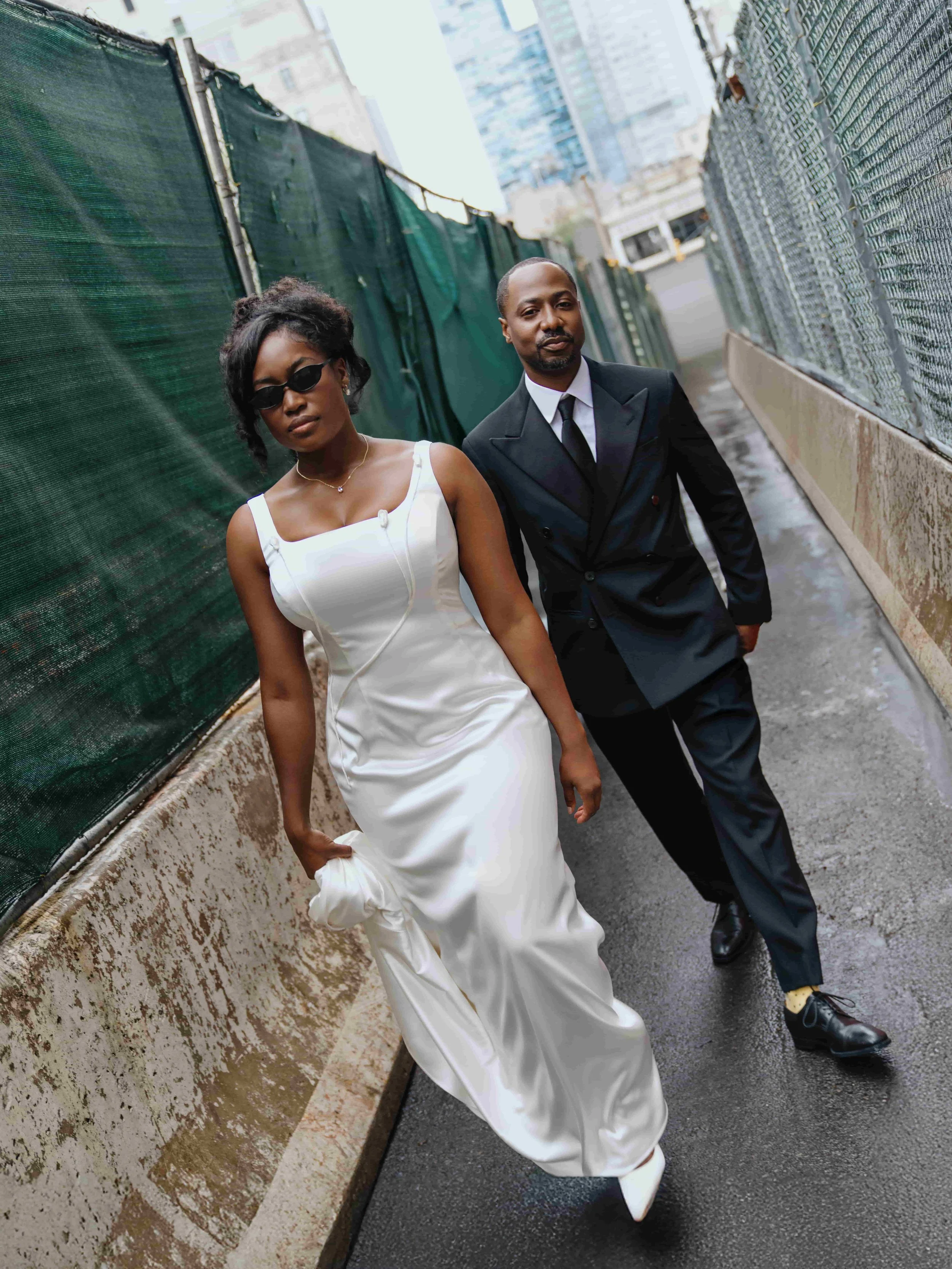
Elopement photography captures intimate, personal ceremonies often set in stunning natural locations, emphasizing authentic emotion without the chaos of larger events. This wedding photography style often features breathtaking natural backdrops like mountaintops and seaside ceremonies, creating a visually stunning and emotionally resonant wedding album.
In elopement photography, the right location significantly impacts the overall aesthetic of the photos. Eloping in less crowded locations or during off-peak times can create a more intimate and relaxed atmosphere for photos, allowing the couple to focus on their connection and the beauty of their surroundings.
Wedding Flash Photography
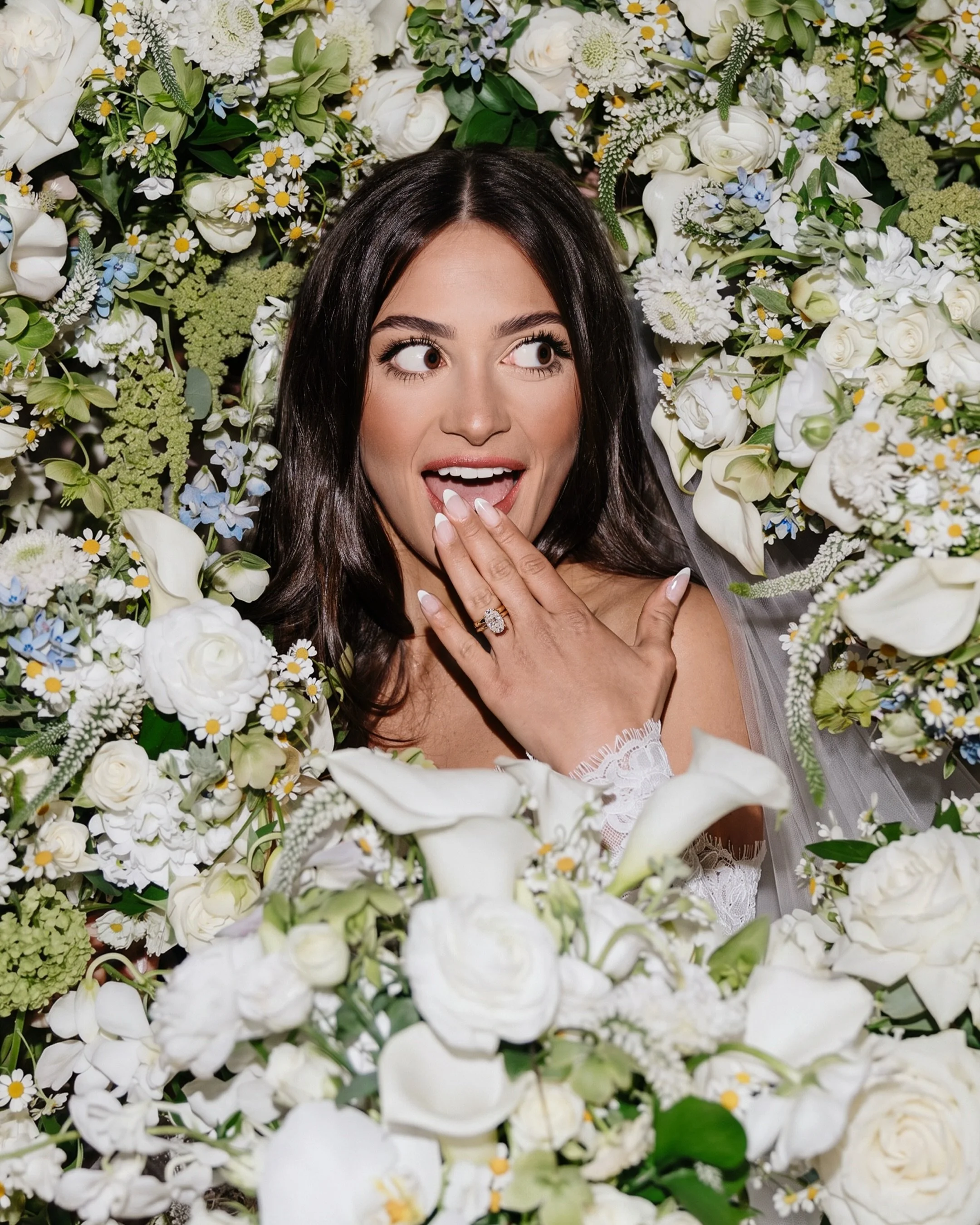
The main purpose of wedding flash photography is to transform moments into visually striking images using flash creatively. This wedding photography style captures candid moments with direct flash, enhancing the emotional impact of images and creating a celebrity-like photo feel. Wedding flash photography is particularly effective at capturing unrehearsed moments with dramatic effect, adding a unique flair to the wedding album. Skilled wedding flash photographers balance precision with creativity in light use, allowing for unique photo experiences.
Wedding flash photography is especially useful in low-light settings where natural light fails to illuminate important moments. Photographers often rely heavily on flash, utilizing it around 80% of the time during events to manage lighting effectively, ensuring that every moment is captured in its best light.
Choosing the Right Wedding Photography Style
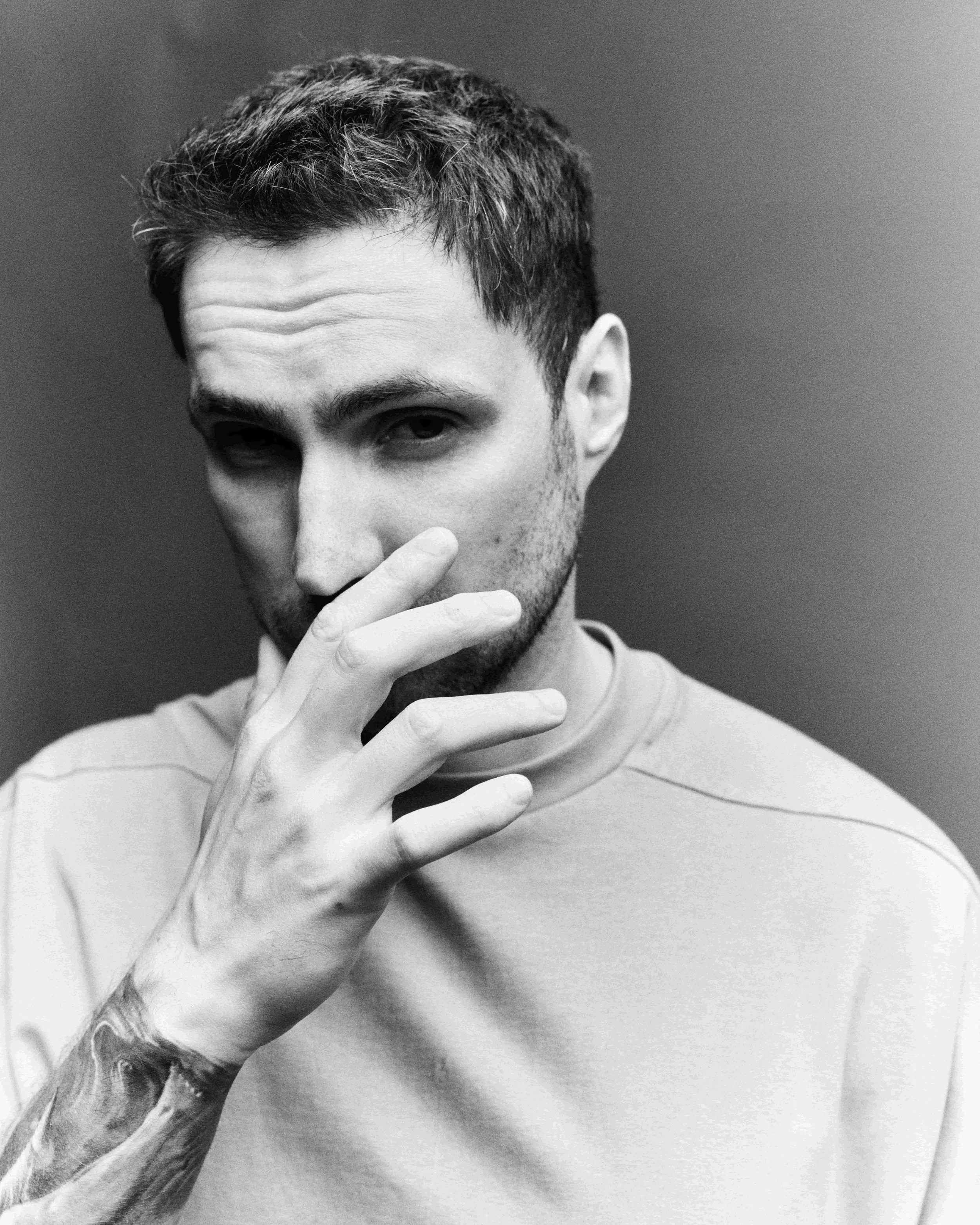

Choosing the right wedding photography style is about creating a legacy, not just following trends. The style sets the tone for memories and matches your personality and wedding theme, preserving the magic of your wedding day. This section will guide you through considering your personality and preferences, matching the photography style with your wedding theme and venue, and budget considerations.
Selecting a photography style should involve careful thought and planning, ensuring that the final images reflect your unique love story and the essence of your celebration. Choosing your wedding photography style should be done before reaching out to potential photographers, as this helps streamline the selection process and ensures alignment with your vision. By understanding the different wedding photography styles and what they offer, you can make an informed decision that you’ll cherish for years to come.
Consider Your Personality and Preferences
Couples should choose a wedding photography style that resonates with their personal tastes and the overall vibe they want to convey. Evaluating your social media favorites can help identify photography styles you love, providing a starting point for your selection. Analyzing your saved posts can reveal patterns in your preferences, making it easier to communicate your vision to potential photographers.
Establishing a connection with the photographer is essential to ensure that their vision aligns with yours, resulting in wedding photos that truly reflect your personality and preferences.


Match with Wedding Theme and Venue
The selected wedding photography style should complement the wedding’s theme and the characteristics of the venue to create a cohesive visual narrative. Consider the aesthetic and unique features of your wedding venue when selecting a style, as different venues influence the suitability of various photography styles.
Grand venues may favor traditional styles, while casual settings suit different styles on the dance floor of more relaxed approaches.
Budget Considerations
Budget is a significant factor in determining the available photography options, with high-end styles requiring more investment. Cinematic photographers often position themselves as visual storytellers, justifying higher fees due to the artistic and technical skills required.
Packages can vary widely, with some offering extensive coverage and a high number of professionally edited photos, which can affect the overall cost.
Summary
In conclusion, choosing the right wedding photography style is essential for creating a cherished reflection of your wedding day. Whether you prefer the timeless elegance of traditional photography or the dramatic flair of dark and moody photography, each style offers a unique way of capturing your special moments. By considering your personality, wedding theme, venue, and budget, you can select the perfect style that resonates with you.
Remember, it’s not just about following trends but about creating a lasting legacy that you will treasure for years to come. We hope this guide has provided you with valuable insights and inspiration to make an informed decision. Happy wedding planning!
Frequently Asked Questions
How do I choose the right wedding photography style?
To choose the right wedding photography style, reflect on your personality, wedding theme, and budget, and explore photographers whose work resonates with you. Ensure their vision aligns with yours to beautifully capture your unique love story.
What should I consider when selecting a wedding photographer?
When selecting a wedding photographer, prioritize their portfolio and ensure their style aligns with your vision. Additionally, assess their experience, client reviews, and your personal rapport with them for a seamless partnership on your special day. Reviewing photographer portfolios helps you see how they capture emotions and moments, providing a clearer picture of their ability to meet your expectations.
What is the difference between traditional and documentary wedding photography?
The key difference lies in their approach: traditional wedding photography is centered on posed, formal portraits, whereas documentary wedding photography captures candid, storytelling moments as they happen. Choose the style that resonates with your vision for preserving your special day.
Why is fine art wedding photography often associated with film photography?
Fine art wedding photography is linked to film photography due to film's ability to capture light and texture in a way that creates bright, airy images with artistic depth. This characteristic enhances the emotional resonance of the photographs, making them feel more artistic and timeless.
How does budget impact the choice of wedding photography style?
Budget significantly influences the choice of wedding photography style, as higher-end options like cinematic or fine art photography often come with larger price tags due to the required expertise. It's essential to evaluate your budget and choose a style that offers the best value for your needs.